Galapagos or Antarctica: Two Expedition Cruises Compared
Two expedition trips, both expensive, and only one of them promises you the animals. Galapagos hands you sea lions on the landing beach, while Antarctica hands you a forecast and a shrug from the expedition leader, and that gap should drive your whole decision.
My quick take
These are not really competing trips. They are competing risk profiles, and the money is close enough that people compare them anyway.
Galapagos is the trip where you know roughly what you are getting. Antarctica is the trip where you pay more, travel further, and accept that the wind decides what you actually see.
The quick facts
- Season: Galapagos sails all year, Antarctica runs roughly late October through March.
- Trip length: Galapagos segments are usually four to seven nights, Antarctica voyages usually ten to eleven days.
- Ship size: Both are small, but Antarctica has a hard rule that ships over 500 passengers land nobody.
- Sea conditions: Galapagos is short hops between islands, Antarctica is two open ocean crossings unless you fly.
- Wildlife odds: Galapagos animals are close to guaranteed, Antarctic landings are weather dependent every single day.
What a Galapagos cruise actually is
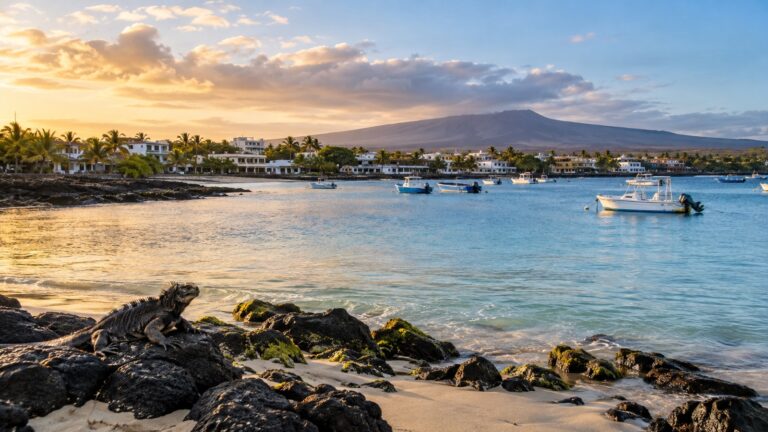
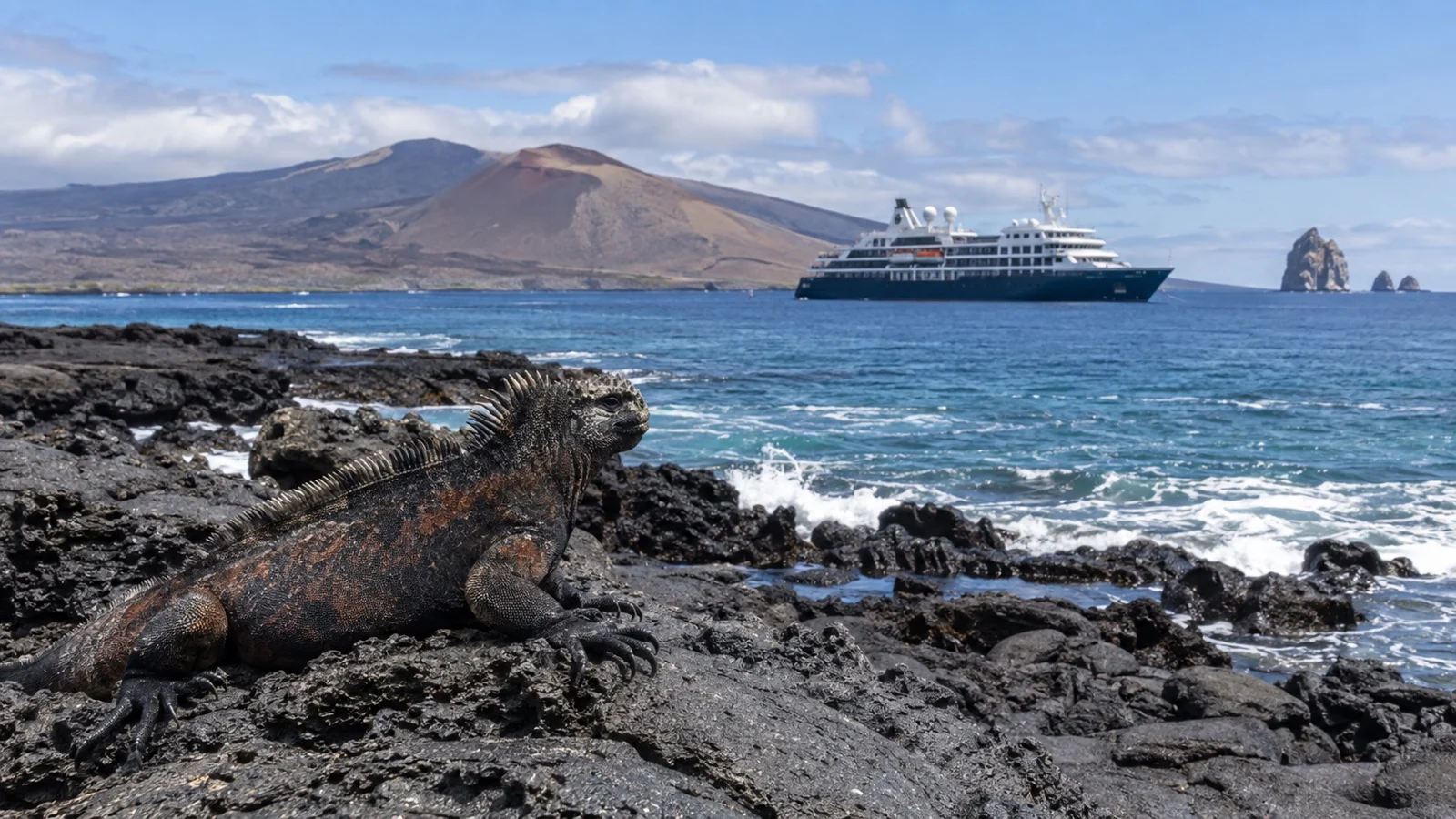
You fly to mainland Ecuador, then take a second flight out to the islands, about 600 miles (1,000 km) off the coast. Your ship is small, often under 50 passengers, and it moves overnight between visitor sites while you sleep.
Every day is two landings and usually some time in the water. A licensed naturalist guide runs the group, and you walk a marked trail past animals that have no particular opinion about you being there.
The itineraries are licensed on a repeating cycle of about two weeks, and a ship cannot revisit the same site within that cycle. That is why trips are sold as four night and five night halves rather than tidy weeks, and it is covered properly in the guide to Baltra, San Cristobal and the fourteen day rule.
What an Antarctica cruise actually is
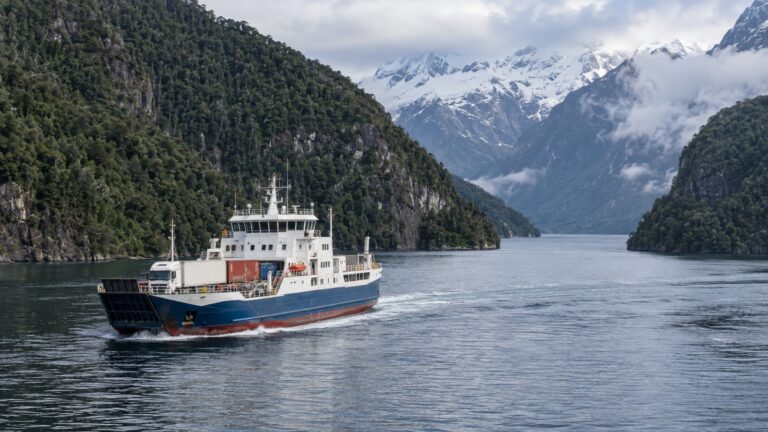
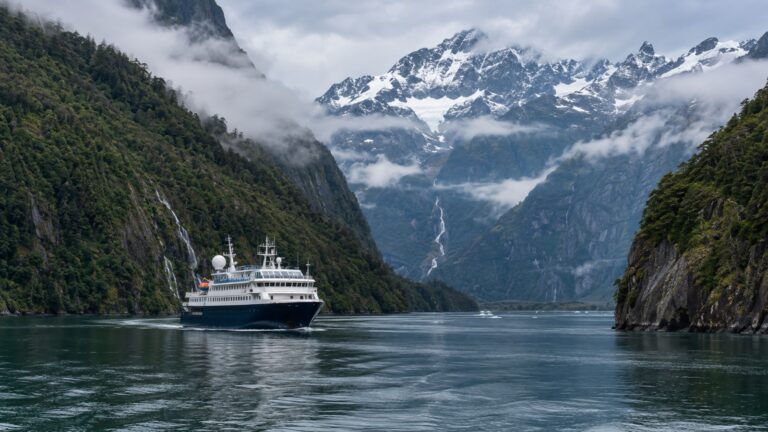
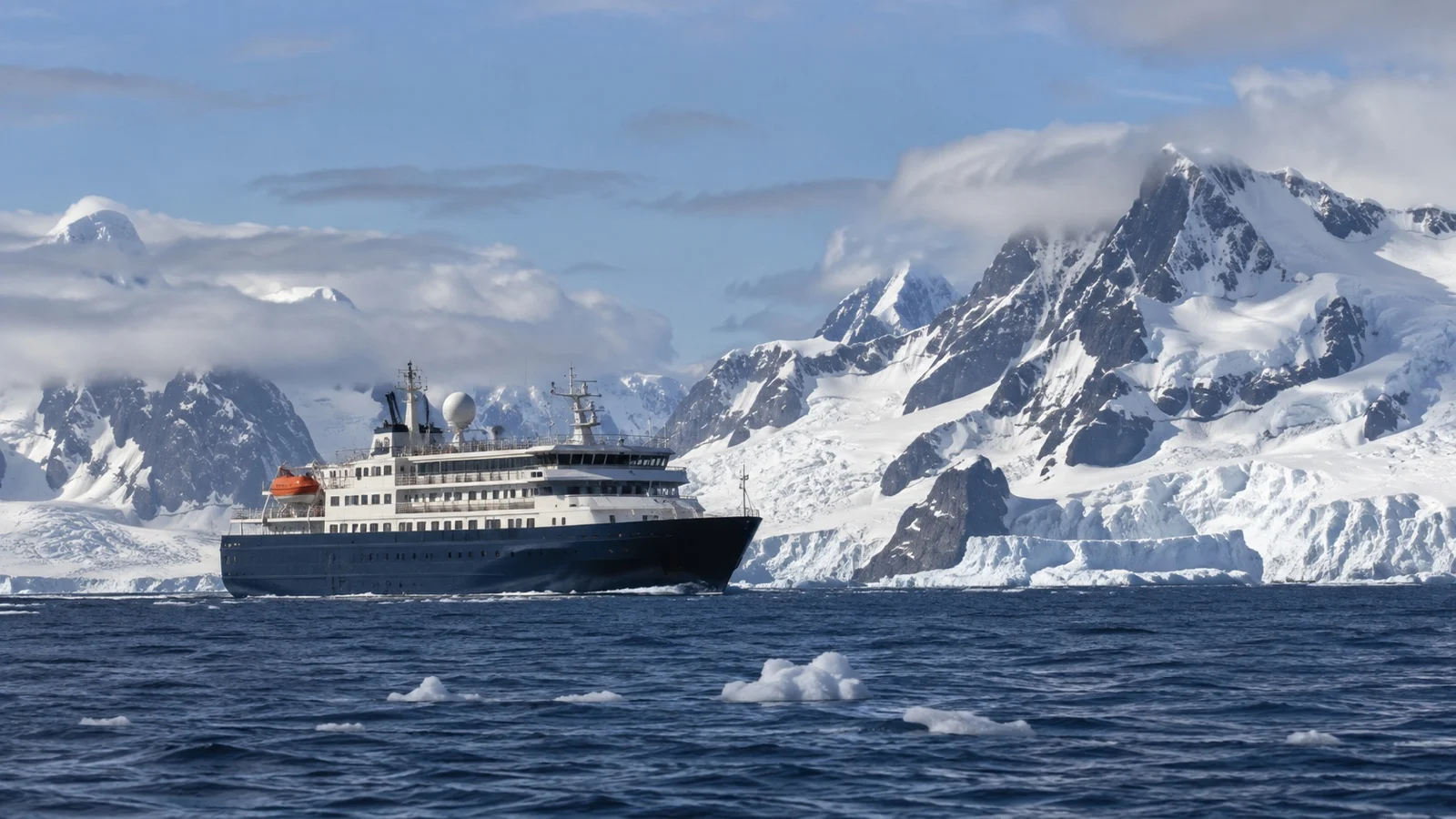
The standard version leaves from Ushuaia at the bottom of Argentina and crosses the Drake Passage in each direction. Most Peninsula voyages run ten to eleven days and aim for somewhere between eight and twelve landings.
A landing means muck boots, a life vest, a Zodiac ride, and roughly 90 minutes to two hours ashore per group. Staff scout the site first, and if the surf or the wind is wrong, nobody lands and the ship moves on.
The alternative is a fly cruise, where you fly from Punta Arenas to King George Island in about two hours and join the ship there. It removes roughly four days of ocean, and the full rundown on skipping the Drake Passage explains why that convenience comes with its own delay problem.
The money, without the brochure language
Both trips are expensive, and neither one is a bargain hunt. Galapagos cruise fares usually land in the low thousands per person for a short segment and climb into five figures on the premium ships.
Antarctica generally starts higher and stays higher. Fly cruise itineraries in particular tend to open somewhere around $14,000 per person, and the classic Drake sailings vary widely by ship and cabin.
Galapagos also has fixed costs the fare does not include. The park entrance fee for foreign adults is $200, the transit control card is another $20, and both are cash transactions you should not assume a card terminal will handle.
The flights are half the decision
Nobody boards either of these ships without a long air itinerary first. Galapagos means an international flight to Ecuador, a night on the mainland, then a domestic hop to Baltra or San Cristobal.
Antarctica means getting yourself to Ushuaia or Punta Arenas, which is usually two flights south of Buenos Aires or Santiago plus a buffer night. I would never connect on the same day for either trip, and for Antarctica I would build in more slack than feels reasonable.
The fly cruise version makes this sharper, not softer. Those flights to the ice run on weather windows, and delays of one to three days are a normal outcome rather than a scandal.
Sea conditions, and why the Drake gets all the attention
The Drake Passage is about 600 miles (970 km) of open ocean and takes roughly 36 to 48 hours each way. Waves in the 6 to 10 foot range are ordinary, and a rougher system can push that to 12 to 15 feet or more.
Modern expedition ships have stabilizers, and they help. They do not turn the Southern Ocean into a lake, and a smaller or older vessel will move more.
Galapagos is a different animal. You get short overnight repositioning legs between islands, and the cool dry season from June to November brings choppier water than the calm months of December to May.
I have been queasy on a mild Pacific swell out of Coquimbo, so I do not pretend my stomach is heroic. If yours is similar, the honest read is that Galapagos asks much less of it, and the detail on what two days of open ocean really feels like is worth reading before you commit.
Wildlife you will see versus wildlife you might see
This is the part people underweight, and it is the whole reason I would send a first time expedition cruiser to Galapagos. The animals there do not run, and the visitor sites are chosen because the wildlife reliably sits on them.
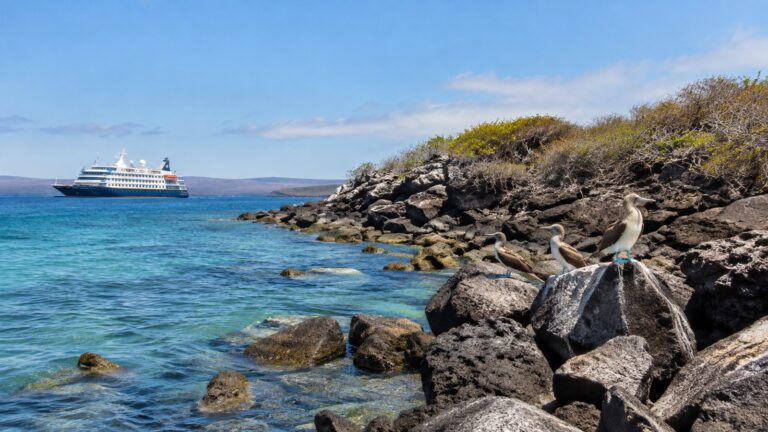
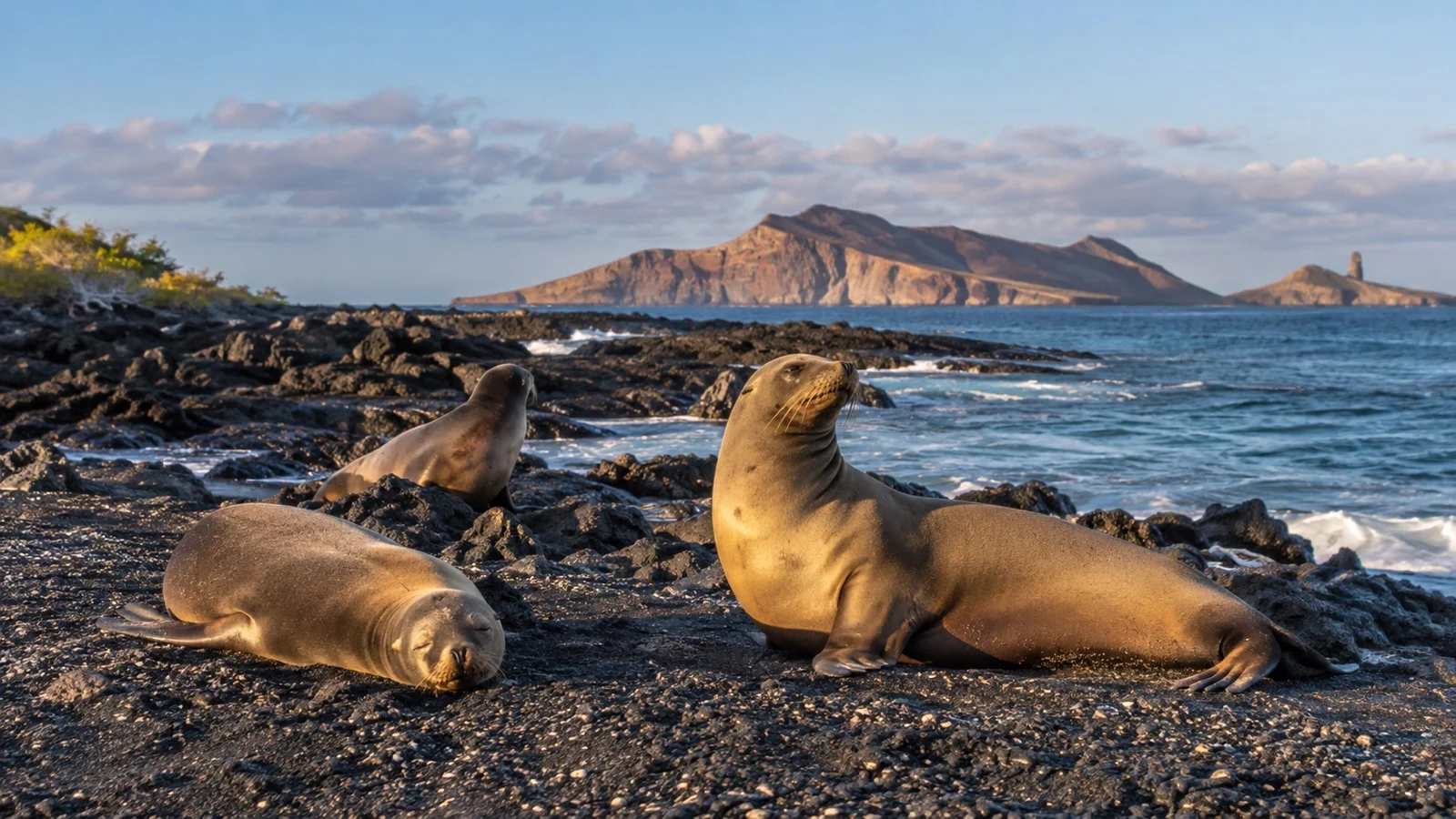
Sea lions on the beach, marine iguanas on the rocks, blue footed boobies, giant tortoises in the highlands. You are not hoping, you are walking a trail and keeping your distance from things that are already there.
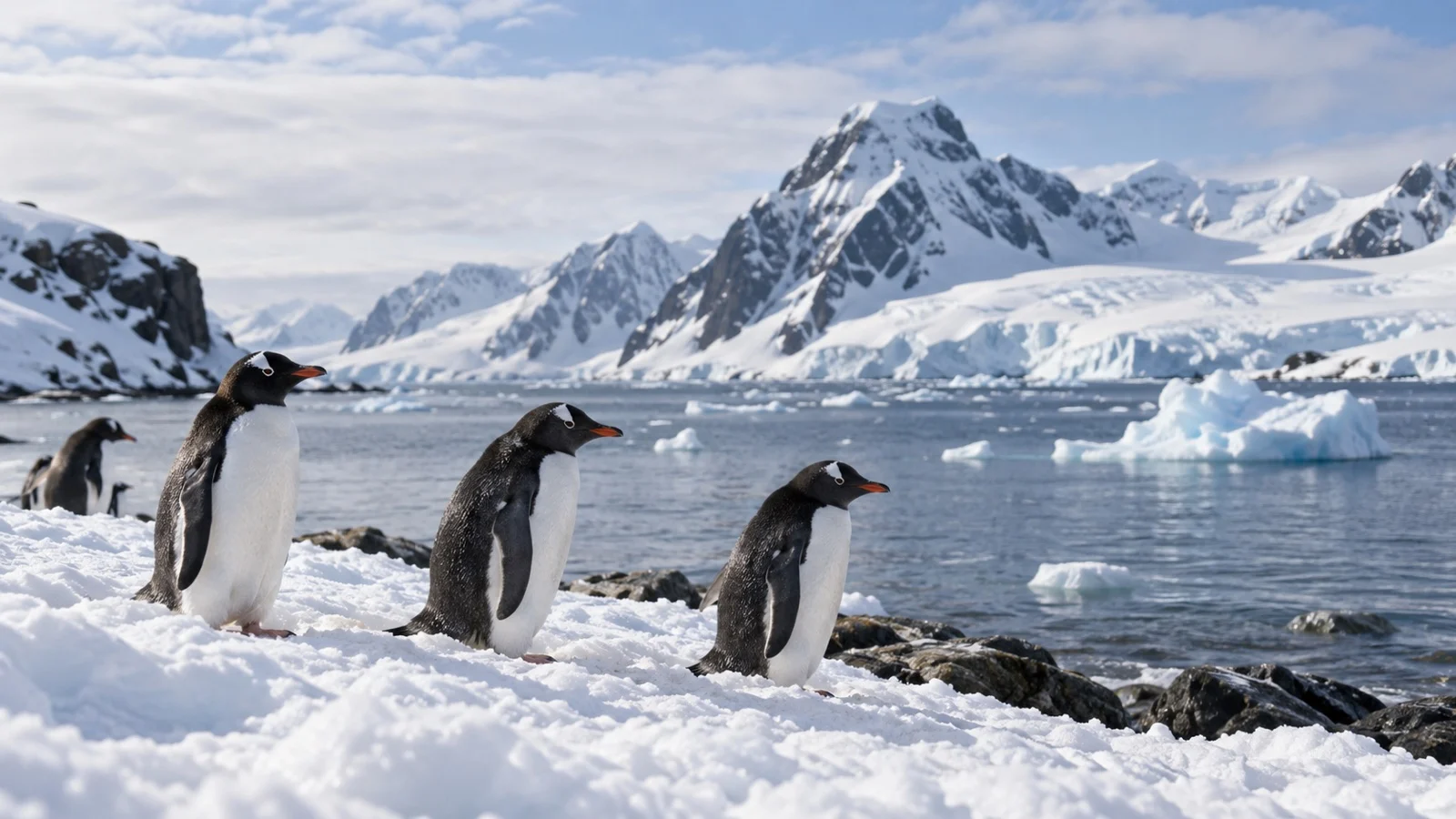
Antarctica is genuinely spectacular and genuinely conditional. Gentoo penguins turn up at most sites and whale sightings pick up in February and March, but every one of those encounters depends on a landing happening at all.
Nobody is guaranteeing you eight landings. A bad week of wind can cut that number down, and the ship will substitute scenic cruising rather than cancel the voyage.
Permits and landing rules shape your day more than the itinerary does
Both destinations are heavily regulated, and in both cases the rules are the reason the trip is any good. They also explain why your ship is small and why your day runs on a schedule you do not control.
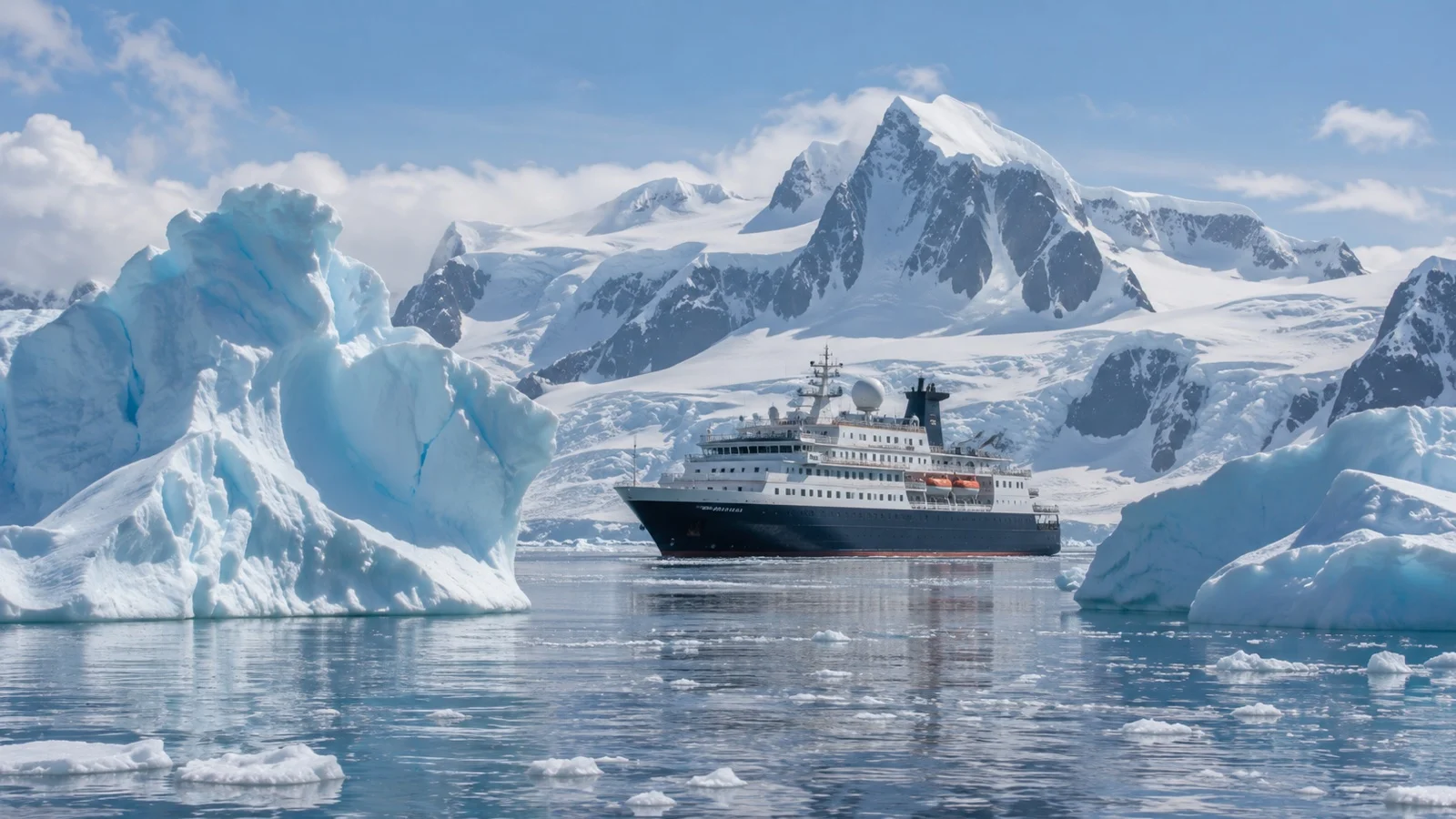
- Antarctic ship size: Vessels carrying more than 500 passengers cannot land anyone, and are limited to cruise only sailing under the operator categories.
- People ashore: No more than 100 passengers from one ship may be ashore at a site at the same time.
- Site sharing: Only one ship visits a landing site at a time, which is scheduled in advance.
- Galapagos guides: You visit sites only with a naturalist guide licensed by the park directorate.
- Galapagos distance: Stay about 6 feet (2 m) from wildlife, stay on the trail, and no flash.
The practical effect in Antarctica is rotation. A larger permitted ship has to cycle groups ashore in shifts, so your time on the ice is shorter than the ship’s total time at the site.
The practical effect in Galapagos is that your group is small and your guide is not optional. The published visitor rules are short, strict and enforced, and this is not a place where a friendly tip gets you closer to a tortoise.
How hard each one is on your body
Neither trip is a cruise where you stroll off onto a pier. Both involve stepping from a moving small boat, often into shallow water, and both will ask you to do it twice a day.
Antarctica adds cold, bulk and terrain. Summer temperatures on the Peninsula run from around freezing down to about 14 degrees (minus 10 C), the wind chill does the real damage, and you are walking on uneven rock and packed snow in heavy layers.
Galapagos is warmer and easier, but the sun is brutal and the lava trails are uneven. If mobility is a real constraint, Galapagos is the more forgiving of the two, though neither is wheelchair friendly and both need a frank conversation with the operator before you book.
Season is a constraint, not a preference
Galapagos runs all year, which is a real advantage if your vacation dates are fixed. The warm season from December to May brings hot humid days and calmer water, and the cool dry season from June to November brings drizzle, cooler water and better conditions for marine life.
Antarctica gives you about five months. Landings run from late October into March, with November and December strong for nesting penguins and clean snow, and February and March better for whales and slightly softer weather.
If you cannot travel in the southern summer, the choice makes itself. That is the single cleanest tiebreaker in this whole comparison.
The thing people get wrong about this choice
People compare the two on price per day and decide Antarctica is better value because the ship is bigger and the trip is longer. That math ignores that four or five of those days are ocean crossing and pre or post embarkation buffer.
The other mistake is treating Antarctica as a wildlife trip in the same sense as Galapagos. It is a landscape trip with wildlife in it, and the ice is the reason to go.
If what you want is animals at arm’s length, close up and every single day, the ice is the wrong purchase. If what you want is a place that flattens you with scale, Galapagos will feel small.
Insurance, briefly and honestly
Antarctica is the one place I will not soften this. There are no hospitals or pharmacies on the continent, search and rescue is extremely limited, and official guidance for American travelers is blunt about the cost of a rescue landing on the person who needs it.
Most Antarctic operators require evacuation coverage, and you should buy it whether they demand it or not. Galapagos is remote too, and a serious problem there means a flight back to the mainland, so I would carry proper coverage on both trips.
Who each trip actually suits
Galapagos suits first time expedition cruisers, families with older kids, anyone with a shaky stomach, and anyone who wants a near certain outcome for the money. It also suits people with limited vacation time, since a four or five night segment plus travel fits inside a normal week off.
Antarctica suits people who have already done a few unusual trips and want scale rather than intimacy. It suits travelers with two spare weeks, real schedule flexibility on the return leg, and a tolerance for a voyage that reshuffles itself daily.
The archipelago’s status as one of the planet’s most protected island ecosystems is not marketing. It is why the wildlife behaves the way it does, and why the trip delivers so consistently.
What I would book, and in what order
If you are choosing one and it is your first big expedition trip, book Galapagos. You spend less, you travel less, you get sick less, and you come home with the animals you were promised.
Do Antarctica second, once you know how you handle small ships, Zodiacs and a schedule that changes at breakfast. Going in that order also means the Drake Passage is a known quantity rather than an experiment you paid five figures to run.
The one case where I flip that advice is age or health. If Antarctica is a now or never trip, go now, because Galapagos will still be manageable in ten years and the ice will not be.
Quick answers
Is Antarctica more expensive than Galapagos?
Generally yes, and the gap widens once you add the extra days, the longer flights and the buffer nights. Galapagos has smaller entry fees on top but a shorter overall trip.
Can you avoid the Drake Passage?
Yes, by flying from Punta Arenas to King George Island and joining the ship there. You trade two days of ocean for a flight that is frequently delayed by weather.
Are Galapagos animals really that close?
Yes, and the rule works in reverse: you keep about 6 feet (2 m) away, not the other way around. Sea lions and iguanas regularly ignore that boundary themselves.
What if bad weather cancels my Antarctic landings?
The ship substitutes scenic cruising or tries an alternate site, and you do not get a refund for a missed landing. Build your expectations around that before you sail.
Which one is better for kids?
Galapagos, comfortably, because it is warm, active and full of visible animals. Antarctic operators often set minimum ages and the cold plus the crossings are a lot for younger travelers.
Final word
Both of these are real trips that earn their price, and I am not going to pretend one is objectively better. But they sell you two different things, and only one of them tells you in advance what you are buying.
Galapagos is the safer purchase and the easier week, and it is where I would start. If you are already sure the ice is the point, then read up on why big ships cannot put you ashore and the practicalities of embarking in Ushuaia, and give yourself far more schedule room than you think you need.
How this guide was researched: Landing rules, ship size limits, park entry fees, season dates and Drake Passage crossing conditions were checked in November 2026 against official published guidance. Fares, entry fees and flight schedules change often, so confirm the current numbers and season dates for your own sailing before you book. See our Editorial Policy.
More on this topic: browse every guide on expedition and alternative cruises.