Cruising Solo: Single Supplements, Port Days and the Ports That Work Alone
The taxi driver at the pier quotes a flat rate to the ruins, and split four ways it is a genuinely fair price. You are one person, and nobody is offering you a quarter of the car.
My quick take
Solo cruising is one of the best deals in travel that happens to be priced like one of the worst. The cabin math is genuinely unfair, and then the ship hands you a floating hotel where nobody is waiting on your decision about lunch.
What I would actually do is spend the effort on the cabin and save the money on the port day. Book a sailing that has cabins built for one, then plan port days that do not need a vehicle, and the whole trip stops feeling like a penalty for being unattached.
The quick facts
- The supplement: It is normally a percentage added to the per person fare, not a flat fee.
- Solo cabins: A cabin built for one usually beats paying a supplement on a cabin built for two.
- Port day math: Taxis and private guides are priced per vehicle, which is the worst possible structure for a party of one.
- Ship tours: Per person pricing means you pay exactly what each member of a family of four pays.
- Easy ports: Walk-off towns with a compact core are the ones to build a solo itinerary around.
What the single supplement actually is
Every cruise fare you see advertised is a per person number, and that number quietly assumes two people are sharing the room. The whole pricing model is built on two people in the cabin, which is why one person breaks it.
The ship is selling the space, not the bed. One occupant means one bar tab, one spa booking and one shore excursion instead of two, so the line adds a supplement to cover the gap.
It is almost always expressed as a percentage of the per person fare rather than a dollar figure. I have seen it land anywhere from a modest markup on a soft sailing to a full second fare on a premium product, so treat the percentage as something you check for your specific sailing rather than a rule you can memorize.
The cabins that are actually built for one
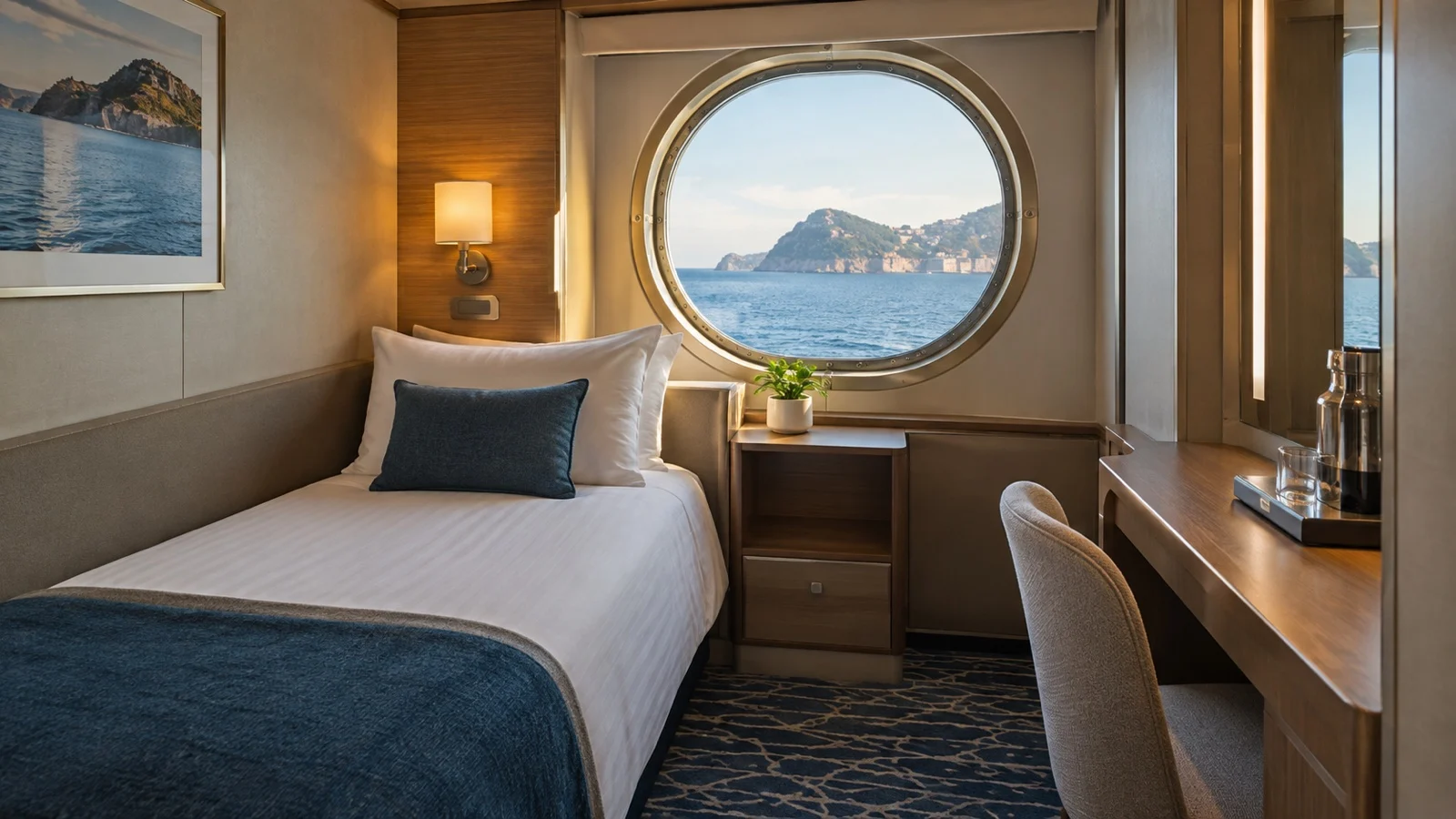
Several ocean lines now build real single cabins instead of just discounting doubles. One big contemporary line put whole blocks of them on its newer ships, with a lounge that only solo guests can get into, and a couple of premium lines have added solo cabins to select ships since.
They are small, and most are inside cabins with no window, though a few on the newest hulls have a porthole or a token balcony.
Small is fine, because the price is quoted for one person rather than derived from two. A compact cabin at one fare almost always beats a spacious cabin at one and a half or two fares, and that is the entire trick.
The catch is inventory, since a ship carries at most a few dozen and they are the first category to sell out.
The solo lounge and the meetup on day one
On the ships built with solo cabins there is usually a lounge attached to them, keycard access only, with coffee, a bar at night and a host who runs things.
Plenty of ships without solo cabins still run organized mixers and hosted gatherings for solo guests, usually listed in the daily program under a name like solo travelers meetup. They are as awkward as they sound for about eleven minutes.
Go to the first one, even if you have to talk yourself into it. That group forms on day one or two and mostly stops absorbing new people by day four, and it is where your port day taxi partners come from.
The port day math that punishes a party of one
Here is the part that costs solo travelers real money. Almost everything sold at the pier is priced per vehicle, not per head.
A taxi with a posted flat rate to the beach charges the same whether one person or four gets in. A private guide quoting for the day is quoting for a car that seats three or four, and the rate does not drop because you are the only one in it.
So a rate that reads as a bargain on a family blog reads as a splurge for you, and it is the same rate. No driver anywhere has ever agreed to take a quarter of the fare because you are a quarter of the passengers.
Ship excursions are the one place the number does not care
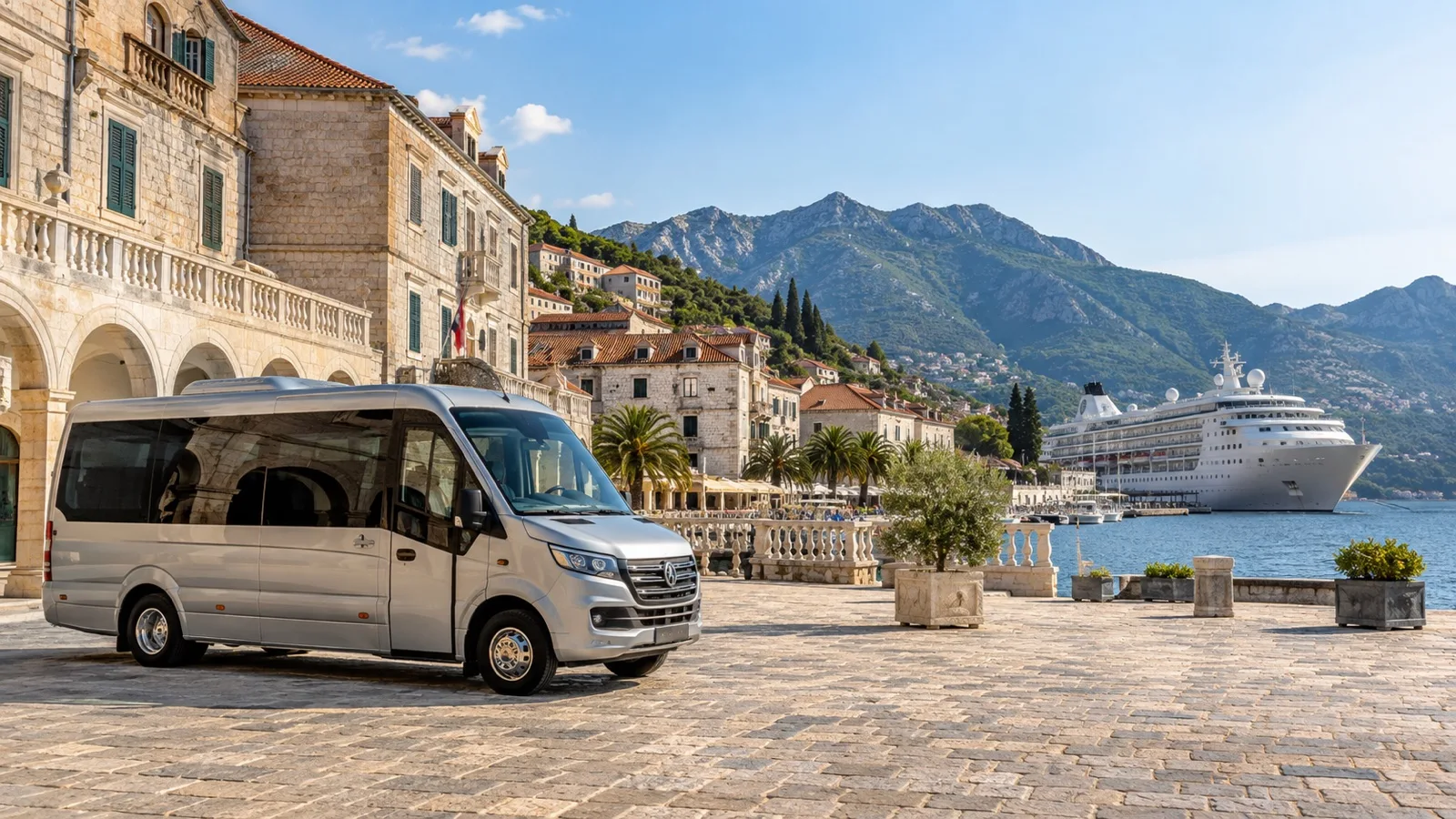
Ship tours are sold per person. You pay the same as every adult on that bus, and being alone costs you nothing extra.
Per head they are more expensive than a private car split four ways, which is why couples and families complain about them. For one person they are frequently the cheapest way to reach anything more than a few miles from the pier.
They also solve the return problem quietly. The ship waits for its own tours, and when you are traveling alone there is nobody else keeping an eye on the clock for you.
Sharing a taxi with people you met eight minutes ago
This is the single highest value habit for a solo cruiser and almost nobody does it on the first try. Stand in the gangway line or the terminal, listen for someone naming the place you want to go, and ask if they want a fourth.
The rules I would set before anyone gets in the car are short and worth saying out loud.
- Destination: Say the exact stop, not the general area, so nobody is surprised by a detour.
- Total price: Agree the whole fare with the driver first, then agree the split among yourselves.
- Return time: Fix when and where you meet the car again, or agree that everyone is on their own coming back.
- Small bills: Carry your share in small denominations so the split does not turn into a currency exercise on the curb.
Worst case, they say no and you take the next taxi alone. Best case, a hundred dollar car becomes twenty five dollars and you have somebody to eat lunch with.
Roll calls and small group tours, the middle path
Most sailings have a roll call somewhere online where passengers organize private tours months in advance. A single spare seat is the easiest thing in the world to fill, and groups actively want you because you round the van out to a full load.
Small group tours sold direct are the other option, usually capped around eight to twelve people and priced per person. You get a guide, a fixed return time and no vehicle math at all.
River cruisers already know a version of this argument, because their tours are included and the question is whether to use them. My piece on skipping the included tour and going out on your own is the same decision with different math.
The ports that are genuinely easy alone
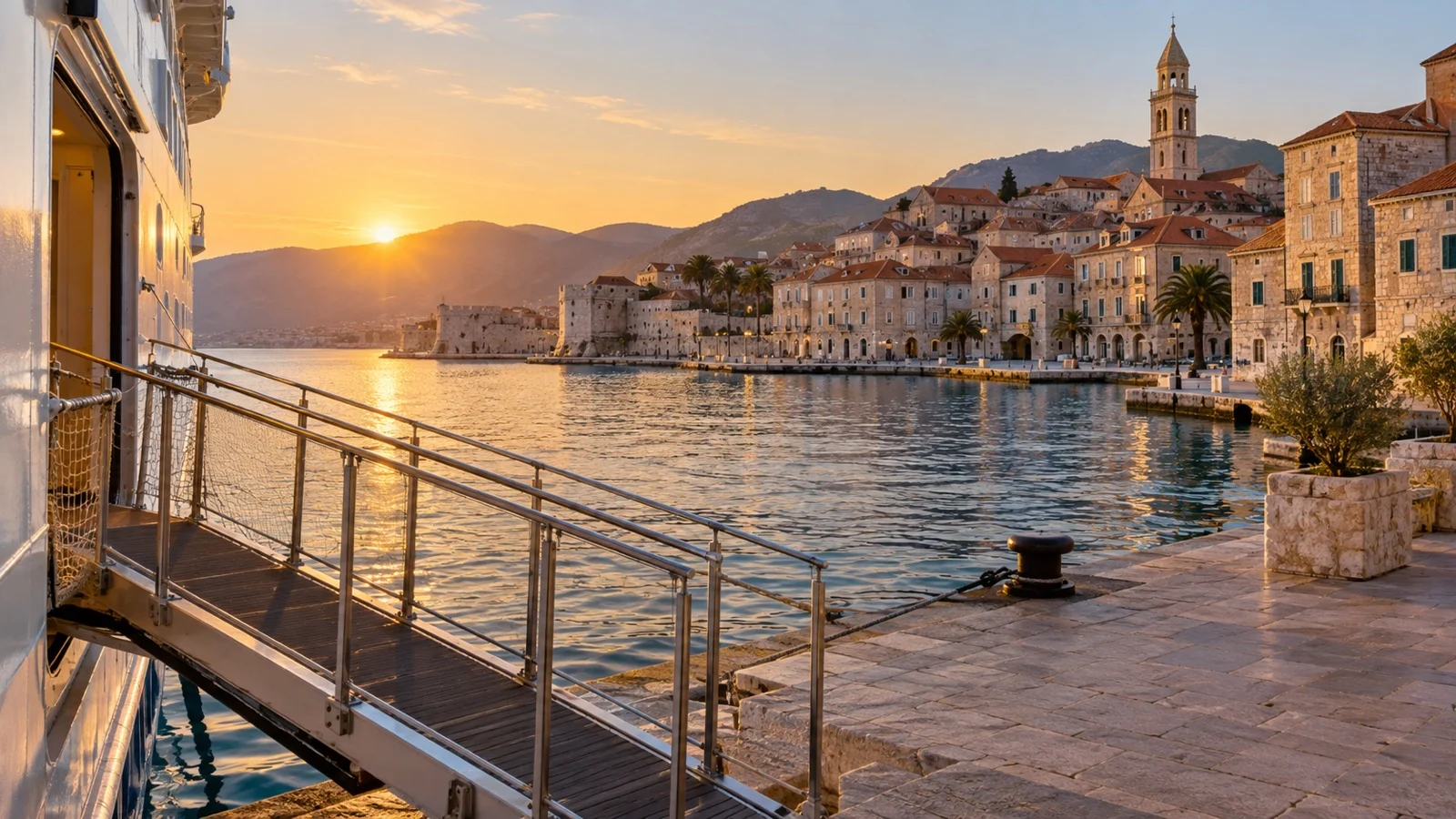
The good solo ports all share one feature. You walk off the ship and the town is right there, with a compact core, decent signage and enough foot traffic that you are never the only person on the street.
Old San Juan, Willemstad, Philipsburg and Key West all work this way, and so do Halifax, Copenhagen and the small Alaska grid towns. The same list turns up in my guide to the ports that feel manageable for nervous first timers, which is not a coincidence, because low hassle and low anxiety are the same thing.
The Caribbean is unusually kind here, since several of its ports put you in a walkable town without a taxi at all. I go through which ones in my guide to the Caribbean ports you can do without an excursion.
Icy Strait Point is the one I would send a first time solo cruiser to without a second thought. The cannery, the restaurants and the trails are a short walk from the berth, a gondola and shuttles link the two landings, and Hoonah sits about 1.5 miles (2.4 km) away if you want more.
The ports where you need a plan before the gangway
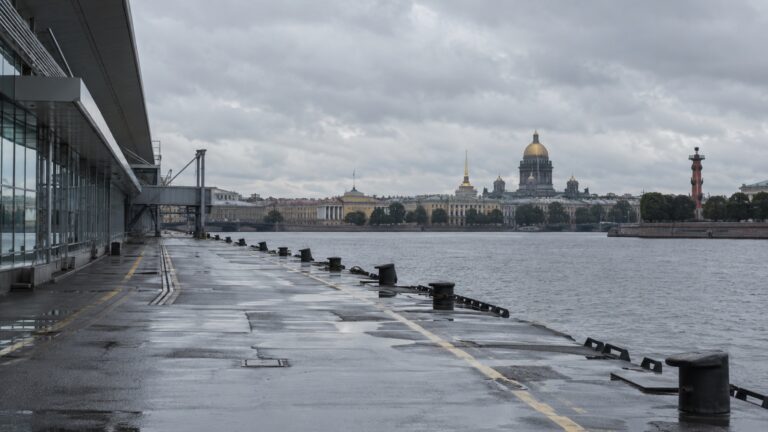
The hard ports are the ones where a vehicle is not optional. Industrial berths are the clearest case, because you cannot simply walk out through a working cargo terminal and start sightseeing.
Salaverry taught me that lesson. It is a cargo port with central Trujillo roughly 10.5 miles (17 km) away, and no sensible plan for the day starts on foot.
Gateway ports are the other trap, the ones where the actual destination is 60 to 90 minutes inland. For a couple the transfer is annoying, and for one person the transfer is where the entire budget for the day disappears.
Tender ports add a line and a boat to every plan, which is not a reason to skip them, only a reason to decide before you sail.
Eating alone ashore is the part people dread
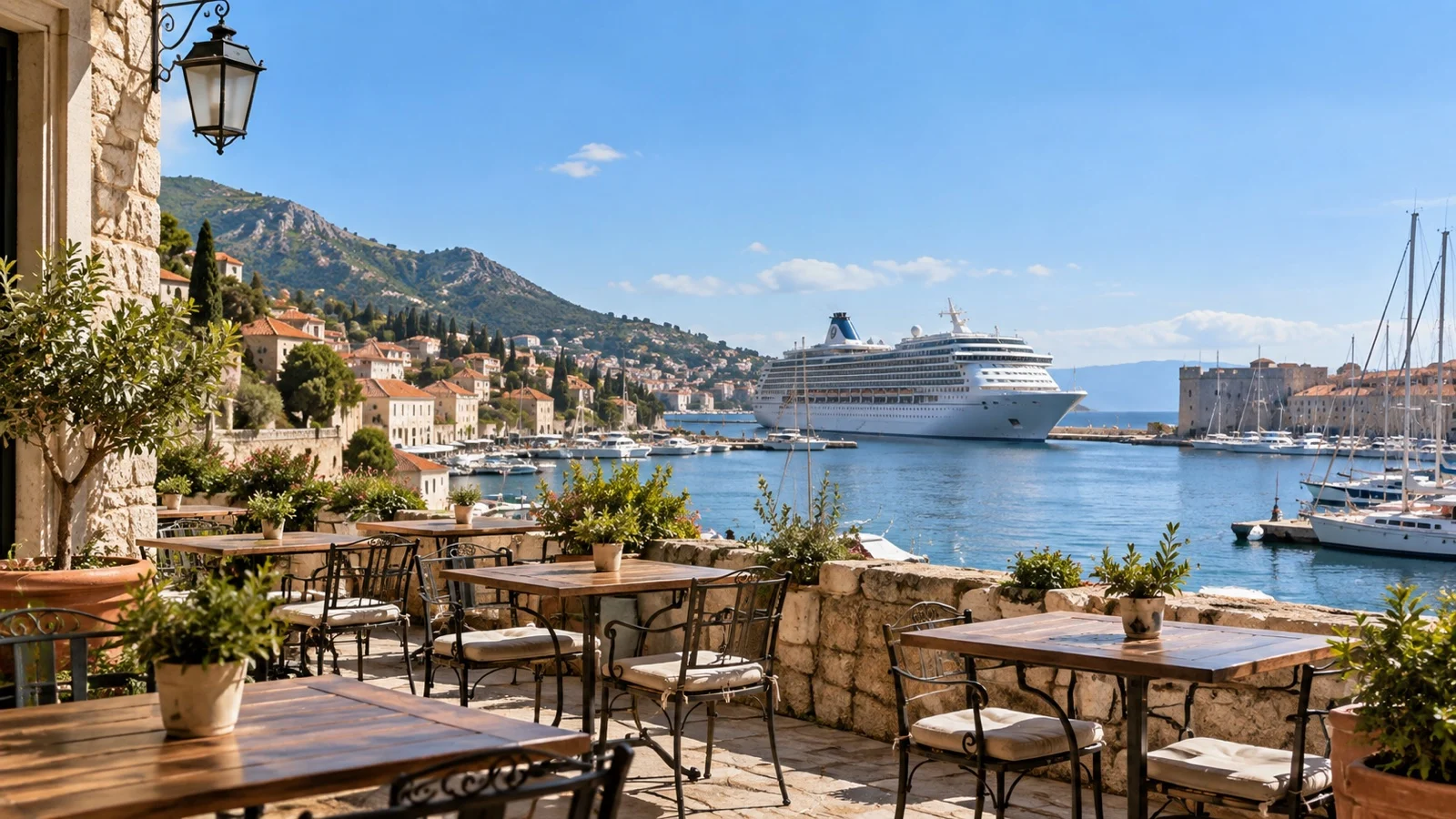
People handle the taxi and the map fine and then stall completely at lunch. Being walked to a table for two and handed one menu is the moment solo travel feels loudest.
The practical answer is to skip the seated restaurant entirely and find a market hall or a counter. Nobody working a counter has ever once found a solo diner remarkable, and a market gives you a bench, a view and four vendors to choose between.
Lunch is also easier than dinner, which is convenient, because lunch is the meal you are actually eating ashore. A bakery, a stool at a bar and a park bench will cover most port days better than any restaurant would.
The habits that keep a solo day boring in the good way
Nothing here is dramatic and none of it is a guarantee. It is just the set of small habits that make an ordinary day stay ordinary.
- Tell someone the plan: Text a friend at home, or a person you met in the solo lounge, where you are going and when you expect to be back.
- Stay in daylight: Build the day around busy streets and finish well before dusk, especially in a port you do not know.
- Pad the clock: Be back at the pier an hour before all aboard, because there is nobody else to notice the time slipping.
- Leave paperwork behind: Copies of your passport and your sailing details should sit with a trusted person at home before you go.
Some ports get a little more of my attention than others, and I would rather say that plainly than pretend every call is identical. I keep a running list of the ports where I take extra care and what I actually change, and it is mostly about routes and timing rather than avoidance.
Traveling solo as a woman, without the lecture
Most of the advice is identical to what any solo traveler should be doing. A few habits are worth adding, and the ones experienced women travelers use are practical rather than fearful.
Arrange your ride rather than accepting an unsolicited offer at the curb, keep your own drink in your own hand, and read up on what local dress and behavior look like before you land. Being direct to the point of blunt is a completely acceptable tool and you do not owe anyone a polite conversation.
None of that is an argument against going alone. Cruise ports are among the softest places to start, because the ship is a fixed address you can walk back to at any point in the day.
The part nobody tells you about the freedom
There is no negotiation. You do not have to talk anyone into the fort or out of the beach, and you can change the entire plan at 11am because a street looked interesting.
You can also leave a museum after twenty minutes without apologizing, and sit on a wall for an hour without anyone being bored on your behalf. That control over the day is the thing solo travelers get and everybody else quietly envies.
It is worth saying that this is not the same as traveling without a companion by circumstance. If you are the only adult with kids in tow, my guide to solo parent cruising and how port days actually go is the one to read instead, because that trip runs on completely different rules.
Quick answers
How much is the single supplement on a cruise?
It is quoted as a percentage on top of the per person double occupancy fare, and the range is wide enough that no single figure is honest. Check it for your exact sailing and cabin category, because it moves with demand.
Are solo cabins cheaper than paying the single supplement?
Usually yes, because a solo cabin is priced for one person from the start rather than derived from a two person fare. The tradeoff is size and scarcity, so book early.
Can you share a taxi with other cruise passengers?
Yes, and it is completely normal at the pier, where people group up for a flat rate car all day long. Agree the destination, the total fare and the return arrangement before anyone gets in.
Is it safe to explore a cruise port alone?
Nobody can promise you safe, and any guide that does is selling something. What you can do is stay in daylight and busy areas, tell someone your plan, and treat a few ports with more care than others.
Which cruise ports are easiest for solo travelers?
The walk-off ones with a compact town at the end of the pier, where you never need a vehicle to have a full day. Industrial berths and inland gateway ports are the ones that cost a solo traveler the most.
Final word
The industry charges you more to sleep and then charges you the same as everyone else to see things, which is a strange arrangement but a workable one. Fix the cabin problem at booking, and the port days stop being the expensive part.
Pick an itinerary of walkable towns for a first solo sailing and you will spend almost nothing on transport. By the third port you will have stopped noticing that you are alone, which is the entire point.
How this guide was researched: Solo cabin availability, single occupancy pricing structures, onboard solo programming and current official traveler safety guidance were checked in September 2026. Supplement percentages, solo cabin inventory and port transport costs change constantly, so confirm the details that matter for your own sailing before you book. See our Editorial Policy.
More on this topic: browse every guide on choosing a cruise.