Solo Parent Cruising With Kids: Rules, Rooms and Port Days
Solo-parent cruising works beautifully when the paperwork, cabin, child care, and port-day plan are settled before final payment. The hard part is not being the only adult at dinner; it is discovering too late that one policy assumed a second grown-up.
Start with documents and cabin occupancy, then check kids-club hours and excursion age limits for the exact ship and sailing. Save every important answer in writing because the booking agent, pier staff, and youth team all need to see the same plan.
This guide uses current United States and cruise-line examples, but nationality, custody, departure country, itinerary, and ship can change the answer. Official destination rules and your cruise contract always win.
The quick facts
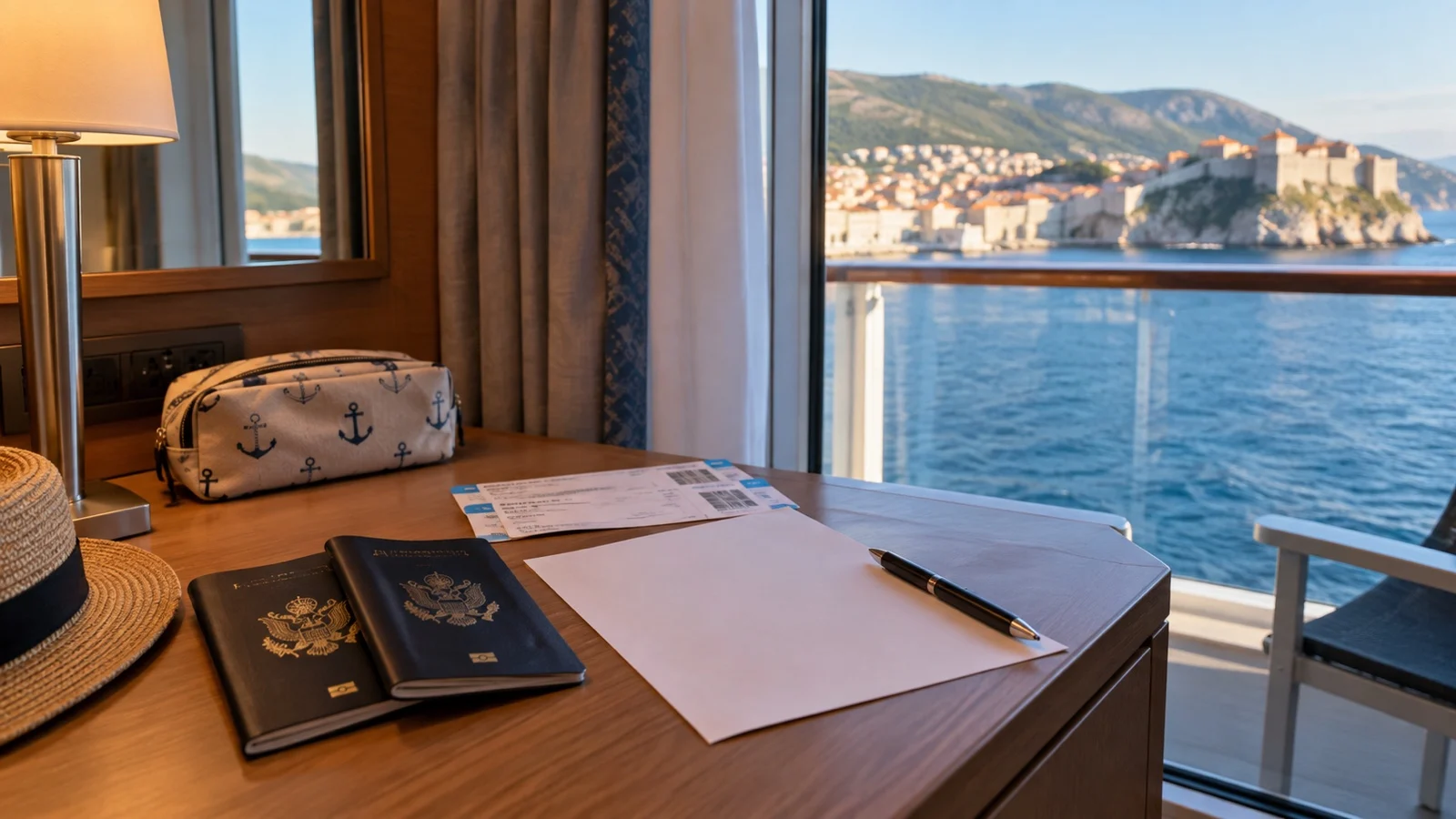
- Consent documents: some countries require a notarized letter from the non-traveling parent or proof of sole legal authority.
- Relationship proof: the United States Department of State advises carrying each child’s birth certificate or other evidence of the legal relationship.
- Cabins: age and accompanying-room rules differ by line, departure region, and sometimes ship, so confirm the exact cabin numbers before paying.
- Kids clubs in port: never assume drop-off care operates while docked; Norwegian currently says Splash Academy is unavailable in port.
- Port days: check excursion ages, tender access, car-seat needs, bathroom options, and return time for one adult managing the whole group.
The order to plan this cruise
- Verify passports, visas, consent, custody, and relationship documents for every traveler and destination.
- Choose a cabin configuration the cruise line accepts for the children’s ages.
- Price the actual occupancy rather than comparing an adult-only headline fare.
- Check youth-program ages, registration, capacity, operating hours, and who may sign children in or out.
- Build port days that one adult can safely manage without splitting the family.
- Request accessibility, dietary, medical, crib, and bed-rail needs in writing.
- Reconfirm the rules shortly before sailing and carry paper plus offline copies.
That order feels backward because everyone wants to choose the beach first. Paperwork and sleeping arrangements are the pieces that can stop the trip entirely.
The consent letter is destination-specific
The United States Department of State says the United States does not require proof of both parents’ permission for a minor to travel internationally. It also warns that some countries require a signed and notarized consent letter from the non-traveling parent or proof of sole legal custody.
Check the entry and exit rules for every country on the itinerary, including the departure country and any place where the child has dual nationality. Ask the cruise line whether it has its own form or wording.
A practical letter should identify the child, accompanying parent, trip dates, ship, countries, non-traveling parent’s contact information, and permission for the trip. Use the wording or form required by the destination or cruise line rather than treating an internet template as legal advice.
If consent cannot be obtained, carry the document that establishes why, such as a custody order, death certificate, adoption order, or other official record. The correct substitute depends on the legal situation and destination.
Carry proof that you are the parent or guardian
The State Department advises always bringing a copy of each child’s birth certificate or other evidence of the legal relationship. This matters when surnames differ, a parent uses a former name, or the booking does not make the relationship obvious.
Bring certified or original documents if the cruise line or country requires them. A phone photo is a useful backup, but it may not satisfy a border officer or pier agent.
The same planning applies when a grandparent or another adult travels with the child. Our guide to grandparents cruising with grandchildren covers that version of the paperwork.
Passports and closed-loop cruises
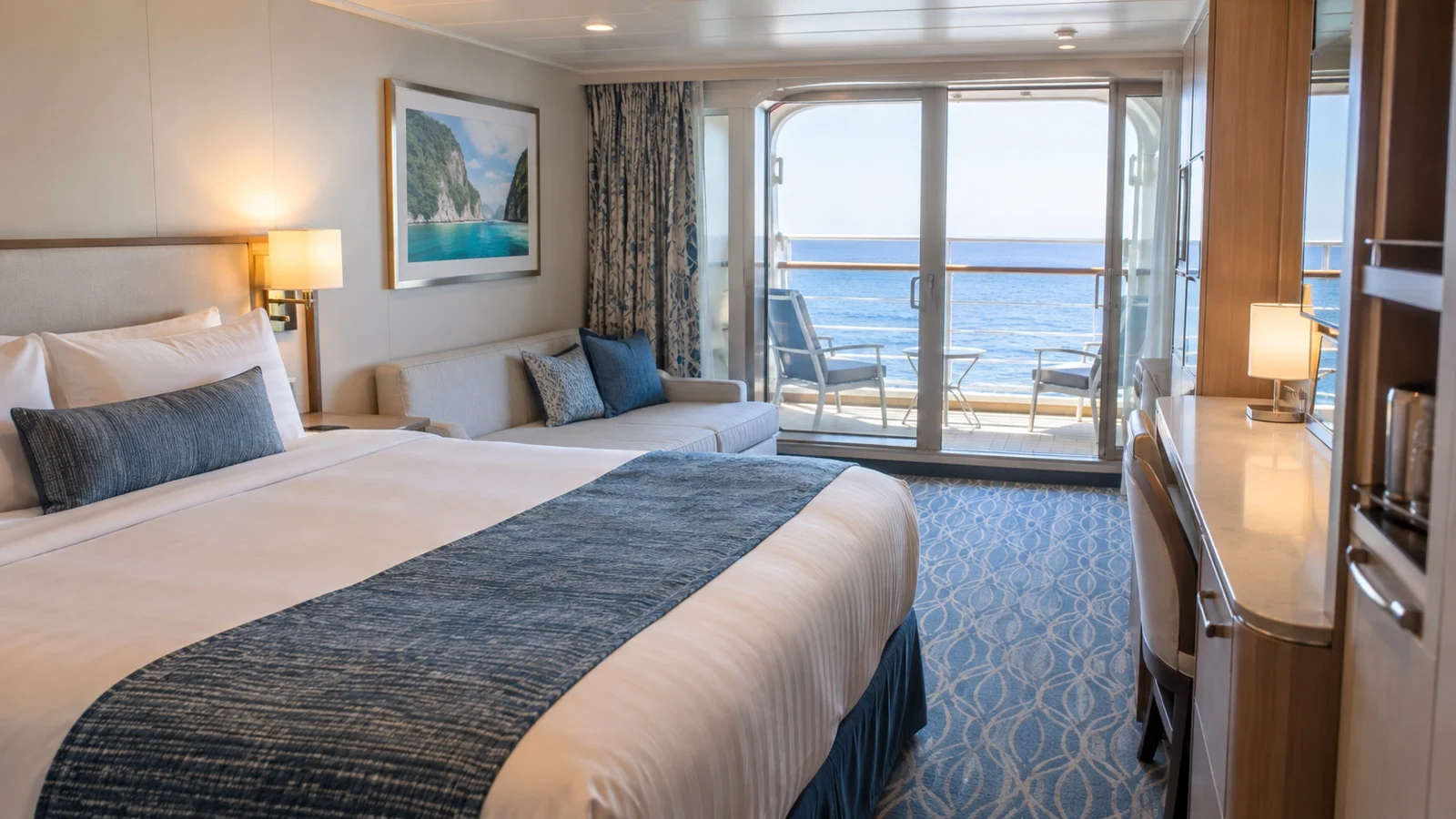
A United States closed-loop cruise may allow eligible citizens to use documents other than a passport for United States reentry, but that does not settle every destination or cruise-line requirement. Check the current government and cruise-line rules for the exact itinerary.
State Department cruise guidance strongly recommends passport books because a traveler may need to fly home internationally after an emergency. A passport card cannot be used for an international flight to the United States.
Children can have different document rules from adults, and a birth certificate does not replace consent or custody evidence. Our guide to closed-loop cruise documents explains the distinction.
Check passport validity, blank pages, visas, and whether a dual-national child must enter or leave a country on that country’s passport. The State Department advises contacting the other country’s embassy or consulate about dual-national minors.
Cabin rules are not one industry standard
A cruise line can set a minimum age to sail unaccompanied, a separate rule for cabin assignment, and exceptions for a parent in a connecting or nearby room. The departure region can change the age threshold.
Royal Caribbean’s current age policy sets the unaccompanied minimum at 21 for North American departures and 18 for departures in several other regions. For North American sailings, it allows children traveling with a parent or legal guardian in connecting, adjacent, or directly across-the-hall cabins that open to the same hallway.
Carnival’s current ticket terms say a guest under 21 must share with someone 25 or older, share with a spouse, travel with a parent or guardian in an accompanying cabin, or meet its military exception. Carnival does not define every practical cabin pairing on that page, so confirm the exact rooms before purchase.
Those are examples, not a shortcut for checking another line. Ask the cruise line to confirm the ship, sail date, cabin numbers, children’s ages on embarkation day, and who is recorded as occupying each room.
One room or two?
One adult with one child usually fits a two-berth cabin, while one adult with two or three children needs a cabin approved for that occupancy. A sofa may look like a bed in photos without being an approved berth for the booking.
Two cabins can provide sanity and bathrooms, but the line may require a particular connection, adjacency, or age. Booking an adult in each room and planning to swap sleepers later can conflict with cabin-assignment, key, muster, and supervision rules.
If a second cabin is allowed, choose rooms that meet the written rule exactly. “Near each other” is not the same as connecting, adjacent, or directly across the same hallway.
Book scarce family layouts early
Triple and quad cabins, connecting pairs, accessible family rooms, and suites with separate sleeping areas are limited. Search by real occupancy because an empty cabin can still be unavailable to your party size.
Ask about upper berths, sofa beds, cribs, bed rails, bathtub versus shower, and whether the bathroom arrangement works for the children’s ages. A lovely deck plan does not tell you who can safely climb into the top bunk.
Guarantee cabins can complicate a solo-parent plan if location or adjacency matters. Pay for assigned cabins when the exact relationship between rooms is nonnegotiable.
How cruise pricing treats one parent and children
Cruise fares are often displayed per person based on two guests sharing, but promotions and child pricing vary. Do not assume the second guest is charged an adult fare or that later children receive a standard discount.
Price the full cabin with taxes, fees, gratuities, insurance, transfers, and any child-care charges. Compare one larger cabin with two permitted cabins only after both arrangements are validated for the children’s ages.
A “kids sail free” promotion can have date, ship, cabin, age, and full-fare-guest conditions. The final booking summary is more useful than the banner.

Kids clubs: check five separate rules
- Eligible ages on the first day of sailing
- Registration documents and the authorized pickup adult
- Capacity limits and whether reservations are required
- Hours on sea days, port days, evenings, and meal periods
- Toileting, allergy, medication, disability, and communication policies
A youth club can be complimentary and still close when the ship is in port. It can also reach capacity even when the child is registered.
Norwegian’s current youth-program page says Splash Academy is offered while sailing and is not available when the ship is docked or anchored. It also says spaces are first come, first served, registration happens on board, and operating hours can change.
That means a solo parent should not book an adult-only shore plan based on an old schedule or another ship’s policy. Confirm port-day care for the exact sailing, age group, and date, then plan to keep the children with you unless the line clearly approves otherwise.
Nursery care for babies and toddlers is a separate product from the school-age club. Ask about reservations, hourly fees, minimum age, diaper policy, and whether the parent may leave the ship.
Who may sign children in and out
Name every authorized adult during registration and ask whether only the primary guardian can change the form. Norwegian currently requires a primary parent or guardian and says only that person may change its youth registration.
Older children may have self-checkout privileges on some lines and age groups. Decide before sailing whether that works for your family and confirm how the line records the choice.
If a child needs medication or carries an emergency device, ask what staff may administer or store. Do not assume youth counselors can provide the same support as school staff.
The solo-parent port-day rule

Build the day so the group stays together from gangway to gangway. Excursions can impose minimum ages, height or weight limits, swimming requirements, and adult-to-child ratios beyond the cruise line’s general policy.
Read the restrictions for each tour and ask who can supervise a child who cannot participate in one part. If the answer is another adult in your party, choose a different excursion.
Walking ports, beaches with simple transport, and short flexible outings are often kinder to one adult than a long multi-stop bus tour. Our list of Caribbean ports easy without an excursion is a useful starting point.
Do not assume a teenager may go ashore alone
Cruise lines and destinations set their own minor-ashore rules, and a youth-program checkout privilege does not automatically include leaving the ship. Ask the line about the child’s exact age and each port.
If unaccompanied shore leave is permitted, discuss local law, phone service, money, identification, transportation, and a return deadline. Permission from the cruise line does not make every port a sensible place for a teenager to roam alone.
Tenders, strollers, and accessibility
Tender transfers can involve steps, gaps, motion, and crew assistance that varies with weather. One adult may need to manage a child, stroller, bags, and their own balance at the same time.
Ask whether the stroller must fold, whether mobility devices can board the tender, and what happens if sea conditions change. A wheelchair-accessible ship does not make every tender landing accessible.
For easy terrain, see our guides to stroller-friendly cruise ports and the easiest ports with a toddler.
Request cruise-line assistance in advance when a parent or child has mobility, sensory, communication, dietary, or medical needs. Put the request on the booking and carry the confirmation.

Food, medication, and emergency planning
Tell the cruise line about serious food allergies and medical needs before sailing, then repeat the conversation with the appropriate onboard team. Youth-program staff may need separate forms or may not administer medication.
Carry medication in the day bag, along with written prescriptions, insurance details, and the child’s emergency information. The State Department advises bringing enough prescription medication for delays and checking whether each country restricts it.
Choose one trusted person at home who has the itinerary, document copies, custody contacts, insurance numbers, and permission to help in an emergency. Solo parenting becomes much less solo when someone ashore can find paperwork while you manage the children.
A better port-day packing list
- Passports or required citizenship documents
- Consent, custody, and relationship records
- Cruise cards and the port-agent contact
- Medication and a written list of doses and allergies
- One phone plus a backup battery and offline maps
- Water, snacks, sunscreen, and a simple change of clothes
- A small payment backup and the ship’s all-aboard time
- Any child restraint or accessibility equipment required for the plan
Keep the bag light enough to carry while helping a tired child. The mythical second adult will not materialize when the stroller refuses to fold.
Car seats and transportation ashore
A taxi exemption at home may not exist in the destination, and a tour operator’s seat may not fit the child. Check local law and reserve the correct restraint in writing.
If the seat is essential, consider bringing one the adult can install and carry safely. A plan that requires holding a toddler while wrestling a bulky seat into traffic is not a plan yet.
Private transfers cost more but can simplify restraint, timing, and luggage questions. Confirm vehicle size, seat model, installation responsibility, and cancellation terms.
Plan for the bathroom, the heat, and the walk back
Mark bathrooms, shade, food, and a quiet exit before choosing attractions. A solo parent needs an escape route from every ambitious itinerary.
Set the turnaround time based on the slowest likely child and the return transport, not the optimistic map estimate. Add extra time for tenders, terminal security, elevators, and one completely ordinary meltdown.
The best port day may be two good hours instead of six heroic ones. Everyone gets back on board with energy left for dinner, which is a rather glamorous outcome.
Four common family setups
- One adult and one young child: choose a two-berth cabin, verify the minimum sailing age, and favor simple port days with reliable transport.
- One adult and two young children: book an approved triple or quad cabin early and check every sleeping surface, bathroom, and youth-program age.
- One adult and a teenager: verify whether a second cabin is permitted, but do not assume the teen can leave the ship alone.
- One adult, a baby, and an older child: check the infant sailing minimum, nursery rules, crib space, diaper supplies, and whether port-day care exists.
For infants, begin with our guide to cruising with a baby. Minimum ages can rise on itineraries with several consecutive sea days.
What to confirm in writing
- Each traveler’s accepted documents and any consent or custody forms
- The approved cabin assignment and adult-minor relationship between rooms
- The total price and which promotion applies to each guest
- Kids-club ages, port-day availability, capacity, and pickup permissions
- Excursion age, swimming, mobility, and adult-supervision rules
- Crib, bed rail, allergy, medical, and accessibility requests
- The procedure if the child or parent becomes ill or separated ashore
Ask one compact question at a time and save the response with the booking number. Reconfirm important items after any ship or itinerary change.
Quick answers
Do I always need a notarized letter from the other parent?
No universal United States rule requires it, but some countries and cruise lines do. Check every destination and carry the required consent or proof of sole legal authority.
What proves that the child is mine?
The State Department advises carrying the child’s birth certificate or other evidence of the legal relationship. Bring name-change, custody, adoption, or guardianship records when they explain a mismatch.
Can my child stay in a separate cabin?
It depends on the cruise line, departure region, child’s age, and exact cabin relationship. Get the cabin numbers approved before paying and do not rely on a verbal “nearby is fine.”
Will my child pay an adult fare?
Cruise pricing depends on occupancy and the promotion, not one universal child rate. Price the complete cabin and read which guest qualifies for each discount.
Can I leave my child in the kids club while I go ashore?
Only if the line operates approved port-day care for that age and permits the parent to leave the ship. Norwegian currently says Splash Academy is unavailable while docked or anchored.
Can my teenager go ashore without me?
Only if the cruise line and destination permit it, and the rule can differ by port. Treat onboard self-checkout and shore leave as separate permissions.
Do children need passports on a closed-loop cruise?
The answer depends on citizenship, itinerary, destination, and cruise-line policy. A passport book is still the safer document because it supports international air travel after an emergency.
What if my child and I have different last names?
Carry the relationship record plus any marriage, divorce, court, or name-change document that connects the names. A consent letter may also be required by the destination or cruise line.
The last word
Solo-parent cruising is not a lesser version of a family vacation. It simply rewards the parent who solves documents, rooms, and port-day logistics before the gangway enters the picture.
Choose the cabin the line approves, carry the paperwork border officials may ask for, and keep shore days friendly enough for one adult to manage. Then the only family drama left can be about who pressed the elevator button.
For older kids, our guide to cruise ports with the most to do for teenagers can help shape the itinerary. For mixed ages, use the guide to choosing multigenerational port activities.
How this guide was researched: This guide was checked in September 2026 against United States Department of State guidance for minors and cruise travelers, Royal Caribbean and Carnival cabin-age rules, and Norwegian Cruise Line youth-program policies. Nationality, custody, itinerary, ship, and destination can change the requirements, so verify the official rules and cruise contract for the exact sailing; see our Editorial Policy.
More on this topic: browse every guide on accessible and family cruise planning.