Which Cruise Ports Are Easiest With a Toddler?
The easiest cruise port with a toddler is not necessarily the one with the biggest family attraction. It is the port where you can leave the ship quickly, reach something enjoyable without a car seat puzzle, find food and restrooms, and return before everyone runs out of patience.
Berth matters more than city name, which is why any list needs caveats. San Diego, Vancouver, Sydney, Tallinn, Oslo, Helsinki, Copenhagen, and Singapore can all be wonderfully manageable when your ship uses the right terminal and your plan stays compact.

Quick Facts
- Easiest arrival: A central dock with no tender or mandatory shuttle
- Best activity: One flexible attraction plus outdoor play
- Best transport: Walking or accessible public transit
- Hardest variable: Car seat rules and vehicle compatibility
- Stroller priority: A compact model with sun cover and rain protection
- Nap strategy: Protect the normal sleep window instead of fighting it
- Heat strategy: Short outdoor blocks with shade, water, and indoor resets
- Tender strategy: Add time and confirm whether the stroller can be carried
- Return strategy: Be back before the final family energy crash
What actually makes a port easy
An easy toddler port has a predictable gangway, short route into town, smooth surfaces, frequent transport, clean restrooms, casual food, shade, and an attraction that does not require perfect timing. It also gives you several ways to abandon the plan and return to the ship.
A port becomes harder when it requires a tender, industrial shuttle, long coach ride, infrequent ferry, steep historic center, or taxi without a suitable child restraint. None of those factors makes a visit impossible, but each uses part of the family’s limited margin.
Berth before destination
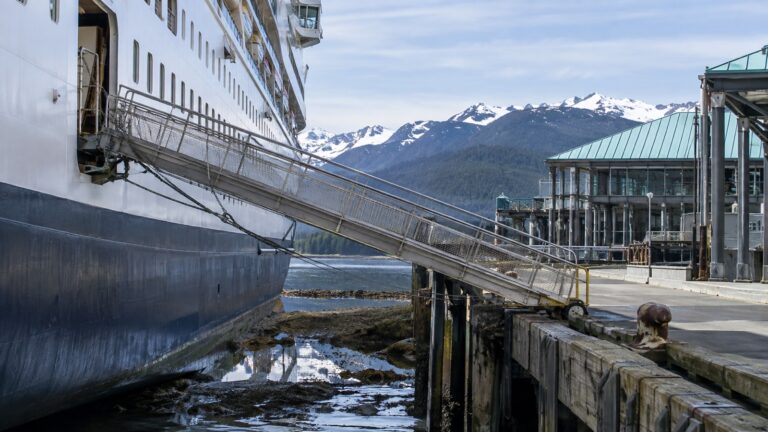
Cruise lines may use several terminals in the same city, and the family experience can change completely between them. Sydney’s Circular Quay setting is very different from White Bay, while central Helsinki berths are not the same as outer cruise quays.
Check the berth name in the cruise documents and confirm it with the official port schedule close to sailing. Build the route from the pedestrian gate, not from a city label on a booking page.
San Diego
San Diego is one of my favorite toddler ports because the main cruise terminals sit on the downtown waterfront. Parks, historic ships, casual food, bay views, and Little Italy can be reached without committing to a long vehicle ride.
The waterfront promenade works for a stroller, and the ship remains a realistic retreat when nap or weather changes the plan. Choose one museum only, since ships and aircraft displays can require more walking than they appear to.
Best toddler day
Walk along the Embarcadero, stop at Waterfront Park or another open space, watch harbor boats, and eat early. Add the Maritime Museum or USS Midway only if the child’s energy and the attraction’s stroller rules align.
San Diego’s airport is close, but do not turn embarkation day into a race after a delayed flight. Arriving a day early is still the calmer family choice.
Vancouver at Canada Place
Canada Place places families beside downtown Vancouver, the waterfront, hotels, food, and public transit. The terminal itself can involve long corridors, security, elevators, and baggage movement, but the city outside is immediately useful.
A stroller walk along the harbor, a short ride toward Stanley Park, or a simple downtown meal can fill the day. Avoid promising a complete park loop unless transport, weather, and nap timing are genuinely favorable.
The berth caveat
Verify that the ship uses Canada Place and follow current terminal procedures. Large embarkation days can create elevator and curb queues even in an otherwise convenient port.
Keep essential toddler supplies in hand luggage because checked bags may not reach the cabin immediately. The easiest arrival is the one that does not depend on finding diapers inside a busy terminal.
Sydney at the Overseas Passenger Terminal
A ship at the Overseas Passenger Terminal arrives beside Circular Quay, The Rocks, ferries, harbor views, and easy walks. That location creates an exceptional family day with almost no road transport.
Watch boats, explore The Rocks, cross to a shaded park, or take one short ferry ride with a clear return schedule. Stroller access differs by vessel and attraction, so check the current operator guidance.
White Bay is different
White Bay Cruise Terminal is not beside Circular Quay and usually requires road transport. A plan written for the Overseas Passenger Terminal should not be reused without checking the assigned berth.
Australian child restraint rules and vehicle exemptions are specific, so confirm the lawful option before arrival. Do not assume every taxi, rideshare, or cruise transfer provides a toddler seat.
Tallinn
Tallinn’s cruise area can provide a direct walking route toward the old city, and the port has developed visitor facilities and a promenade. The historic center is compact, visually engaging, and full of short snack stops.
Cobbles, slopes, steps, and crowds make the upper town more difficult with a stroller. A lower old town loop followed by a park or cafe is usually more comfortable than forcing every viewpoint.
Best toddler day
Walk toward the old town early, explore at ground level, find a courtyard or square for a break, and return before the busiest afternoon flow. Use a carrier for short rough sections only if both adult and child are accustomed to it.
Oslo
Several Oslo cruise berths place passengers close to the waterfront and central attractions, though the exact location varies. The harbor area offers broad walking spaces, the Opera House exterior, food, ferries, and museums reached by public transport.
Norwegian transit is generally stroller friendly, but capacity and boarding conditions vary. Choose one waterfront district rather than crossing the city repeatedly.
Best toddler day
A gentle harbor walk with an indoor museum or library stop creates an easy weatherproof rhythm. Families considering Bygdøy should confirm the seasonal boat or bus route and protect the return time.
Helsinki
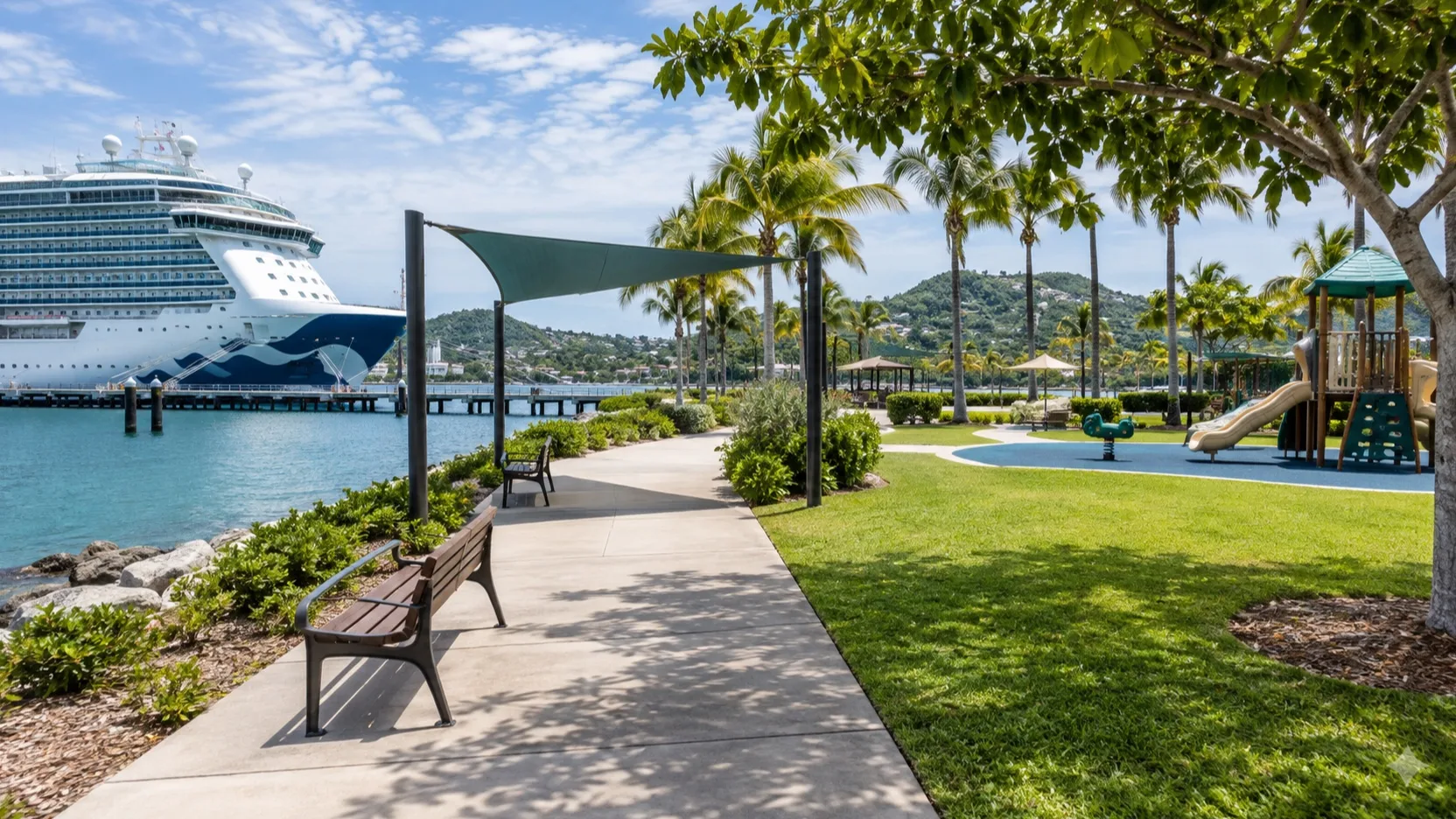
Helsinki works well with toddlers when the berth has simple tram or walking access to the center. Market Square, Esplanadi, libraries, parks, and indoor attractions provide easy ways to alternate movement and rest.
The Port of Helsinki uses multiple cruise quays, so do not assume a central arrival. Hernesaari and other outer berths require a transit or shuttle plan, while some smaller vessel locations are much closer.
Suomenlinna decision
The public ferry to Suomenlinna can be fun, but it adds a fixed return connection and rough historic surfaces. Use it only when the call is long, weather is stable, and the family is comfortable with another boat.
A city center loop is easier when naps or feeding are unpredictable. Helsinki has enough water, trams, and open space to entertain a toddler without a formal sightseeing marathon.
Copenhagen
Copenhagen’s compact center, parks, harbor, and strong public transport make it family friendly once you reach the central districts. Oceankaj, however, is outside the historic core and requires an official bus, Metro connection, shuttle, taxi, or other planned transfer.
Wonderful Copenhagen publishes current cruise terminal transport guidance, including connections from Ocean Quay. Check seasonal service details because routes tied to cruise calls do not operate identically every day.
Best toddler day
Choose a canal side walk, playground, garden, or one child friendly museum near a direct transport line. Tivoli can be wonderful when open, but admission, crowds, ride rules, and nap timing deserve advance thought.
Singapore
Singapore offers reliable public transport, extensive air conditioning, excellent family facilities, and attractions designed for short visits. The challenge is tropical heat outside and the possibility of a terminal that is not beside your chosen neighborhood.
Marina Bay Cruise Centre connects with the wider transit network, while immigration and terminal walking still take time. Keep the day centered on one air conditioned district or garden area.
Best toddler day
Gardens by the Bay can combine indoor conservatories, stroller routes, food, and open space, but ticketed areas and heat breaks need planning. An indoor aquarium, mall, or museum can be a better choice during heavy rain.
Bring water, sun protection, and a light layer for strong air conditioning. Avoid long outdoor transitions around midday.
Stockholm
Stockholm can be easy when the ship docks at a central berth with direct access to Södermalm or the inner harbor. Other calls may use a more distant terminal or tender, so berth confirmation is essential.
A short ferry or bus can reach family friendly museums on Djurgården, but each connection adds waiting. Choose one museum and leave time for outdoor play.
Best toddler day
Junibacken, Skansen, or a simple waterfront loop can work well, depending on age and opening hours. Avoid trying to combine several Djurgården attractions with Gamla Stan in one short call.
Ports that look easy but need care
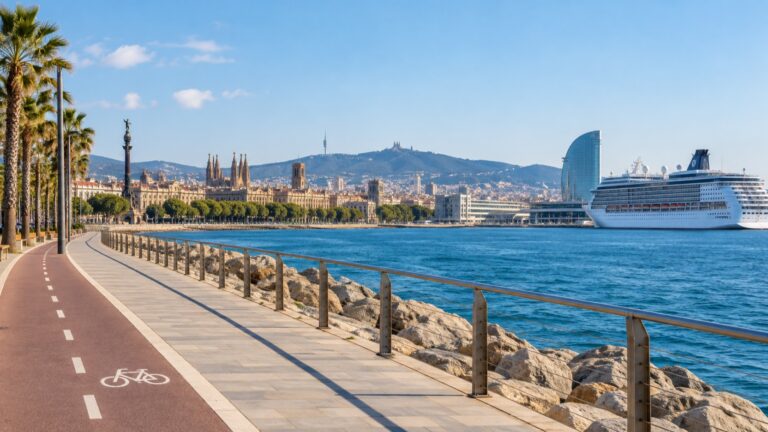
Barcelona has excellent attractions and transport, but large ships use terminals that require a port shuttle, taxi, or organized transfer before the city begins. Lisbon can place you near the center, yet hills, cobbles, and crowded trams are hard with a stroller.
Santorini is beautiful but combines tendering, steep access, crowds, and cable car queues. These ports can still be rewarding with a toddler, but they are not effortless.
Tender ports
Tendering means folding or carrying a stroller, stepping between moving surfaces, waiting in the sun, and repeating the process later. The cruise line decides whether the child, stroller, and any mobility device can transfer safely in current conditions.
Use a compact stroller you can manage while holding the child, or a familiar carrier when appropriate. Never attempt to board until crew directs you.
Tender ticket timing
Families do not always receive priority, and cruise-line excursions may board first. A late first tender can erase a timed independent reservation.
Book flexible activities close to the landing and return before the final queue. The best tender day often has only one main stop.
Stroller or carrier
A stroller offers shade, storage, and a familiar nap space on smooth ground. It becomes awkward on cobbles, stairs, sand, crowded transit, and boat gangways.
A carrier handles rough terrain but adds body heat and adult fatigue. Use only a properly fitted model appropriate for the child’s age and weight, and practice before the cruise.
Car seats
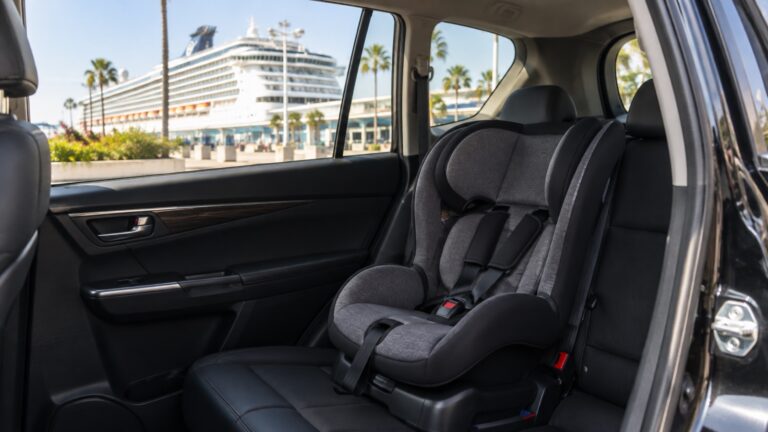
Child restraint laws vary by country, child size, vehicle type, and whether the ride is a taxi, private car, coach, or public bus. Cruise excursion labeling does not guarantee that an appropriate seat is supplied.
Ask the operator in writing whether a compliant seat is provided and how it installs in that exact vehicle. Bringing your own helps only when the vehicle has compatible belts or anchors and the seat meets local requirements.
When to avoid road transport
If no lawful compatible seat can be confirmed, choose walking, rail, tram, ferry, or another option that does not create the same car restraint problem. Do not hold a toddler on your lap in a moving car.
A private transfer is not automatically safer than a taxi. Safety comes from the correct restraint, correct installation, and suitable vehicle.
Nap planning
Protect the usual nap instead of treating it as lost sightseeing time. A sleeping toddler in a shaded stroller can turn a waterfront walk or cafe stop into the calmest hour of the day.
Return to the ship for a cabin nap when the port is close and reentry is simple. Leaving again later may be optional, which keeps the family from forcing a difficult afternoon.
Heat and sun
Toddlers heat up quickly, especially in a carrier or dark stroller. Use breathable clothing, shade, regular water or feeds, and short outdoor intervals with air conditioned breaks.
Never cover a stroller with a heavy blanket that traps heat. Use a designed sun canopy and keep checking the child’s temperature and responsiveness.
Cold and rain
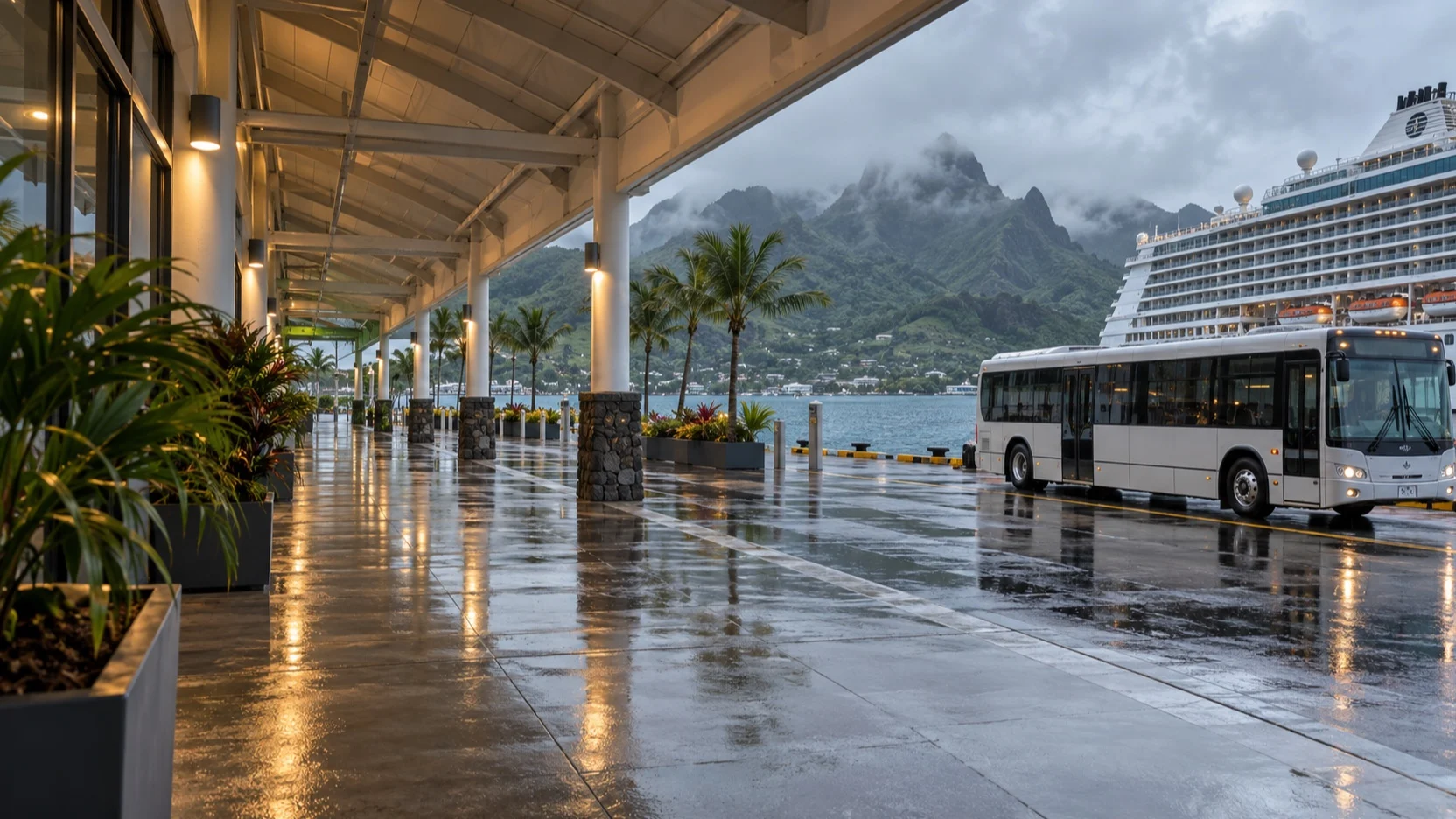
Northern ports can shift from sun to cold rain quickly. Pack a waterproof stroller cover with ventilation, warm layers, spare socks, and a dry bag for essentials.
An indoor library, museum, market, or aquarium is the best backup. Waiting under an awning for weather to improve rarely works with a tired toddler.
Food, diapers, and restrooms
Bring more diapers, wipes, snacks, formula, medication, and spare clothing than the ideal schedule requires. Delays happen, and unfamiliar brands or ingredients may not be easy to replace.
Mark restroom and pharmacy options before leaving the ship. A family friendly cafe near the route is often more valuable than a famous restaurant across town.
Pick one main attraction
A toddler port day needs one anchor, such as an aquarium, park, harbor boat, small museum, or beach with facilities. Everything else should be optional and nearby.
Timed attractions create stress when gangway clearance is late. Book a flexible entry or a generous arrival window whenever possible.
Beach ports
A beach is easy only when the transfer is short, shade and restrooms are known, and the return is reliable. Sand, salt, wet clothing, sun, and missing nap space can make a famous beach more complicated than a city park.
Bring swim diapers where required and never rely on inflatable toys as safety devices. Stay within arm’s reach near water and follow lifeguard instructions.
Accessibility helps families too
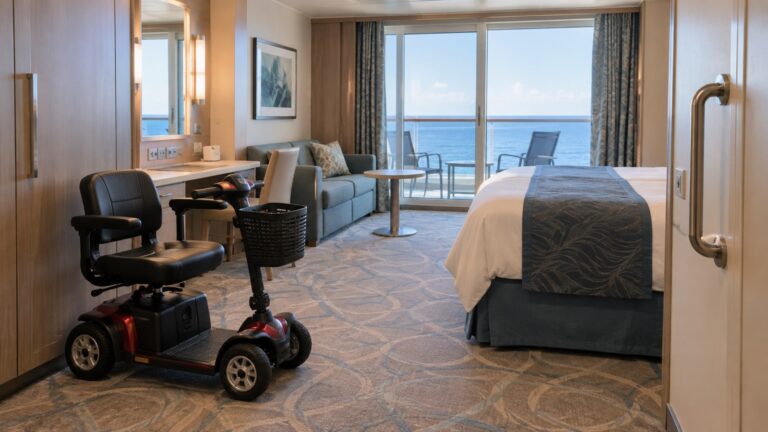
Step free transit, elevators, ramps, family restrooms, and wide sidewalks benefit strollers as well as disabled travelers. Official access maps often reveal the easiest family route better than a general sightseeing guide.
Elevators can be out of service and low floor vehicles can fill. Keep a route that works if the stroller must be folded.
A simple planning formula
Start with the berth, remove clearance and all aboard time, then subtract transport in both directions plus a private buffer. Use no more than half of what remains for the main attraction.
The rest belongs to food, diaper changes, nap, wandering, and delays. That space is what makes the day feel successful.
A short-call plan
For a call under six hours, stay within the port district or one direct transit ride. Choose a park, waterfront, market, or small attraction that can be abandoned without losing money.
Return while the child is still coping rather than after a meltdown begins. The ship’s pool, cabin, or play area can finish the day.
A full-day plan
With eight or more usable hours, put the main attraction in the morning, eat early, and let the nap shape the afternoon. Keep the final activity close to the ship.
Do not add a distant excursion simply because the schedule looks empty. Toddlers turn transitions into the most expensive part of the day.
Frequently asked questions
What is the single easiest toddler port?
San Diego is exceptionally easy for a downtown waterfront day, while Vancouver at Canada Place and Sydney at Circular Quay are also excellent. The exact berth and family needs can change the ranking.
Should I book a cruise excursion?
Book one when it solves tender priority, port access, transport, or a child restraint issue. A central port day often works better independently.
Can a stroller go on a tender?
Often a compact folding stroller can travel, but the cruise line and crew decide based on design and sea conditions. Confirm before the port day and be prepared to carry it.
Are taxis exempt from car seat laws?
Rules differ by jurisdiction and vehicle category. Verify the current local law and choose the safest compliant arrangement rather than relying on an assumed exemption.
What if my toddler skips the nap?
Remove the optional activity and move toward the ship. A calm early return is a successful decision, not a missed opportunity.
How early should families return?
Follow the ship’s deadline and add a larger private buffer than you would use without children. Diaper changes, stroller problems, and transport waits are easier to handle before the final rush.
My take on toddler-friendly ports
The best ports give families permission to do less. A central berth, waterfront, park, food, and easy retreat create more joy than a long list of attractions.
Choose the berth before the brochure, protect sleep and safety, and keep one hand free for the unexpected. When the plan can shrink without collapsing, you have found a toddler-friendly port.
Before sailing, confirm the exact berth and family access guidance with each official port authority, then use the local transit agency for stroller and service information. Verify child restraint requirements with the government and transport provider for that destination, and follow your cruise line’s current tender and all aboard rules.
More on this topic: browse every guide on accessible and family cruise planning.