River Cruise Land Extensions: When They Are Worth It
A river-cruise land extension can solve arrival timing, luggage, hotel, transfer, and touring in one package. It can also cost far more than booking the same free time yourself.
The decision is not whether Prague, Lucerne, Lisbon, Paris, Salzburg, or Transylvania is “worth seeing.” It is whether the exact extension adds transport, access, guidance, or protection that you value at the price charged.
My quick take
Buy the extension when it removes a difficult transfer, provides meaningful guided content, and carries your luggage through a multi-stop plan. Book independently when the package is mostly hotel nights in a city you can navigate easily.
Read the day-by-day schedule and count included nights, guided hours, meals, admissions, and transfers. Then price a comparable central hotel, local transport, and tours for the same dates.
Do not assume airport transfers cover every flight or arrival extra hotel nights from the extension. Arrival airport, timing, booking channel, and transfer eligibility can be tightly defined.
The quick facts
- Extensions are not all the same product: some are fully guided programs, some are hosted stays with free time, and some are little more than extra hotel nights. Compare the exact inclusions.
- The day-by-day matters more than the destination name: count tours, entries, meals, transfers, and unscheduled hours. A famous city can still be paired with a thin program.
- Transfers may be the biggest value: a package can remove a long or complicated trip between an inland destination and the ship. A short city transfer is easier to reproduce independently.
- Airport eligibility needs its own check: the included airport, flight window, booking method, and extension dates can determine whether a transfer is provided. Get the rule in writing before buying air.
- Hotel identity and location matter: ask when the property is named, whether a substitute is allowed, and how far it is from the places you want to visit. “Deluxe” does not describe the neighborhood.
- Accessibility must cover the whole chain: confirm the hotel room, vehicle, luggage handling, guided route, rest stops, and attractions. An accessible ship does not make a land extension accessible.
First identify what the line is selling
A fully guided extension normally has a tour director, planned sightseeing, and more structured movement. A hosted or independent-style extension may provide a hotel, selected transfers, and local help while leaving most hours open.
Viking’s current overview explicitly separates fully guided options from more flexible formats. It says its pre- and post-cruise extensions include hotel accommodation and hotel transfers, while fully guided programs add a tour director, tours, and some meals.
Extra hotel nights are a third product. They may use a cruise-line rate or support desk but usually do not create the same guided itinerary as an extension.
Ask the seller to label the product in writing. “Three nights in Prague” tells you almost nothing about the hotel, guide, meals, admissions, or trip to the ship.
The value test
Start with the package price for the correct occupancy and date. Check whether taxes, resort fees, porterage, tips, admissions, optional tours, and meals beyond breakfast are included.
Then price an independent plan at the same standard and in the same neighborhood. Include private or public transport, luggage handling, attraction reservations, and the cost of changing plans after a travel delay.
Money is only one side of the result. Add the value of a host, language help, synchronized transfers, and a single party responsible for the handoff to the ship.
Subtract the value of flexibility you lose. Group departure times, assigned hotels, fixed tour pace, and shared motorcoaches may be disadvantages even when they are efficient.
Pre-cruise extensions buy more than sightseeing
Arriving several days early creates a buffer before embarkation and gives travelers time to adjust to the destination. That benefit can matter even when the included touring is modest.
A pre-cruise package may also coordinate the final hotel-to-ship movement. Confirm the luggage procedure, departure time, meals during the transfer, and what happens if the ship’s berth changes.
The package does not remove the risk of a late inbound flight if you arrive after the extension begins. Read the missed-transfer and no-show terms, and keep insurance coverage separate from assumptions about cruise-line help.
Independent travelers can build the same arrival buffer. The question is whether the line’s transfer and support are worth the price difference for your party.
Post-cruise extensions solve a different problem
A post-cruise program can turn an abrupt disembarkation morning into a slower finish. Viking says its post-cruise options include breakfast onboard followed by an included transfer to the hotel.
That handoff is useful when the next destination is inland, the hotel will store luggage, or the route has several connections. It matters less when the ship, chosen hotel, and airport already have simple local transport.
Energy also changes after the cruise. A dense coach itinerary may feel different after a week of excursions than it looked on the booking page.
Check whether the package finishes at a hotel or includes an airport transfer on the final day. “Transfers included” can refer only to particular segments.

Prague before or after a Danube cruise
Prague is not a Danube cruise port, so a cruise extension normally connects the city to an embarkation or disembarkation point by land. That geography makes the transfer a meaningful part of the product.
The current Viking extension page lists a four-night Prague and Nuremberg fully guided program. That is a specific multi-city itinerary, not evidence that every Prague package includes the same route or number of nights.
Compare the line’s hotel, sightseeing, admissions, meals, and coach transfer with an independent rail or private-car plan. Allow for luggage, station changes, and the fact that a river ship’s berth can move.
The Prague river-cruise guide explains the essential point that Prague requires a land connection. Use the exact operator’s embarkation details rather than heading to a supposed Prague quay.
Lucerne, Zurich, and Basel
A Rhine cruise commonly uses Basel, while Swiss extensions may add Zurich, Lucerne, the Alps, or rail travel. The city name alone does not reveal whether you are buying a destination program or an airport-oriented hotel stay.
Lucerne can support several days of independent sightseeing, but mountain transport and weather introduce planning choices. A guided package may add value for travelers who prefer one reservation and coordinated luggage.
Independent Swiss rail is practical for many travelers, but do not promise a perfect same-day connection to a movable river berth. Plan a buffer and confirm the final docking location with the cruise line.
A transfer policy can name one eligible airport even when another airport appears closer to the cruise. Check the current rules before purchasing nonrefundable flights through Zurich, Basel, or another gateway.
The guide to river-cruise embarkation airports and transfers covers that wider flight-to-ship decision. Match it to the extension dates rather than the cruise dates alone.
Lisbon before a Douro cruise
Douro cruises normally embark around Porto or Vila Nova de Gaia, while Lisbon is a separate destination farther south. A Lisbon extension therefore combines a city stay with a real intercity transfer.
Compare the package with current rail or road options for your date. Include the journey from the Lisbon hotel to the departure point and from Porto to the ship’s confirmed berth.
A line-run coach can simplify the final handoff, particularly with luggage or a berth change. An independent plan can provide more control over hotel location, Lisbon sightseeing, and how many nights you stay.
Do not assume Sintra, Belém, Alfama, or a particular attraction is included because the extension says Lisbon. Read the actual visits, entrance fees, walking level, and free-time schedule.
The Porto river-cruise guide explains why the final berth matters. Reconfirm it shortly before travel whether you use the cruise-line coach or arrive independently.
Paris after a Seine cruise
A Seine itinerary may begin or end in Paris, a nearby suburb, or a berth farther west. That makes the value of a Paris extension heavily dependent on the actual ship location.
If the package repeats sightseeing already included in the cruise, compare it with independent hotel nights. If the ship finishes at Le Pecq or another outlying berth, coordinated transport can add more value.
The Paris river-cruise port guide explains why the name “Paris” can cover different operating locations. Ask which hotel and transfer are planned for your departure.
Independent Paris stays offer broad hotel choice and flexible museum reservations, but you accept the transfer and luggage logistics. A cruise extension trades some of that flexibility for coordination.
Salzburg and Munich from a Danube cruise
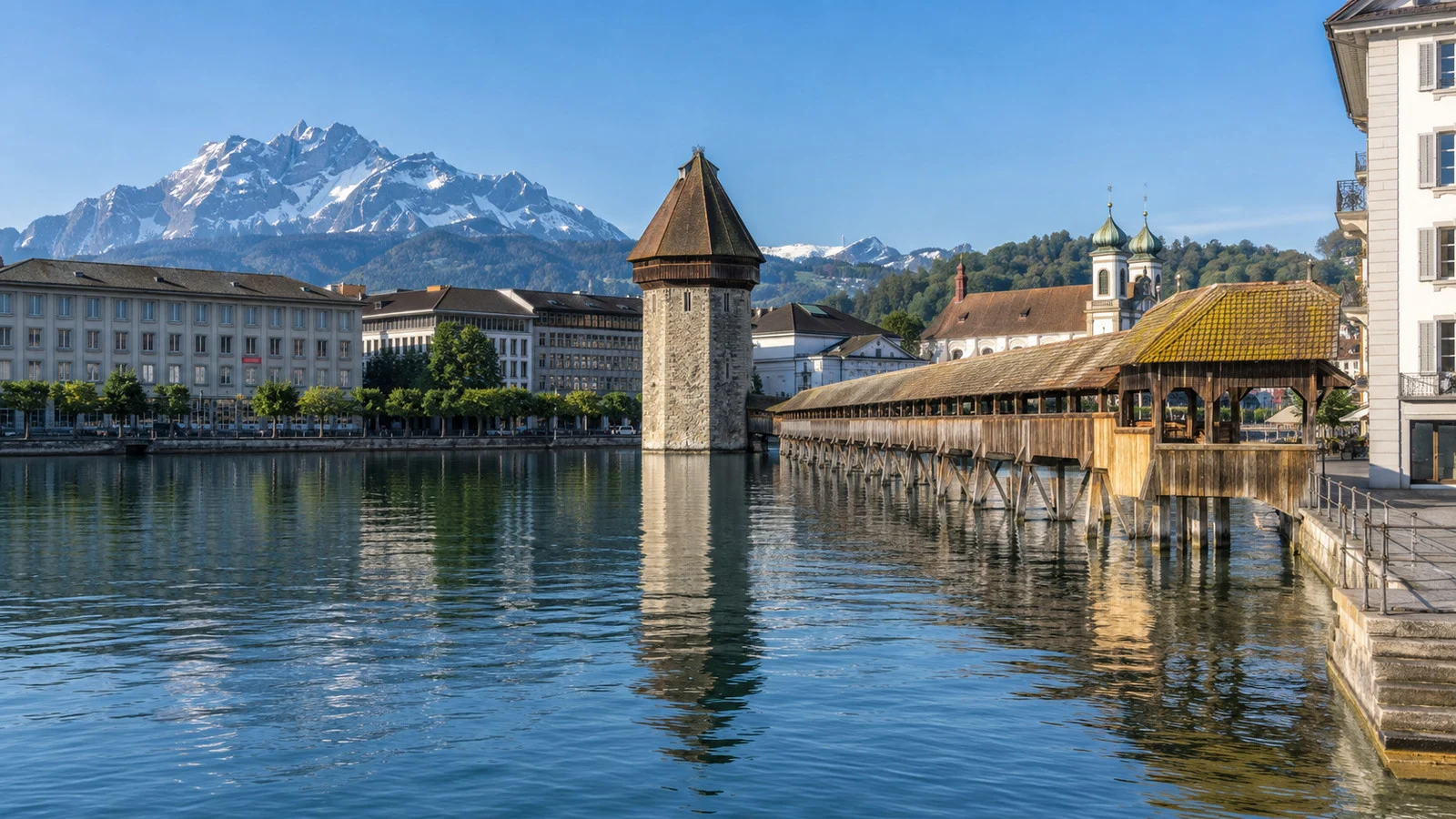
Salzburg may appear as an extension, a full-day excursion from a Danube port, or neither. Compare the extension with the cruise itinerary so you do not unintentionally repeat the same city.
Viking’s current extension list includes a four-night Munich and Salzburg fully guided program. Pairing two inland cities can create more distinct value than adding only a hotel near the river.
A ship excursion from Linz or Passau is a different experience from sleeping in Salzburg. The extension gives evening and morning time but also adds hotel changes and coach travel.
Use the Linz river-cruise guide to compare what the cruise already offers. You may prefer the included or optional excursion, an extension, or independent nights depending on pace.
Do not treat a repeated destination as automatically bad. A day excursion and a longer stay can cover different neighborhoods, but the extension schedule must show that difference.
Bucharest and Transylvania
Lower Danube itineraries may use a Romanian river port with a road transfer to Bucharest. A post-cruise extension can continue inland from that necessary movement.
Bucharest alone and a multi-night Transylvania program are not equivalent products. Compare hours on the coach, hotel changes, castle or museum entries, meals, and the final airport transfer.
Independent planning can work, but distances and luggage make a multi-stop route more demanding than adding nights in one city. A coordinated extension may be worth more for a party that wants door-to-door handling.
The Bucharest river-cruise guide explains the river-to-city connection. Confirm whether your package begins at the ship, in Bucharest, or after a separate transfer.
Fun fact: Viking currently markets extension formats ranging from two to six nights. Duration alone does not reveal how much is guided, so the day-by-day remains the useful comparison.
What to compare before paying
- Every guided hour: list the included tours, admissions, meal events, and free periods. Mark optional experiences separately from the base price.
- Every transfer: identify airport-to-hotel, hotel-to-ship, ship-to-hotel, and hotel-to-airport segments. Record flight windows and eligible airports.
- The hotel: map the named property or promised area and check room type, breakfast, taxes, accessibility, and substitute language. A central location can save transport and energy.
- Duplicate sightseeing: compare the extension with the main cruise and included shore excursions. Decide whether a repeat adds depth or merely consumes a day.
- The independent total: price the same dates, hotel standard, tours, transport, luggage, and cancellation terms. Do not compare a guided package with the cheapest room on the edge of town.
- The contract: check payment, cancellation, minimum participation, itinerary-change, and hotel-substitution rules. Extension terms may differ from the cruise fare.
When the extension is usually a strong fit
A strong extension reaches a place the ship cannot, manages a complicated land transfer, and includes touring you would buy anyway. It is especially useful when the group wants one booking and minimal luggage handling.
It can also fit a first international trip, a short planning window, or a party arriving from several origins. A host becomes more valuable when delays or changed local arrangements would be difficult to solve alone.
The package is not automatically better for older travelers or people with disabilities. It must still meet the party’s vehicle, hotel, pacing, and attraction-access needs.
A good test is whether removing the line’s transfer and support would make you redesign the trip. If not, compare independent booking very carefully.
When independent nights are usually stronger
Independent booking is attractive when the city is easy to reach, the desired hotel is known, and the party wants unstructured time. It also works well when the extension repeats places already included in the cruise.
It may be cheaper, but only after adding transport, breakfast, taxes, admission, luggage storage, and flexible cancellation. A low headline room rate is not a fair comparison with a coordinated package.
Travelers who enjoy rail planning and can manage luggage may value the freedom more than a host. Travelers who need a guaranteed accessible vehicle may find that independent specialist transport is actually clearer than a generic motorcoach package.
Do not schedule a fragile same-day independent connection to embarkation merely to save one hotel night. Arrive with enough buffer to absorb a late flight, rail disruption, or changed berth.
Accessibility and pacing
Ask for the walking distance, surface, slope, stairs, standing time, restroom plan, and coach steps for each included day. Phrases such as “panoramic tour” or “leisurely walk” are not measurements.
Confirm accessible-room features directly with the operator or hotel, including shower, grab bars, bed clearance, elevator, and entrance. “Accessible” can describe very different rooms across countries.
For wheelchairs or scooters, provide dimensions, weight, battery type, and transfer ability. Ask whether the vehicle has a lift or only under-coach storage and whether a separate accessible vehicle costs extra.
Door-to-door luggage handling can be a major extension benefit, but verify where that service begins and ends. It may not cover the airport carousel, train platform, or separately booked extra night.
Prague cobbles, Lisbon hills, historic hotels, and castle stairs require attraction-specific checks. Lucerne, Bucharest, Salzburg, and Paris also contain routes that vary sharply by neighborhood.
Season and timing
Do not choose an extension from a generic promise that spring or fall is perfect. Check climate normals, current attraction hours, public holidays, construction, and the short-range forecast for the exact cities.
Mountain excursions near Switzerland or Salzburg can be weather-sensitive, while summer heat can change the pace of Lisbon, Prague, or Bucharest. Winter adds shorter daylight and possible transport disruption without guaranteeing snow or festive weather.
Christmas-market dates often do not cover every sailing labeled with a holiday theme. Verify the opening dates of the specific markets included in the extension.
An extension can begin or end outside the normal river-cruise dates. Confirm seasonal rail, attraction, cable-car, and hotel operation independently from the ship schedule.

Quick answers
What a river-cruise land extension is:
It is a pre- or post-cruise package that may combine hotel nights, selected transfers, a host or tour director, and sightseeing. The mix varies by product.
Whether a Prague extension is worth it:
It can be when the program combines meaningful Prague time with the land transfer to or from the Danube route. Compare the exact inclusions with an independent hotel and transport plan.
Whether to add Paris after a Seine cruise:
Check where the ship actually disembarks and whether the extension repeats cruise sightseeing. Independent nights can be stronger when the berth-to-hotel trip is simple.
Whether extra hotel nights are the same:
No. Extra nights generally add accommodation, while a land extension may include transfers, hosting, tours, admissions, or meals.
Whether an extension changes the airport:
It can change the practical or eligible gateway and the dates covered by transfers. Confirm the airport and flight window before buying airfare.
The last word
The best river-cruise land extension solves a real logistics problem and adds experiences you would otherwise arrange yourself. The weakest one sells expensive free time under a famous city name.
Count every guided hour and transfer, map the hotel, compare the full independent cost, and inspect the cancellation terms. Then choose convenience or flexibility deliberately.
The comparison with U.S. river cruises versus Europe also matters because hotel and transfer models differ by operator. Recheck the exact extension whenever the itinerary, vessel, airport, or hotel changes.
How this guide was researched: This guide is based on current cruise-line extension, transfer, and FAQ material plus official destination information. Product formats and inclusions were checked against Viking and Avalon Waterways, while airport and transfer cautions were checked against Uniworld; details were reviewed in September 2026 under our Editorial Policy.
More on this topic: browse every guide on river cruise planning.