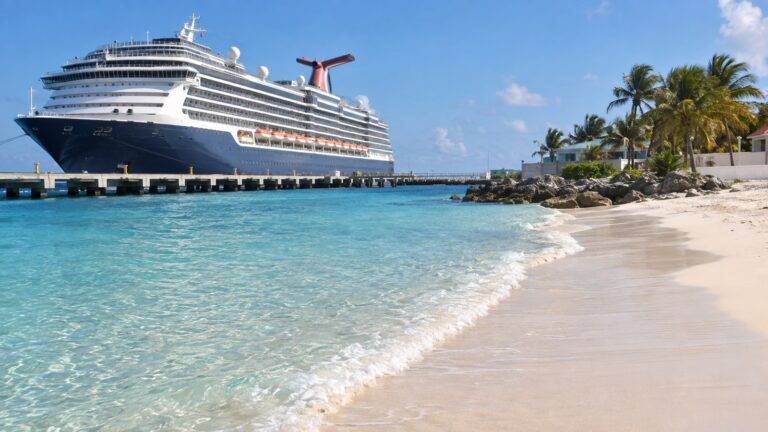
Which Berth Will Your Ship Use? Why It Decides Your Whole Port Day
Two ships can visit the same port and create completely different days. One berth may open onto the old town, while another requires a shuttle through a secured working harbor.
You often can find a likely berth in advance, but the useful skill is knowing when to trust it and how to build a plan that survives a change. Here is the practical version.
The short answer
For embarkation, use the terminal in your current cruise documents or cruise-line app, then check again on travel day. For a port call, use the ship’s daily program and announcements as the final passenger instruction.
An official port schedule is excellent for early planning, but it is still an operating schedule rather than a promise to passengers. Save the port map, expect changes, and never make a nonrefundable plan depend on one preliminary berth code.
The quick facts
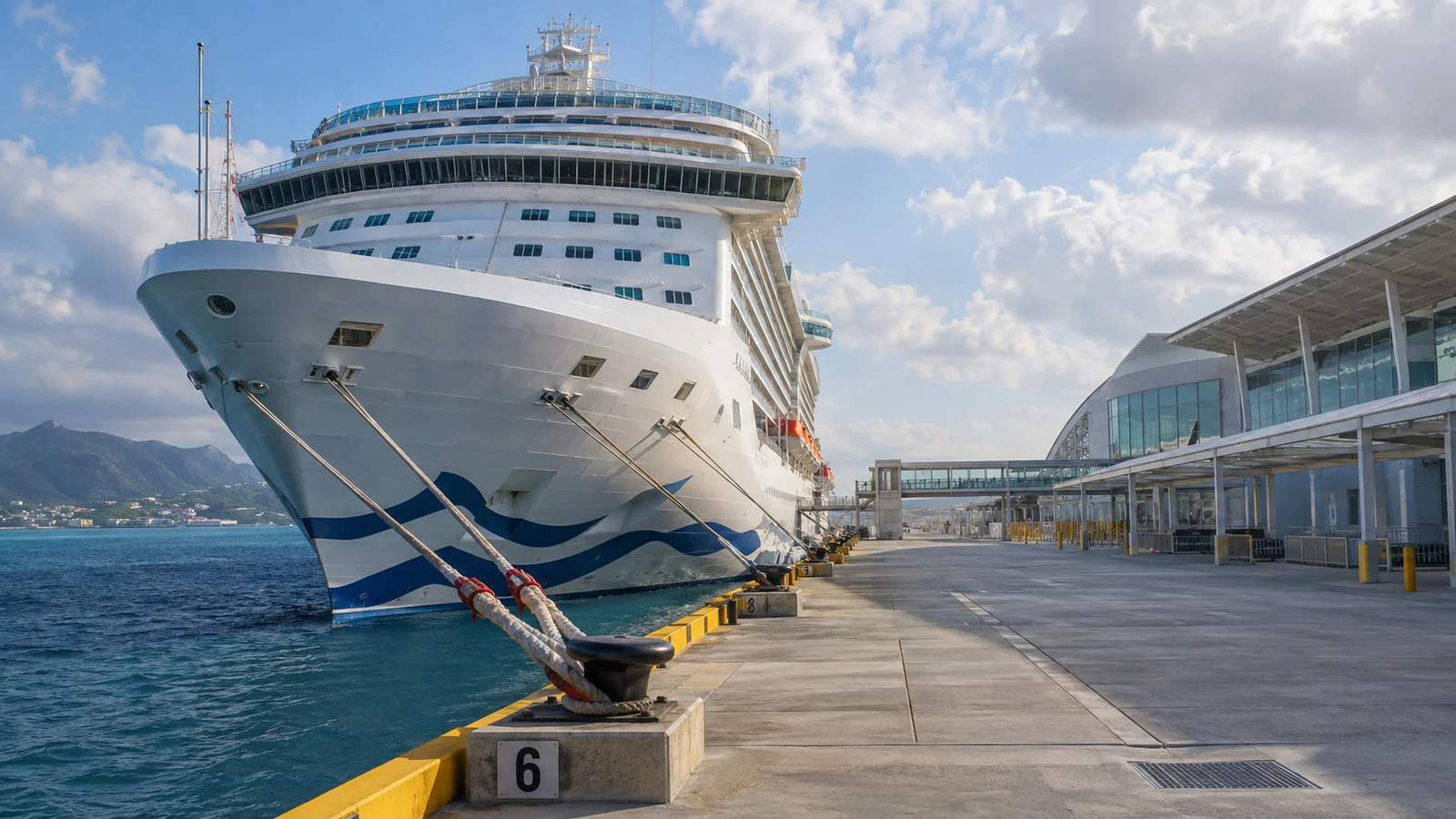
- Who assigns it: the port or harbor authority allocates berths through its operating plan, usually in coordination with the ship, cruise line, terminal, and local agent.
- What affects it: vessel dimensions, water depth, terminal facilities, security and border requirements, traffic, tides, services, agreements, maintenance, and weather can all matter.
- Where to check: use the cruise line first for embarkation, the daily program onboard for a port call, and the official port schedule or map for planning and cross-checking.
- When to check: look early to understand the possibilities, again when final documents arrive, and once more on the day. No generic 48-hour rule makes an assignment final.
- Why it matters: the berth can decide whether you walk, shuttle, use a tender, cross another ship, change parking garages, or add a large return-time buffer.
Berth, pier, terminal, and anchorage are not the same thing
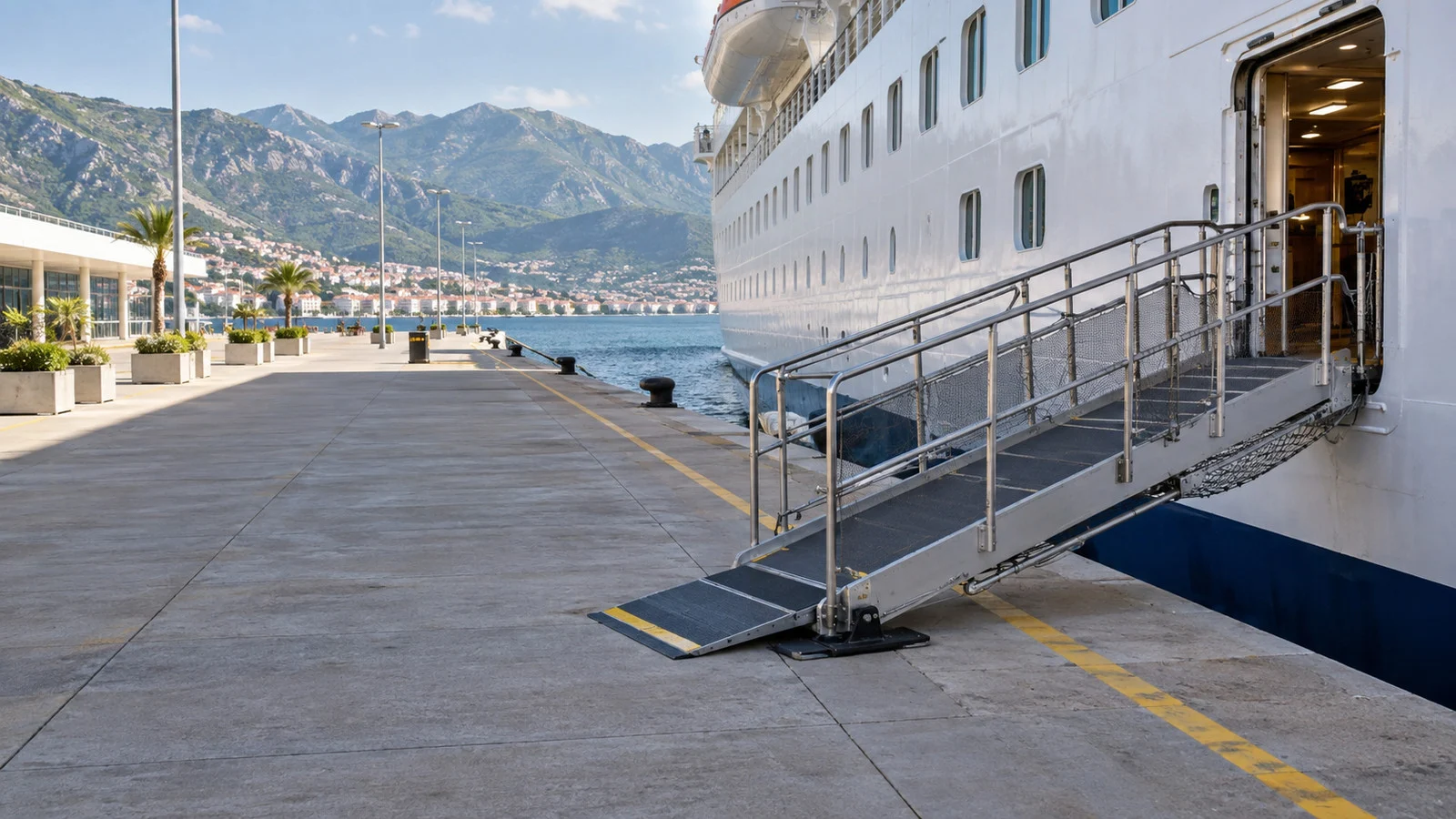
A berth is the specific place where the ship ties up. A quay or pier can contain several berths, and a terminal is the passenger-processing building that may serve one or more of them.
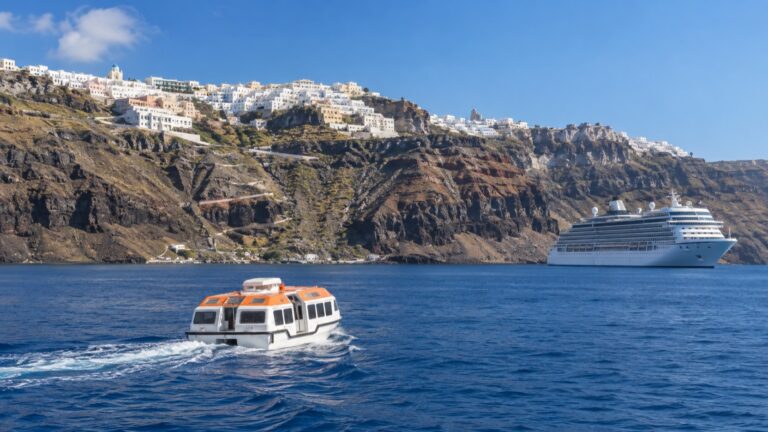
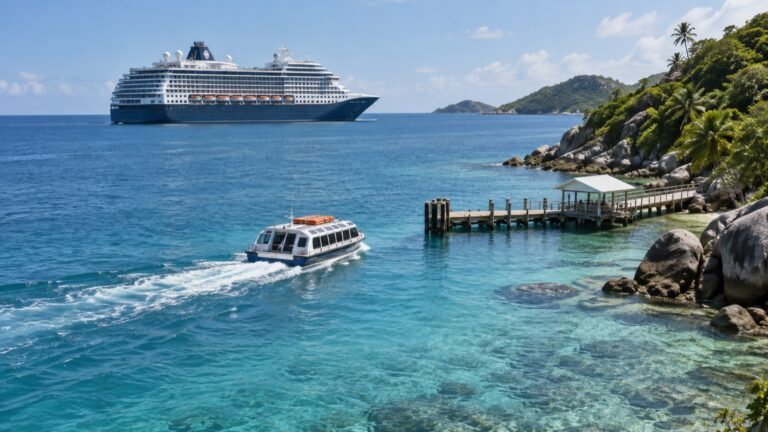
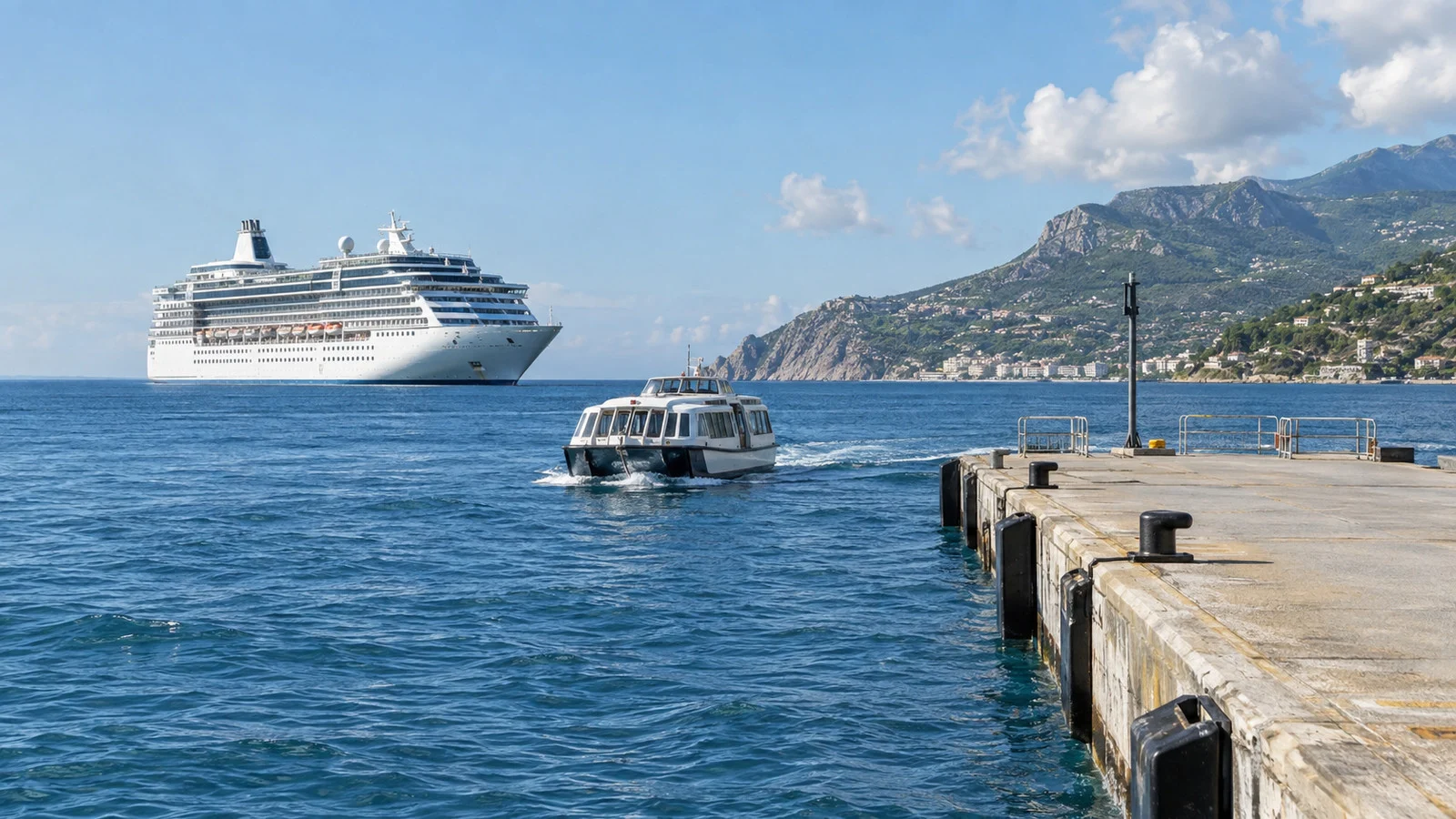
An anchorage is an offshore position rather than a berth. Passengers normally use tenders or local boats to reach a landing point, subject to weather and the ship’s procedures.
A schedule that says “Terminal 1” may be enough for your driver but not enough to judge walking distance from the gangway. A schedule that says “anchorage” changes the port-day mechanics entirely.
How berth assignments are made
Ports build berth plans around safe vessel fit and the services needed for each call. Length, draft, air draft, turning space, gangways, security, customs, baggage handling, shore power, fueling, and terminal capacity can narrow the choices.
Commercial agreements and regular line operations may influence the plan too. That does not make the process simply first come, first served, and arrival order alone does not tell you who receives the most central position.
A smaller vessel may fit a short central quay that cannot take a larger ship, but small ships do not automatically receive better berths. The attraction of closer-access itineraries is covered in the guide to small-ship cruising, with the same warning to verify each call.
Use this source order
- Current cruise-line travel documents: use these for embarkation terminal instructions, baggage drop, assigned arrival time, and line-arranged transfers.
- Cruise-line app, text, or email: watch for changes sent close to departure or during the cruise.
- Ship’s daily program and crew: use these as the final instructions for a port call, shuttle, tender, meeting point, and all-aboard time.
- Official port schedule and map: use these to understand terminal zones, berth codes, other ships, and ground access.
- Third-party trackers: use them only as supporting clues because they may copy old schedules or omit operational changes.
If two sources disagree on embarkation morning, contact the cruise line before driving to the port. A map pin from a travel forum is not worth missing check-in.
How to read an official port schedule
Find the exact ship name and date, then note the berth or terminal code, arrival, departure, call type, and any anchorage or tender notation. Ships with similar names and sister ships are easy to confuse.
Open the port’s own map because a code such as A, B, CT-5, or Pier 27 means little by itself. Check the public gate and passenger route rather than drawing a straight walking line across restricted land.
The published departure time is the planned ship movement, not your all-aboard time. Your daily program supplies the earlier passenger deadline, and that deadline can differ by call.
Look for a revision date or live-update notice, then check again later. An old PDF and a current live schedule do not carry equal weight.
Homeports: the terminal decides the arrival plan
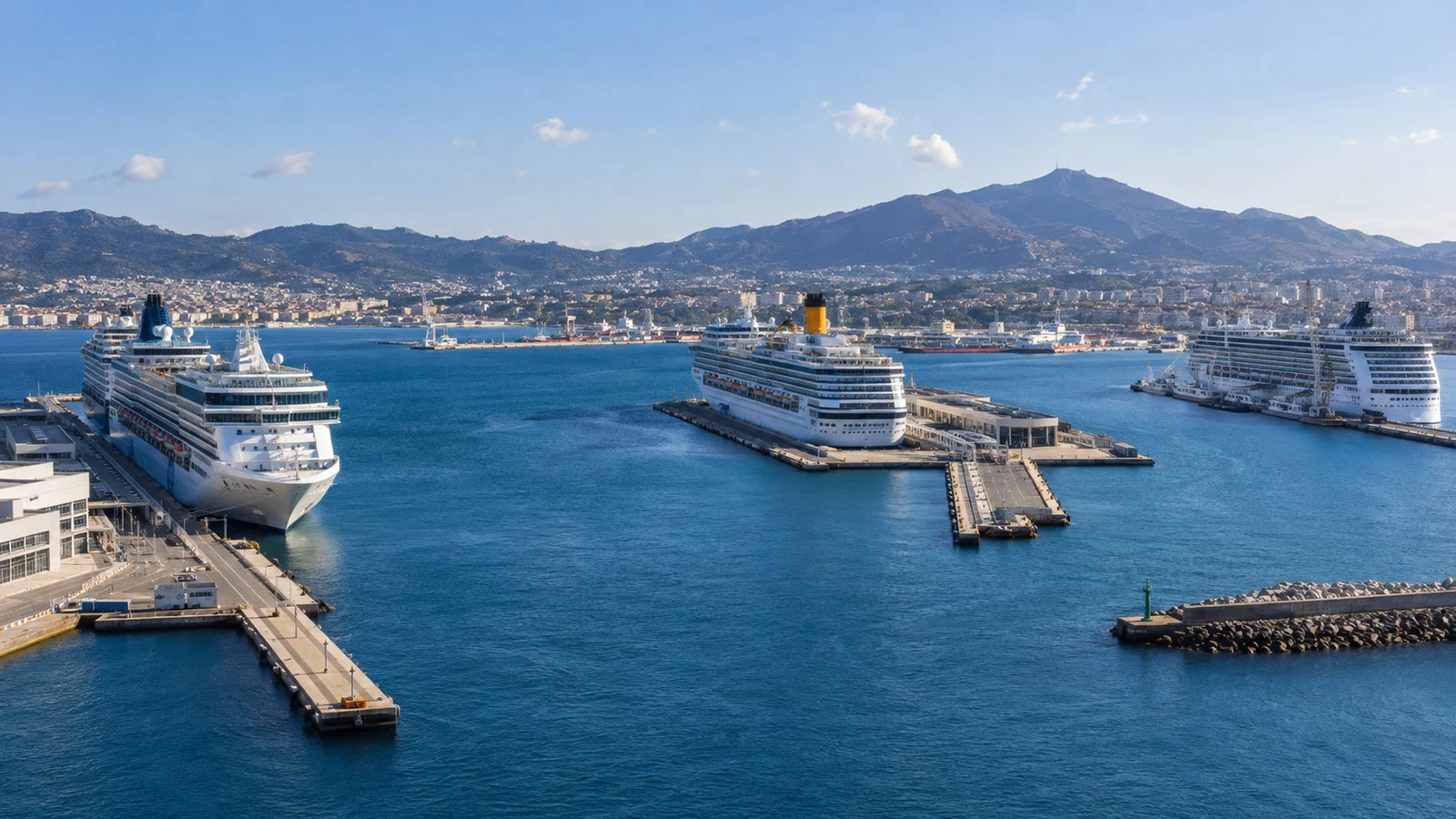
At an embarkation port, the terminal controls your driving route, baggage drop, parking, rideshare destination, and sometimes the correct highway exit. “Take me to the cruise port” is not a useful instruction in a complex with terminals miles apart.
Enter the terminal number and official street address into navigation, but keep the cruise-line notice open. Road signs and traffic officers on the day take priority over a route saved weeks earlier.
Port Canaveral’s official directions page lists several terminals on different sides of the harbor and states that ship schedules and assigned terminals can change. It specifically tells guests to check with the cruise line or travel adviser for current embarkation information.
Parking can be tied to the terminal, so confirm before reserving an off-site lot or heading into an on-site garage. The guide to cruise port parking covers the wider choice between official and independent facilities.
Barcelona: use the current port map, not an old shortcut
Barcelona is a useful warning because its cruise facilities and long-term terminal plan have changed. Old advice about walking from a former or occasional berth can remain online after operations move or a terminal closes.
The Port of Barcelona’s official cruise page links to its cruise forecast and passenger information. Use that current material with your line’s documents instead of assuming every ship uses the same Moll Adossat terminal or the same ground transport.
Even terminals along the same long quay can produce different walks and shuttle stops. Match the ship to the exact terminal letter on the date of the call.
What the berth changes on a port day
- Walking: a central-looking ship on the map may still sit inside a restricted zone with no pedestrian exit.
- Shuttles: a free, paid, or mandatory bus may be the only authorized route between the ship and public land.
- Taxis and rideshare: pickup points can be outside the security gate rather than at the gangway.
- Independent tours: the guide may need a terminal exit, gate number, or tender pier instead of the berth name.
- Accessibility: gangway slope, shuttle steps, terminal distance, rafting, and tender use can determine whether the plan works.
- Return time: remote terminals, tender queues, and mandatory shuttles need more buffer before all aboard.
If the ship is inside a cargo or security area, the port may forbid walking even when the town looks close. The guide to mandatory cruise-port shuttles explains how to plan around that restriction.
Several ships in port: expect pressure, not a simple ranking
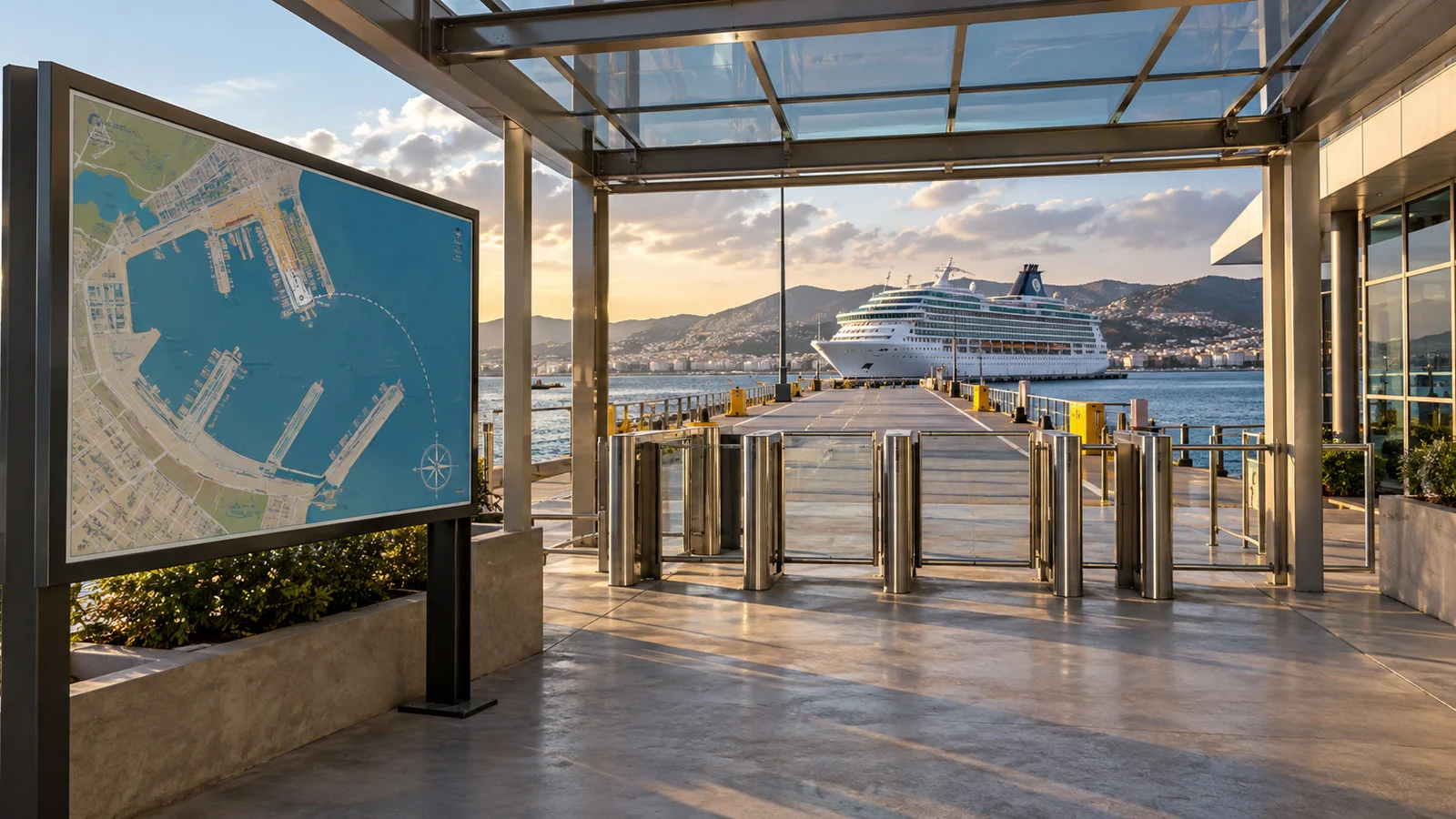
A busy schedule can make the less convenient berth, shuttle stop, taxi rank, and security gate more likely, but it does not reveal the allocation rules. Contracts, ship fit, terminal services, and the total operating plan still matter.
Use the schedule to estimate passenger volume and identify other ships, not to guess that the first arrival gets the best position. The guide to days with several cruise ships in port covers the likely effects on tours, queues, and transportation.
Ocean ships normally occupy separate berths, while river ships may raft side by side at the same mooring. In either case, follow the signed passenger route instead of taking a shortcut through operations.
Docked or tendered can change the whole day
Some ports routinely tender because of depth, harbor design, or environmental limits. Elsewhere, only selected calls use anchorage when berths are unavailable or conditions change.
Do not assume another ship at the pier means yours will tender, because vessel size and port planning differ. Check the cruise line and current daily program for the operating plan.
A tender adds boarding, boat transit, landing, and possible ticket-group time at both ends. The guide to how tendering changes time ashore explains the different return calculation.
Why a berth can change
Weather, water depth, tide, wind, a delayed vessel, berth damage, maintenance, security needs, or a revised port sequence can alter the plan. The change may happen before sailing or while your ship is already underway.
A terminal change at a homeport should trigger new parking, transfer, and drop-off checks. A berth change during a call should trigger new walking, tour meeting-point, and return-buffer checks.
Do not build a plan that works only from the prettiest berth. Keep a second route for a remote terminal and avoid prepaid transfers that refuse reasonable pickup changes.
Independent tours and transfers
Give the operator the ship name, cruise line, date, arrival time, and all-aboard time, then send the terminal or berth when confirmed. Ask whether the guide meets at the gangway, terminal exit, security gate, or tender landing.
Choose a provider that monitors ship and port updates rather than requiring one fixed pickup point months ahead. Keep a local phone number and messaging method that will work without ship Wi-Fi.
Recalculate the return after any berth change and use the advice in how early to return to your cruise ship. A three-mile move can add a shuttle queue, bridge crossing, or entirely different gate.
Mobility and accessibility
A port described as accessible may become difficult from a different berth. Gangway gradient changes with tide or river level, and the route can include uneven quays, terminal ramps, bus steps, rafting, or a tender.
Tell the cruise line about mobility needs before sailing, then ask onboard for the plan at each call. Confirm whether the shuttle or tender can carry the exact mobility device and whether crew assistance is available.
Do not rely on map distance alone. A half-mile secured route with no pedestrian gate is not a walk, and a short tender may still require steps or transfers.
River ships: central moorings, rafting, and moving gangways
River ships often moor close to historic centers, but central space is limited and local authorities control assignments. Uniworld’s FAQ says locations can be farther away and ships may moor next to or between other vessels.
When ships raft, passengers may cross one or more vessels to reach land. The route can pass through lounges, reception areas, or upper decks, and it may change when another ship departs.
The guide to river-cruise rafting and double docking explains the privacy, noise, and mobility consequences. Ask reception for the current route rather than guessing from your cabin window.
A berth-check workflow that takes five minutes
- Search the official port site for the cruise schedule and terminal map.
- Match the exact ship name and date, then record the berth or terminal code.
- Trace the authorized passenger route from the gate, not a straight line from the hull.
- Check shuttle, tender, taxi, rideshare, parking, and mobility details for that location.
- Compare the result with current cruise-line documents or the daily program.
- Save a backup plan and recheck after any schedule notification.
If the official port does not publish berth details, that is the answer for now. Ask the cruise line, plan from the least convenient plausible location, and wait for the onboard update.
Quick answers
Can I find my cruise ship’s berth before sailing?
Often, because many ports publish schedules and cruise lines issue terminal details, but the assignment can still change.
Who decides which berth a ship uses?
The port or harbor authority controls the berth plan in coordination with operators, terminals, lines, ships, and agents under local rules.
Is the port schedule or cruise app more reliable?
Use cruise-line documents and alerts for embarkation instructions, and use the ship’s daily program for a port call while treating the port schedule as a valuable cross-check.
When should I check the berth?
Check early for planning, again with final documents, and on the day because no universal lead time makes a berth final.
Does a busy port mean my ship will tender?
Not necessarily, because tendering depends on the port, vessel, berth plan, weather, and operating conditions rather than ship count alone.
Is a walkable port always walkable from the ship?
No, because a remote berth, restricted port zone, mandatory shuttle, tender landing, or steep gangway can change the answer.
Final word
A berth is not trivia at the bottom of a schedule. It is the piece of information that turns “walkable port” into an actual route, a shuttle, a tender, or a new plan.
Check the official sources, confirm with the cruise line or ship, and keep enough flexibility to absorb a change. Five careful minutes can still save a port day, but only if the answer is treated as provisional.
How this guide was researched: Berth and terminal guidance was checked against current Port Canaveral, Port of Barcelona, and cruise-line passenger information, including published cautions that assignments can change. Local plans remain operational decisions, so confirm the final terminal, berth, tender, and all-aboard instructions for your sailing; see our Editorial Policy.
More on this topic: browse every guide on port logistics and timing.