Rábida Island Cruise Port: The Galápagos’ Red Sand Beach Landing
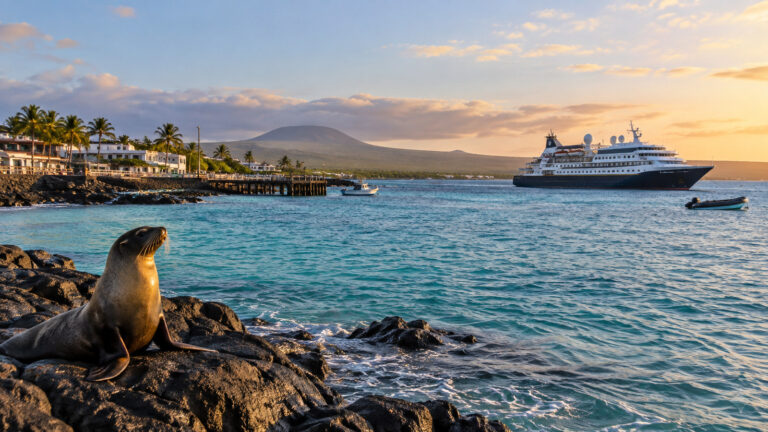
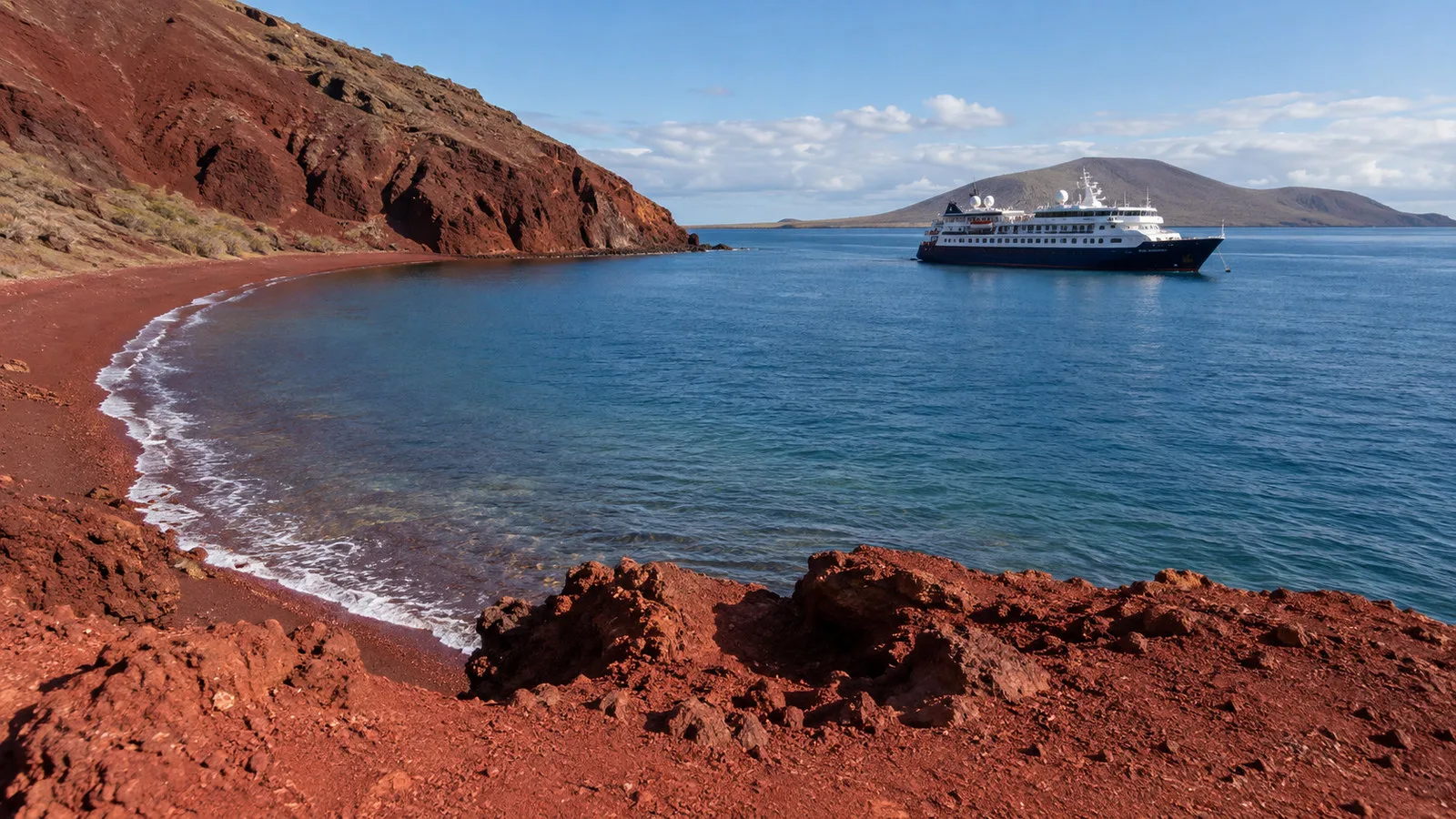
Rábida is a small, uninhabited Galápagos island known for iron-rich red earth, a compact visitor trail, and a sheltered beach where expedition groups may land by panga. There is no town, dock, taxi, or independent sightseeing network waiting ashore.
Your exact experience is controlled by the Galápagos National Park itinerary, weather, wildlife, and the naturalist guide. A typical call may combine a wet landing, a short walk near the lagoon, beach wildlife, and snorkeling or a small-boat ride.
My quick take
Say yes to the landing if you can manage the panga transfer and uneven trail. The island’s appeal is not a long attraction list but the contrast between red volcanic ground, blue water, green vegetation, and wildlife at close visual range.
Do not build the day around a guaranteed flamingo, sea lion encounter, or snorkeling species. Rábida provides excellent habitat, but wildlife chooses the timing and the guides adjust the route to protect it.
Rábida Island quick facts
- Country: Ecuador
- Archipelago: Galápagos Islands
- Other name: Jervis Island
- Port setup: No dock or terminal
- Typical access: Guided panga transfer with a wet beach landing
- Main features: Red sand, a lagoon, volcanic terrain, coastal wildlife, and snorkeling
- Independent access: Not part of a normal cruise visit
- Facilities: None expected ashore
- Final authority: Galápagos National Park rules and your licensed naturalist guide
Getting ashore on the red beach
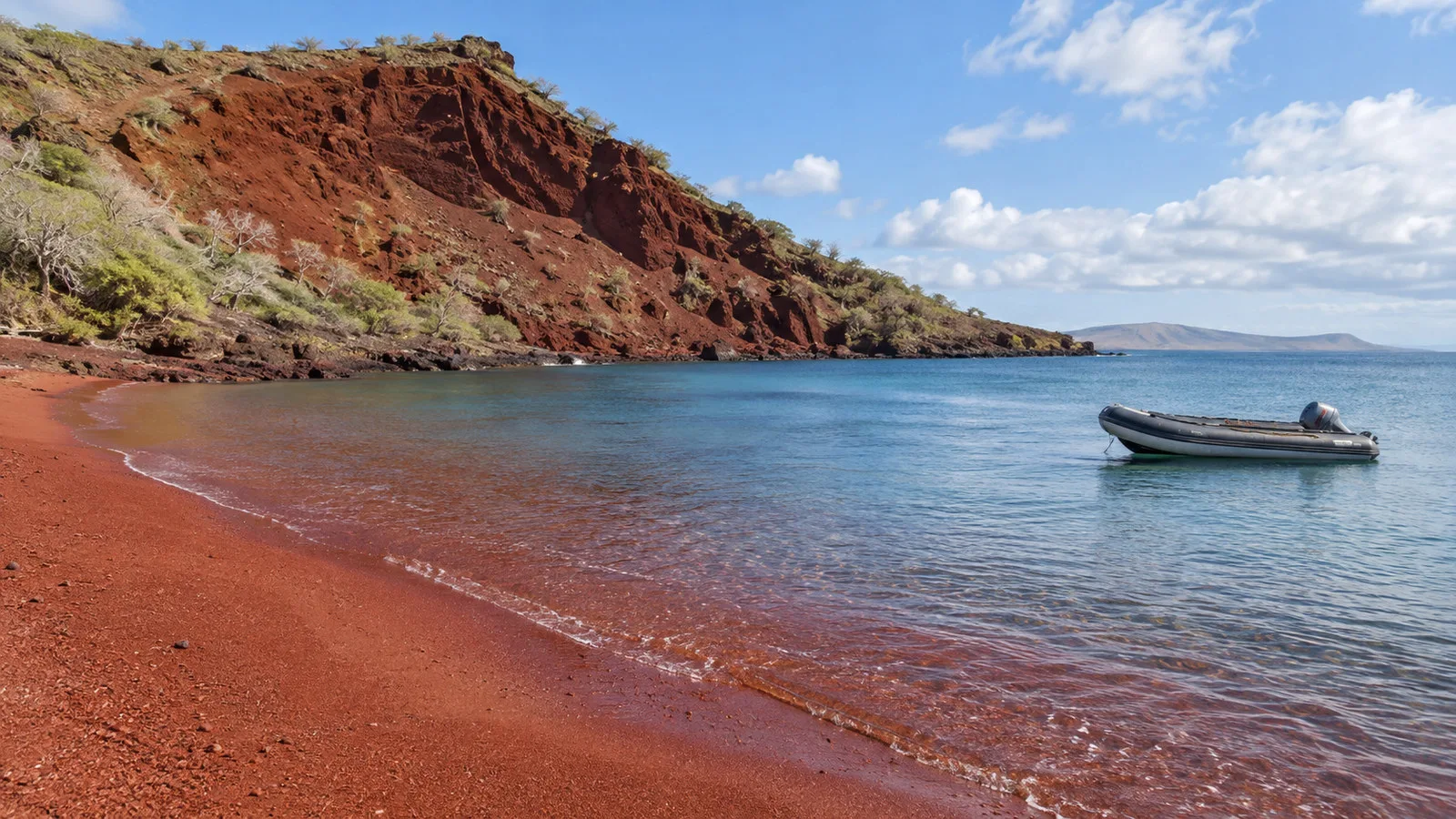
Expedition vessels anchor offshore and transfer guests in small inflatable boats commonly called pangas in the Galápagos. Your guide will assign groups and explain the landing before passengers leave the ship.
Rábida’s visitor landing is commonly wet, which means stepping into shallow water and walking onto the beach. Water depth and wave action vary, so a photograph from another sailing cannot predict the exact step for yours.
Keep both hands free for the crew’s grip and wait for the boat operator to call your turn. Secure cameras, phones, hats, and loose bags in a waterproof pouch until you are stable on shore.
Wear the footwear specified by your operator because some vessels require water shoes for the landing and trail shoes afterward. Others use amphibious footwear that can handle both parts of the visit.
For a broader explanation of small-boat transfers, see our Zodiac landing guide. The onboard demonstration always takes priority because panga designs and transfer platforms differ.
Why the sand and soil look red
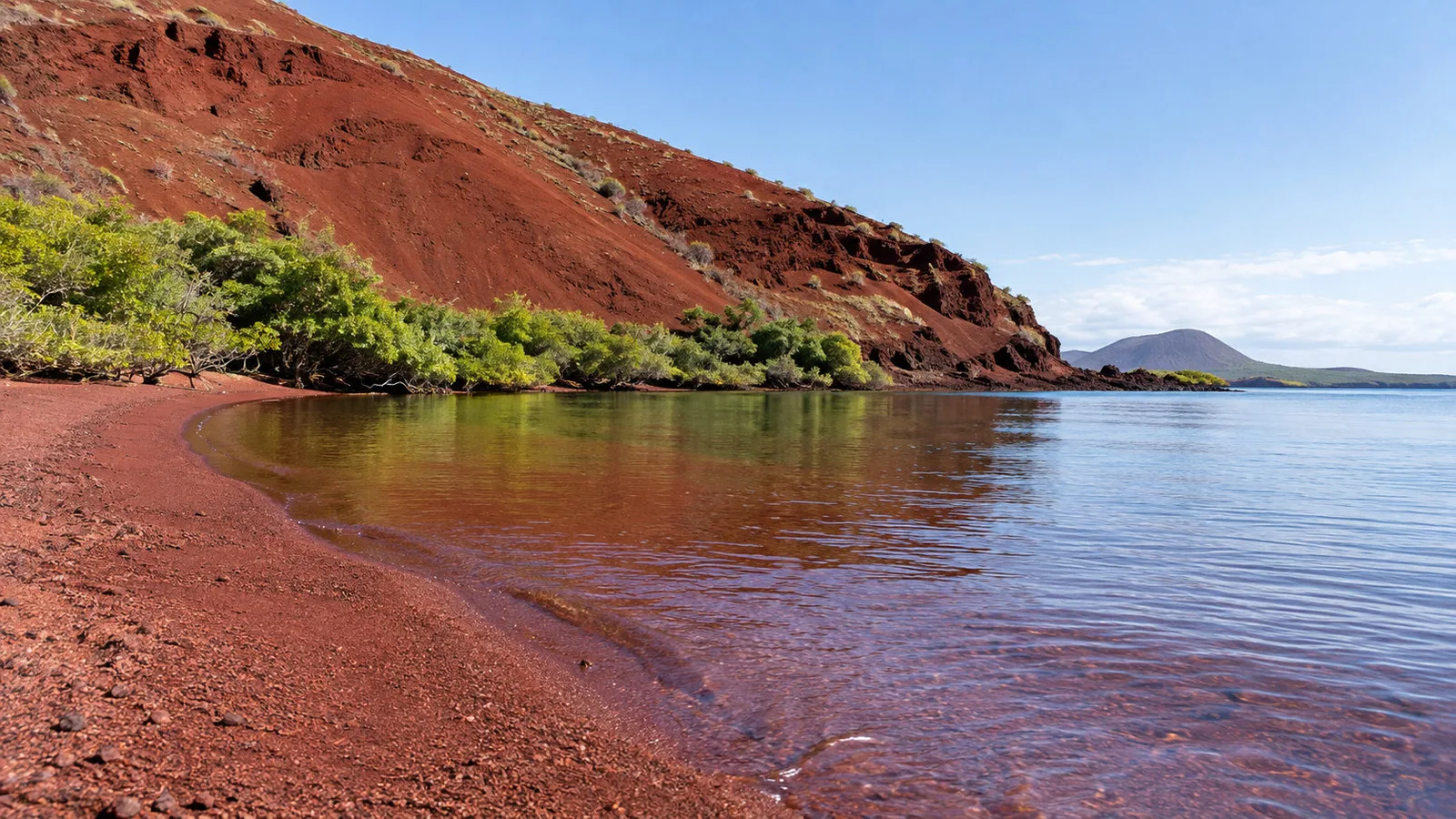
Rábida’s color comes from oxidized iron in its volcanic material. The red and rust tones are especially striking beside pale surf and dry-season vegetation.
Do not collect even a tiny stone or pinch of sand. The island is protected, and removing natural material damages the site one souvenir at a time.
Color changes with light, moisture, and camera settings. A cloudy landing may produce deeper earth tones than the bright orange-red images used in brochures.
The geology belongs to the larger volcanic story of the archipelago. UNESCO describes the Galápagos as a place where continuing seismic, volcanic, and ecological processes help explain how the islands formed and how life developed in isolation.
The lagoon and visitor trail
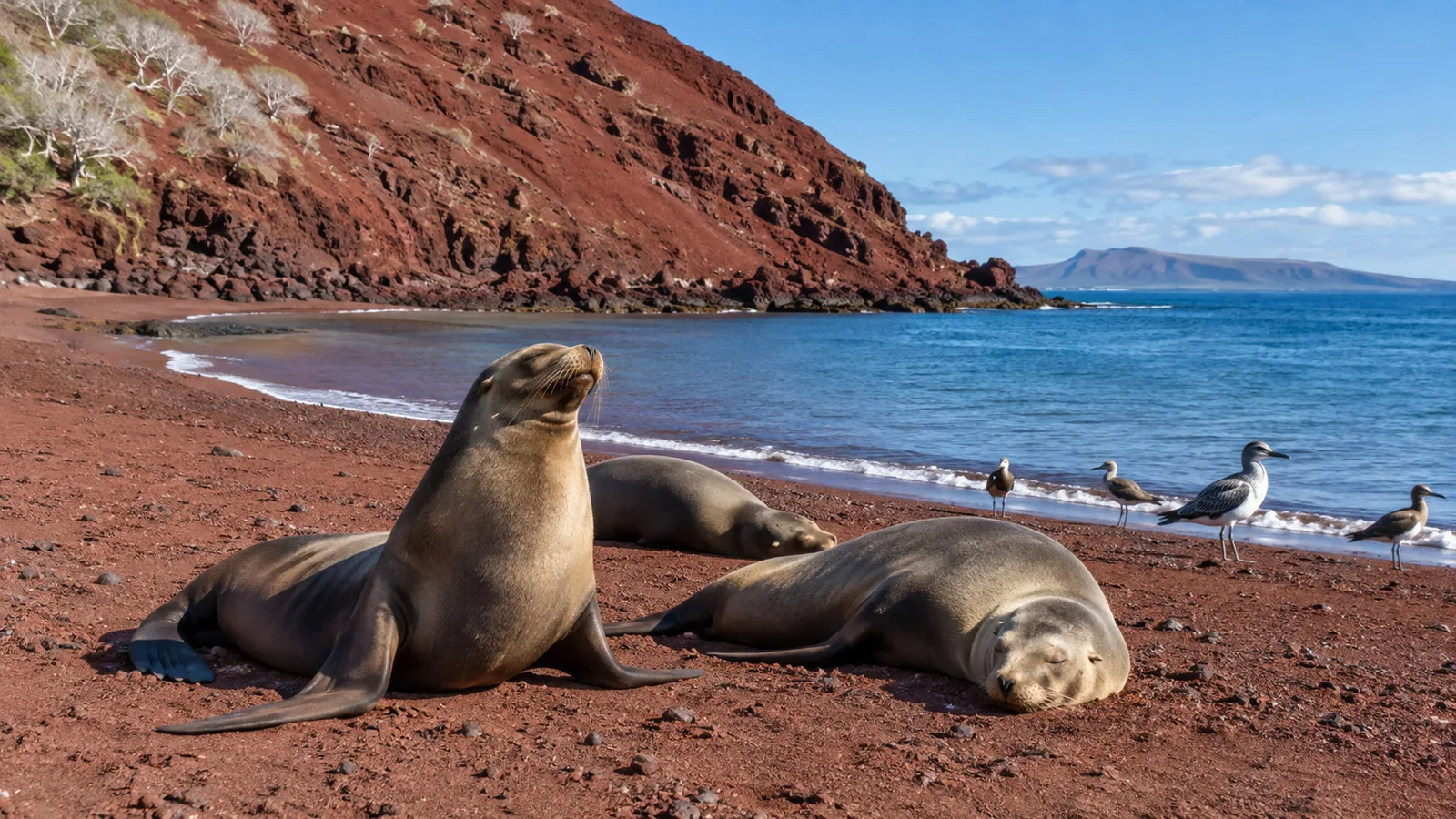
A short guided route may lead from the beach toward a coastal lagoon and surrounding dry landscape. The guide sets the exact path and turnaround based on park rules, wildlife, heat, and the group’s pace.
Flamingos may use the lagoon, but their presence and position are never guaranteed. Look for other birds, tracks, plants, and changing colors rather than treating one species as the measure of a successful visit.
Stay on the marked or guide-approved route even when the ground beside it appears empty. Nests, burrows, fragile plants, and small animals can be difficult to see.
Do not walk between an animal and the water or block its path. If wildlife approaches, stop and let the naturalist tell you when and where to move.
The trail may be short in distance but demanding in heat. Carry the permitted amount of water, use sun protection, and tell the guide early if you need to turn back.
Sea lions, birds, and other wildlife
Galápagos sea lions may rest on the beach or swim near the landing. Give them room, especially around large males, mothers, pups, and the path between the sand and sea.
Pelicans, finches, mockingbirds, doves, and other coastal or land birds may appear around Rábida. Species and numbers change with the season, food conditions, and the exact route approved that day.
Wildlife in the Galápagos can seem unusually calm around people, but that is not an invitation to touch or crowd it. Use your camera zoom and follow the naturalist’s distance instructions.
Flash, drones, food, and off-route photography can be restricted or prohibited. Ask before using specialized equipment instead of assuming a normal vacation rule applies inside the national park.
Snorkeling at Rábida
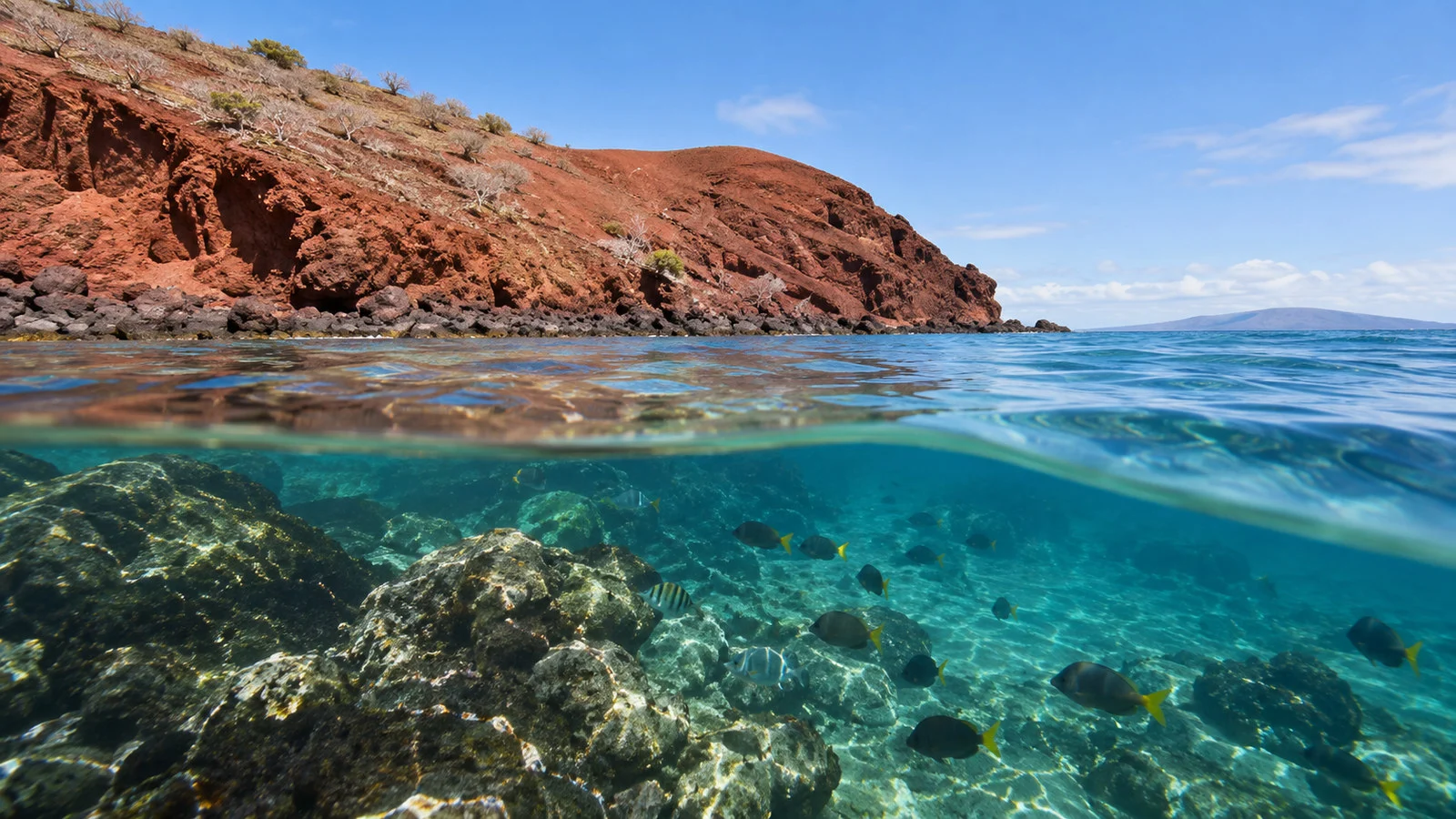
When conditions and the approved program allow, snorkeling may take place from the beach or a panga. Possible sightings include reef fish, rays, sea turtles, sea lions, and other marine life, but none should be promised.
Water clarity and current can change quickly. Listen to the guide’s site briefing, stay inside the marked area, and exit when the crew signals rather than stretching the session for one more photograph.
Use only reef-safe practices and the equipment permitted by your operator. Never stand on submerged rock or coral simply to adjust a mask.
A flotation vest can reduce effort and improve visibility to the panga team. Tell the guide about limited swimming ability, anxiety, or a medical concern before entering the water.
Skipping the snorkel does not make the landing a poor use of time. The red beach, lagoon walk, and wildlife observation provide a complete experience on their own.
Why independent exploration is not an option
Rábida is an uninhabited protected visitor site, not a public port where a passenger can hire a guide after landing. Access occurs through an authorized vessel itinerary with a licensed Galápagos naturalist.
The guide manages the route, group behavior, timing, and park rules. Stay with the group and do not remain on the beach expecting a later boat to collect you.
UNESCO notes that visitation to uninhabited Galápagos islands is strictly controlled through carefully planned itineraries. The official Galápagos World Heritage listing explains why management, quarantine, and visitor controls are central to protecting the archipelago.
A visit can be changed or canceled because of surf, wind, wildlife, park direction, or another operational issue. Expedition flexibility protects the island as much as it protects passengers.
Biosecurity and low-impact behavior
Follow every inspection and cleaning procedure for footwear, bags, and outerwear. Seeds, soil, insects, and plant material can travel between islands on equipment that appears clean.
Carry out everything you bring ashore. Do not leave food, tissues, bottle caps, or biodegradable waste behind.
Never feed wildlife or use food to draw an animal into a photograph. Human food changes behavior and can create health problems.
Keep voices controlled and avoid surrounding a single animal. The guide may rotate viewing positions so everyone gets a look without creating a wall of people.
Accessibility and physical demands
Rábida is not wheelchair accessible in the conventional sense. The panga transfer, wet landing, soft sand, uneven volcanic ground, and absence of shore facilities create significant barriers.
Ask the expedition company before booking about boat-entry steps, handholds, weight-bearing expectations, and whether mobility devices can be carried. The guide and captain make the final decision for the conditions on the day.
A passenger who can board the panga but not complete the trail may be offered a shorter shore option or boat ride when staffing and conditions permit. This is not guaranteed, so discuss alternatives before the group departs.
Walking poles can help on uneven ground but may require cleaning and approval. Ask the naturalist how to use them without damaging vegetation or disturbing wildlife.
Heat and lack of shade can increase the physical load. Turn back with a guide before fatigue becomes a safety issue rather than trying to finish every part of the route.
Weather, sun, and sea conditions
Equatorial sun can be intense even through cloud. Use a hat with a secure strap, high-protection sunscreen, sunglasses, and lightweight coverage that meets the operator’s biosecurity rules.
The warmer and cooler Galápagos seasons bring different combinations of air temperature, water temperature, wind, and visibility. Ask the expedition team about the current conditions instead of packing around a single annual average.
Motion in the panga can affect passengers who felt fine on the larger ship. Take any approved seasickness measure early enough to work and sit where the crew directs.
Protect electronics from spray and sand. A small waterproof bag is more useful than a large camera case that occupies your hands during the transfer.
Timing the return to the ship
The naturalist controls the shore schedule and return groups. Listen for the turnaround signal and board the assigned panga instead of assuming another boat will have space.
Conditions may deteriorate quickly enough to shorten the landing. Respond promptly because the crew needs time to account for every passenger and recover equipment safely.
Keep your life jacket fastened until the boat team says otherwise. Once aboard, complete any required footwear wash or biosecurity check before leaving the expedition area.
There is no independent “all aboard” calculation to make on Rábida. Your responsibility is to stay with the guide, respect the route, and be ready when the group moves.
How Rábida fits a Galápagos itinerary
Rábida adds color and a compact coastal ecosystem to a voyage. It contrasts with the lava landscapes of Fernandina and the broader terrain of Santiago.
Baltra serves a very different role as an expedition gateway with airport and transfer infrastructure. Rábida is purely a protected visitor-site experience.
Our Galápagos cruise overview explains how inhabited ports, remote landings, and embarkation islands fit together. Treating them all as normal cruise ports hides the logistics that matter most.
Quick answers
Is there a dock on Rábida?
No conventional passenger dock serves the visitor site. Expedition groups normally arrive by panga and make a guided wet landing when conditions allow.
Can I visit without an organized expedition?
Not as an independent shore visitor. Rábida access is managed through authorized itineraries and licensed naturalist guides.
Will I see flamingos?
Flamingos may use the lagoon, but sightings are not guaranteed. Their presence changes with conditions and wildlife movement.
Is Rábida good for snorkeling?
It can be excellent when visibility, current, and the approved program cooperate. Follow the guide’s boundaries and treat every species sighting as a possibility rather than a promise.
How long is the landing?
The operator and park itinerary determine the duration, and conditions can shorten it. Use the schedule announced onboard rather than a timing copied from another voyage.
Is Rábida accessible?
The wet landing and natural terrain create major barriers for wheelchair users and travelers unable to step from a moving panga. Ask the expedition company about transfer requirements and possible boat-only alternatives before booking.
The last word
Rábida does not need a long checklist to be memorable. Prepare for the wet landing, follow the naturalist closely, and let the island’s red landscape and wildlife set the pace.
If a visitor procedure changes after your expedition, our editorial policy explains how to send a correction. Current Galápagos National Park and operator instructions always take priority.
More on this topic: browse every guide on expedition and alternative cruises.