Japan Cruise Ports: A Guide to Every Region
Japan is one of cruising’s great surprises. You wake up to a different world each morning, from Tokyo’s skyline to Okinawa’s reefs.
Here’s how I’d compare Japan’s main cruise ports by region, and where I’d spend the day in each.
My quick take
Japan splits neatly into five cruising regions: Honshu (the main island), Kyushu in the southwest, Hokkaido in the north, Shikoku, and Okinawa with the southern islands.
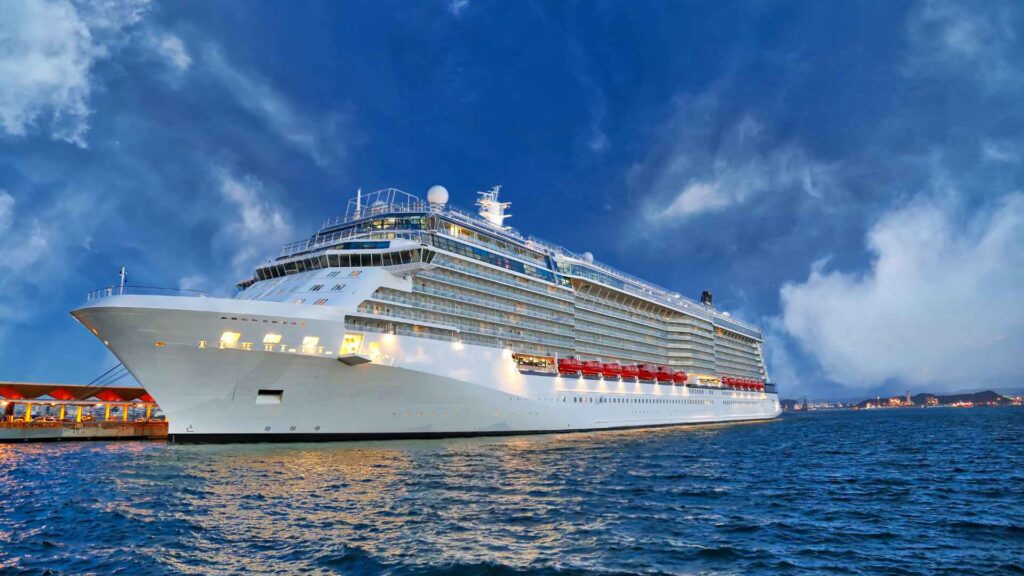
Almost every Japanese port lets ships dock alongside, so tender days are rare. Use this page to get a quick read on each region, then click through to the full guide for your port.
The quick facts
- Currency: Japanese yen (JPY). Cards are widely accepted in cities, but carry cash for small shops, temples, and rural stops.
- Safety: The U.S. State Department rates Japan Level 1, Exercise Normal Precautions, its lowest risk tier.
- Docking: Most ports dock alongside. A handful of scenic island calls can tender, so confirm with your cruise line.
- Best seasons: Cherry blossoms peak roughly late March to early April; autumn foliage in November. Late summer is typhoon season.
- Getting around: Japan’s rail network is superb. Even short port calls open up nearby cities by train.
Honshu: the main island and its big-name ports
Honshu holds most of Japan’s marquee calls and both major turnaround gateways for the country. If your cruise starts or ends in Japan, it almost certainly does so here.
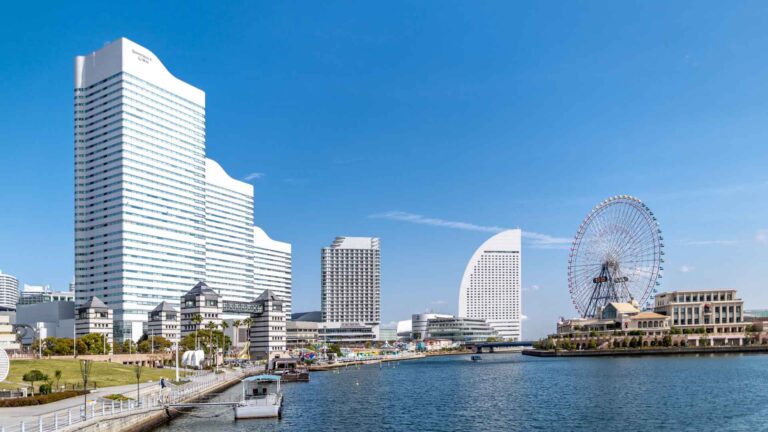
Ships bound for the capital dock at the Tokyo International Cruise Terminal in Odaiba, or across the bay at Yokohama. Yokohama’s central berth is the striking Osanbashi Pier, while the largest ships use Daikoku Pier, so check your berth before planning the day.
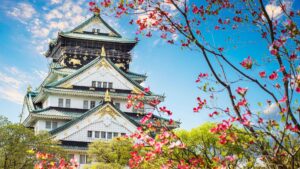
Down the coast, the Kansai region gives you two gateways to Kyoto and Nara. Osaka lands you near the aquarium and the food streets of Dotonbori, and neighboring Kobe pairs its famous beef with easy trains to the old capital.
Nagoya sits between them as an industrial hub with a handsome reconstructed castle. Further west, Hiroshima is the region’s most moving stop, with the Peace Memorial Park and the floating torii of Miyajima within reach.
On the Sea of Japan side, Kanazawa is a quieter gem, with Kenrokuen garden and its preserved samurai and teahouse districts. It is one of my favorite less obvious ports on any Japan itinerary.
Kyushu: the southwestern island
Kyushu is Japan’s history-rich southwest, shaped by centuries of trade with China, Korea, and the Dutch. It is often the bridge between Japan and calls in Korea.
Nagasaki is the standout, with Glover Garden, the Dutch trading post at Dejima, and a Peace Park that mirrors Hiroshima’s. Nearby Sasebo mixes naval heritage with the Dutch-themed Huis Ten Bosch and boat tours of the Kujukushima islands.
Kyushu’s other big calls include Kagoshima, watched over by the smoking Sakurajima volcano, and Fukuoka, whose ships use the Hakata Port International Terminal close to the city center.
Hokkaido and the north
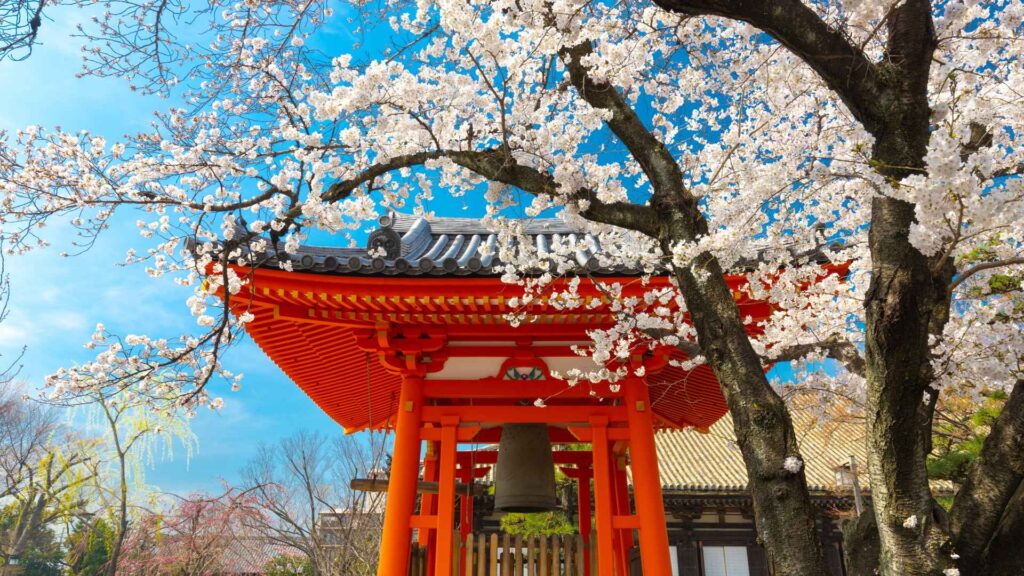
Northern itineraries trade cities for scenery, cooler air, and some of Japan’s best seafood. They pair naturally with calls in Aomori at the top of Honshu.
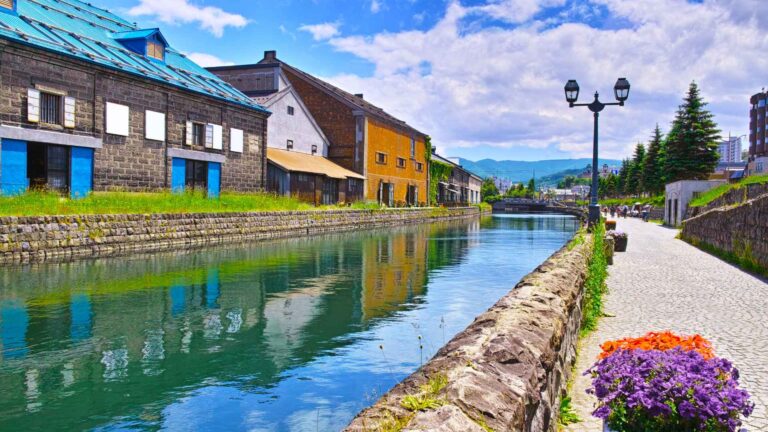
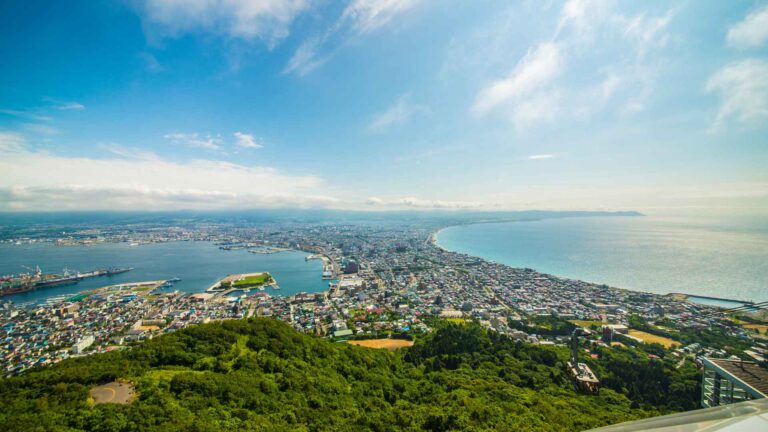
Hakodate is the classic Hokkaido call, known for its star-shaped Goryokaku fort, a lively morning seafood market, and the famous night view from Mount Hakodate. Otaru, further along the coast, charms with its canal and glassware, while Kushiro is a gateway to wetland cranes.
Way out east, Abashiri is best known for its winter drift ice and a sobering former prison museum.
Aomori, on the Tohoku coast, is worth the stop for the Nebuta Matsuri lantern-festival museum and easy access to the Hakkoda mountains.
Shikoku and the Inland Sea
Shikoku is the smallest of the four main islands and the least visited by cruisers, which is exactly its appeal. Calls here feel local and unhurried.
Kochi is the main call, home to one of only a dozen or so original surviving castles in Japan and the buzzing Hirome Market. Takamatsu, on the Inland Sea side, adds the celebrated Ritsurin Garden.
Okinawa and the southern islands
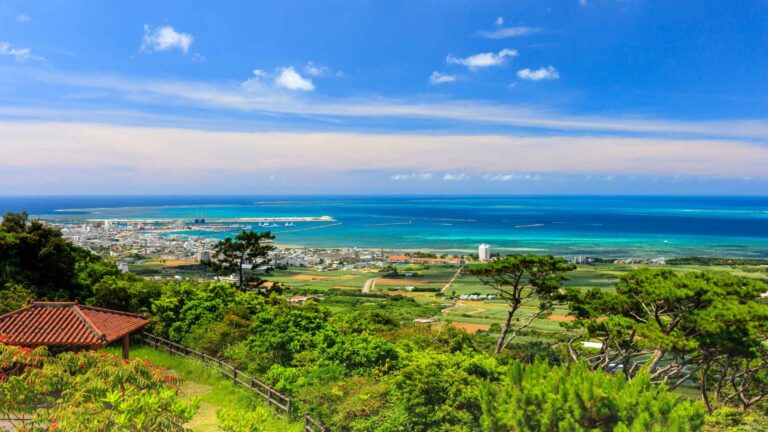
Okinawa is Japan’s tropical south, closer to Taiwan than to Tokyo. Expect beaches, coral, and the distinct Ryukyu culture rather than temples and castles.
Naha, the Okinawan capital, is the main call, with the rebuilt Shuri Castle and the shops of Kokusai Street. Further south, the smaller islands of Ishigaki and Miyakojima draw ships for their white-sand beaches and clear water.
Between Kyushu and Okinawa, Amami is a subtropical UNESCO island that is turning up on more itineraries.
How cruising in Japan works
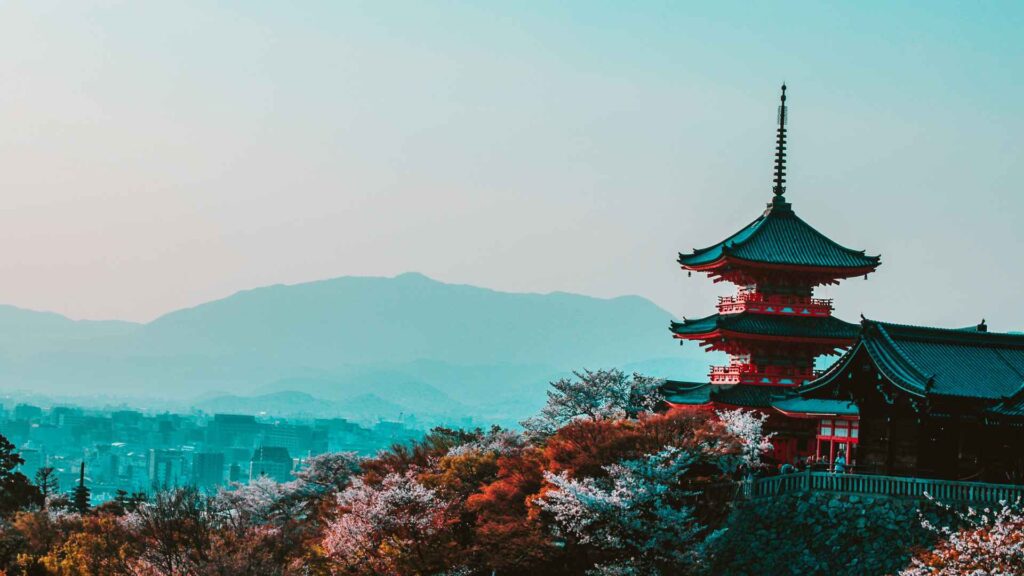
Most Japan cruises run round trips from Yokohama or Tokyo, or one-way voyages that continue on to Korea and China. Some longer sailings loop the whole archipelago from Hokkaido to Okinawa.
The national tourism board keeps a useful overview of ferries and cruise ships serving these ports. For getting to a turnaround port, the official Yokohama cruise access guide covers routes from both Haneda and Narita airports.
When to go
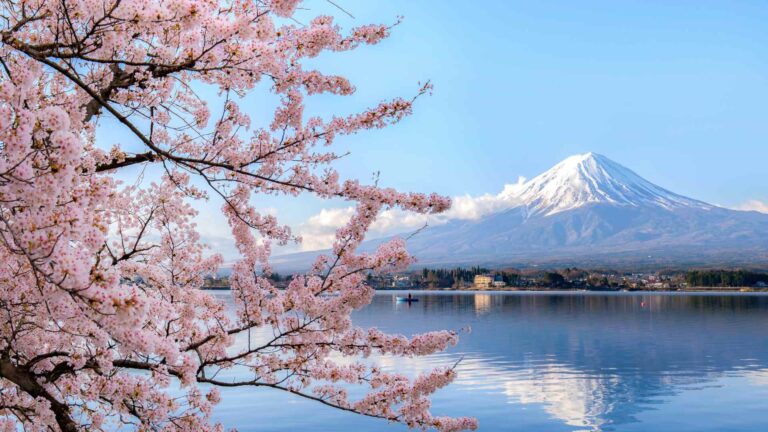
Spring is the headline season, with cherry blossoms peaking around late March to early April in the south and central regions, later as you move north. Autumn brings foliage and comfortable temperatures, with color often best in November.
Summer is hot and humid and overlaps typhoon season in late summer, though it is the prime time for Okinawa’s beaches. Winter cruises are quieter and can be beautiful in the snowy north.
Quick answers
Do cruise ships dock or tender in Japan?
Almost all major Japanese ports let ships dock alongside, so you usually just walk off. Tendering is limited to a few smaller island calls, so check your specific itinerary.
Is Japan safe for cruise passengers?
Yes. Japan sits at Level 1, the lowest tier on the U.S. State Department advisory scale, meaning exercise normal precautions.
Which port is best for visiting Kyoto?
Both Osaka and Kobe are practical gateways to Kyoto and Nara by train. See each port’s full guide for exact routes and timings.
How this guide was researched: Unless a first-hand visit is explicitly identified above, this guide is based on independent research using official port, tourism, transit, government, and attraction sources where available. Logistics and time-sensitive details were reviewed in August 2026. See our Editorial Policy.