The Best Months to Cruise Norway and the Arctic
Norway sells two completely different cruises under one country name, and they happen at opposite ends of the calendar. Pick the wrong half of the year and you will spend a week looking for something that is not there yet.
My quick take
For a first Norway cruise I would take late August or the first week of September every time. The waterfalls are still running, the light is gorgeous, the ships are emptier, and you are not paying June prices for the same fjord.
If the northern lights are the point, none of that applies and you should be looking at a completely different trip. Those two goals do not fit into one sailing, and trying to split the difference is how people end up disappointed twice.
The quick facts
- Fjord season: Roughly May through September, with a thin scattering of calls in April and October.
- Midnight sun: Late May into late July in Arctic Norway, and much longer than that on Svalbard.
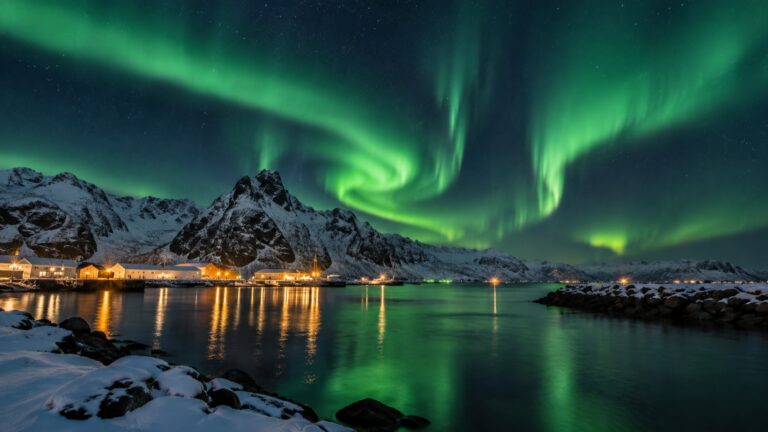
- Aurora season: Late September through late March, because you need real darkness.
- Svalbard season: The shortest of all, running only across the brief Arctic summer.
- Year round option: The coastal express runs every day of the year from Bergen to Kirkenes.
Norway is two cruise seasons that barely overlap
The western fjords and the Arctic north are marketed together and function separately. One is a summer product built on daylight, green mountainsides and waterfalls, and the other is a winter product built on darkness.
The overlap is narrow and mostly falls in late September, when there is still enough daylight for scenery and just enough darkness for a chance at the lights. Everything else in the year forces a choice, which is why the guide to Norway’s fjord and Arctic ports splits the country in half rather than treating it as one destination.
May: waterfalls at full volume and half the ships
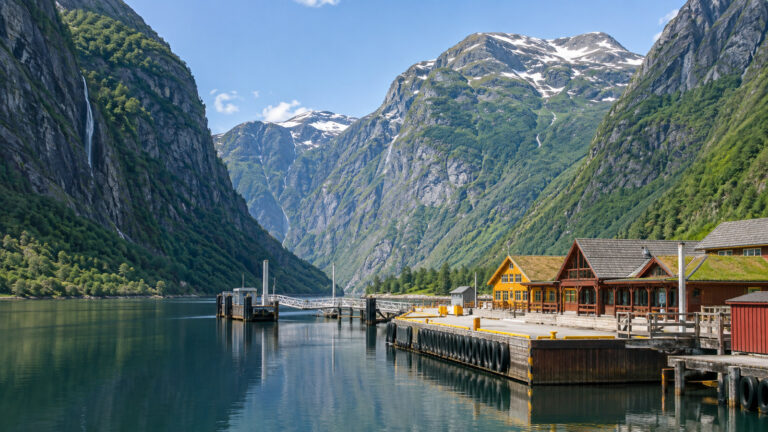
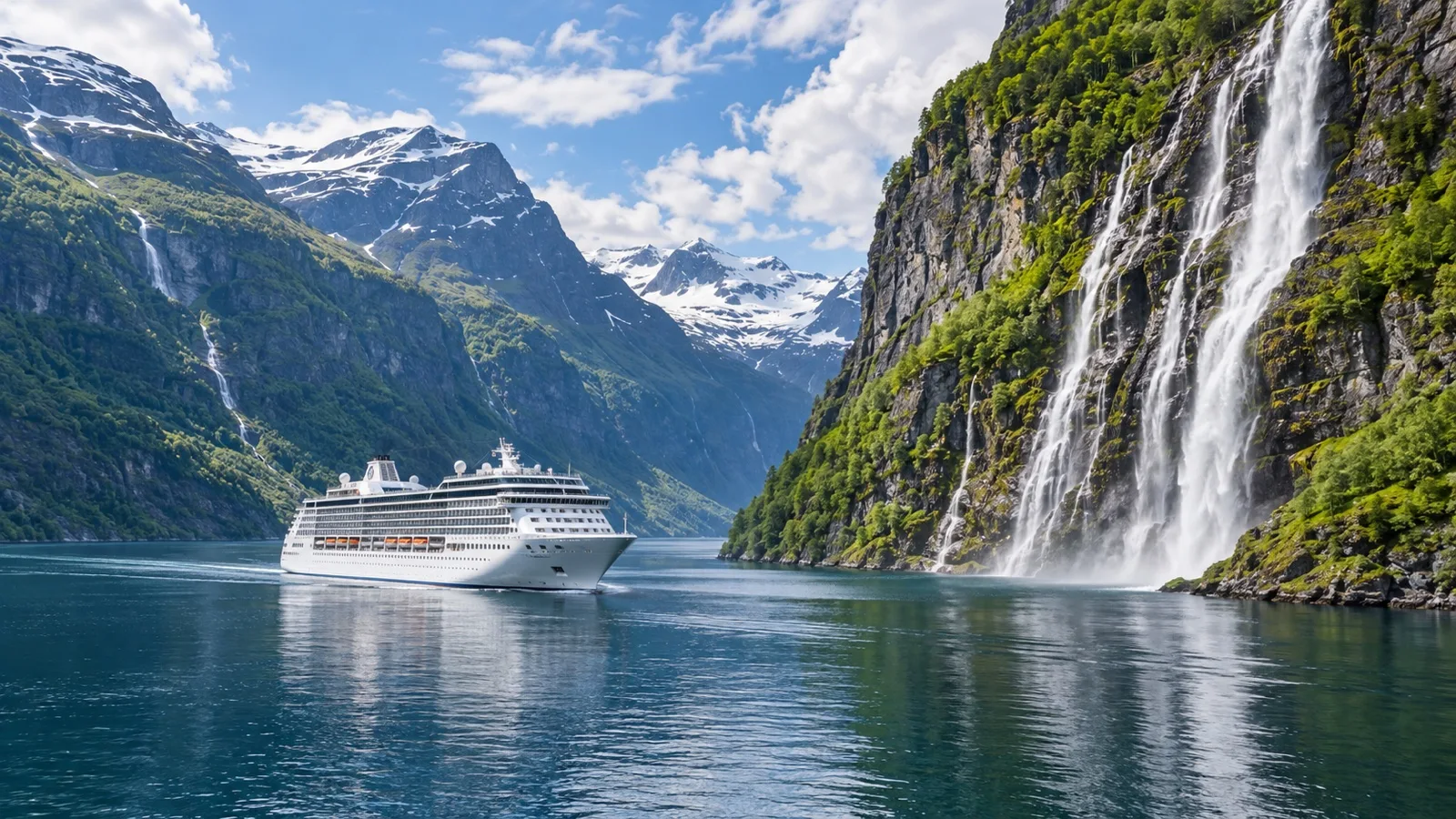
May is when the snowmelt is running and the fjord waterfalls are at their loudest. That is not a small thing, because by August some of the smaller falls that look enormous in the brochure photos have thinned to a trickle.
The trade is that spring arrives late up high. Some mountain roads and passes do not open until late May or even June, so a few of the scenic drives sold as excursions simply cannot run in early May.
Fares are also softer than they will be in three weeks. If your priority is scenery per dollar rather than warmth, this is a strong month.
June and July: peak everything, price included
These are the warmest, brightest and busiest weeks of the Norwegian year. July averages sit around 60 degrees (16 C) in Bergen and around 54 degrees (12 C) in Tromso, which surprises people who packed for a summer vacation.
Everything is open, every excursion runs, and every other ship in the region is doing the same loop. Geiranger and Flam in mid July are the two places where I would book anything time sensitive well in advance rather than winging it ashore.
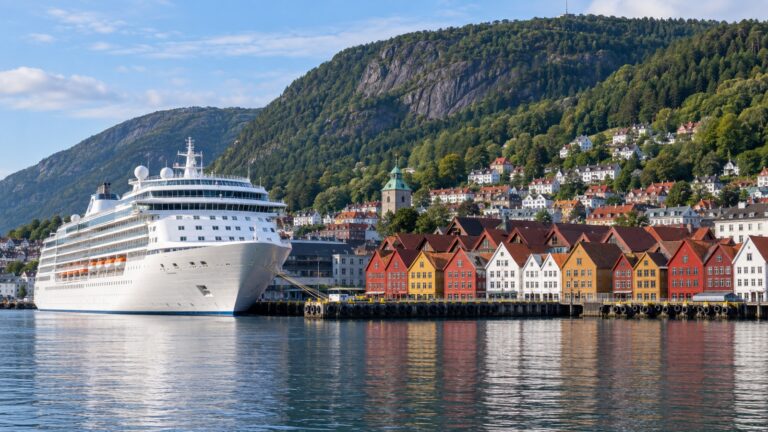
Bergen deserves a warning of its own. It is one of the rainiest cities in Europe and gets some rain on well over half the days of the year, so a July call there is not a guaranteed sunny afternoon.
The midnight sun has a date range, and it is narrower than people assume
The midnight sun is not a summer-long condition that covers all of Norway. It is a latitude-specific window, and a single day either side of it means the sun sets and the whole selling point disappears.
- Arctic Circle: Roughly June 12 to July 1, the shortest window of all.
- Bodo: Roughly June 4 to July 8.
- Tromso: Roughly May 20 to July 22.
- North Cape: Roughly May 14 to July 29.
- Longyearbyen: Roughly April 19 to August 23, which is over four months.
Check the date against the port, not against the country. A guide to what twenty four hour daylight actually does to a port day is worth reading before you plan an evening ashore, because the light changes how you should schedule the whole day.
August and early September: the quiet best of the fjords
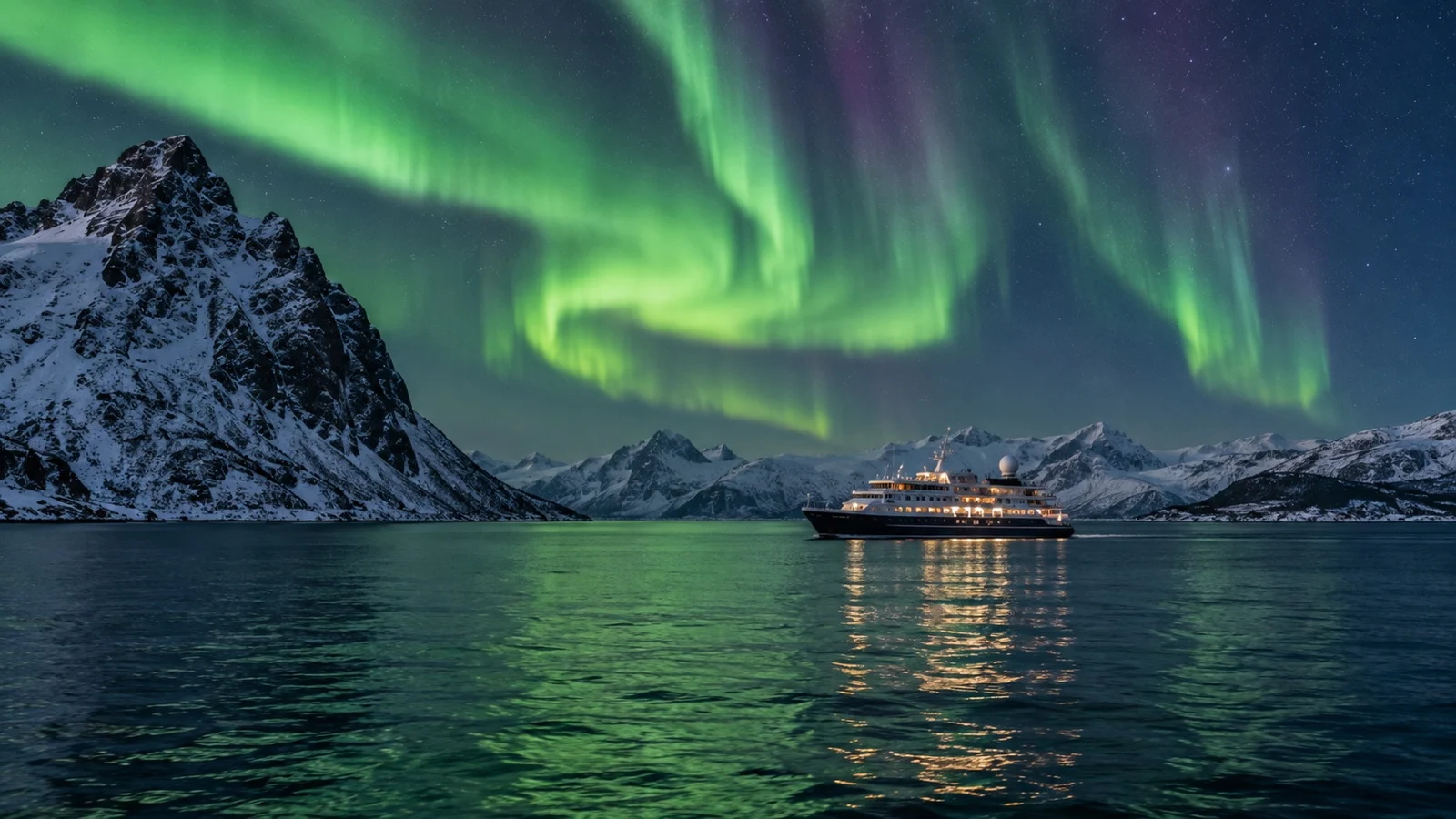
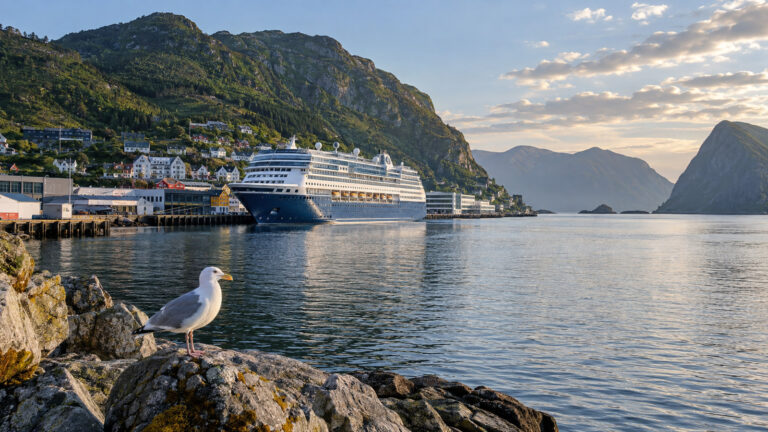
This is my pick and it is not close. The water is at its warmest, the hiking trails are all open, the crowds thin out once European schools go back, and the light turns golden in a way it simply is not in June.
You lose the midnight sun, which matters if that was the reason for the trip. You gain actual darkness at night by early September, which in the far north means a genuine outside chance of aurora on a fjord itinerary.
Fares drop noticeably after the third week of August. That single week of timing is the biggest lever most people have on the cost of a Norway cruise.
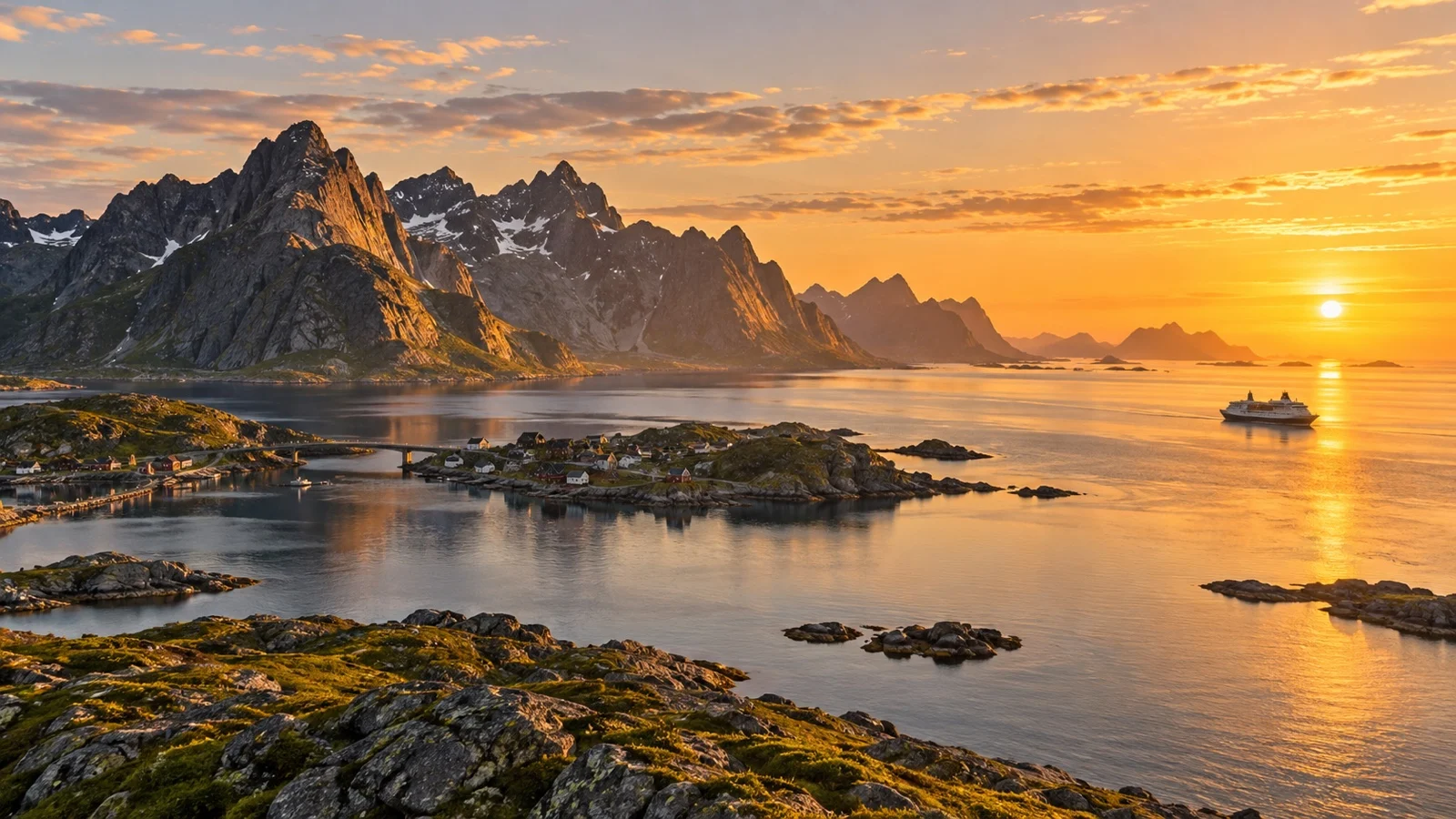
Late September through March is the only real aurora window
The northern lights are not seasonal in the sky, they are seasonal on the ground. They are happening in June too, and you cannot see a thing because the sun never properly sets.
That leaves roughly late September to late March, with a widely observed lift in activity around the equinoxes in late September and late March. Those two shoulder edges also give you daylight for port days, which the deep midwinter sailings do not.
Three things have to line up at once, and only one of them is on the calendar. You need darkness, clear sky and solar activity, so the honest planning move is to buy several dark nights rather than one, and to check the short range aurora forecast each evening rather than the week before.
For where to point yourself, the ports with the best odds and the months to sail them is the shortlist I would work from. Tromso and Alta come up again and again for a reason.
What a midwinter Arctic sailing is actually like
From late November into mid January the sun does not clear the horizon in Tromso at all. You get a few hours of blue twilight around midday and then it is dark again, which is beautiful and also relentless.
January averages run around 27 degrees (minus 3 C) in Tromso and around 37 degrees (3 C) in Bergen, so the north is cold but not Siberian. What actually disrupts these trips is wind and sea state rather than temperature, and winter excursion cancellations are common enough that I would treat any single booked activity as optional.
If you want the lights with some daylight attached, February and March beat December. You get longer days, deeper snow cover and the same dark evenings.
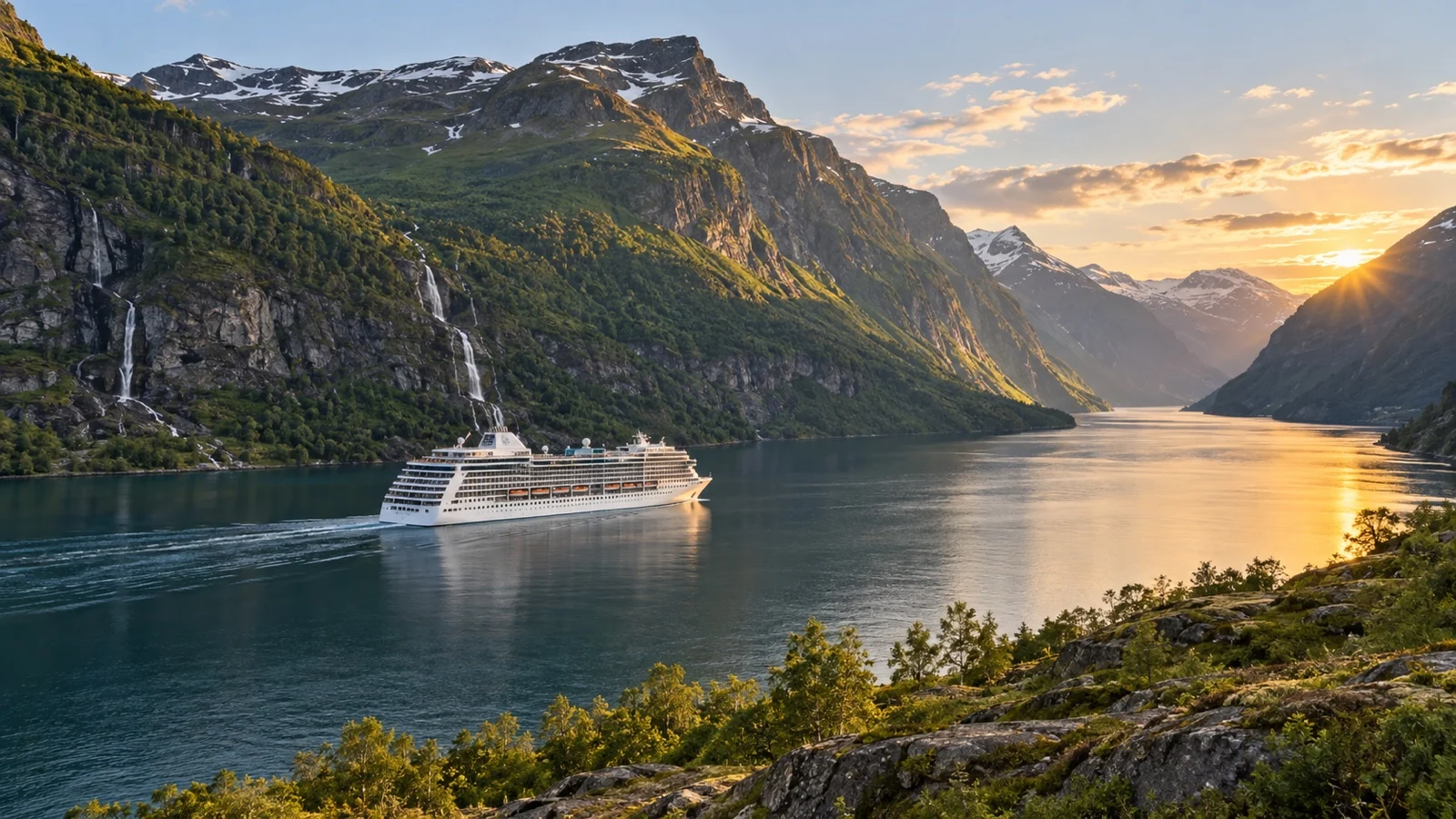
When the Arctic ports open and close
Mainland Arctic Norway does not close. Tromso, Alta, Kirkenes and the Lofoten towns are lived-in places with year round harbors, and ships call at them in February as readily as in July.
Svalbard is the opposite and it is worth understanding why. The season there follows the short Arctic summer and the ice, so expedition ships work a window that broadly runs from late spring into September and then the archipelago goes quiet.
Landings there are also governed rather than improvised. Site restrictions, passenger limits and polar bear safety rules are set locally and revised, so the current rules for visitors to the archipelago are worth a look, and the port by port Svalbard guide explains how that plays out on a landing day.
The one ship that ignores the calendar entirely
The Norwegian coastal express runs Bergen to Kirkenes and back every single day of the year, calling at about thirty four ports along the way. A full round trip takes roughly twelve days, and it is the only realistic way to see the coast in February.
It is a working ferry that happens to carry travelers, so the winter version is genuinely different from the summer one. Expect canceled shore excursions, long stretches on deck in the dark, and calls at 3am that you will sleep through.
The stretch I would pick is late September into early October. If you want to know what you are signing up for, the full run of coastal express ports lays out which stops are fifteen minutes and which are worth planning around.
The shoulder months are cheaper and greyer, and that is the whole trade
April and October are the cheap edges of the fjord season, and the discount is real. So is the reason for it.
In April the high country is still under snow, some scenic roads have not opened, and several seasonal visitor centers and mountain lifts are not running yet. In October the daylight is shrinking fast, the weather turns unsettled, and small village businesses in the fjords start closing for the winter.
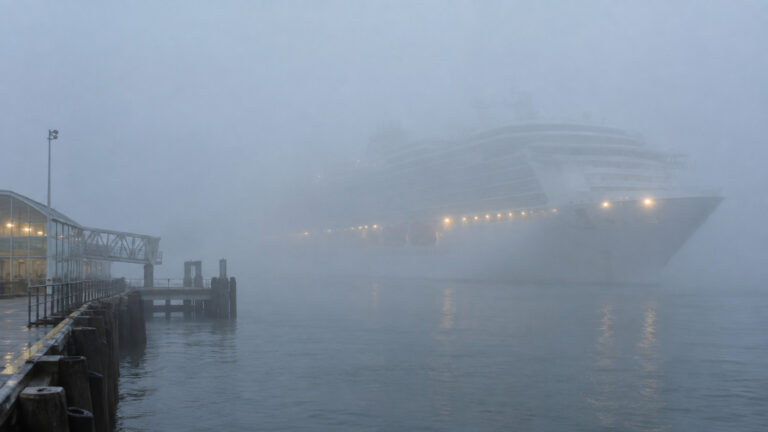
What you get in exchange is a fjord with almost nobody in it, which is a genuinely different experience of Geiranger or Flam. I would take an October sailing over an April one, because fall color and open businesses beat lingering snow and closed doors.
One rule change worth knowing before you book a fjord
Geirangerfjord and Naeroyfjord sit inside a World Heritage listing for the west Norwegian fjords, and Norway has attached emissions rules to that status. Ships under 10,000 gross tons already have to operate with zero direct emissions inside those two fjords, and the same requirement reaches larger ships in 2032.
For most travelers booking a 2027 or 2028 sailing this changes nothing yet. It is worth knowing because it will eventually reshape which ships can enter those two specific fjords, and other Norwegian fjords are not covered by it at all.
There is no single best month, only a best month for you
Anyone who names one month for Norway without asking what you want to see is not paying attention. Here is the split I would actually use.
- Best for waterfalls and green scenery: Late May and June, when the melt is still feeding them.
- Best for warmth and everything being open: July, at the highest price of the year.
- Best for value with full fjord conditions: Late August into the first half of September.
- Best for the midnight sun: Mid June to mid July, and only at ports far enough north to have it.
- Best for northern lights with some daylight: Late September, or February and March.
- Best for Svalbard and expedition wildlife: July and August, the middle of the short season.
- Best for an empty fjord and a low fare: October, if closed businesses do not bother you.
What I check before I pick a Norway week
Two things, in this order. First, the midnight sun or aurora window for the specific ports on the itinerary, because a Trondheim call in June is a different day than a Tromso call in June.
Second, the marine and coastal forecast pattern for the season I am considering, since Norwegian weather is regional and the west coast behaves nothing like the far north. The national weather and climate service is where I would start rather than a generic travel site.
Quick answers
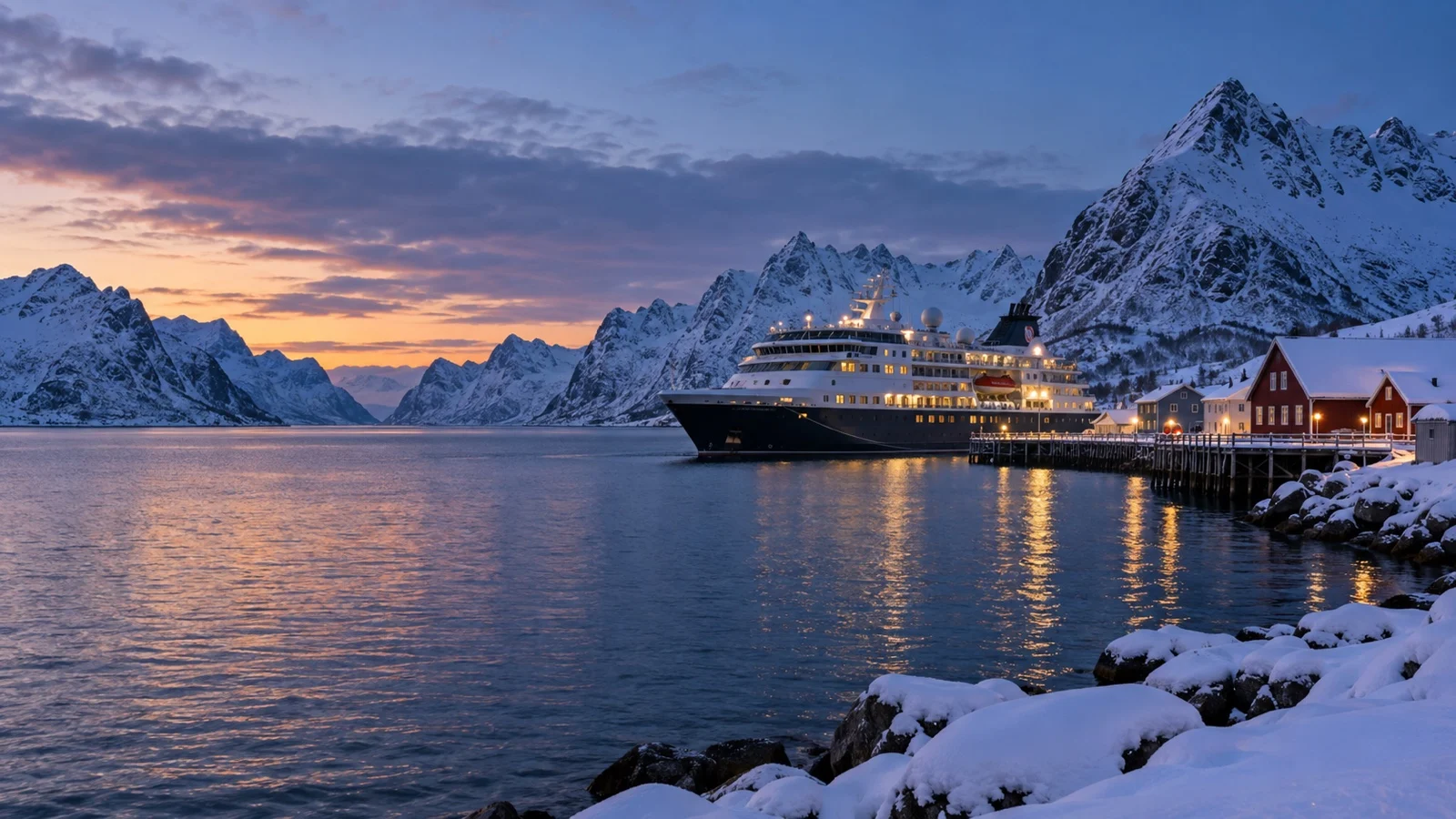
What is the best month to cruise the Norwegian fjords?
For scenery and value together, late August into early September. For warmth and the most open excursions, July, which is also the most expensive and most crowded.
Can you see the northern lights on a Norway fjord cruise?
Not on a summer fjord itinerary, because there is not enough darkness to see anything. From late September onward it becomes possible, and a dedicated far north winter sailing gives you far better odds.
When is the midnight sun in Norway?
It depends entirely on latitude, running roughly May 20 to July 22 in Tromso and only about June 12 to July 1 at the Arctic Circle itself. Check your specific port and date rather than the country.
When does the Svalbard cruise season run?
It follows the short Arctic summer, broadly from late spring into September, and it is shaped by sea ice more than by dates. Outside that window there is essentially no expedition cruising there.
Is October too late for a Norway cruise?
No, but it is a different trip with shorter days, unsettled weather and some seasonal businesses closed. If you want an empty fjord at a low fare and you are not counting on excursions, it is a good buy.
Final word
Norway punishes vague planning more than most destinations. The difference between the right week and the wrong one is not comfort, it is whether the thing you flew across an ocean to see is physically happening.
Decide first whether you are chasing light or darkness, then let that pick the month for you. My own vote goes to the last week of August for the fjords and late September for the coast, and I would not pay July money for either.
How this guide was researched: Midnight sun and polar night windows, aurora season timing, Arctic and Svalbard sailing seasons and Norwegian fjord emissions rules were checked in November 2026. Deployment, excursion availability and local regulations change from year to year, so confirm the details for your own ship and dates before you book. See our Editorial Policy.
More on this topic: browse every guide on weather, crowds and conditions.