Gudvangen Cruise Port Guide: Nærøyfjord, Tenders, and Viking Valley
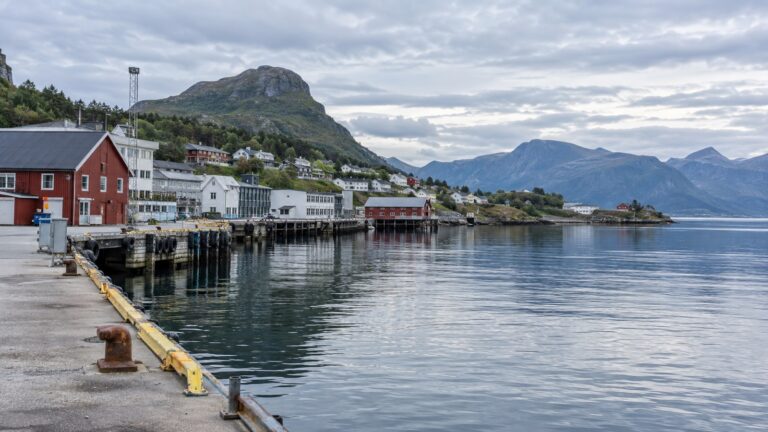
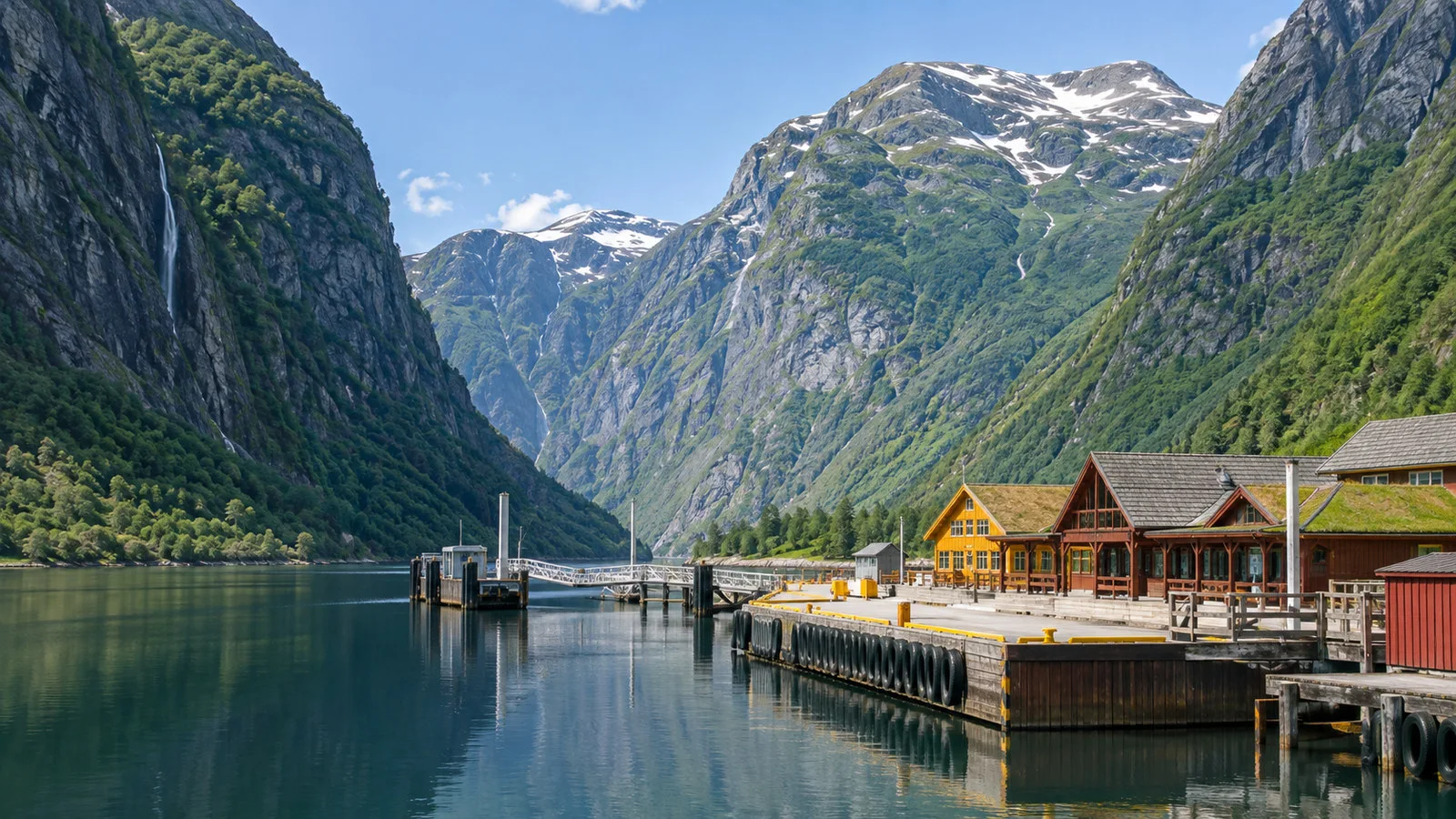
Gudvangen sits at the head of Nærøyfjord, surrounded by steep rock walls, waterfalls, and a valley that feels much larger than the village itself. The scenery is the main event, while Viking Valley and a handful of practical services give passengers something meaningful to do once ashore.
This is not a conventional town call with blocks of shops and museums. Plan around the tender operation, one local attraction, or one prebooked excursion, then leave enough time to enjoy the fjord instead of racing through it.
Quick Facts
- Country: Norway
- County: Vestland
- Municipality: Aurland
- Fjord: Nærøyfjord, part of the Sognefjord system
- UNESCO site: West Norwegian Fjords, including Nærøyfjord and Geirangerfjord
- Typical cruise access: Anchorage and tender to a limited-capacity tender quay
- Main local attraction: Viking Valley at Njardarheimr
- Currency: Norwegian krone
- Best for: Fjord scenery, living-history interpretation, photography, and a quiet village call
- Key timing rule: Follow the ship’s tender schedule and final return-boat cutoff
How Cruise Access Works
Flåm Port’s official information says Gudvangen has ample anchorage but limited capacity at the tender quay. That means passengers should expect the possibility of a tender rather than assuming the cruise ship will berth directly beside the village.
The published anchorage is about 600 meters from the tender pier, though the vessel’s exact position can vary. The port currently lists a daily maximum of one cruise ship, with restrictions that vary by vessel size and season.
Check the onboard program for tender-ticket procedures, independent-guest timing, mobility restrictions, and the last return boat. Ship excursions may receive priority on early tenders, so independent plans must account for the time needed to get ashore.
The port lists the village center and shopping about 200 meters from its facilities. Gudvangen is compact, but that distance does not include waiting, tender loading, or any line at the pier.
Nærøyfjord Is the Main Attraction
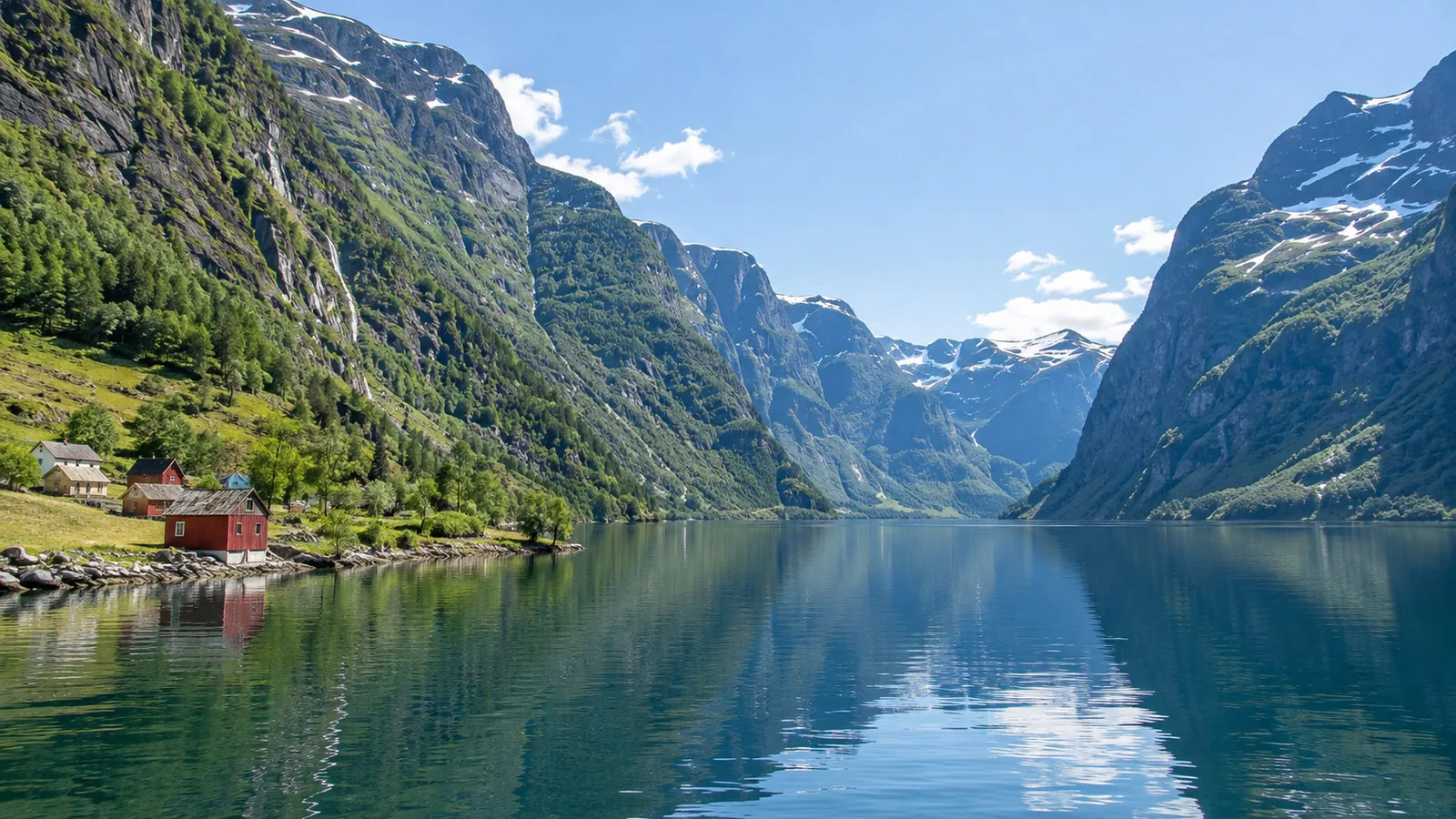
Nærøyfjord belongs to the West Norwegian Fjords World Heritage site together with Geirangerfjord. UNESCO describes these fjords as classic examples of dramatic glacial landscapes with narrow water, steep crystalline rock walls, waterfalls, forests, rivers, lakes, and rugged mountains.
At their grandest, the surrounding walls rise as much as 1,400 meters above the Norwegian Sea and continue far below the water. The Gudvangen approach places passengers inside that geography before the shore visit even begins.
Be outside during the arrival and departure whenever weather and ship operations allow. Low clouds may hide the upper slopes, while rain often gives the waterfalls more energy and creates its own memorable atmosphere.
The landscape remains environmentally sensitive, and tourism pressure is one of UNESCO’s management concerns. Follow marked routes, take litter back to the ship, and avoid disturbing farms, residents, wildlife, or private land.
Viking Valley at Njardarheimr
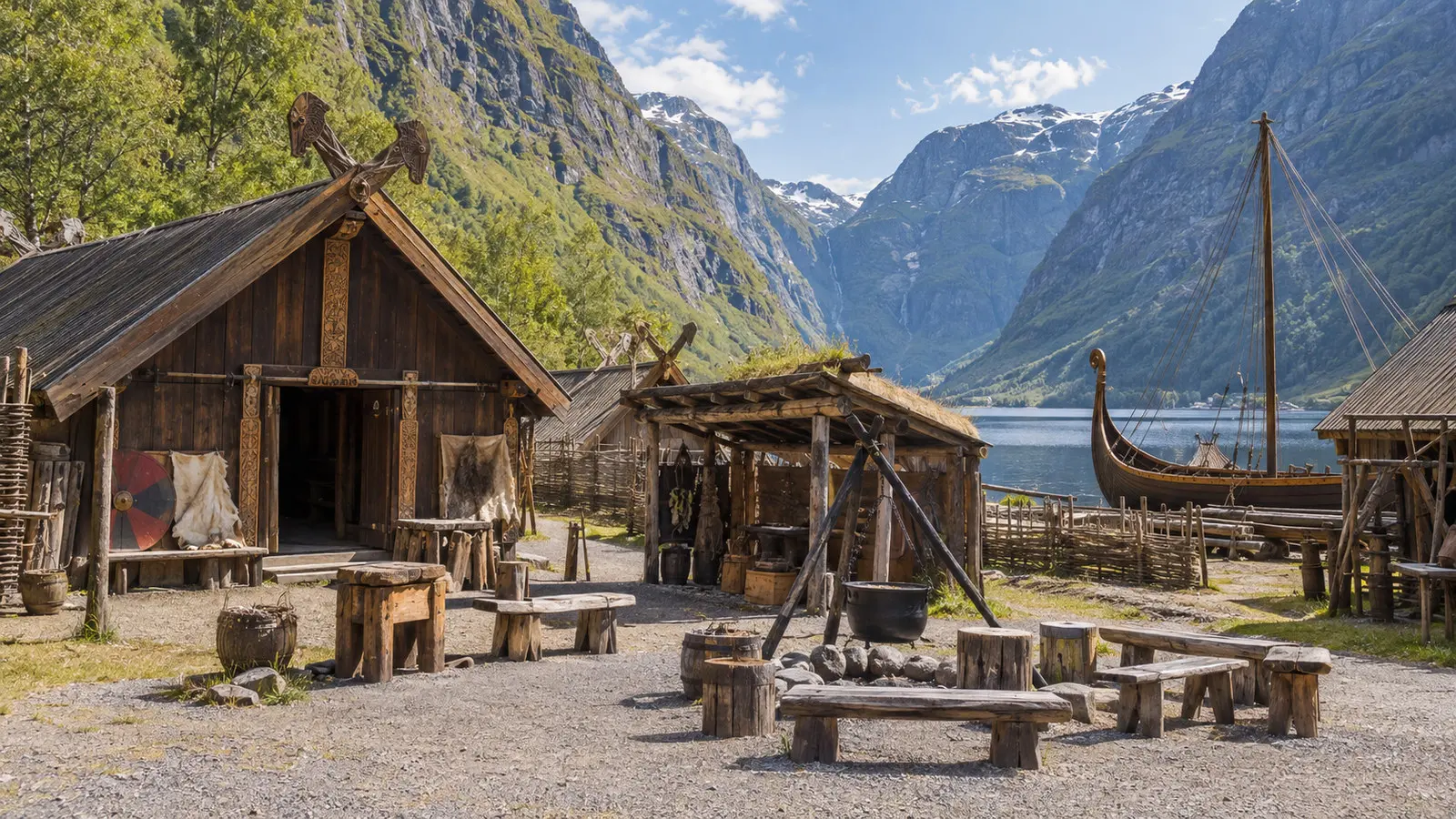
Viking Valley is Gudvangen’s easiest substantial shore attraction. The living-history settlement presents buildings, crafts, demonstrations, and interpreters who explain aspects of Viking-age life and culture.
The attraction is locally and privately developed, and ticket income supports its construction, operation, and maintenance. It is designed as an active community of Viking-history enthusiasts rather than a collection of static display cases.
For 2026, the official site lists daily opening from 10 in the morning to 6 in the evening between April 1 and October 31. Winter hours are shorter, and the attraction closes on December 24 and 25, so verify the current schedule for your sailing.
Tickets are sold at the entrance and online, which gives independent visitors flexibility. Cruise-day crowding can still affect guided activities or entry flow, so a reservation may be useful when the call is short.
The ground includes gravel and uneven outdoor surfaces, while weather can make paths wet. Ask the attraction and cruise line about the current accessible route if you use a wheelchair, scooter, or walker.
A Simple Independent Visit
Independent travelers can build a satisfying call around Viking Valley, the river, and the immediate village. This keeps transportation risk low and leaves room for a slow tender process.
After the attraction, take time to look back toward the fjord and watch the water change with the light. A short walk near the village is pleasant, but stay on public routes and turn around before the terrain or weather becomes uncomfortable.
Gudvangen has limited services compared with Flåm or Bergen. Buy food, use restrooms, and arrange transportation when those opportunities are available rather than assuming another option lies around the next corner.
Cards are widely used in Norway, but carry a backup payment method. Connectivity can be affected by terrain or network conditions, so keep offline copies of tickets and the ship’s tender instructions.
Excursions Beyond the Village
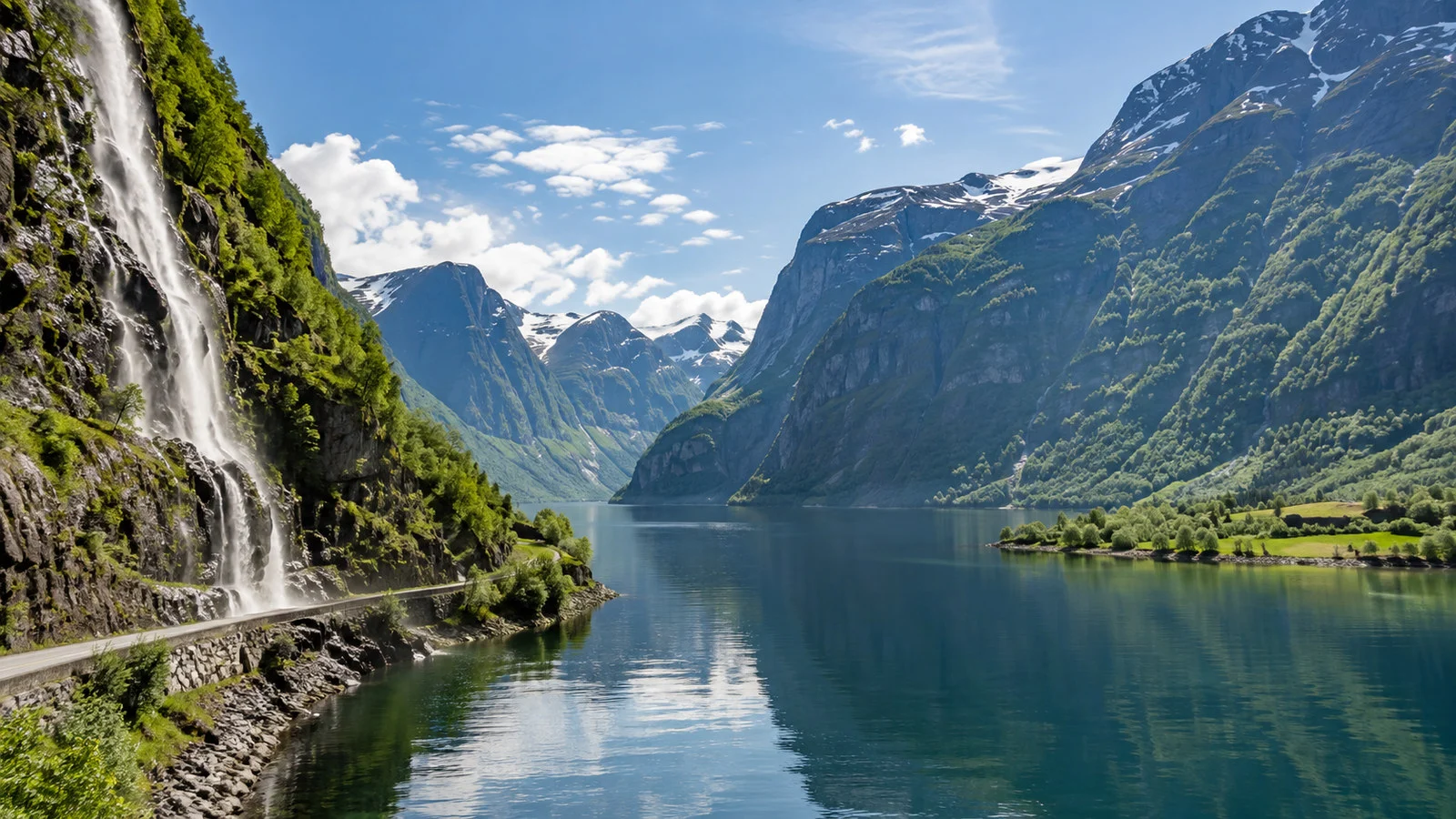
Excursions may combine Gudvangen with valley viewpoints, waterfalls, Flåm, Voss, or activities on Nærøyfjord. These trips require road or boat transportation and should be booked in advance because local capacity is limited.
Read the activity description carefully before paying. A scenic coach, rigid inflatable boat, electric passenger vessel, kayak, hike, and village visit have very different clothing, mobility, and safety requirements.
The old Stalheimskleiva hairpin road is not a route to assume a modern sightseeing coach will drive. Access restrictions have changed, so confirm whether a tour visits a viewpoint, uses another road, or includes any walking on or near the historic route.
Do not improvise a long trip to Voss or Flåm after reaching the pier. Public transportation exists in the broader area, but schedules, tunnels, transfers, and the tender cutoff make an unplanned outing risky.
Fjord Boats and Round Trips
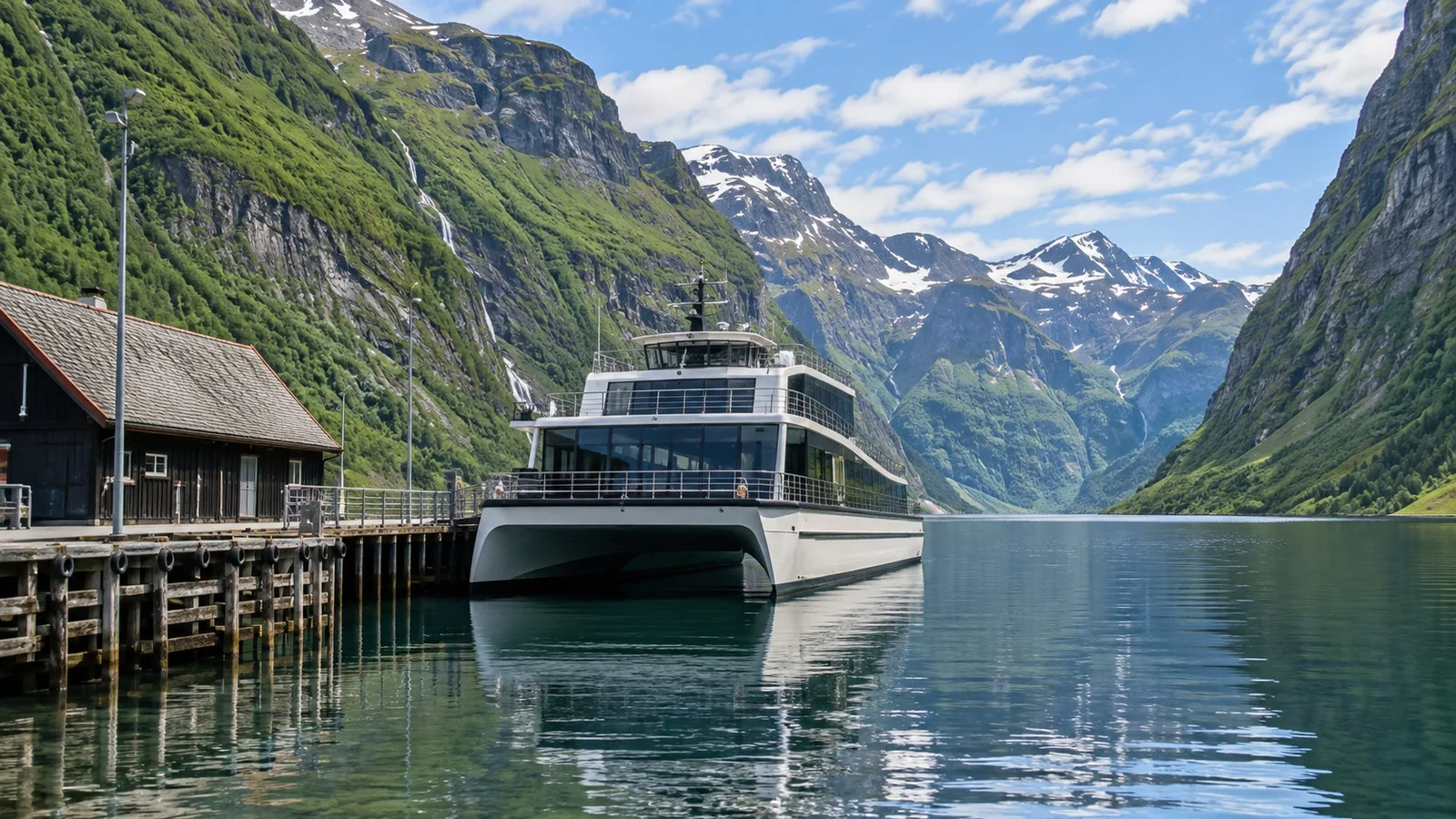
Scheduled passenger boats connect Gudvangen and Flåm through Nærøyfjord and Aurlandsfjord, and combination tickets may include a shuttle bus. A cruise passenger must verify that the timing works in the correct direction and still leaves a safe return margin.
A beautiful two-hour boat ride is not automatically a good port-day plan when the last tender departs soon after arrival. Check the complete door-to-gangway sequence, including ticket collection, bus boarding, and delays.
Small fast-boat or kayak activities demand warmer clothing than the village temperature suggests. Ask whether protective gear, flotation equipment, dry storage, and changing facilities are included.
Accessibility and Tender Questions
The critical accessibility issue is usually the ship-to-shore transfer. Tender steps, gaps, swell, crew-assistance policies, and weight limits for mobility devices can determine whether a passenger may go ashore.
Ask whether a wheelchair or scooter can enter the tender assembled and whether the pier has a step-free path. Conditions can change during the day, so a morning transfer does not guarantee an identical return.
Once ashore, the short distance to central facilities is favorable, but gravel, rain, and uneven ground still matter. Viking Valley’s outdoor layout may be manageable for some visitors and tiring for others.
Coach excursions add vehicle steps and sometimes viewpoints with rough surfaces or limited railings. Request a route-specific assessment from the cruise line rather than relying on a general easy or moderate label.
Weather and Clothing
Western Norway can be cool, wet, and windy even in summer. Dress in layers and bring a genuinely waterproof outer shell rather than relying on a light fashion jacket.
The temperature on a fast boat feels colder than it does beside the cafe, and shade from the cliffs can keep Gudvangen cool. A warm midlayer, hat, and gloves can be useful on shoulder-season calls.
Wear shoes with grip for wet tender steps, gravel, and outdoor paths. Protect cameras and phones from spray, and keep tickets in a waterproof pocket.
Weather may obscure a viewpoint or alter a small-boat activity. Treat a safe substitution as a normal feature of fjord travel rather than a reason to pressure the operator into running the original plan.
Food and Practical Services
Gudvangen has limited dining compared with a city port, including visitor-oriented cafe and hotel options. Check service hours because excursion departures and cruise-day crowds can create lines.
The Viking Valley site lists its entrance cafe as open daily in 2026, with hours that extend beyond the attraction’s winter schedule. Verify before relying on it for a meal, especially outside the main season.
Norway is expensive by many visitors’ standards, so check menu prices before ordering. Tap water is generally safe, and carrying a refillable bottle reduces waste in a protected landscape.
Restrooms are available in the pier area according to the port, but they may be busiest around tender arrivals. Use facilities before joining a tour with a long coach or boat segment.
Safety and Emergency Information
Norway’s emergency numbers are 110 for fire, 112 for police, and 113 for urgent medical help. The port identifies Voss Hospital as the nearest hospital, about 65 kilometers away, which makes conservative decisions especially important.
Stay away from cliff bases during rockfall conditions and follow closures around rivers, waterfalls, and steep paths. Water and rock can be dangerous even when a viewpoint looks close.
For any boat activity, wear the provided flotation equipment and keep limbs inside during docking. Tell the guide about medical or mobility concerns before departure, not after the craft is underway.
How to Plan the Return
The last tender time matters more than the ship’s sailing time. Missing the final scheduled boat can create a serious operational problem even while the vessel remains visible in the fjord.
Return to the pier earlier than required because tender capacity is limited and a queue may form. Weather, loading assistance, and ship traffic can slow each trip.
Travelers on independent road or fjord trips need a larger buffer than those who stay in the village. Select a return that leaves at least one realistic alternative before the tender cutoff.
How Gudvangen Fits a Norway Itinerary
Gudvangen and Flåm sit at opposite ends of a celebrated fjord route, but they offer different experiences. Flåm has the railway and more visitor infrastructure, while Gudvangen is smaller and centered on Nærøyfjord and Viking Valley.
A cruise may call at one village, use the other as an excursion endpoint, or sail through the area without a full port day. Read the itinerary closely so a scenic passage is not mistaken for an independent shore call.
Bergen often serves as a broader gateway to western Norway, but it is not close enough for a casual side trip during a short Gudvangen call. Save city sightseeing for the itinerary’s dedicated Bergen day.
Final Take
Gudvangen delivers one of Norway’s most dramatic landscapes with very little urban distraction. The winning plan is to respect the tender schedule, choose Viking Valley or one prebooked excursion, and give the fjord itself the attention it deserves.
Expect limited services, changing weather, and more transportation complexity once you leave the village. With realistic planning, the small scale becomes the call’s greatest strength.
How this guide was researched: This guide was checked against current information from Flåm Port, Viking Valley, and the UNESCO World Heritage Centre. Time-sensitive details were reviewed in September 2026; see our Editorial Policy.
More on this topic: browse every guide on expedition and alternative cruises.