Sandnessjøen Cruise Port Guide: Seven Sisters, Berths, and Short Calls
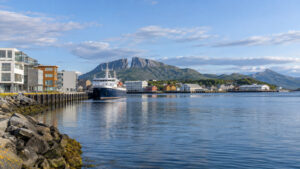
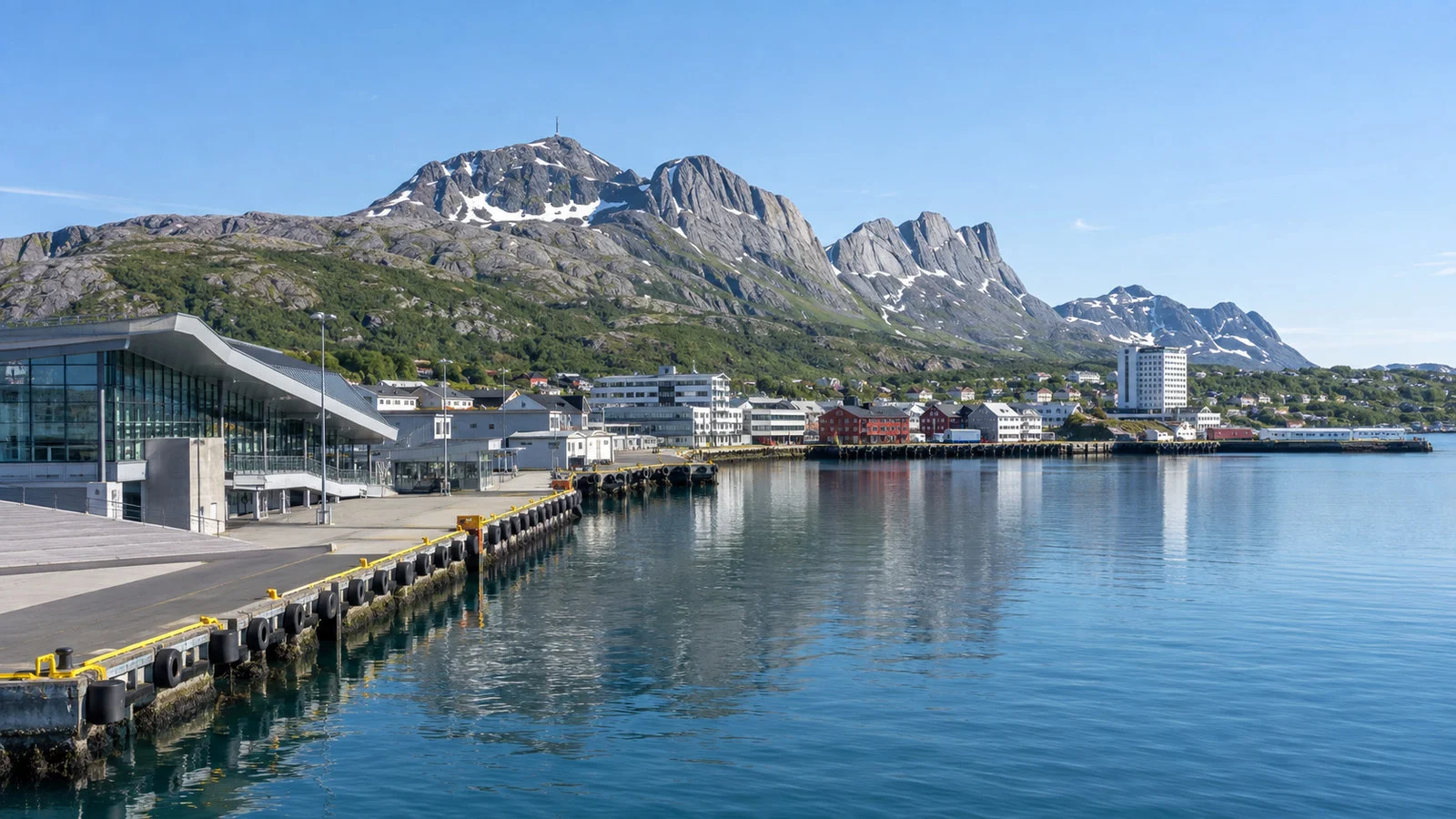
Sandnessjøen sits on Alsta Island beneath the Seven Sisters, one of the most recognizable mountain chains on the Helgeland coast. The port can be a brief working stop or a longer cruise call, and that difference changes everything you can realistically do ashore.
For Hurtigruten passengers, the best experience may happen from the outer deck rather than in town. Larger cruise itineraries can allow more time, but the berth and daily schedule still decide whether sightseeing beyond the center makes sense.
My quick take
I would build the plan around time first and attractions second. A 15 minute call is for scenery and ship operations, while a multi-hour visit can support the museum, a drive along Alsta, or a structured mountain outing.
The Seven Sisters are the headline, but they do not require a rushed dash ashore. In many conditions, the ship’s approach and departure provide the broadest view of the ridge.
Quick Facts
- Location: Sandnessjøen on Alsta Island along Norway’s Helgeland coast.
- Possible berths: Central Hurtigrutekai or Holmen, plus industrial Horvnes quays north of town.
- Hurtigruten port time: The current schedule lists 15 minutes northbound and 30 minutes southbound.
- Main view: The Seven Sisters mountain range during approach, departure, and clear moments in town.
- Longer-call attraction: Petter Dass Museum and Alstahaug, about 20 kilometers south.
- Currency: Norwegian krone, with cards widely useful.
- Time zone: Central European Time, with summer time observed seasonally.
- Emergency numbers: 112 police, 113 medical, and 110 fire.
First, check your berth and call length
Sandnessjøen has several working quays, and they are not interchangeable from a visitor’s perspective. The central berths support a quick town walk, while the Horvnes industrial area is about a ten minute drive north of the center.
Ask the ship for the exact berth name, gangway arrangement, and all aboard time before making any plan. A port guide cannot safely turn a coastal route’s 15 minute stop into the same day offered by a larger cruise ship staying for hours.
All the relevant quays are alongside facilities, so this is not normally a tender destination. Tide, vessel design, and daily operations can still change the gangway angle and passenger route.
Hurtigrutekai in central Sandnessjøen
Hurtigrutekai is in the center of Sandnessjøen and serves passenger vessels alongside cargo and offshore traffic. The port authority lists the high speed ferry terminal and parking about one minute away, with groceries and the cultural center within a few minutes.
This location makes a short walk physically possible, but time can still make it unwise. On a 15 minute call, passengers may have only enough time to watch loading activity and step briefly onto the quay before boarding closes.
A 30 minute stop offers slightly more room, but I would still keep the ship in sight. The published schedule is an operating timetable, not an invitation to start a full sightseeing loop.
Holmen quay
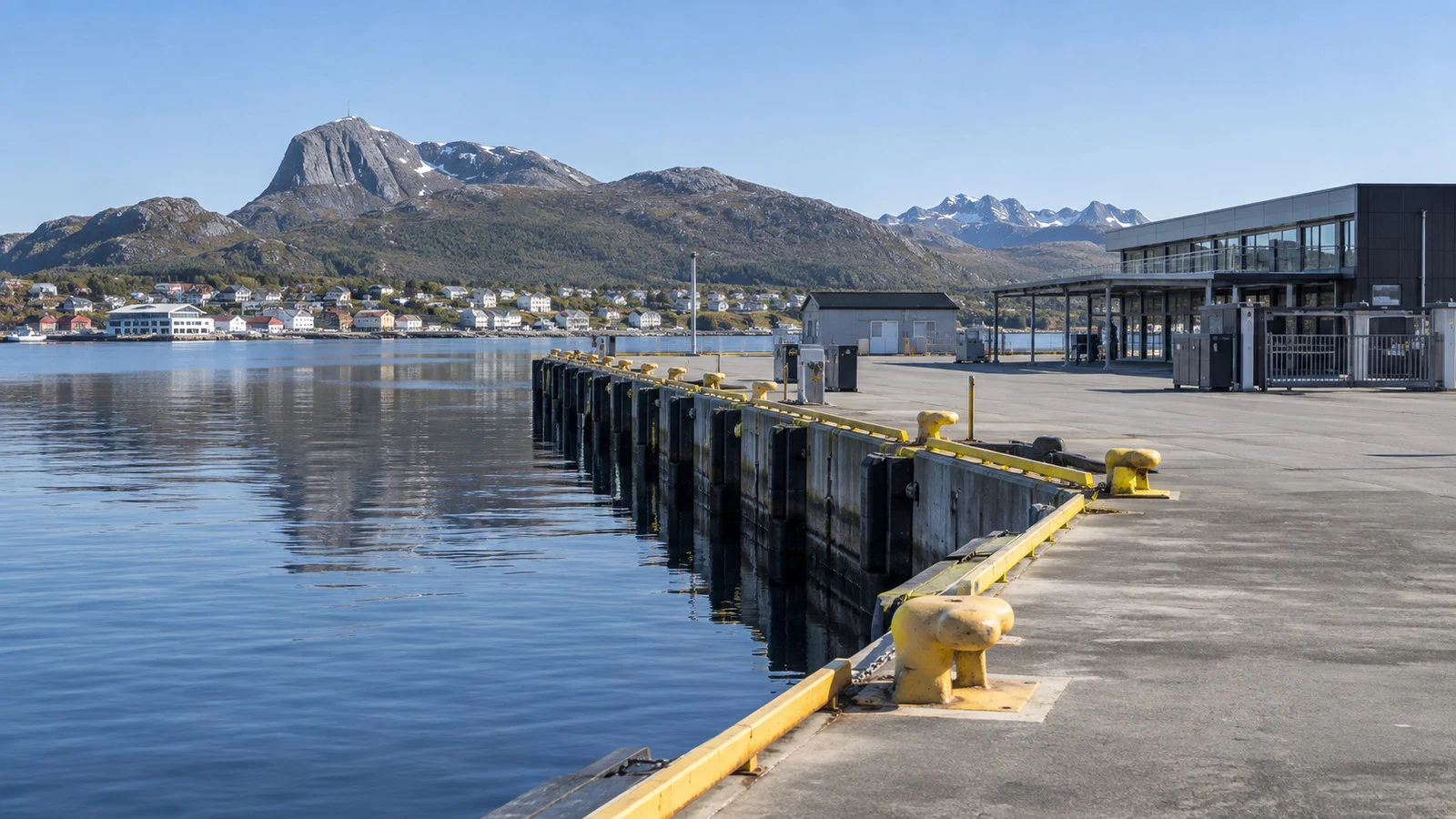
Holmen quay sits in the main harbor opposite the city center and can serve passenger and high speed vessels. The port authority currently lists it as an ISPS facility, correcting older descriptions that said otherwise.
The official port page places groceries, the cultural center, shopping, hotels, and the high speed ferry terminal within about ten minutes. That makes Holmen workable for a town visit when the ship actually gives you enough time.
Follow the signed port exit rather than cutting through working areas. Passenger ships share the harbor with cargo and offshore activity, so the shortest looking line may not be the permitted route.
Horvnes quays
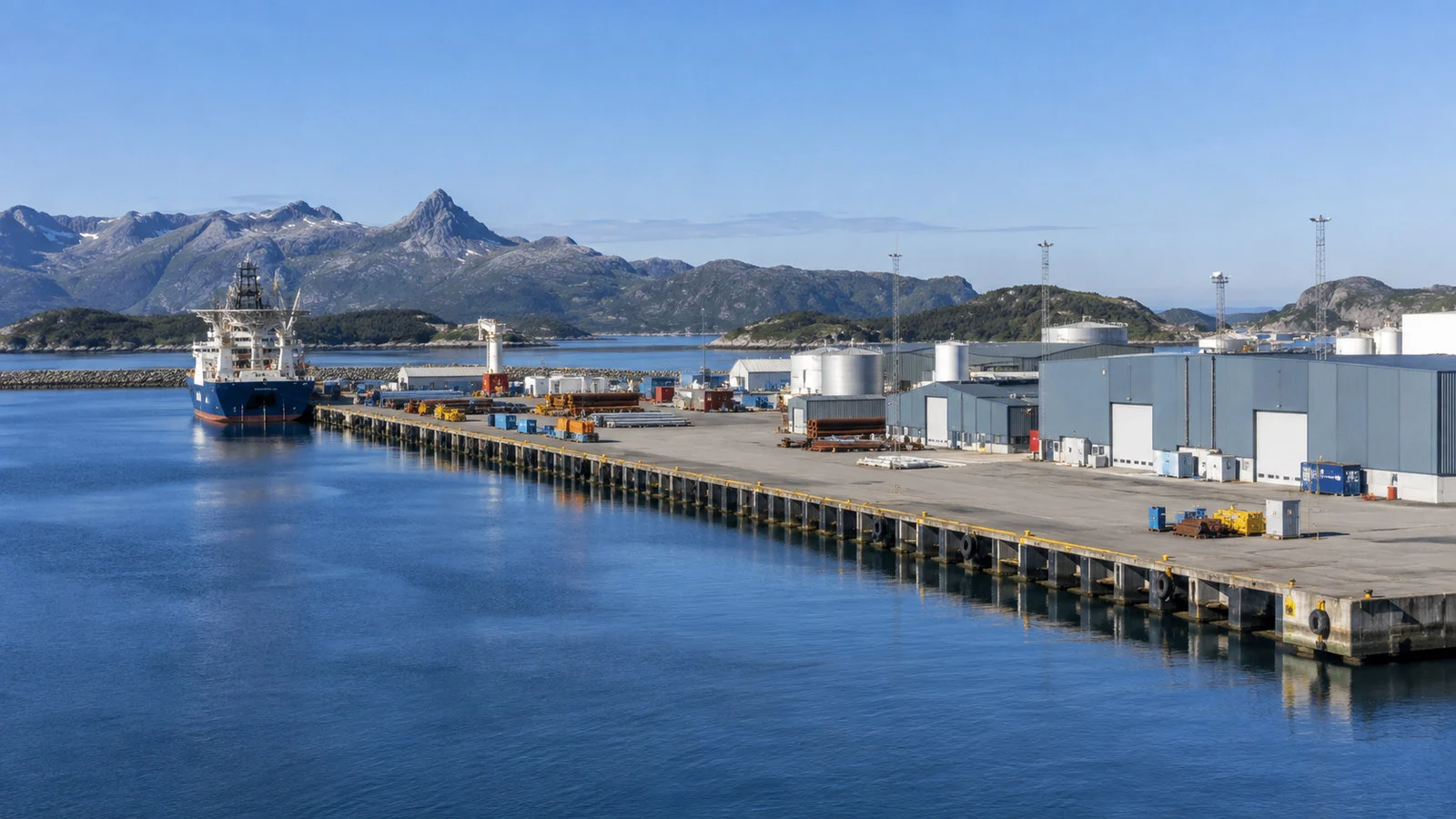
Horvnes is a heavy industrial logistics base serving offshore activity and other commercial vessels. The port authority places its deepwater quays about ten minutes north of Sandnessjøen center by road.
Do not assume you can walk from Horvnes into town simply because the road distance looks modest. Use the shuttle or excursion transport provided, and ask the ship whether independent pedestrian access is permitted.
This berth can still give excellent mountain views from the ship. If no transportation is running during a short call, staying aboard is a sensible choice rather than a missed opportunity.
What Hurtigruten passengers can really do
Hurtigruten currently publishes 15 minutes in port northbound and 30 minutes southbound. Those times are long enough for operational work and a quick look, but not for a museum, hike, taxi outing, or leisurely café.
I would be outside before arrival and stay on deck through departure. The Seven Sisters and Helgeland Bridge are the real event on a call this short, and you cannot improve the view by spending half the stop waiting for an elevator.
If the crew permits passengers ashore, remain close to the gangway and listen for announcements. A coastal schedule connects many communities and is not designed around late sightseeing passengers.
Walking through central Sandnessjøen
Travelers with a longer call and a central berth can explore Sandnessjøen independently. The town has ordinary shops, cafés, restaurants, a cultural center, and a working waterfront rather than a purpose built cruise promenade.
Torolv Kveldulvsons gate is a useful central axis for a simple walk. I would pair it with the harbor, public art, and a coffee stop rather than trying to manufacture a long landmark checklist.
Kulturbadet combines cultural services in the center and can help orient visitors when its facilities are open. Check local visitor information for current exhibits, events, and practical details before relying on a specific indoor stop.
The town became an official town in 1999, but its history as a Helgeland trading hub reaches much further back. Hurtigruten notes special trading privileges in the late seventeenth century and describes Sandnessjøen as a regional center for commerce and local business.
Seeing the Seven Sisters
The Seven Sisters rise east of Sandnessjøen and dominate the island’s skyline. Their jagged profile becomes especially clear from the water, where the peaks appear as a continuous range rather than isolated summits.
Arrival and departure can be the best viewing windows because the ship changes angle against the ridge. Ask the crew which side is expected to face the mountains, then keep in mind that the route can vary with the sailing direction and berth.
Cloud can hide the upper slopes even when the town is dry. Stay patient because breaks move quickly along this coast, and a poor view on arrival can improve dramatically by departure.
Should you hike the Seven Sisters?
Not during a short coastal call. The peaks require transportation, suitable weather, navigation, equipment, and far more time than Hurtigruten’s ordinary port stop allows.
A longer cruise call may offer an organized hike or scenic transfer, but read the activity grade carefully. Elevation, exposed rock, wet terrain, and a fixed return make this a serious outing rather than a viewpoint stroll.
If climbing is the reason for your trip, Sandnessjøen deserves a land stay before or after the cruise. A port day should never compress mountain safety into the time left after a late gangway.
Petter Dass Museum and Alstahaug
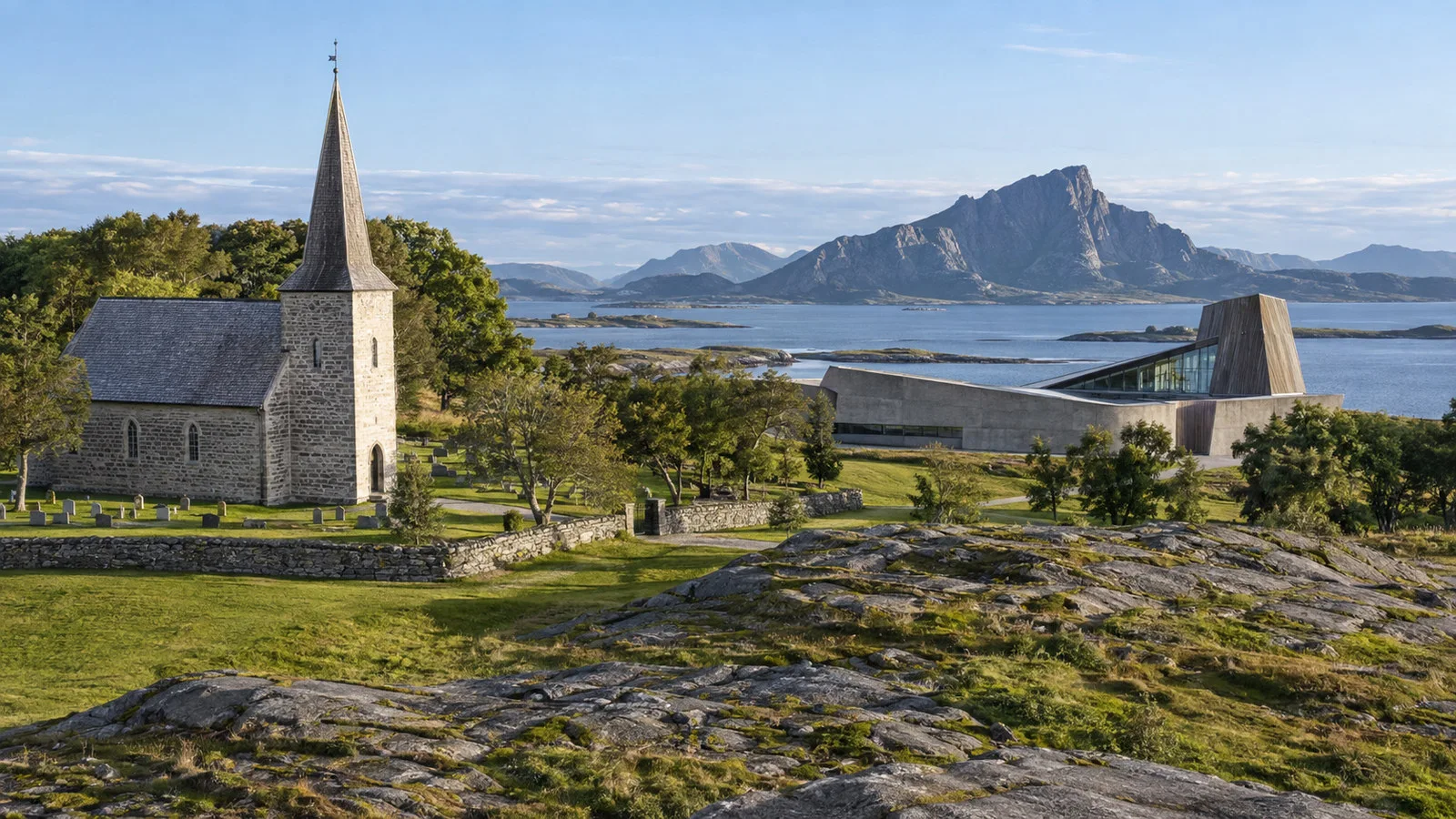
The Petter Dass Museum stands at Alstahaug, about 20 kilometers south of Sandnessjøen. The site brings together a modern museum building, the old parsonage, and the medieval church within one historic setting.
Its exhibitions explore the poet and minister Petter Dass, as well as archaeology and life at Alstahaug from the Viking and medieval periods onward. The modern building was designed by Snøhetta, giving architecture lovers another reason to consider the trip.
This is not possible during a 15 or 30 minute Hurtigruten stop. It can work on a longer cruise call with a ship excursion, prearranged vehicle, or confirmed group visit that allows a safe return.
Hours and prices change seasonally, and the museum may accommodate groups outside ordinary public times by arrangement. Check the official site and your excursion confirmation close to the sailing date.
The Vega Archipelago
The Vega Archipelago lies south of Sandnessjøen and is a UNESCO World Heritage cultural landscape. UNESCO highlights a 1,500 year tradition of fishing, farming, and tending eider ducks for their down, including the central role of women in that work.
Vega is a meaningful destination in its own right, but not a quick extension of an ordinary Sandnessjøen call. Boats, road links, island distances, and visitor schedules demand more planning than the short port time allows.
If your cruise sells a dedicated Vega excursion during a long stay, read exactly which island sites and transportation are included. A broad archipelago label can describe very different days.
Ship excursion or independent day
For a central berth and several hours in port, Sandnessjøen itself is easy to explore independently. The town plan is flexible, inexpensive, and simple to shorten if weather turns.
An excursion earns its value when it solves transportation to Alstahaug, a trailhead, or a more distant part of Helgeland. It also ties the return to the ship’s operating schedule.
At Horvnes, even a basic town transfer may be worth using because the quay is industrial and separated from the center. Confirm whether a shuttle is included before assuming you can arrange something on arrival.
A realistic short-call plan
For Hurtigruten’s published 15 minute northbound stop, stay on deck for the Seven Sisters and Helgeland Bridge. Step ashore only if the crew confirms time and passenger access, then remain beside the ship.
For the 30 minute southbound stop, a very short harbor look may be possible from a central berth. I would still skip shopping or coffee because one small delay can use the entire margin.
A realistic longer-call plan
With two or three hours and a central berth, explore the waterfront and center, then add one indoor stop if opening times align. Keep the mountain views in the plan because they are Sandnessjøen’s strongest feature.
With a half day or more, choose either the Petter Dass Museum, a structured Seven Sisters outing, or another regional excursion. Combining distant attractions creates more road time and less meaningful sightseeing.
Accessibility at the port
Ask the ship about gangway slope, steps, assistance, and the approved route beyond the berth. Tidal conditions and vessel setup can change access even at the same quay.
Hurtigrutekai and Holmen are closer to central services than Horvnes, but old paving, wet surfaces, curbs, and winter conditions still matter. Choose a short out and back route if stamina or balance is limited.
At Horvnes, confirm accessible shuttle transport rather than assuming there is a pedestrian option. Industrial quays prioritize cargo operations and controlled movement, not independent sightseeing.
Accessibility on excursions
For the Petter Dass Museum, ask about vehicle steps, mobility device storage, the accessible route between buildings, and restroom access. The historic church and parsonage may have different limitations from the modern museum.
Seven Sisters hikes require a much higher level of mobility than a town tour. Do not rely on a broad moderate label without reading distance, elevation, terrain, and required footwear.
A panoramic coach excursion can provide mountain and coastal views with less walking. Confirm photo stop surfaces and whether passengers must leave the coach at each stop.
Weather and what to wear
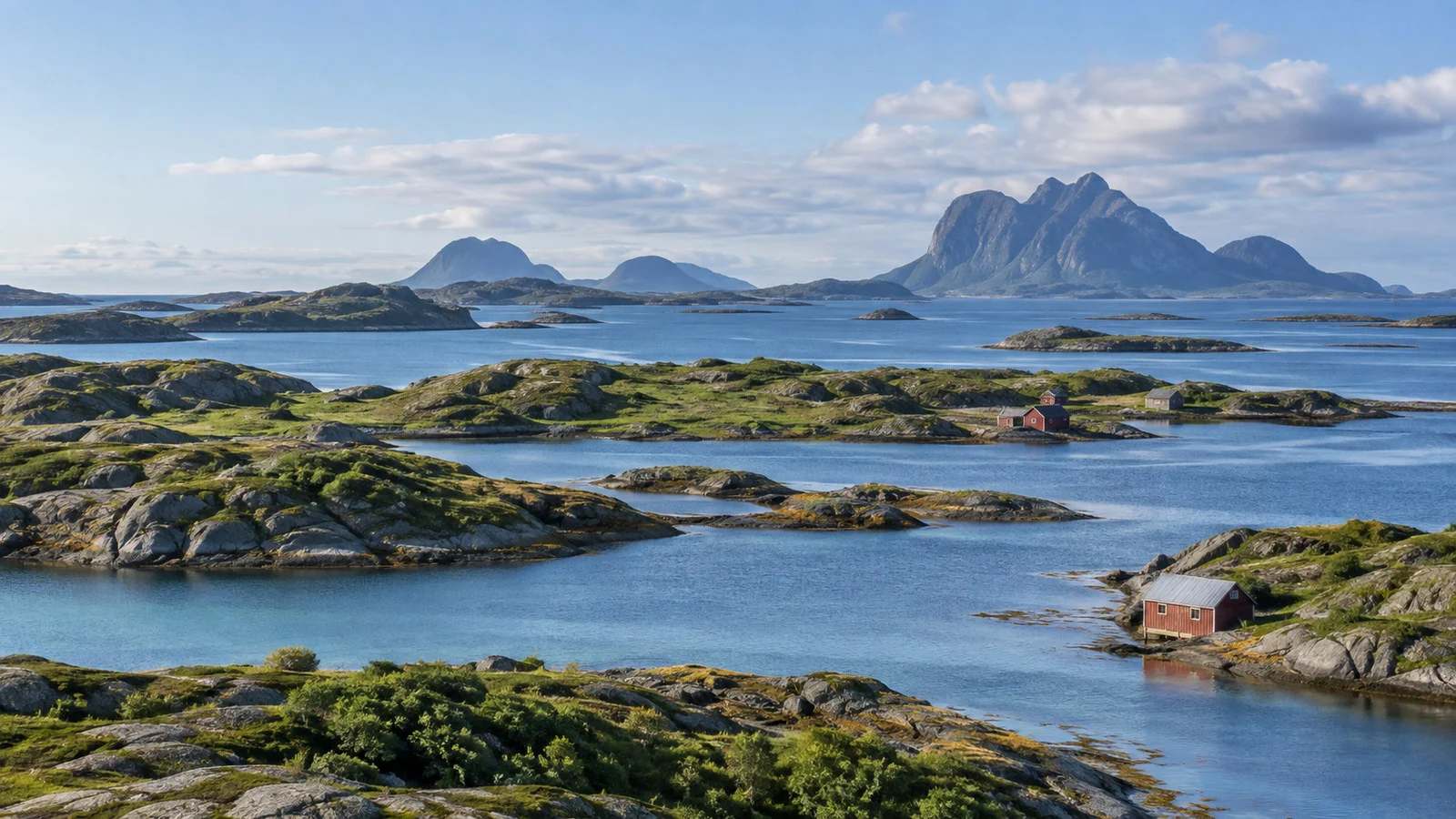
Helgeland weather can move quickly between rain, wind, low cloud, and bright openings. A waterproof shell and grippy shoes belong in the day bag even when the morning begins calmly.
Summer brings long daylight but not guaranteed warmth. Autumn and winter add darkness, cold rain, ice, and snow, while exposed decks can feel much colder than the temperature shown for town.
Keep gloves and a hat accessible during arrival photography. The best view can appear for only a few minutes, and you will not want to leave the rail to search for another layer.
Payments, food, and practical details
Norway uses the Norwegian krone, and cards are useful for most ordinary purchases. A very short call may not provide enough time to buy anything, so bring water and small necessities from the ship.
Central Sandnessjøen has groceries, cafés, restaurants, and shopping, but business hours may not match early or late coastal calls. Horvnes should be treated as a working quay rather than a service stop.
Download the ship contact and berth information before going ashore. Cellular service may be available, but a charged phone does not compensate for an unrealistic return plan.
Safety and emergencies
Norway uses 112 for police, 113 for urgent medical help, and 110 for fire. Save the ship or port agent number separately for missed meetings, transportation delays, and other nonemergency problems.
Stay within marked passenger areas at every quay and obey crew instructions. Sandnessjøen is an active port where loading work may continue during the stop.
Return timing
For a 15 or 30 minute stop, the announced boarding deadline may arrive almost immediately after passengers are allowed ashore. Set an alarm before leaving the gangway and keep the ship in sight.
For a longer visit, build the plan backward from all aboard and include road traffic, shuttle time, security, and the walk to the gangway. Independent mountain or island travel needs a much larger margin than a town walk.
If the ship changes berth or departure time, treat the new instruction as final. A saved itinerary from before the cruise does not outrank an onboard operational announcement.
How Sandnessjøen fits a Norway cruise
Hurtigruten currently includes Sandnessjøen on its Coastal Express routes between Bergen and Kirkenes. The brief call is one link in a working transport chain, which explains why the schedule feels different from a destination focused cruise day.
Our Norway Coastal Express ports guide explains how these short and long stops create the rhythm of the route. The guides to Bodø and Narvik help compare larger northern calls with this scenic pause.
Sandnessjøen’s strength is not the number of attractions reached in half an hour. It is the view of a community and mountain landscape that make sense together from the sea.
Quick answers
How long does Hurtigruten stop?
The current official port page lists 15 minutes northbound and 30 minutes southbound. Check the daily program because schedules can change.
Can I walk into town?
Yes from a central berth when the call is long enough. Horvnes is an industrial quay about ten minutes north by road and should be approached through ship transportation.
Can I visit the Petter Dass Museum?
Not during the ordinary short Hurtigruten stop. A longer cruise call can support the 20 kilometer road trip when transport and opening hours are confirmed.
Where is the best Seven Sisters view?
The water often provides the clearest view of the full ridge. Be on deck during approach and departure, then watch for breaks in low cloud.
Is Vega possible from Sandnessjøen?
Only on a dedicated longer excursion or separate land stay. The UNESCO archipelago is not realistic during a brief coastal route call.
Do ships tender here?
The named Sandnessjøen facilities are alongside quays, so ships normally use a gangway. Always follow the access plan for your assigned berth and vessel.
The last word
Sandnessjøen rewards travelers who match the plan to the clock. Stay on deck for a short call, explore the center when time allows, and save the museum or mountains for a properly scheduled outing.
How this guide was researched: Unless a first-hand visit is explicitly identified above, this guide is based on independent research using official port, cruise, museum, UNESCO, tourism, government, and transit sources where available. Logistics and time-sensitive details were reviewed on September 12, 2026 under our Editorial Policy.
More on this topic: browse every guide on expedition and alternative cruises.