New Delhi Cruise Extension: Is the Detour Worth It?
New Delhi never appears on a ship’s port schedule because it sits far inland. For cruise travelers, it works as a fly-in extension before embarkation or after disembarkation, often paired with Mumbai, Kochi, Kolkata, Varanasi, or a longer Golden Triangle itinerary.
The detour is worth considering if you can give Delhi at least two nights and protect your next fixed connection with extra time. It is a poor fit for anyone trying to squeeze the Red Fort, Old Delhi, and the Taj Mahal into one frantic day.
My quick take
Delhi earns its place through scale and contrast rather than cruise convenience. Mughal monuments, the ceremonial avenues of New Delhi, neighborhood markets, gardens, museums, and some of India’s most memorable food can fill several days without leaving the city.
I would choose a Delhi extension for history, architecture, and food, then treat Agra as an optional full-day addition. If the package is mainly a same-day flight connection with a rushed coach tour, the extra cost and travel fatigue may outweigh the experience.
New Delhi quick facts
- What it is: An inland pre-cruise or post-cruise extension, not a cruise port or shore excursion.
- Main airport: Indira Gandhi International Airport, usually written as DEL on tickets and baggage tags.
- Airport connection: Delhi Metro’s Airport Express links Terminal 3 and New Delhi station, with other airport journeys requiring the correct terminal connection.
- Currency: Indian rupee, abbreviated INR; cards are common at hotels and established businesses, while small cash is useful for local purchases.
- Time zone: India Standard Time, UTC+5:30 throughout the year.
- Best planning window: Generally October through March for milder temperatures, with winter air quality and fog still important considerations.
- Minimum useful stay: Two nights for a focused Delhi visit, or three nights if Agra is included.
How a New Delhi cruise extension works
There is no dock, tender pier, or ship-managed return time in Delhi. Your extension is a separate land and air arrangement, even when a cruise line sells it as part of one vacation package.
Read the itinerary closely to see which flights, hotels, transfers, meals, monument tickets, and luggage handling are included. Also check who is responsible if a domestic flight delay affects the ship or your international departure.
Pre-cruise guests commonly fly to the ship’s departure region after Delhi, while post-cruise guests reverse the sequence. A Ganges river itinerary may connect through Kolkata or Varanasi, and an ocean voyage may connect through Mumbai or Kochi.
Do not assume every Delhi package includes Agra or Jaipur. Some programs stay entirely in Delhi, some add the Taj Mahal, and others cover the full Delhi, Agra, and Jaipur circuit.
Arrival and airport transfers
Indira Gandhi International Airport is large, and the terminal shown on your ticket matters. Check the official Delhi airport website for current terminal information, passenger services, and ground transportation before travel.
If your package includes an arrival transfer, confirm the meeting point and an emergency contact before boarding the flight. Keep the hotel name and address available offline in case mobile service is slow when you land.
The Airport Express is often the simplest independent route between Terminal 3 and central New Delhi. Use the official Delhi Metro Rail Corporation website or its current app to verify the route, operating hours, fares, and any service changes.
A prepaid airport taxi or a ride booked through a recognized app is easier with substantial luggage or a hotel far from the Metro. Allow generous road time because traffic conditions can change sharply by hour and neighborhood.
How much time you need
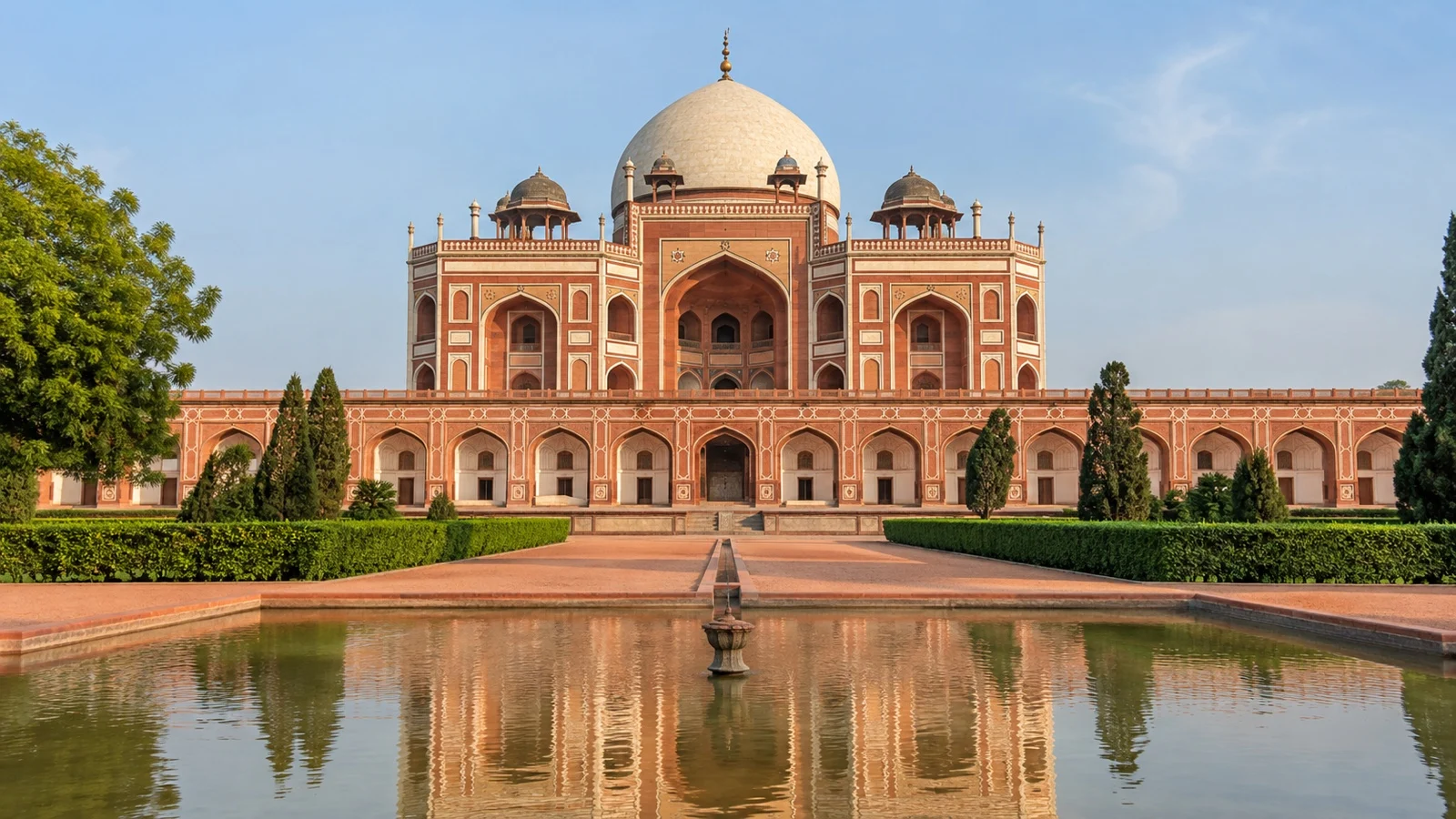
Two full sightseeing days make a much better Delhi visit than one overloaded circuit. Use one day for Old Delhi and the Red Fort area, then another for Humayun’s Tomb, New Delhi landmarks, gardens, or the Qutb complex.
If Agra is included, give it a separate day rather than treating it as a quick side stop. Rail and road plans both require firm timing, advance reservations, and enough margin for local transfers.
A one-night extension can work only if flights align well and your priorities are narrow. Choose two or three headline sights and accept that traffic, security checks, heat, or crowds may trim the plan.
The sights that justify the extension
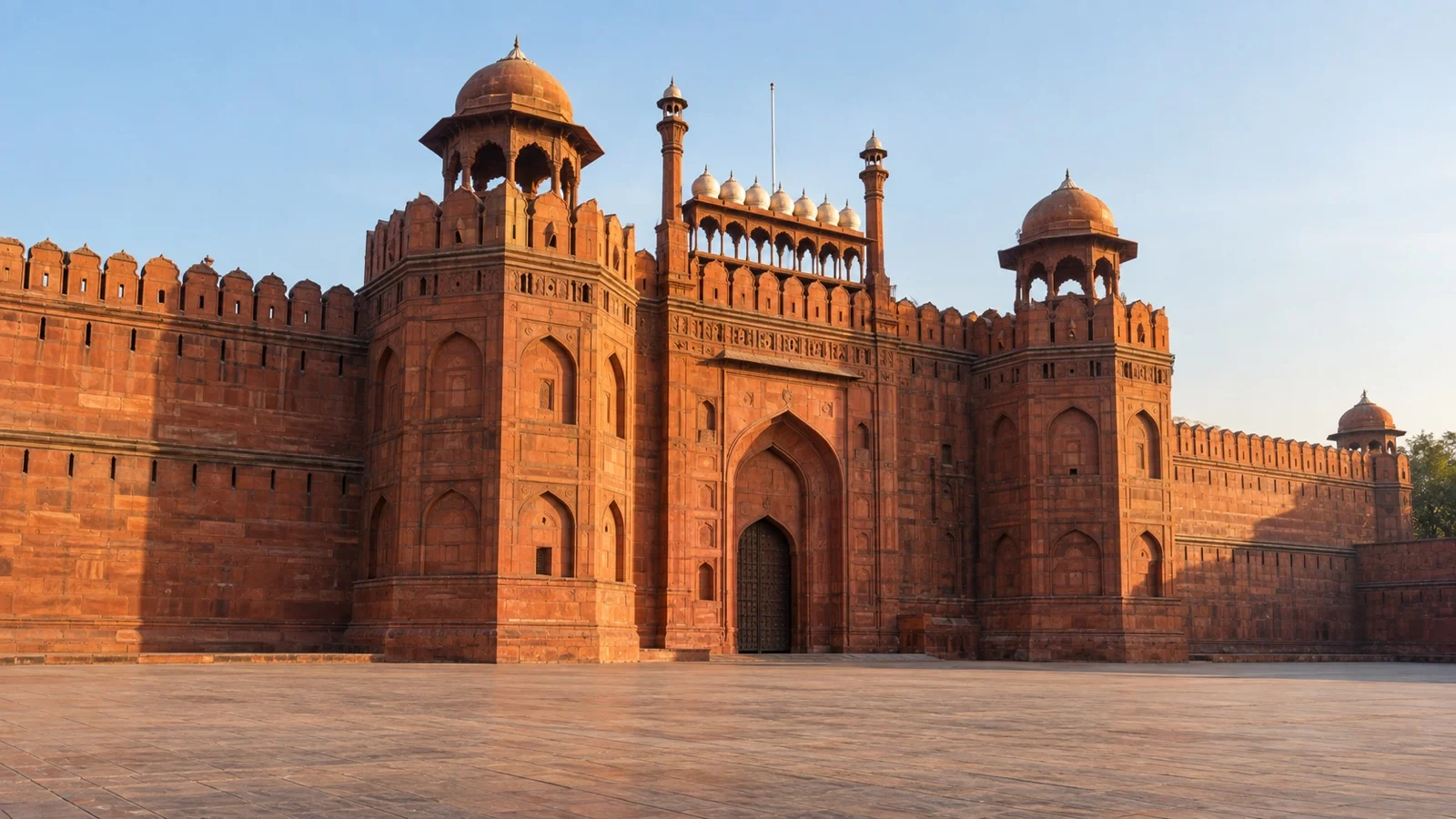
The Red Fort Complex was the palace fort of Shah Jahan’s new Mughal capital, Shahjahanabad. Its red sandstone walls and layered Mughal and British history make it the natural anchor for an Old Delhi day.
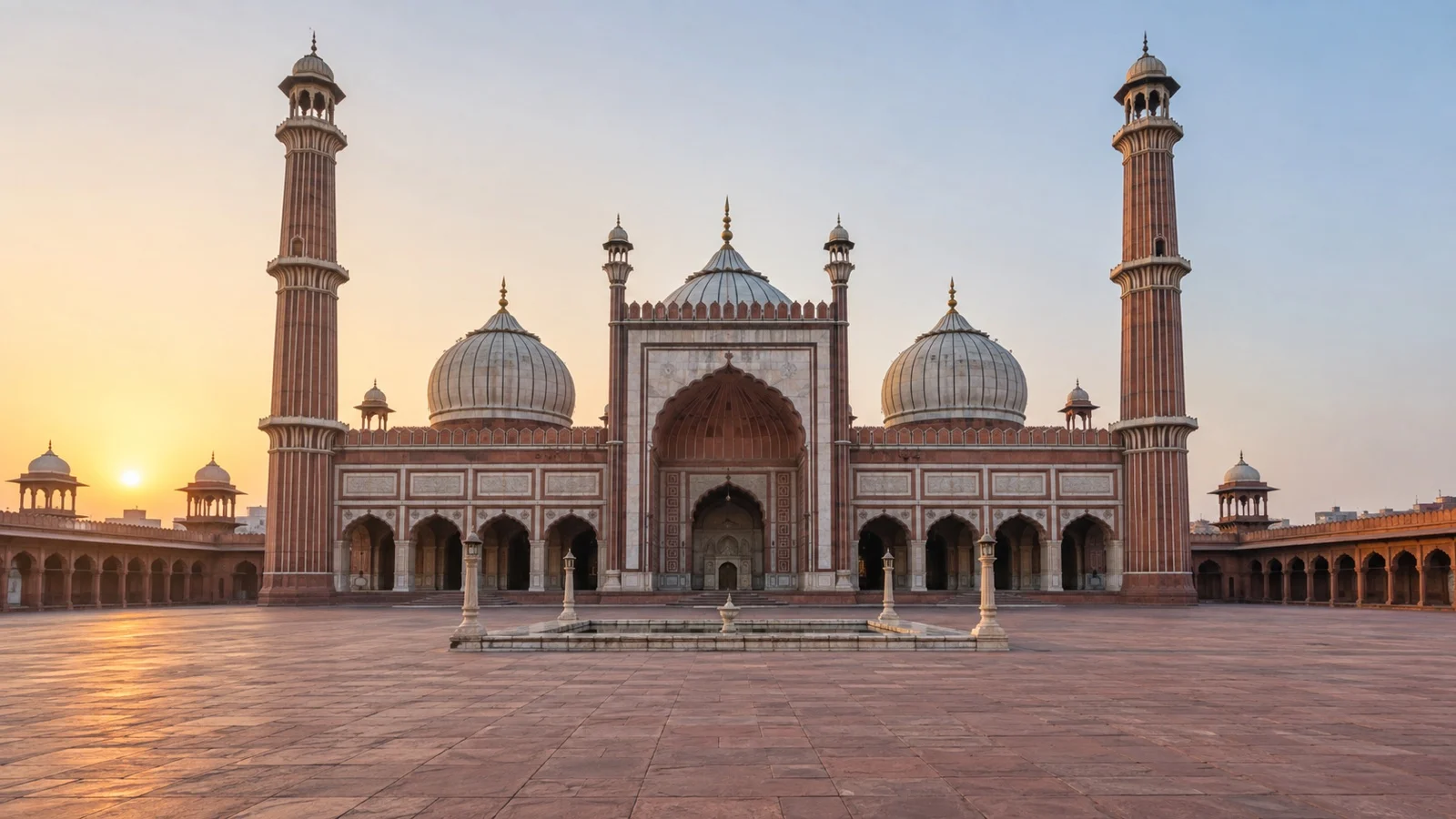
Pair the fort area with Jama Masjid and Chandni Chowk if crowds and uneven walking conditions suit you. This part of the city is more rewarding when you slow down, use a knowledgeable guide, and resist adding attractions across town.
Humayun’s Tomb is one of Delhi’s strongest choices for a first visit. The formal garden setting and monumental Mughal architecture provide an important bridge between earlier Delhi tombs and the later Taj Mahal.
The Qutb Minar complex lies in south Delhi and needs its own travel time. UNESCO describes the early thirteenth-century tower as 72.5 meters high, surrounded by an archaeological ensemble that includes gates, tombs, and historic mosque remains.
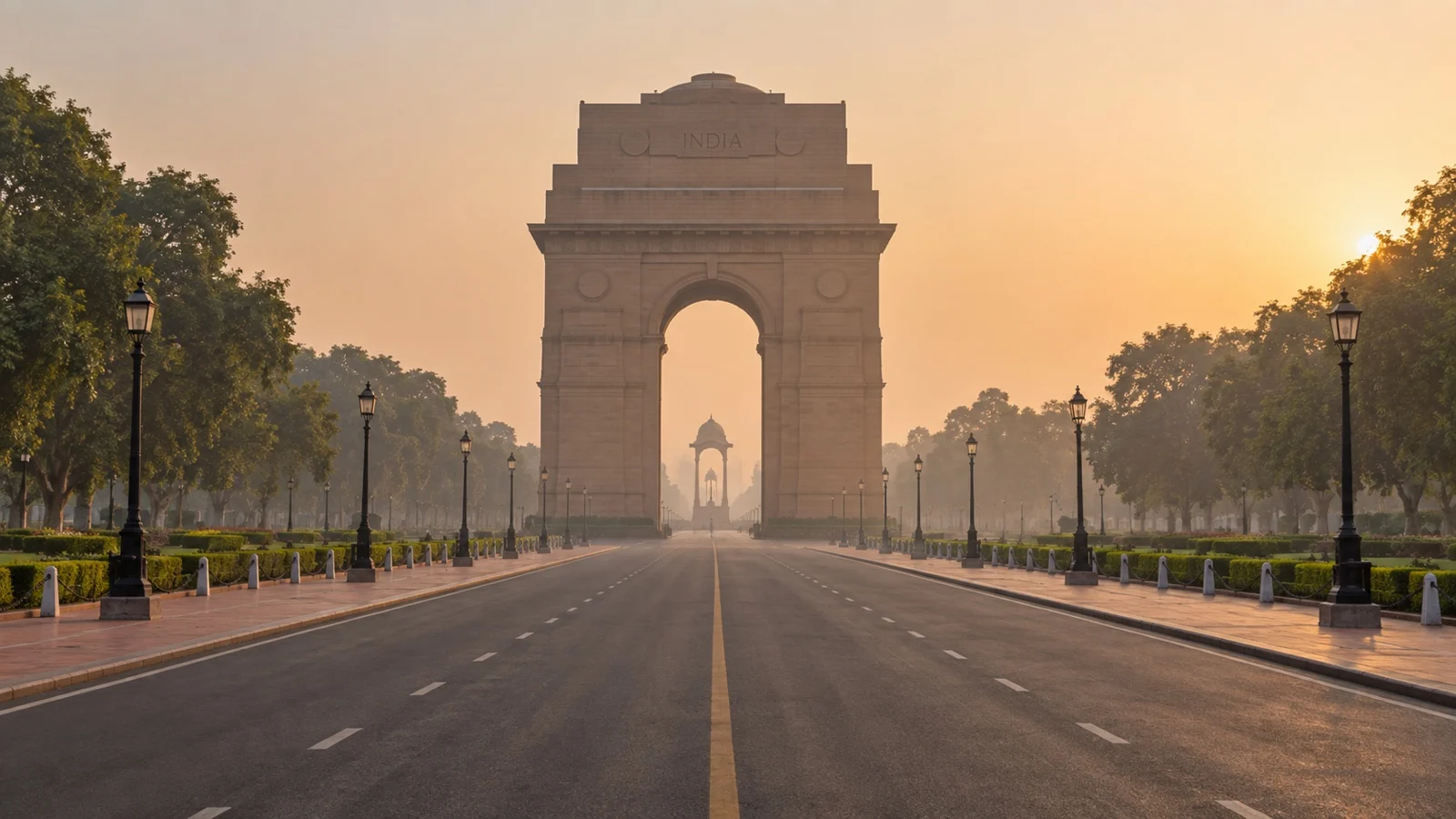
India Gate and the broad government district give you a different view of the capital, while Lodhi Garden offers a calmer break among historic tombs. The National Museum can be a useful indoor choice, but confirm current opening arrangements directly before building a day around it.
Old Delhi with a guide or independently
A good local guide adds the most value in Old Delhi, where lanes, entrances, traffic patterns, and food choices can overwhelm a short visit. Ask for a realistic walking route and clarify whether monument tickets, transport, and meals are included.
Independent travelers can handle central New Delhi, Lodhi Garden, and major Metro-connected sights more easily. Build the day around neighborhoods rather than a long checklist spread across the metropolitan area.
For accessibility needs, contact attractions and the tour operator before booking because surfaces, security routes, and vehicle access vary. The Metro has accessible facilities, but busy stations and the older lanes of Shahjahanabad can still be demanding.
Food without losing the day

Delhi’s food is part of the reason to stay longer, but a first visit does not require gambling on an unvetted stall. A guided food walk or a busy, well-established restaurant can introduce kebabs, chaat, breads, sweets, and regional dishes with less guesswork.
Drink sealed or properly treated water and be selective with raw foods, ice, and items that have been sitting out. Travelers with allergies should carry a written explanation of ingredients to avoid and confirm kitchen practices directly.
Weather, air quality, and packing
Delhi’s seasons affect a sightseeing plan more than the calendar label suggests. Late spring and early summer can be intensely hot, the summer monsoon brings heat and heavy rain, and winter can bring cool mornings, fog, and poor air quality.
Check the short-range forecast and air-quality guidance just before departure. Pack breathable clothing, sun protection, comfortable closed shoes, and a layer for air-conditioned vehicles or cool winter mornings.
Travelers with asthma or other respiratory conditions should discuss precautions with a medical professional before the trip. An adjustable plan with indoor alternatives is useful when pollution, heat, or rain makes long outdoor visits uncomfortable.
Visa and entry planning
Visa rules depend on nationality, passport type, purpose of travel, and itinerary. Use only the Government of India’s official visa portal and the relevant Indian embassy or consulate for current requirements.
Apply early enough to resolve photograph, passport, eligibility, or payment issues without threatening the trip. Make sure the name, passport number, validity dates, and permitted entry points match your documents before flying.
Keep digital and printed copies of your approval, passport details, flight confirmations, hotel address, cruise documents, and emergency contacts. Requirements can change, so a guide written months earlier should never replace the official check.
Safety and practical habits
Use normal big-city precautions, especially in crowded stations, markets, and tourist areas. Keep valuables secure, avoid displaying large amounts of cash, and use transport booked through your hotel, tour operator, an official counter, or a recognized app.
Solo travelers should share their itinerary with someone they trust and avoid isolated areas late at night. Anyone uncomfortable with crowds or persistent sales approaches will likely enjoy Delhi more with a vetted driver or guide.
Dress respectfully for religious sites and expect to remove shoes where required. Carry socks, a light scarf, and only the bags you need because security screening and storage rules differ by attraction.
Protecting the ship or flight connection
The most important planning choice is the buffer between Delhi and your next fixed departure. Weather, fog, traffic, operational disruptions, and ordinary flight changes can all undermine a same-day connection.
For a pre-cruise extension, arrive in the embarkation city at least a day before the ship when practical. For a post-cruise stay, avoid pairing a domestic arrival in Delhi with a tight international departure on a separate ticket.
Travel insurance can help, but coverage depends on the policy and the cause of the disruption. Read the missed-connection, trip-delay, and independent-arrangement terms rather than assuming every delay is covered.
How Delhi fits an India cruise
Delhi adds the political, Mughal, and urban layers that coastal and river itineraries may only touch lightly. It pairs especially well with a Ganges river cruise or an ocean itinerary visiting Mumbai and Kochi.
The extension makes less sense when it steals recovery time from a long international journey or creates a fragile same-day flight chain. Compare the packaged price with independent flights, hotels, transfers, and a private guide, while valuing the protection and coordination the cruise company may provide.
Quick answers
Do cruise ships dock in New Delhi?
No. Delhi is inland, so this is a flight or rail extension rather than a port call.
Is two nights enough?
Two nights can support one or two focused sightseeing days if flights cooperate. Add another night when Agra is included or when you want a safer connection buffer.
Should I add the Taj Mahal?
Add it if this may be your only visit to northern India and you can dedicate a full day. Skip it if the schedule would reduce Delhi to a rushed transfer or put your onward connection at risk.
Can I use the Metro with luggage?
Yes, the Airport Express is designed for airport travel, but station access and your final hotel transfer still matter. A car is usually easier with bulky luggage, limited mobility, or a hotel far from the line.
When is the best time to visit?
October through March generally offers milder sightseeing weather. Check current forecasts, fog risk, and air quality because conditions vary within that broad season.
The last word
New Delhi is worth the detour when it is treated as a destination, not a long airport layover. Give it enough time for one historic district, one major monument cluster, good food, and an unhurried evening.
The smartest version includes a protected connection and a short list of priorities. If the itinerary tries to combine Delhi, Agra, and an onward cruise in too little time, trim the sightseeing before you trim the buffer.
How this guide was researched: Unless a first-hand visit is explicitly identified above, this guide is based on independent research using official tourism, transit, airport, government, and attraction sources where available. Logistics and time-sensitive details were reviewed in September 2026. See our Editorial Policy.
More on this topic: browse every guide on expedition and alternative cruises.