Overnight and Evening Port Calls: The Most Wasted Hours in Cruising
An overnight or late-evening port call gives you something precious: time to explore without racing through the afternoon. The trick is to use those extra hours safely and deliberately, not assume the ship and city work exactly as they do at noon.
My quick take
Treat the evening as a second port experience, but protect your must-do sight earlier in the call in case the schedule changes. Then choose one realistic after-dark plan, such as dinner, a performance, a waterfront walk, or a small-group tour.
Before leaving, photograph the daily program and port-agent details, pin the gangway location, and confirm ship time, identification rules, shuttle hours, and the final all-aboard. That five-minute check prevents most late-night drama.
The quick facts
- Overnight call: The itinerary schedules the ship to remain in port overnight and depart the next day.
- Late call: The ship sails in the evening, so all-aboard is still that night.
- All-aboard still matters: Use the time announced onboard, even when an earlier itinerary shows something different.
- After dark is not automatically quieter: Day-trip crowds may thin, but restaurants, nightlife districts, and local events can become busier.
- Follow the ship’s ID instructions: Carry your ship card and whatever passport or government ID the line and destination require.
What an overnight call actually means
An overnight call means the published itinerary has the ship alongside or anchored into the following day. It does not guarantee the same berth, unrestricted gangway access all night, or an unchanged departure time.
A late departure is different because the ship still sails that evening. Check the all-aboard time rather than reading the scheduled departure as your personal deadline.
Overnights can support longer excursions, evening events, crew operations, or a schedule with a short distance to the next port. The reason varies by itinerary, so focus on what the extra time lets you do.
All-aboard is the rule that counts
Royal Caribbean says its all-aboard is generally about 30 minutes before sailing, but passengers must verify the time onboard and near the gangway. Other lines and individual ports may use a different buffer.
On a true overnight, the decisive all-aboard is normally before departure the next day. Still ask whether security, tender service, a terminal, or the gangway has restricted hours during the night.
Do not rely on the time in an old email, a travel app, or a third-party port schedule. Weather, traffic, berth changes, and operating needs can alter the call, and the announcement onboard is the authority for your sailing.

What changes after the day visitors leave
Other cruise ships and organized day tours may depart in late afternoon, which can make famous sights and port streets feel calmer. That pattern is useful, but it is not a promise that crowds or prices will drop.
Local commuters, diners, concertgoers, and nightlife crowds may replace the daytime visitors. Meanwhile, museums, churches, markets, shops, and visitor centers can close before your evening begins.
Check official opening hours for your exact date, including the last admission time. The daytime patterns in the guide to crowded cruise ports are a starting point, not an evening forecast.
A smarter two-day plan
Put the one experience you would hate to miss on day one, with enough buffer to return to the ship. An early departure, weather change, or shortened call is less likely to erase the heart of your visit.
Use the evening for something that benefits from darkness or local life, such as a meal, cultural performance, illuminated old town, or sunset viewpoint. Reserve ahead when needed and choose a finish time that leaves dependable transport back.
Keep day two close to the ship unless the departure is comfortably late. A breakfast, market, short walk, or nearby museum is easier to trim than a long excursion if the clock gets tight.
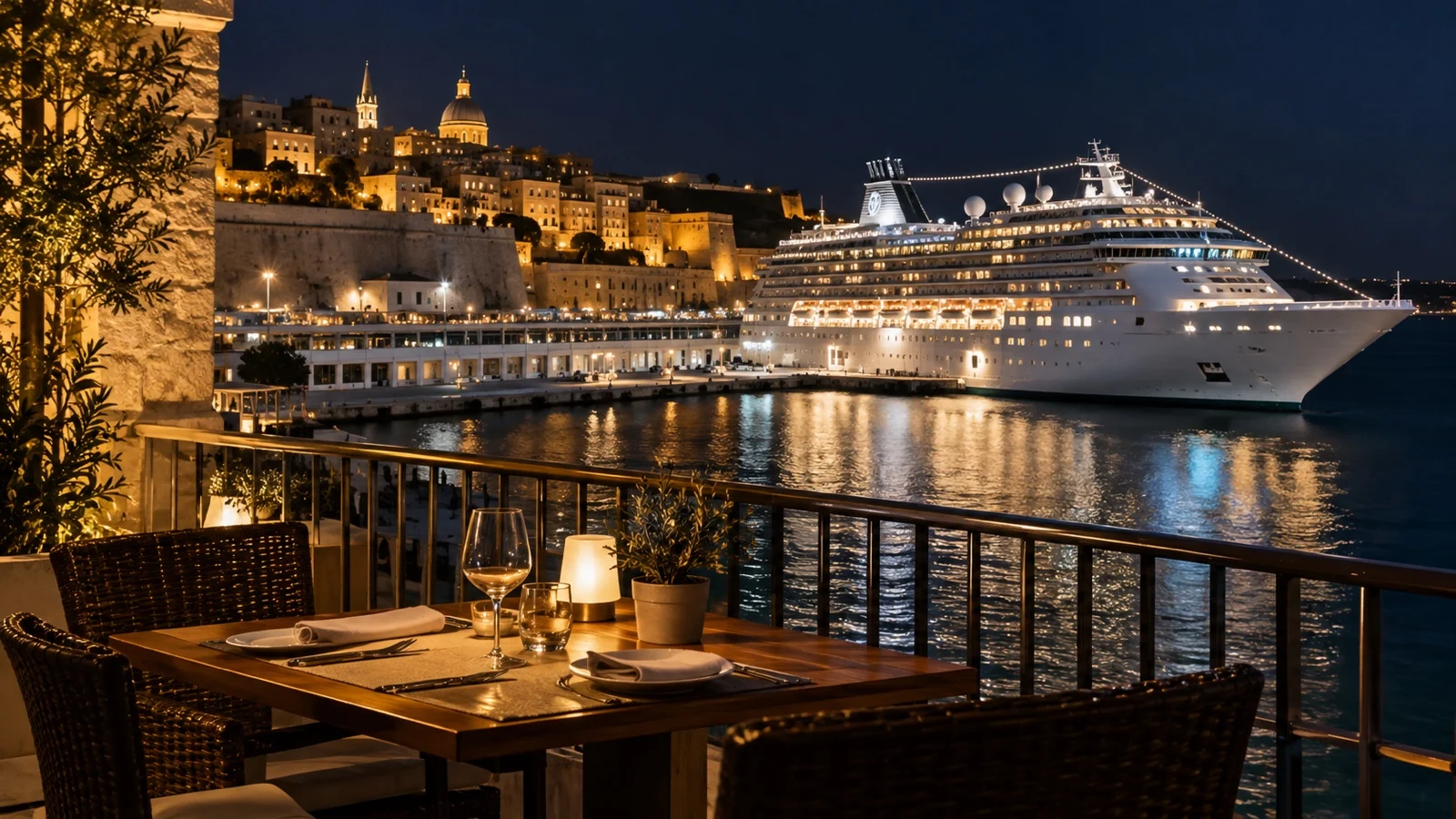
Dinner ashore, without the guilt trip
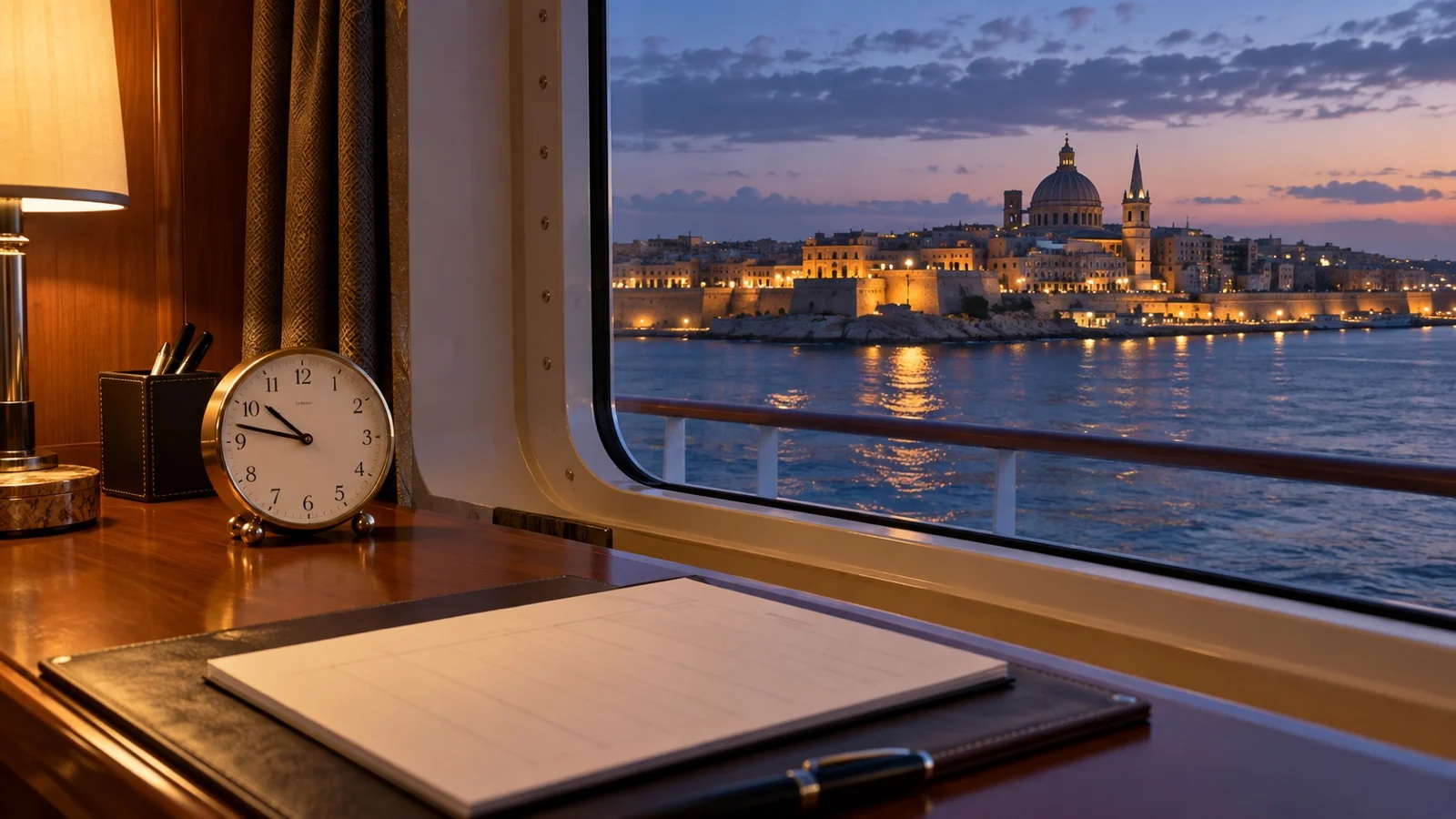
Dinner ashore can be delightful, but it is not the only valid use of an overnight. A show, evening tour, accessible waterfront stroll, or quiet ship night can be a better fit.
If you want a popular restaurant, reserve a sensible time and confirm the kitchen’s last seating. Choose somewhere with a clear route back rather than the most glamorous address at the edge of town.
Check the restaurant’s accepted payment methods instead of assuming cash or cards will work everywhere. The guide to cash and cards in cruise ports helps you build a small backup plan.
How to use a late call
A ship scheduled to depart at 8 or 10 at night may give you dinner or sunset ashore, but its all-aboard will be earlier. Subtract the required buffer and travel time before deciding how much evening you really have.
Plan backward from all-aboard, then add extra time for reduced transit frequency, traffic, or a long terminal walk. The guide to how early to return to your cruise ship explains why independent explorers need a deliberate margin.
Tender ports need even more care because the last boat can leave well before the ship sails. Confirm the last tender time onboard and never substitute a map estimate.
Build the ride home before you go out
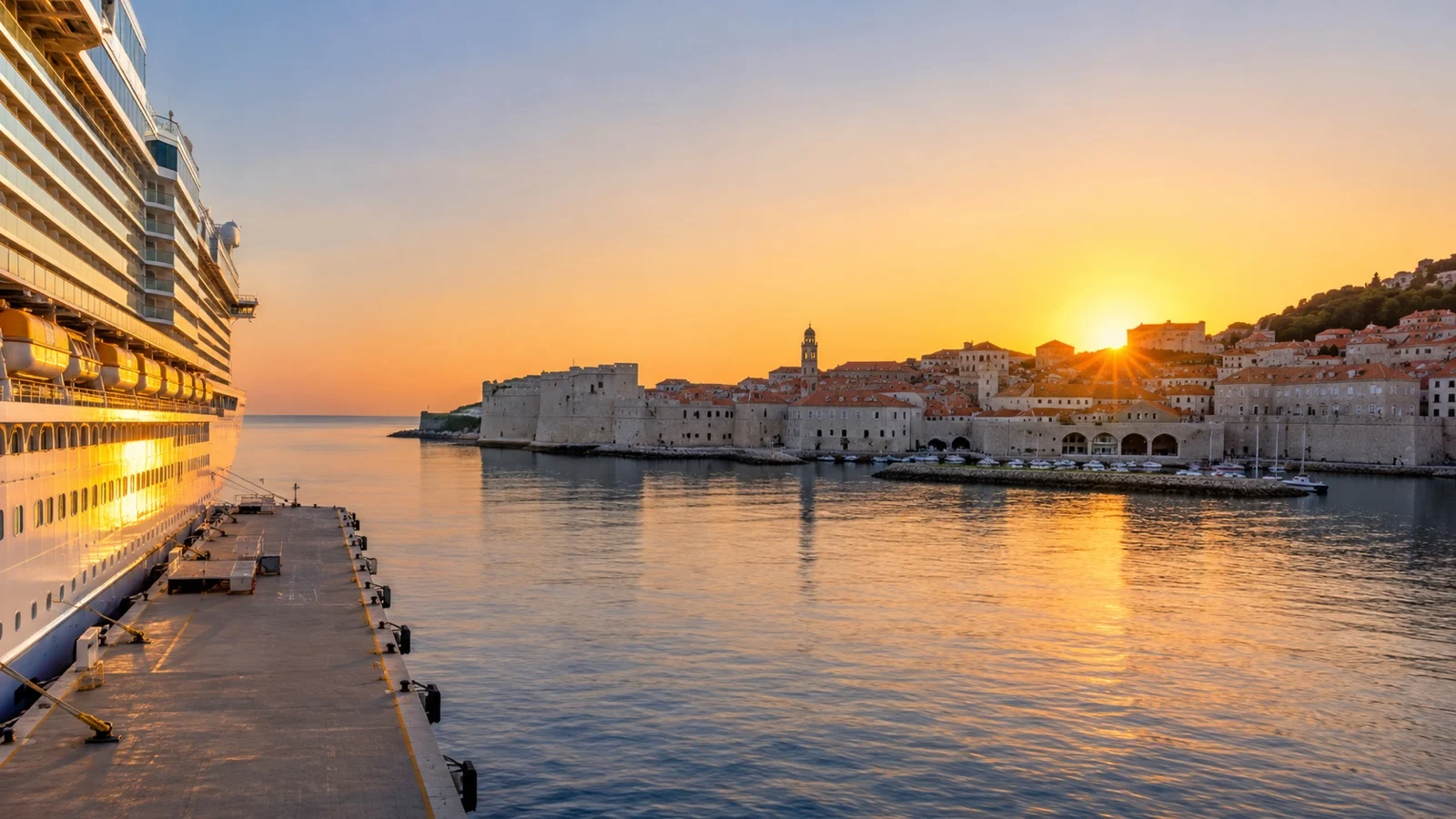
Port shuttles, public transit, pedestrian terminal gates, and taxi ranks can have different evening hours. Confirm the last useful departure and whether the return stop is in the same place.
If you plan to use a taxi or ride app, check local availability and keep a licensed taxi number as backup. The guide to ride-hailing at cruise ports explains why an app pin can fail inside a controlled terminal.
Save an offline map, pin the gangway or terminal entrance, and carry a charged phone plus a small power bank. Screenshot the ship’s name, berth, port-agent number, and emergency contact so they remain available without data service.
Passport, ship card, and money
For United States travelers, current State Department cruise guidance says to carry a passport for emergencies and keep a separate copy. Follow the ship’s instructions too, because some itineraries require passports to be presented or held for immigration processing.
At minimum, take your ship card and the government photo ID specified onboard. Bring the port-agent details, emergency number, payment backup, and any essential medication you may need while ashore.
Do not put every card, all your cash, and your passport copy in the same wallet. A small separation makes a lost bag annoying instead of trip-ending.
What stays open onboard
The ship remains your hotel, but its evening can look different while docked. Restaurants, bars, entertainment, shops, casinos, and youth programs may use altered hours depending on the line, vessel, port rules, and passenger demand.
Casinos and retail shops are often closed while a ship is in port, but the daily program is the only dependable answer. Check dining hours as well, especially if you expect a late meal after returning.
Staying aboard can be a lovely use of the evening, particularly if you want rest or the city does not appeal after dark. The guide to port days better spent onboard helps with that tradeoff.
Accessibility after dark
An overnight does not guarantee an easier gangway or accessible evening transport. Tides, rafting, berth changes, terminal closures, poorly lit paving, and reduced accessible taxi or shuttle service can make the return harder.
Ask the line or shore-excursion team about gangway hours, steps, gradients, tendering, terminal distance, curb cuts, and accessible transportation for the exact call. If you need a lift-equipped vehicle, reserve it before sailing and reconfirm onboard.
Carry a small light if low illumination is a concern, and choose a route with known restrooms and places to sit. A shorter evening that ends smoothly beats a longer one built on wishful logistics.
The checklist to photograph
- All-aboard: The time announced onboard for the actual departure day.
- Gangway, tender, and terminal hours: Including any overnight restriction or last boat.
- Ship time: Confirm whether it matches local time before setting alarms or reservations.
- Return transport: Last shuttle or train, pickup point, taxi backup, and walking route.
- Documents and contacts: Ship card, required ID, port agent, emergency number, and offline berth details.
The guide to ship time versus local time is worth reading before an overnight. A phone that changes time zones automatically can create exactly the mistake you were trying to avoid.
Finding itineraries with longer calls
Search by arrival and departure time, not just by the number of ports or an overnight icon. Two cruises with the same city list can offer very different usable hours ashore.
Check whether a line labels the stay as overnight, late night, two days, or an evening departure. Then open the date-specific itinerary because the same route can vary by sailing.
Four generous calls may suit you better than six short ones. The guide to what you can do in a six-hour port call is a useful reality check when comparing time.
Safety after dark, without the melodrama
Read the current official travel advice for the destination and ask onboard staff about the terminal exit and approved transportation. Conditions can differ block by block, and familiar daytime routes may be quiet after businesses close.
Stay aware, keep valuables discreet, limit alcohol, and avoid isolated shortcuts. Share your plan with your travel companion and agree on a return time before the evening gets interesting.
The guide to ports that call for extra care explains how to separate a practical precaution from destination panic. After dark, good logistics do more work than bravado.
Quick answers
Can I stay ashore all night on an overnight call?
Sometimes, but verify the gangway, tender, terminal, security, and ID rules onboard. An overnight label alone does not promise unrestricted access at every hour.
Is there still an all-aboard time?
Yes, before the ship’s actual departure. Use the time announced onboard and leave an independent-travel buffer.
Do onboard venues close while docked overnight?
Some may close or shorten their hours, especially shops and casinos. Dining and entertainment also vary, so check the daily program.
Should I eat ashore or on the ship?
Choose the experience you value rather than forcing dinner ashore. If local food is a priority, reserve a place with dependable transport back.
How do I get back to the ship late at night?
Confirm the last shuttle or transit service and keep a licensed taxi backup before leaving the terminal. Pin the correct entrance because vehicle gates and pedestrian gangways may not be together.
Final word
An overnight or late call can turn a port sample into a more rounded visit. It works best when you protect the must-do sight, plan one good evening, and build the return trip before you leave.
Confirm all-aboard, ship time, documents, and access rules onboard, then give yourself a generous buffer. The city will still be there after dinner, and so should your ship.
How this guide was researched: This guide was checked in September 2026 against Royal Caribbean’s current all-aboard guidance and the United States Department of State’s cruise-passenger guidance, last updated June 10, 2026. Gangway access, onboard venues, identification rules, shuttles, and itineraries vary, so follow the instructions announced onboard and see our Editorial Policy.
More on this topic: browse every guide on port logistics and timing.