Cusco and Machu Picchu Cruise Extension: Altitude, Trains, Timing
Most passengers planning Cusco and Machu Picchu are not asking about an excursion. They are asking how to fit Peru’s two biggest inland attractions around a ship that never gets anywhere near them.
Cruise operators sell versions of this as a pre- or post-cruise extension from Lima, and for good reason. Machu Picchu sits far inland, Cusco’s altitude requires a careful plan, and neither place fits into a single port day.
My quick take
If your ship calls at a Peru port, I think this extension is worth the extra days and the extra planning. Machu Picchu earns its reputation, and Cusco is one of the more rewarding cities in South America to simply walk around.
What I would not do is treat this like a long shore excursion with a longer bus ride. Give it a genuine minimum of three full days beyond your cruise dates, and build in a buffer night in Lima on either end, the way I lay out in my Peru cruise ports guide.
The altitude is the detail people underestimate most. I would rather arrive a day early and feel slightly bored in Cusco than skip acclimatization and spend my one shot at Machu Picchu with a headache.
Cusco and Machu Picchu quick facts
- Docking: Peru cruise calls typically dock at a pier, like Callao’s, rather than by tender, before this land extension begins.
- How you get there: Most cruise travelers fly from Lima to Cusco (LIM-CUZ); an overland journey is too slow for a short cruise extension.
- Into town: Train from Cusco or Ollantaytambo to Aguas Calientes, then a 25-minute shuttle bus up the mountain.
- Altitude: Cusco sits around 3,400 m (11,150 ft); Machu Picchu is lower, near 2,430 m (7,970 ft).
- Currency: Peruvian sol (PEN) and Spanish, with Quechua widely spoken around Cusco and the Sacred Valley.
- Time zone: Peru Time (PET, UTC minus 5), the same zone kept at most Peru cruise ports.
- Best time of year: dry season, roughly May through September; wettest months run November through March, and the Inca Trail closes each February.
- How much time you realistically need: plan on 3 to 5 full days beyond your cruise dates, not counting flights to and from Lima.
- Disruption risk: Rail closures, landslides, strikes, and bad weather can change the plan, so protect the cruise connection with buffer time.
How cruise passengers typically arrange this
Because the ship never gets close to Cusco, this only works as a separate land trip built around your sailing. Packaged extension routes and dates change, so confirm the current operator itinerary before booking nonrefundable flights.
Lindblad, for example, sells a dedicated Lima extension alongside its Peru sailings, separate from any days spent aboard ship, and a longer Machu Picchu and Peru package on top of that. The pattern across operators is consistent: fly into Lima, spend a night near the airport or in Miraflores, then take a short domestic flight up to Cusco.
I would treat the Lima portion as logistics rather than a destination in its own right, unless you also want to see the city properly. My Callao cruise port guide and my Lima hotel guide both cover what a stopover night there actually looks like.
Some operators route the extension before the cruise, others after, and a few let you choose either end. I would pick whichever option gives you a full acclimatization day in Cusco or the Sacred Valley before any strenuous activity, rather than squeezing Machu Picchu in on the tail end of jet lag.
Getting to Machu Picchu itself
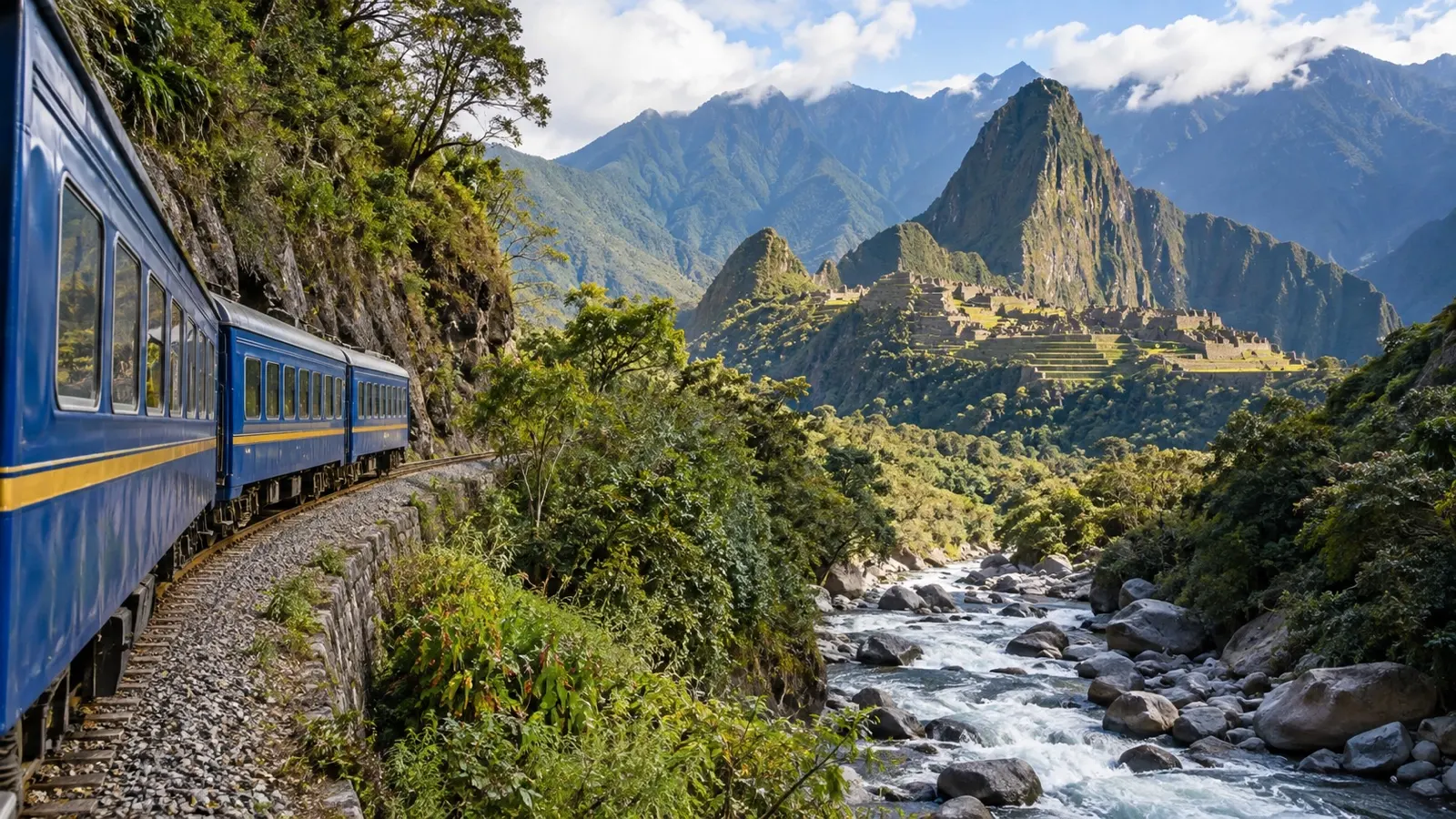
PeruRail currently lists trains from Ollantaytambo and Poroy, plus selected bimodal bus-and-train schedules that transfer at Pachar. Inca Rail lists a Cusco bimodal service with a road transfer to Ollantaytambo, then a train to Machu Picchu Pueblo.
The Poroy run takes roughly three and a half hours; Ollantaytambo trims that to about one hour and 45 minutes. Most extension itineraries base overnight in the Sacred Valley for exactly this reason, since it shortens the train day considerably and sits at a gentler altitude.
Every train ends at Aguas Calientes, also called Machu Picchu Pueblo, a town that exists mainly to serve the site above it. From there, a shuttle bus climbs the switchbacks to the entrance gate in about 25 minutes, and walking up is possible but adds a couple of strenuous hours most people skip.
Entry itself runs through a ticketed circuit system, currently split across several circuits with fixed entry windows and optional add-on hikes. Book your specific date and time slot well ahead, because daily capacity is limited and prices and quota rules have shifted more than once in recent years, so confirm the current arrangement before you travel.
What is worth the time
The Machu Picchu citadel
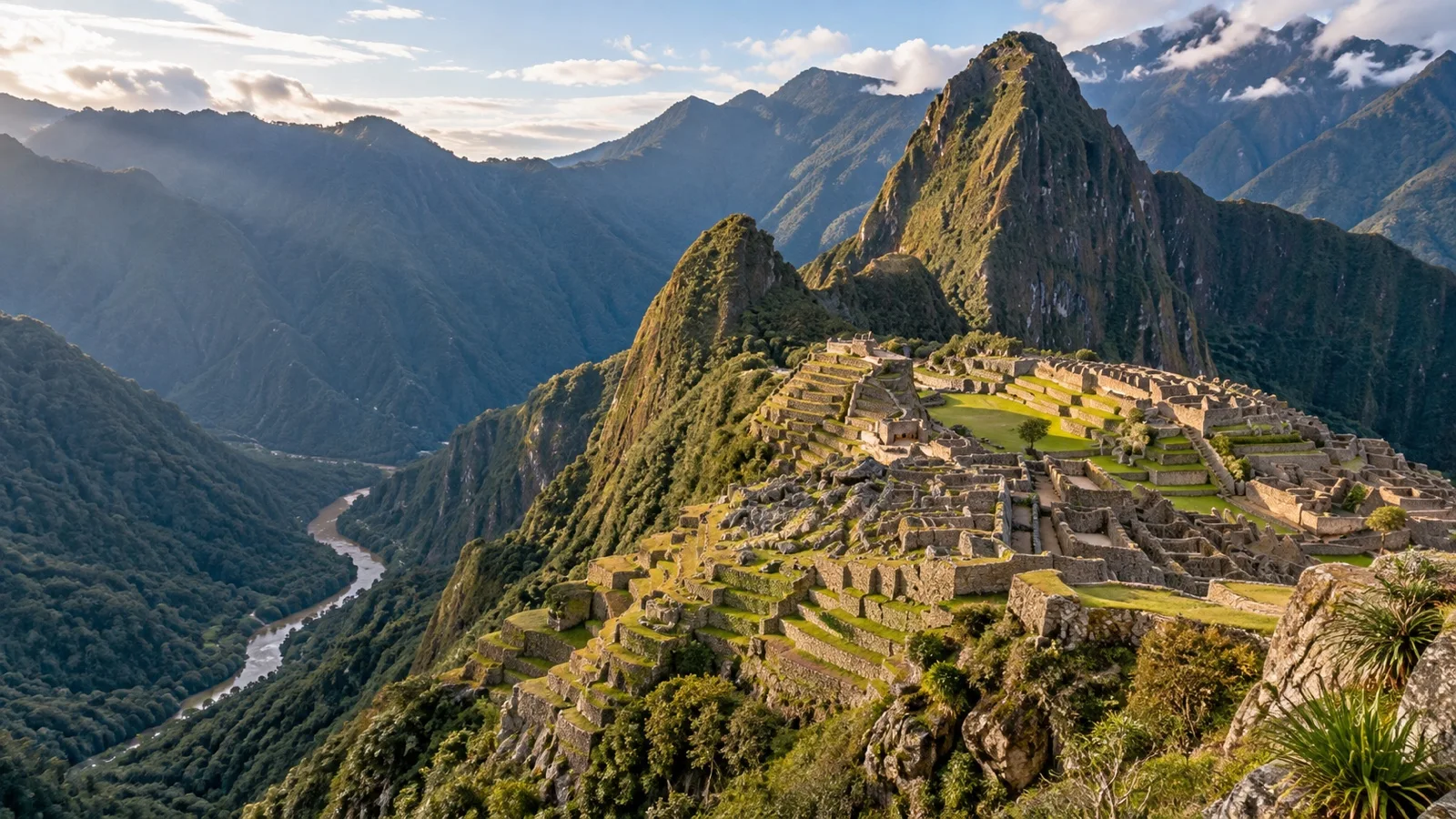
This is the reason for the whole trip, and it does not disappoint. It was inscribed as the Historic Sanctuary of Machu Picchu back in 1983, recognized as both a cultural and a natural site, a rare combination.
Give yourself the better part of a day here rather than a rushed morning between train connections. The main circuit alone takes a couple of hours, and the site rewards slow walking far more than a checklist pace.
Cusco historic center and Sacsayhuamán
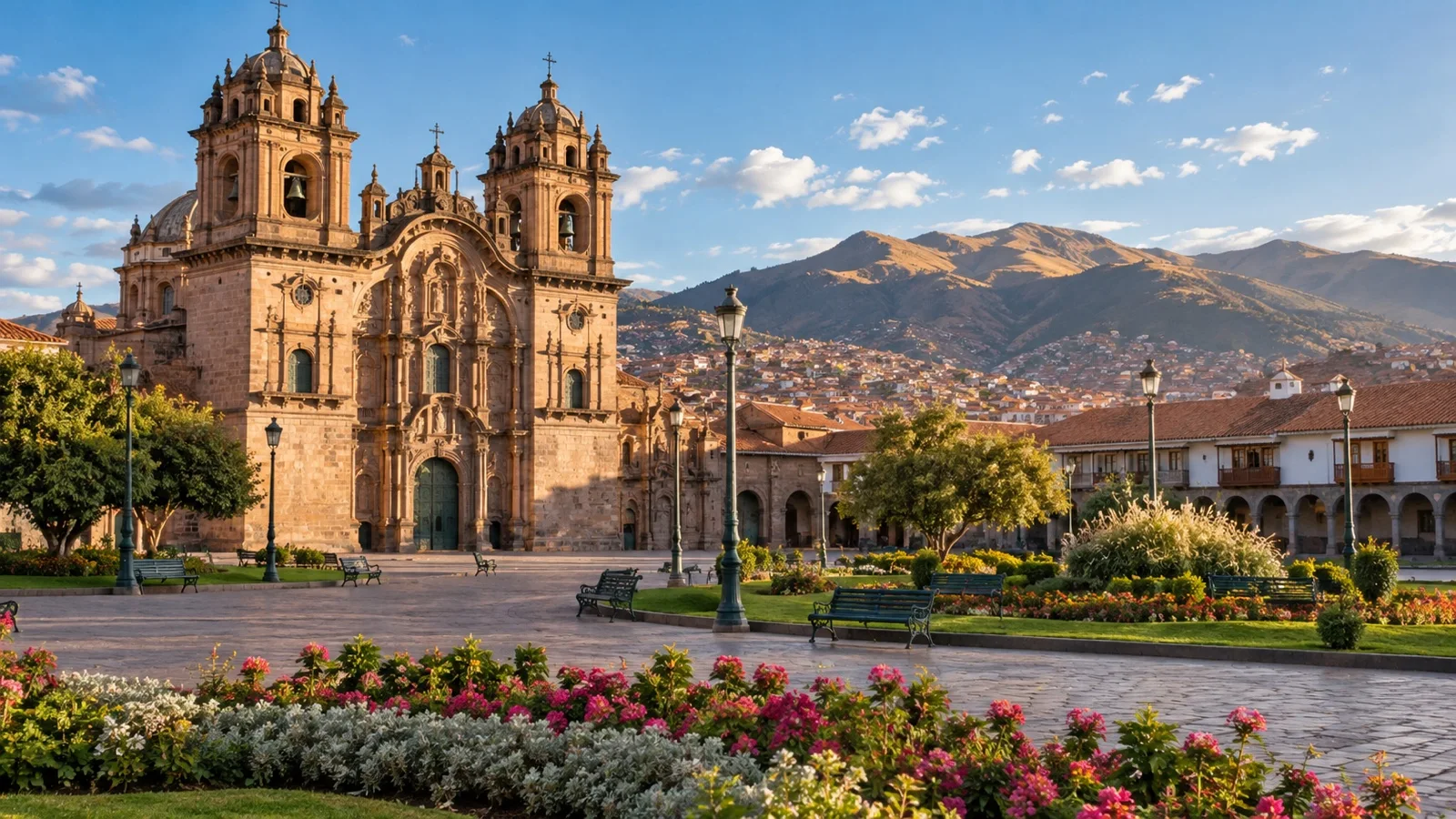
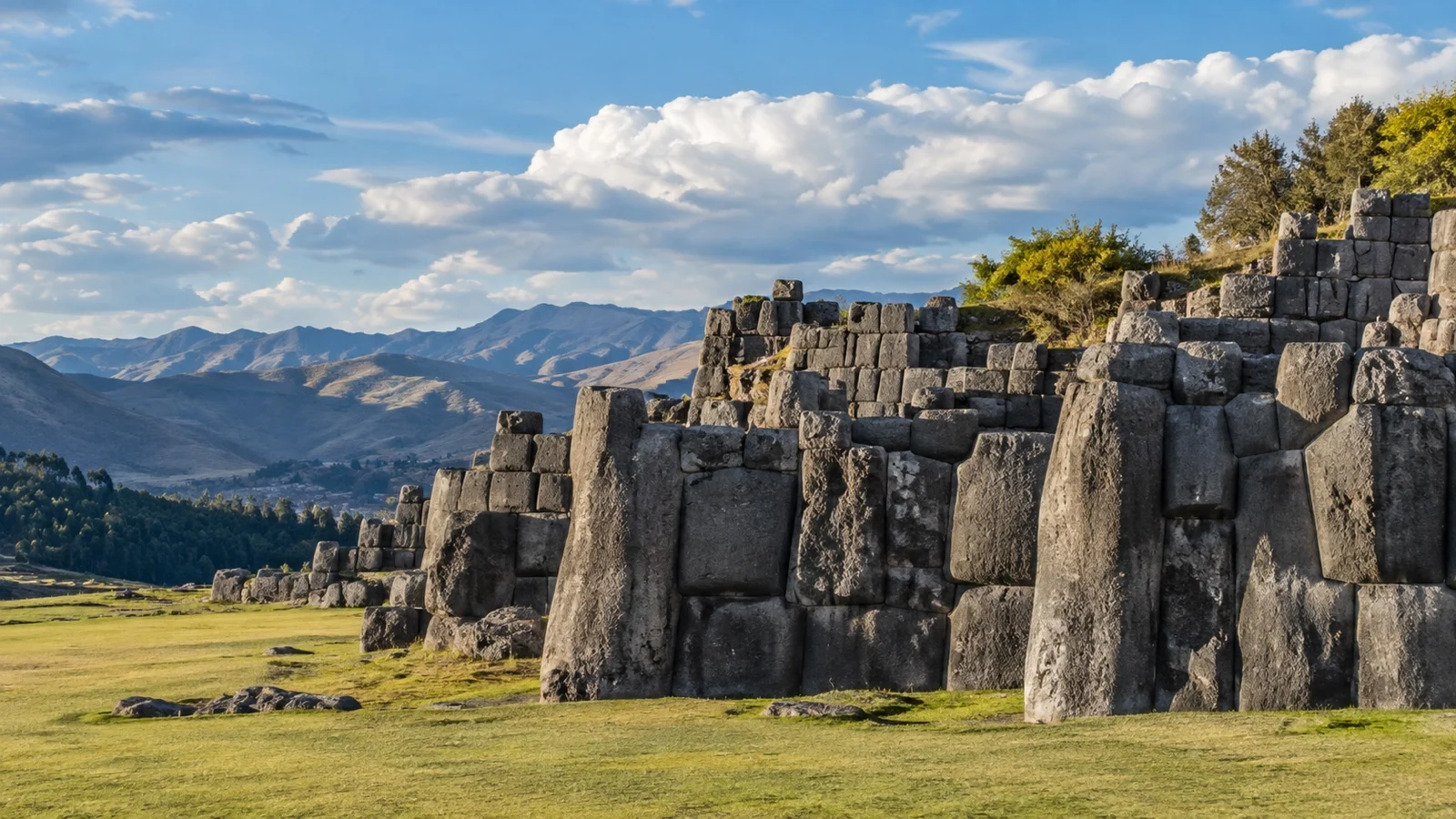
Cusco’s Plaza de Armas sits on Inca foundations underneath colonial stone, and that layering is the whole story of the city. Above town, the Sacsayhuamán complex has some of the largest cut stone blocks in the Americas, fitted together without mortar.
I would give Cusco itself a full day, separate from the Machu Picchu day. It is a genuinely good walking city, and altitude aside, it rewards wandering more than a guided speed-run does.
The Sacred Valley towns
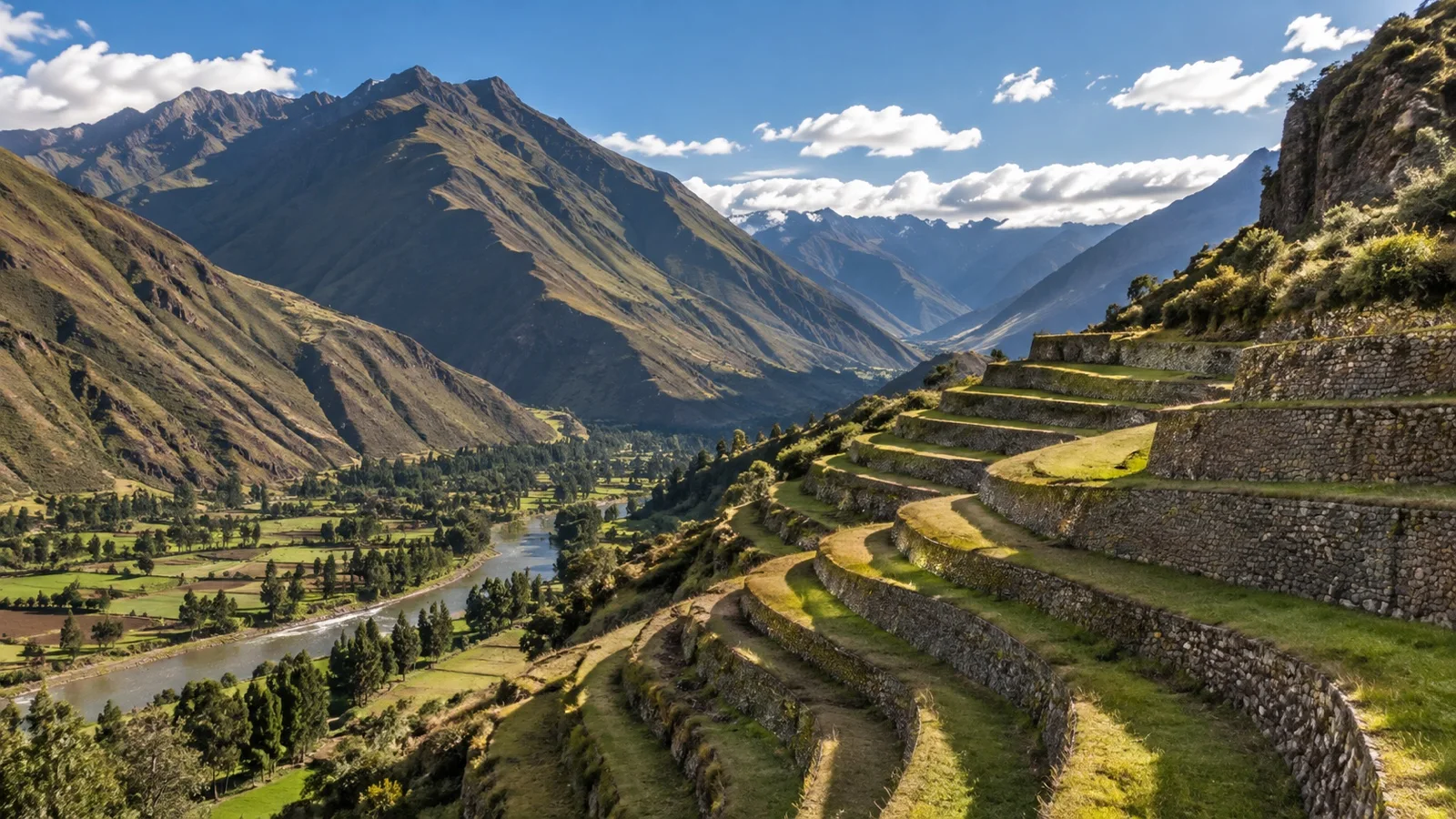
Pisac and Ollantaytambo both make sense as a stop on the way to or from the train, rather than a separate excursion. Pisac has a hillside ruin and a lively market, while Ollantaytambo has a working Inca town plan you can still walk through today.
Both towns sit lower than Cusco, which makes the Sacred Valley a smart place to spend an acclimatization night if a full day in Cusco itself feels risky. Many operators build their itineraries around exactly this logic.
Altitude sickness, honestly
Cusco’s altitude is not a minor detail. The CDC lists headache, tiredness, loss of appetite, nausea, and vomiting among the symptoms of acute mountain sickness.
The CDC recommends gradual ascent and avoiding alcohol and heavy exercise for at least the first 48 hours above 8,000 feet. Do not climb higher while symptoms continue, and descend if they worsen at rest.
Talk with a clinician before travel if you have a heart or lung condition or cannot build gradual ascent into the itinerary. Sleeping in the lower Sacred Valley first may make the route more gradual, but it does not guarantee that altitude illness will be avoided.
Accessibility, honestly
I want to be straightforward here rather than optimistic. Machu Picchu involves real walking on uneven stone, plus stairs, and Cusco’s altitude alone is a genuine barrier for some travelers regardless of general mobility.
The shuttle bus up from Aguas Calientes removes the steepest section of the climb, but the site itself is not level or paved in any modern sense. If mobility or lung capacity is a real concern, talk to your extension operator in detail before booking, because this is a physically demanding add-on even for otherwise fit travelers.
When to visit
May through September is the dry season, and it is also when Cusco and Machu Picchu are at their busiest. Rain becomes more likely from November onward, peaking somewhere around January through March.
The separate Inca Trail hiking route closes every February for trail maintenance, a detail worth knowing if hiking access matters to your plans. Machu Picchu itself generally stays open through the wetter months, just with a higher chance of a misty morning at the entrance gate.
If your cruise itinerary gives you a choice of months, I would lean toward the edges of the dry season rather than its peak. You get largely reliable weather without quite the same crowds at the gate.
Building this into your cruise itinerary
Work backward from your ship’s embarkation or disembarkation date in Peru. A realistic minimum is three full days for Cusco and Machu Picchu alone, plus a buffer night in Lima on each side for the domestic flight connection.
If your cruise starts or ends at Callao, that buffer night in Lima also gives you room to see a bit of the city itself, which I cover in my Callao port guide. Do not schedule your Cusco flight for the same day your ship docks, since flight delays and Lima traffic can leave very little margin.
Most operators already build this timing into their packaged extensions for exactly this reason. If you are arranging any part of it independently, treat the buffer days as non-negotiable rather than optional padding.
The practical checks I would make before a Cusco extension
Treat Cusco and Machu Picchu as a separate land trip, not a shore excursion, with at least three full days beyond the cruise and a buffer night before the next flight or sailing. Get every Lima flight, hotel, Sacred Valley transfer, train station, bus, ticket circuit, and luggage limit in one written sequence.
Buy Machu Picchu admission only through Peru’s official ticket system and make sure the name and passport details match the traveler. Trains, entrance circuits, and timed slots sell separately, so one confirmed reservation does not guarantee the rest of the route.
Cusco’s altitude can cause illness even in fit travelers, so discuss personal risk with a clinician, ascend gradually when possible, and know the symptoms that require rest, medical help, or descent. Check Peru entry rules, seasonal rain and landslide notices, accessibility, cancellation terms, and the exact costs before making any part nonrefundable.
Quick answers
Can I visit Machu Picchu as a single day trip from Lima?
Not realistically. Between the flight to Cusco, the altitude adjustment, and the train connection to Aguas Calientes, this is a multi-day add-on rather than a long excursion day.
Do I need to book Machu Picchu tickets in advance?
Yes, and well in advance during dry season months especially. Entry runs through a timed circuit system with limited daily capacity, so popular dates and circuits do sell out.
Which train station should I use, Poroy or Ollantaytambo?
Ollantaytambo is faster, and it is where most extension itineraries already base you the night before. Poroy is more convenient only if you are staying in Cusco itself and do not mind the longer ride.
Is altitude sickness likely to affect me?
It can affect any traveler above 8,000 feet, and fitness does not remove the risk. Ascend gradually when possible, keep the first 48 hours light, and follow current medical guidance if symptoms appear.
Can I combine this with a Galápagos cruise?
Yes, several operators, including Lindblad Expeditions, sell itineraries that pair a Galápagos sailing with a Peru and Machu Picchu extension. Confirm the connecting flights carefully, since Galápagos, Lima and Cusco are three separate flight legs.
What if my ship calls at a different Peru port?
The extension logistics stay largely the same regardless of which Peru port your ship uses, since Cusco is reached by flight from Lima either way. My Peru cruise ports guide covers how the different ports compare for the coastal part of the trip.
The last word
Cusco and Machu Picchu are worth rearranging a cruise schedule for, which is not something I say about most inland extensions. Just do not treat it like a shore excursion with a longer bus ride attached.
Build in the days, respect the altitude, and book your Machu Picchu entry ahead of time. If you want to see how this compares with Peru’s other big inland detour, my Iquitos and Nauta river cruise port guide covers the Amazon side of the same basic idea, flying in to reach a ship that never touches the coast.
And if Lima is where your cruise actually begins or ends, my Lima hotel guide will help with the nights on either side. Machu Picchu does not get any easier to reach, but a little planning makes it very manageable.
How this guide was researched: This guide was independently checked on September 12, 2026, against Peru’s official Culture Ministry ticket guidance, PeruRail, Inca Rail, the CDC’s high-altitude guidance, Peru’s immigration authority, UNESCO, and current operator instructions. Reconfirm transfers, train schedules, ticket circuits, entry documents, weather, accessibility, costs, and final departure because live operations can change.
More on this topic: browse every guide on expedition and alternative cruises.