Johannesburg Cruise Guide: Airport, Hotels and South Africa Connections
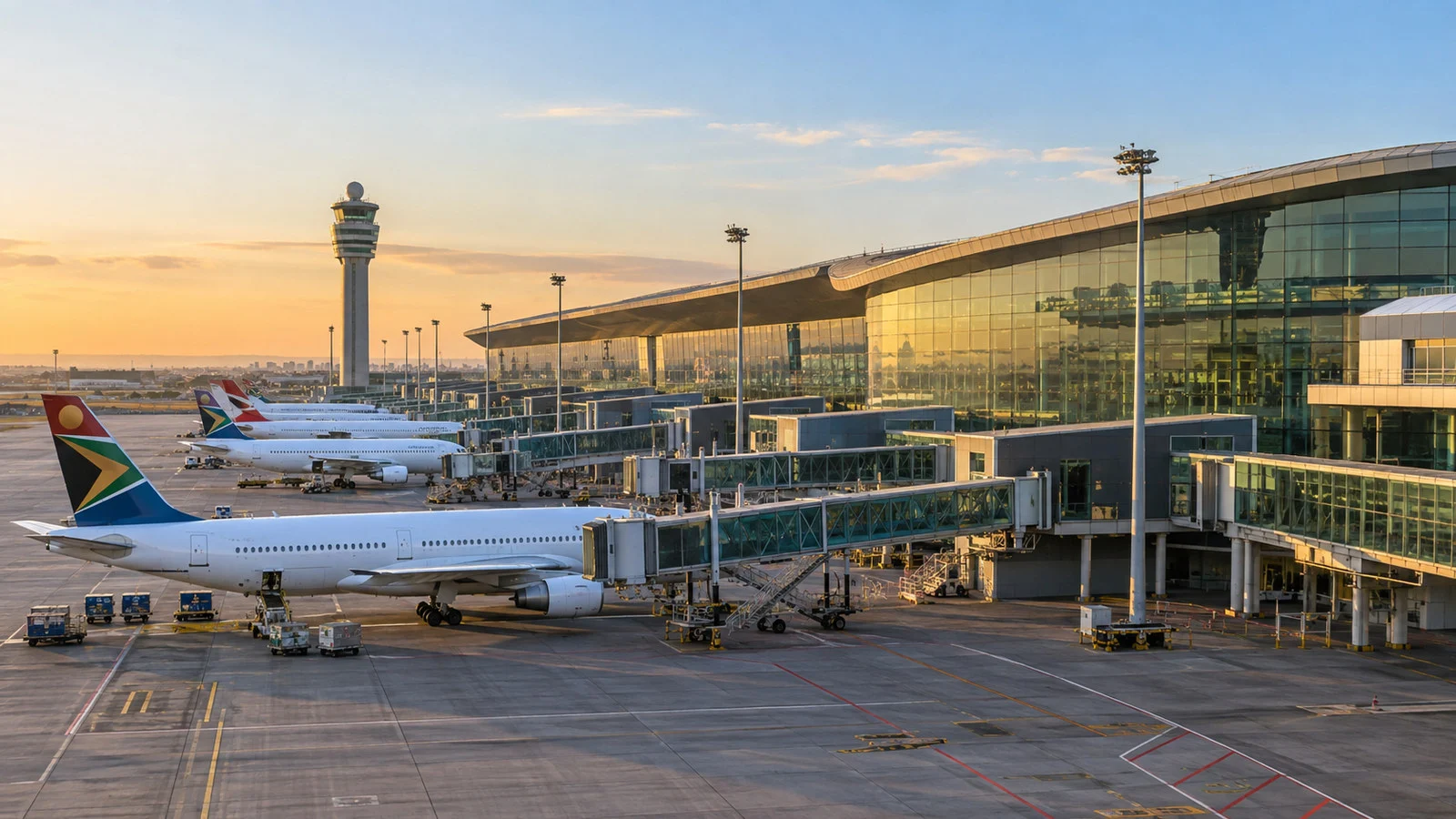
Johannesburg is not a cruise port, but it can be the city that decides whether your South Africa trip feels smooth or frantic. Many international travelers pass through OR Tambo International Airport before continuing to Cape Town, Durban, or a safari region.
My practical advice is simple: give Johannesburg one clear job. Use it as a recovery night, a real city stop, or a safari gateway, then protect the separate journey to your coastal embarkation port.
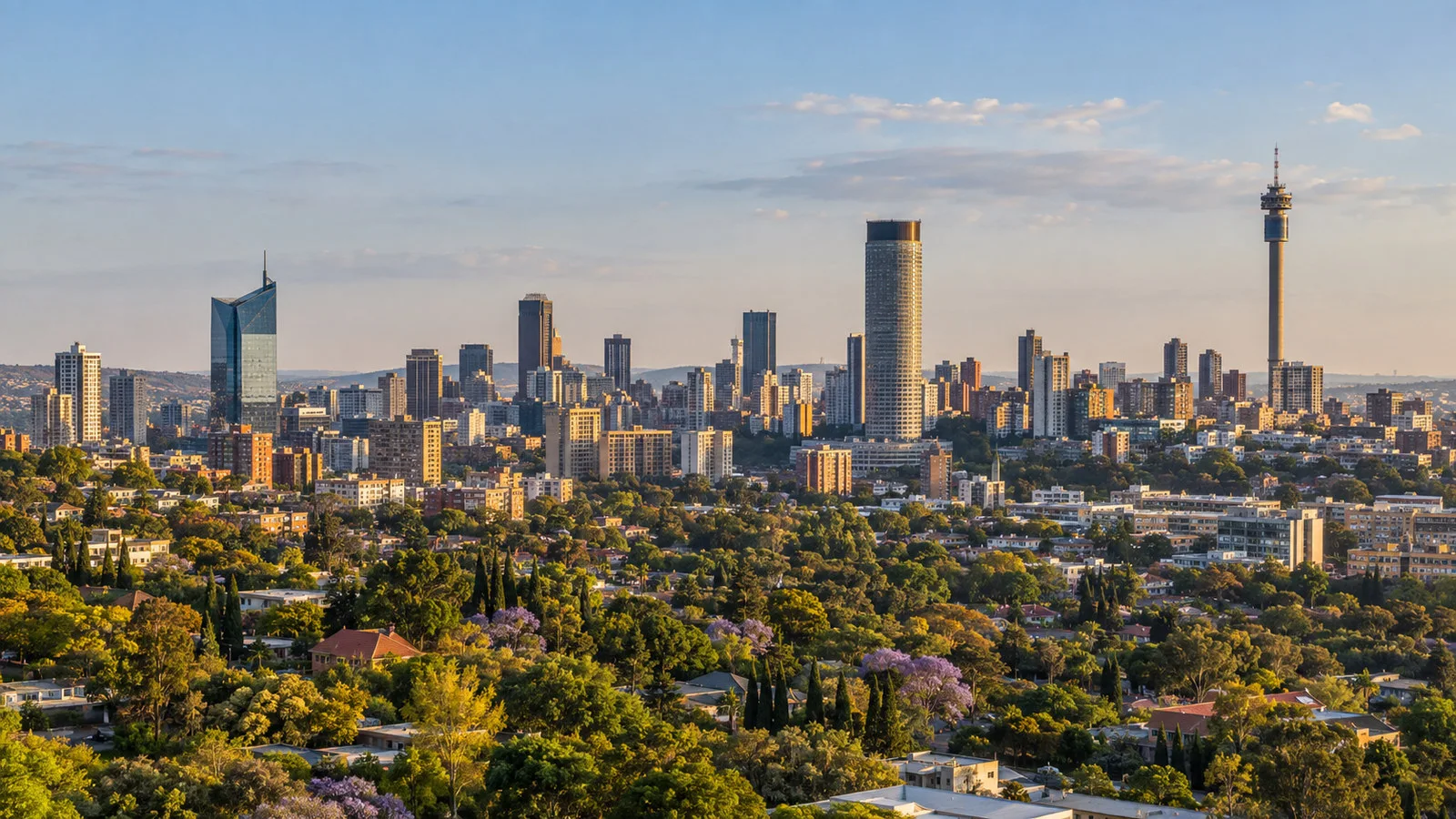
Johannesburg quick facts
- What Johannesburg is: An inland air gateway, not an ocean cruise port
- Main airport: OR Tambo International Airport, code JNB
- Common cruise connections: Domestic flights to Cape Town or Durban
- Best city bases: Sandton for convenience or Rosebank for a more neighborhood-focused stay
- Best schedule-first base: An airport hotel for a late arrival, early departure, or short overnight
- Airport rail: Gautrain connects the airport with Sandton, but it does not operate around the clock
- Currency: South African rand, abbreviated ZAR
- Connection rule: Reach the actual embarkation city at least one day before sailing
Johannesburg is a gateway, not the cruise port
Johannesburg sits far inland and has no ocean cruise terminal. Your booking documents should name a coastal embarkation city, most commonly Cape Town or Durban on a South Africa itinerary.
A domestic flight is the normal bridge between Johannesburg and the coast. Check whether the long-haul and domestic sectors share one protected reservation, whether bags are checked through, and where immigration and customs occur.
Separate tickets create a larger risk because the second airline may not protect you after a delay on the first. An overnight gives you recovery time for a late arrival, baggage problem, weather disruption, or schedule change.
Where to stay in Johannesburg
Sandton for the easiest first stay
Sandton is the most straightforward base for many first-time visitors because Gautrain links it with the airport. It also offers a large concentration of hotels, restaurants, shopping, and established transportation services.
Choose a hotel with a clearly explained route from the station, especially when carrying luggage. A short map distance can still involve a busy road, confusing entrance, or final vehicle transfer.
This area works well for one or two nights and for travelers joining a prearranged city tour. It is still a major urban district, so arrange transportation after dark and follow current local guidance.
Rosebank for a neighborhood feel
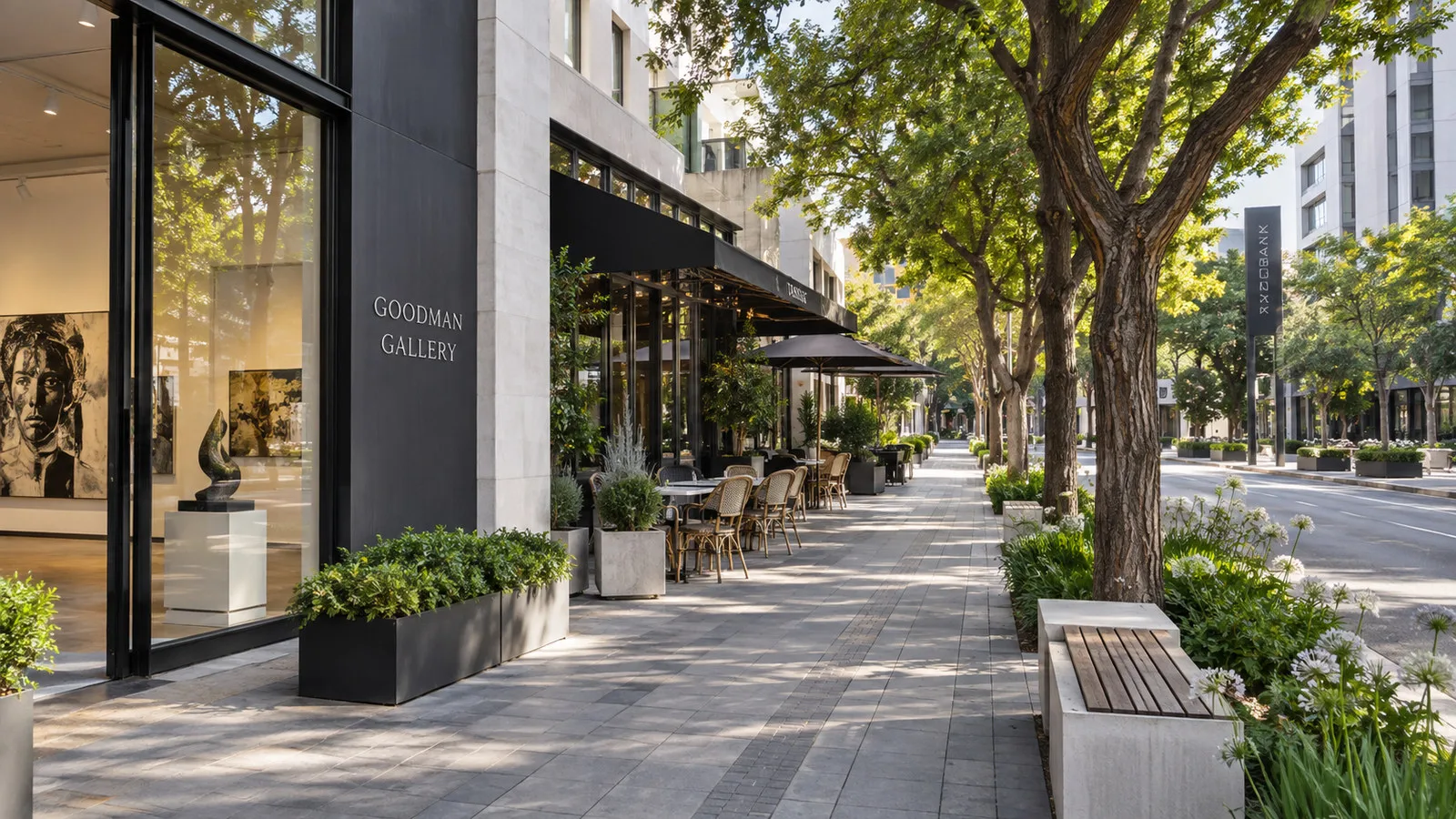
Rosebank combines hotels, restaurants, shops, galleries, and its own Gautrain station. The airport journey normally involves changing trains at Sandton, which adds a small logistical step with bags.
I would choose Rosebank when the stay is long enough to enjoy the area rather than simply sleep. Verify the walking route between the station and hotel before booking.
Airport hotels for timetable protection
An airport hotel is the sensible choice after a very late arrival, before an early flight, or during a short overnight. Look for a property inside the airport complex or one with a scheduled shuttle and a precise pickup location.
The tradeoff is convenience instead of a meaningful city experience. If you have a full sightseeing day, Sandton or Rosebank usually gives you a better base.
Central Johannesburg needs specific planning
The central business district contains significant architecture and history, with Constitution Hill nearby. It also requires more deliberate street-by-street planning than a first-time hotel stay in Sandton or Rosebank.
Do not choose a central property on price alone. Confirm the immediate surroundings, hotel security procedures, transportation, and the route you would use after dark.
Getting from OR Tambo to your hotel
Gautrain connects OR Tambo with Sandton and the broader rail network. Its official site provides a live trip planner, schedules, fares, station information, and guidance for passengers with disabilities.
The train does not run all night, so check the live schedule for your arrival date and allow time for immigration and baggage claim. Do not assume a scheduled landing time guarantees a usable train.
Gautrain accepts its own card and supports contactless bank-card travel. Use the same payment method to enter and exit, and keep your luggage with you.
Outside rail hours, use a hotel-arranged transfer or another established service. Verify the driver’s name, vehicle, and destination before leaving the terminal.
How much connection buffer do you need?
The safest cruise plan is to reach the actual embarkation city at least one day before sailing. That means Johannesburg should not be the place where you wake up on embarkation morning unless the timing leaves an unusually large margin.
A same-day trip from Johannesburg to the ship adds a domestic flight, baggage handling, a coastal airport transfer, and a hard all-aboard deadline. A routine delay can turn each of those steps against you.
For separate tickets, a complicated safari transfer, or travel during a disruption-prone period, more margin is worthwhile. Travel insurance may help financially, but it cannot make a missed sailing feel easy.
Before the cruise
Sleep after the long-haul arrival, then fly to the coast with enough time to absorb a problem. When possible, spend the final pre-cruise night in the embarkation city.
After the cruise
An international departure on disembarkation day needs a generous and realistic connection. An overnight near OR Tambo can remove much of the stress after a delayed ship arrival or domestic flight.
What to do with one free day
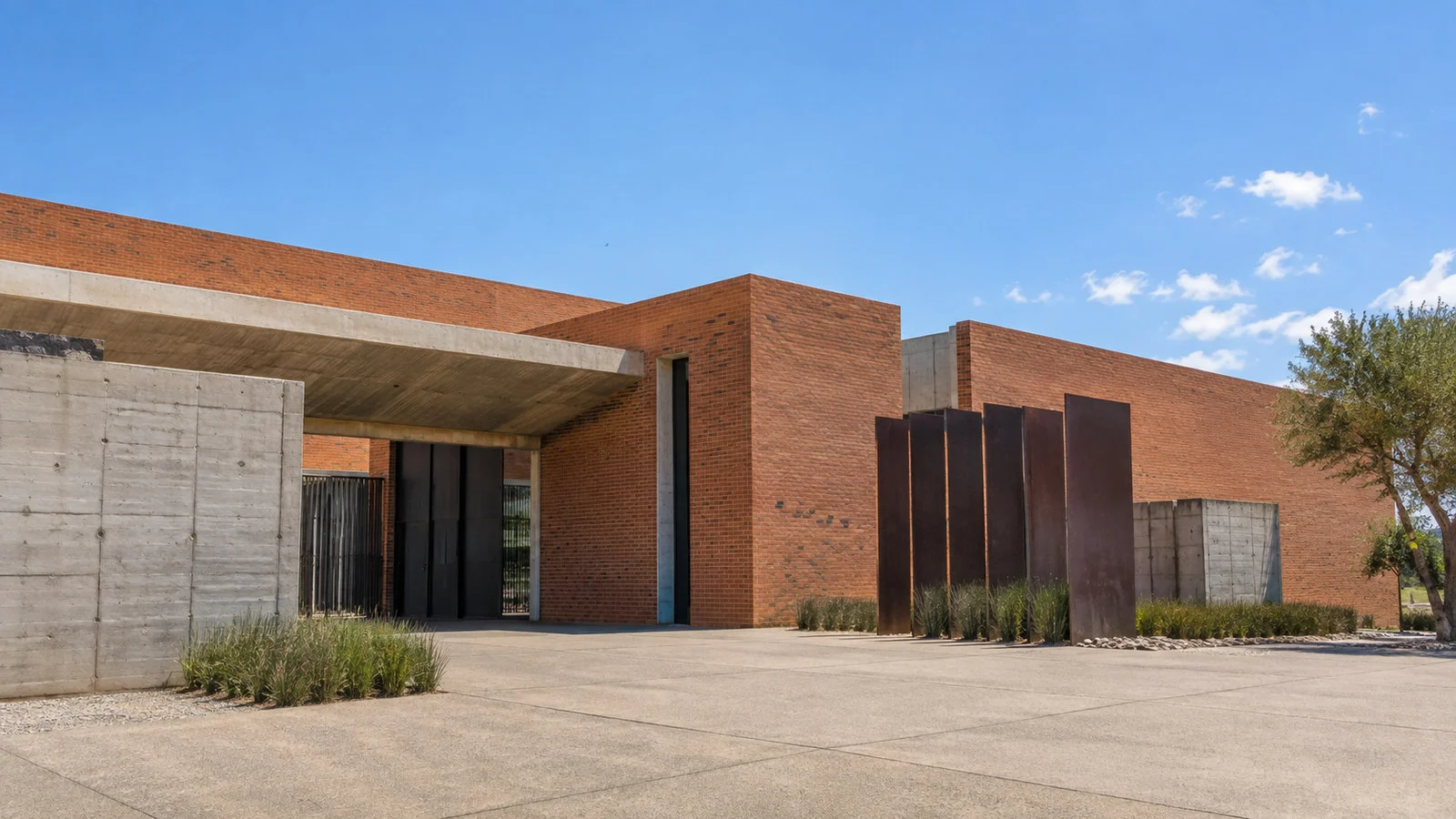
Johannesburg’s most rewarding sights deserve more than a rushed airport layover. Choose one or two compatible stops and arrange the transportation before leaving the hotel.
Apartheid Museum
The Apartheid Museum explains the rise and fall of apartheid and provides essential context for modern South Africa. Its official site currently lists opening Tuesday through Sunday from 9 AM to 5 PM and on most public holidays.
Give the museum enough time for the permanent exhibition rather than treating it as a quick photo stop. Monday travelers need a different plan, and every visitor should reconfirm hours and final admission.
Constitution Hill
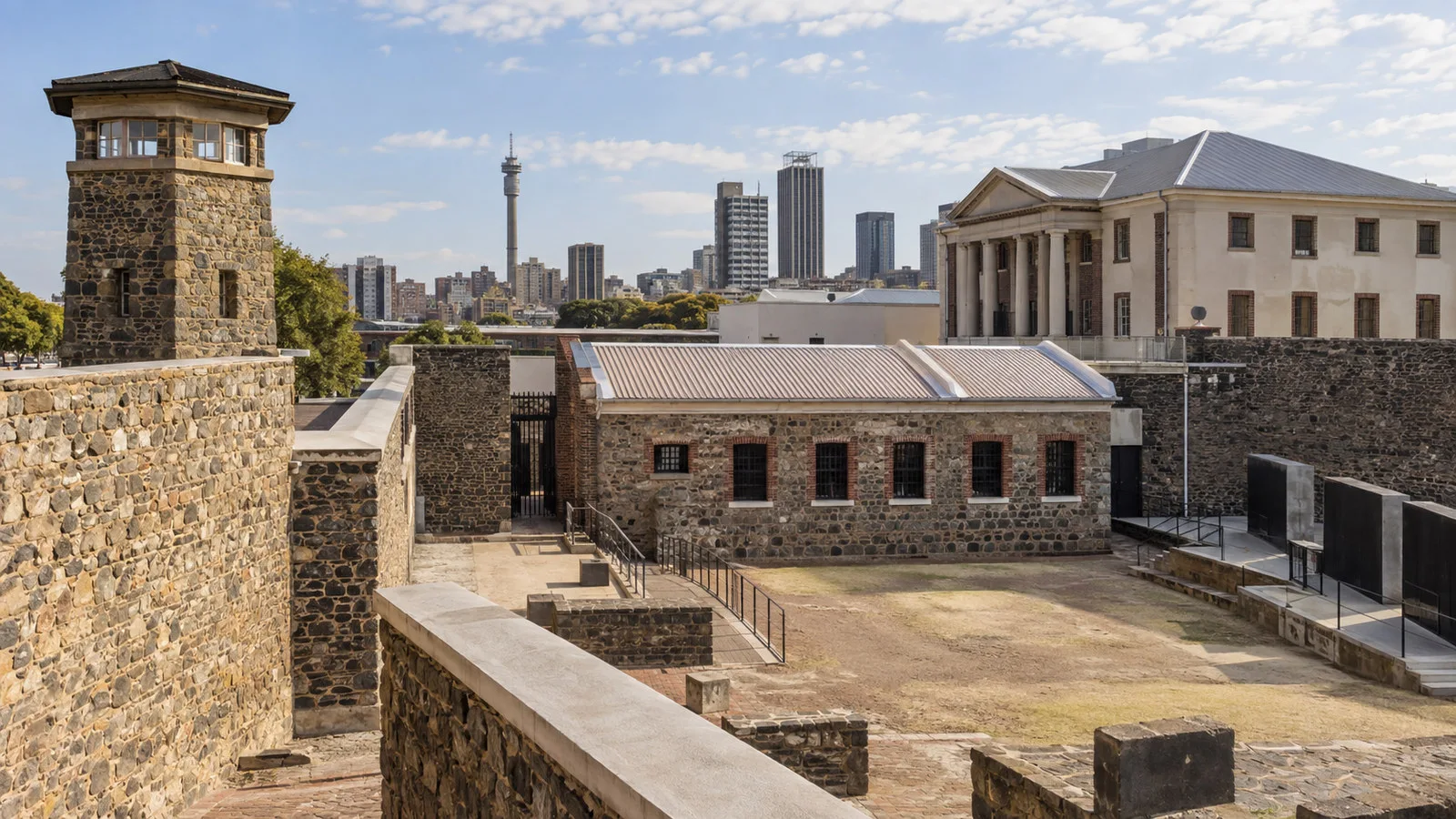
Constitution Hill connects former prison sites with South Africa’s Constitutional Court. It is a strong single destination for travelers interested in the country’s journey from oppression toward constitutional democracy.
Check current tour times, court access, opening hours, and accessibility before departure. A defined visit with arranged transportation is more efficient than trying to improvise several central-city stops.
Soweto with a knowledgeable guide
Soweto’s history deserves context, especially around the Hector Pieterson memorial area and Vilakazi Street. A reputable guide can connect the places to the people and events that shaped them.
The current United States advisory recommends visiting townships only with someone familiar with the area. Book a defined itinerary with hotel pickup and return, then confirm admissions and walking distances.
Cradle of Humankind
The Fossil Hominid Sites of South Africa form a UNESCO World Heritage property with exceptional evidence about human evolution. Maropeng is a practical visitor anchor for a planned outing beyond the city.
This is not a Gautrain excursion, so reserve round-trip transportation. Verify which visitor sites, exhibitions, and cave experiences are operating because access can change.
Adding a safari before or after the cruise
A safari can pair beautifully with Johannesburg, but it should be planned as a separate trip segment. Give the lodge enough nights to justify the transfer and preserve another buffer before embarkation.
Ask the operator which airport to use, how the ground transfer works, and whether a small aircraft has strict baggage limits. Also ask what happens when weather delays a flight or makes a road transfer late.
A cross-border safari can add visa, vaccination, and baggage requirements beyond those for South Africa. Check every country on the actual route instead of assuming one set of documents covers the whole extension.
Entry and transit requirements
South African entry rules depend on nationality, passport type, trip length, and whether you enter the country. The Department of Home Affairs visa-exemption page states clearly that its list is subject to change without notice.
Travelers transferring to a domestic flight should expect to enter South Africa before continuing. Confirm visa, passport, transit, and health requirements with South African authorities and the airline well before departure.
Rules for minors and yellow-fever certificates can depend on the traveler and recent journey. A safari that crosses another national border can change what documentation is required.
Safety in Johannesburg
No hotel district can guarantee safety, and descriptions such as “safe area” are too blunt to be useful. The current United States travel advisory rates South Africa Level 2 and cites crime, terrorism, unrest, and kidnapping.
The advisory notes that violent crime is more common in downtown areas of major cities, especially after dark. It recommends avoiding solo walks after dark, not displaying valuables, keeping vehicle doors locked, and staying alert.
Use hotel-arranged or otherwise established transportation and verify the vehicle before entering. Avoid unsolicited help with cash machines, luggage, phones, or transportation.
Conditions and official advice can change, so check the guidance issued by your own government as well. A sensible plan uses current local information rather than fear or false reassurance.
Accessibility
Gautrain publishes dedicated information for passengers with disabilities, but the complete journey includes more than the train. Confirm airport assistance, station elevators, the route from the station, vehicle access, and the hotel’s entrance.
Request airline assistance before travel and reconfirm it for every flight segment. Ask the hotel whether the path from the drop-off point to the room is step-free, not simply whether an accessible room exists.
Attractions vary, especially heritage buildings, outdoor memorials, and cave sites. Contact each venue about entrances, elevators, surfaces, seating, restrooms, and companion requirements.
Money, phones, and luggage
The South African rand is the local currency, and contactless cards are useful in many formal travel settings. Carry a backup payment method and use cash machines only in controlled, well-observed locations.
Set up roaming or a South African data option before leaving the airport. Download hotel addresses, flight confirmations, and driver contacts so one weak signal does not erase the plan.
Keep essential medication, documents, and a change of clothing in your carry-on bag. A delayed checked bag is much easier to manage when the cruise essentials are still with you.
Weather and altitude
Johannesburg is a high-elevation inland city, so its weather differs from Cape Town and Durban. Summer has a greater chance of afternoon thunderstorms, while winter mornings and nights can feel cold.
Pack a light warm layer even when the cruise wardrobe is designed for the coast. Travelers with a health condition affected by altitude should seek personal medical advice before the trip.
Common Johannesburg planning mistakes
The first mistake is calling Johannesburg the cruise port. It is the gateway, and you still need a separate journey to the ship.
The second is booking a same-day flight to embarkation with no recovery margin. Domestic flight timing, baggage, and the coastal transfer all sit between you and all aboard.
The third is choosing a hotel without checking the station or shuttle route. Airport convenience is only useful when the final transfer is clear.
The final mistake is turning one free day into four disconnected attractions. Johannesburg is large, so one well-planned museum and a thoughtful tour beat a day spent in traffic.
Final take
Johannesburg works best when you decide whether the stop is about rest, the city, or safari. Stay in Sandton or Rosebank for sightseeing, choose an airport hotel for a schedule-driven overnight, and reach the coast before embarkation day.
The extra night is not wasted time. It is what turns a chain of flights and transfers into the beginning of a vacation.
How this guide was researched: Unless a first-hand visit is explicitly identified above, this guide is based on independent research using official airport, rail, government, museum, heritage, and travel-advisory sources where available. Logistics and time-sensitive details were reviewed in September 2026; see the editorial policy.
More on this topic: browse every guide on expedition and alternative cruises.