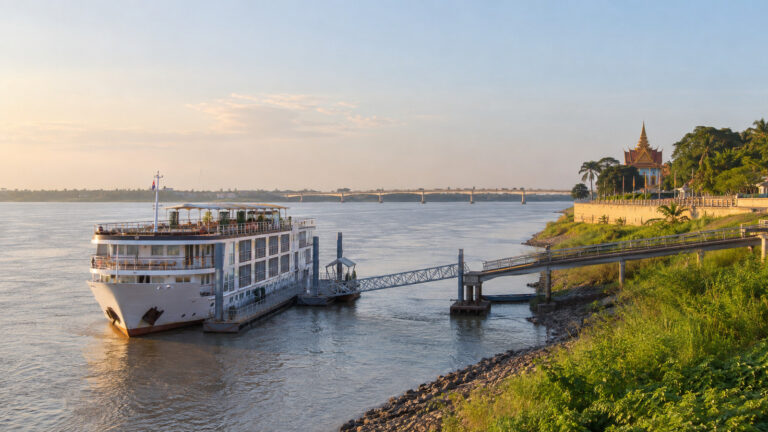
Hanoi Cruise Guide: Red River, Ha Long and Mekong Connections
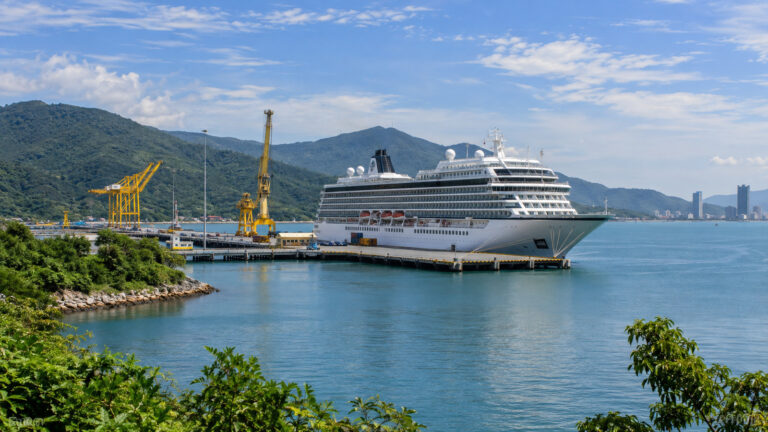
Hanoi is one of the most rewarding cities connected to a Vietnam cruise, but the phrase “Hanoi cruise port” can create the wrong picture. The capital sits inland, so your ship may be on the Red River, in Ha Long Bay, at a coastal port, or far south on the Mekong while Hanoi appears only as a hotel extension.
That distinction controls almost everything, including transfer time, luggage plans, how many nights you need, and whether an included tour makes sense. Before booking restaurants or museum tickets, find the exact vessel, embarkation point, and overnight schedule in your cruise documents.

My quick take
Hanoi deserves at least two nights if it is part of a longer river journey, and three nights feel better after an international flight. The Old Quarter, Hoan Kiem Lake, and the Temple of Literature can fit into a compact stay, but traffic and heat make an overpacked schedule tiring.
If you are visiting from an ocean ship near Ha Long, treat Hanoi as a long inland excursion rather than an easy port stroll. I would choose the city only if Hanoi itself is a priority, because the round trip can consume much of the call.
Quick Facts
- Country: Vietnam
- City: Hanoi
- Port reality: Hanoi has no central ocean cruise terminal
- Common cruise connections: Red River itineraries, Ha Long Bay sailings, Mekong cruise extensions, and coastal shore excursions
- Main airport: Noi Bai International Airport, code HAN
- Currency: Vietnamese dong, abbreviated VND
- Time zone: Indochina Time, UTC plus 7
- Best stay: Two or three nights for most cruise extensions
- Accessibility: Mixed, with busy sidewalks, curbs, traffic, heat, and many older buildings
- Planning priority: Confirm the exact ship, dock, hotel, flights, and transfers before making independent arrangements
First identify your kind of Hanoi cruise trip
The itinerary title is not enough. Look for the name of the ship and every overnight location, then compare those details with the operator’s transfer notes.
A Red River itinerary
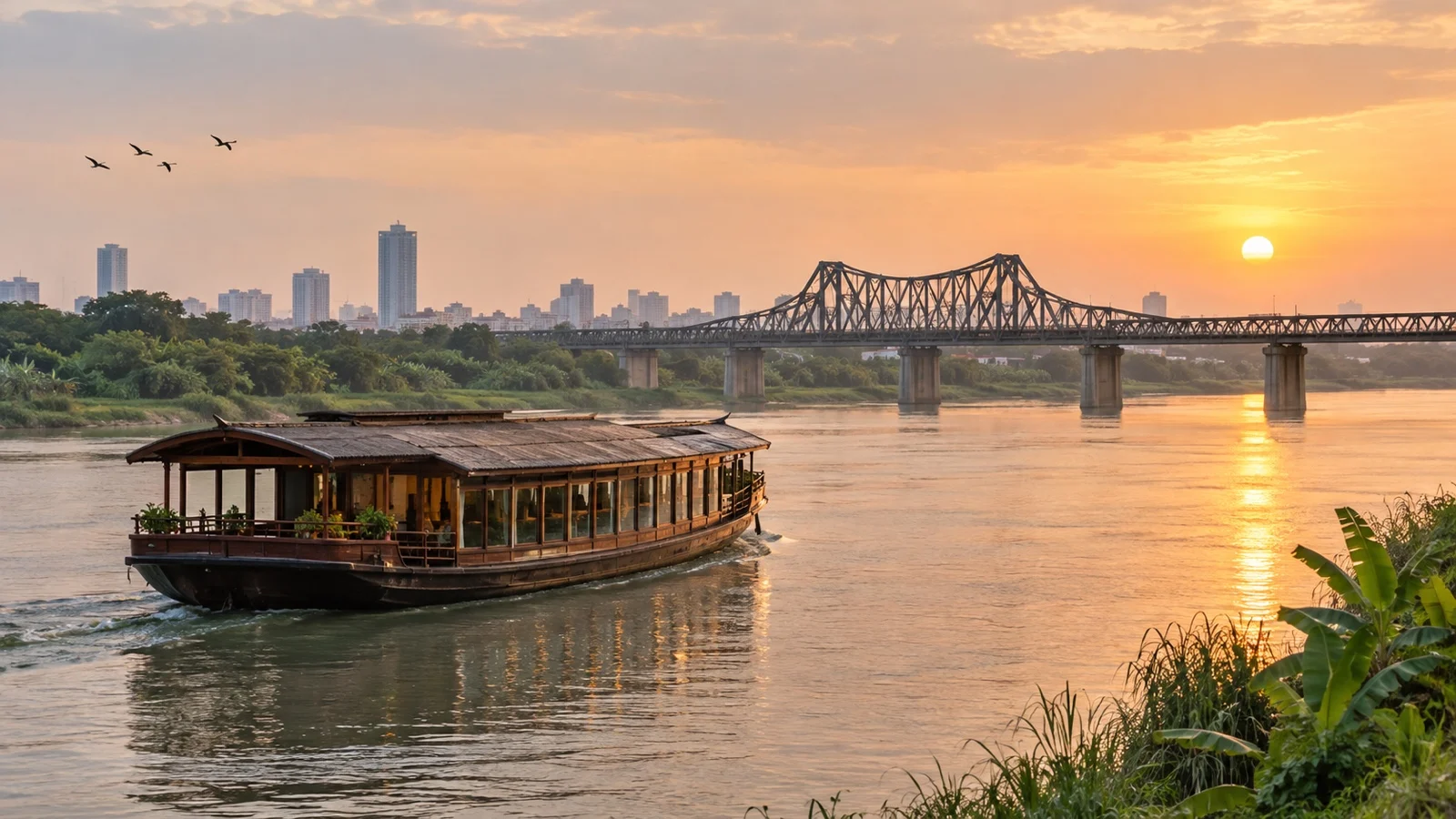
A small river vessel may use Hanoi as the gateway to a Red River and northern Vietnam program. In that case, the city stay and the sailing can be closely linked, but the exact boarding point may be outside the historic center.
Do not assume you can walk from an Old Quarter hotel to the ship. Ask the operator for the pier name, transfer meeting point, luggage deadline, and emergency contact, because river operations can adapt to water conditions and local requirements.
A Ha Long Bay sailing
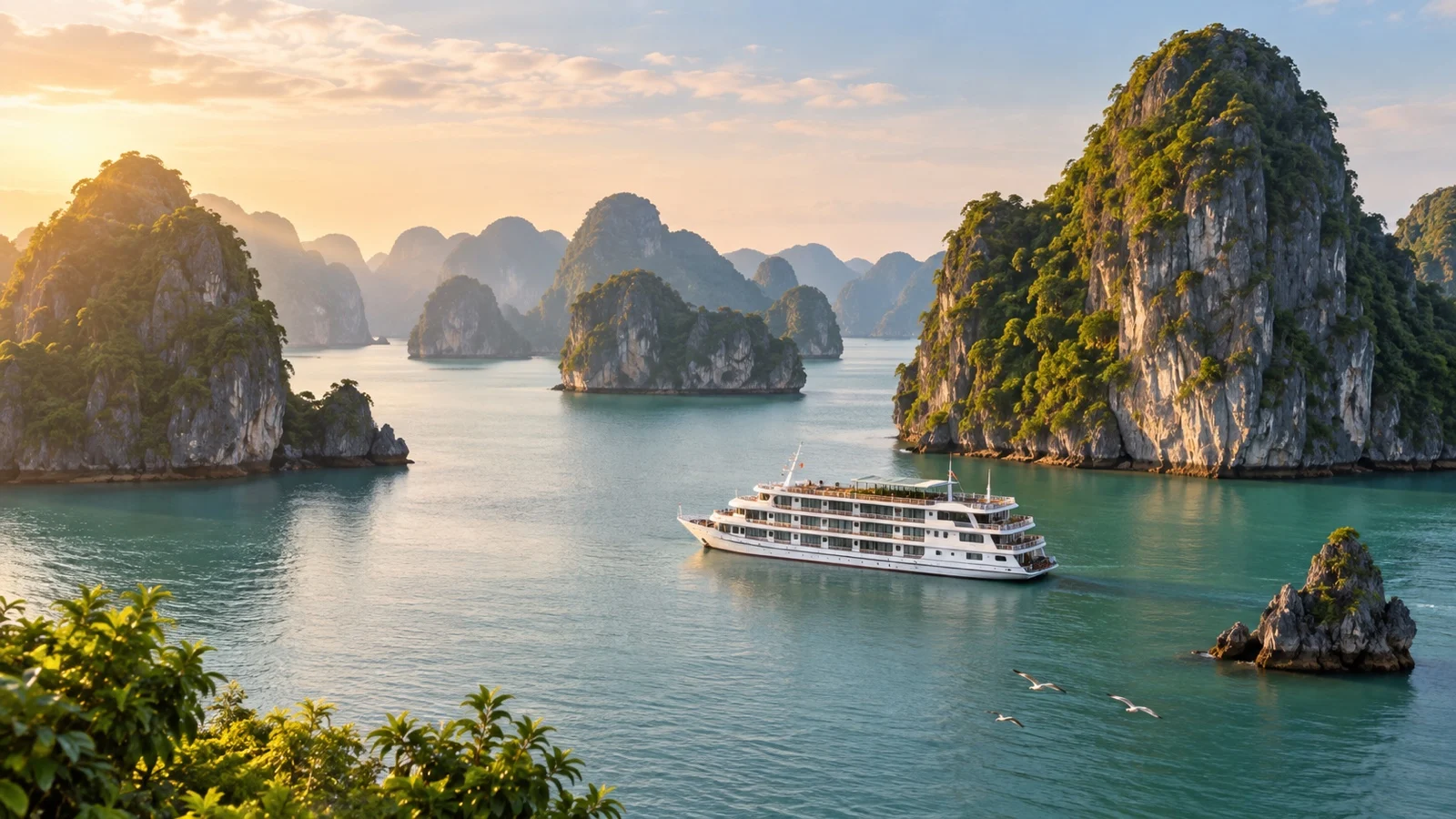
Many northern Vietnam trips pair Hanoi with an overnight cruise among the limestone islands of Ha Long Bay. This is a road transfer between separate destinations, not a cruise from central Hanoi to the bay.
The UNESCO World Heritage Centre describes Ha Long Bay and the Cat Ba Archipelago as a vast seascape of limestone islands and islets. The scenery explains why the bay deserves its own time instead of being treated as a quick extension of a Hanoi sightseeing day.
A Mekong cruise with a Hanoi extension
A Mekong river cruise does not begin in Hanoi. Operators may package a Hanoi hotel stay and a domestic flight with a Mekong sailing, but the ship itself operates much farther south in Vietnam or Cambodia.
Read the air and transfer arrangements carefully, especially if the trip includes independently booked flights. A delay that seems minor on a city break can become serious when it affects a charter transfer or a ship that will move after embarkation.

An ocean cruise excursion
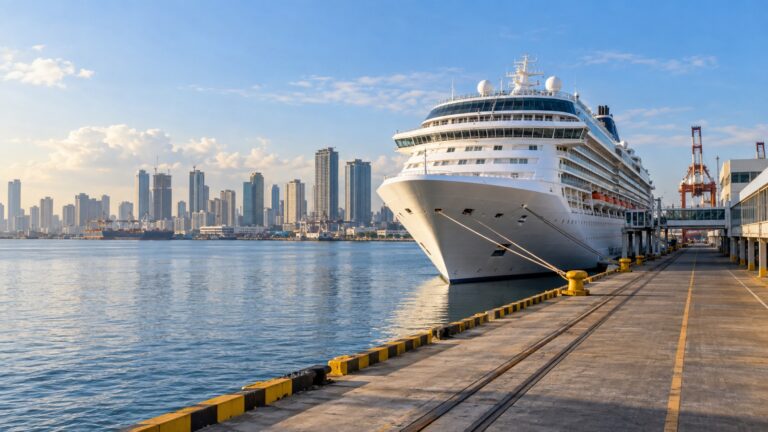
Ocean ships generally use a coastal gateway rather than Hanoi itself. If your cruise line sells a Hanoi excursion from the Ha Long area, expect a substantial drive each way and a structured city visit.
A ship-sponsored excursion provides useful schedule protection if traffic delays the return. Independent travelers need an especially conservative turnaround plan, the precise berth information, and a driver who understands the correct terminal or anchorage.
Arriving through Noi Bai International Airport
Noi Bai is Hanoi’s main airport, with domestic flights using Terminal 1 and international flights using Terminal 2. The official airport website publishes terminal maps, passenger guidance, transportation information, and accessibility facilities.
Confirm the terminal before arranging a pickup, particularly if a domestic connection follows an international arrival. The airport provides a free interterminal shuttle, but building extra time into the connection is still wiser than relying on a tight schedule.
For a cruise extension, a prearranged hotel or operator transfer is usually the least stressful choice. If you use a taxi or app-based car, follow current airport instructions for the official pickup area and verify the vehicle details before entering.
Hanoi traffic can make travel times variable, so avoid promising yourself a precise arrival hour. Keep the first evening light and place any prepaid attraction or food tour after you have checked into the hotel.
A practical two-day Hanoi plan
Two well-organized days give you a useful introduction without turning the city into a race. The best order depends on your hotel, opening hours, weather, and the meeting times set by the cruise company.
Day one around Hoan Kiem Lake and the Old Quarter
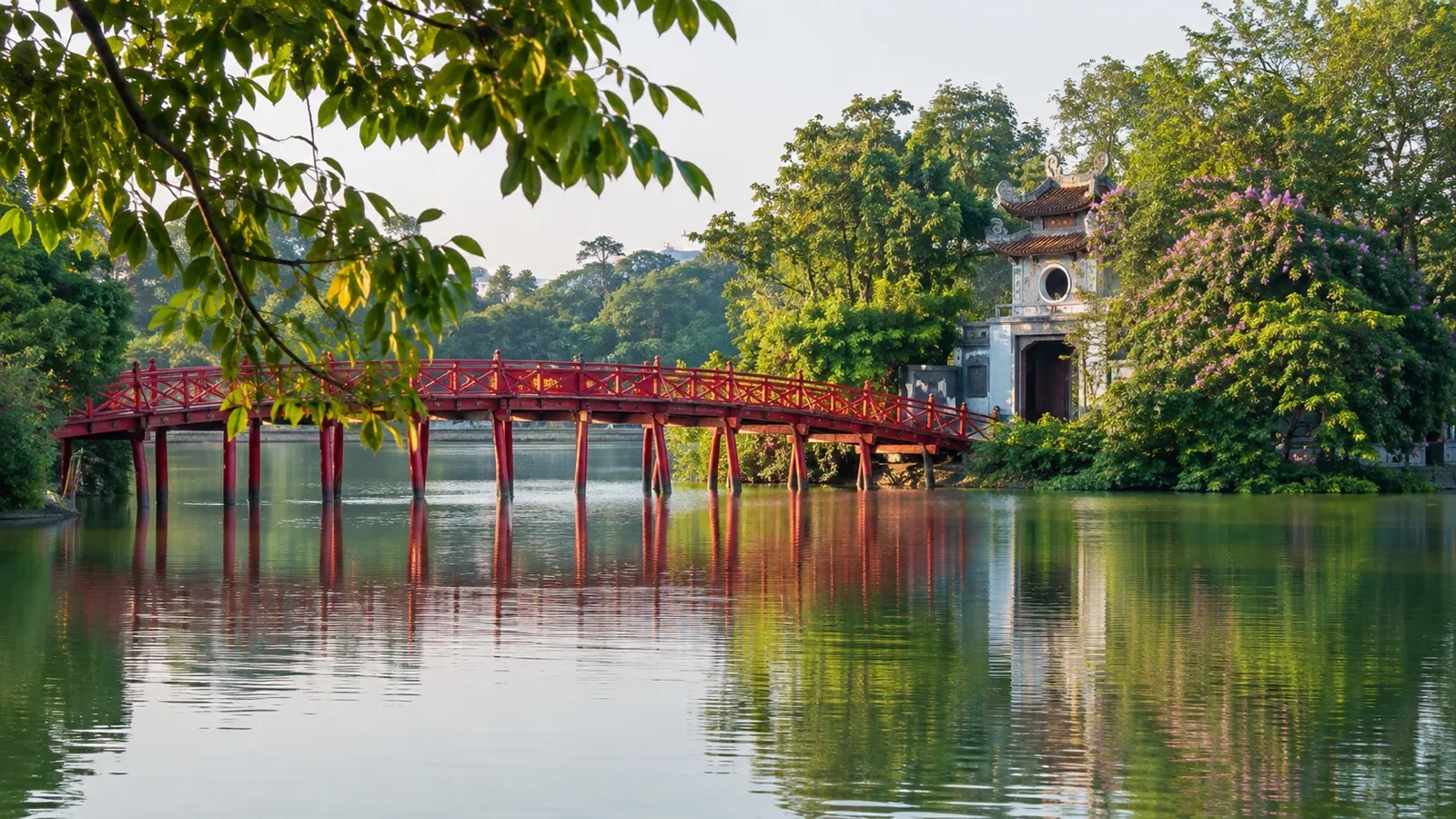
Begin near Hoan Kiem Lake, where the open water provides an easy visual anchor before you enter the denser streets of the Old Quarter. A slow loop lets you adjust to traffic, humidity, and the rhythm of crossing streets before you add more demanding stops.
The Old Quarter rewards wandering, but it is not a pedestrian zone in the usual sense. Motorbikes, delivery activity, broken pavement, and narrow storefronts require attention, so keep valuables secure and pause in a safe place before checking your phone.
Food is part of the pleasure, yet the smartest first meal is not necessarily the stall with the longest social media queue. Choose a place with visible turnover and sensible hygiene, and tell a guide or server clearly about allergies.
If energy remains, add a water puppet performance or an evening walk near the lake. Reserve ahead during busy periods, but leave enough margin to arrive without rushing through unfamiliar streets.
Day two at the Temple of Literature and one deeper stop
Start at the Temple of Literature, known in Vietnamese as Van Mieu and Quoc Tu Giam. Its official site identifies it as a special national historical site and provides current opening hours, admission details, entrances, and visitor programs.
The official Temple of Literature website currently lists daytime hours from 8 a.m. to 5 p.m. daily and standard adult admission of 70,000 VND. Check again shortly before visiting because schedules, prices, and separately ticketed evening programs can change.
For the afternoon, choose one substantial interest instead of three rushed landmarks. Options might include a focused museum visit, French colonial architecture, a guided food experience, or a neighborhood walk with someone who can explain what you are seeing.
Build in a real break before dinner, especially in hot or humid weather. Hanoi is more enjoyable when you have enough energy to notice daily life rather than simply move between photo stops.
Should you take the included tour?
An included city tour is valuable when it solves transfer logistics, stores luggage, and keeps your schedule aligned with a flight or ship departure. It can also provide useful context at sites where a facade or courtyard means little without explanation.
The tradeoff is pace. Large groups may spend time waiting, shopping stops may not interest you, and a standard route can feel rushed in the Old Quarter.
Independent touring works best when you have a full hotel day and no same-day embarkation pressure. If the ship or an included flight departs that afternoon, I would prioritize the operator’s transport plan over squeezing in one more attraction.
Accessibility without wishful thinking
Hanoi can be challenging for wheelchair users and travelers with limited mobility. Sidewalks may be narrow, uneven, crowded, or blocked, while curbs and street crossings can require help.
Older attractions, restaurants, and shops may have steps, small thresholds, or restrooms that are difficult to access. Ask for specific measurements and photos rather than accepting a vague claim that a venue is accessible.
A private vehicle with door-to-door service can reduce strain, although traffic may limit where it can stop. Plan fewer sights, schedule seated breaks, and confirm whether a guide can adjust the route in real time.
The official Noi Bai airport site publishes information about facilities for passengers with disabilities or reduced mobility in both terminals. Arrange airline assistance in advance and reconfirm it before travel, especially when changing between international and domestic flights.
The Ha Long connection
Hanoi and Ha Long Bay are often sold together because they complement each other, not because they share one port. Hanoi delivers food, history, street life, and urban energy, while the bay provides quiet water and a dramatic karst landscape.
Transfer details vary by operator and by the vessel’s embarkation point. Confirm whether transportation is included, whether the vehicle collects from your exact hotel, and whether luggage restrictions differ from your international flight allowance.
An overnight sailing usually offers a fuller experience than a rushed out-and-back visit, but even overnight programs can change with weather and local operating rules. Keep expectations flexible and follow the vessel’s safety announcements.
The Mekong connection
Hanoi is often the cultural opening to a Mekong itinerary, yet joining the ship requires a major repositioning. That may involve a domestic flight, a hotel night in another city, and a road transfer to a river landing.
Check whether the operator handles checked baggage through each stage or expects you to collect and recheck it. Also confirm what happens if the included flight changes, because the final embarkation point may not be convenient for an independent late arrival.
Place essential medication, documents, a change of clothing, and basic toiletries in your carry-on. River cabins and small vessels may have tighter storage than a hotel, so a flexible bag is often easier than a large rigid suitcase.
Visa and entry rules
Vietnam’s entry requirements depend on nationality, passport type, length of stay, and the way you enter and leave the country. Rules can change, so do not treat a cruise forum or an old confirmation email as final authority.
Use Vietnam’s official electronic visa portal at evisa.gov.vn and confirm requirements with the appropriate Vietnamese embassy or consulate. Make sure the name, passport number, dates, and approved entry information match your documents before travel.
Cruise packages can cross borders or include multiple Vietnamese entries, which may affect what documentation you need. Ask the cruise line to state the planned immigration process in writing, but remember that the traveler remains responsible for valid documents.
Money, connectivity, and street smarts
The Vietnamese dong is the everyday currency, and small notes are useful for modest purchases. Use reputable ATMs or exchange services, keep cards in sight during payment, and avoid carrying more cash than you need for the day.
Hotel Wi-Fi is common, while a local eSIM or SIM can make navigation and driver communication easier. Download the hotel address and cruise contact details for offline use in case data service fails.
Traffic is the most immediate practical challenge for many visitors. Cross predictably, avoid sudden movements, and follow a local guide when you are unsure rather than copying a confident stranger halfway across the street.
Petty theft can occur in crowded places, so use a closed bag and keep your phone away from the road edge. For current security and health information, consult your own government’s travel advice before departure.
Weather and packing
Hanoi has hot, humid periods, a wetter summer pattern, and cooler winter conditions than southern Vietnam. Weather varies enough that checking the forecast shortly before departure is more useful than packing from a generic seasonal label.
Lightweight clothing, comfortable walking shoes, sun protection, and a compact rain layer cover many days. Add a warmer layer in the cooler months and for strong air conditioning on buses, aircraft, or ships.
Dress requirements depend on the place you visit. Carrying a light layer that covers shoulders and knees gives you flexibility for temples, memorial spaces, and formal cultural sites.
Pack medication and anything essential for embarkation in your personal bag. If checked luggage is delayed, the ship may not remain in one place long enough for easy delivery.
Common planning questions
Does a river ship sail through central Hanoi?
Some northern Vietnam itineraries use the Red River system, but that does not mean every vessel docks beside the Old Quarter. The operator’s current pier and transfer instructions are the only details you should use on embarkation day.
Is Hanoi where a Mekong cruise begins?
No, Hanoi is not on the Mekong. A package may begin with sightseeing in Hanoi, then move guests south by air and road before the actual river sailing.
Can I visit Hanoi from an ocean ship?
Yes, some coastal calls offer a Hanoi excursion, but it is a long day with significant road time. Compare the total travel time with the hours actually spent in the city before deciding.
How many nights should I allow?
Two nights provide one full sightseeing day, while three nights give you more recovery time and a better buffer for international travel. Add another night if Hanoi is a major personal priority or if your cruise transfer begins early.
What should I confirm before sailing?
Confirm the ship name, pier or meeting point, hotel, pickup time, luggage allowance, flight details, visa responsibility, and emergency contact. Save those details offline and carry a printed copy with your passport documents.
The last word
Hanoi is a superb cruise gateway once you stop thinking of it as a simple port. Its real value is the contrast it brings to quiet bays and rural rivers, with history, food, street life, and layers of culture concentrated into a vivid city stay.
The most important planning move is wonderfully unglamorous: identify exactly where your ship is and how you reach it. Once that is settled, leave enough time, resist the urge to overfill each day, and let Hanoi be more than a transfer on the way to the water.
More on this topic: browse every guide on expedition and alternative cruises.