Cruise Ports Where You Can Snorkel Straight Off the Beach
The best snorkeling of your cruise might cost you nothing but a taxi fare. No boat, no tender ticket and no excursion receipt, just a beach with reef close enough to swim to and the sense to check the water before you get in.
My quick take
Shore snorkeling is a much shorter list than the internet suggests. Most tropical ports have pretty water and no reef within swimming range of a public beach, which is why the ship sells you a boat.
The places below are the ones where walking or a short ride genuinely gets you onto living reef, and I have kept out the ones that only work with a captain. I would rather give you nine real entries than fifteen with padding.
The quick facts
- Best overall: Bonaire, where almost the entire sheltered west coast is reef you can wade to.
- Easiest on foot: Grand Cayman, where a walk south from the tender landing puts you over Eden Rock.
- Biggest catch: Hanauma Bay is closed two days a week and needs a reservation most cruisers do not have.
- What to carry: Your own mask, a rash guard and reef-safe sunscreen, because rental gear ashore is a lottery.
- The honest part: Visibility swings with wind, rain and swell, and no guide can promise you a clear day.
What straight off the beach actually means
I am being strict about the definition here. Shore snorkeling means you walk in from sand or a ladder, swim out under your own power, and come back to the same spot without anybody’s boat.
That rules out a lot of famous names. Stingray City, the Tobago Cays and the offshore reefs south of Cozumel are all boat trips, and calling them shore snorkeling would just waste your morning.
Bonaire is the reason this list exists
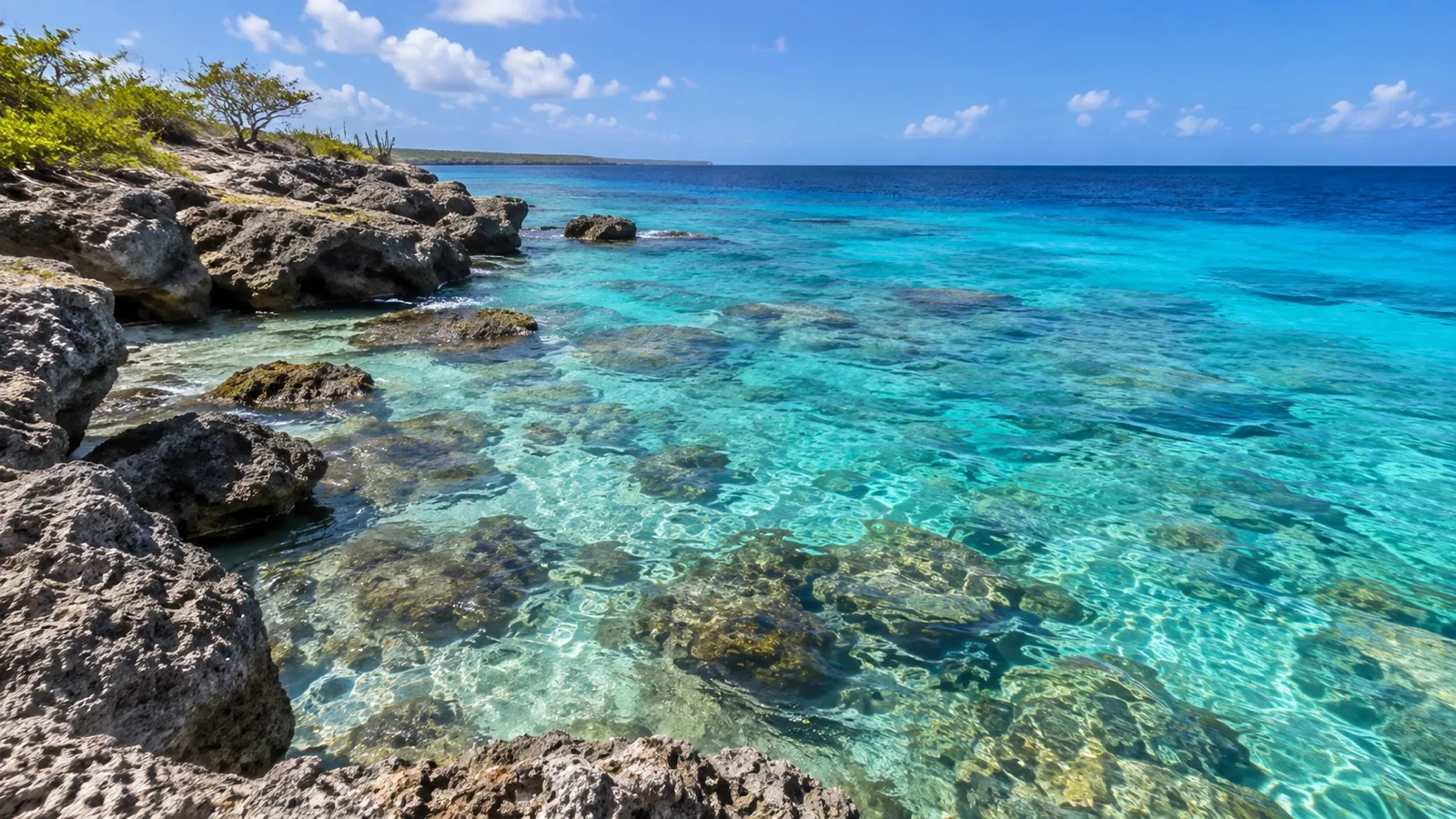
If you only ever do one shore snorkel from a cruise ship, do it here. Ships tie up at the North or South Pier right on the Kralendijk waterfront, so you step off into town rather than onto a tender.
The whole leeward coast is protected water, and the reef sits close to shore along most of it. Sites like 1000 Steps are a drive up the coast road, but you can also find good water within a short taxi ride of the piers, which is what makes a port day in Kralendijk so unusually easy to plan.
There is one thing you must handle before you get wet. Everyone entering the water buys an annual nature fee, currently 40 dollars per person for the calendar year, and it applies to snorkelers exactly as it does to divers.
Curacao gives you the same water and more to do with the rest of the day
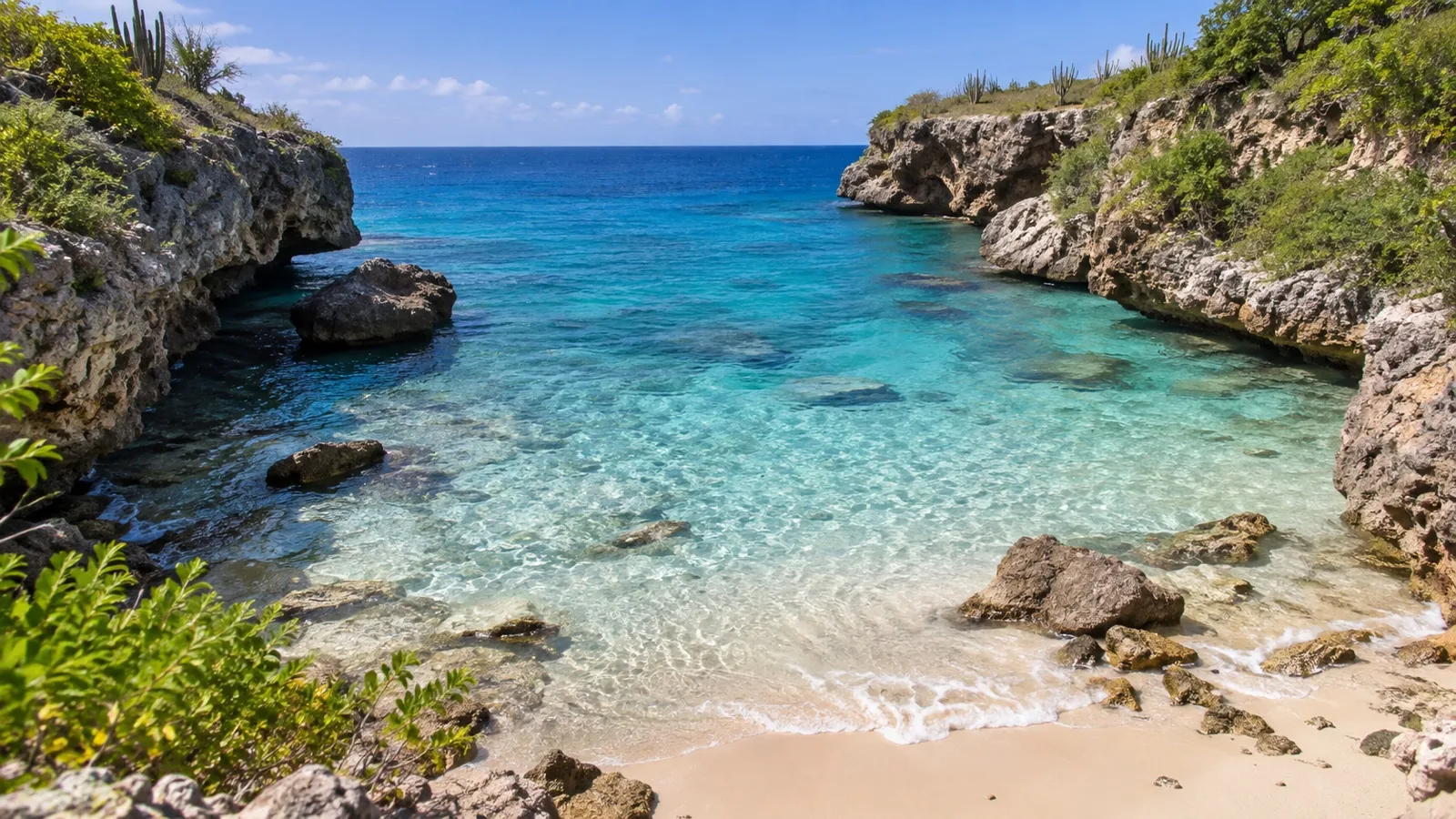
Curacao sits in the same sheltered corner of the Caribbean and shares the same habit of putting reef close to shore. Ships dock at the Mega Pier or inside St. Anna Bay, and both are walkable to Willemstad.
The snorkeling is on the west side, not in town. Playa PortoMari has a house reef straight off a sheltered beach, and Cas Abao is the comfortable version with sand, loungers and a bar, both a taxi ride from the pier.
What I like about Curacao is the fallback. If the wind is up and the water is stirred, you go back to Willemstad and the floating bridge and still have a good day, which is not true of an island where the beach was the whole plan.
Grand Cayman has the only reef you can walk to
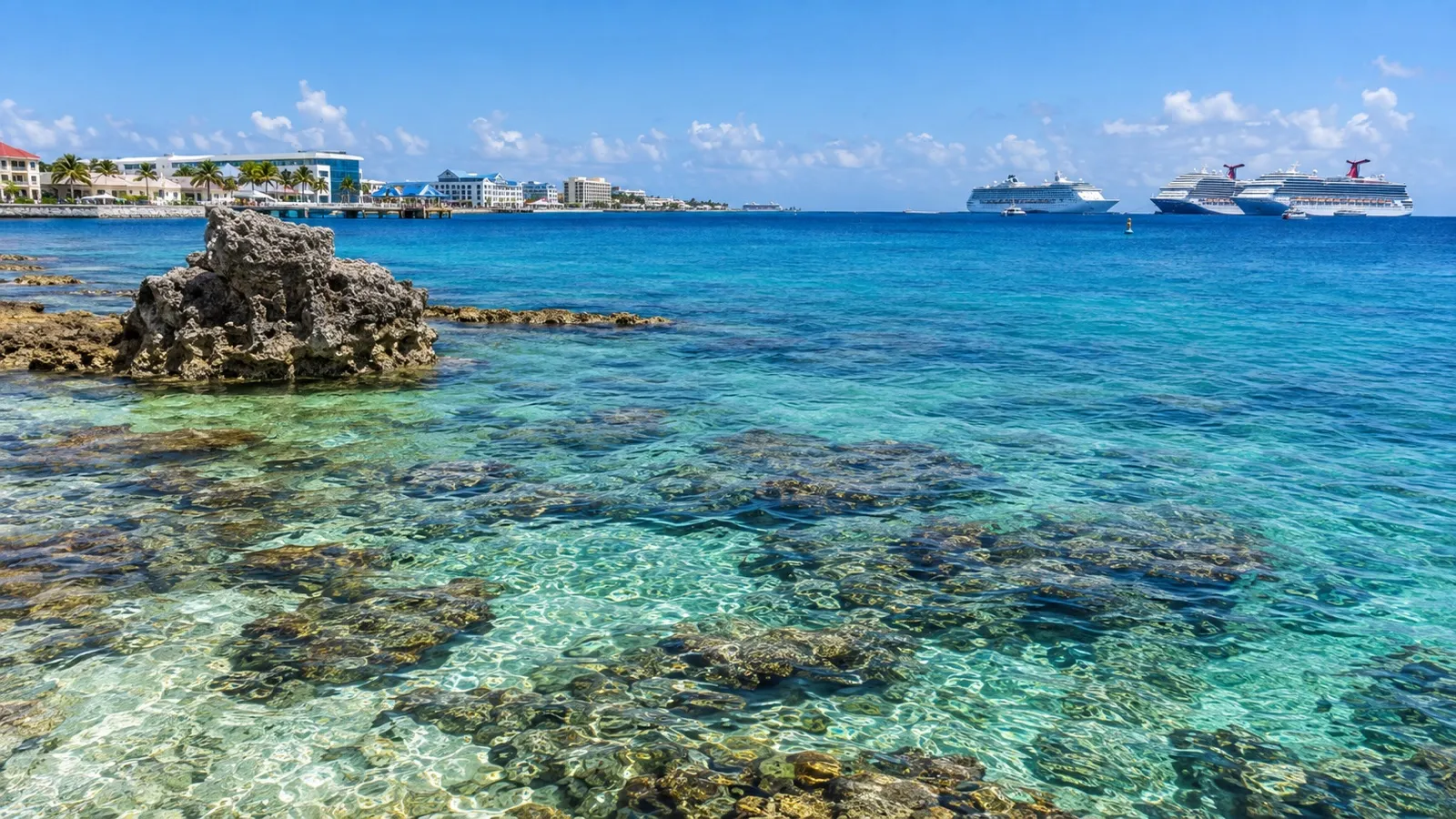
George Town is a tender port, so your day starts with a line and a boat ride you did not choose. The upside is that the tender drops you in the middle of town, and the two best free snorkels are close.
Eden Rock is about a fifteen minute walk south along the waterfront. You enter down a ladder or steps rather than off sand, swim over coral heads and swim-throughs, and come back to the same ladder, which is as close to plug and play as reef snorkeling gets.
Cemetery Beach is the other one, up at the north end of Seven Mile Beach and reachable by taxi or the public minibuses. The reef there is a genuine swim offshore, so it suits a confident snorkeler and frustrates a nervous one.
Half the island now sits inside protected water, and the marine park boundaries and rules are published with a map. If you are still choosing between islands, my comparison of Cozumel and Grand Cayman for snorkeling goes through the trade offs properly.
Cozumel, the Dzul Ha strip and the current nobody mentions
Cozumel’s famous reefs are boat sites and there is no way around that. What you can reach from a beach towel is the shallow shore reef on the west coast south of the piers, best known around Dzul Ha and the beach club sitting on it.
A short taxi from Puerta Maya or the international pier gets you there, and you pay a small minimum for a drink or lunch before walking in. Chankanaab further south is the other shore option, a park with a gate fee rather than a beach, and I would pick it only if I had young children along.
The thing to understand is that Cozumel’s west shore has a steady current. Swim into it first, then let it carry you back toward your exit, and never start a snorkel by drifting downstream from your towel.
St. Croix, where the famous pier is off limits on your day
This is the port most likely to catch you out, so read this bit twice. Frederiksted pier is a celebrated shore dive, and diving under it is not permitted while a cruise ship is alongside, which is precisely when you are there.
Operators handle this by moving people elsewhere. Butler Bay to the north has shallow wrecks, and Cane Bay on the north shore is the classic shore entry where the reef runs out and then drops off a wall, with plenty to look at in the shallow part before it does.
Buck Island is the name everyone brings up and it does not belong on this list. It has a marked underwater trail and it is worth a full day, but reaching the reef requires a boat, and the boats leave from Christiansted on the other side of the island from the Frederiksted pier.
St. Thomas and Roatan, the two that reward a taxi
Coki Beach on St. Thomas is a proper shore snorkel, with reef close in off a small beach and gear for rent on the sand. It is busy, it is not scenic in the postcard sense, and the fish do not care.
You will need a taxi from the St. Thomas docks and you should agree the fare before you get in. Magens Bay is the prettier beach and the worse snorkel, which trips people up constantly.
Roatan is the other one worth the ride. West Bay has barrier reef close enough to swim to from the sand, and the in house snorkeling at the Mahogany Bay beach is a pale imitation of it.
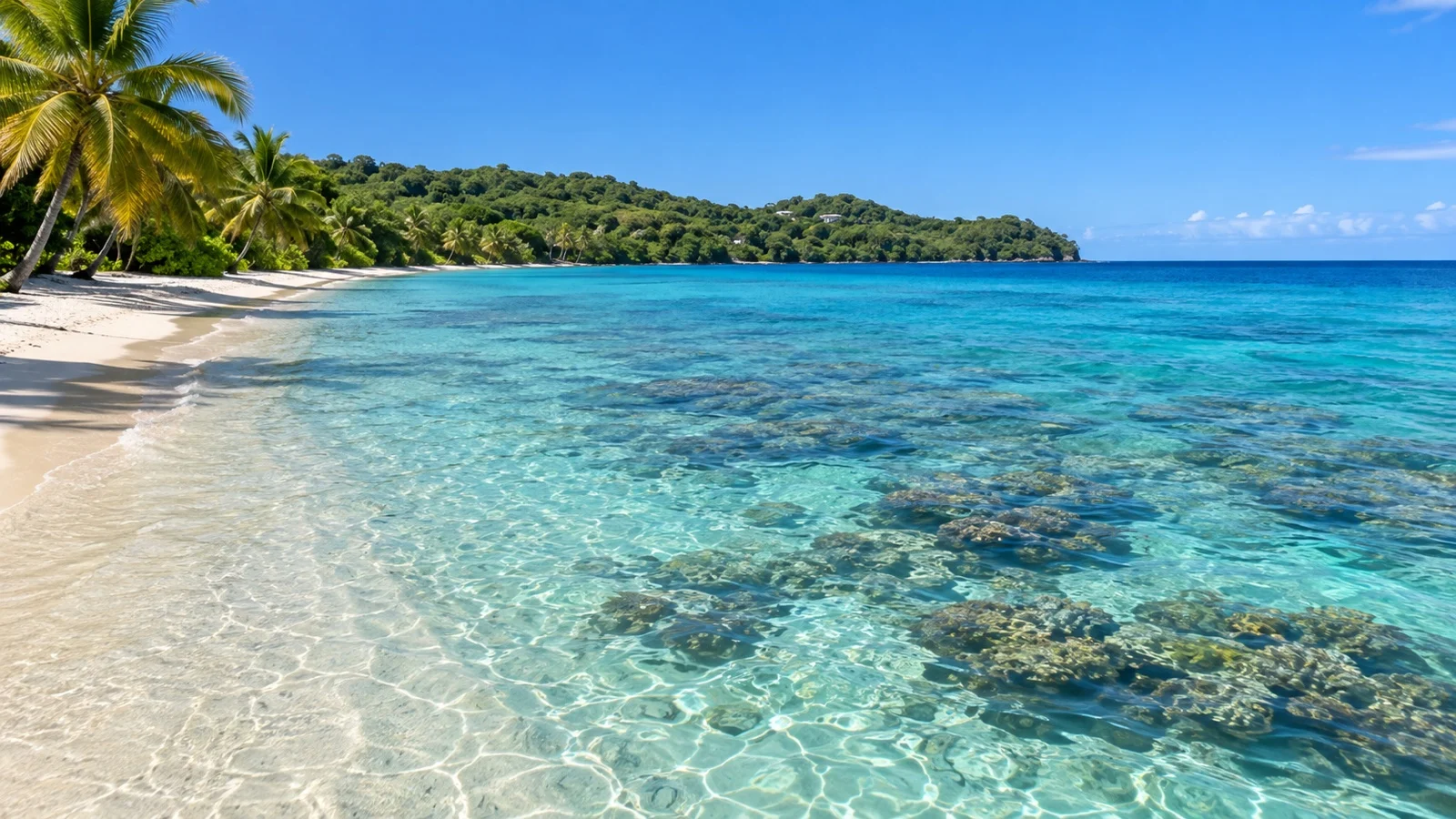
Hanauma Bay is a reservation before it is a beach
Honolulu is a walk off port at Pier 2, and Hanauma is roughly half an hour east by car. The snorkeling is excellent and the admin is the hard part.
The preserve is closed Mondays and Tuesdays, entry runs from early morning to early afternoon, and everyone has to watch a short conservation video before going down to the water. Nonresidents pay an entry fee, currently 25 dollars for anyone 13 and over, plus parking.
The part that ruins cruise plans is the booking window. Reservations for nonresidents open only a couple of days in advance, a limited share of slots is held back for walk ins, and the current hours and booking rules are worth checking the week you sail.
If your call lands on a Monday or Tuesday, let it go and snorkel somewhere else on Oahu. Building a Honolulu port day around a bay that is closed is a mistake you only make once.
Champagne Reef in Dominica is the strangest one on the list
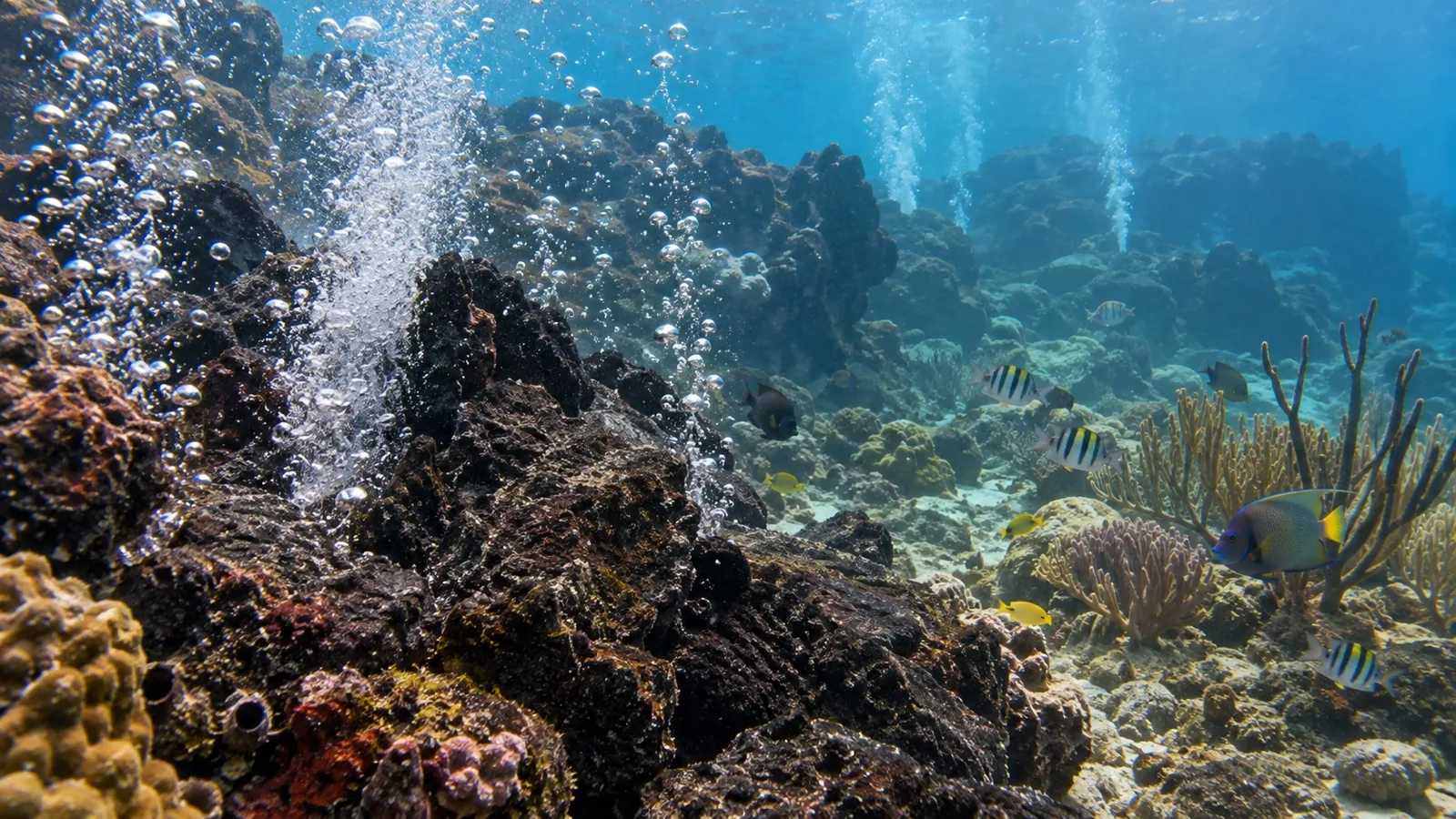
Dominica is not a beach island and it never pretends to be. Champagne is the exception, a shore entry site south of Roseau where volcanic gas bubbles up through the seabed and rises past you in columns.
You enter over stones rather than sand, which is exactly why water shoes matter here more than anywhere else on this list. Turtles and reef fish are the supporting cast and the bubbles are the reason you came.
Ships berth on the Roseau bayfront right against the city, so the taxi ride down the coast is short by Dominica standards. It pairs well with a river or waterfall stop, and the Roseau port guide covers how to sequence the two without running late.
The gear I would actually carry off the ship
Rental gear ashore ranges from good to a leaky mask and a cracked snorkel. A mask that fits your face is the single item that decides whether you enjoy the hour, and it weighs almost nothing in a carry on.
- Your own mask: Test the seal at home by inhaling gently through your nose with the strap off.
- Water shoes: Essential at rocky entries like Champagne and useful everywhere else.
- A rash guard: Better sun protection than reapplying sunscreen to a wet back all morning.
- Reef-safe sunscreen: Several destinations restrict certain sunscreen chemicals, so buy it before you sail.
- A dry bag: Cash, phone and ship card do not survive an unattended towel or a wet tender bench.
Fins are the only item I go back and forth on. They help against current and they eat luggage space, so I pack them for a Bonaire or Cozumel itinerary and leave them home for a single beach day.
Currents, entries and the honest bit about visibility
Nobody sells you a snorkeling day by telling you the water might be cloudy, so I will. Rain runoff, a swell that arrived overnight and wind on the wrong side of the island can all turn a famous site into green soup for a day.
Currents are the safety half of the same problem. Swim upcurrent first, stay inside a line you can swim back along, and treat any water where you cannot make headway as a signal to get out rather than a challenge.
Rips form on calm, sunny days as easily as rough ones, which is the part most people get backwards. Reading how rip currents form and how to spot one takes five minutes and is the most useful thing you can do before a beach port.
Fees, marine parks and not wrecking the thing you came to see
Several of these ports sit inside managed marine parks with their own fees and rules. Bonaire charges an annual nature fee, Hanauma charges entry, Chankanaab charges admission, and none of that shows up on your cruise fare.
The rules are mostly the same everywhere. Do not stand on coral, do not touch or take anything, and keep your fins off the bottom, because the reef is a colony of living animals and a kicked coral head takes years to recover.
The ports I would not build a snorkel day around
Plenty of beautiful ports have no shore reef worth the trip. St. Maarten, Nassau and most of the Bahamian private islands give you gorgeous water over sand, and sand is not a reef.
I snorkeled off Castaway Cay as a kid and loved it, and what I actually remember is a sunken submarine prop rather than coral. That is the honest ceiling on most private island snorkeling, and it is fine as long as you know it going in.
If the reef is a boat ride, book the boat and enjoy it. My rundown of which Caribbean ports work without an excursion is a better filter than any list of pretty beaches.
Quick answers
What is the best cruise port for snorkeling from the beach?
Bonaire, and it is not close. Reef sits near shore along most of the sheltered west coast, and the ship docks in town so you are not fighting a tender line first.
Can you snorkel at Grand Cayman without a tour?
Yes. Eden Rock is roughly a fifteen minute walk south of the tender landing with ladder entry, and Cemetery Beach at the north end of Seven Mile Beach is a short taxi or minibus ride.
Do I need a reservation for Hanauma Bay from a cruise ship?
Nonresidents should assume yes, and the booking window opens only a couple of days ahead. The preserve is also closed Mondays and Tuesdays, so check your port day before you plan anything around it.
Should I bring my own snorkel gear on a cruise?
Bring a mask at minimum, since a leaky rental ruins the swim and a mask packs flat. Fins are worth the space only if two or more of your ports are real snorkel stops.
Is Buck Island snorkeling possible from the Frederiksted pier?
No, the reef is only reachable by boat and the trips run from Christiansted on the far side of the island. For a shore swim from Frederiksted, look at Cane Bay or Butler Bay instead.
Final word
Shore snorkeling is the rare port activity where doing it yourself is genuinely better than buying it. You go when the light is good, you stay as long as you want, and you are not sharing a reef with forty people who arrived on the same catamaran.
The trade is that nobody is watching out for you, so the current, the entry and your own comfort in open water are yours to judge. Pack the mask, check the wind the night before, and be willing to walk away from a site that looks wrong on the day.
How this guide was researched: Beach access, park rules, entry fees and marine park boundaries for each port on this list were checked in October 2026 against official park, marine authority and destination pages. Fees, opening days and reservation windows change without much warning, and water clarity changes daily, so confirm the current rules for your own sailing date before you plan a port day around a swim. See our Editorial Policy.
More on this topic: browse every guide on shore excursions and DIY port days.