The Best Months to Cruise Japan
The cherry trees open when the temperature tells them to, usually about ten days before anyone can be sure, and your ship was scheduled fourteen months ago. That gap is most of what you need to know about picking a month in Japan.
My quick take
If someone asked me to pick one month for a first Japan cruise and gave me no other information, I would say late October. The weather is settled, the storm risk has mostly drained out of the forecast, the gardens are turning, and you are not paying the blossom premium.
But that answer changes the moment you tell me what you actually want. Blossoms, beaches, snow and cheap fares all live in different months here, and Japan is one of the few destinations where picking the wrong four weeks genuinely changes the trip rather than just the temperature.
The quick facts
- Two premium windows: Late March into May, and October into early November, carry the best weather and the highest fares.
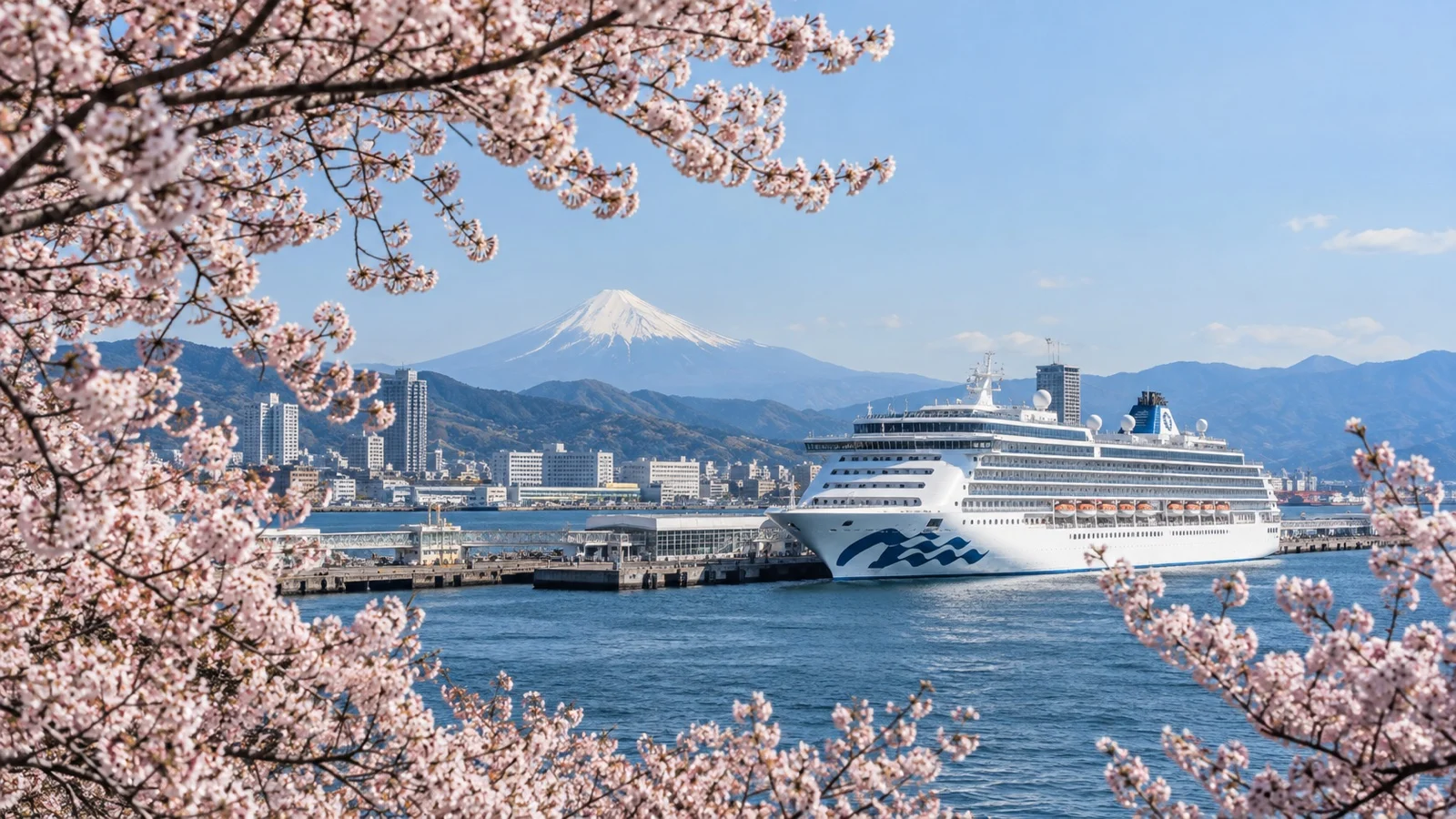
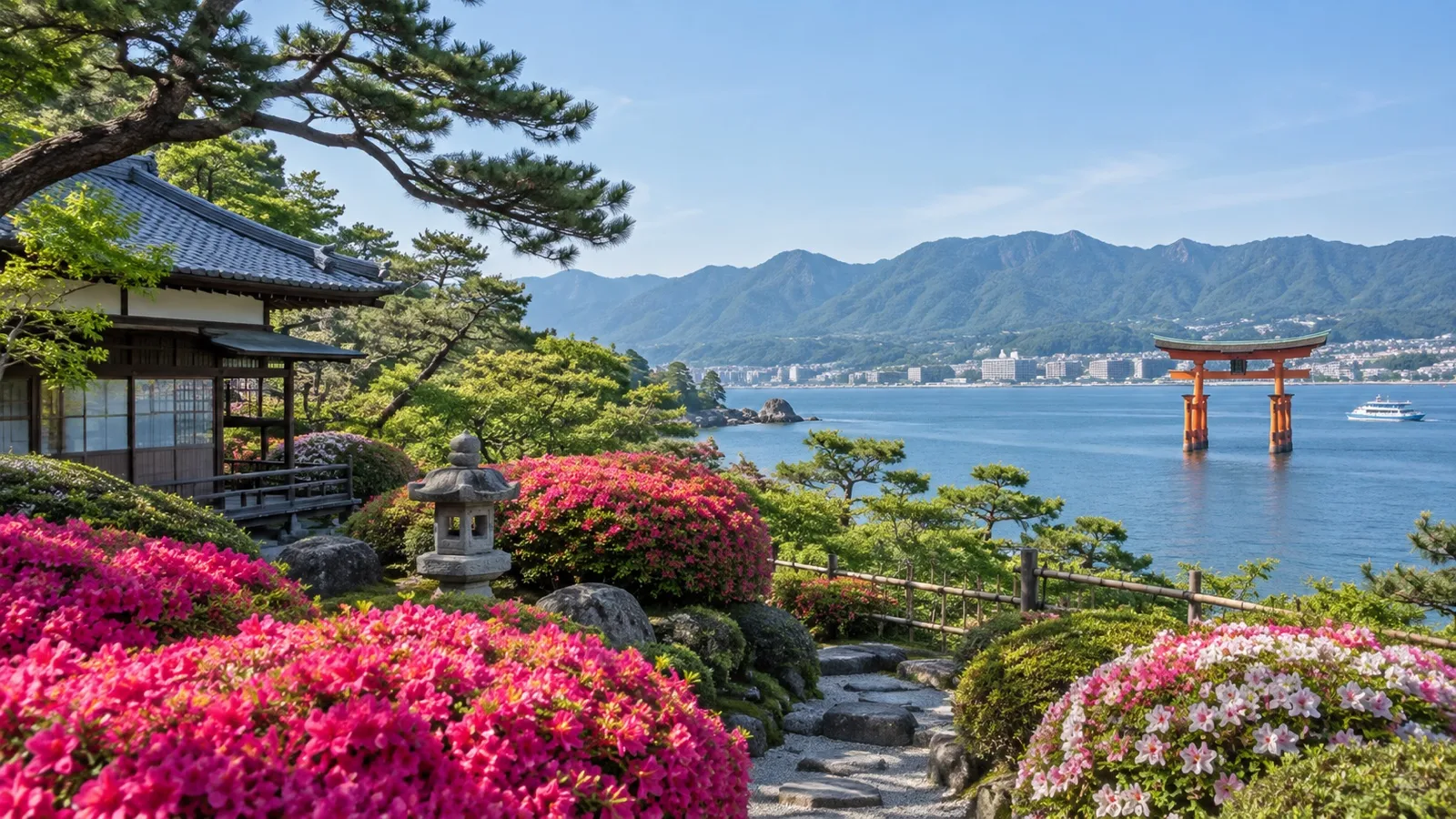
- Blossoms move north: Flowering starts in the southwest in late March and reaches Hokkaido around late April, so the date matters less than the direction you are sailing.
- There is a real rainy season: A defined wet belt sits over most of the country from early June to roughly late July.
- Storms peak late: Typhoon approaches to Japan peak in August and September, and landfalls peak in September.
- Two crowd spikes: Golden Week at the end of April and Obon in the middle of August fill trains, hotels and every famous garden.
The shape of the Japan season
Japan is long. It stretches from subtropical islands near Taiwan to a northern island that gets serious snow, which means the country does not have one season, it has about four running at different speeds.
Most cruise itineraries here fall into three shapes. Round trips out of Yokohama or Tokyo that work the Honshu coast, longer loops that add Kyushu and Korea, and northbound runs that climb toward Hokkaido, and our guide to Japan’s cruise ports by region lays out which ports sit on which route.
March is the month you book for blossoms and might not get them
Flowering in the Kansai and Tokyo areas usually lands in the second half of March, with full bloom about a week later. That sounds tidy until you realize the forecast only firms up a couple of weeks out, and your deposit went down more than a year earlier.
Early March is also colder than people expect on the water. You get bare gardens, thin crowds and fares that have not yet climbed, which is a fair trade if you came for temples and food rather than pink trees.
Best for: travelers who want Japan cheap and quiet and would treat any blossom as a bonus.
April gives you the best odds and the worst last week
The first ten days of April are the strongest blossom bet on a mainstream Honshu itinerary. Temperatures are mild, the light is good, and the gardens are doing the thing you flew across an ocean for.
The second half of April swings north. By the middle of the month the color has moved to Aomori and Hokkaido, so a northbound sailing in late April is often a better blossom play than an early April round trip that never leaves Kansai.
Best for: first timers who want the postcard version and will pay for it. Worst for anyone allergic to crowds in the final week.
Golden Week is not a week, and it is not aimed at you
Four national holidays land between April 29 and May 5, and when they line up with a weekend the country takes a long run of days off at the same time. Domestic travel spikes, and every famous castle, garden and hot spring town absorbs it.
On a ship this hits you in a specific way. Your port day is fine, but the train you wanted is full, the shrine you wanted is four deep, and the taxi line at the pier moves slowly because everyone else in the city is also going somewhere.
I do not avoid the dates outright, I just plan a smaller, closer, less famous port day during them. That is the same approach in our notes on planning a port day when you dislike crowds, and it applies to every entry on our list of the most crowded cruise ports.
May is the quiet reward month
Once the holidays clear, the first half of May is close to ideal on Honshu. Warm but not humid, long daylight, green everywhere, and the blossom surcharge has come off the fare.
The catch sits in the far south. Okinawa slides into its rainy season in the first half of May, so an island heavy itinerary in late May is a different and wetter trip than the same dates in Kobe or Kanazawa.
Best for: repeat visitors, garden people, and anyone who cares more about comfortable walking weather than a specific flower.
June and the rainy season nobody warns you about
Japan has a genuine rainy season, and the average start and end dates for each region are tracked year after year. Okinawa typically goes first in early May, Kyushu around the end of May and start of June, and the Tokyo area around June 8.
It is not a monsoon in the tropical sense. It is gray, humid, and prone to long stretches of drizzle with heavy bursts, which is worse for photography than it is for walking around.
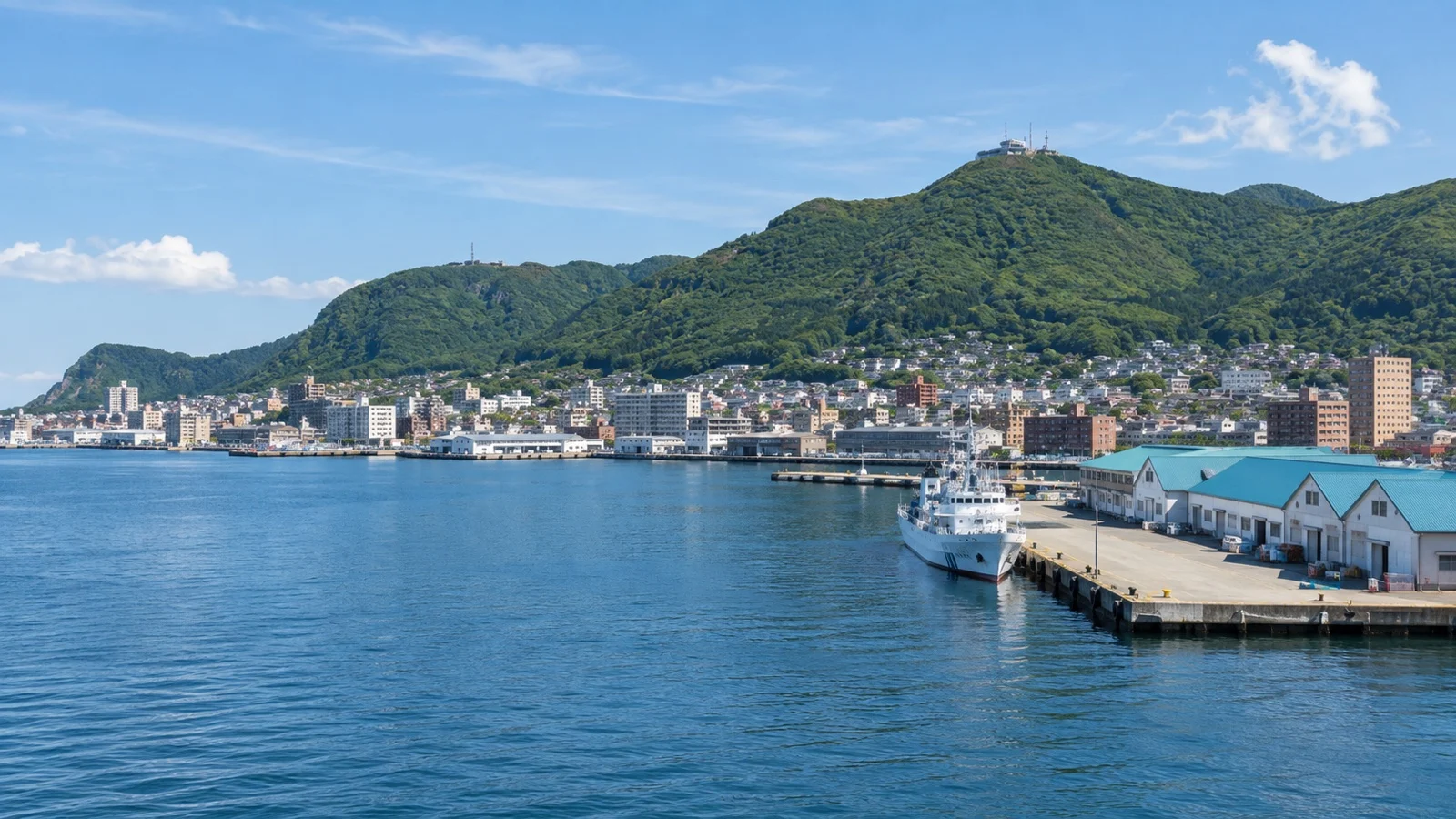
The exception is worth knowing. Hokkaido does not get a well defined rainy season, so a northern itinerary in late June is one of the better value weeks on the whole calendar.
Best for: bargain hunters who pack a real rain shell and pick northern ports.
July is hot, and the north starts to make sense
The rainy belt usually lifts off the main island through the second half of July, and what replaces it is heat. Big Honshu cities run in the upper 80s and low 90s (around 31 to 33 C) with humidity that makes a temple walk feel longer than it is.
This is when itineraries that climb north earn their keep. Hokkaido and northern Tohoku sit far more comfortably, usually around 80 degrees (26 C), and the summer festival calendar is dense.
August brings Obon, heat and the start of the storm problem
Obon in the middle of August is not a public holiday, but a large share of the country travels anyway to visit family graves. Trains book out, domestic flights get expensive, and small towns are either wonderfully alive or completely shut, depending on the town.
August is also the peak month for typhoon formation in this part of the Pacific. Warm water in the south makes Okinawa and the Ryukyu chain lovely for beaches and simultaneously the most exposed part of the route, which is worth reading against our Naha port guide before you commit.
Best for: families locked into school vacation dates who want beach days and can live with an itinerary change.
September is the month I would skip
The thirty year averages put roughly 11.7 storm approaches to Japan a year and about 3 landfalls, and the monthly breakdown puts the landfall peak squarely in September. That is the number that should shape your booking, not the formation count.
What actually happens on board is rarely a canceled cruise. Ports get swapped, a sea day appears where a call used to be, and the swell can close a pier a day before the sky looks like anything, which is the pattern described in our piece on monsoon and typhoon season in Asia.
Best for: opportunists chasing a low fare who genuinely do not care which ports they get. Not for anyone flying halfway around the world for one specific city.
October is the quietly correct answer for most people
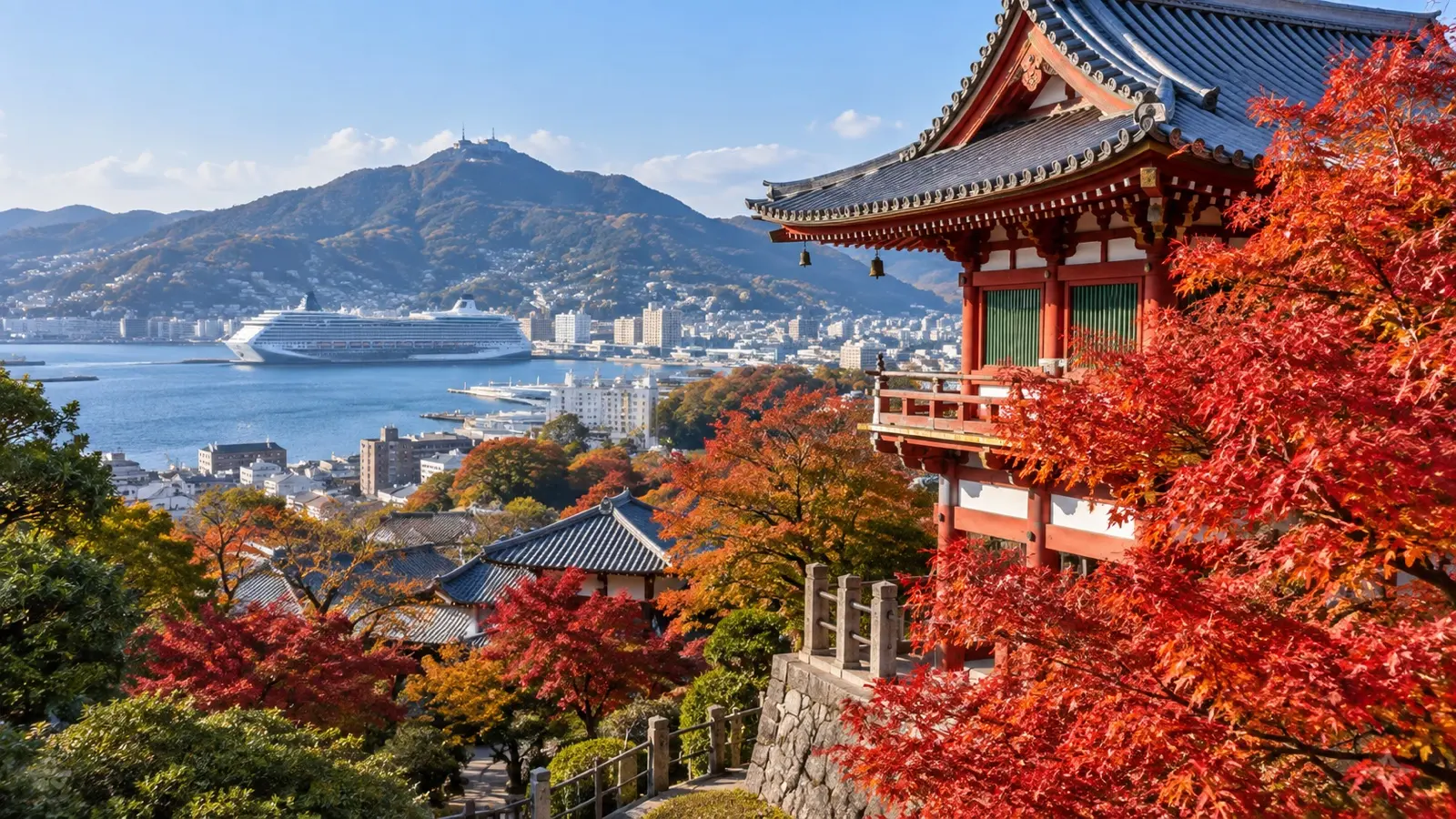
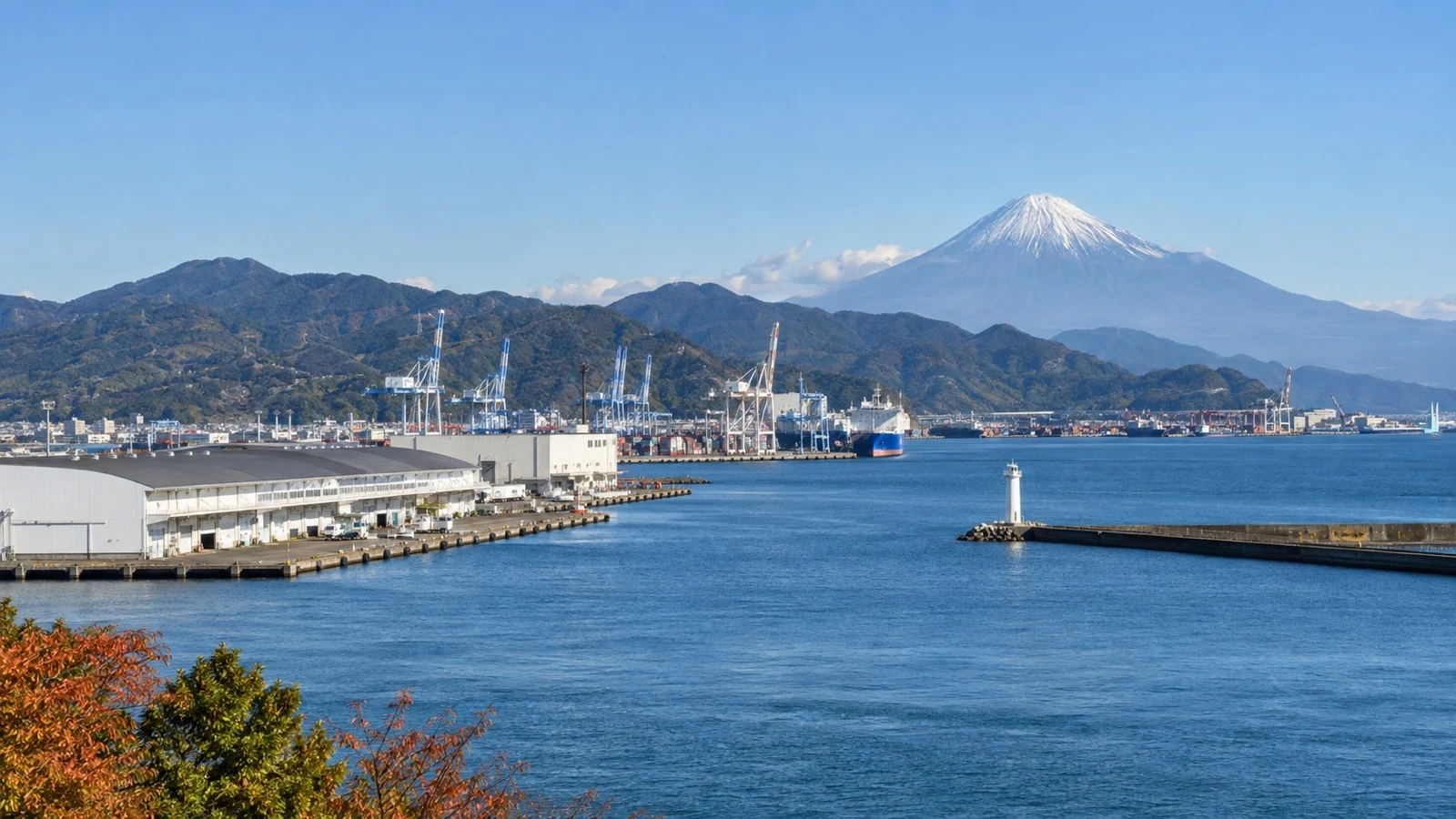
By the second half of October the storm risk has fallen off, the humidity is gone, and the air turns clear enough that Mount Fuji actually shows up from the water instead of hiding in haze. Daytime temperatures on Honshu sit in a range where you can walk all day in one layer.
The color has already started up north. Hokkaido’s mountains usually turn through October, so a northbound October sailing can hand you early foliage while Kyoto is still green.
Best for: almost everyone, and especially anyone whose real goal is a long day trip inland, which is exactly the situation in our answer to whether you can reach Kyoto from Kobe or Osaka.
November runs the color back down the map
Fall color moves the opposite way from the blossoms. It starts in the north and at elevation and works south and downhill, so northern Tohoku is usually turning in late October while the Kansai temple gardens peak in the second half of November and sometimes into early December.
That direction is why a southbound November itinerary is the better structured bet. You are moving with the color instead of arriving after it or before it.
December through February is a real option, just a different trip
Cruise traffic thins out badly in winter, and the Japan season as most lines run it is not a year round thing. What is left tends to be repositioning legs, longer Asia loops and a smaller set of calls.
If you do sail it, the appeal is specific. Clear cold air, snow on the northern ports, hot springs that finally make sense, and the far south sitting in the 60s (around 17 to 20 C) when Honshu is near freezing at night.
Winter is also when short daylight and reduced hours bite, and our notes on seasonal closures in shoulder season ports apply here more than people expect.
Why the blossoms cannot be chased on a fixed itinerary
Here is the mechanical problem. Flowering and full bloom dates are observed and published for each city every year, but the reliable version of that information arrives a couple of weeks ahead, and full bloom holds for roughly a week once it starts.
Your cruise, meanwhile, was set twelve to fourteen months out and cannot move. So you are matching a seven day natural event against a fixed seven day box, and a warm February or a cold March slides one of them without asking.
The only real hedge is geography. A sailing that climbs several hundred miles (several hundred km) of latitude during the cruise gives you multiple chances at the same event, which is the whole argument in our piece on the timing gamble on blossom and foliage cruises.
What I would book, depending on who you are
I do not think there is one best month here, and anyone who gives you one without asking a question first is guessing. What there is, is a decent match for each kind of traveler.
- Blossom chasers: A northbound sailing in the first half of April, or late April if it starts in Tohoku.
- First timers who want easy weather: Middle of May, or the back half of October.
- Fall color: A southbound November route, not a fixed date in one city.
- Beach and island days: July into August in Okinawa, with a tolerance for schedule changes.
- Lowest fares: Late June, or the winter months if you want a quieter, colder Japan.
If you can only sail once, I would still take late October over early April. You lose the flowers and you gain a much higher chance that every port on the list actually happens.
Quick answers
What is the best month to cruise Japan?
For settled weather and the fewest itinerary changes, the back half of October. For cherry blossoms, the first ten days of April on a route that heads north.
When is typhoon season in Japan?
The risk window for cruises runs roughly July through October, with approaches peaking in August and September and landfalls peaking in September. Storms rarely cancel a sailing, but they reshuffle ports.
Is June a bad month to cruise Japan?
It is the wettest month on most of the country, so fares drop and gardens are green and empty. A northern itinerary avoids most of it, since Hokkaido does not get a well defined rainy season.
Should I avoid Golden Week on a cruise?
You do not have to avoid it, but you should plan differently inside it. Skip the marquee day trip, stay closer to the pier, and assume trains and popular sights are at their fullest of the year.
When is fall foliage in Japan?
It generally starts in Hokkaido and the high country in October and reaches the Kyoto and Osaka area in the second half of November. Coastal and southern ports run later than the inland mountains.
Final word
Japan rewards a decision made in the right order. Choose what you actually want out of the trip, then choose the month, then choose the itinerary that moves in the direction of the thing you want.
Do it the other way around and you end up paying peak fare for a week of gray branches or a canceled call in a storm swell. Get it right and this is one of the most reliably good cruise destinations there is, in about eight months of the year.
How this guide was researched: Rainy season normals, long term typhoon averages, cherry blossom observation records and the national holiday calendar were checked in November 2026 against official Japanese climate and government sources. Bloom and foliage dates shift every year and itineraries change with the weather, so confirm the current season forecast and your own sailing’s port list before you book. See our Editorial Policy.
More on this topic: browse every guide on weather, crowds and conditions.