Mexico Cruise Ports: A Guide to Every Main Port
I love that a Mexico cruise can mean two completely different trips. On the Caribbean side you get Mayan ruins and reef snorkeling; on the Pacific side you get Baja deserts, whales, and tequila country.
Here is how I would tell the ports apart before you book.
My quick take
If you want ruins and the clearest water, sail the Caribbean side: Cozumel, Costa Maya, and Progreso. If you want scenery, whales, and easy short getaways from California, look at the Pacific and Baja ports on the West Coast routes.
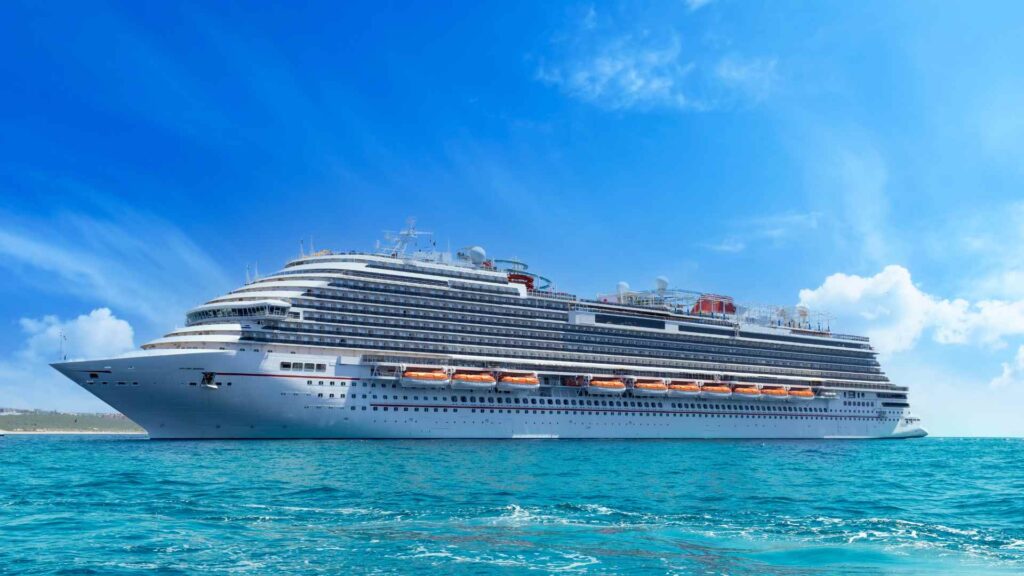
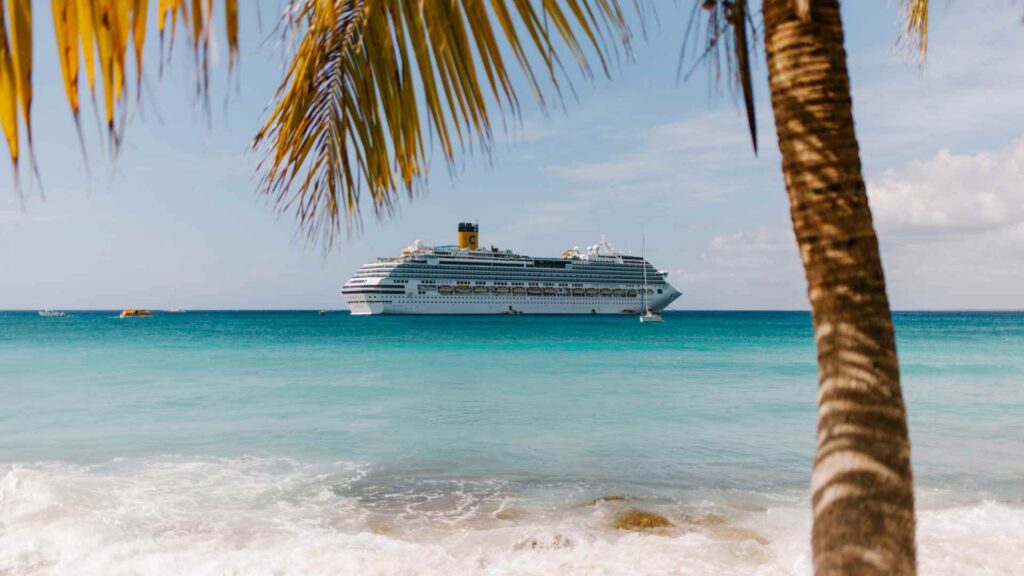
Cabo San Lucas is the major tender port, while several dock calls still use working harbors, long piers, or controlled shuttles. Check the exact berth before deciding that a port is walkable.
The Caribbean side: Riviera Maya and Yucatán
These are the Western Caribbean stops, and they are all alongside docks, so you step off and go. This is the coast I would pick for Mayan history and snorkeling.
Cozumel
Cozumel is Mexico’s busiest cruise port and often has three or more ships in at once. It uses three docks: Puerta Maya and the International Pier south of town, plus Punta Langosta right in the middle of San Miguel.
This is a reef island first and foremost, sitting on the Mesoamerican Barrier Reef. I would spend my time snorkeling or diving over shore excursions here rather than shopping.
Costa Maya (Mahahual)
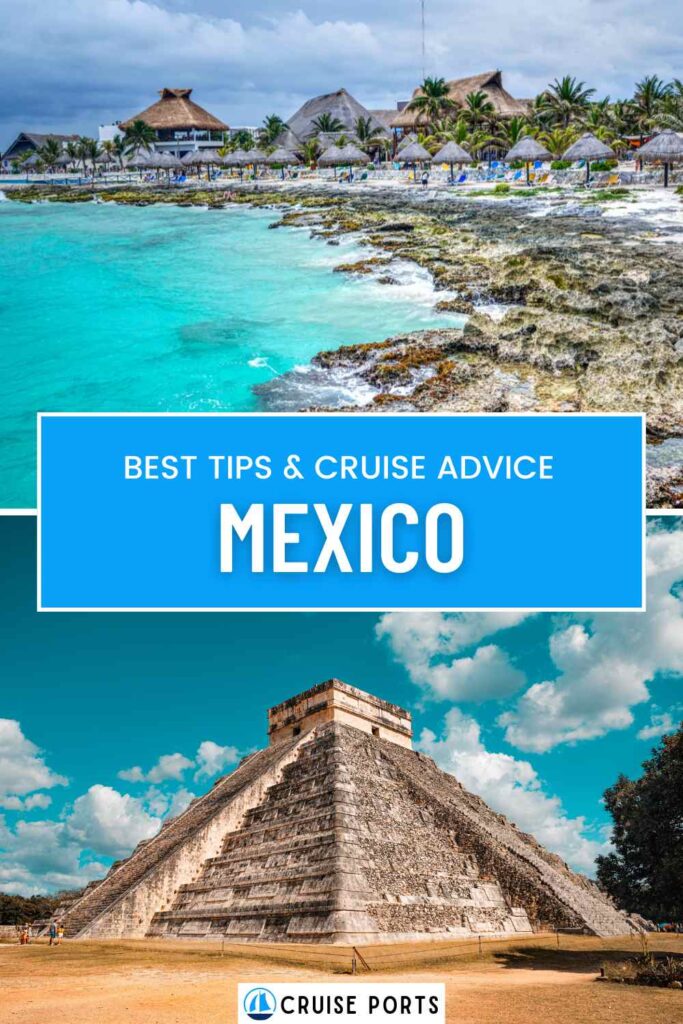
Costa Maya is a purpose-built cruise dock beside the small fishing town of Mahahual, near the Belize border. Ships berth alongside, and the terminal itself has pools and shops if you never want to leave the pier.
The draw for me is the ruins that most crowds skip, like Chacchoben and Kohunlich. It is quieter and greener than Cozumel.
Progreso
Progreso is the Yucatán gateway, and its pier is genuinely record-breaking. Ships dock several miles out on what NASA notes is the longest pier in the world, and a shuttle runs you the length of it to shore.
Chichén Itzá is roughly two hours each way before traffic and site entry, so I would book it through the ship or choose closer Uxmal, Mérida, or a cenote on a shorter call. The world-famous name is not worth a frantic return down the pier.
The Pacific side: Mexican Riviera and Baja
These sail from California and pair desert scenery with big marine life. Most are dockside, but read the Cabo note carefully before you plan a tight morning.
Cabo San Lucas (tender)
Cabo San Lucas is the one port here with no cruise dock. Ships anchor in the bay and tender you ashore to the marina, so build in extra time both ways.
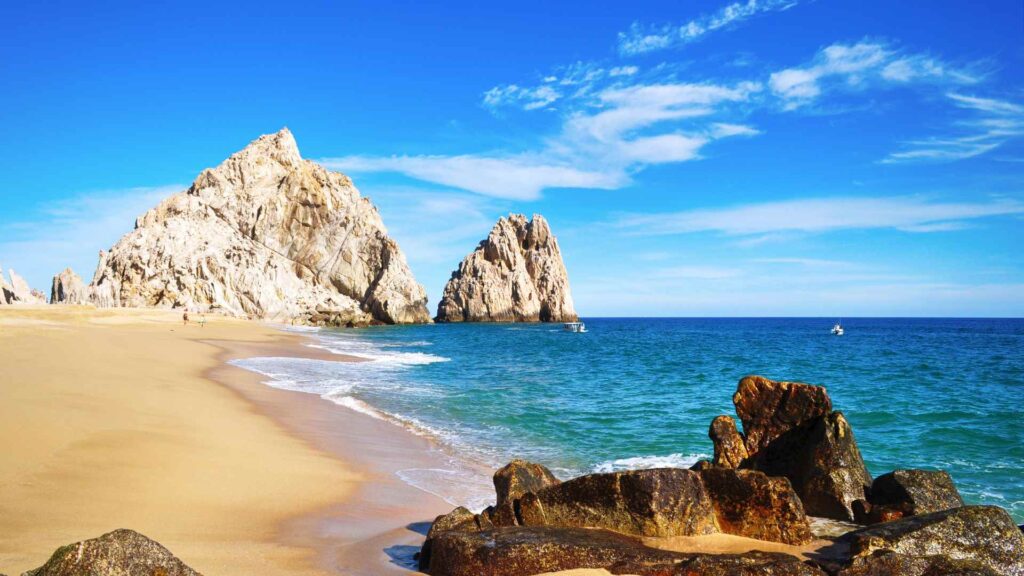
Once you land you are right in the marina action. A short boat trip out to El Arco, the rock arch at Land’s End where the Pacific meets the Sea of Cortez, is the signature outing.
Puerto Vallarta
Puerto Vallarta docks at the Terminal Marítima, a short taxi ride north of the old town. It is my pick on this coast for walkable charm.
Head to the Zona Romántica and the seaside Malecón for cobbled streets and the landmark Church of Our Lady of Guadalupe. The surrounding Sierra Madre also makes it a strong day for ziplining and jungle tours.
Mazatlán
Mazatlán berths in a working harbor, with a shuttle or open-air pulmonia taxi into the historic center. The restored Centro Histórico and the Angela Peralta Theater are the highlights.
One honest caveat: Mazatlán sits in Sinaloa, which carries the highest US advisory level. Many cruisers here stick to ship-organized tours, and I would too.
Manzanillo
Manzanillo is a quieter, more industrial stop that calls itself the sailfish capital, with calm swimming beaches like Playa La Audiencia nearby. It sits in Colima, which also carries a high advisory, so the same ship-tour caution applies.
Ensenada
Ensenada in Baja California is the classic short-getaway port from Southern California, docking within a walk or quick shuttle of the main tourist strip. It is the wine-country port.
The Valle de Guadalupe wineries and the La Bufadora blowhole are the two big excursions. Baja lobster and fish tacos seal the day.
Other main Pacific ports
Huatulco docks at Santa Cruz and is the easy beach-and-bays choice, with boat trips and La Crucecita close enough for a relaxed call. Acapulco can dock close to the traditional center, but Guerrero carries a Level 4 advisory, so I would use a ship excursion and follow any itinerary change without improvising ashore.
Zihuatanejo and Ixtapa are generally tender calls, with a fishing-town waterfront in Zihuatanejo and resort beaches in Ixtapa. Guerrero’s advisory is the deciding factor here too, so do not treat the pleasant landing as permission to roam beyond the cruise plan.
Loreto is usually a tender call with a compact historic center, while La Paz uses Pichilingue, about 11 miles from the waterfront Malecón. Both suit marine-life trips, but seasonal wildlife is never guaranteed and a La Paz day needs arranged transportation from the port.
Occasional Sea of Cortez and repositioning routes also add Guaymas or Topolobampo for longer overland excursions. These are transport-led calls rather than walk-off sightseeing days, so reserve through the ship or a vetted operator who tracks its all-aboard time.
An honest word on safety
Safety in Mexico is state by state, not country-wide, so I always check the port’s home state on the US State Department’s Mexico advisory before a call. A cruise berth is not exempt from its state advisory, and restrictions can differ even within the same state.
At the time of writing, Yucatán (Progreso) is the lowest Level 1, while Quintana Roo (Cozumel and Costa Maya) and Baja California Sur (Cabo) are Level 2. Baja California (Ensenada) and Jalisco (Puerto Vallarta) are Level 3.
Sinaloa (Mazatlán) and Colima (Manzanillo) carry the Level 4 “do not travel” tag for the wider state. Guerrero, which includes Acapulco and Zihuatanejo, also carries Level 4; I would use ship-controlled transportation in Level 4 states and authorized taxis or app-based rides elsewhere, never a street-hailed taxi.
Money and practical basics
The currency is the Mexican peso, but US dollars are widely accepted at every cruise port and most tour operators price in dollars. Card is fine for bigger tours; keep small bills for taxis, tips, and market stalls.
A valid passport book is the safest document to carry, especially if an emergency forces you to fly home. Some U.S. closed-loop cruises permit a government photo ID plus proof of citizenship, but the cruise line and itinerary rules can be stricter, so verify them before final payment and again before travel.
The transport and timing rules that matter
At Cozumel and Puerto Vallarta, identify your pier before booking a pickup because the terminals are not interchangeable. At Costa Maya and Progreso, include the terminal walk or shuttle in the clock; at Cabo, independent tours must also absorb tender-ticket and tender-return time.
For reefs, whale trips, and small boats, ask about life jackets, shade, restroom access, and the operator’s weather policy. Travelers with limited mobility should get written details for tender steps, vehicle height, beach surfaces, and whether a wheelchair can remain assembled.
Keep the final hour near the ship unless your excursion carries cruise-line return protection. Mexican traffic, pier shuttles, and tender queues are predictable planning risks even on a clear day.
When to go
Winter through spring, roughly November to May, is the sweet spot on both coasts, with drier, milder days and peak whale season in Baja and Puerto Vallarta. Summer and early fall are hotter, wetter, and fall inside hurricane season.
Prices do drop in the off months if you can handle heat and the odd itinerary change. Lines route around major storms.
Quick answers
Which Mexican cruise port needs a tender?
Cabo San Lucas is the main tender port on these routes. Most other ports in this guide dock, though Zihuatanejo, Loreto, and some smaller calls may also tender.
Do I need a passport?
Most US travelers should carry a passport book. Confirm your exact document with your cruise line, since closed-loop rules can differ.
Caribbean side or Pacific side?
Choose the Caribbean for ruins and reef snorkeling from Florida and Galveston. Choose the Pacific and Baja for whales, desert scenery, and short trips from California.
How this guide was researched: Unless a first-hand visit is explicitly identified above, this guide is based on independent research using official port, tourism, transit, government, and attraction sources where available. Logistics and time-sensitive details were reviewed on September 10, 2026; see our Editorial Policy.