How Seasonal Closures Can Affect Shoulder-Season Cruise Port Days
Shoulder season is lovely until the ferry, funicular, and café all decide it is Tuesday in November. I verify the operating season before booking the dream day, then build a backup that does not require summer to report for duty.
The short answer
Check every must-do attraction on its official site for your exact weekday and year, then verify transport, last admission, maintenance dates, and weather closures. Build the port day around what is confirmed open, not what appeared in a July itinerary review.
“Open year-round” also needs translation. A site may open while its café, elevator, guided tour, visitor center, or return ferry does not.
What shoulder season means for cruise ports
Shoulder season is the period between peak demand and the quietest part of the year. The dates vary by destination and by product.
In Alaska, May and September can behave differently from July. In the Mediterranean, March, April, October, and November can bring reduced hours or weather-sensitive boats even when cities remain lively.
Northern Europe, Japan, Canada, New England, and the South Pacific each have their own rhythm. Never apply one region’s “shoulder season” rule to another.
The seven closure types to check
1. Full seasonal closure
An attraction, road, lodge, cable car, beach facility, or tour stops operating for part of the year. No amount of advance booking can fix it.
Look for official opening and closing dates. Check the year because winter damage or construction can shift them.
2. Reduced days
A museum may close on Monday, a market may operate only on weekends, or a guided site may open four days per week. Cruise itineraries do not always avoid those dates.
Search the exact weekday and vacation calendar. A broad “April to October” label is incomplete.
3. Shorter hours
Attractions may close at 4 or 5 p.m., with last admission earlier. A late-afternoon call can leave almost no usable window.
Last admission matters more than closing time. Some sites stop entry 30 to 90 minutes before the doors shut.
4. Limited transportation
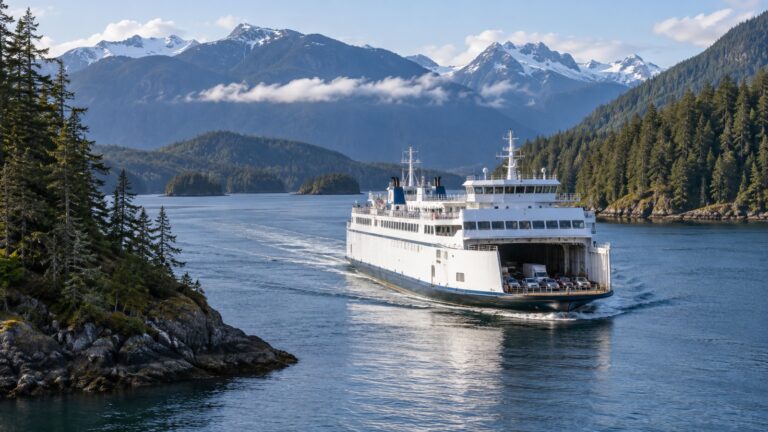
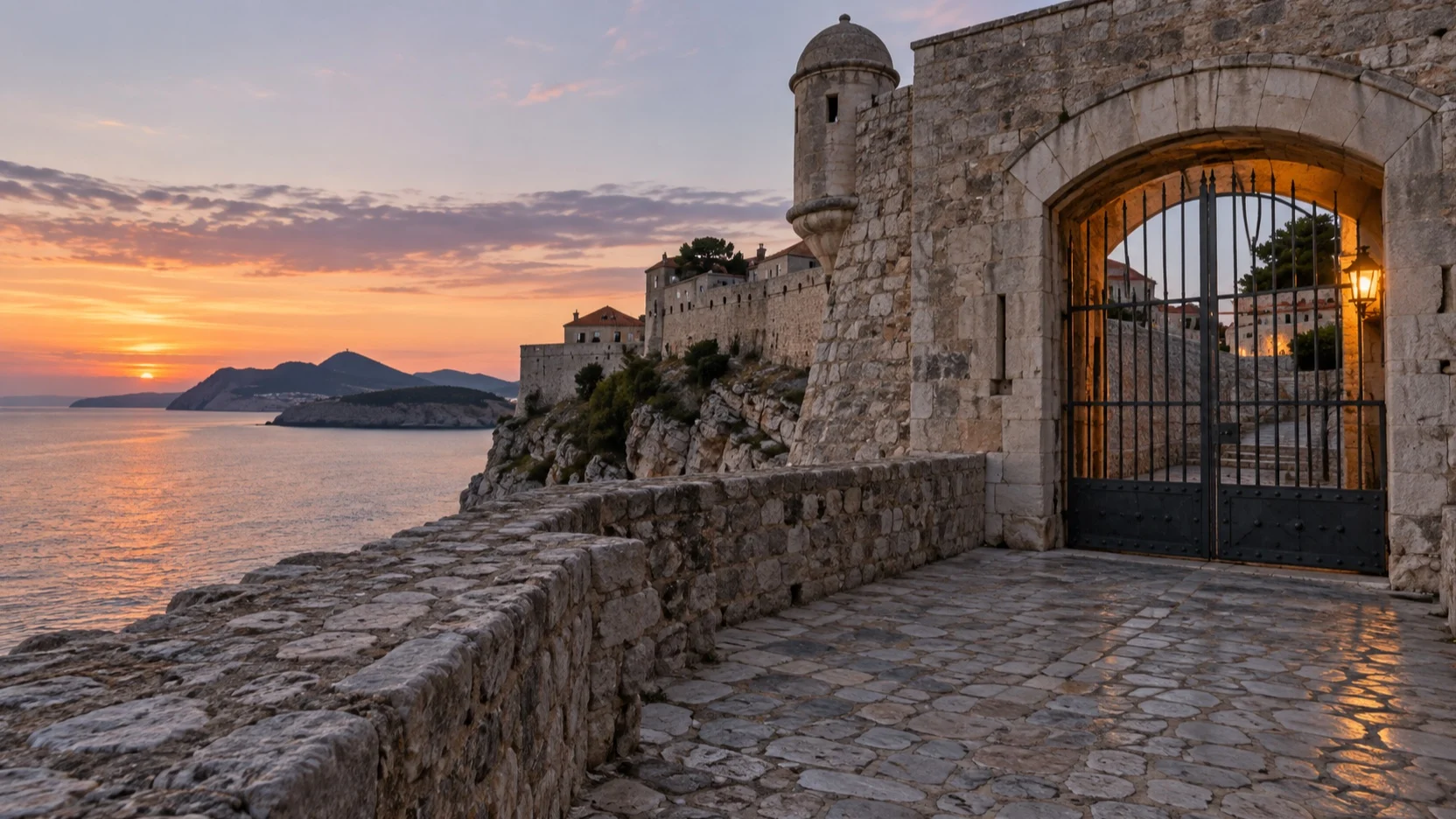
Ferries, scenic trains, buses, shuttles, and boats may run less often. The attraction can be open while independent access becomes impractical.
Check the return schedule first. If only one departure gets you back safely, the day is fragile.
5. Partial access
Trails, upper floors, gardens, towers, caves, beaches, or exhibits may close while the core site remains open. A seller can truthfully advertise admission even when the part you wanted is unavailable.
Read current alerts and renovation notices. Ask which features are guaranteed on the tour.
6. Weather-triggered closure
Mountain roads, boat routes, cable cars, trails, and tender operations respond to wind, snow, ice, landslide risk, fire, or sea state. An operating calendar does not override safety.
Create a backup using different infrastructure. A second boat tour is not a useful backup for a wind-canceled first boat.
7. Maintenance closure
Operators use quieter months for annual inspections, repairs, dry dock, exhibit installation, and track work. Dates may be announced after you book the cruise.
Subscribe to official notices or recheck two weeks before departure. Old booking pages can remain indexed after the closure changes.
Alaska shoulder-season checks
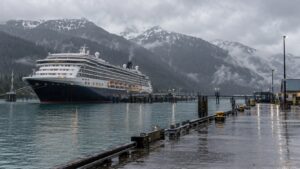
Alaska cruise seasons often extend from spring into early autumn, but wildlife, daylight, snow, trails, roads, and tour inventory change across those months. A product that operates in May may deliver a different experience than the same name in July.
Glacier and mountain roads
Snow, ice, and maintenance can delay road or trail access. Check managing agencies and the operator, not a photo from a prior season.
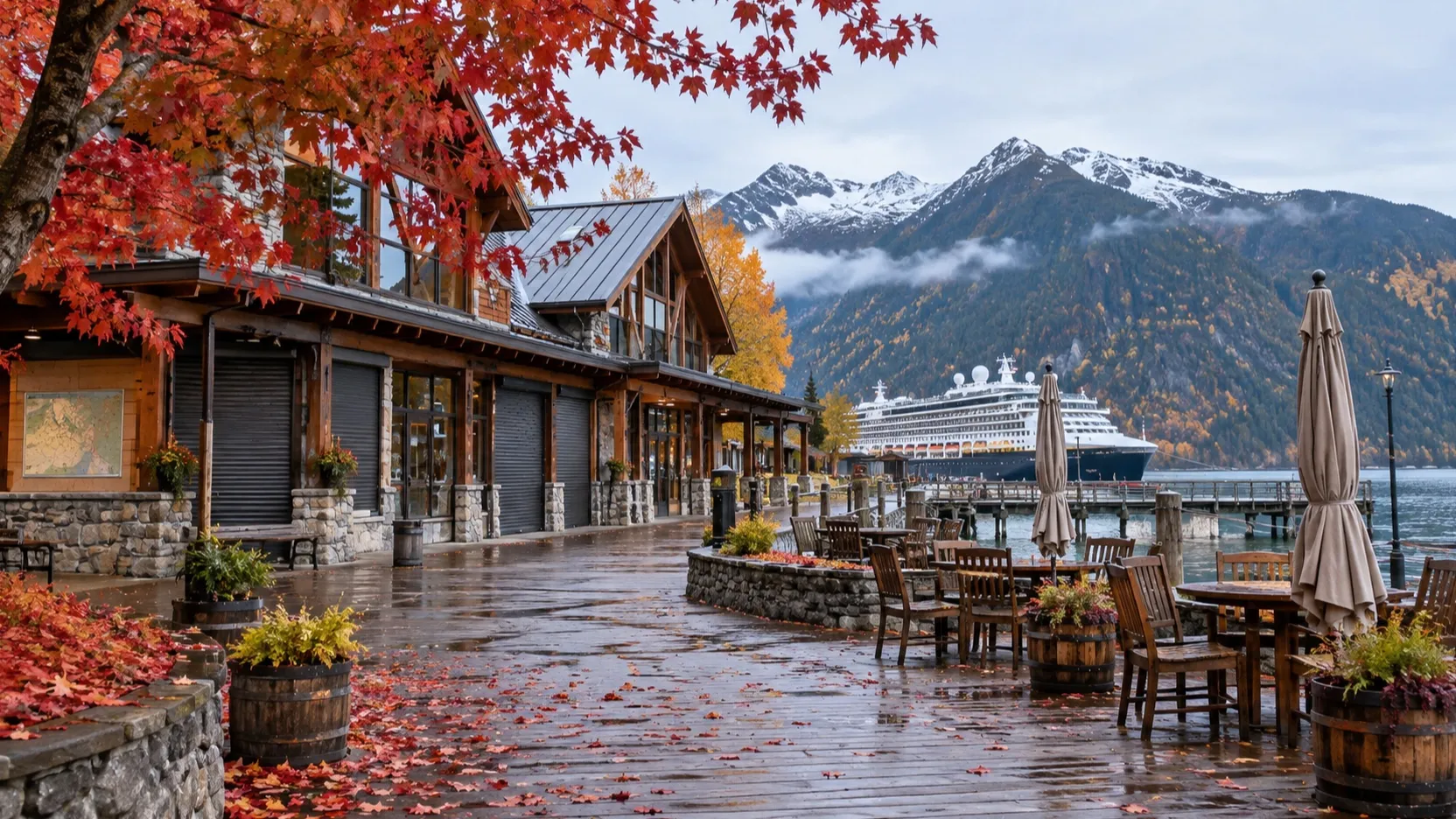
The Skagway cruise port guide helps compare rail, highway, and town options. Rail or highway schedules still require exact-date confirmation.
Wildlife tours
Whale, bear, bird, and salmon activity follows natural cycles rather than the cruise brochure. Operators may run outside peak viewing, but sightings and routes differ.
Ask what the trip focuses on during your week. Reject guarantees about wild animals.
I check the last admission as carefully as the opening time because cruise calls have a gift for arriving between them.
Visitor services
Smaller museums, shuttles, food counters, and remote facilities may have reduced hours. The port itself can be open while the supporting services are sparse.
Use the Icy Strait Point guide and Haines guide as planning starts, then check each attraction directly.
Mediterranean shoulder-season checks
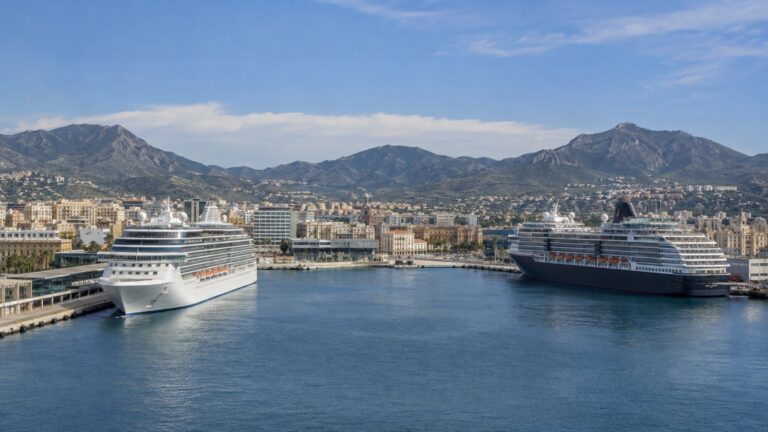
Major cities operate year-round, which makes Mediterranean shoulder season appealing. Boats, beach clubs, island services, archaeological hours, and daylight still change.
Archaeological sites
Winter schedules often close earlier than summer schedules. Public holidays, restoration, extreme weather, or staffing can alter access.
The official Pompeii Archaeological Park lists current ticket and schedule information. Check the exact date rather than copying the hours into a calendar months ahead.
Cinque Terre
Village access continues, but trails, boats, and visitor services are seasonal or weather dependent. Heavy rain can close paths.
The Cinque Terre National Park provides alerts and current information. The La Spezia cruise port guide helps compare other regional options.
Greek islands
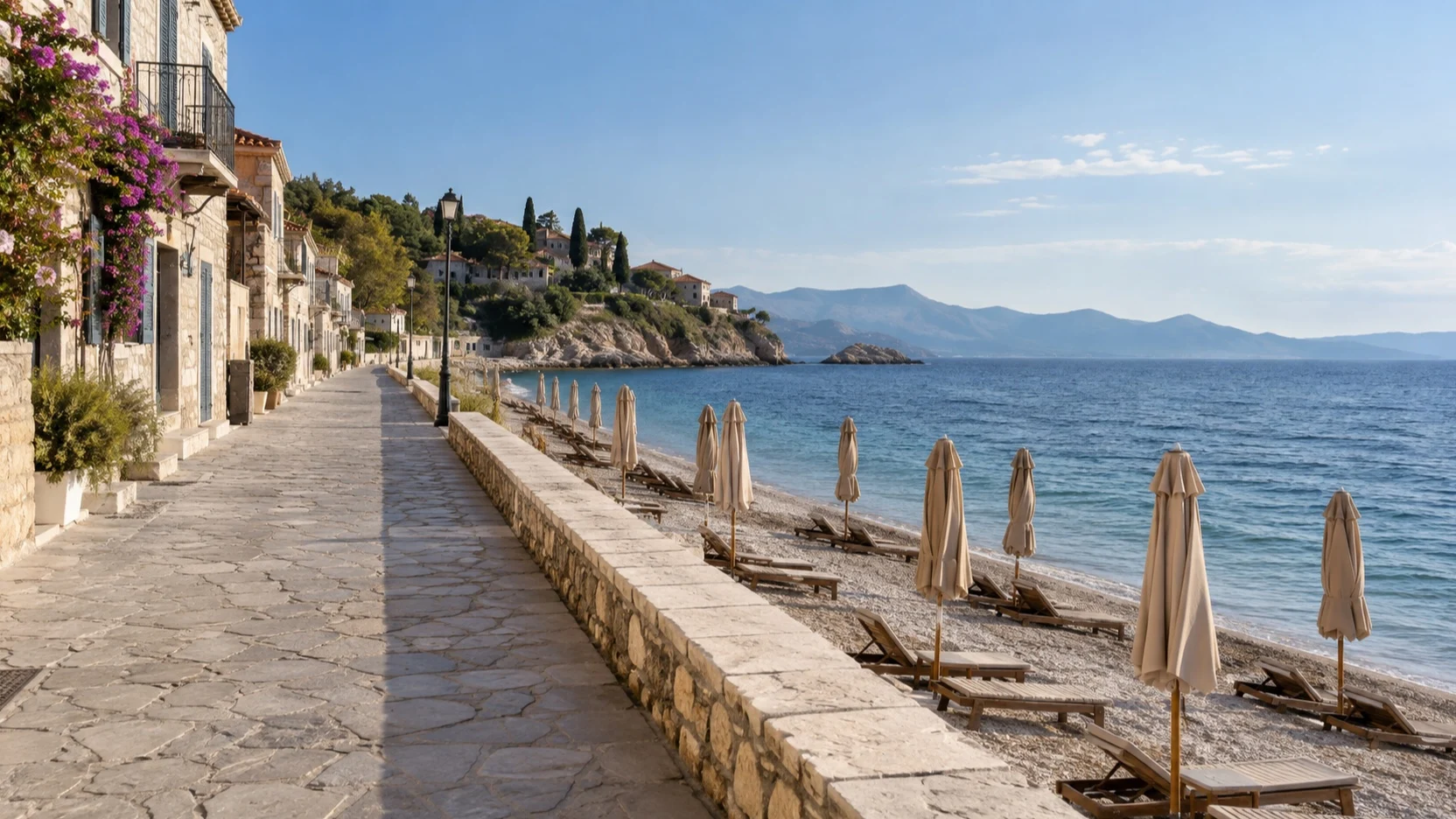
Popular islands remain inhabited, yet beach clubs, boat excursions, restaurants, and museums may reduce service outside peak months. Wind also affects ferries and tenders.
Check municipal, port, cultural, and attraction sources. A cruise call does not guarantee that every summer business opens for the ship.
Northern Europe and fjord checks
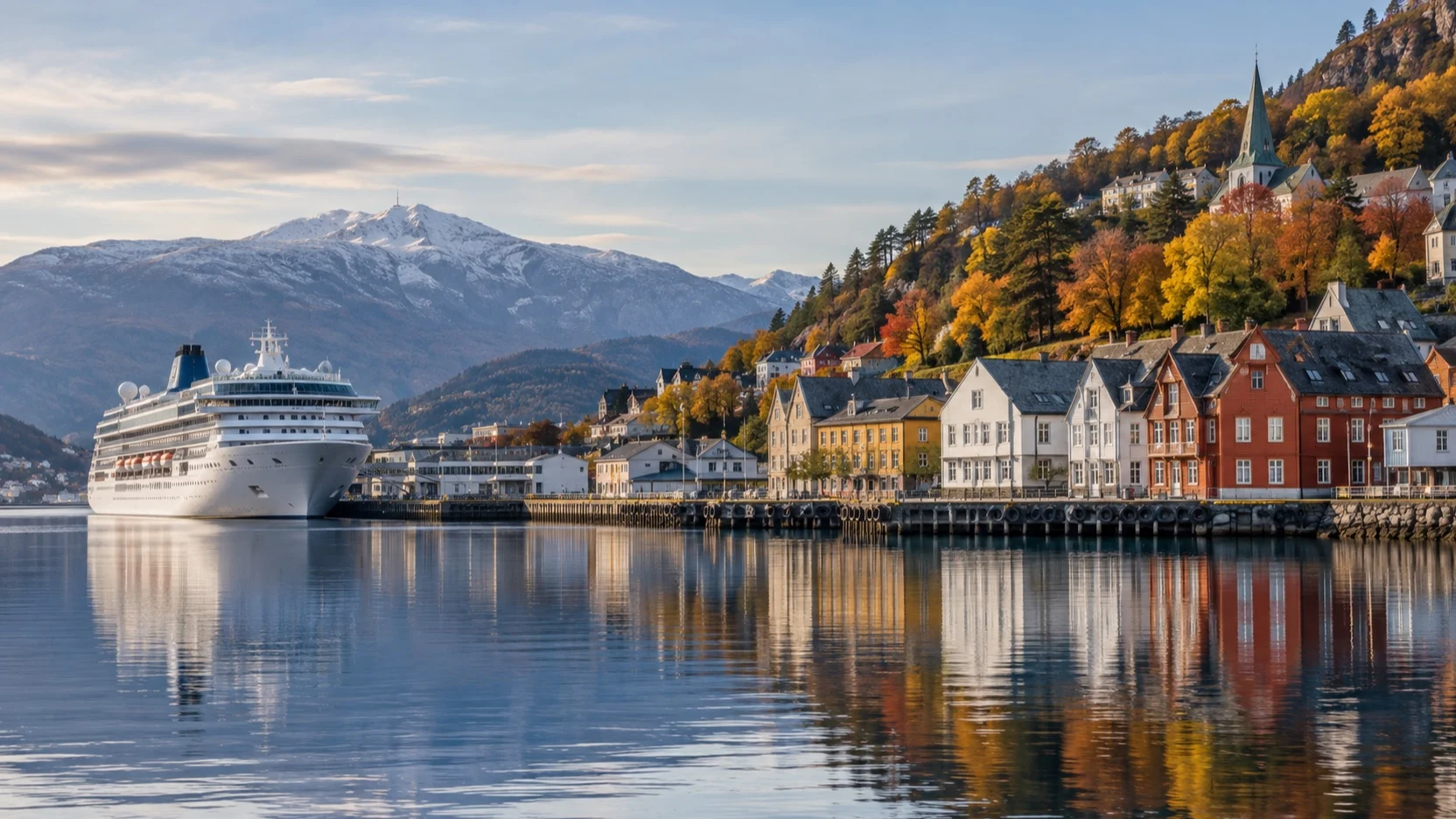
Mountain roads and scenic transport can have narrow operating windows. Snow, ice, daylight, maintenance, and low demand influence service.
Use the official Visit Norway destination pages, then follow links to the actual transport or attraction operator. A tourism overview is not a departure schedule.
Fjord scenery remains even when a famous road closes. Build a lower-elevation drive, museum, rail, or village plan as the backup.
Canada and New England checks
Autumn color drives demand, but foliage timing is never guaranteed. Seasonal boat tours, parks, restaurants, and island ferries can close or reduce service as the season ends.
Check vacations and weekends because schedules may differ sharply. A shop town can feel lively on Saturday and quiet on Monday.
Tender ports also face rougher-weather risk. Do not connect the last ferry or local boat directly to the ship’s final tender.
Japan and Asia shoulder-season checks
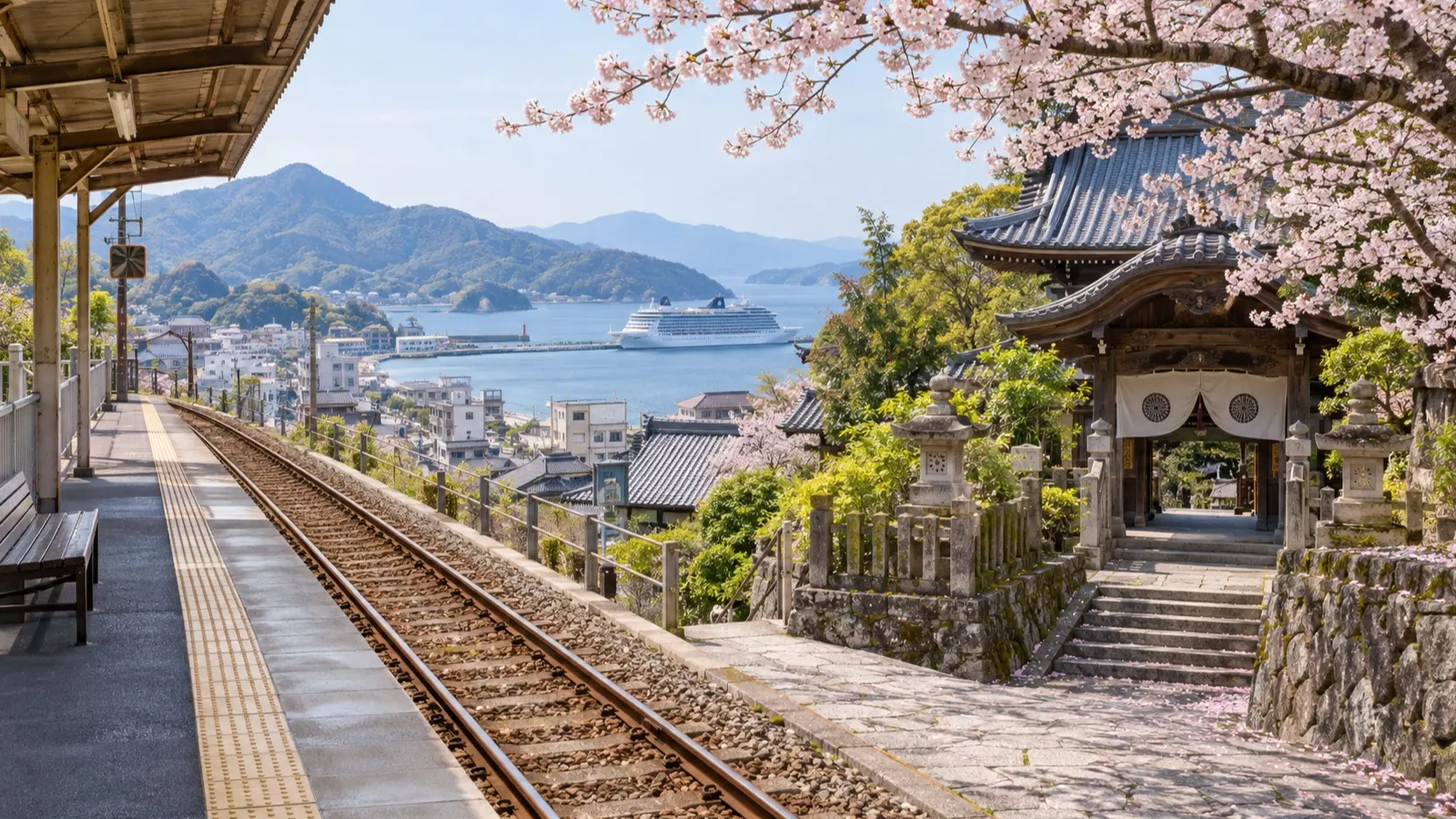
Gardens, temples, museums, ropeways, and festivals follow exact calendars. Peak blossom or foliage dates move with weather and cannot be promised.
Use the official Japan National Tourism Organization for destination context, then verify the specific venue and rail service. National holidays can increase crowds even outside the expected peak.
Typhoon, monsoon, or winter-weather risk varies by region and month. Match the plan to the actual geography.
Shoulder-Season Cruise Port Quick Facts
Check in this order:
- Official attraction or managing agency
- Official transport operator
- Port authority or cruise-line port notice
- National or local weather authority
- Tour operator’s written itinerary
Blogs, reviews, forums, and social posts can reveal practical questions. They should not overrule a current closure notice.
Save screenshots with the date. If the attraction later changes its schedule, you will know what information the booking relied on.
Questions to ask before paying
Is the full attraction open on my exact date?
What is the last admission?
Which features are seasonal?
Does the tour operate with fewer participants?
What transportation is included?
What happens if a road, trail, boat, or elevator closes?
Is a substitute attraction used?
Can I cancel if the headline feature is unavailable?
Does the price change for a shortened route?
How is a missed port handled?
Ask the seller to name the venue and route. “Scenic coastal experience” can hide the fact that the advertised boat no longer operates.
How to build a shoulder-season port day
Confirm one year-round anchor
Choose a museum, historic district, cultural site, food experience, or city attraction that is genuinely open. Make it the part of the day you would regret missing.
Add one seasonal possibility
Keep the boat, trail, garden, viewpoint, or wildlife tour only if current conditions allow. Do not connect another nonrefundable booking directly after it.
If an attraction is central to the trip, I want its current calendar before I want anyone’s reassuring forum comment.
Save an indoor or lower-elevation backup
Use different weather and transport infrastructure. A museum in town is better insurance than another mountain attraction.
Finish near the port
Short daylight and reduced transport make a close final stop valuable. Begin the return earlier than a summer review suggests.
Why shoulder season can still be better
Reduced crowds can make museums, old towns, restaurants, and public transport more pleasant. Cooler weather can improve long sightseeing days, and local life may feel more visible after peak tour groups leave.
The tradeoff is uncertainty and fewer services. Travelers who value atmosphere and flexibility may prefer it, while travelers with one nonnegotiable seasonal activity should book within that activity’s strongest operating window.
Common mistakes
Do not assume the cruise line’s arrival proves an attraction is open. The ship sells the itinerary, not every local business.
Do not rely on Google’s summary hours without opening the official page. Vacation and seasonal exceptions are easily missed.
Do not book a last admission that begins when the motorcoach is supposed to arrive. Traffic and port clearance make exact timing fragile.
Do not use a summer packing list for an April or October day. Cold rain, wind, early darkness, or occasional snow can change both comfort and access.
Check the transport season as carefully as the attraction
A year-round museum is not useful if the seasonal ferry, shuttle, mountain road, or train needed to reach it is not operating. Verify the outbound leg, the last safe return, and a second return option on the exact weekday.
Shorter daylight can affect scenic roads, trails, viewpoints, and the comfort of waiting for transport even when the attraction stays open. Keep the final activity near the port and move the most weather-sensitive stop earlier.
Accessible vehicles and seasonal services may run less often than ordinary transport. Reserve the required space directly and confirm whether reduced operations change the device, companion, or transfer rules.
Quick answers
When is cruise shoulder season?
It depends on the region and product. Alaska, the Mediterranean, Norway, Japan, and Canada use different calendars.
Define it from the attraction or experience you care about, not from a generic cruise-fare chart.
Can closures cancel a port?
Usually a port has many possible activities, so one closure does not determine the ship’s call. Operational, safety, and itinerary decisions follow the cruise contract and local conditions.
The line may modify or cancel its excursion. Independent bookings follow separate terms.
Are shoulder-season tours cheaper?
Some may cost less, while limited transport or small-group operation can make others more expensive. Price does not prove full access.
Compare the exact route, duration, inclusions, and substitute policy.
How soon should I recheck closures?
Check before booking, about two weeks before departure, the evening before the call, and again after any major weather event. Monitor direct messages from the seller.
For a must-do attraction, check more often around announced maintenance or seasonal transitions.
How this guide was researched
We reviewed current operating information from the Pompeii Archaeological Park, Cinque Terre National Park, Visit Norway, and the Japan National Tourism Organization. Sources and our port guides were checked in September 2026, while seasonal schedules, maintenance, transport, and weather access require exact-date confirmation.
Editorial standards: Research and time-sensitive details were reviewed in September 2026. See our Editorial Policy for how Cruise Ports researches, checks, and updates guides.
More on this topic: browse every guide on weather, crowds and conditions.