Is Chichén Itzá Realistic From Cozumel or Progreso?
Chichén Itzá is realistic from Progreso on the right cruise call, but it is rarely a sensible independent day from Cozumel. The difference is not the quality of the ruins, which is extraordinary from either starting point, but the number of moving parts between your gangway and the archaeological zone.
From Progreso, a vehicle can head inland without a passenger ferry. From Cozumel, you must reach the island ferry terminal, cross to Playa del Carmen, transfer to a road vehicle, travel deep into Yucatán, and repeat the sequence before all aboard.
Quick Facts
- Best starting port: Progreso, provided the call is long and the tour leaves promptly.
- Cozumel verdict: Usually skip Chichén Itzá unless your cruise line offers a protected excursion designed for that sailing.
- Progreso challenge: A long road trip in both directions, even without the ferry.
- Cozumel challenge: Terminal transfer, passenger ferry, road transfer, and the same connections in reverse.
- Ideal site time: Enough for a guided circuit and independent looking, not a hurried photo stop.
- Best Cozumel alternatives: San Gervasio, snorkeling, a marine park, or an island beach day.
- Best Progreso alternatives: Mérida, Dzibilchaltún when open, Uxmal on a suitable call, or a closer cenote and cultural itinerary.
- Nonnegotiable check: Confirm berth, all-aboard time, ferry status, site rules, tour inclusions, and the return guarantee.
The starting port changes the answer
Cozumel and Progreso are both Mexican cruise ports on the Yucatán Peninsula, but they do not offer comparable access to Chichén Itzá. Cozumel is an island off Quintana Roo, while Progreso is connected by road to the inland state of Yucatán.
That geography matters more than any optimistic drive-time estimate. A map may show the archaeological site on the same peninsula, yet a Cozumel traveler cannot simply step into a waiting coach and begin the highway journey.
Progreso removes the ferry and most of the fragile connections. It does not remove the distance, so the excursion still needs a long call, an efficient departure, and a disciplined return plan.
Why Chichén Itzá deserves unhurried time
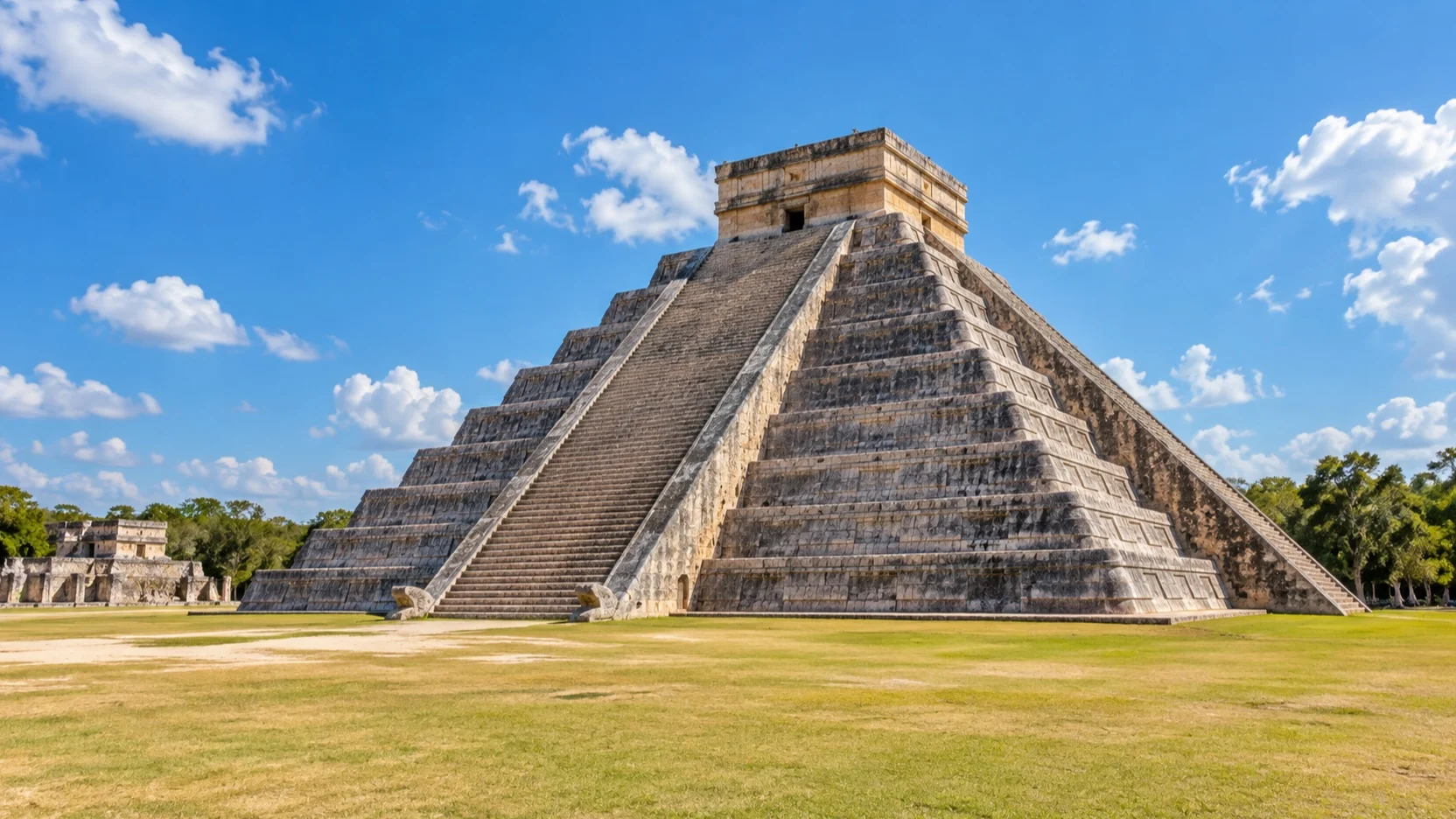
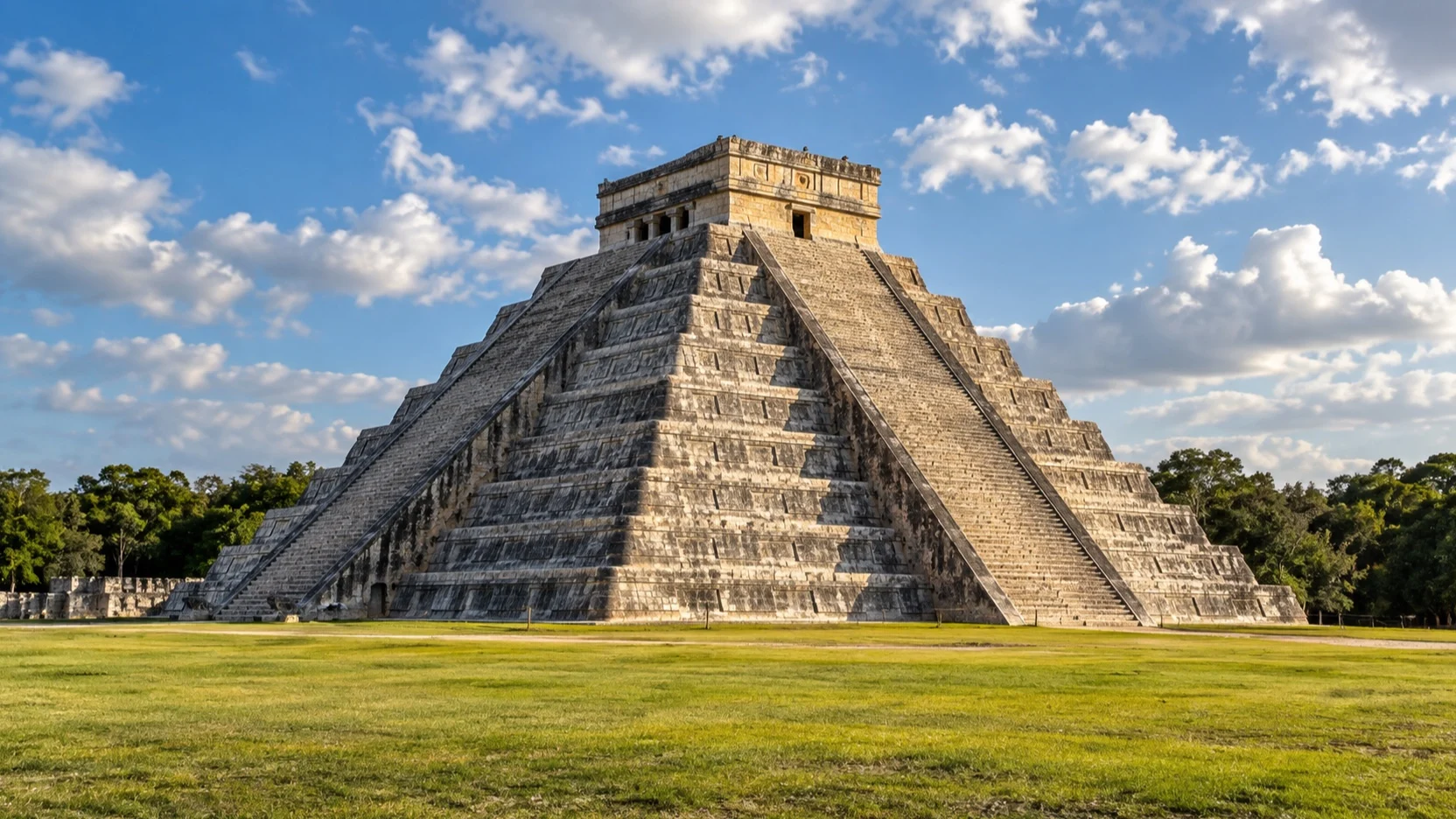
The UNESCO World Heritage Centre describes Chichén Itzá as one of the great Maya centers of the Yucatán Peninsula, shaped across nearly a thousand years. Its surviving monuments include El Castillo, the Temple of the Warriors, the Great Ball Court, and the circular observatory known as El Caracol.
This is not one pyramid surrounded by an empty lawn. The site’s scale, carved details, ceremonial spaces, and layers of Maya and Toltec influence reward explanation and enough time to stop, look, and connect the structures.
A tour that reaches the entrance but gives you a rushed circuit misses the point. Before booking, ask how long the group is expected to spend beyond the ticket check, not merely how long the entire excursion lasts.
Visitors must follow current conservation barriers and instructions from Mexico’s National Institute of Anthropology and History. Do not plan on climbing El Castillo or any monument unless the authority explicitly changes the onsite rules.
Cozumel turns one excursion into a relay
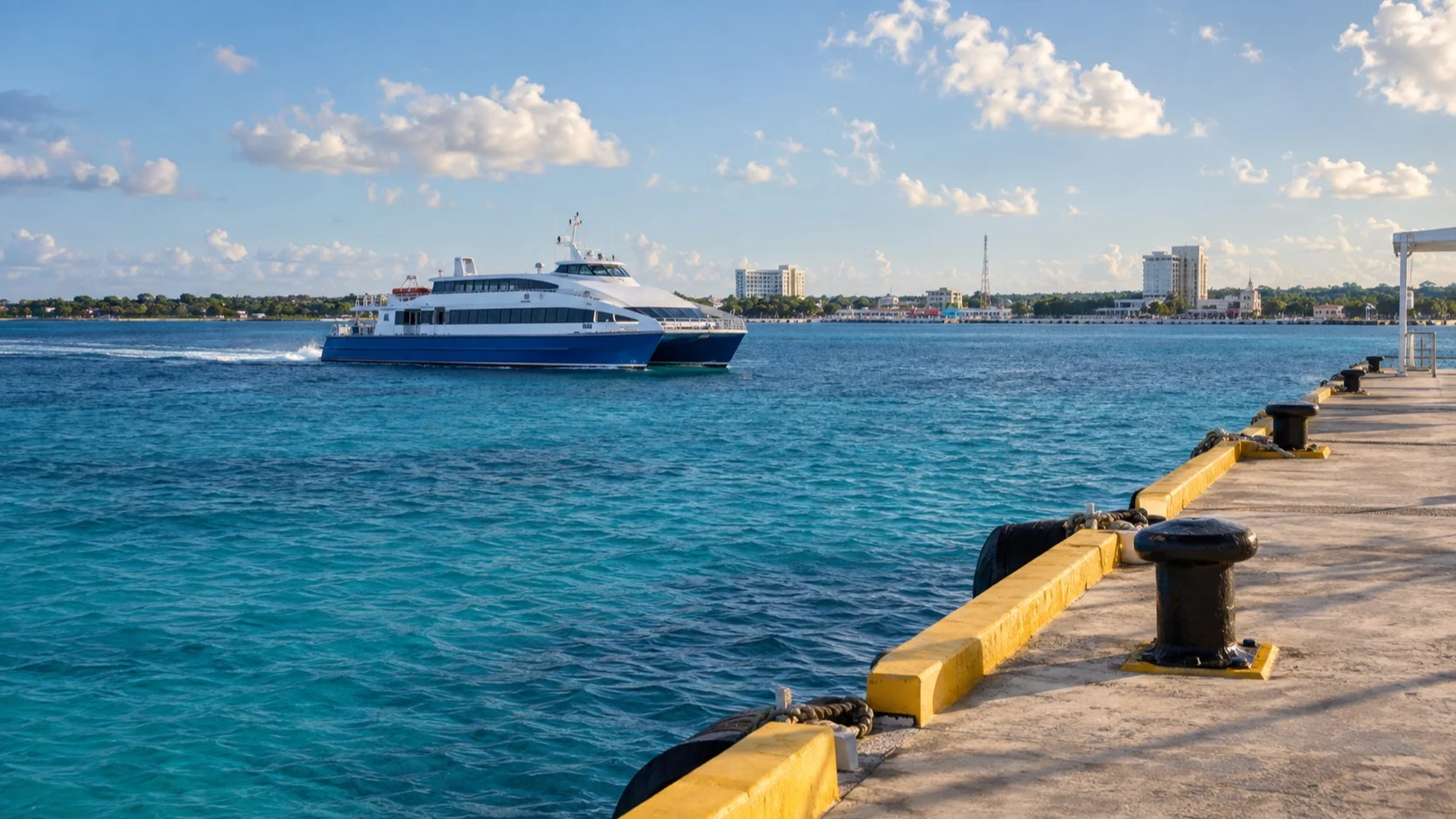
A Cozumel attempt begins with your ship’s actual terminal, not with the mainland highway. Cruise ships may use Puerta Maya, the International Pier, or Punta Langosta, and only the downtown berth is close to the passenger ferry terminal.
Passengers at the southern terminals need a road transfer into San Miguel before boarding the ferry to Playa del Carmen. Queues, traffic, ticketing, boarding, luggage procedures, and the walk from the mainland pier all consume time before the inland drive even begins.
The official Ultramar route page is useful for checking current scheduled service, but a timetable is not a guarantee of calm seas or seamless connections. Ferry schedules can change, crossings can be uncomfortable, and a missed departure may erase the safety margin.
After Playa del Carmen comes a substantial highway journey across the peninsula. Every delay matters twice because the group must travel back to the ferry, cross to Cozumel, and still reach the correct cruise terminal.
This is why an independent Cozumel trip is a poor risk even when someone produces a perfect spreadsheet. Cruise days rarely operate under perfect conditions, and there are too many separate handoffs for a responsible plan to depend on all of them.
Could a ship excursion make Cozumel workable?
If your cruise line sells Chichén Itzá for your exact Cozumel call, it has assessed the scheduled port window and arranged the transport chain. That protection may make the trip technically possible, but it cannot make the ferry and road hours disappear.
Read the description for expected site time, meal arrangements, ferry handling, walking, and restroom stops. Ask what happens if the ship arrives late or the ferry cannot operate, because the backup plan may be more important than the headline attraction.
I would choose it only if Chichén Itzá is the trip’s overriding priority and this sailing offers no better mainland port. Travelers prone to seasickness, young children, and anyone uncomfortable with a very long transport day should be especially cautious.
Progreso is direct, but it is not close
Progreso gives the excursion a cleaner shape because coaches can travel from the port area into Yucatán without crossing open water. That single difference removes the most failure-prone element of the Cozumel route.
The inland journey is still long enough to dominate the day. A strong excursion leaves efficiently, limits unrelated pickups, reaches the archaeological zone with meaningful time available, and protects a generous drive-back margin.
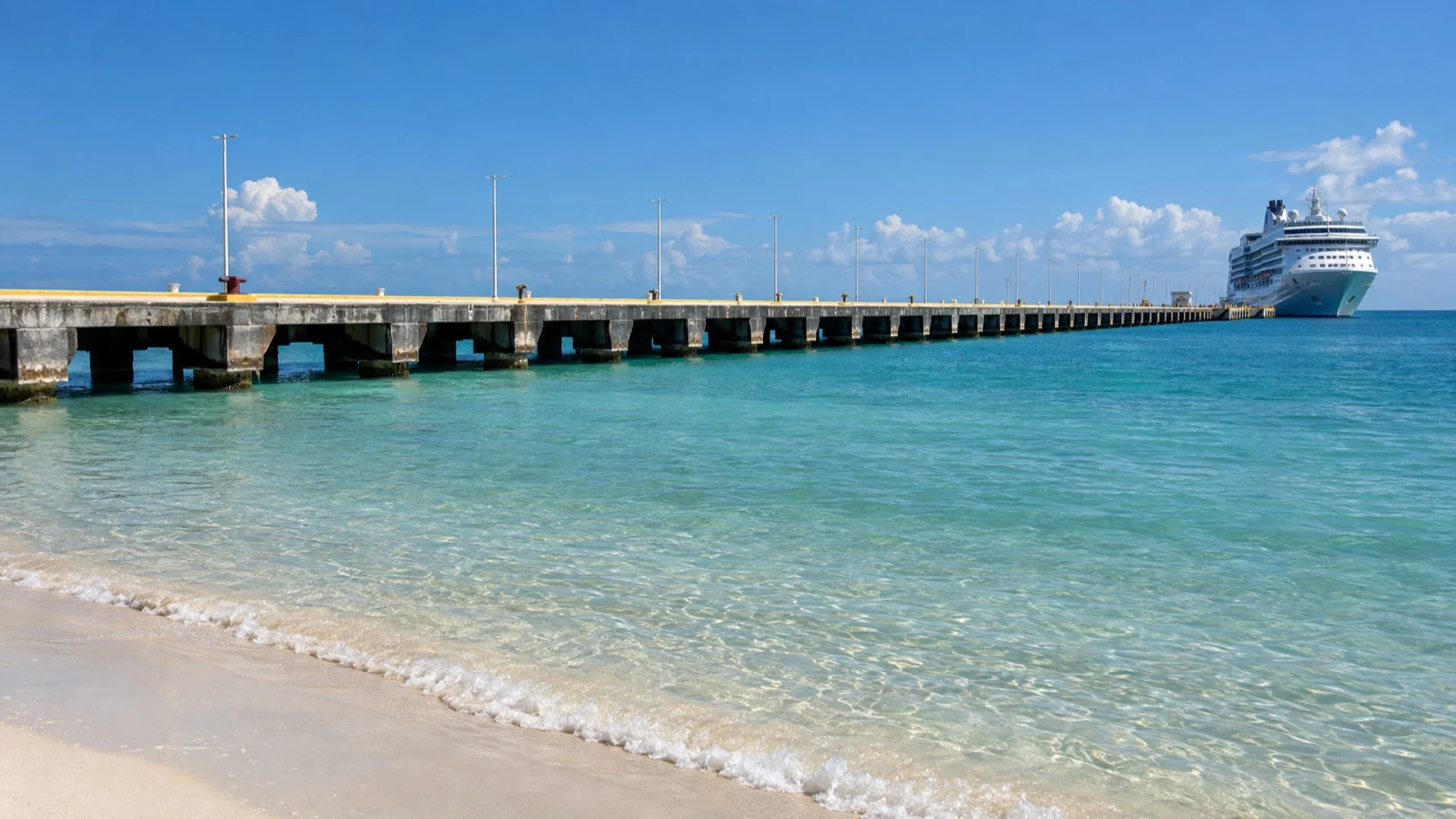
Progreso also has an unusually long pier, so passengers may use port transportation between the ship area and town or a tour meeting point. Follow the cruise line and port instructions for your specific berth rather than assuming you can walk directly to an outside vehicle.
A late ship arrival can turn a responsible Chichén Itzá plan into an irresponsible one. The operator should shorten or cancel the outing when the remaining window no longer supports both the visit and a safe return.
What a good Progreso itinerary looks like
The best version treats Chichén Itzá as the main event. The coach departs promptly, the guide uses travel time well, and shopping or meal stops do not steal the hours that justified the long drive.
Ask for the planned arrival and departure times at the archaeological zone. A statement such as ample time is marketing language, while an actual window lets you judge whether the experience matches the price.
Also confirm whether admission, guide service, lunch, drinks, restrooms, and any required site fees are included. A lower advertised price may not remain lower once essential costs are added.
Ship tour, local operator, or independent trip
Ship excursion
A cruise-line excursion is the most defensible choice for Chichén Itzá from either port, and it is particularly important from Cozumel. Confirm the cruise line’s actual delayed-return policy rather than relying on a general promise repeated in a sales pitch.
The tradeoff may be a larger group, slower loading, and less control over the visit. Compare the itinerary carefully because a protected return does not automatically mean a high-quality archaeological experience.
Independent operator
A reputable local operator may provide a smaller group, more focused interpretation, and fewer commercial stops. From Progreso, this can be reasonable when the provider has a conservative ship-return plan and a pickup arrangement that complies with port access rules.
Request the itinerary, vehicle type, licensing details, cancellation terms, and emergency contact in writing. Ask how recent cruise groups from your port have been handled, not just whether the company visits Chichén Itzá from hotels.
Do it yourself
DIY offers the least protection and requires you to absorb every delay. From Cozumel, the ferry and road chain makes it an option I would reject for a normal cruise call.
From Progreso, renting a car or arranging private transportation removes group loading but adds navigation, vehicle, insurance, parking, and return responsibility. Unless your call is exceptionally long and you know the route, the small gain in freedom may not justify the added risk.
Should you add a cenote?
A cenote can provide a refreshing contrast after a hot archaeological visit, but it is not a free bonus. Changing clothes, safety briefings, swimming, showering, and loading the vehicle all require time.
From Progreso, the combination can work on a long excursion designed around both experiences. From Cozumel, adding a cenote to the existing ferry and highway relay usually makes an already compressed day less satisfying.
Ask about stairs, ladders, water depth, life jackets, lockers, changing rooms, and nonswimmer options. A beautiful cenote photo tells you nothing about whether everyone in your group can enter and exit safely.
Heat, crowds, and walking change the value
Chichén Itzá is exposed, busy, and hot for much of the cruise season. The ground can be uneven, shade is limited along parts of the visitor circuit, and the site covers far more space than the famous El Castillo view suggests.
Bring water, sun protection, comfortable closed shoes, and any medication you may need during a long vehicle day. Travelers with limited mobility should request precise walking distance, surfaces, rest points, restroom access, and the distance from parking to the visitor area.
An early arrival often improves the experience, but cruise timing may not allow it. A good guide adapts the route to crowd flow while respecting barriers, conservation rules, and the group’s physical limits.
Better Maya choices from Cozumel
San Gervasio is the logical archaeological alternative because it is on Cozumel itself. It is smaller and visually less monumental than Chichén Itzá, but the shorter transportation time leaves room for interpretation, an island drive, a meal, or a beach stop.
Mainland sites can still be appealing when they are paired with a ferry crossing that fits the call, yet they retain the same marine connection risk. Compare the total logistics against an island day before assuming a larger ruin always produces the better memory.
Cozumel is also a strong destination for reefs, snorkeling, diving, marine parks, and relaxed shore time. Choosing what the island does best is not settling for less, especially when the alternative is spending most of the call in transit.
Better choices from Progreso
Mérida offers architecture, markets, museums, food, and Yucatecan culture with less road pressure than Chichén Itzá. It is often the better choice for travelers who want a rich regional day without committing nearly the entire call to one distant site.
Dzibilchaltún can be a closer archaeological option when it is open and appropriate for the sailing. Uxmal is another major Maya site, but it still requires substantial driving and deserves the same careful timing review.
A closer cenote, hacienda, nature outing, or food-focused tour may create a more balanced day. The right alternative is the one that preserves enough time for the experience itself and leaves a return margin you can live with.
Questions to ask before booking
Ask which terminal or pickup point the price assumes, especially in Cozumel. A tour labeled from Cozumel may begin at the Playa del Carmen ferry pier, leaving you to manage the crossing and its risk yourself.
Ask how many minutes are planned inside the archaeological zone, how much guided time is included, and whether free time follows. Then ask which stops would be dropped first if the ship or ferry runs late.
Confirm the final cancellation deadline and the treatment of port changes, weather, ferry disruption, and site closure. Keep screenshots or written copies of the terms available offline on the day.
Finally, check the ship’s all-aboard time rather than the advertised departure time. Build a return cushion for security, the pier or shuttle ride, traffic, ferry queues, and the walk back to the gangway.
The realistic answer from each port
From Progreso, yes, Chichén Itzá can be realistic on a long call with an efficient excursion and a protected return. You must accept several hours on the road and insist that the site receives enough time to justify them.
From Cozumel, usually no. Consider only a cruise-line excursion built for your exact sailing, and book it knowing that ferries and highway transfers will consume much of the day.
If the excursion description is vague about site time, pickup, ferry handling, or the return plan, choose something closer. Chichén Itzá will still be there for a land trip that can give this remarkable place the attention it deserves.
How this guide was researched
This guide was checked in September 2026 against current information from INAH, UNESCO, and the official Cozumel passenger-ferry operator. Site access, conservation rules, ferry operations, weather, port procedures, and tour schedules can change, so verify every detail for your sailing and read our Editorial Policy for sourcing and corrections.
More on this topic: browse every guide on shore excursions and DIY port days.