Cruise Passenger Caps: The Ports Now Limiting Ships
Cruise limits are real, but headlines often mix together caps on ships, caps on passengers, limits on people going ashore, and restrictions on ship size or terminals. Those differences decide whether your booked call changes at all.
A cap does not promise an uncrowded town. Land visitors, ferries, events, tour buses, and several ships already within the limit can still fill the same streets.
My quick take
Treat every limit as a planning clue, not a crowd guarantee. Check the rule’s unit, effective dates, legal status, and your exact ship schedule before paying extra for a supposedly quieter call.
Juneau, Bar Harbor, and Cannes have the clearest current passenger or ship controls in this guide. Barcelona and Venice matter too, but neither is a simple daily passenger cap.
Your best crowd forecast is still the dated port schedule. A ceiling describes the busiest permitted day, while the schedule shows the ships expected on your day.
The quick facts
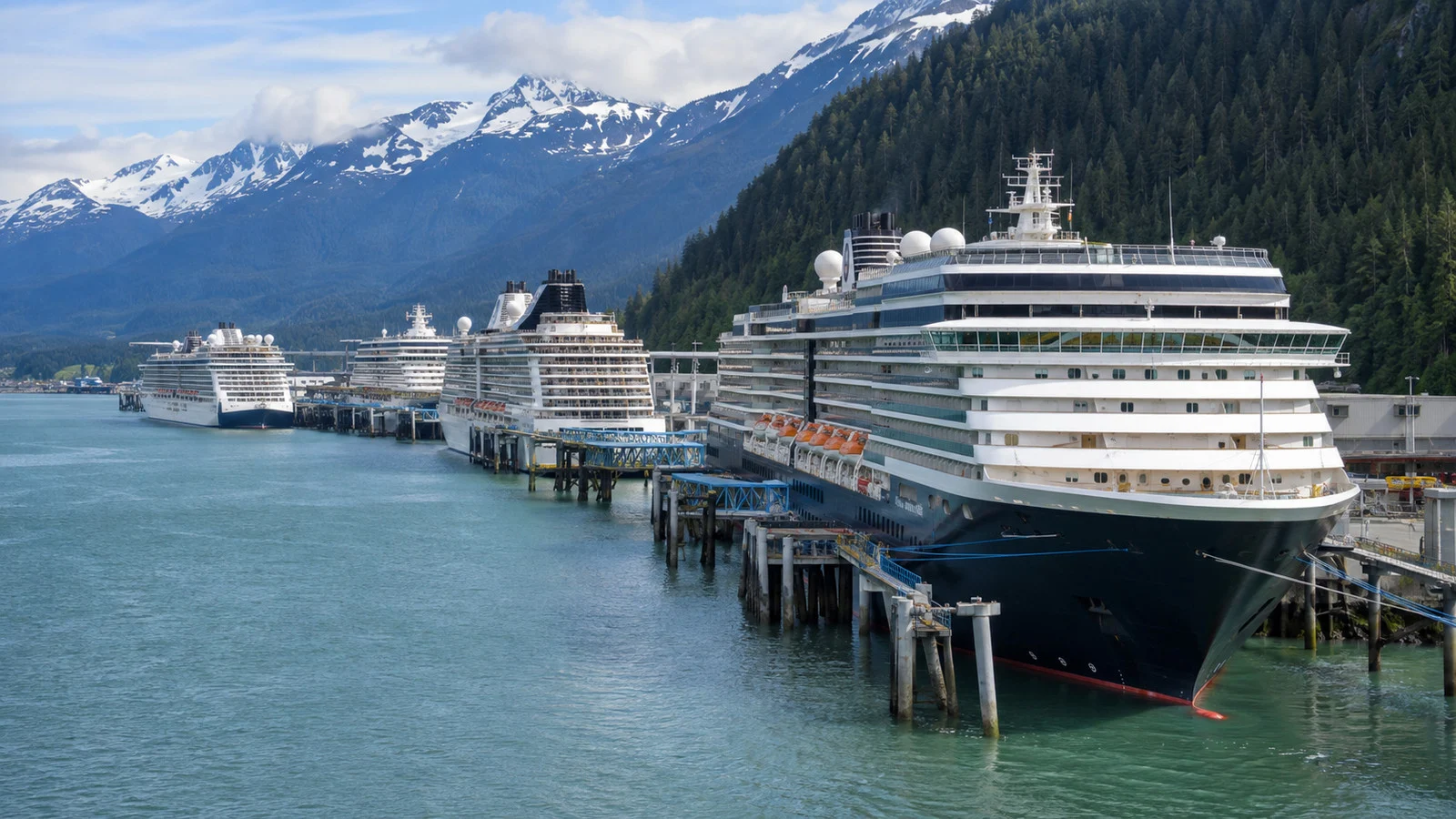
- Juneau: a voluntary agreement limits the schedule to five large ships per day, and a second agreement sets 2026 lower-berth ceilings of 16,000 Sunday through Friday and 12,000 on Saturdays.
- Bar Harbor: the voter-approved ordinance limits cruise passengers disembarking to 1,000 per day, but a May 2026 federal ruling left it enforceable only in July and August.
- Cannes: the city’s 2026 plan caps cruise visitors at 6,000 per day, limits the bay to one large ship per day, and reduces calls by ships carrying more than 3,000 passengers.
- Santorini: the island schedules cruise traffic to an 8,000-visitor daily ceiling, but tender timing and cliff transport can still produce long waits.
- Dubrovnik: coordinated call scheduling and berth management spread large ships rather than creating one simple statutory passenger cap.
- Venice: protected waterways exclude ships above specified size thresholds; this changes where large ships operate rather than capping all cruise visitors.
- Barcelona: the Adossat wharf is being consolidated from seven terminals to five by 2030, with a new public terminal planned for 7,000 passengers at one time.
- Best move: compare the live port schedule with the rule, then plan around the ships and berth assigned to your date.
First identify what the rule counts
A ship limit counts hulls, so five vessels may still bring very different passenger totals. A capacity agreement may use lower berths, which can differ from the number who actually sail or go ashore.
A disembarkation cap counts people crossing the waterfront, not everyone aboard. That distinction matters in Bar Harbor, where the ordinance targets daily cruise passenger disembarkations.
A call limit counts visits over a season or year. It can reduce total traffic without telling you whether one particular Tuesday will be busy.
A size, emissions, berth, or terminal rule changes which ships can use a location. Venice and Barcelona can reshape passenger flow without placing a simple daily ceiling on everyone arriving by cruise.
When an article says a port “banned cruise ships,” find the exact vessel size, waterway, berth, season, and effective date. The operational rule is often narrower than the headline.
Juneau: two negotiated limits work together
Juneau’s first agreement with major cruise lines set a threshold of no more than five large ships per day. The City and Borough of Juneau says the schedule began meeting it for the 2024 season.
A second agreement posted on the city’s tourism management page adds daily lower-berth limits beginning in 2026. The ceiling is 16,000 Sunday through Friday and 12,000 on Saturdays.
These are negotiated scheduling limits, not a prediction of how many people will walk downtown. Weather, occupancy, itinerary changes, and the number who remain aboard all affect the day.
Use the official Southeast Alaska schedule linked by the city to see your date. Then use our Juneau port guide to plan transport and a route away from the busiest waterfront blocks.
Bar Harbor: seasonal enforcement after the May 2026 ruling
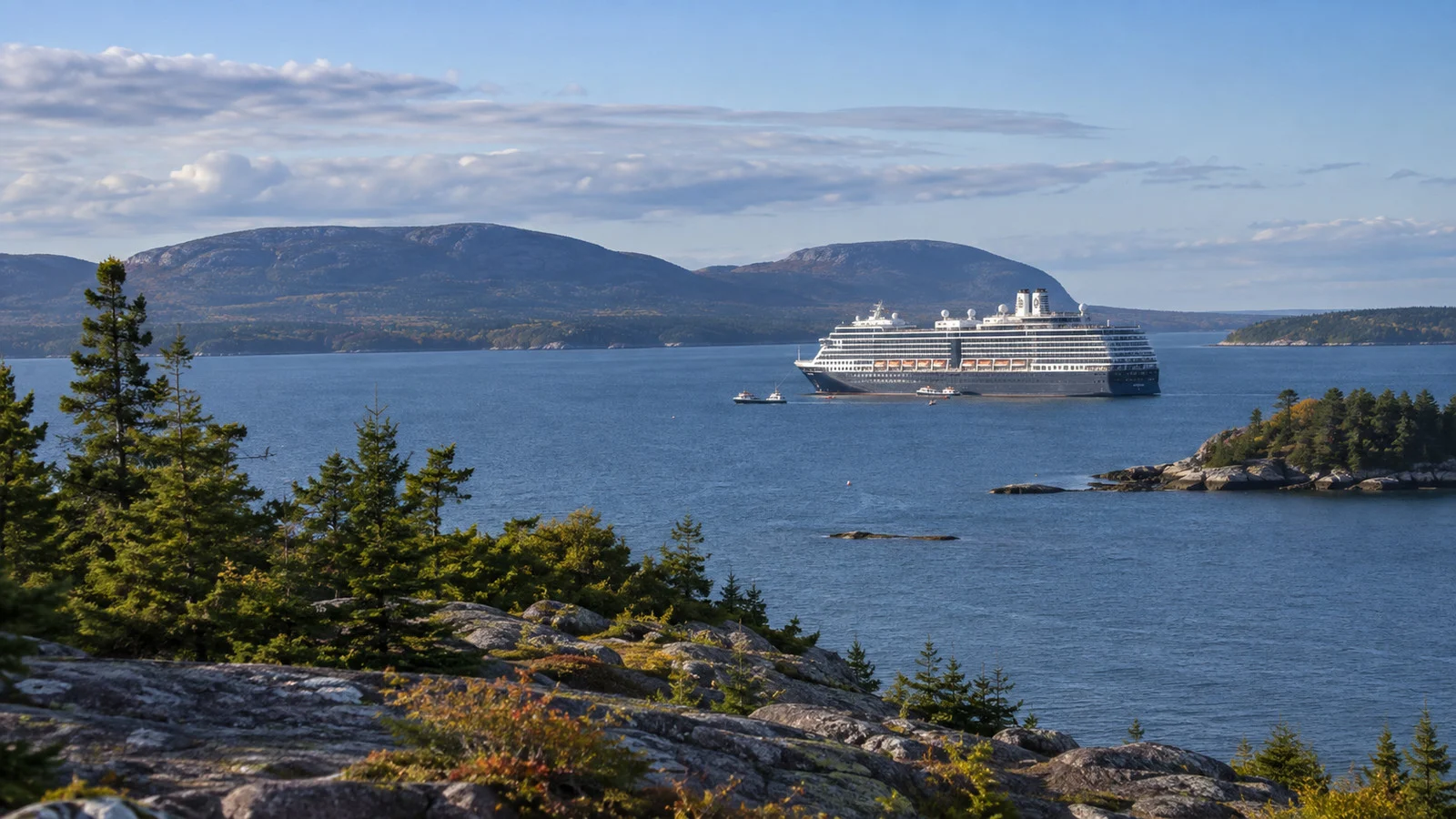
Bar Harbor voters adopted a land-use ordinance limiting cruise passenger disembarkations to 1,000 per day. The ordinance has been litigated, so older claims that it is either fully settled or completely invalid are unreliable.
In a post-remand decision dated May 15, 2026, the District of Maine left the limit enforceable in July and August but unenforceable in the shoulder months. A later appeal could change that status, so check the town’s current schedule.
The rule controls cruise disembarkations, not all visitors to Bar Harbor or Acadia National Park. Road traffic, lodging guests, day-trippers, and park reservations can still make a capped day busy.
Ships too large to land their guests within the enforced limit may skip Bar Harbor or use another date or port. Do not assume a normal one-day call will simply ration shore access among part of the ship.
Cannes: controls administered through the port
The City of Cannes says its 2026 measures cap cruise visitors at 6,000 per day and allow no more than one large ship in the bay per day. Calls by ships carrying more than 3,000 passengers fall to 34 in 2026 and 31 in 2027.
The city also explains that large ships anchor outside its 300-meter coastal jurisdiction. Cannes applies controls through the Vieux-Port concession and passenger movement rather than directly policing ships farther offshore.
One large ship does not mean one ship total, because smaller vessels may also call. Land tourism or a major event can dominate crowd levels.
Cannes is a tender port, so sea state and tender capacity may matter more than the headline cap. Confirm excursion priority and leave margin for the return.
Santorini: the ceiling does not remove the bottleneck
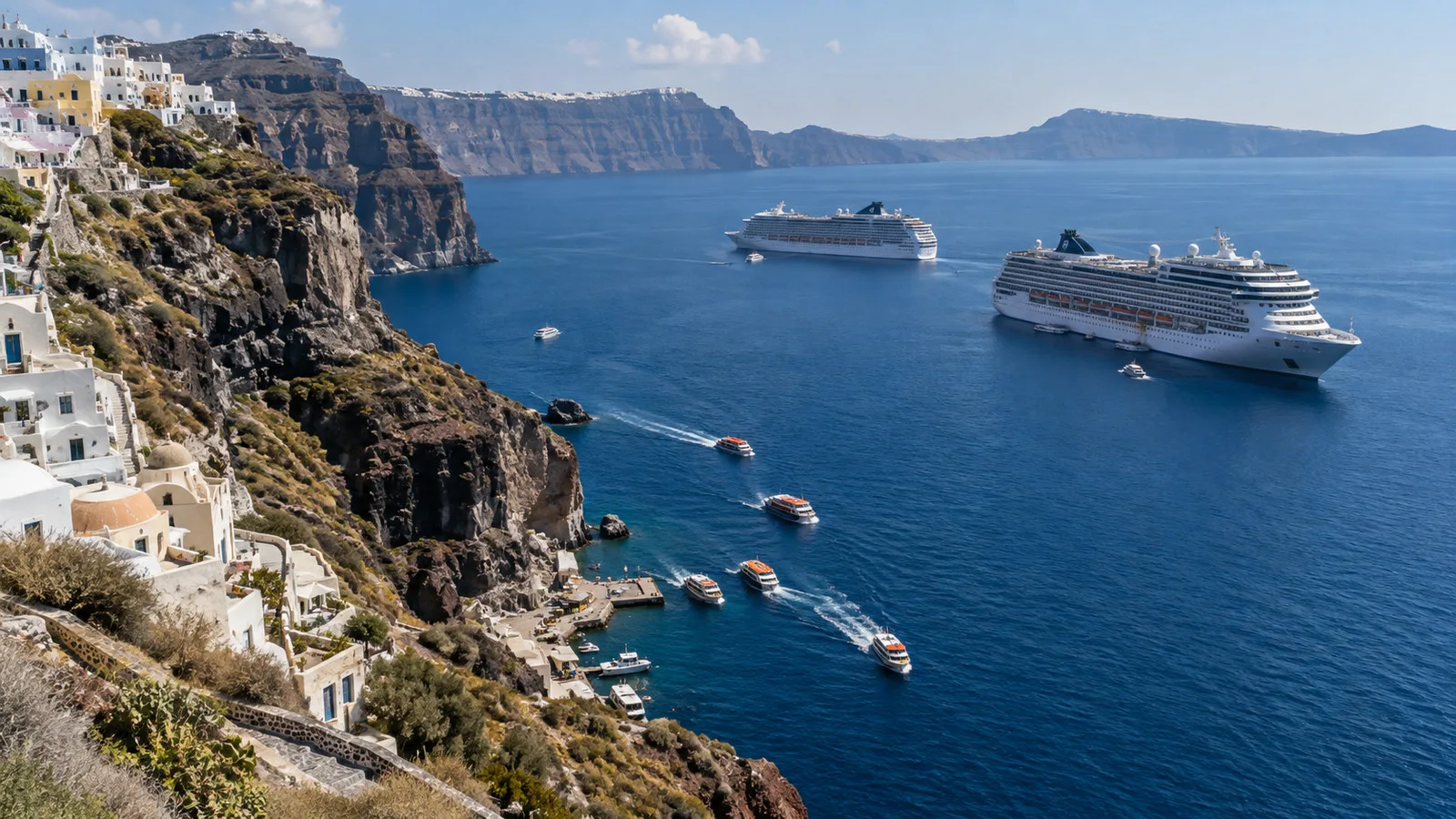
Santorini now schedules cruise traffic to an 8,000-visitors-per-day ceiling after much larger peak days drew heavy criticism. Several vessels can still arrive within that limit, so check the dated ship list.
Most cruise guests move between the Old Port and Fira by cable car or the stair route, while some ship excursions use Athinios. A compliant day can still create long waits when arrivals bunch together.
Do not assume the cap guarantees a short cable-car line or an accessible transfer. Our Santorini tender-port guide explains the landing, transport choices, and return timing.
Greece also charges a cruise arrival levy, with Santorini and Mykonos priced above other Greek ports during the busiest season. That is a fee, not evidence that your date will feel quieter.
Dubrovnik: scheduling rather than one magic number
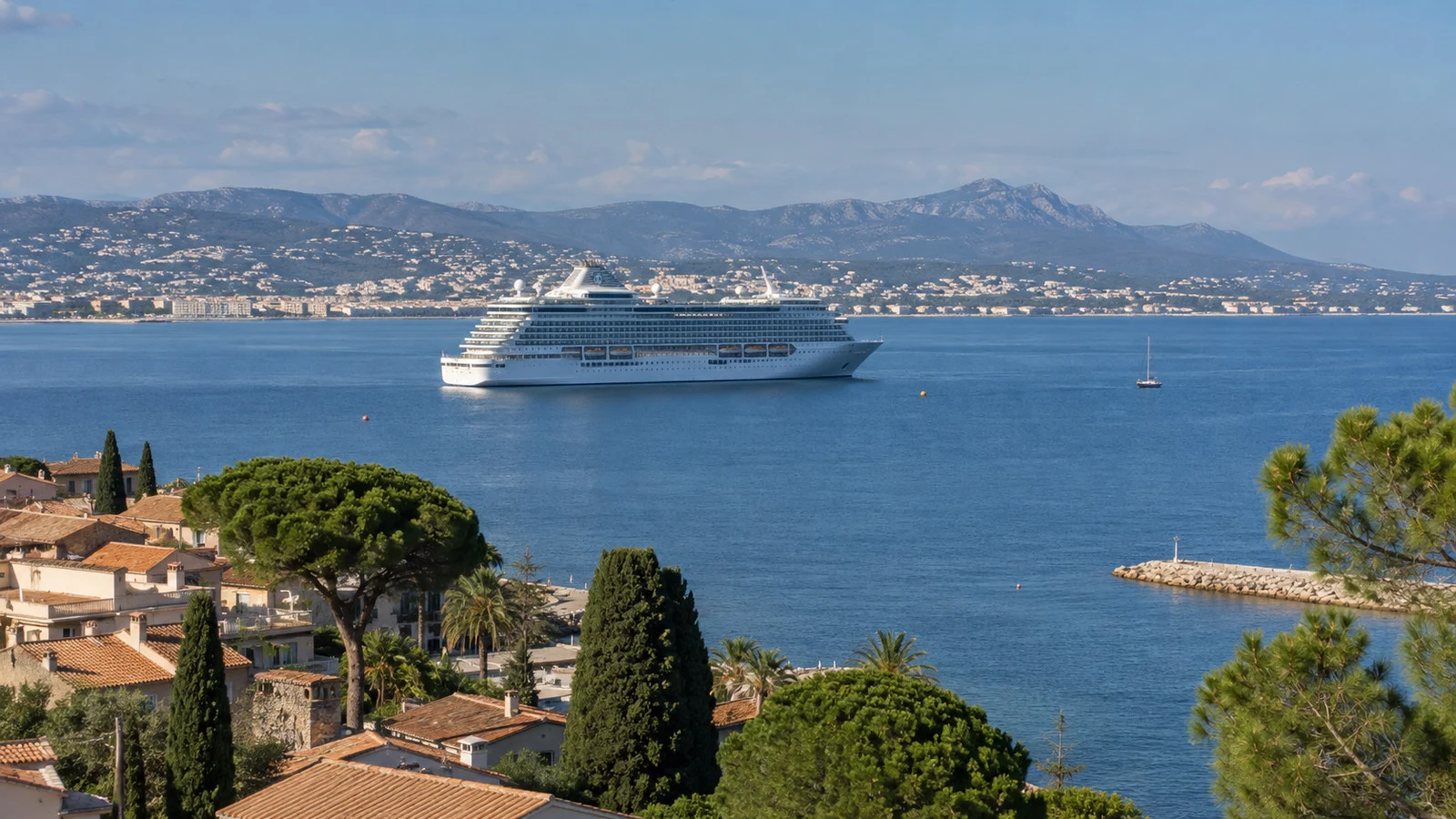
Dubrovnik uses advance call coordination, berth assignments, and scheduling principles to control the concentration of large ships. Sources often summarize managed days at about 8,000 cruise passengers, but the actual schedule is more useful than treating that figure as an inflexible law.
Ships may berth at Gruž or tender near the Old Town, and those routes create different pressure points. A managed total does not prevent a morning surge when several groups reach Pile Gate together.
Check the Dubrovnik Port Authority schedule, arrival times, and berths. Our Dubrovnik port guide covers the route from Gruž and the Old Town tender landing.
Venice: a ship-size rule, not a headcount
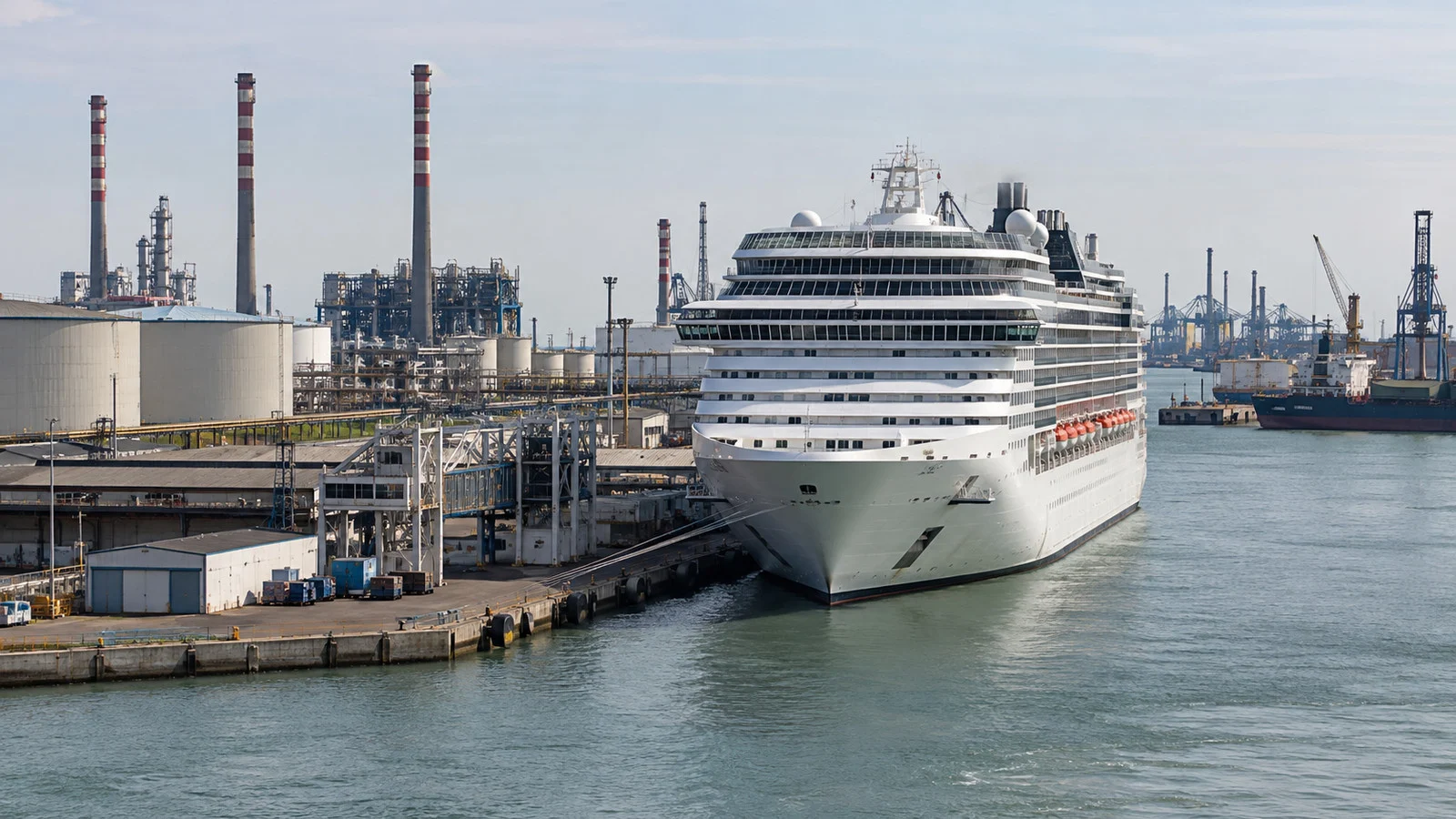
Venice did not impose a simple daily cruise-passenger ceiling. Italy protected the Saint Mark’s Basin, Saint Mark’s Canal, and Giudecca Canal and excluded vessels above specified size thresholds.
The Library of Congress summary lists the main thresholds as more than 25,000 gross tons, more than 590 feet at the waterline, or more than 115 feet above the waterline. Qualifying large ships use alternative industrial-port arrangements such as Marghera.
This can add a secure-zone transfer or remote check-in process. Ask the line for the exact location instead of booking transport to “Venice port” generically.
The ship-size issue is covered in our guide to cruise ship size and port access.
Barcelona: fewer terminals are not a daily cap
Barcelona’s current agreement reorganizes the Adossat wharf from seven cruise terminals to five by 2030. The Port of Barcelona says terminals A, B, and C will be replaced by a new public terminal C.
The new public terminal is designed to handle 7,000 passengers at any one time. That is terminal capacity, not a 7,000-person daily limit for the whole port.
Fewer terminals can constrain simultaneous operations and change transfers, but larger ships and homeport turnover can still create busy days. Use the port’s arrivals and departures schedule for your date.
Barcelona also plans shuttle, public-transport, taxi, bicycle, and pedestrian improvements. Construction phases may affect routes before the 2030 end state.
What a cap means for your booked cruise
A confirmed slot usually means the line planned around the current rule. It does not prevent later changes caused by weather, operations, litigation, port orders, or berth availability.
Do not assume the ship will allow only some guests ashore when its capacity exceeds a cap. The more likely result is a compliant ship or date, a changed call, or removal of the port.
A new limit can make small and midsize ships more competitive for certain destinations. It can also move a large ship to a remote berth without reducing the number of passengers visiting the city.
If one port is the main reason for the trip, choose flexible air, hotel, and excursion arrangements. Cruise ticket contracts generally give lines broad authority to change ports and times.
How to plan a capped port day
- Find the current rule: use the city, port, court, or government source and note the effective date.
- Identify the unit: ships, lower berths, people aboard, people disembarking, annual calls, ship size, and terminal capacity are not interchangeable.
- Open the live schedule: count ships and compare arrival windows for your exact date.
- Check the berth or anchorage: a remote quay or tender can change the day more than the cap.
- Reserve the bottleneck first: book a timed attraction, accessible vehicle, or high-priority excursion before the easy parts.
- Keep a backup: choose reservations that tolerate itinerary, timing, or berth changes.
Accessibility: fewer passengers do not guarantee easier access
A lower passenger total can reduce pressure on tenders, sidewalks, and shuttles, but the benefit is not automatic. The remaining ships may arrive together, and an accessible route may have its own capacity limit.
Santorini’s cliff transfer, the Cannes tender, Venice’s industrial-port transfer, and Barcelona’s changing terminals all require route-specific questions. Ask about gangways, tender eligibility, lift-equipped shuttles, terminal distance, and accessible excursion vehicles.
A passenger cap does not require accessible taxis, step-free historic streets, or priority attraction entry. Reserve scarce transportation in writing and confirm the exact ship and berth.
Do not assume fewer ships means calmer tender boarding. Wind, swell, platform movement, and the captain’s decision remain controlling.
Common mistakes
The first is comparing a ship cap with a passenger cap as if they were equal. Five large ships can carry far more people than five small ones.
The second is treating an announced future plan as a rule already in force. Barcelona’s five-terminal configuration is scheduled for 2030, with construction happening in stages.
The third is ignoring litigation. Bar Harbor’s enforceable season changed in May 2026, and another ruling could change it again.
The fourth is assuming a cap fixes the attraction bottleneck. Cable cars, old-city gates, coaches, and tenders can still concentrate people from a compliant schedule.
The fifth is paying a premium for a headline. Compare the dated ship schedule before assigning monetary value to a limit.
Quick answers
Which ports have active daily cruise limits in 2026?
Juneau uses negotiated ship and lower-berth ceilings, Bar Harbor’s disembarkation cap is enforceable in July and August under the May 2026 ruling, and Cannes applies a 6,000-person daily ceiling. Santorini schedules cruise traffic to an 8,000-visitor daily ceiling.
Will a cap make my port day quiet?
Not necessarily. It can remove extreme cruise peaks, but land visitors, ferries, events, arrival timing, and local bottlenecks still decide how crowded the day feels.
Are Venice and Barcelona passenger caps?
No. Venice restricts large ships from protected waterways, while Barcelona is consolidating terminal infrastructure from seven facilities to five by 2030.
Can a passenger cap cancel my call?
It can affect future schedules and which ships are assigned, but weather and operations remain common reasons for a late change. A published itinerary never makes a call unconditional.
Where should I check my date?
Use the port authority’s live call schedule and the line’s exact sailing page. Our guide to checking how many ships share your port day shows what to compare.
What if several ships fit under the limit?
They can still create a sharp morning surge if arrivals overlap. Our guide to several ships in one port explains how to plan around that wave.
The last word
Cruise caps are not one policy and should never be read as a quiet-day guarantee. Start with what is counted, when the rule applies, and what the dated ship schedule shows.
Check the berth, protect the bottleneck, and keep excursions flexible. That turns a political headline into a practical port-day plan.
How this guide was researched: Current limits and definitions were checked against official material from Juneau, Cannes, Barcelona, the 2026 federal decision concerning Bar Harbor, and the Library of Congress summary of Venice’s decree. Legal status, effective dates, and operating details can change.
More on this topic: browse every guide on weather, crowds and conditions.