Cherry Blossom and Fall Foliage Cruises: The Timing Gamble
You can book a cherry blossom or fall foliage cruise a year ahead, but the trees will not settle their schedule until the weather unfolds. The goal is not to predict one perfect day; it is to choose a route and date range that give you several good chances.
Both trips are timing gambles, but blossom season is the sharper target. Fall color moves across regions for weeks, while warmth, rain, or wind can quickly change a cherry-blossom viewing window.
My quick take
For Japan, compare the itinerary’s latitudes before its marketing label. A spring sailing that reaches several regions gives you a better hedge than a route built around one city and one date.
For Canada and New England, choose the region that matters most. Late September can suit northern areas, while Maine’s official guidance places typical coastal and southern peak or near-peak color from mid-October through month’s end.
No departure date can make a whole multiregion route look like a calendar photo. Book ports you would enjoy with green leaves, patchy color, or bare branches, then let the seasonal show be the bonus.
The quick facts
- What Japan officially measures: the Japan Meteorological Agency calls the blooming date the first day five or six blossoms have opened on a sample tree, and full bloom the first day more than 80% of that tree’s blossoms are open.
- Who forecasts it: private weather companies, not the agency. The Japan National Tourism Organization publishes a national map using Japan Weather Association forecasts and warns that dates can change with the weather.
- The 2026 spread: the JNTO page listed first bloom on March 19 in Tokyo and Hiroshima, March 26 in Osaka, April 13 in Aomori, and April 19 in Sapporo. That is roughly a month between central and northern cruise gateways.
- How far it swings: Tokyo bloomed on March 29 in 2024, which JIRCAS reported was five days later than normal and more than two weeks later than the year before.
- The long trend: the agency’s records show cherry flowering about 4.2 days earlier per 50 years nationally, with a 6.1-day shift in six large cities and a 2.8-day shift in eleven smaller cities.
- Fall color is drifting the other way in Japan: the same JMA record puts Japanese maple tinting about 15.6 days later per 50 years. Historical averages are starting points, not promises.
- What North America publishes: live reports are more useful than distant forecasts. Maine posts weekly reports from mid-September to mid-October, while Québec runs an official map from mid-September through the end of October.
First bloom is not a blossom-filled park
The date quoted in most headlines is first bloom on one sample tree. Five or six open flowers can trigger that observation, so it does not mean every tree near your cruise port is ready.
Full bloom is a separate milestone, and the gap varies with temperature, variety, elevation, and location. Wind and rain can shorten the display afterward, so a forecasted date should never be treated as a guarantee.
Use the forecast to choose among parks once your sailing is close. Do not turn one city’s first-bloom date into a precise prediction for another neighborhood, a hilltop garden, or a port an hour away.
A garden with several cherry varieties can offer a wider window than a famous avenue planted mostly with one type. That is a useful backup when the headline trees are early or late.
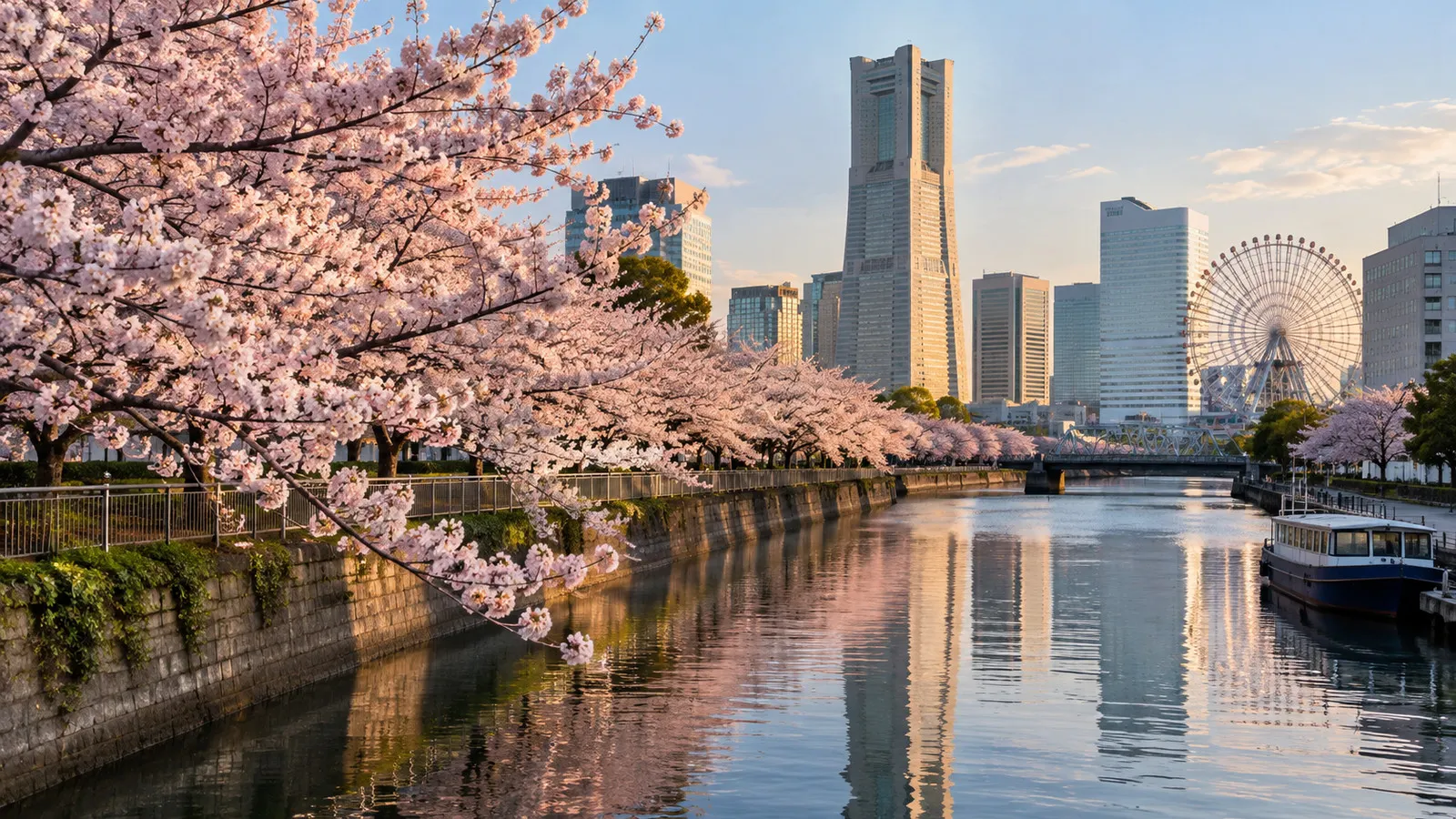
How to hedge a Japan blossom cruise
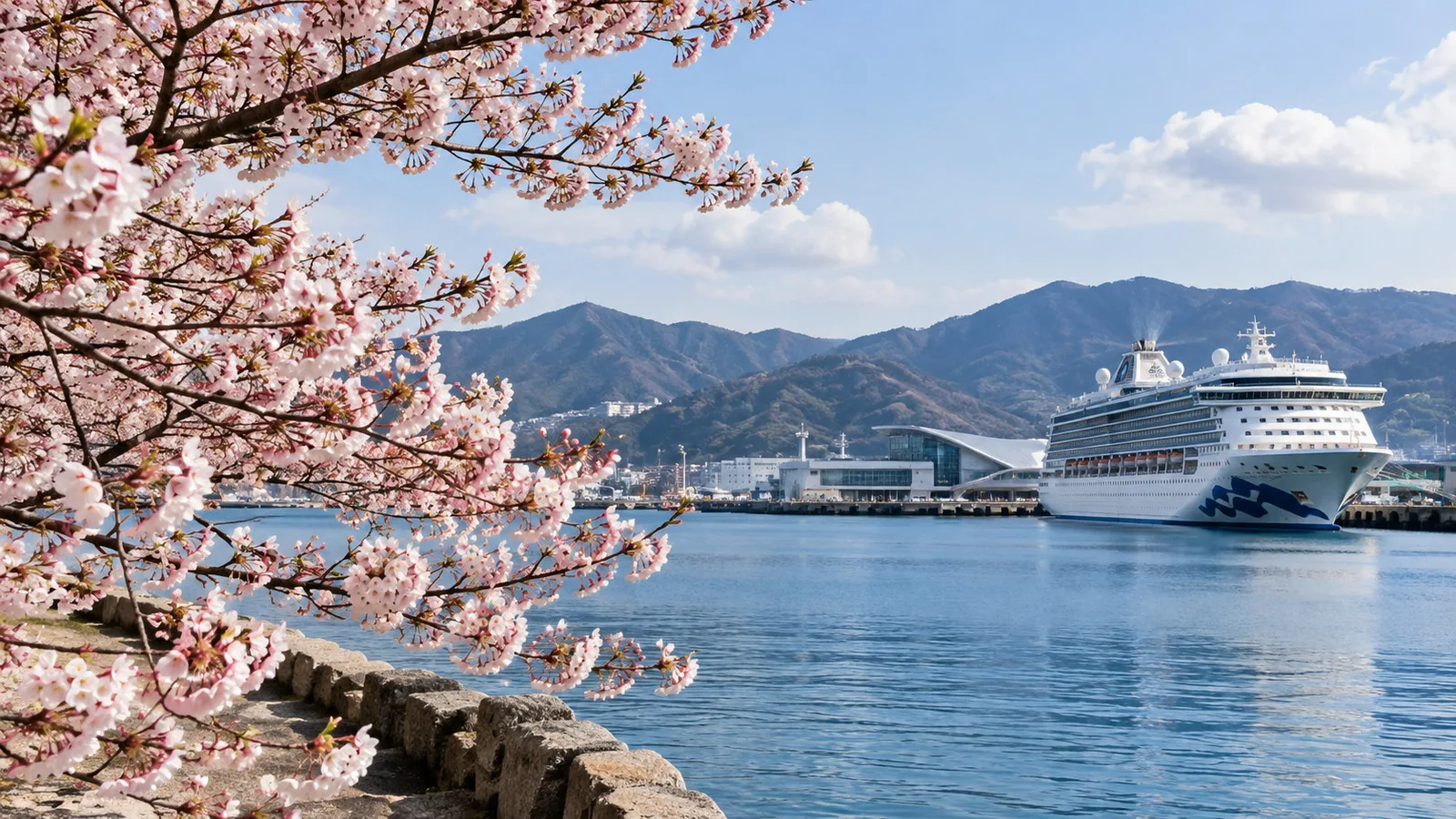
Latitude is your friend. The 2026 JNTO forecast placed first bloom in Tokyo on March 19, Osaka on March 26, Aomori on April 13, and Sapporo on April 19.
A route that calls in central Japan and then continues toward Tohoku or Hokkaido spreads your chances across different seasonal stages. It does not literally follow the same blossoms north, but it offers more regional windows than a round trip concentrated around Kansai or Tokyo.
Check the port sequence, not just the embarkation date. An early-April departure may reach northern ports a week or two later, and that arrival date is the one to compare with the current forecast.
Port hours matter just as much as latitude. If Kyoto is your target, confirm that the Kobe or Osaka call leaves enough travel time and use this guide to plan Kyoto from Kobe or Osaka safely.
Use forecasts for port-day choices
JNTO identifies its dates as estimates from the Japan Weather Association and says they are subject to weather changes. That makes the forecast better for excursion planning than for choosing a cruise near final payment.
Watch every plausible port instead of one headline city. A later-blooming northern stop or higher-elevation garden can rescue the theme when central Japan moves early.
Keep one port day flexible and list two viewing spots with different varieties or elevations. A cancellable tour or refundable train plan makes it easier to follow the current conditions.
Still choose a nonseasonal backup in every port. Castles, markets, museums, gardens, and harbor walks do not require a tree to cooperate.
Fall foliage moves by region
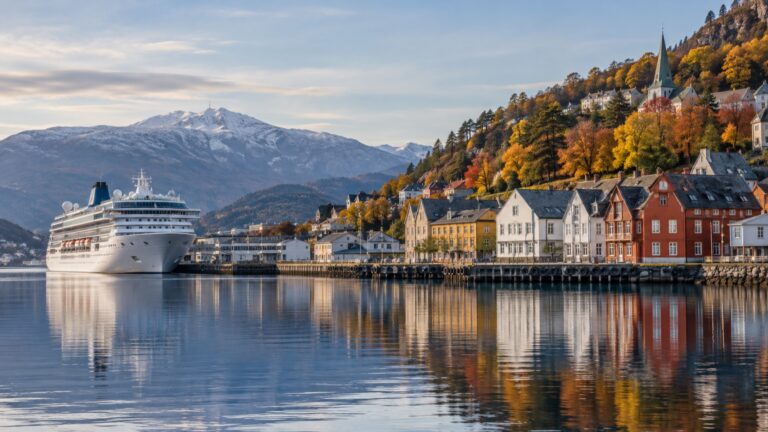
Fall color generally develops from north to south and from higher elevations toward lower and coastal areas, but weather changes the pace. Maine’s forestry service says day length, rainfall, wind, and cool sunny weather all play a role.
That is why official agencies publish live conditions during the season. They can describe what is happening now, but they cannot guarantee a specific harbor months ahead.
One slope may be brilliant while a sheltered waterfront is still green. Different species can also be at different stages on the same day, so “peak” is a regional snapshot rather than an appointment.
The Maine timing correction
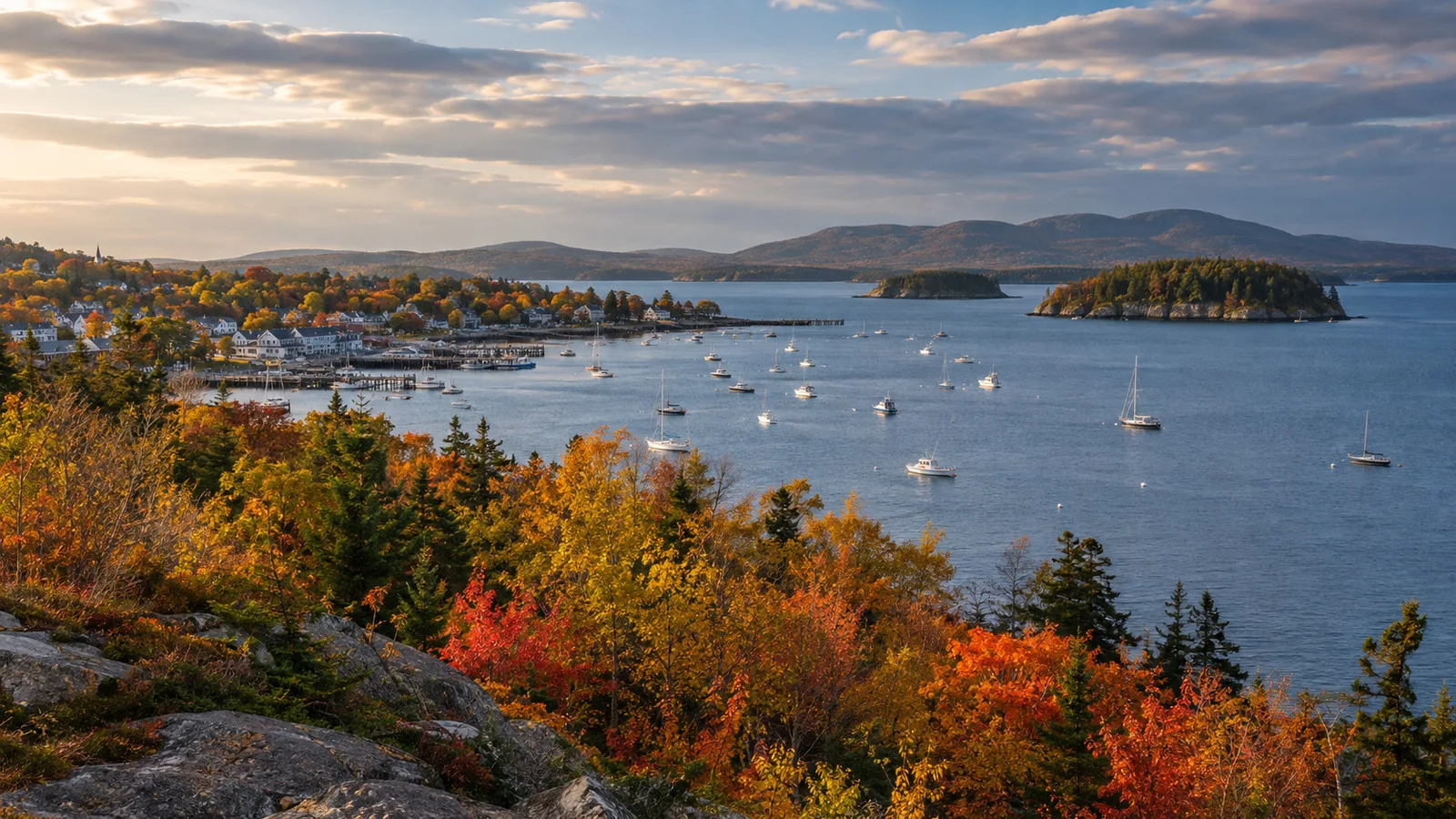
Maine’s official planning page says northern Maine typically peaks in the last week of September into the first week of October. Central and western Maine usually peak around Indigenous Peoples’ Day weekend, while coastal and southern areas tend to reach peak or near-peak from mid-October through month’s end.
Early October is therefore a compromise, not a promised coastal peak. If Bar Harbor or another Maine coast call is your priority, favor the later available departure and check the live report before choosing an excursion.
Cruise schedules may end before the latest coastal color arrives. The Town of Bar Harbor’s official cruise page shows that ship calls and disembarkation arrangements can change, so verify the current season.
Québec and Atlantic Canada need a separate check
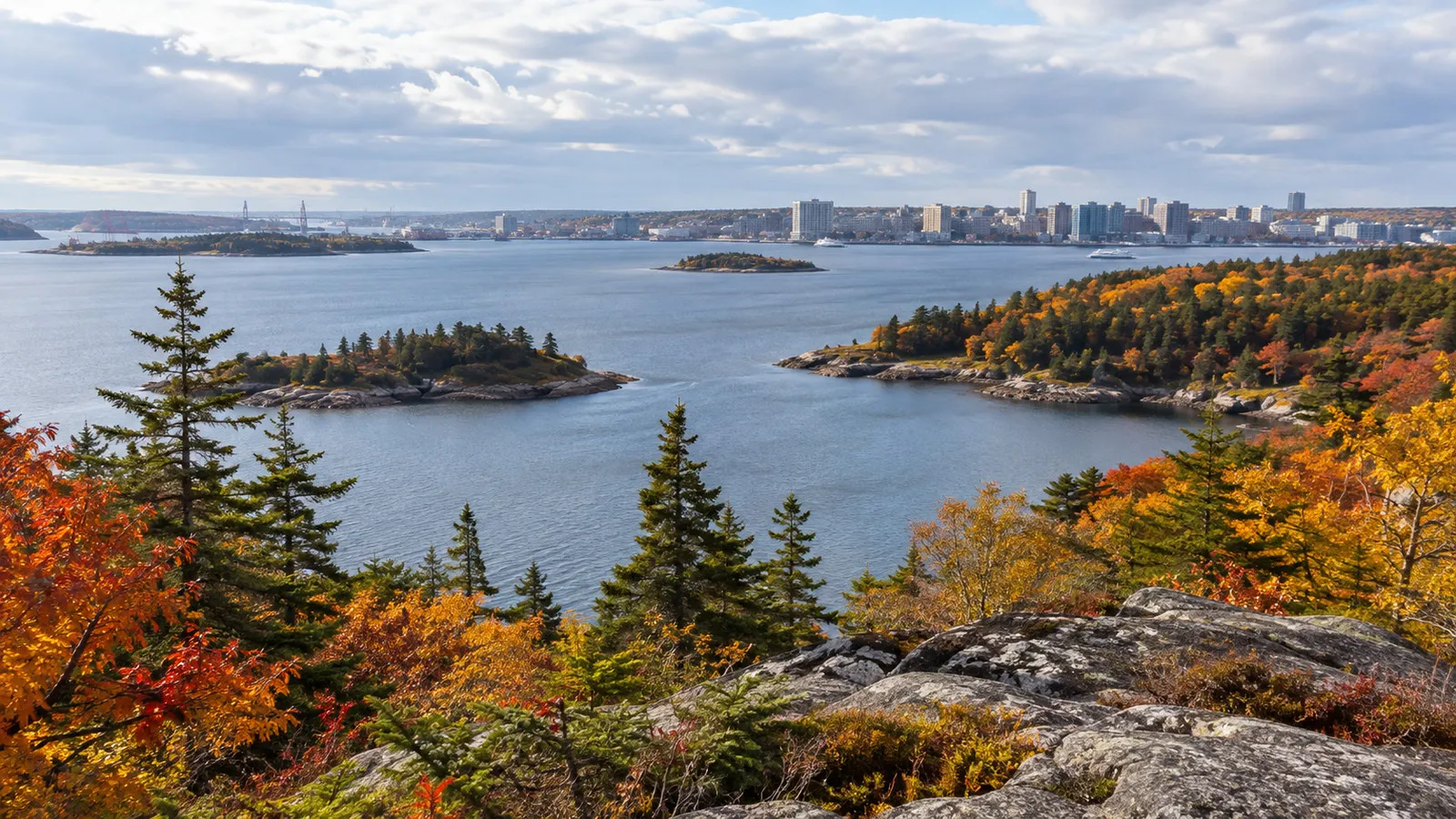
Bonjour Québec’s official fall-color map follows conditions from mid-September through the end of October. Its stages run from the beginning through near peak, final glimmers, and the end.
A southbound itinerary from Québec toward New England can spread your odds because northern areas generally turn earlier. It cannot make every port peak during the same week, so decide whether the Saint Lawrence, Atlantic Canada, or coastal New England is the priority.
Do not transfer an inland forecast directly to a cruise pier. Elevation, distance from the coast, tree mix, and weather can make an excursion inland look very different from the waterfront.
Early to mid-October can be a reasonable compromise for a multiregion sailing, but it is not a guarantee. Use the current government or tourism report for the one port you care about most.
A route-first booking checklist
- Choose the priority region: decide whether central Japan, northern Japan, Québec, Atlantic Canada, or coastal Maine matters most.
- Compare port dates: use the arrival date in each city, not only the cruise departure date.
- Prefer geographic spread: several regions or elevations give you more chances than similar ports at one latitude.
- Read the port hours: a short call may not support the inland park shown in an excursion photo.
- Check seasonal transport: shuttles and attractions can reduce service late in the season.
- Keep one plan flexible: make it easy to switch parks or excursions when the live report changes.
- Book a good cruise without the leaves: seasonal color is not normally a promised part of the itinerary.
The “sakura” or “foliage” label is marketing, not a horticultural warranty. Pay for the itinerary you can verify and let the trees be the upside.
Accessibility and crowds
Peak blossom and foliage periods bring heavy crowds, which can turn an easy outing into a slow one. Ask about walking distance, steps, gravel, accessible restrooms, vehicle access, and the route from the pier.
In Japan, a closer waterfront park may be a better choice than a famous garden reached by several trains. Build extra time into independent outings because queues and crowded station transfers can slow you down.
At Acadia, the National Park Service says the fare-free Island Explorer serves park and island destinations, uses wheelchair-accessible buses, and runs a reduced fall schedule. Check the current service dates against your exact Bar Harbor call.
Scenic cruising can be the gentlest option. A chair, shelter, and restroom on the ship may deliver a better day than chasing one crowded viewpoint.
Weather and packing
Japan’s spring weather can move between cool, mild, wet, and breezy during one itinerary. Pack light layers, a waterproof shell, and shoes ready for damp paths.
A warm spell can accelerate bloom development, while rain or wind near full bloom can shorten the prettiest stage. Check the local forecast a few days before each port and move flexible plans when another stop looks better.
Canada and New England can bring chilly mornings, wind on deck, rain, and large temperature swings. Layers, a warm hat, gloves, and waterproof shoes are more useful than one monthly average.
Early fall can also bring Atlantic storm disruptions. For relevant Japan shoulder-season routes, review monsoon and typhoon timing and remember that every port call depends on marine conditions.
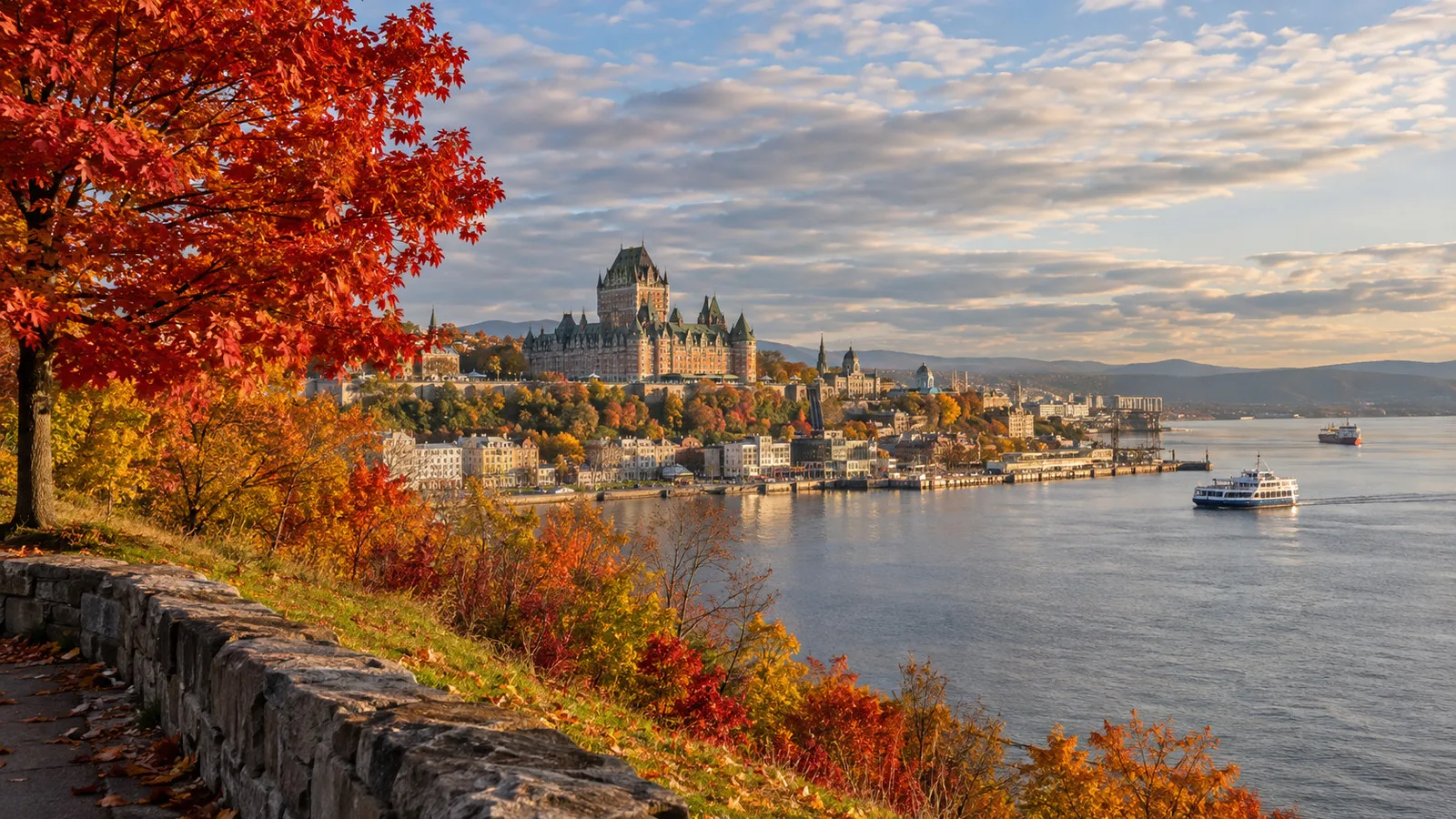
What to check after booking
- Japan: watch the JNTO forecast, local park updates, and each port’s weather.
- Maine: use the state weekly report and regional map instead of a nationwide commercial prediction.
- Québec: check the live provincial stage map in the final weeks.
- Every port: verify arrival time, last tender or shuttle, attraction hours, and all-aboard time.
- Backups: confirm which museums, markets, gardens, and scenic routes are open in shoulder season.
The same shoulder weeks that improve seasonal odds can reduce transportation or attraction hours. Read the guides to first and last sailings and seasonal port closures before paying for a bargain date.
Quick answers
What are the odds of seeing cherry blossoms?
No honest percentage fits every itinerary, but a route covering several regions gives you more opportunities than a single-region sailing.
Is first bloom the best date?
Not necessarily, because Japan defines first bloom as only five or six open flowers on a sample tree, while full bloom is a separate observation above 80%.
When do blossom forecasts help?
They become useful close to spring and can keep changing, so use them to refine port-day plans rather than as a booking guarantee.
When is peak foliage at Maine cruise ports?
Maine says coastal and southern areas typically reach peak or near-peak from mid-October through month’s end, while northern and inland areas usually turn earlier.
Is early October a good Canada and New England choice?
It can be a useful compromise, but it may be early for the Maine coast and late for some northern areas.
Will the line compensate me for green or bare trees?
Do not expect compensation unless your booking terms expressly promise a seasonal display, which standard cruise itineraries generally do not.
How do I lower the timing risk?
Choose geographic spread, check each port date, keep one excursion flexible, and plan a nonseasonal backup.
The last word
Seasonal cruises are best booked as a range of possibilities, not a date with nature. The safer choice has geographic variety, realistic port hours, and destinations worth seeing in any color.
For Japan, compare central and northern calls instead of betting everything on one day. For Canada and New England, pick your priority region and use official live maps as departure approaches.
You cannot remove the gamble, but you can make it friendlier. Start with this overview of Japan’s cruise ports, then match the route to the seasonal window you want.
How this guide was researched: Bloom definitions and climate trends were checked against the Japan Meteorological Agency, while the forecast example and regional progression were checked against JNTO and the Japan Weather Association. Year-to-year variation was checked against JIRCAS.
North American timing and live reports were checked against Maine’s forestry service and Bonjour Québec. Bar Harbor and Acadia logistics were checked against the town and National Park Service; the Editorial Policy explains our standards.
More on this topic: browse every guide on weather, crowds and conditions.