The Cruise Season Calendar: When Each Region Opens and Closes
Most cruise regions have a busy operating window, but very few have one universal opening day or closing day. Ships move with demand, daylight, weather, permits, and repositioning plans, so the useful question is whether your exact itinerary works well at that point in the season.
This calendar gives you the typical windows first, then shows you what to confirm before booking an early, peak, or late-season sailing.
My quick take
Treat every month range below as a planning shortcut, not a guarantee. A port calendar and the cruise line’s current itinerary are better evidence than a generic season label.
For a first trip, I would choose dates comfortably inside the main operating window if a specific glacier, wildlife experience, island, or long overland excursion matters. For a shoulder-season bargain, I would first confirm the attraction, transportation, daylight, and weather-related cancellation terms.
There is no automatic rule that the middle is perfect or the edges are poor. Peak months can bring fuller ships, higher prices, heat, or school-holiday crowds, while an edge date can deliver a lovely trip with fewer open tours and more schedule uncertainty.
The quick facts
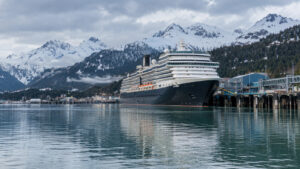
- Alaska: the main cruise season usually runs from late April into October, with the densest choice in summer. The Port of Seattle’s 2026 calendar, for example, lists calls from April 17 through October 11 and labels the schedule subject to change.
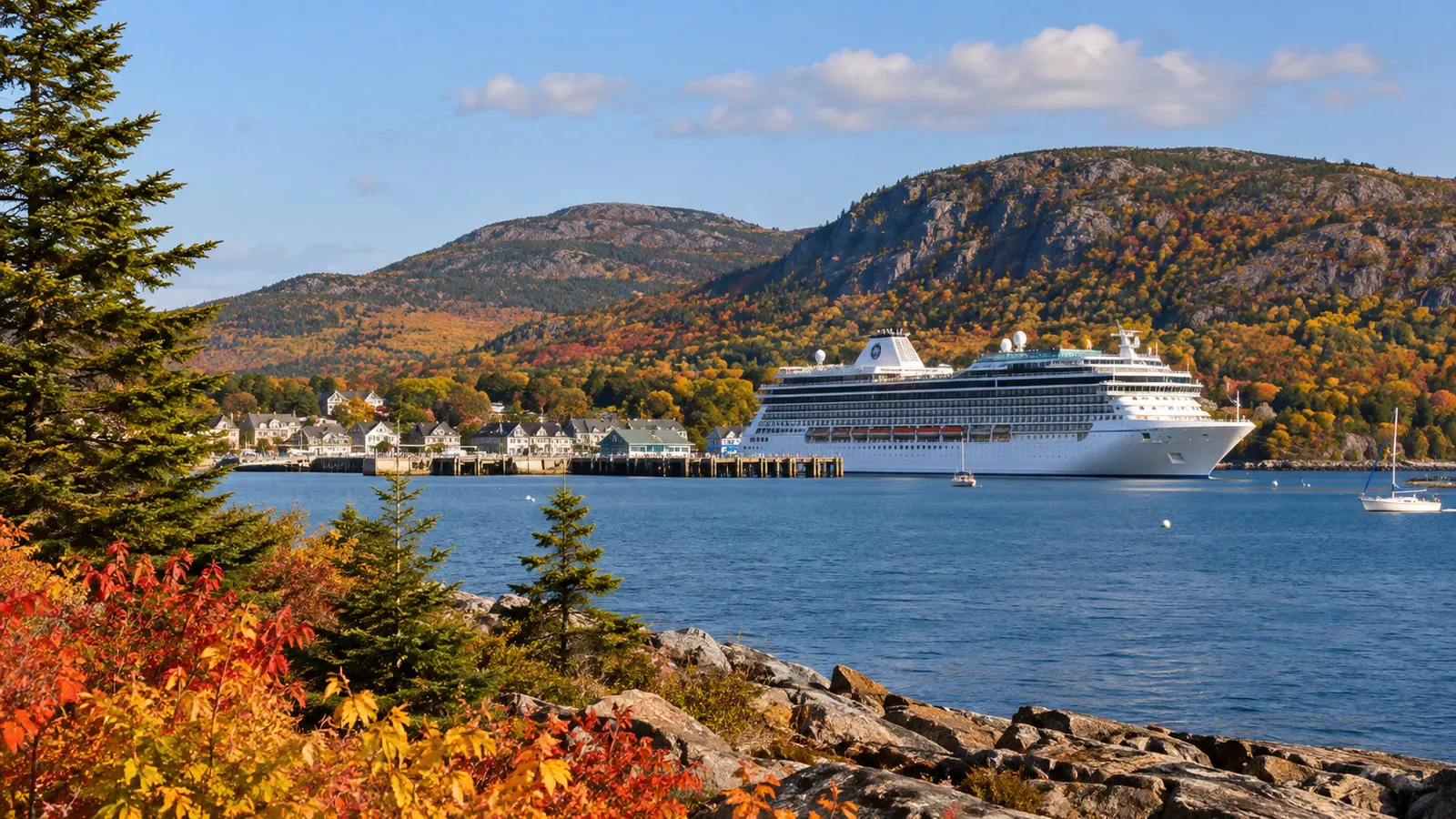
- Canada and New England: some calls appear from spring into fall, but September and October are especially important for fall-color itineraries. Exact timing shifts by port, ship deployment, and the year’s foliage rather than a fixed regional opening date.
- Northern Europe and the Arctic: the broad mainstream window is commonly late spring through early fall, while Norway also has winter coastal and northern-lights products. Greenland and high-Arctic expedition calls concentrate more tightly around summer and ice conditions.
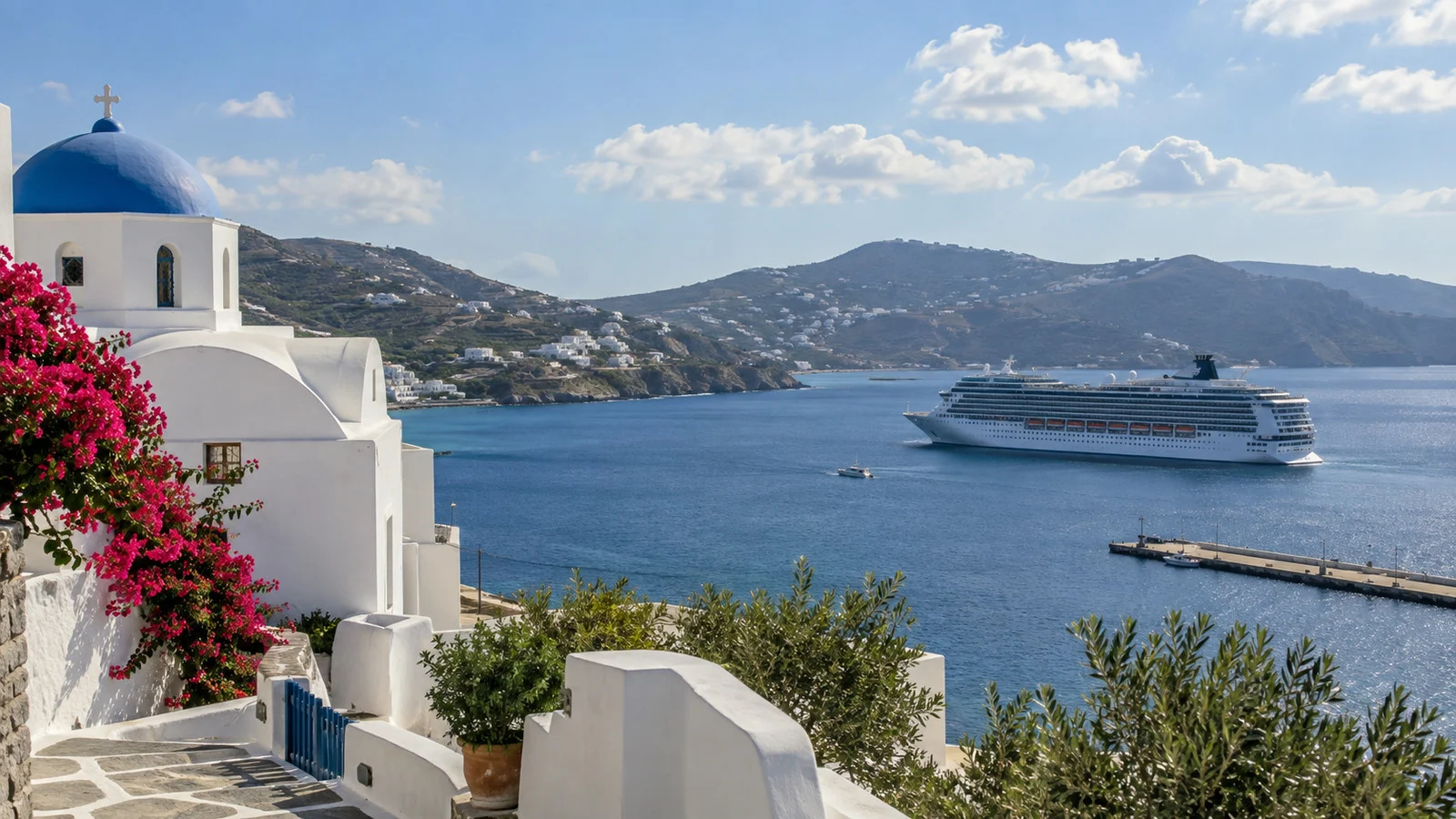
- The Mediterranean and Canary Islands: cruising continues year-round in parts of the region, with the widest Mediterranean choice generally from spring through fall. Winter has fewer ships and shorter daylight, but it is not a shutdown.
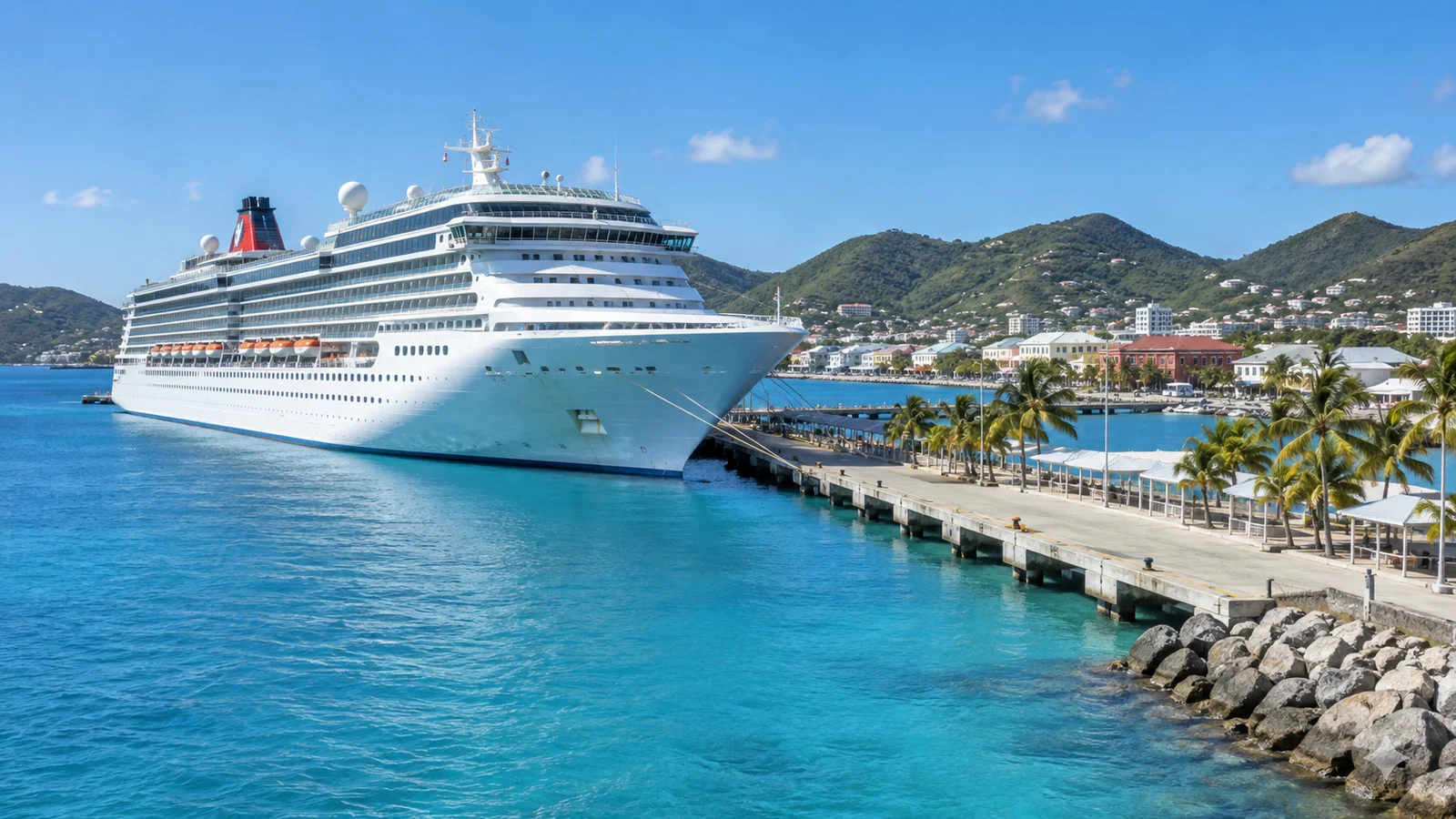
- The Caribbean, Bahamas, and Mexican Caribbean: ships sail all year, with deployment usually heavier in the Northern Hemisphere winter. Atlantic hurricane season officially runs from June 1 through November 30, but a named storm can affect only part of this enormous region.
- Asia and the Middle East: there is no single regional season. Japan, Southeast Asia, India, and the Gulf have different monsoon, heat, and tropical-cyclone patterns, so compare the itinerary month by month.
- Australia, New Zealand, and the South Pacific: the broadest cruise choice commonly falls from October through April, during the Southern Hemisphere’s spring and summer. Major ports still receive calls outside that window, including local, world-cruise, and repositioning itineraries.
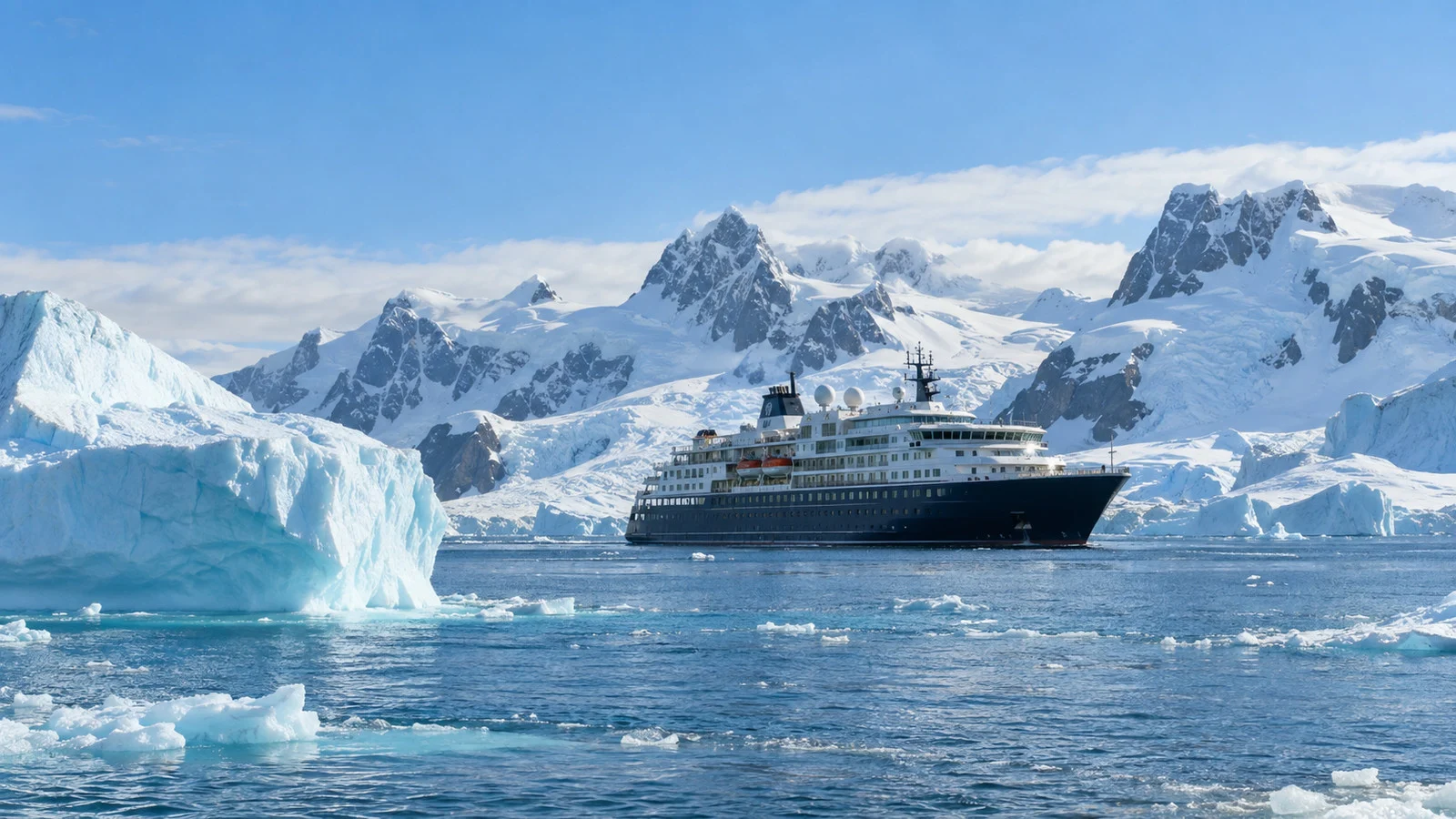
- South America and Antarctica: southern South America and Antarctic Peninsula programs concentrate in the austral summer. IAATO notes frequent Antarctic departures from November through March, while tropical and river itineraries follow different weather and water-level patterns.
Alaska and British Columbia: late April into October
Alaska has one of the clearest mainstream seasons, but the first and last dates still vary by homeport and year. The Port of Seattle’s 2026 schedule runs from April 17 through October 11 and explicitly warns that it can change.
Vancouver’s cruise calendar can extend beyond the core Alaska window because repositioning and non-Alaska calls pass through British Columbia. That is why a homeport’s first ship is not necessarily the opening of the Alaska season you are shopping for.
Glacier Bay access adds another layer. The National Park Service manages cruise-ship access, so confirm that Glacier Bay is named on your itinerary rather than assuming every Alaska cruise includes it.
At the edges, check daylight, the specific excursion’s operating date, and whether seasonal transportation has started or ended. My guide to Alaska cruise ports helps you compare what each stop actually offers.
Canada and New England: spring calls, then a fall peak
Canada and New England receive some spring and summer calls, while September and October form the best-known fall-color period. CLIA’s Canadian cruise analysis says those two months accounted for close to 70% of passenger activity in many Canada and New England destinations in 2023.
Foliage never reads the brochure, of course, so no sailing date can guarantee peak color. Confirm seasonal attraction hours and bring a rain and wind plan, especially when the itinerary reaches Atlantic Canada.
The Caribbean and nearby warm-water routes: year-round
The Caribbean and Bahamas do not close for a cruise season. Ship choice often expands in winter when vessels arrive from Alaska and Europe, then thins as some of them reposition north in spring.
The National Hurricane Center defines the Atlantic hurricane season as June 1 through November 30, with a climatological peak around September 10. Those dates describe basin-wide risk, not a promise that one island will be stormy or safe on a particular week.
Cruise lines can change ports, reverse the order, shorten a call, or spend a day at sea to avoid dangerous weather. Read how hurricane-season itinerary changes work, then choose flexible flights and independent tours with clear missed-port terms.
The Mexican Riviera and Panama Canal also run on their own deployment patterns. Panama Canal transits become more common when ships reposition between Atlantic and Pacific seasons, while Mexican Pacific itineraries may continue beyond that movement.
Northern Europe, Norway, Iceland, and Greenland
Mainstream Baltic, British Isles, Norwegian fjord, and Iceland itineraries commonly build from late spring, peak in summer, and taper in early fall. Port calendars can also show winter calls, so “Northern Europe closes in October” is much too tidy.
Norway has at least two distinct cruise ideas on the same coast. Summer emphasizes fjords and long daylight, while winter coastal voyages trade daylight for snow and a chance of northern lights.
Visit Norway says aurora viewing is possible in Northern Norway from September through April when skies are clear and dark. That is a viewing window, not a guarantee of clear weather or solar activity.
Greenland is narrower for most conventional cruise calls, with government-owned Visit Greenland’s cruise call list showing the actual ports and dates. Ice, distance, and local capacity matter, so expedition operators may change landing plans even during the main summer period.
Use my guide to Norway cruise ports to check how far north your itinerary goes. Bergen, Tromsø, Svalbard, Iceland, and Greenland should not share one weather assumption just because they sit in the same search filter.
The Mediterranean: busiest from spring through fall, not closed in winter
The Mediterranean’s broadest ship choice usually appears from spring through fall. Winter brings fewer ships, shorter daylight, cooler or wetter conditions in many ports, and seasonal hours at some attractions.
It does not bring a universal closure. The Port of Barcelona publishes annual and monthly forecasts, plus a seven-day version it calls the most accurate near-term view.
The port also says forecast data can change for operational or weather reasons. Check the exact ship calendar, attraction opening hours, and sunset time before treating a low winter fare as either a steal or a warning.
The Canary Islands and Madeira can appear on winter sun and transatlantic routes, but they do not share mainland Mediterranean weather. Compare the islands separately rather than using Barcelona or Rome as the climate stand-in.
Asia and the Middle East: use the itinerary, not the continent
Asia is too large for one useful cruise season. Japan, Korea, Southeast Asia, India, Indonesia, and the Middle East face different monsoons, heat cycles, and tropical-cyclone exposure.
Japan often attracts extra interest in spring and fall, but bloom timing and fall color vary by latitude and year. Summer calls still operate, so evaluate heat, humidity, and typhoon risk rather than declaring the months unavailable.
The Japan Meteorological Agency’s 1991 to 2020 normals show formation and approaches rising in summer and early fall, with annual and monthly variation. That supports flexible plans, not a prediction that your cruise will change.
Southeast Asian ports can sit on opposite sides of a monsoon pattern, and Gulf itineraries often favor cooler months while still appearing outside them. Work through the Asia monsoon and typhoon calendar port by port before choosing a month.
Australia, New Zealand, South America, and Antarctica
The broad southern cruise calendar grows through October and usually offers its widest choice through the austral summer into April. That does not mean every port starts together, or that Sydney and tropical northern Australia share one climate.
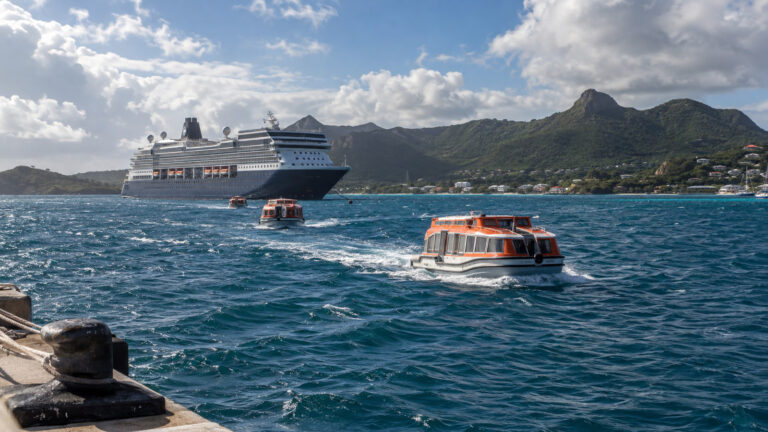
Use the Port Authority of New South Wales vessel schedule to confirm Sydney dates, then check the individual New Zealand port calendar for your itinerary. Weather-exposed sounds and tender ports can still change on a summer sailing.
Southern South America commonly concentrates around the same austral-summer window, while tropical Brazil and Amazon itineraries need their own rainfall and river-level check. A Cape Horn cruise and an Amazon cruise do not belong in the same weather bucket.
Antarctic Peninsula expedition departures most commonly run from November through March, which IAATO identifies as the frequent-departure period from Ushuaia. Wind, sea, ice, and wildlife timing vary inside that window, and no landing is guaranteed.
My guide to New Zealand cruise ports will help you check tendering and local transportation. Those practical details often matter more than whether a date is labeled peak or shoulder season.
The things I would actually do with this calendar
- Check the ship before the region: confirm the cruise line’s current itinerary, then look at the official calendars for the homeport and your priority ports. Recheck before final payment and again shortly before travel because published schedules can change.
- Audit an edge-season date: confirm the one excursion or attraction that makes the trip worthwhile, along with local transportation and daylight. Read why first and last sailings can be cheaper before accepting the tradeoffs.
- Price flexibility, not just the cabin: compare changeable flights, a pre-cruise hotel, missed-port refund terms, and independent-tour cancellation rules. A low fare is less charming if one weather disruption exposes a string of nonrefundable bookings.
- Pack for the route’s range: use official weather normals for each port, then check the short-range forecast before leaving. Layers, rain protection, sun protection, and a dry bag often matter more than a single average temperature.
How I would choose peak or shoulder season
I would pay for the core season when a limited seasonal experience is the whole point, such as a particular wildlife trip or a weather-sensitive overland day. I would also choose it when reduced daylight or seasonal transportation would make an independent plan fragile.
I would consider the edge when the ship and ports are the priority, my must-do attraction confirms it is open, and the savings are meaningful. Fewer calls can be a real advantage, but only after the logistics pass inspection.
For the Caribbean or Mediterranean, I would compare specific weather and crowd tradeoffs rather than chasing a mythical perfect month. Start with the regional guides to Caribbean cruise ports and Mediterranean cruise ports.
Accessibility at the season edges
Never assume an accessible vehicle, lift, shuttle, or trained guide is unavailable just because a sailing sits at the edge. Never assume it will operate either, because providers and port services can have date-specific schedules.
Ask the cruise line and tour operator to confirm the exact equipment, boarding method, weight or size limits, restroom access, and cancellation plan in writing. If tendering is possible, ask what happens when sea conditions make the transfer unsafe.
Weather: use normals for planning and forecasts for decisions
Climate normals explain what is typical over many years, but they cannot promise the weather on your sailing. Averages also hide wind, rain timing, sea state, humidity, and large temperature swings between ports.
Use the national weather service or port authority for each region, then check the cruise line’s operational notices. If one missed call would ruin the trip, choose an itinerary with more than one satisfying port rather than trusting a statistically favorable week.
Quick answers
When does the Alaska cruise season start and end?
The main season typically runs from late April into October, but exact dates vary by port and year. Seattle’s published 2026 schedule runs from April 17 through October 11 and remains subject to change.
Does the Caribbean cruise season close?
No, Caribbean and Bahamas cruises operate year-round. Ship supply, prices, rain, heat, and tropical-weather risk change through the year.
Can I cruise the Mediterranean in winter?
Yes, although the schedule is thinner than in the main spring-to-fall period. Check your ship’s exact route, attraction hours, daylight, ferry or transit schedules, and typical weather.
When is the Antarctica cruise season?
Antarctic Peninsula tourism voyages most commonly operate from November through March. Exact departures and landing opportunities depend on the operator and conditions.
Is shoulder season always cheaper?
No. Compare the complete trip price, including flights, hotels, tours, and any flexibility you need, because a cabin discount can disappear elsewhere.
The last word
A cruise season is a moving operating pattern, not a gate that swings open on one date and slams shut on another. Use the calendar to narrow your search, then verify the ship, port services, must-do experience, and weather tradeoffs for the date you can actually book.
The sweet spot is the date that protects what matters to you without charging for things you do not value. That might be July in Alaska, October in Canada, February in the Caribbean, or a quiet winter Mediterranean week with a very good coat.
How this guide was researched: Unless a first-hand visit is explicitly identified above, this guide is based on independent research using official port, tourism, weather, park, and cruise-industry sources where available.
Season patterns and planning cautions were checked against the Port of Seattle, National Park Service, NOAA’s National Hurricane Center, Port of Barcelona, Japan Meteorological Agency, Visit Norway, Visit Greenland, Port Authority of New South Wales, and IAATO. See our Editorial Policy.
More on this topic: browse every guide on weather, crowds and conditions.