Cruising Through Hurricane Season: What Actually Changes
Atlantic hurricane season covers half the calendar, and most Caribbean cruises still sail. The tradeoff is flexibility because a storm can change ports, sea days, embarkation, flights, and the trip home even when the ship stays well away from dangerous conditions.
Do not book on the promise that nothing will change, and do not cancel because one long-range model draws an alarming line. Use official forecasts, the cruise line’s notices, your ticket contract, and your insurance policy for four different jobs.
My quick take
A hurricane-season cruise can be a smart buy when you want the ship as much as the printed ports. It is a poor fit when one island, wedding, dive, or independent excursion is the whole reason for traveling.
Buy insurance promptly if it fits your needs, arrive at the homeport early, and keep every booking flexible. Then let the captain and shoreside operations team handle the route while you handle the phone alerts and the spare socks.
The quick facts
- The Atlantic season: June 1 through November 30. Activity can occur outside those dates, and the season’s climatological peak is around September 10.
- The average season: The 1991 to 2020 Atlantic average is 14 named storms, 7 hurricanes, and 3 major hurricanes. Those basin-wide numbers do not predict one sailing.
- What may change: Port order, arrival times, individual calls, tender operations, sea days, embarkation, or the cruise itself can change. The line may decide before departure or during the voyage.
- What the cone means: It shows probable locations of the storm’s center, not the full hazard area. Wind, rain, storm surge, tornadoes, and rough seas can occur outside it.
- What you are owed: It depends on the ticket contract, the exact change, applicable law, and the line’s current policy. A skipped port, shortened cruise, canceled cruise, and canceled flight are four different claims.
- Where insurance fits: Coverage is policy-specific and applies only to listed covered reasons. A policy bought after a storm becomes named may exclude losses related to that known event.
- The safest plan: Follow cruise-line and government instructions, not social-media route speculation. Keep flights, hotels, medicines, accessibility arrangements, and shore plans ready for delay or substitution.
Know the season without treating it as a forecast
The Atlantic hurricane season officially runs from June 1 through November 30, with most historical activity concentrated from mid-August into October. The National Hurricane Center’s climatology places the statistical peak around September 10.
The 1991 to 2020 average of 14 named storms, 7 hurricanes, and 3 major hurricanes describes an entire ocean basin over six months. It does not give your September 10 sailing a personal appointment with a hurricane.
A seasonal outlook also cannot tell you which island or departure day will be affected. Use it for broad awareness, then use the current NHC outlook and advisories for actual trip decisions.
Atlantic hurricane season is only one regional weather window in the wider cruise season calendar. Pacific hurricanes, western Pacific typhoons, and Indian Ocean cyclones use different official agencies, seasons, and terminology.
Read the NHC page in the right order
Start with the NHC product guide, not a single model screenshot. During the season, the Tropical Weather Outlook identifies areas that may develop and gives formation chances over 2 days and 7 days.
Once a tropical cyclone forms, public advisories provide its position, intensity, watches, warnings, and forecast. Advisories are normally issued at least every six hours, with intermediate updates when coastal watches or warnings are in effect.
The forecast cone represents uncertainty in the future location of the storm’s center. It does not show every hazard, and NHC warns that dangerous conditions can extend well beyond its boundary.
Do not use the cone to decide whether to fly, drive, evacuate, or ignore a cruise-line change. Use local emergency-management orders for land decisions and the line’s direct notification for the sailing.
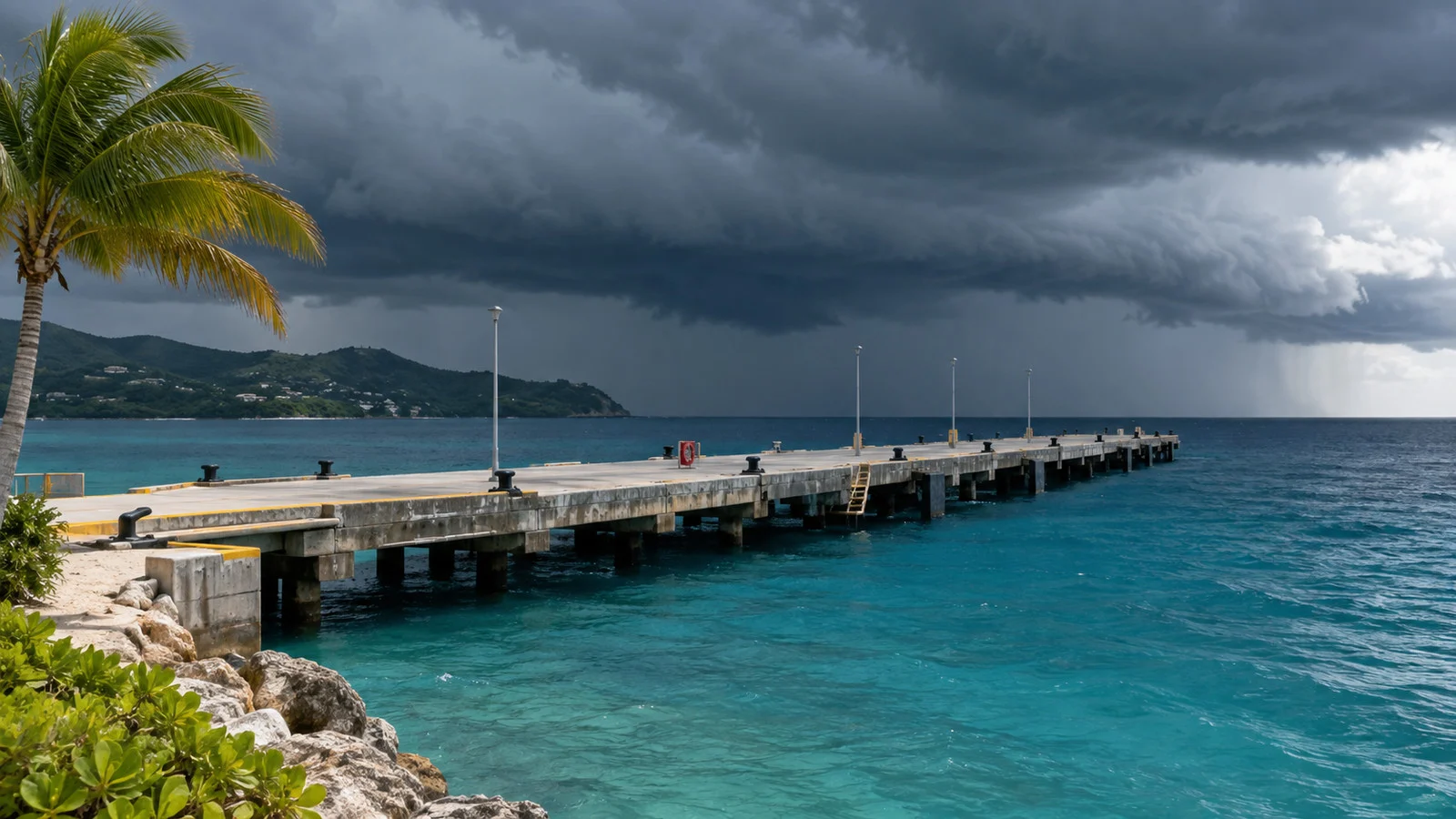
What the cruise line may change
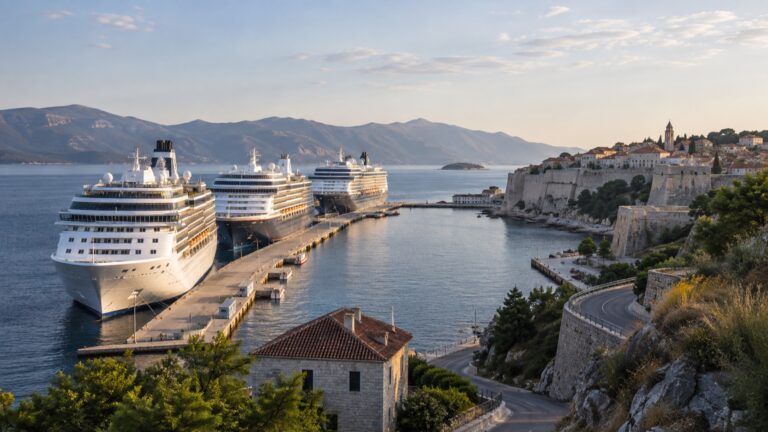
A line can reverse a port sequence, substitute a call, shorten a visit, add a sea day, delay embarkation, use another terminal, or cancel a voyage. The choice depends on the storm, berth availability, port restrictions, distance, fuel, and the rest of the ship’s schedule.
A neat east-to-west loop may become a west-to-east loop, but do not count on keeping every stop. A whole-basin change is possible when the safe and workable route is far from the original one, much as typhoons can alter an Asia itinerary.
Replacement ports are not limited to destinations controlled by the cruise line. A substitute needs a suitable berth or anchorage, clearance, operating support, and a schedule that the ship can physically reach.
A private destination may be one option, so our guide to private cruise-line islands is useful background. It is not evidence that your line will add one during a particular storm.
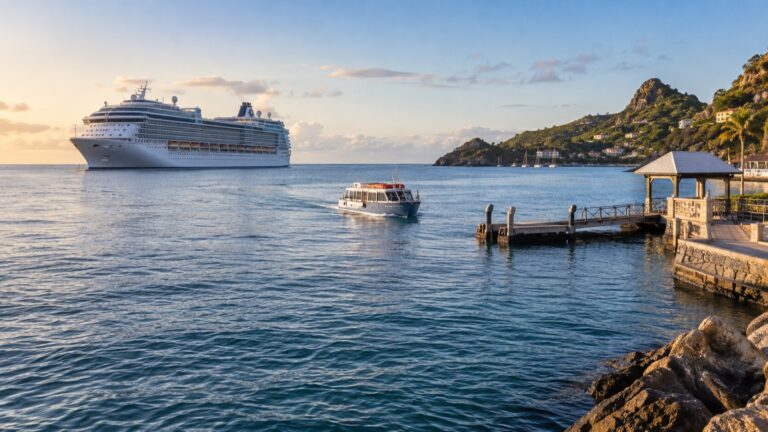
Tender calls can be canceled because swell makes the ship-to-boat transfer unsafe even when the storm is far away. Our guide to rough seas and cruise tendering explains that separate operational decision.
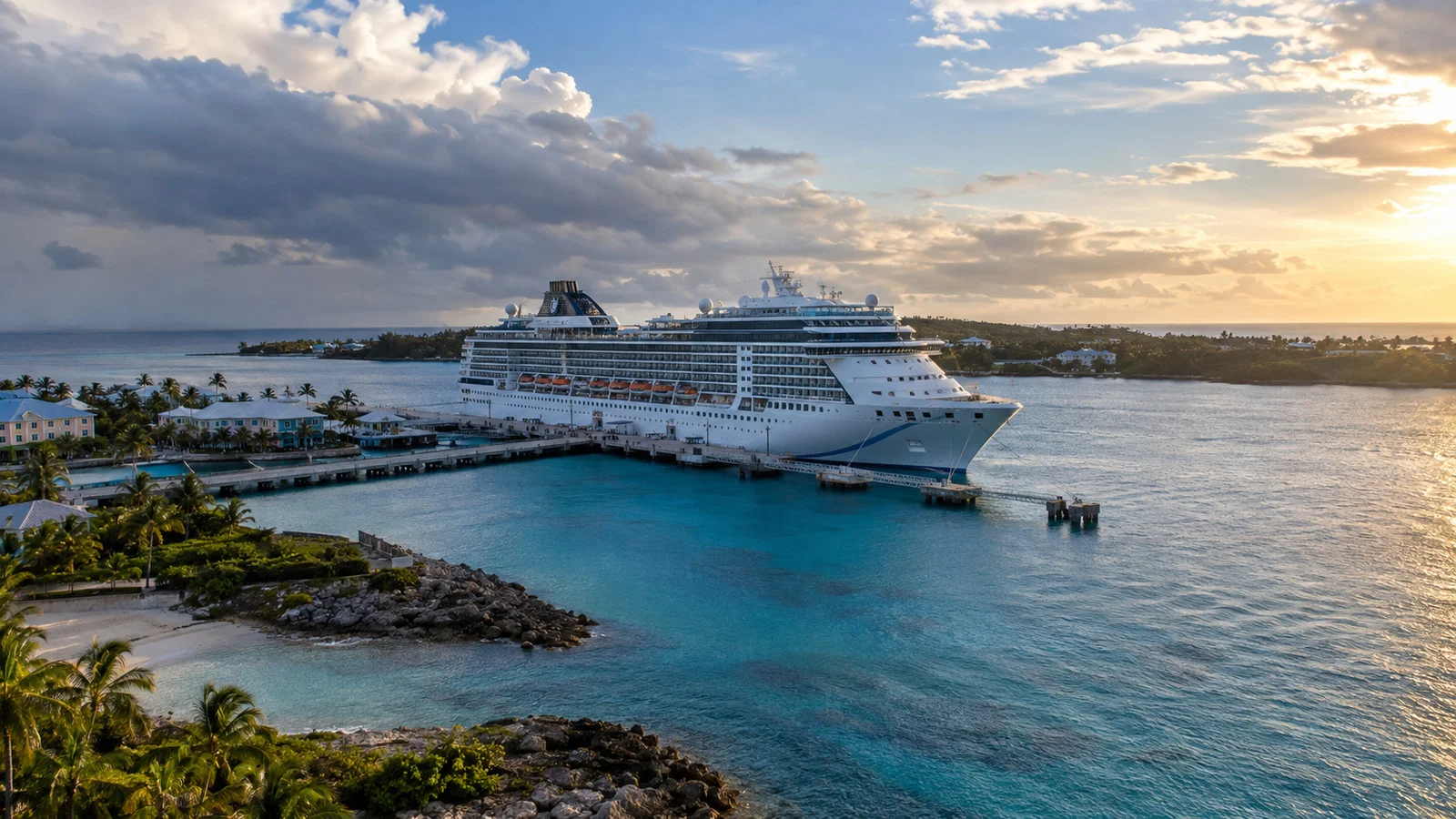
Safety is the reason for the reroute
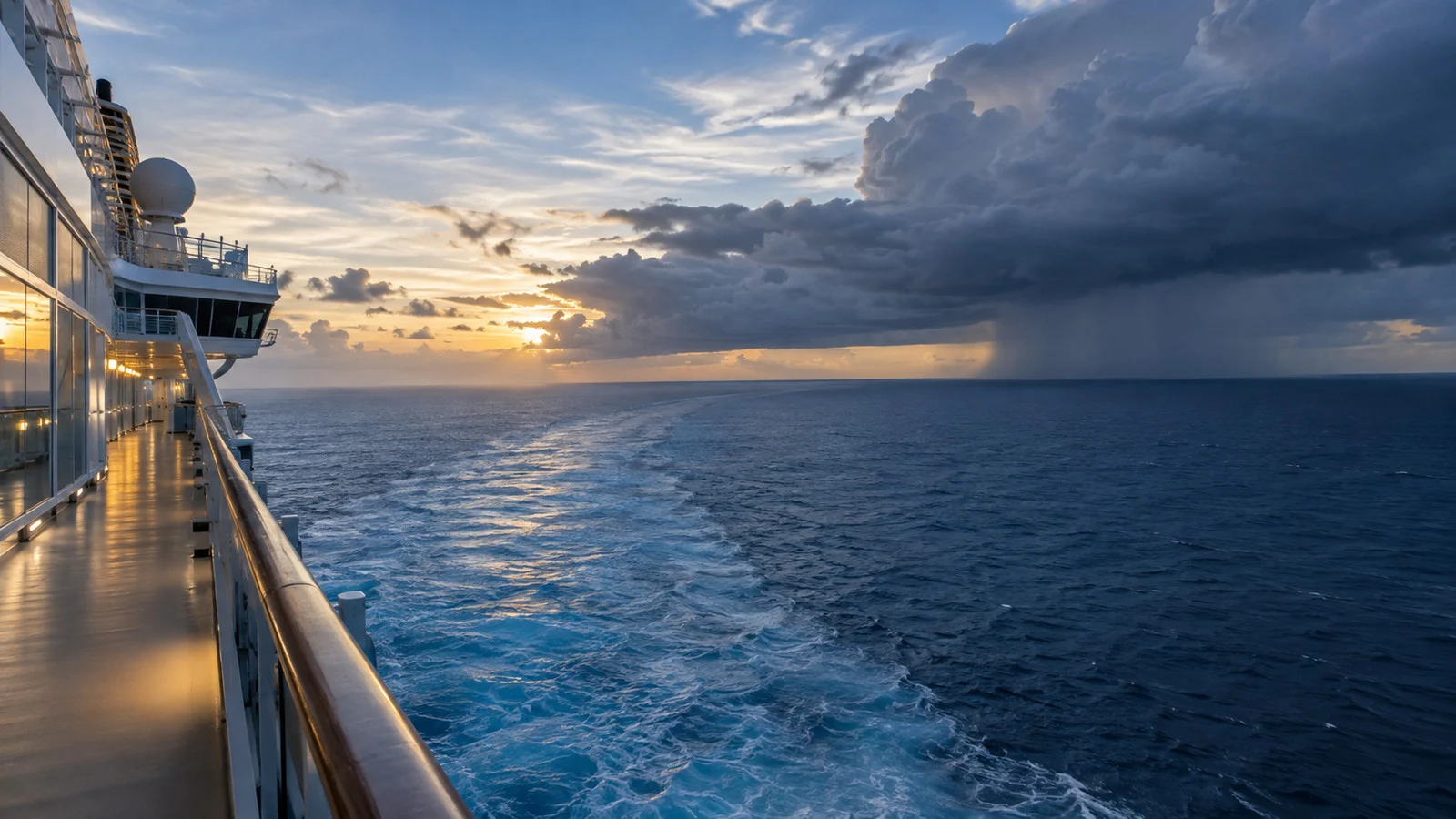
Cruise operators monitor official forecasts and make route, speed, and port decisions with the master, shoreside teams, and authorities. Mobility gives a ship options, but it does not make weather harmless or turn every rough night into a gentle detour.
The practical passenger job is simple: follow crew instructions, attend required safety briefings, secure loose items when asked, and stay out of closed decks. If you are prone to motion sickness, discuss suitable medication with a clinician before travel rather than experimenting after the ship starts moving.
Conditions ashore can remain dangerous after the ship has changed course. Do not independently travel into an affected port or ignore local evacuation, flood, or beach-closure instructions because the sky near the terminal looks cheerful.
Why the homeport can control the trip
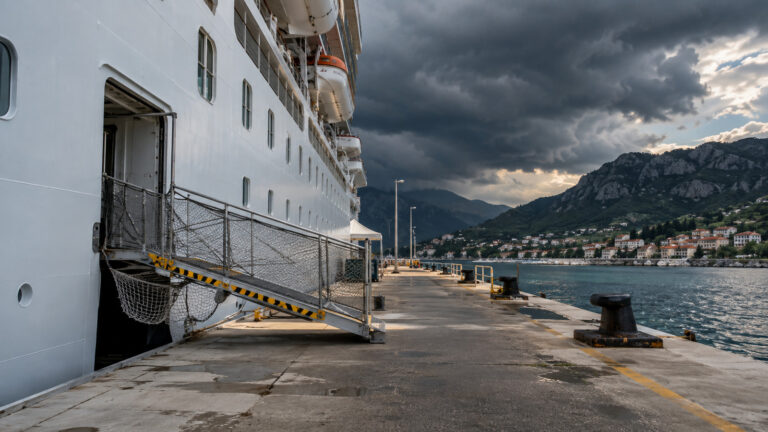
A ship cannot embark or disembark normally when the port or surrounding roads are closed. United States Coast Guard Captains of the Port use escalating hurricane port conditions as gale-force winds approach.
The Coast Guard’s Gulf Coast notice describes Whiskey, X-Ray, Yankee, and Zulu at typical 72-, 48-, 24-, and 12-hour points. Whiskey and X-Ray keep commercial traffic open, Yankee restricts traffic, and Zulu closes vessel traffic except movements specifically authorized by the Captain of the Port.
Local timing can change with circumstances, and reopening requires surveys, inspections, and an official decision. A storm’s departure from the weather map does not instantly reopen the channel, terminal, airport, or highway.
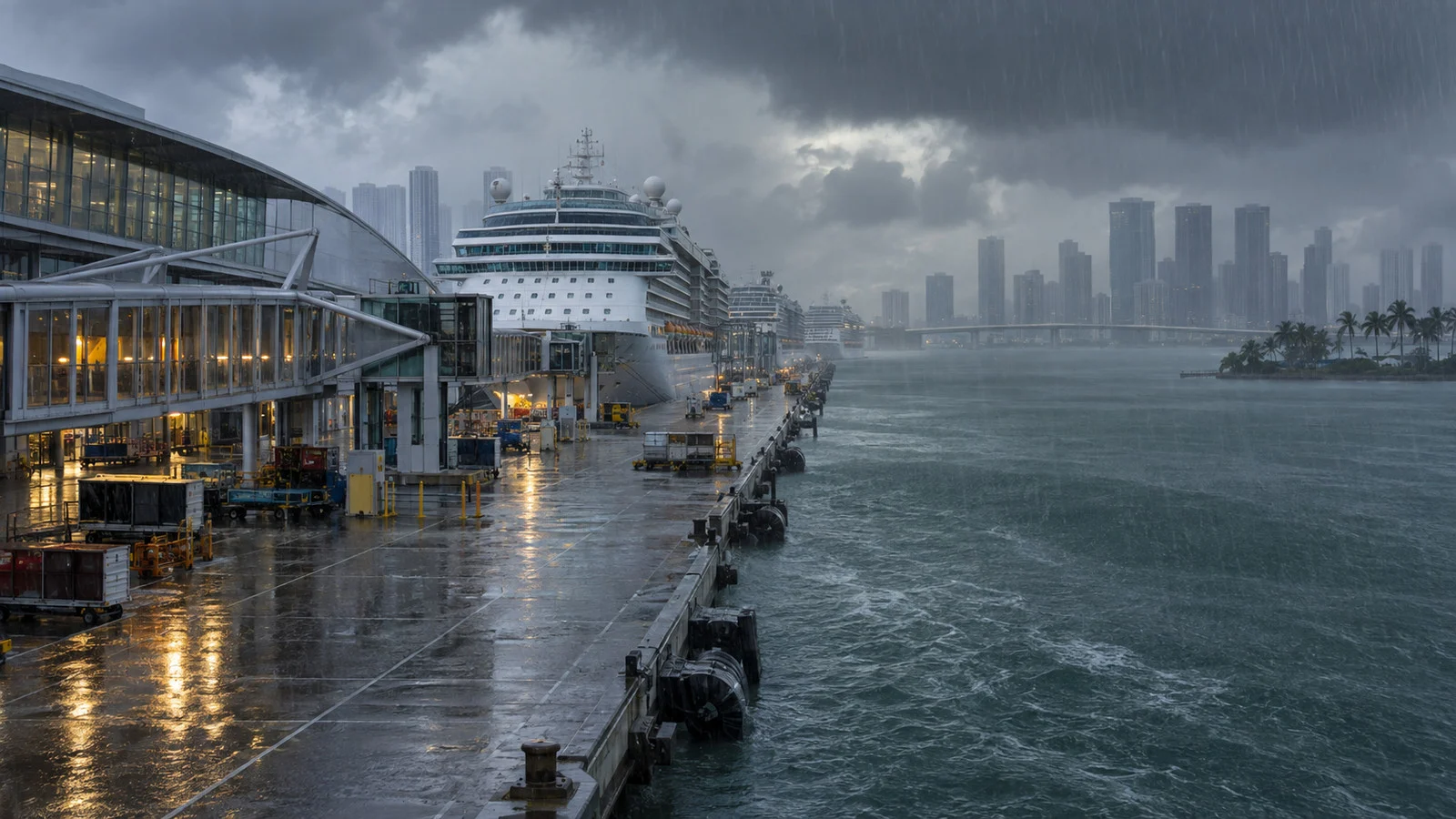
Build resilience into embarkation
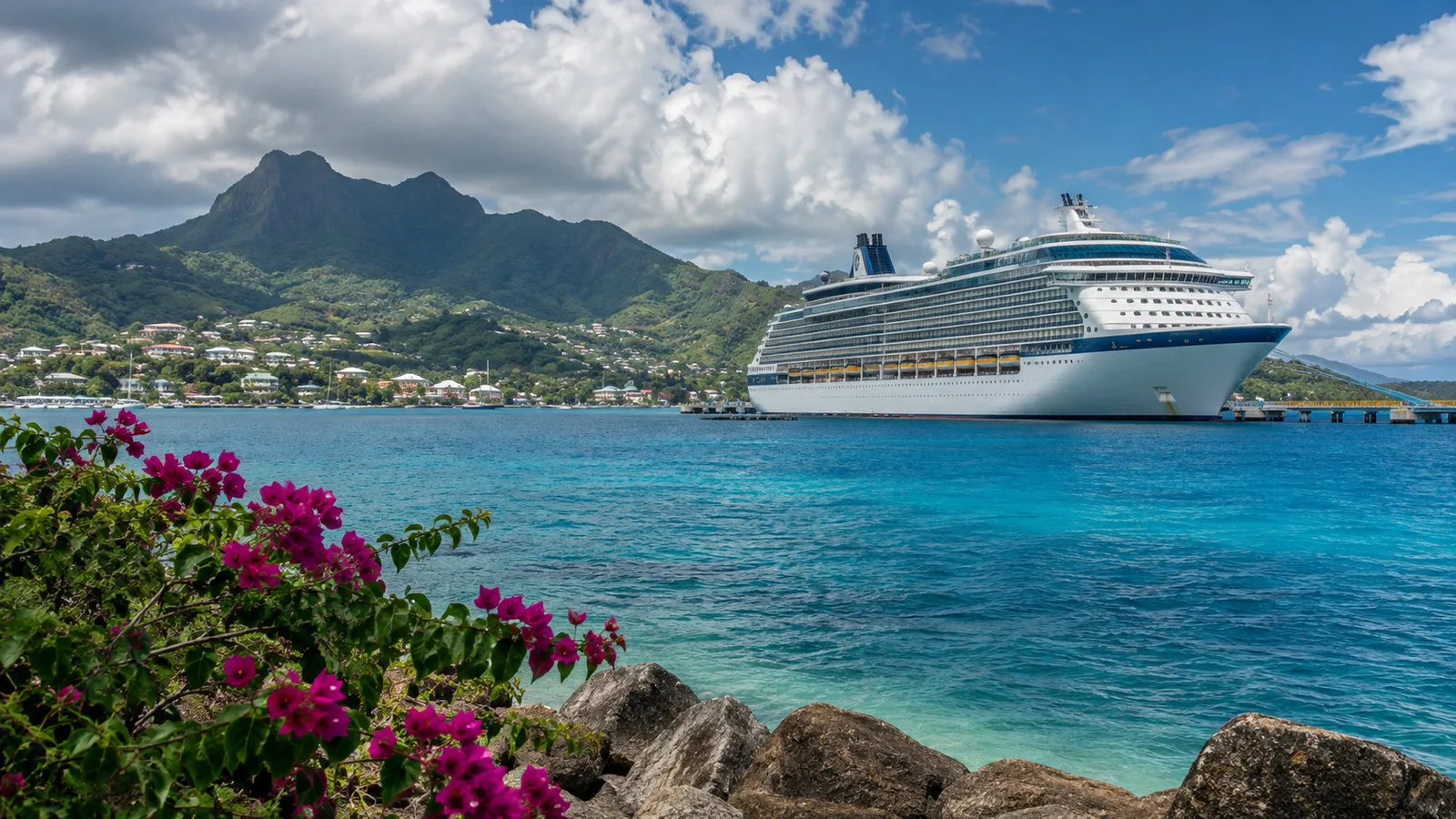
Arrive at the homeport at least one day early when practical, and consider more margin if a storm could disrupt a long or connecting flight. A hotel night does not guarantee embarkation, but it removes the ordinary same-day-flight gamble before weather joins the committee.
Keep the cruise line, airline, hotel, insurer, and travel adviser contact details offline. Make sure the cruise reservation has a mobile number and email address you will actually monitor.
If an airline cancels a flight to, from, or within the United States, the United States Department of Transportation says you are entitled to a refund when you decline rebooking and do not travel. That airfare right does not make the airline responsible for the missed cruise, hotel, meals, or other consequential costs.
If you accept the replacement flight, move quickly and tell the cruise line about the delay. Never assume the ship will wait for independently booked air.
Cruise refunds and compensation are not one rule
Read the ticket contract for your line and sailing before you pay. A skipped call, changed port, shortened cruise, canceled cruise, and mechanical failure can trigger different contract clauses and legal requirements.
Carnival’s current ticket contract, for example, gives the line broad discretion to change calls and times for adverse weather, hurricanes, and port closings. It also states its remedies for a canceled or shortened voyage, so “you only get port taxes” is not an accurate universal answer.
Other cruise lines use their own contracts and change-of-itinerary policies, and consumer law may add rights. Ask the line to identify the applicable clause and provide any refund, credit, or revised fee calculation in writing.
Ship-sold excursions canceled because a port is skipped are generally handled under the line’s excursion terms. Independent tours, attraction tickets, and private transfers follow the seller’s terms, so choose flexible bookings and save the cancellation language.
Travel insurance: read covered reasons, not slogans
Travel insurance can cover listed losses such as qualifying cancellation, interruption, delay, missed connection, or extra expenses, but only when the policy terms are met. Coverage, waiting periods, benefit limits, and exclusions vary by plan and state.
Allianz says that once a hurricane becomes a named storm, it is a foreseeable event and a policy bought afterward will not cover claims related to that storm. Treat that as guidance for Allianz plans and read your own certificate rather than assuming every policy uses identical wording.
A disappointing substitute itinerary may not be a covered financial loss if the cruise still operates. Cancel-for-any-reason coverage is different, normally costs more, covers only a stated percentage, and must meet purchase and cancellation deadlines in the policy.
Buy promptly if you decide coverage is worthwhile, insure the correct prepaid nonrefundable costs, and disclose what the application requires. Call the insurer before canceling or abandoning a trip when time permits, because acting first can damage a valid claim.
The practical hurricane-season checklist
- Before booking: Decide whether the ship or one specific port is the priority, count tender calls, and compare flexible airfare and hotel options.
- After booking: Review insurance promptly, read the cruise contract, save all cancellation terms, and register for cruise-line and airline alerts.
- One week out: Watch the NHC outlook and official line notices without treating a model run as an itinerary announcement. Confirm the homeport hotel and transportation.
- When a storm forms: Check your actual policy before changing plans, keep receipts, and document every notice from the line, airline, hotel, and tour operator.
- At embarkation: Carry essential medication, documents, charging cables, and one change of clothes where checked-bag delays cannot separate them from you.
- After a route change: Cancel independent bookings within their deadlines, request written confirmation, and rebuild the new port day around the revised all-aboard time.
Do not spend the week refreshing ten weather accounts that all copied the same model. One official forecast, one cruise-line alert feed, and one folder of booking terms are far more useful.
Accessibility and medical planning
A substituted port may use a different pier, tender, shuttle, or excursion fleet, so an accessible plan does not automatically transfer. Contact the cruise line’s accessibility team and shore-excursion desk as soon as a change is announced.
Ask about the exact berth or tender process, mobility-device limits, accessible transportation, lift capacity, restroom access, terrain, and space for a companion. A tour title is not enough evidence that your equipment and transfer needs can be accommodated.
Carry essential medicines and medical supplies in hand luggage, with a reasonable delay reserve agreed with your clinician or pharmacist. Keep prescriptions, device information, and emergency contacts available offline, and verify destination rules for controlled medicines.
If a delay could affect oxygen, dialysis, refrigeration, charging, or another essential service, discuss a contingency plan with the cruise line and medical provider before travel. Insurance and assistance services should also be checked for the exact medical and transport need.
When to sail during the season
June and July are within Atlantic hurricane season but historically sit before its busiest stretch. They are not storm-free, and fare value depends on the ship, route, school calendar, and promotion.
Late August through October deserves the most flexibility because it overlaps the climatological peak. It may also offer attractive fares, but “September is always cheapest” is marketing folklore rather than a rule.
Late October and November remain in season, and individual storms can still disrupt travel. They also approach the period when stronger trade winds can affect some tender calls, covered in our guide to Caribbean winter winds.
Ordinary tropical showers are far more common than a direct cyclone encounter on one trip. Use our guide when rain is forecast for a port day, and keep a dry independent plan for every stop.
How to decide
Book when the ship is part of the destination, the route can change without ruining the trip, and the total price rewards that flexibility. The Caribbean ports that work without an excursion are useful choices for a looser plan.
Choose another season when a ceremony, rare wildlife experience, dive site, family visit, or single island is nonnegotiable. No bargain compensates for accepting a risk you already know will make you miserable.
Quick answers
Is it safe to cruise during hurricane season?
Cruise lines monitor storms and alter operations for safety, but no travel is risk-free. Follow official forecasts, crew directions, and local emergency orders rather than assuming the ship makes weather harmless.
Will I get a refund if a hurricane changes my ports?
Not necessarily, because the ticket contract and type of change control the remedy. Read the line’s current policy for skipped ports, shortened voyages, full cancellations, taxes, fees, and excursion refunds.
When is it too late to insure against a storm?
Some insurers treat a storm as foreseeable once it is named, so a later purchase may exclude claims related to it. Buy promptly if appropriate and read your own policy’s effective date, covered reasons, and exclusions.
Can a hurricane cancel a whole cruise?
Yes, although a reroute, delay, or shortened voyage may also occur. Homeport closures, access, and the time needed to operate the sailing all affect the decision.
When is Atlantic hurricane activity highest?
Historical activity is concentrated from mid-August into October, with a climatological peak around September 10. That is not a forecast for a particular week or port.
Should I cancel when a storm appears on a model?
No, because one model run is not an official forecast or a cruise-line decision. Check NHC products, line alerts, contract terms, and your insurance policy before acting.
The last word
Cruising during hurricane season is less about outrunning a storm than accepting operational flexibility. The voyage may be perfectly ordinary, but the printed route is never worth challenging a safety decision.
Insure early if the policy fits, arrive ahead of the ship, keep shore bookings flexible, and read direct alerts. If changing islands would spoil the trip, move the date instead of asking September to behave.
Hurricane season is not the only moving condition in the Caribbean. Our guide to Costa Maya during sargassum season applies the same idea to beach plans.
How this guide was researched: Unless a first-hand visit is explicitly identified above, this guide is based on independent research using official government, cruise-line, and insurer sources. Season dates, climatology, forecast products, and cone guidance were checked against the National Hurricane Center, while port conditions were checked against the United States Coast Guard.
Cruise remedies were checked against Carnival’s current ticket contract, insurance examples against Allianz guidance, and airline refund rights against the United States Department of Transportation. Policies and time-sensitive details were reviewed in September 2026.
See our Editorial Policy.
More on this topic: browse every guide on weather, crowds and conditions.