Christmas Market River Cruises: 2026 Dates, Weather, and What to Expect
Christmas market river cruises deliver the lights, mulled wine, and gingerbread, but December also brings short days, cold weather, and the possibility of fog or changing river conditions. The best trip starts with the market calendar, not the brochure photo.
For 2026, the sweet spot for a Rhine or Danube itinerary with Nuremberg, Cologne, and Vienna is roughly November 27 through December 20. That window catches the named headline markets while leaving a little distance from Christmas Eve closures.
The quick facts
- Dates vary by market: Many major Advent markets open in mid-to-late November and close on December 23 or 24, while several Vienna markets continue through December 26 or January 6.
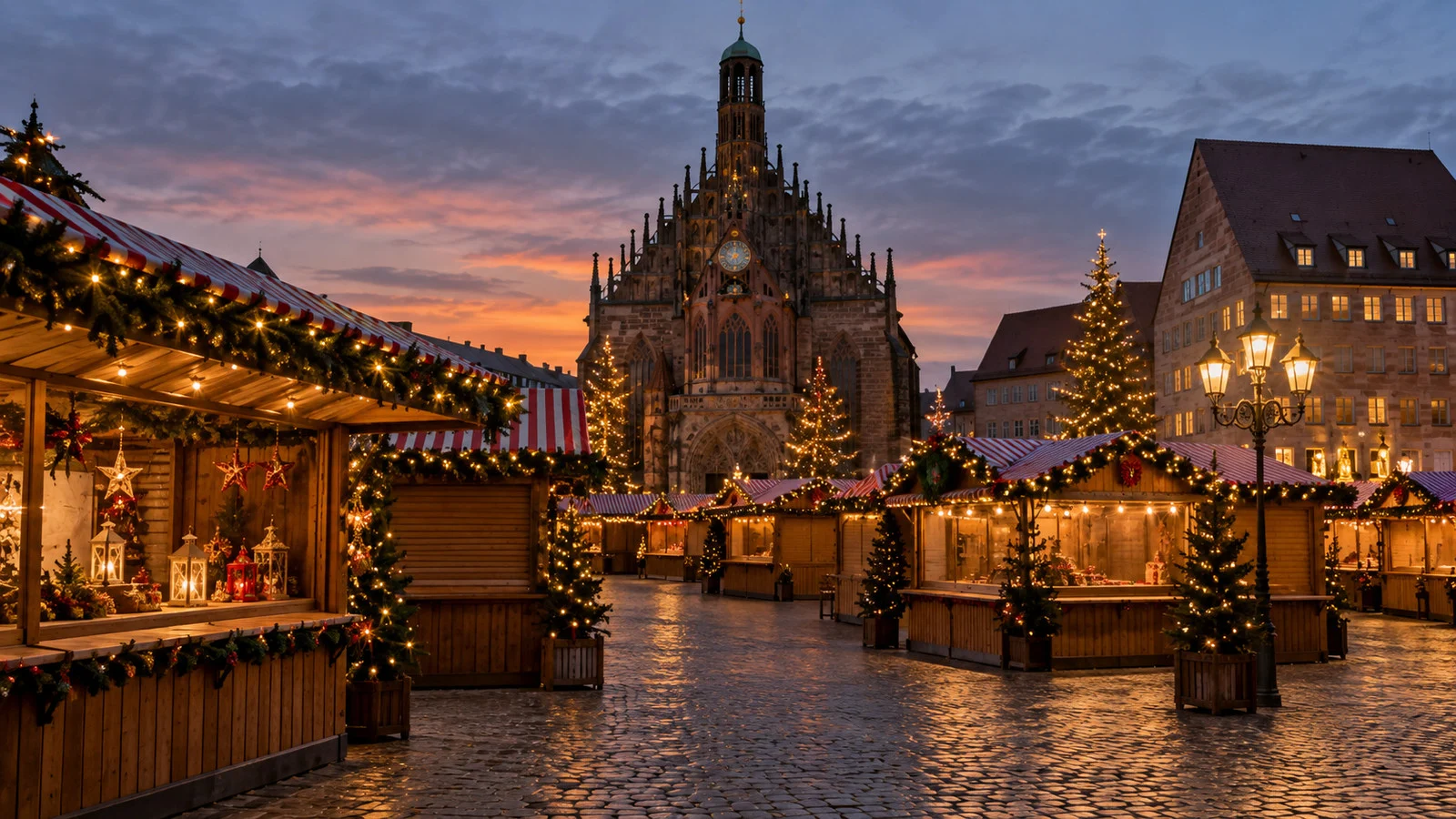
- Nuremberg 2026: Christkindlesmarkt runs November 27 through December 24, daily from 10 a.m. to 9 p.m.
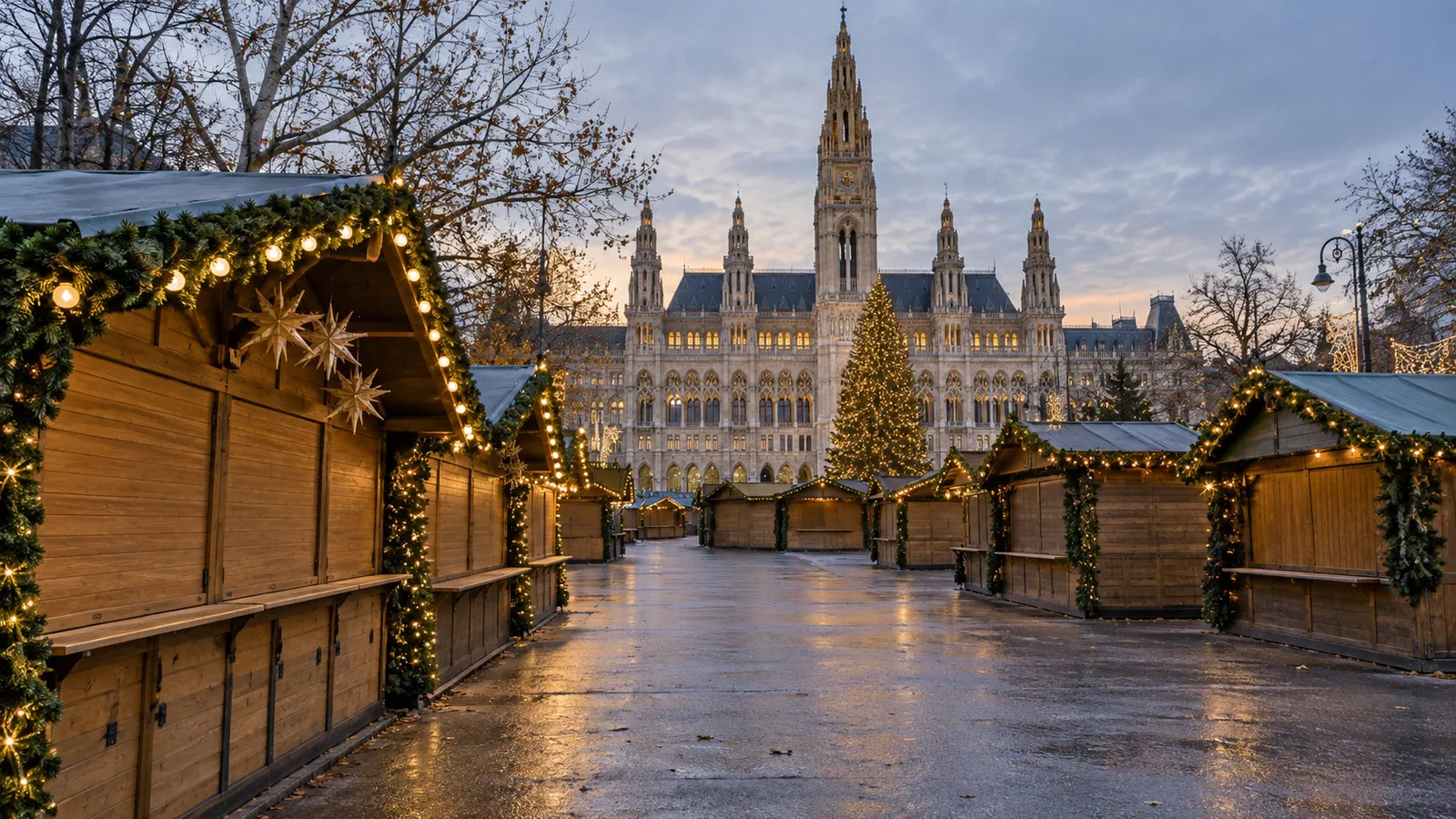
- Vienna 2026: Rathausplatz runs November 13 through December 26, while the Schönbrunn market runs November 6 through January 6.
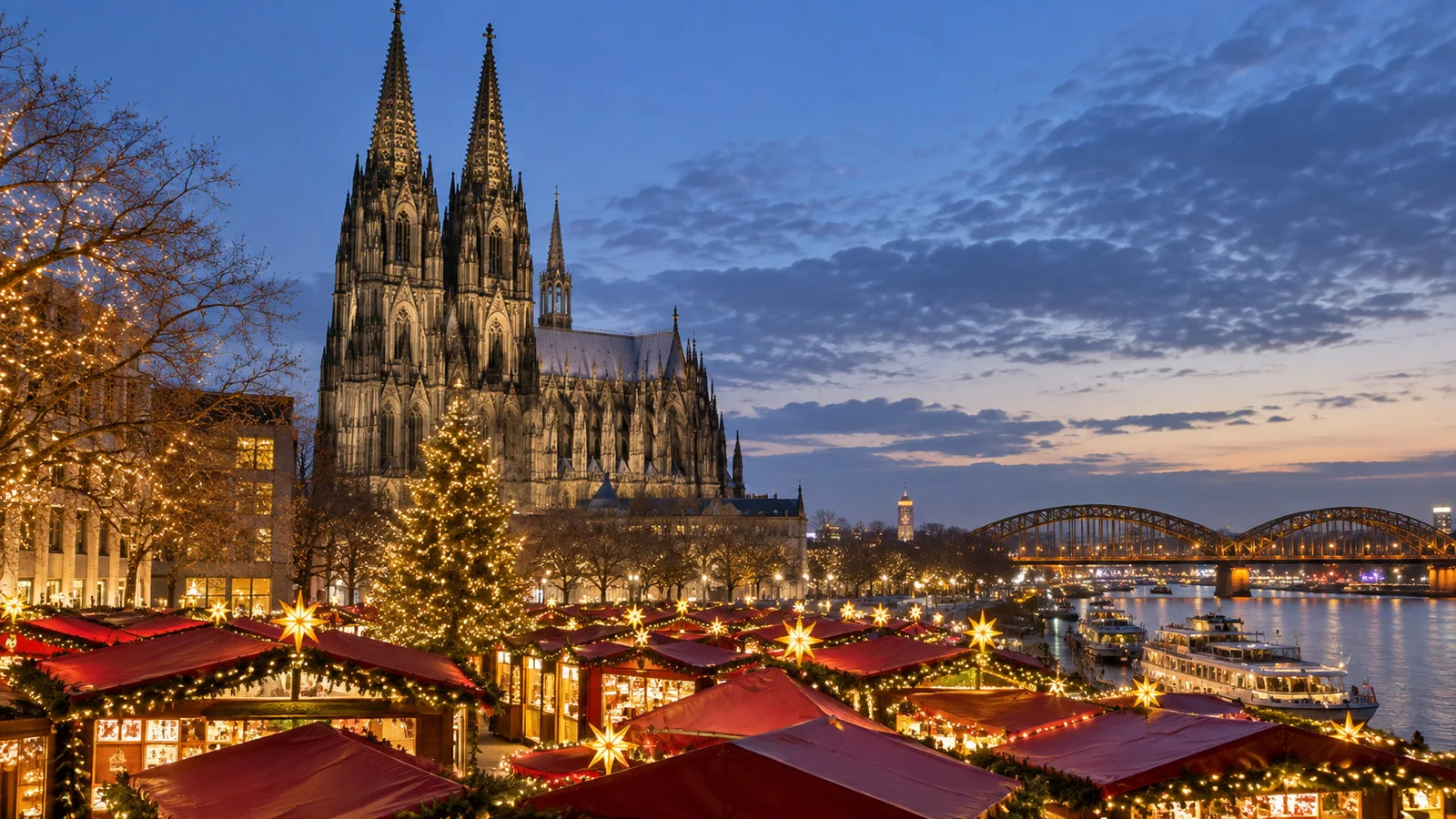
- Cologne Cathedral 2026: The organizer lists November 16 through December 23 and a closure on November 22 for Totensonntag.
- Daylight is short: Sunset is near 4 p.m. around mid-December in Cologne, Nuremberg, and Vienna, so some scenic sailing happens in darkness.
- Winter operations can change: Fog, ice, high water, low water, locks, and berth assignments can alter timing or transportation without following a fixed script.
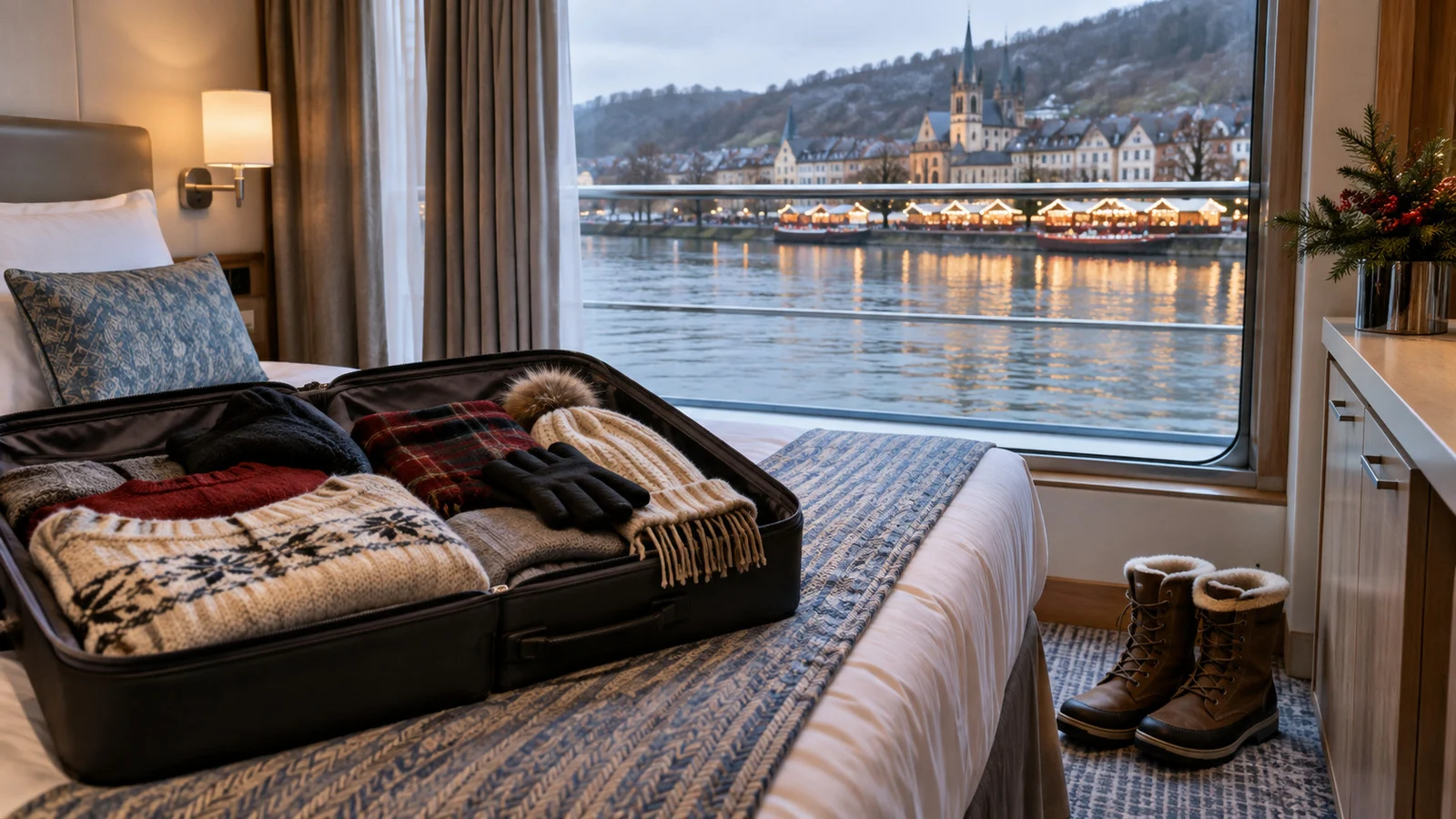
- Dress for standing outside: Pack warm layers, waterproof outerwear, gloves, and shoes with grip, then check the official forecast just before travel.
Start with the 2026 market dates
Nuremberg’s official Christkindlesmarkt calendar lists November 27 through December 24, with its opening ceremony at 5:30 p.m. on November 27. The market is scheduled daily from 10 a.m. to 9 p.m.
The Cologne Cathedral market is provisionally scheduled for November 16 through December 23 and closed on November 22. That one-day closure matters if Cologne is the star of a short itinerary.
Vienna needs a market-by-market check because there is no single citywide end date. The Vienna Tourist Board lists Rathausplatz through December 26, Karlsplatz and Spittelberg through December 23, and Schönbrunn through January 6.
Match each market’s date to the itinerary’s actual port day before paying the deposit. “Christmas cruise” in the sailing name does not mean every advertised market is open throughout the trip.
Which dates should you book?
For the broadest selection among Nuremberg, Cologne, and Vienna, begin with sailings whose relevant calls fall between November 27 and December 20. Confirm every stop because itinerary order, embarkation dates, and market schedules can move that answer by several days.
Late November can work beautifully when the itinerary does not reach Nuremberg before November 27. Christmas-week sailings need extra scrutiny because some Vienna markets remain open after December 23, while Nuremberg and the Cologne Cathedral market do not.
If scenic cruising matters more than markets, December is a tradeoff rather than an automatic winner. Compare it with fall foliage dates and use the Rhine, Danube, Douro, and Rhône guide to choose the river first.
Fog, ice, and river levels without the drama
Fog
Reduced visibility can slow or pause navigation, but the operational decision depends on the waterway, vessel, equipment, crew qualifications, and conditions. Do not turn a foggy forecast into a guaranteed missed port or assume radar guarantees an on-time arrival.
A delay may compress a walking tour, reduce free time, change transportation, or do nothing noticeable at all. Keep independent appointments flexible and read the ship’s daily program rather than building a day around a precise arrival hour.
The same planning principles apply beyond the rivers, and our fog-delay guide explains why visibility decisions are operational rather than automatic. Your river line’s notice remains the controlling source for the sailing.
Ice
A prolonged hard freeze can create navigation problems on parts of the Danube or canal system, but significant ice disruption during the Advent season is uncommon. Historical winter closures outside the market window do not prove that a December sailing will be affected.
Avoid claims that the Rhine “never freezes” or that a specific temperature automatically closes a river. Water temperature, current, ice conditions, local restrictions, and vessel rules all matter.
High or low water
Winter does not eliminate water-level risk. High water can reduce bridge clearance, while an unusually dry period can still produce low-water restrictions on particular reaches.
Lines may change a port, add a coach transfer, alter the sailing schedule, use hotels, or arrange another ship when conditions require it. The response is itinerary- and operator-specific, so use the river cruise ship-swap guide as preparation, not a promise.
Uniworld’s current FAQ says circumstances beyond its control may require changes and that the line reserves the right to alter an itinerary for safety. Check your own operator’s current terms because another line may handle the same conditions differently.
How the 4 p.m. sunset changes the day
Mid-December gives Cologne, Nuremberg, and Vienna roughly eight hours between sunrise and sunset. That is enough for a walking tour and market visit, but not enough to see every riverbank, castle, and town in daylight.
Read the itinerary for phrases such as “scenic cruising,” then compare that segment with the scheduled day and arrival times. A route map alone will not tell you whether the Rhine Gorge or Wachau is likely to pass before dark.
Darkness is part of the fun once the market lights switch on. The practical trick is to protect a daylight sightseeing block and return for the evening atmosphere only if the ship’s berth and all-aboard time make it comfortable.
What a market port day may look like
A line may offer a morning city tour, free time at the market, and a later return to the ship. It may also schedule an afternoon arrival, an evening visit, or a coach transfer that uses a meaningful chunk of the short day.
Do not assume the ship will hold until 9 or 10 p.m., provide a second shuttle, or berth within walking distance. Confirm the daily program onboard because lock timing, harbor assignments, and river conditions can change the plan.
Uniworld notes that docking locations are set by local harbor authorities and that some ports require a motorcoach transfer. That is exactly why an older berth map should never outrank the ship’s current instructions.
Nuremberg
River ships use canal berths outside the old town, so plan on transportation rather than a gangway-to-market stroll. The Nuremberg river cruise port guide explains the layout, but confirm the exact berth and transfer with the line.
Vienna
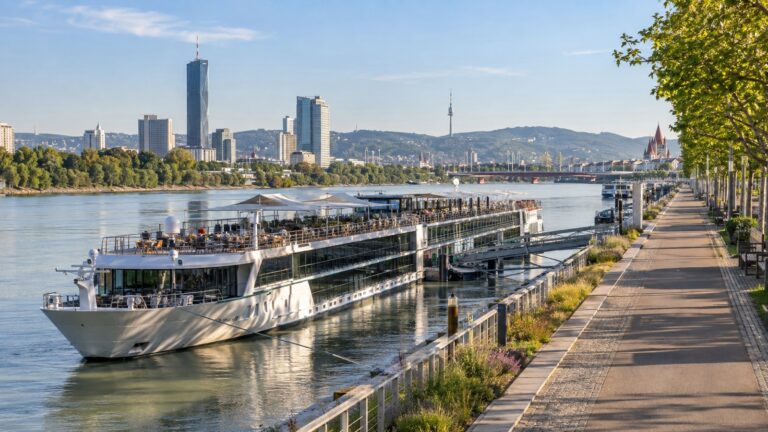
Vienna has multiple river docking areas, and none should be assumed until the operator confirms. Use the Vienna river cruise berths guide to understand the possibilities, then route to the specific market you chose.
Cologne
Central Rhine berths can make the Cathedral market easy to reach, but docking positions can change or require crossing another ship. Check the line’s notice before treating Cologne as a guaranteed walk-off call.
Six booking moves that prevent disappointment
- Audit the dates: Put the official opening and closing date beside every market call, including any Sunday or holiday closure.
- Check the daylight: Identify the scenic river segment you care about and ask the line when it is scheduled to pass.
- Read the disruption terms: Look for the operator’s rights and your remedies if weather, water levels, locks, or harbor authorities change the itinerary.
- Keep private plans flexible: Use a refundable guide or a start time that can move because the ship’s arrival is not an appointment guarantee.
- Confirm the transfer: Ask whether a market visit uses a coach, public transit, a shuttle, or walking and whether the last return is included.
- Choose a good Plan B: Save one indoor museum, church, café, or concert near each market rather than trying to improvise in cold rain.
What to pack for a winter market day
- Waterproof shoes with traction: Cobblestones become tiring when they are wet, icy, or covered with grit.
- Thin warm layers: You will move between heated coaches, the ship, shops, and an outdoor square.
- Gloves that work with your phone: Market maps, transit directions, and the line’s messages should not require bare fingers.
- A compact rain shell: Cold rain is often more disruptive to comfort than postcard snow.
- More than one payment method: Card acceptance varies by stall, so carry a card plus modest cash in small euro notes.
Accessibility in winter markets
Cobblestones, temporary ramps, wet surfaces, crowding, coach steps, and a changing gangway angle can all matter. Ask about the complete route from cabin to market, not simply whether the ship has an elevator.
Request written confirmation of wheelchair or walker handling, accessible coach space, step-free market access, and whether mobility equipment can cross rafted ships. Docking next to another vessel can happen in any season, so do not assume winter eliminates it.
Go near opening time if you want more room to maneuver, but check that market’s actual hours first. Vienna links its broader accessible-city guidance from the tourism site, and Nuremberg tourism can confirm current step-free routes and accessible facilities.
Quick answers
Can fog stop a Christmas market river cruise?
Reduced visibility can delay or pause a vessel, but the result depends on local rules and operating conditions. A foggy morning is not proof that a port will be missed.
Can the river freeze in December?
Ice can affect European waterways during a prolonged hard freeze, although major disruption during the Advent market period is uncommon. Follow the line’s operational notice instead of using a historical closure as a forecast.
Which markets stay open after Christmas?
In Vienna, Rathausplatz and Stephansplatz are scheduled through December 26, 2026, while Schönbrunn and the Prater Winter Market continue through January 6, 2027. Nuremberg ends December 24, and Cologne’s Cathedral market ends December 23.
Is the Rhine or Danube better?
Choose by the actual cities, market dates, transfer times, and daylight schedule rather than a blanket river ranking. The Danube can pair Nuremberg and Vienna, while the Rhine can pair Cologne with other German and Alsatian stops.
The bottom line
A Christmas market river cruise works best when you treat the calendar as a hard fact and the sailing timetable as flexible. Book after checking each market, protect the daylight sights you care about, and leave room for winter to improvise.
Use our European Christmas market port roundup to rank the stops and the Cologne river cruise port guide for local logistics. The best December plan has warm gloves, accurate dates, and no emotional attachment to 8:03 a.m.
How this guide was researched: The 2026 dates and hours were checked against the official Nuremberg Christkindlesmarkt, Vienna Tourist Board, and Cologne Cathedral market pages. Itinerary-change, berth, weather-update, clothing, and mobility context was checked against Uniworld’s current FAQ; see our Editorial Policy.
More on this topic: browse every guide on river cruise planning.