Rastatt River Cruise Port: The Rhine Stop With Its Own Versailles
Rastatt is one of those river cruise calls where the name on the itinerary does not tell you exactly what the day will feel like. The historic center sits inland from the Rhine, so the first practical question is not what to see but where your ship will land and how the transfer into town will work.
The payoff is a compact Baroque city anchored by the Residenzschloss, a palace conceived with Versailles as its model. Rastatt also works as a starting point for Baden-Baden, but that is a separate excursion and not something I would improvise without checking the ship’s schedule.
My quick take
Choose Rastatt itself if you want a lower-stress day focused on architecture, local history, and a manageable walk through the center. Choose Baden-Baden only when the timing and transportation are already clear, because the spa city takes you farther from the vessel.
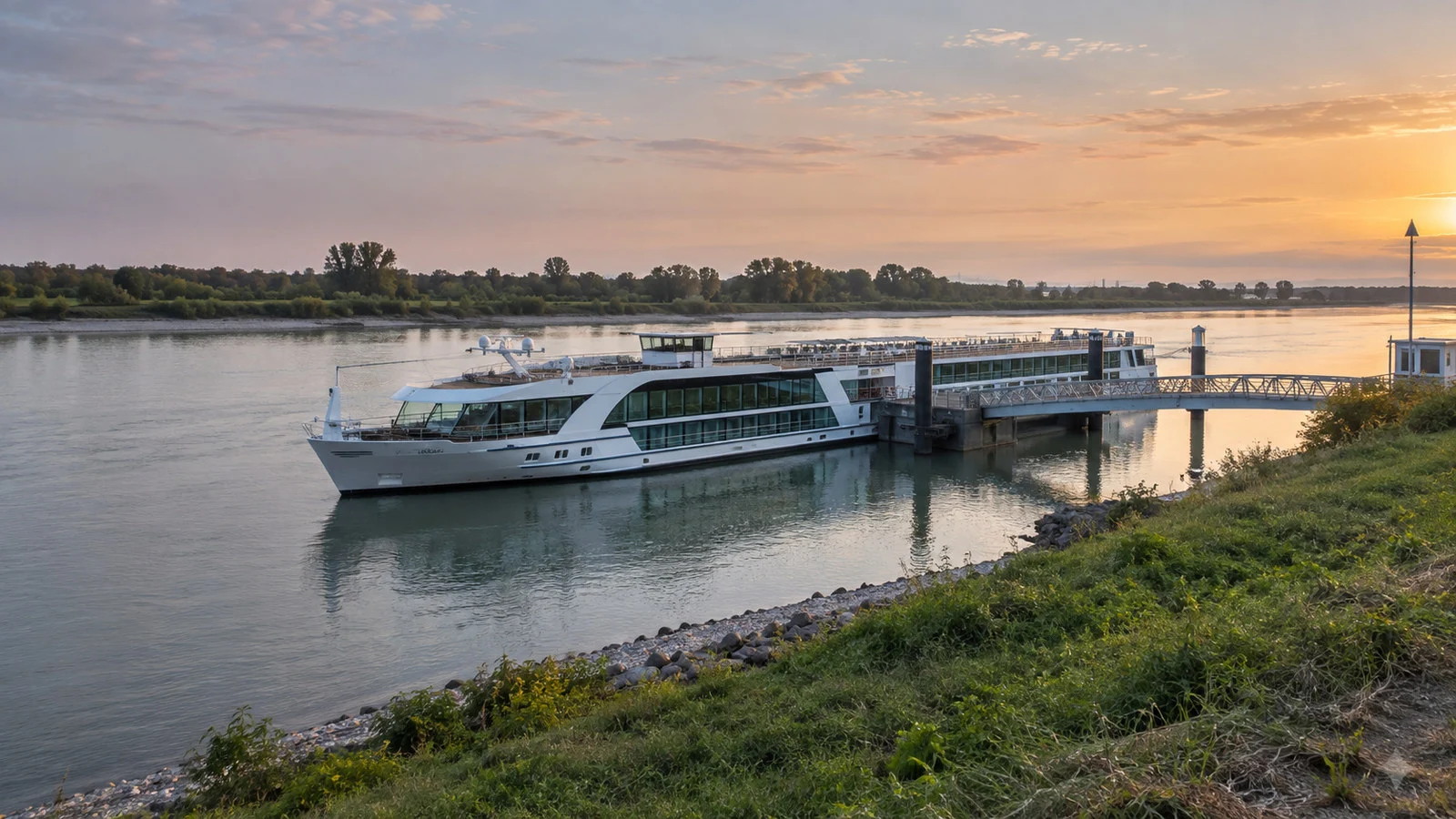
The biggest planning mistake is treating Rastatt as a walk-off Rhine port. Your cruise line may use a landing near Plittersdorf or another assigned point in the district, and the city center requires a shuttle, coach, taxi, or local connection from there.
Rastatt quick facts
- Country: Germany
- River: Rhine
- Port setup: A Rhine landing associated with Rastatt, separate from the inland historic center
- Likely transfer: Cruise line shuttle or coach, with taxi or local transport as possible alternatives
- Main attraction: Residenzschloss Rastatt
- Good local add-on: The historic center and the city’s Historical Route
- Larger excursion: Baden-Baden
- Currency: Euro
- Best first check: Exact landing, shuttle departure point, and all-aboard time
Getting off the ship: landing and logistics
There is no single city-center cruise terminal that every Rastatt call uses. Confirm the exact landing during the onboard briefing, since operational details can change with the vessel, river conditions, and the day’s schedule.
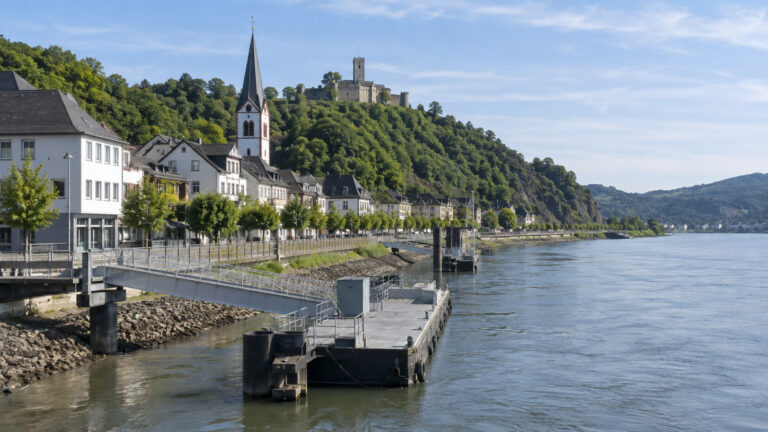
Plittersdorf is the Rhine-side part of Rastatt that visitors commonly encounter in this context. The official city tourism site highlights its Rhine promenade and nearby floodplain landscape, but you should not assume the promenade is the assigned berth until the cruise line confirms it.
Before leaving the vessel, photograph the daily program and the landing area. Save the ship’s contact number, note the shuttle stop in town, and ask whether the final return coach leaves before the published all-aboard time.
River levels can affect gangway angle and landing arrangements. If you use a wheelchair, walker, or cane, ask the crew about the actual setup that morning instead of relying on a generic accessibility description.
Getting into Rastatt
A cruise line shuttle is usually the simplest choice when it is offered. It removes the uncertainty of finding the correct local stop near the landing and gives you a clearly defined return point.
If you are arranging your own transfer, ask for the exact pier or landing name rather than entering only “Rastatt” into a map. Rastatt station and the palace are inland, so a route to the city center is not the same as a route from the ship.
For current rail planning beyond Rastatt, use the official Deutsche Bahn journey planner. Local bus details and service frequency can change, so verify the complete route for your call date and leave room for a missed connection.
A taxi can be useful for a small group or for travelers who want to minimize walking. Availability at a river landing is not guaranteed, which makes advance booking and a confirmed pickup location worth the effort.
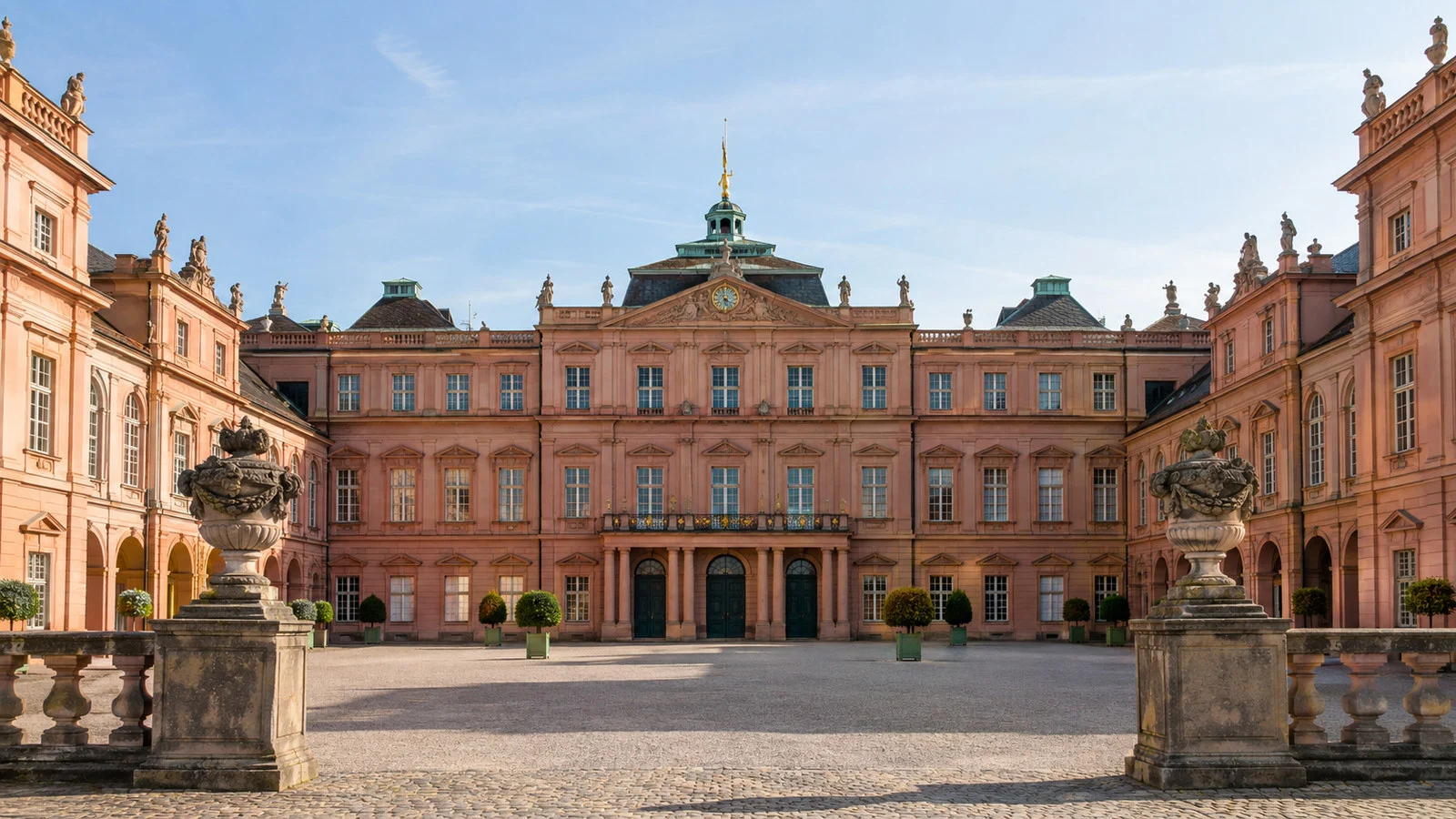
The Residenzschloss is Rastatt’s main draw
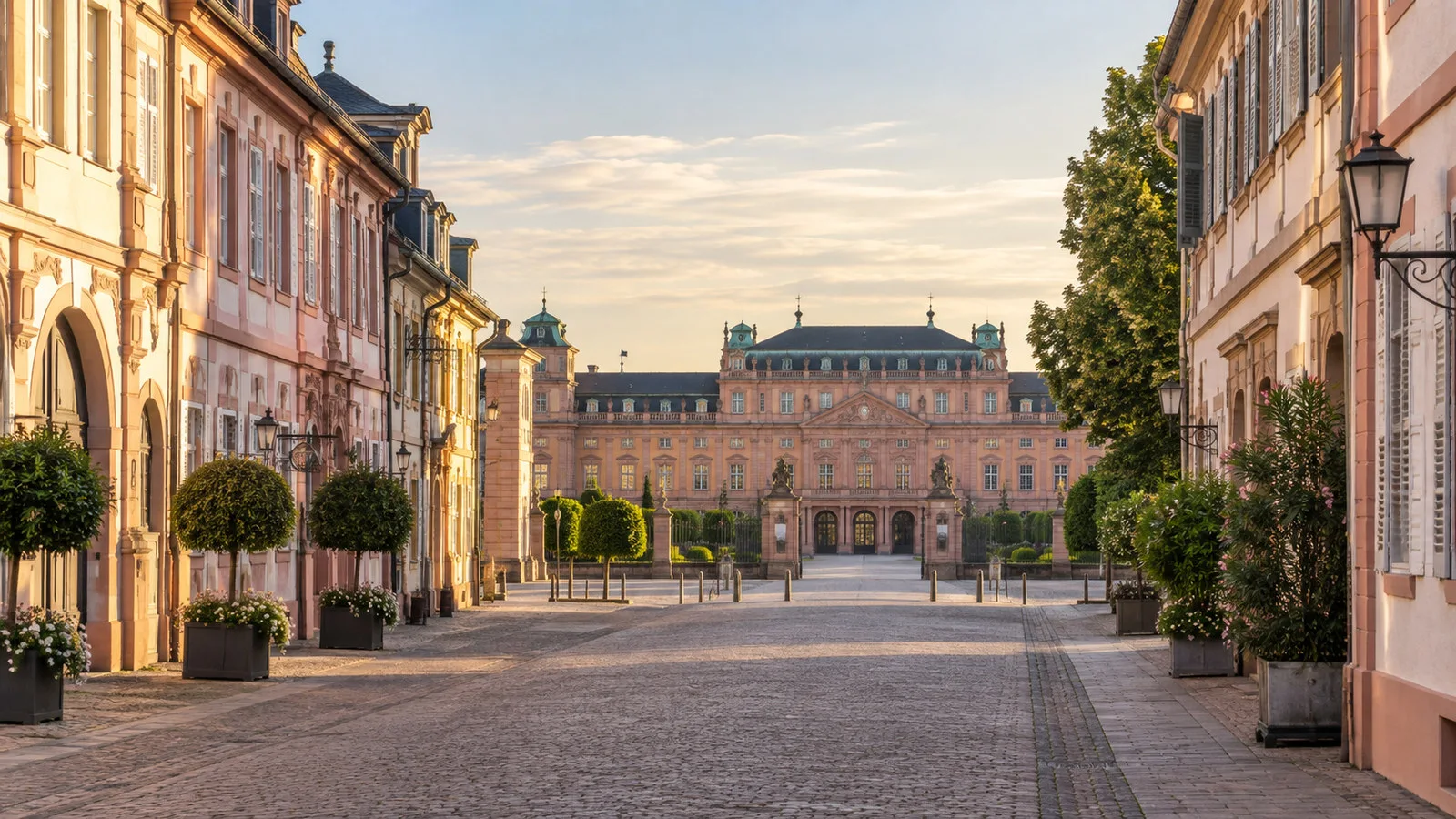
The Residenzschloss is the reason to give Rastatt more than a passing glance. The official palace administration describes it as the oldest Baroque residence on the Upper Rhine, with the palace, gardens, and planned town conceived as a unified composition.
The Versailles comparison needs a little context. Rastatt was planned after the French royal model, but it is its own German Baroque residence with a history tied to the margraves of Baden-Baden.
Check the official Residenzschloss Rastatt website for the current opening program, ticket information, and visitor rules. Access to particular rooms can depend on the tour schedule, so do not build a tight independent plan around an assumed walk-in time.
Allow extra time for the approach, ticketing, and any required tour. If your ship offers a guided palace visit that fits comfortably within the call, the transport and timing security may be more valuable than the small amount of flexibility you give up.
A simple walking plan in the center
After the palace, continue through the planned Baroque center rather than rushing straight back to the transfer. The official Rastatt tourism site describes a Historical Route that takes about an hour and a half and connects 24 historic places.
You do not need to complete every stop. Select a short section that matches your available time, then turn back while you still have a comfortable margin for the shuttle.
Schloss Favorite is a separate palace outside the central Residenzschloss complex. It can be worthwhile for travelers with a planned vehicle and enough time, but it is not a casual extension of a short palace walk.
Plittersdorf and the Rhine as a local alternative
If the city transfer or palace schedule does not suit you, the Rhine-side landscape near Plittersdorf can provide a quieter alternative. Confirm that walking from the assigned landing is permitted and practical, because the ship may use a controlled or operational area rather than the public promenade.
The river promenade and floodplain setting are more about fresh air and local scenery than headline sightseeing. This option works best for a flexible hour close to the vessel, not as a substitute for the Baroque center if the palace is your main reason for choosing the call.
Baden-Baden: worthwhile, but not Rastatt

Baden-Baden is the obvious larger excursion from this part of the Rhine corridor. Its spa heritage forms part of the transnational Great Spa Towns of Europe UNESCO World Heritage property, while Rastatt itself is not included in that inscription.
This distinction matters because excursion descriptions sometimes blend the two destinations. Rastatt offers the Baroque palace and compact historic center, while Baden-Baden offers the grand spa-town experience and requires additional road or rail travel.
A ship excursion is the easiest way to manage a Baden-Baden visit on a limited port call. Independent travelers should preplan every transfer, work backward from the last safe return, and avoid relying on a connection that reaches the landing close to all-aboard.
If the call is short, stay in Rastatt. A focused palace visit plus a center walk is more satisfying than spending much of the day watching the clock between two inland transfers.
Ship excursion or do it yourself?
The ship’s excursion makes the most sense when it includes a timed palace entry, a transfer to Baden-Baden, or several stops that are awkward to connect independently. It also gives the cruise line responsibility for coordinating the group with the vessel’s schedule.
Independent exploration works well when a shuttle drops you near central Rastatt and you are content with the palace and old town. It gives you control over your pace, but you still need a firm plan for the return from the inland center to the Rhine landing.
Do not assume the sightseeing coach and the general shuttle are interchangeable. Ask whether your ticketed tour returns directly to the ship and whether independent passengers use a different pickup point.
Accessibility notes
Accessibility begins at the vessel, not at the palace. Gangway slope, steps, surface quality, and the distance from the landing to the vehicle can vary, so request a same-day assessment from the crew.
Ask whether the shuttle or excursion coach can carry your mobility device and whether it has steps. A standard coach transfer may be the limiting part of the day even when the attraction itself offers accessible routes.
For the palace, check current accessible entrances, lift availability, restroom access, and which rooms are included on your selected visit. Historic surfaces and route changes can affect what is practical, so contact the palace directly for needs that cannot be improvised.
Central Rastatt is comparatively compact, but curb cuts, cobbles, and standing time on a guided visit may still matter. Build in seated breaks and avoid adding Schloss Favorite unless the transport and accessible route are confirmed.
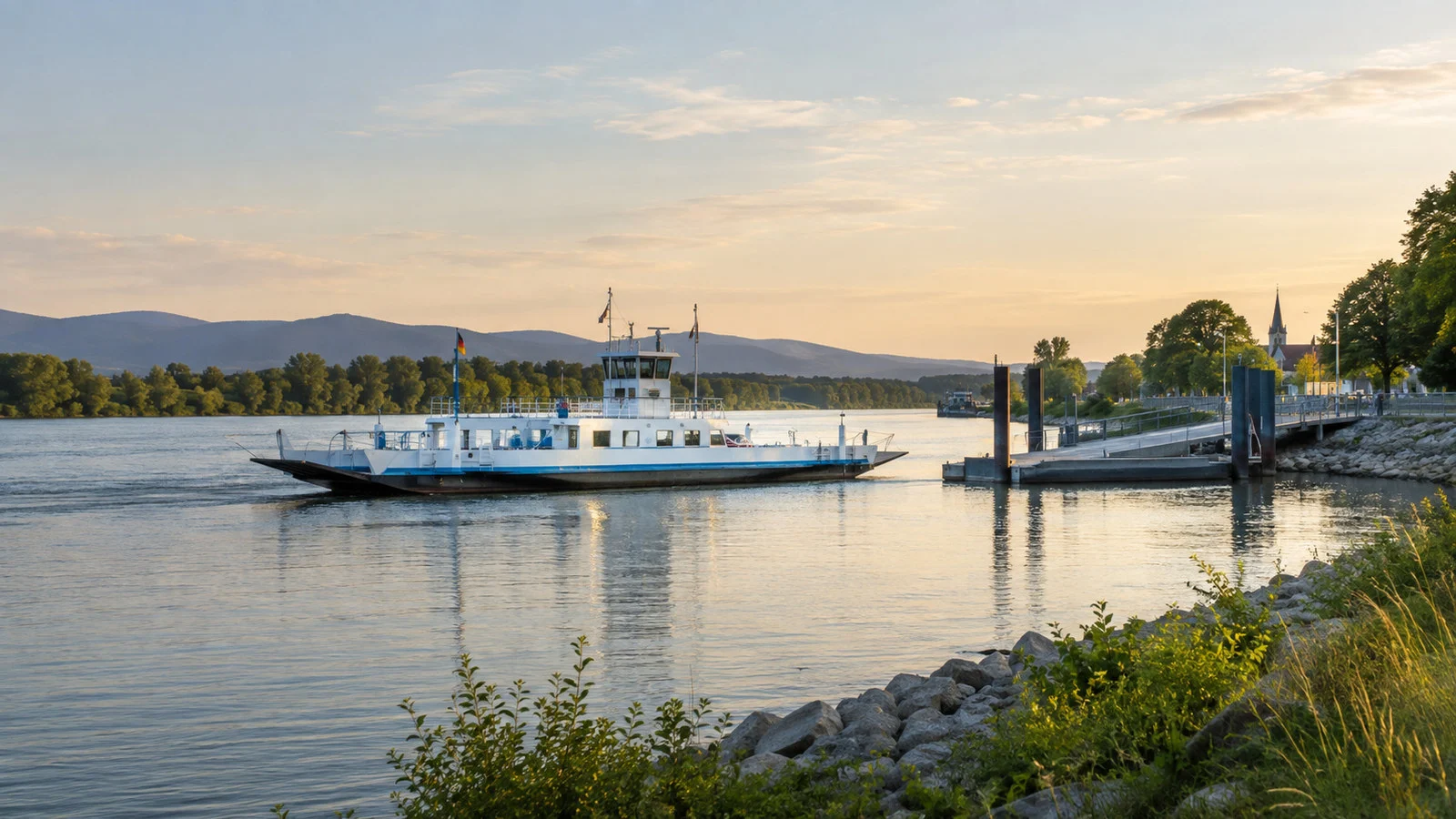
Weather, river conditions, and safety
Bring a light rain layer even when the forecast looks settled. Palace visits are mostly sheltered, but the landing, transfer wait, and town walk can leave you exposed to rain or summer heat.
Wear shoes with reliable grip for the gangway and older paving. Stay on public paths near the Rhine, respect barriers around operational landing areas, and never use an unconfirmed shortcut back to the ship.
High or low water can alter a river cruise itinerary with little notice. Treat the onboard daily program as the final authority for your actual landing and departure, even if an older map or cruise review shows something different.
Return timing that protects the rest of your cruise
Start with the ship’s all-aboard time, then identify the last shuttle you are genuinely comfortable taking. I would aim for an earlier departure from town so one traffic delay or missed bus does not turn a pleasant palace visit into a stressful sprint.
Independent visitors should keep the landing name and a map pin offline. Make sure a taxi driver understands that you need the Rhine landing, not Rastatt station or the city center.
If you continue elsewhere by rail, leave additional time between the station and the ship transfer. A train arriving in Rastatt is not the end of the journey when the vessel is waiting beside the Rhine.
How Rastatt fits a Rhine itinerary
Rastatt offers a useful contrast to larger Rhine stops. It is more focused than Mainz, less wine-centered than Rüdesheim, and built around a different kind of courtly history.
Travelers comparing regional calls may also encounter Speyer or Strasbourg. Rastatt’s strength is not a long checklist but the combination of a major Baroque residence and a compact planned center.
The port logistics require more attention than the sightseeing. Once you have confirmed the landing and transfer, the city itself is straightforward to prioritize.
Quick answers
Can I walk from the ship to Rastatt Palace?
Do not plan on it. Rastatt’s historic center is inland from the Rhine, and most passengers will need a shuttle, coach, taxi, or local connection from the assigned landing.
Is the Rastatt landing always at Plittersdorf?
No fixed landing should be assumed. Plittersdorf is the Rhine-side part of Rastatt commonly associated with river access, but your cruise line must confirm the actual location for your sailing.
Is Residenzschloss Rastatt a copy of Versailles?
That description is too simple. Versailles influenced the plan, but Rastatt is a distinct Baroque residence with its own regional history and architectural program.
Can I visit Baden-Baden independently?
Yes, if the port call is long enough and every transfer is planned with a generous return buffer. A ship excursion is usually the safer choice when the schedule is tight or the vessel’s landing is difficult to reach by public transport.
What should I do on a short Rastatt call?
Prioritize the Residenzschloss, then walk a manageable section of the historic center. Skip the farther excursion and return on an earlier shuttle.
Last word
Rastatt rewards travelers who solve the transfer before planning the sightseeing. Confirm the Rhine landing, secure a comfortable route into town, and make the Residenzschloss the center of a calm, realistic day.
If anything on this page appears outdated after your sailing, please consult our editorial policy and send the current detail so the guide can stay useful for the next traveler.