South Shetland Islands Cruise Port: Zodiac Landings, Penguins and Research Stations
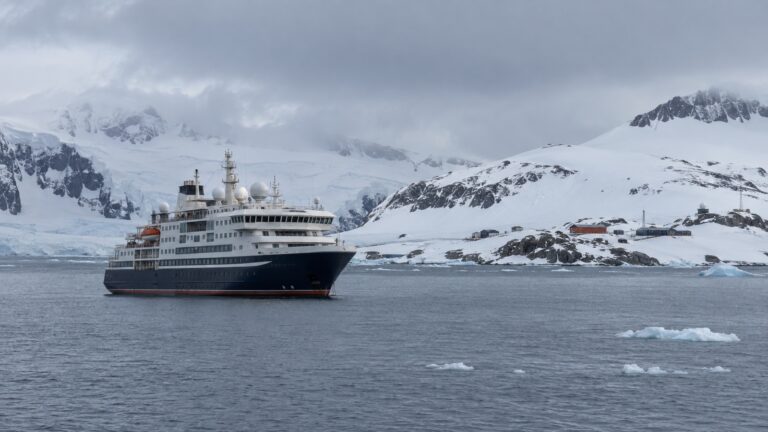
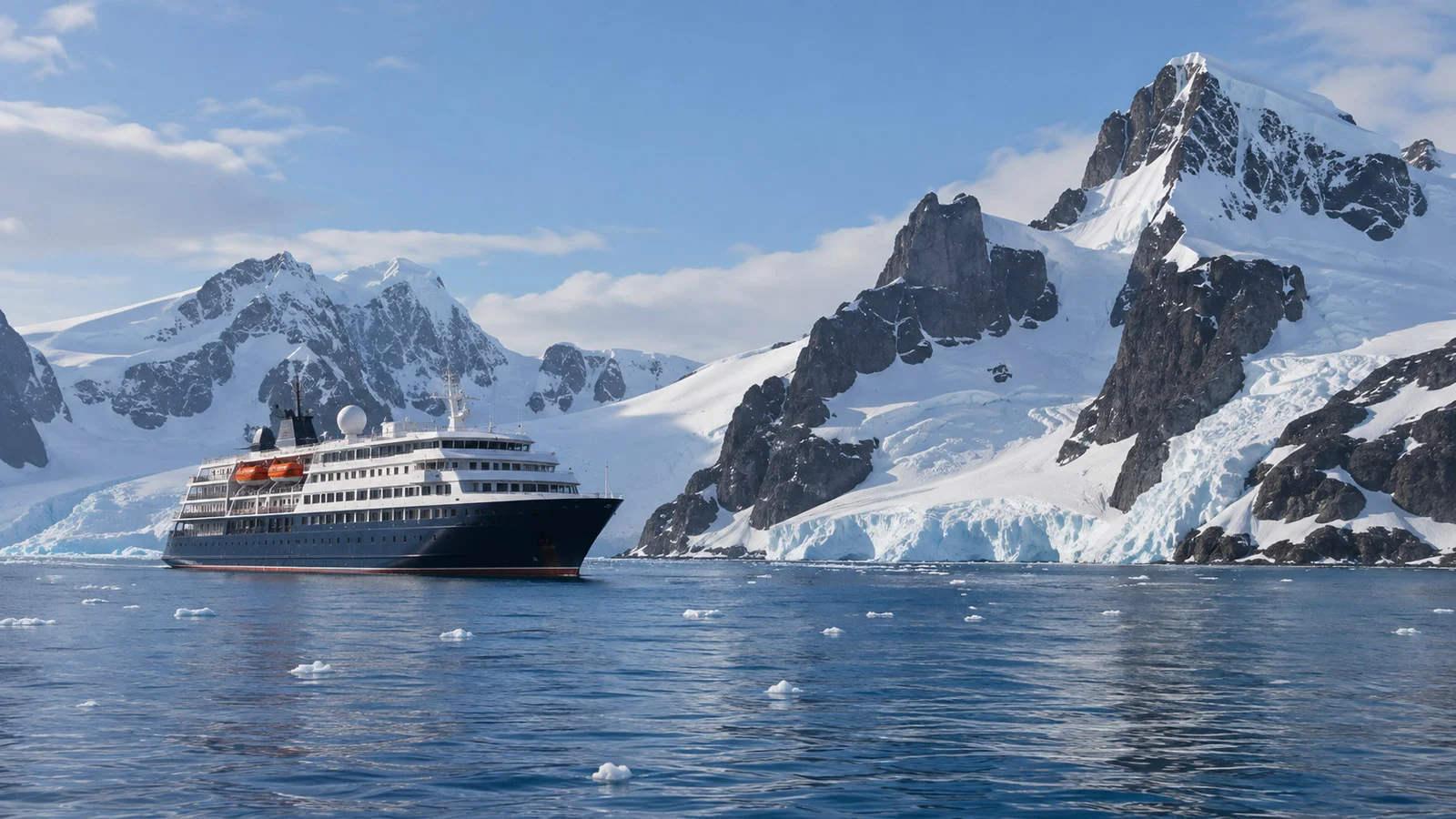
The South Shetland Islands are not a conventional cruise port. They are an Antarctic archipelago where an expedition ship anchors offshore and the day’s experience may involve a Zodiac landing, a boat cruise, a research station visit, or no shore operation at all.
That uncertainty is part of the trip rather than a planning failure. Wind, swell, ice, wildlife, and local restrictions can change the program after breakfast, so the expedition leader’s announcement always matters more than the printed itinerary.
My quick take
Treat any named island or landing as an intention, not a guarantee. Prepare well for every offered activity, then let the expedition team decide what is safe and environmentally responsible on the day.
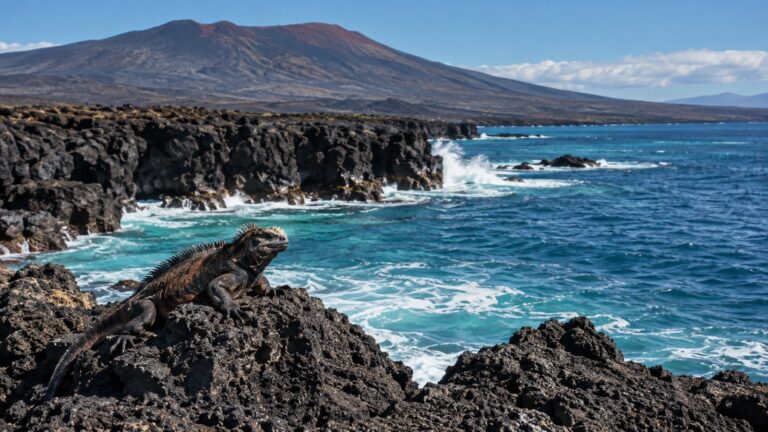
The best moments often come from a simple combination of wildlife, stark volcanic scenery, and the small-boat journey itself. A landing at the Aitcho Islands, a cruise inside Deception Island, and a visit near King George Island are all different experiences, even though each belongs to the South Shetlands.
South Shetland Islands quick facts
- Region: Antarctic archipelago north of the Antarctic Peninsula
- Port setup: No single cruise terminal or town
- Typical access: Zodiac landing or small-boat cruise from an anchored expedition vessel
- Possible landing style: Wet or dry, depending on the site and conditions
- Common highlights: Penguin colonies, seals, volcanic landscapes, glaciers, and research activity
- Major islands: King George, Livingston, Deception, and Greenwich among others
- Currency: None for ordinary shore landings
- Independent sightseeing: Not practical during an expedition cruise
- Final authority: Your expedition leader and site-specific visitor rules
Getting ashore: Zodiac operations, not a pier
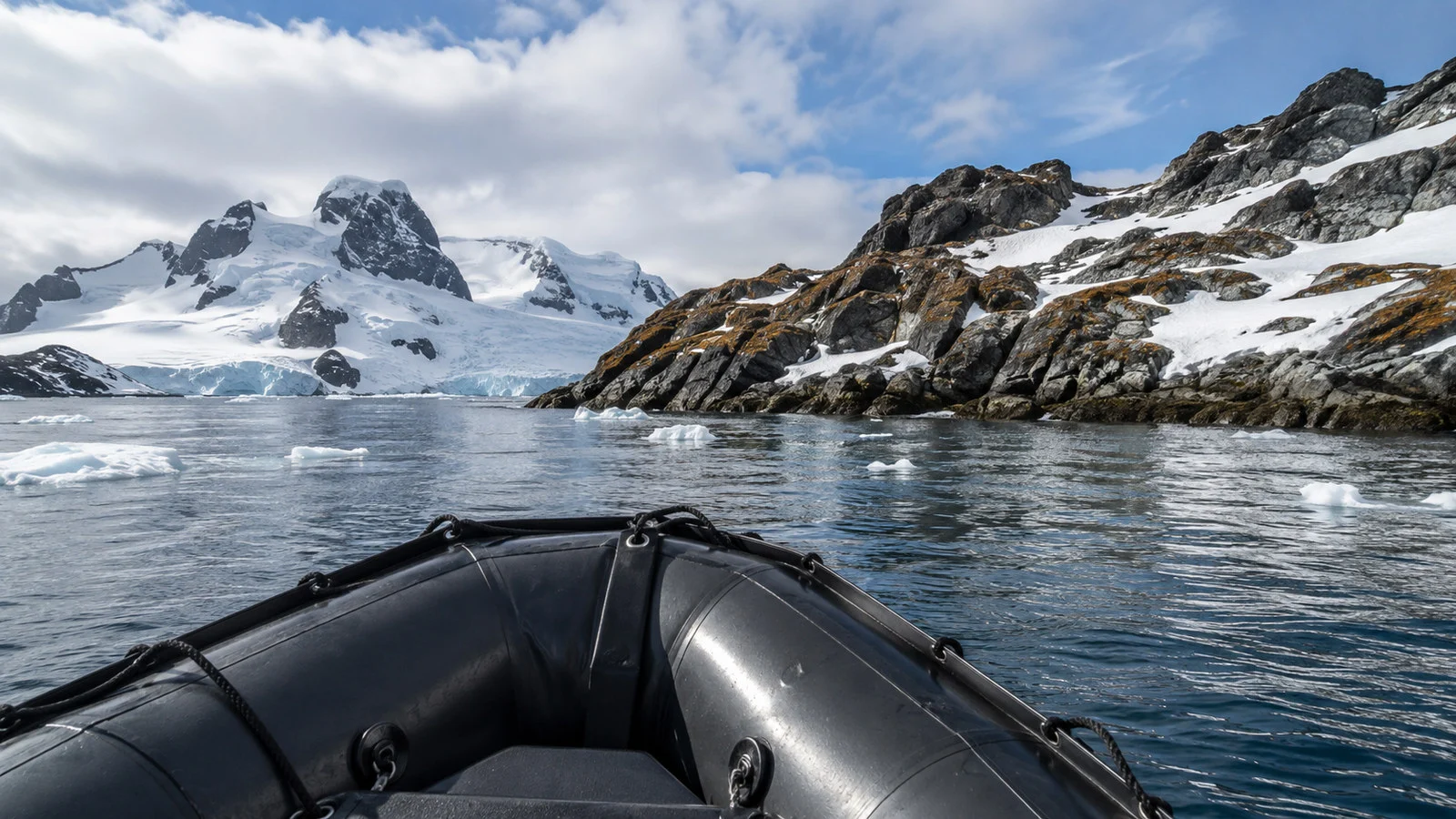
Most visitors reach shore in inflatable Zodiac boats. You will usually be assigned a group or departure window, pass through a loading area, and board only when the expedition team calls you.
A wet landing means stepping from the boat into shallow water and walking onto the beach. A dry landing lets you step onto a rock, platform, or firm shore, but it can still involve a large movement between the Zodiac and land.
Keep both hands free for the crew’s grip and follow the sailor’s instructions. Cameras, phones, and spare layers should be secured in a waterproof bag until you are clear of the surf.
Some days bring a Zodiac cruise without a landing. That can be the safer or more rewarding option when wildlife, ice, or sea conditions make the shoreline unsuitable.
For a detailed overview of the mechanics, see our Zodiac landing guide. Your own operator’s briefing takes precedence because equipment and boarding procedures differ between ships.
There is no single South Shetland port
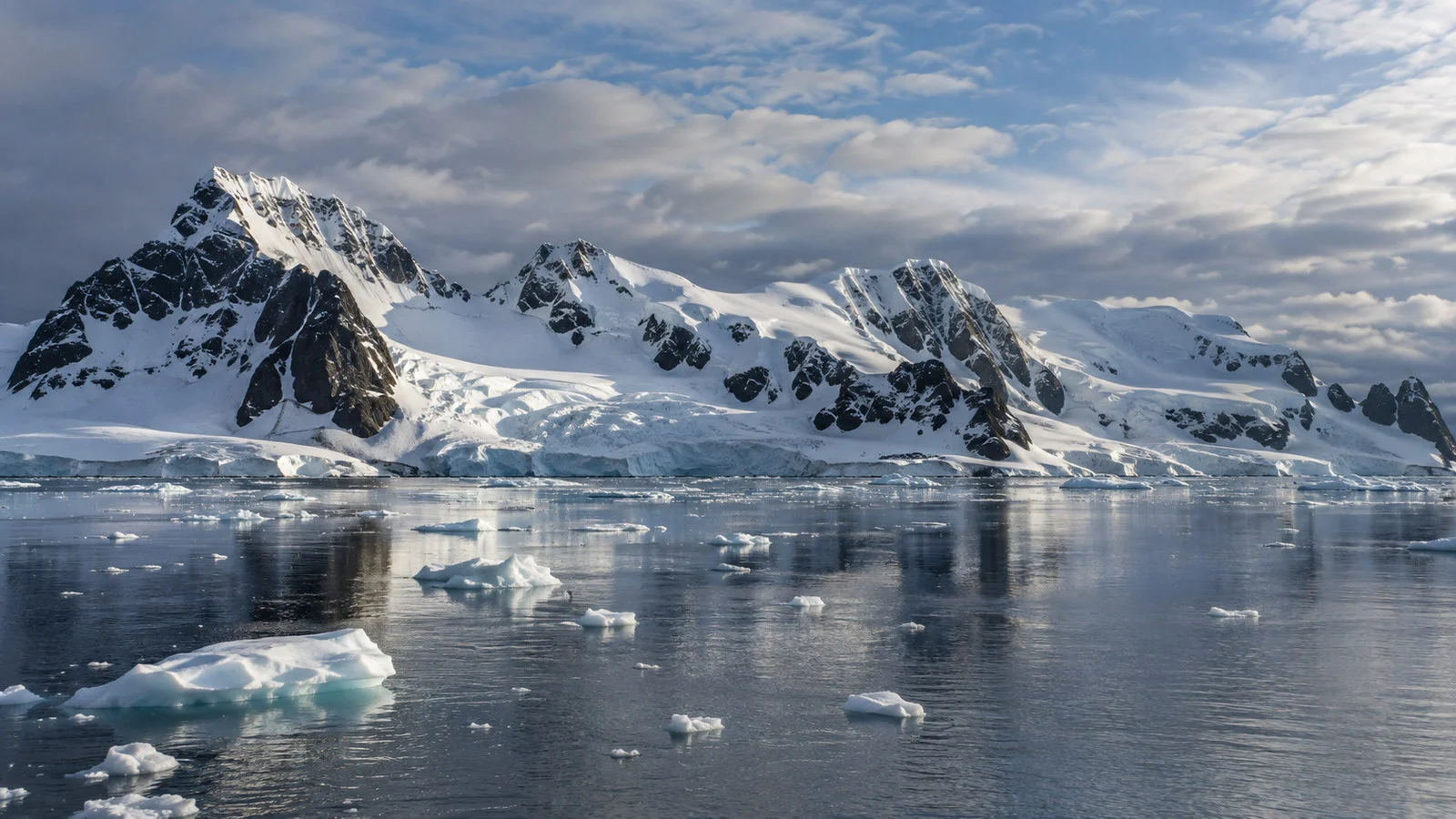
The islands cover a long, exposed chain, and a ship may visit more than one site. A schedule that says only “South Shetland Islands” could lead to a volcanic beach, a penguin landing, a research station area, or a scenic cruise.
King George Island has the greatest concentration of research infrastructure in the archipelago and includes an airstrip used by some fly-cruise programs. That does not turn it into a normal airport town or give cruise passengers freedom to wander between stations.
Livingston and Greenwich islands offer wildlife and rugged scenery, while the smaller Aitcho Islands are known expedition landing territory. Read our separate Aitcho Islands guide if that name appears on your provisional program.
Deception Island is a flooded volcanic caldera with a narrow entrance called Neptune’s Bellows. Conditions and permissions determine whether a ship enters and whether an activity at a specific site can proceed.
Wildlife is the headline, but sightings vary
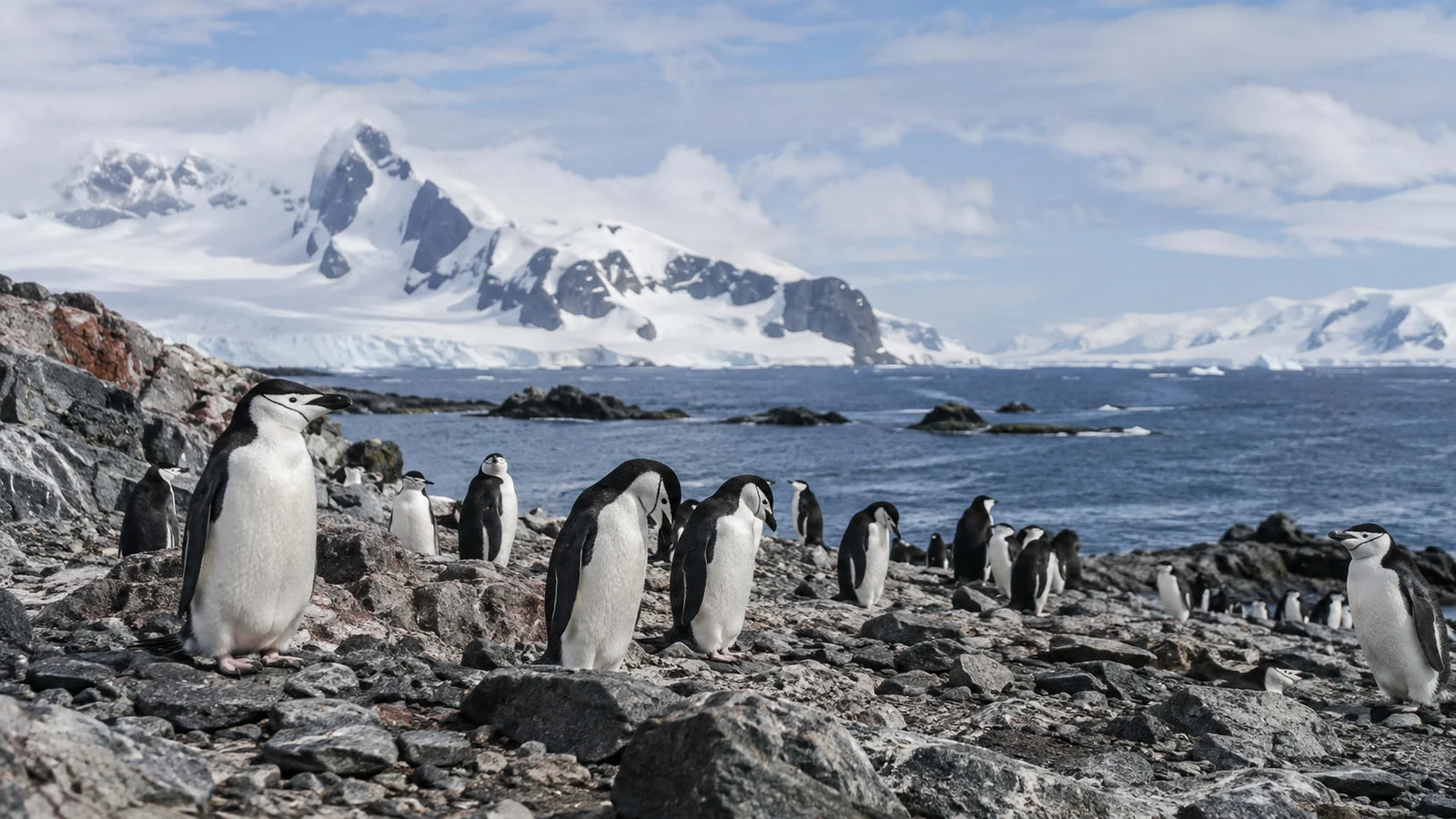
Gentoo and chinstrap penguins are strongly associated with many South Shetland visitor sites, and Adélie penguins may also be seen in parts of the archipelago. Species, numbers, and behavior vary by island, colony, and point in the breeding season.
Antarctic fur seals can be numerous at some landings, especially later in the visitor season. Weddell, leopard, crabeater, and southern elephant seals are possible, but no single landing promises a complete list.
Skuas, sheathbills, giant petrels, terns, and other seabirds add as much life to a site as the penguins. Watch where you place your feet because nests and resting birds can be easy to miss against rock and snow.
The IAATO guidance for visitors says not to feed, touch, or handle birds and seals, or approach them in a way that changes their behavior. Keep the distance set by your guides, give animals the right of way, and move back if one shows interest in you.
A penguin may ignore the same boundary you are required to respect. Stand still or retreat as directed, and never use an animal’s approach as permission to reach toward it.
Biosecurity starts before the first landing
Antarctic operators inspect and clean outerwear, bags, walking poles, and footwear to reduce the risk of carrying seeds, soil, or organisms between regions and landing sites. Attend the briefing and present every item requested, even if it looks clean.
Use the disinfectant bath or boot-washing station exactly as instructed before and after landings. Do not move feathers, stones, bones, shells, soil, or any other natural material.
Avian influenza and other wildlife health concerns can lead to extra separation distances or a canceled landing. Those decisions protect both visitors and colonies, and they can change during a season as monitoring information develops.
Research stations are workplaces, not open museums
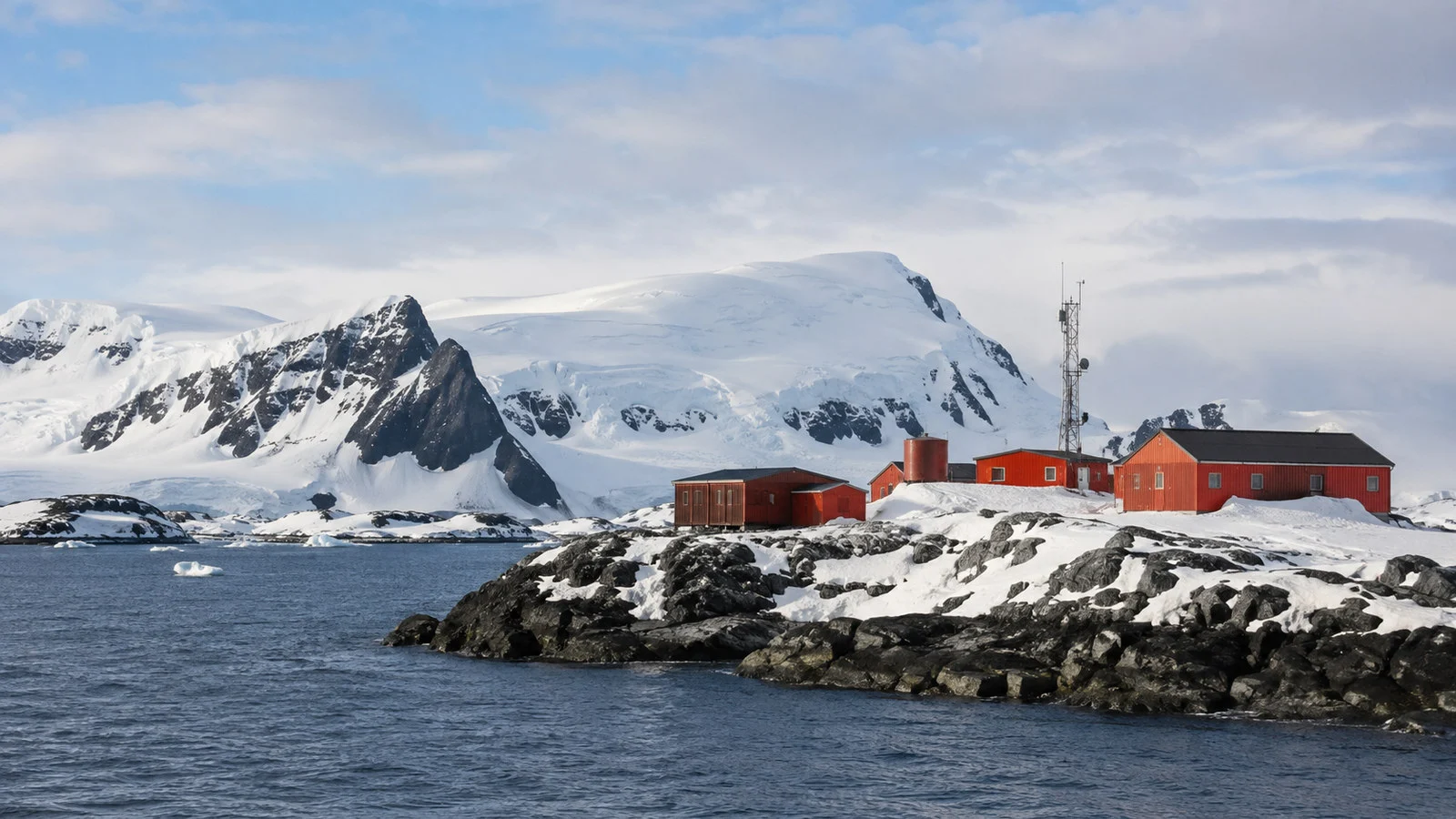
Several nations operate stations in the South Shetlands, particularly on King George Island. A building visible from the Zodiac is not automatically open to visitors, and access can be withdrawn when science, logistics, weather, or health precautions require it.
IAATO’s visitor guidance says permission is required before visiting scientific and support facilities, with arrangements reconfirmed before arrival. Your expedition team handles that coordination, so passengers should never approach a station independently.
During an authorized visit, remain within the route set by station personnel. Do not touch instruments, marker posts, stored supplies, or field equipment, even if they appear unattended.
Station visits can be fascinating because they reveal the practical side of polar science, but they are a bonus rather than a guaranteed attraction. Build your expectations around the landscape and wildlife, not a promised tour inside a national base.
Deception Island requires a flexible plan
Deception Island’s volcanic setting makes it one of the archipelago’s most distinctive places. Black sand, steam or geothermal evidence, historic remains, and the caldera create a completely different atmosphere from a bright penguin beach.
It is an active volcanic system, but tourist operations are managed through site rules, monitoring, and expedition risk assessment. Passengers should not decide for themselves that a beach, slope, or warm-water area is safe to enter.
Older accounts sometimes describe digging pools or bathing in geothermally heated water. Follow current site guidance instead, because environmental rules and safety practices have moved on from many of those stories.
Historic whaling remains are protected cultural material. View them from the designated route and do not enter unsafe structures or remove even a tiny object as a souvenir.
What to wear and carry
Layering matters more than a single heavy coat. Use a moisture-managing base layer, an insulating middle layer, and the waterproof outerwear specified by your operator.
Many expedition ships provide insulated rubber boots and sometimes a waterproof parka, but inclusions differ. Confirm sizes and loan arrangements before travel, especially if you have unusually small or large feet.
Bring warm gloves that still let you operate a camera, plus a spare dry pair. A hat, neck protection, sunglasses, and sunscreen remain useful even when the air feels cold.
Protect electronics from spray and sudden precipitation. Batteries drain faster in cold conditions, so carry a warm spare in a secure pocket and keep your gear simple enough to manage with gloves.
Accessibility: the honest version
Most South Shetland shore operations are not wheelchair accessible in the conventional sense. Boarding a moving Zodiac, transferring at the beach, balancing on uneven ground, and walking through snow, cobble, or soft volcanic sand all require physical stability.
Requirements differ between vessels and activities, so speak with the expedition company before booking and with the expedition leader onboard. Ask about the exact transfer method, handholds, step height, weight-bearing expectations, and whether remaining seated in a Zodiac is an option.
A boat cruise can sometimes provide access to scenery and wildlife when a landing is not practical for you. It still involves embarkation risk and cold exposure, so the team must assess conditions and your individual situation.
Passengers who skip an operation can usually watch from the ship, but views depend on the anchorage. There is no shame in declining a landing when the combination of surf, fatigue, or terrain exceeds your safe limit.
Weather and safety in the South Shetlands
Conditions can shift from calm to windy, wet, or snowy within one outing. Dress for the return crossing before you leave the ship, even if the beach looks sheltered from the observation deck.
Stay with the marked route and expedition staff. IAATO warns visitors not to enter glaciers or large snowfields without proper equipment and experience because crevasses can be hidden.
Do not sit or place loose equipment close to the surf line. A wave or gust can move gear quickly, and recovering it may create an avoidable wildlife or safety problem.
Fur seals deserve particular space because they can be fast and defensive on land. Let a guide redirect you rather than trying to pass between an animal and the water.
Ship excursion or independent visit?
During an expedition cruise, the ship’s shore program is the only realistic way to visit. Landings require permits, trained staff, site coordination, safety equipment, and environmental procedures that an individual passenger cannot arrange from the anchorage.
That does not mean every passenger must take every activity. You can choose among the options your expedition team offers, subject to their mobility and safety requirements.
Some air-linked programs use King George Island as an embarkation or transfer point. Those are organized expedition logistics, not independent tourism in the familiar cruise-port sense.
Timing your return to the ship
You will normally return in the Zodiac group assigned by the expedition staff. Do not leave the marked visitor area, switch boats without permission, or assume another group will collect you later.
Guides may shorten an operation when wind or swell begins to build. Respond promptly because boarding can take longer as conditions deteriorate, and the crew needs time to account for every passenger.
Keep your life jacket on and fastened until the team tells you to remove it. After boarding the ship, complete the required biosecurity process before heading to your cabin.
How the islands fit an Antarctic itinerary
The South Shetlands often appear before or after the Antarctic Peninsula because the chain lies north of the peninsula. They can also become a valuable alternative when ice or weather closes a planned location farther south.
Many voyages reach the region after crossing the Drake Passage. The first Zodiac operation may therefore be your introduction to Antarctic clothing systems, biosecurity, wildlife etiquette, and small-boat procedures.
Do not rank the islands as merely a warm-up. Their mix of volcanoes, dense research presence, maritime history, and wildlife gives them a character distinct from the peninsula.
Quick answers
Do ships dock in the South Shetland Islands?
Expedition ships normally anchor and use Zodiacs rather than docking at a conventional cruise terminal. Specialized operations around research infrastructure are not the same as a public passenger pier.
Can I visit independently?
Not from an anchored cruise ship. Antarctic visits require an organized operation with permits, environmental controls, safety planning, and site coordination.
Which penguins might I see?
Gentoo and chinstrap penguins are common targets at South Shetland visitor sites, with Adélie penguins possible in parts of the archipelago. Your exact sightings depend on the site, season, weather, and wildlife movement.
Is a landing guaranteed?
No. The expedition leader can change or cancel an operation because of wind, swell, ice, wildlife, site capacity, health precautions, or other safety and environmental concerns.
Can I visit a research station?
Only when the station and your expedition operator have arranged it. Stations are working facilities, and access may be limited or withdrawn even after appearing on a provisional itinerary.
Do I need a visa?
Antarctica does not have a normal national visa counter, but your operator manages permits under the laws that apply to the expedition. You may still need passports, visas, or entry permission for the countries used to begin, end, or transit the voyage.
Is Deception Island safe to visit?
An organized visit proceeds only when the expedition team considers the route and conditions acceptable under current guidance. Follow all boundaries because volcanic, weather, surf, and historic-site hazards cannot be judged safely by a passenger alone.
The last word
The South Shetland Islands reward readiness more than a rigid checklist. Prepare your gear, respect every wildlife and biosecurity instruction, and let the conditions determine whether the day brings a landing, a Zodiac cruise, or an unforgettable view from the ship.
If your expedition reveals a changed procedure or site rule, our editorial policy explains how to send a correction. Current instructions from your expedition team always override general planning information online.
More on this topic: browse every guide on expedition and alternative cruises.