Progreso Cruise Port: Your Yucatan and Maya Guide
Progreso is your Yucatan gateway, the port for Merida and the great Maya cities. It is a low-key beach town, not a resort strip, and that is exactly its charm.
Here is how I would plan a day, based on what your feet and your ship’s clock can realistically handle.
My quick take
Come to Progreso for the Maya world, not the town itself. Chichen Itza is the headline, but it is a long day, so weigh it against the easier wins nearby.
If you would rather stay local, the beach and malecon are a five-minute shuttle away. For other stops in the country, my Mexico cruise ports guide and the first-timer ports roundup are good companions.
The quick facts
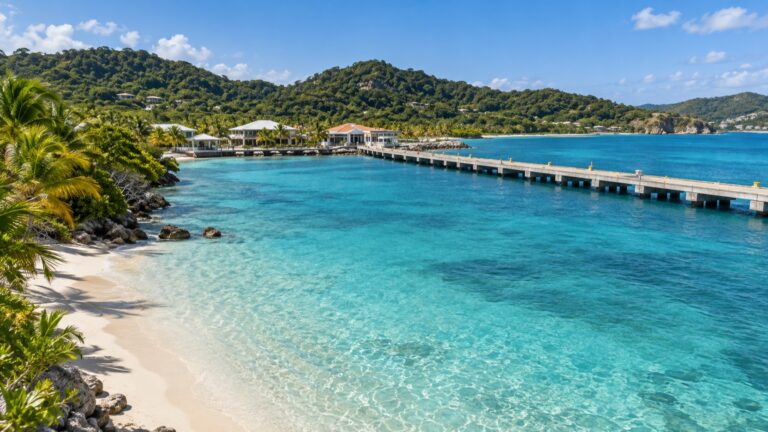
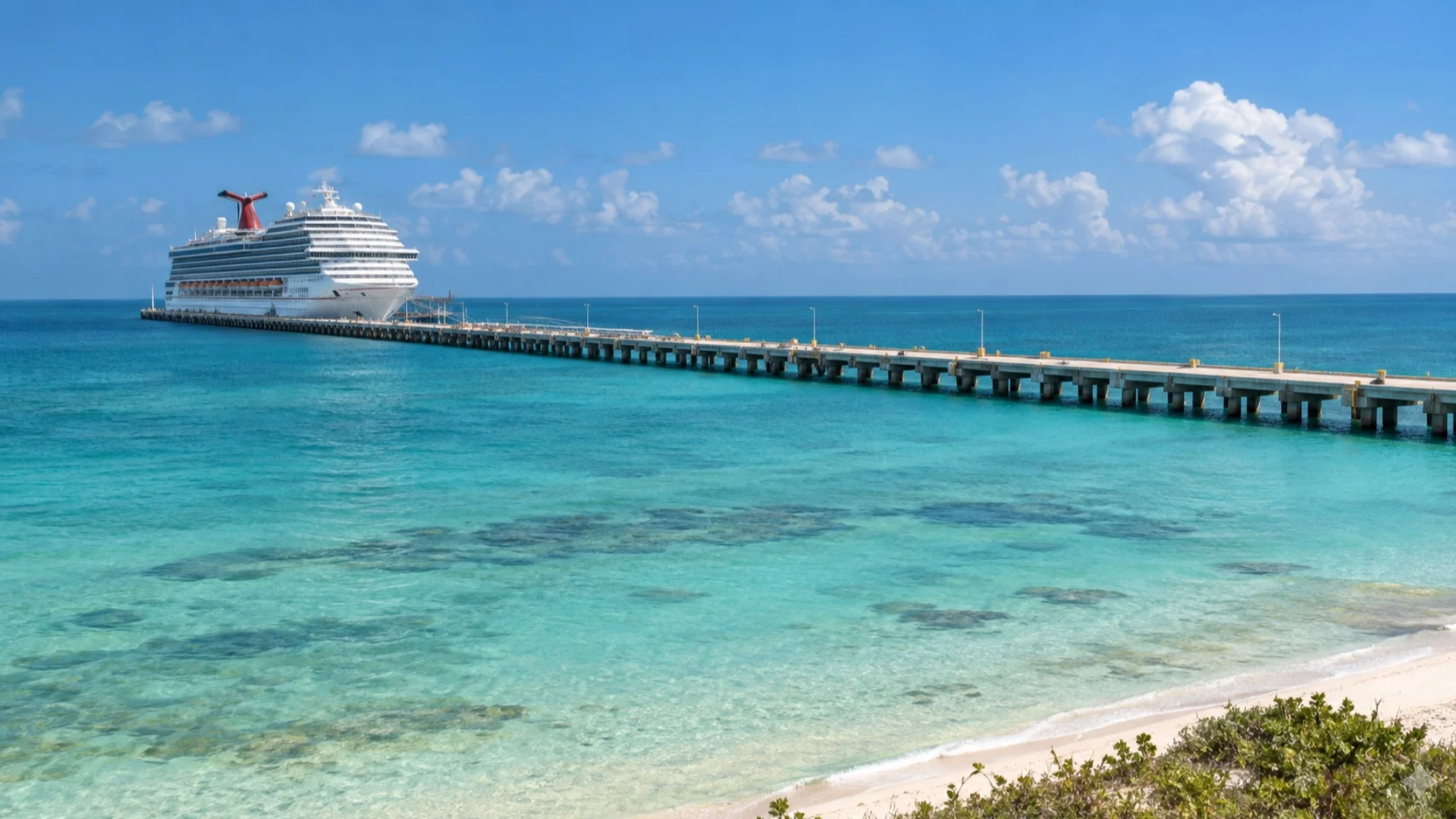
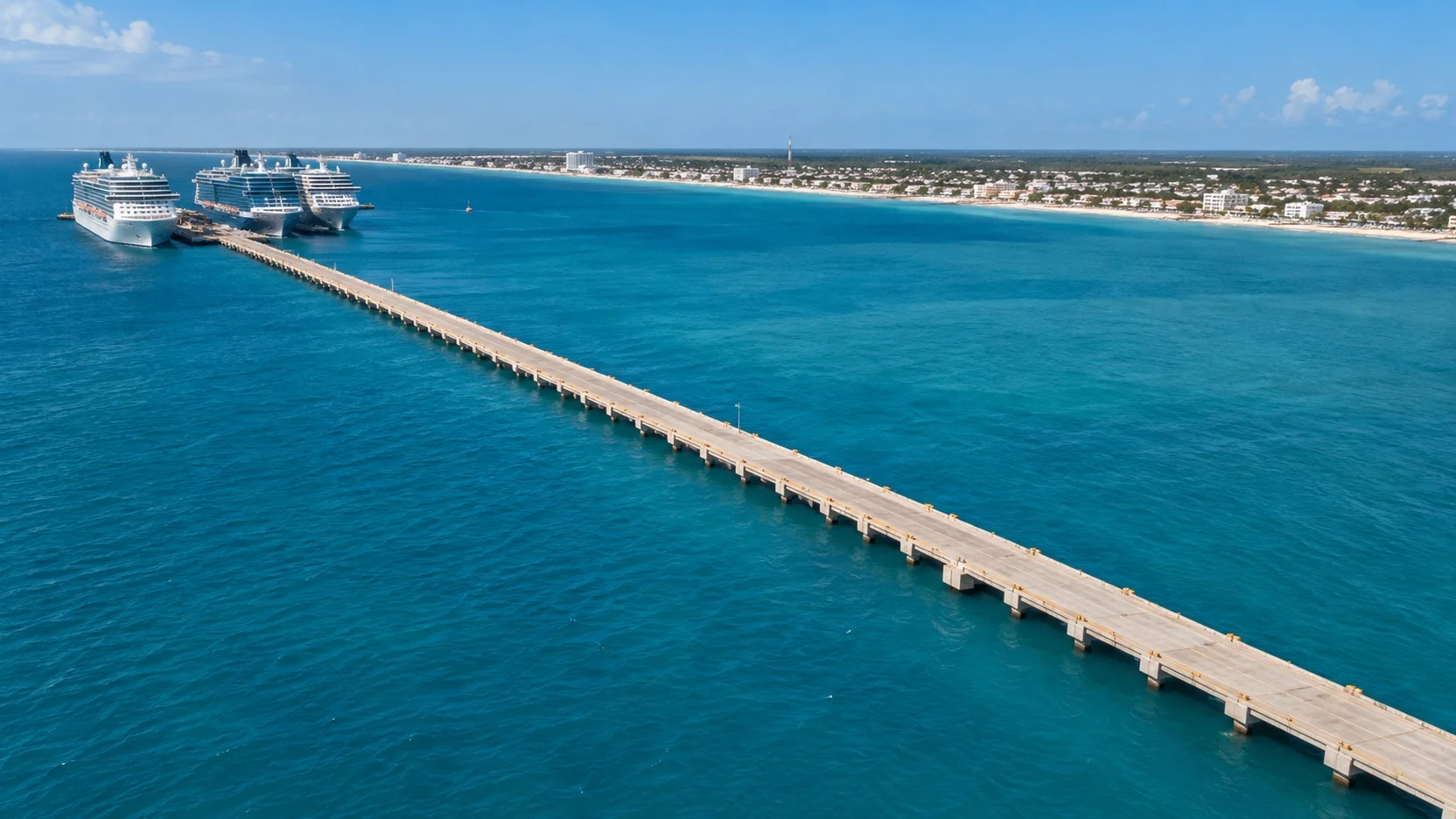
- Where you land: the deep-sea terminal at the head of the Progreso pier, a causeway running roughly 4 miles out into the very shallow Gulf and cited as one of the longest piers in the world.
- Dock or tender: Ships berth alongside at the pier head, and a shuttle then carries you the long way in to the terminal, because the pier is far.
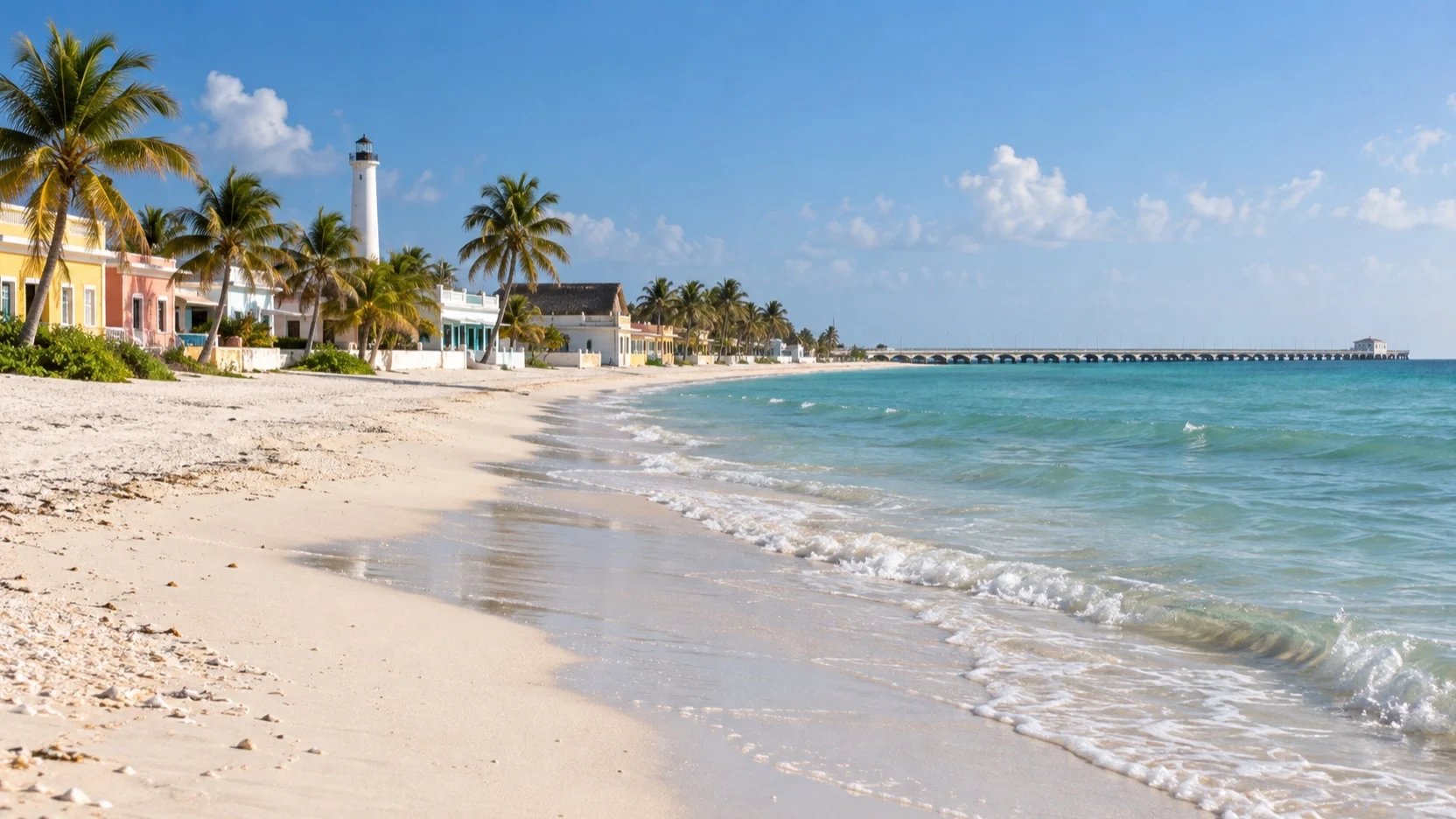
- Into town: The beach and malecon sit right where the pier meets the shore, so they are walkable once the shuttle drops you.
- Currency and language: The Mexican peso (MXN) and Spanish, though US dollars are widely accepted in the tourist areas and English is common around the terminal.
- Time zone: Yucatan runs on Central Standard Time (UTC−6) all year.
- How often the call is missed: High (roughly 8 to 15%): swell or rough seas can make access unsafe.
Why the pier is so long
The Gulf here is extraordinarily shallow, so the causeway runs around 4 miles out to reach water deep enough for cruise ships. That is why it is cited as one of the longest piers on the planet.
The practical upshot is simple: you never walk the pier. A shuttle handles the long haul between ship and terminal in both directions.
The stops I’d actually spend time on
Progreso is a jumping-off point, so most of the good stuff is a drive inland. Here is where I would put my hours.
Chichen Itza
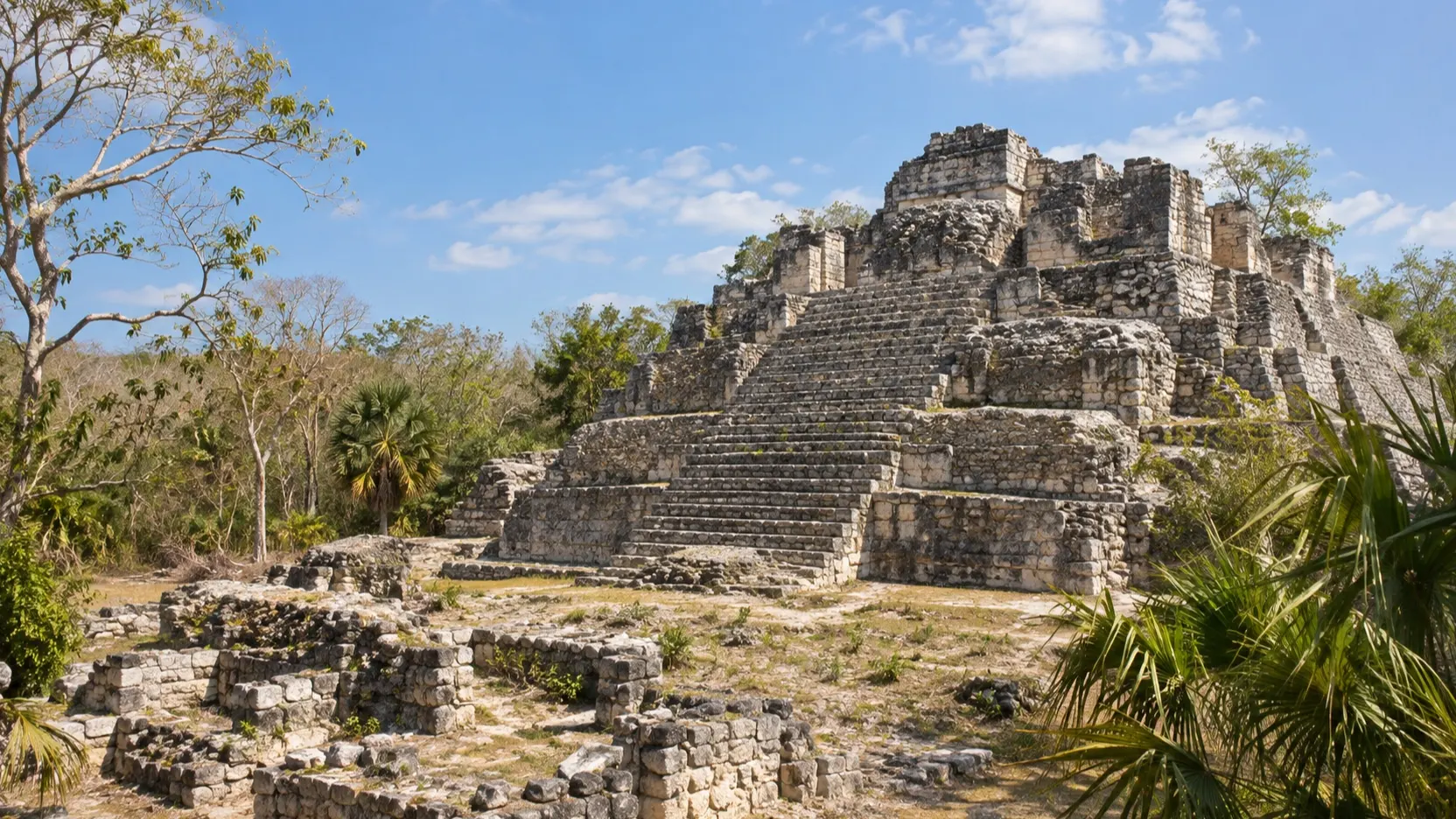
This UNESCO World Heritage Site is managed by Mexico’s INAH. INAH lists daily hours from 8:00 a.m. to 4:00 p.m., last access at 3:00 p.m., plus a separate Yucatán state fee.
Be honest with yourself about the drive: it is around 2 to 2.5 hours each way, so this eats the whole day. Book a guided ship excursion or reputable tour so your return is tied to the ship’s schedule.
Fun fact: on the spring and fall equinoxes, the late-afternoon sun throws a serpent-shaped shadow down the staircase of El Castillo (the Temple of Kukulcan). INAH runs a special operation for the crowds it draws.
Dzibilchaltun
If Chichén Itzá feels like too much driving, Dzibilchaltún is the closer archaeological alternative. Confirm current site, museum, and cenote access with INAH because restoration or conservation work can close individual features.
The Temple of the Seven Dolls is known for its solar alignment around the equinox. Do not promise yourself a swim at Cenote Xlakah unless the current official notice specifically permits it.
Uxmal
Another UNESCO-listed Maya city, about 1.5 hours out, and far quieter than Chichen Itza. Its Pyramid of the Magician and ornate Puuc-style facades are the draw.
Merida
The Yucatan capital is an easy 40-minute drive and a real colonial city, not a tourist set-piece. Aim for the Plaza Grande, the cathedral, and the grand mansions along Paseo de Montejo.
Cenotes
The Yucatan is riddled with cenotes, freshwater sinkholes fed by an underground river system. The clusters around Cuzama and Homun are the classic swim stops if you want more than the Dzibilchaltun cenote.
Progreso malecon and beach
Right at the pier’s shore end, the malecon is a breezy promenade of seafood palapas, craft stalls, and calm shallow water. The Yucatan tourism board flags it as Progreso’s social heart.
This is the no-stress option if you would rather not spend the day in a van. Grab a lounger, order ceviche, and stay close to the ship.
Celestun flamingos
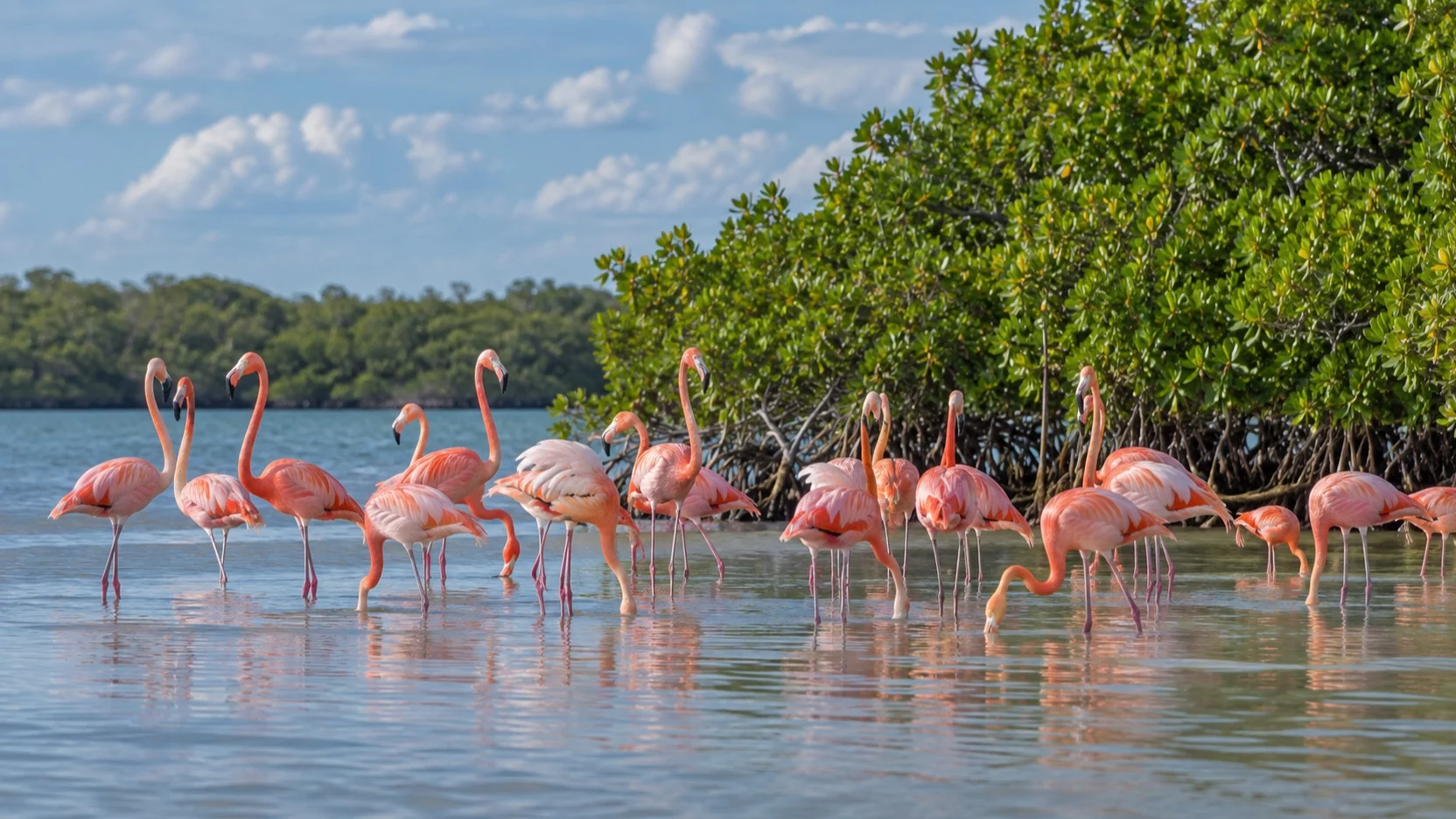
Celestun is a coastal biosphere reserve known for its pink flamingos, reached by a mangrove boat tour. It is a longer, seasonal outing (flamingo numbers peak in the cooler months), so it suits a longer port day.
How I’d plan the day
- A short day (in port about 5 hours): stay local. Shuttle to the malecon, walk the beach, eat well, done.
- A medium day (about 7 hours): Dzibilchaltun for ruins and a cenote swim, or head into Merida for the colonial center.
- A full day (8 hours or more): choose Uxmal for a shorter road day or Chichén Itzá for the headline site, ideally on a ship excursion. Independent travelers should aim for the cruise terminal 90 minutes before all-aboard, before the mandatory pier shuttle.
Whatever you choose for the far sites, book through your cruise line or a reputable operator. The distances are real, and a delayed van should not be your problem to solve.
Getting around
Once the shuttle drops you, central Progreso is flat and walkable, and the malecon runs right along the water. Taxis wait near the terminal for trips into town or to nearby beaches.
For anywhere inland (Merida, the ruins, cenotes), you want a booked tour or a hired driver, not a hop-on guess. Agree the fare before you set off in any taxi.
If walkability matters to you across ports, my walkable cruise ports guide is worth a look, and nearby Costa Maya and Cozumel make natural comparisons on a Mexico itinerary.
When to go, and the weather
The cooler, drier period from roughly November to April is the most comfortable time for exposed ruins. The Atlantic hurricane season runs June 1 through November 30, when heat, heavy rain, or a storm can change road and port operations.
Whatever the date, treat the Yucatan sun seriously: hat, water, and sunscreen, especially on shadeless archaeological sites.
A realistic word on accessibility
I will be honest: the best news here is that you never have to walk that giant pier, because the shuttle ferries you between ship and terminal in both directions. Central Progreso and the malecon are flat and easy once you are dropped off, so staying near the port is very doable at a slower pace.
The inland ruins are the tricky part, with uneven stone, grass, sand, and steps that were never built with wheels or shaky ankles in mind. If mobility is a real concern, I would lean toward Merida’s colonial center or a relaxed beach day rather than the long, bumpy sites.
Quick answers
Is Progreso a tender port?
Ships normally dock at the offshore pier head, followed by the mandatory port transfer toward town.
Can I do Chichén Itzá from Progreso?
Yes on a long call, but the roughly 2- to 2.5-hour drive each way makes a ship excursion preferable, while Uxmal, Dzibilchaltún, or Mérida use less road time.
Is Progreso safe?
The U.S. State Department places Yucatán at Level 1, Exercise Normal Precautions, but travelers should still use reputable transport and check the latest advisory.
How this guide was researched: Unless a first-hand visit is explicitly identified above, this guide is based on independent research using official port, tourism, transit, government, and attraction sources where available. See our Editorial Policy.