Freighter Travel Passenger Berths: Can You Still Sail on a Cargo Ship?
The old freighter trip, where you bought a cabin on a working container ship and crossed an ocean with a handful of passengers, is mostly gone. Many guides claiming otherwise have not caught up.
Paying passengers can still sail on a few working cargo routes, but the realistic choices are island supply ships and coastal services. Here is what remains bookable and what to verify before paying.
The quick take
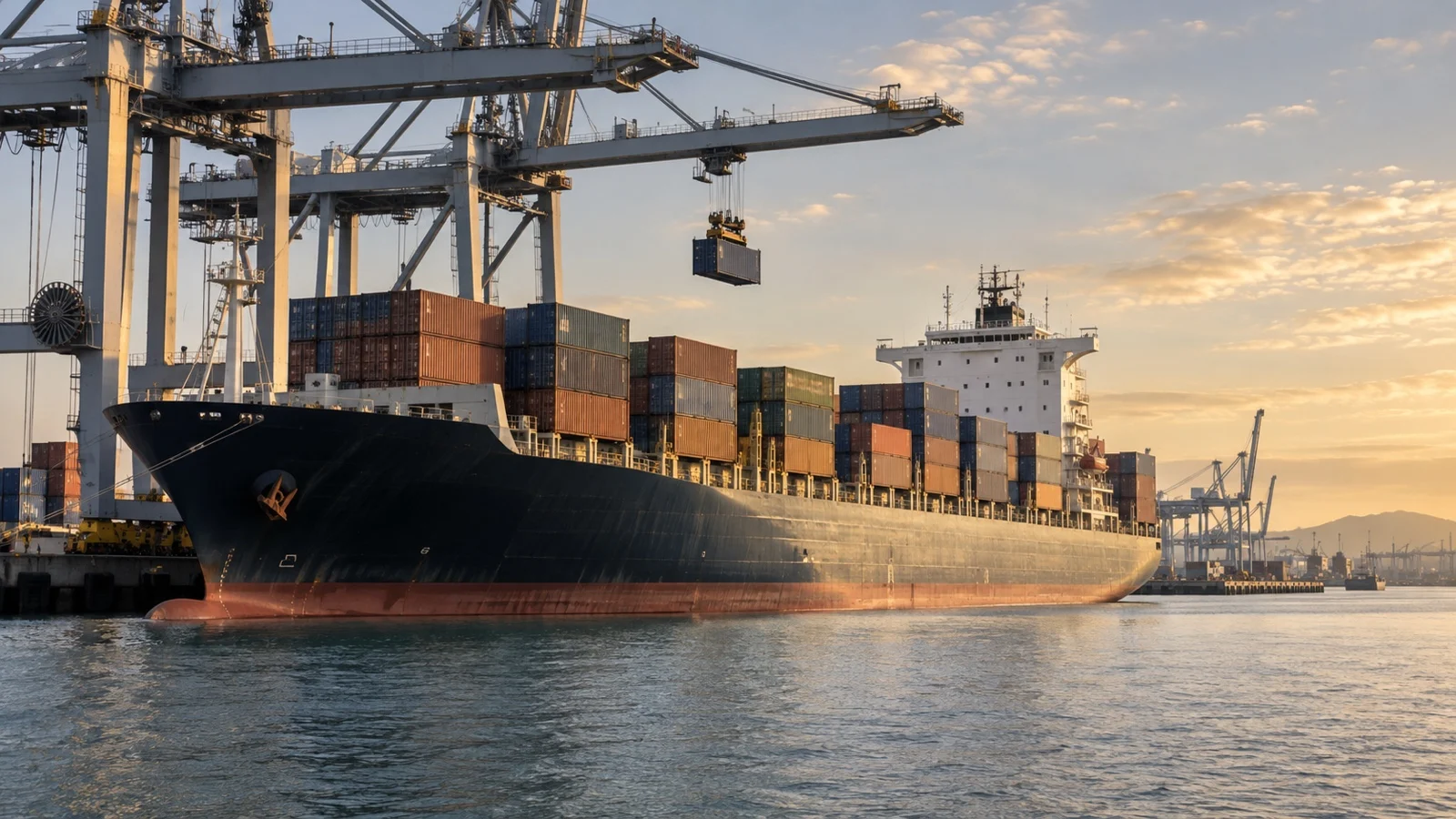
A long ocean crossing on a working container ship is now difficult to book reliably. Do not arrange flights around a berth until an operator confirms the named ship, voyage, price and cancellation terms in writing.
Passenger-cargo ships on island routes are the most practical alternative. They combine genuine cargo work, small passenger numbers, remote ports and schedules that can change with weather and operations.
Avoid sending a deposit without written refund terms and confirmation of who holds the money. Cargo schedules can change with commercial operations, so leave flexibility around flights and onward travel.
The quick facts
- The twelve rule: under the international SOLAS framework, a passenger ship carries more than twelve passengers, while ships outside that definition are treated as cargo ships. That threshold is why a cargo vessel offering passenger berths normally stops at twelve.
- Why that matters: crossing twelve triggers a different certification, survey and crewing regime. No operator will rebuild a container ship to passenger standards for thirteen fares.
- Port security: the ISPS Code has been mandatory under SOLAS chapter XI-2 since 1 July 2004, according to the International Maritime Organization. Container terminals are restricted areas, and every passenger movement through one needs an escort and paperwork.
- No ship’s doctor: small cargo ships normally sail without one, although the exact carriage rule depends on the flag and route. In the European Union, Directive 92/29/EEC requires a doctor on certain international voyages only when the crew reaches 100 or more, far above a typical freighter complement.
- What you will be asked for: a fitness-to-travel certificate signed by a doctor is standard, as is medical insurance with evacuation and repatriation cover. Pitcairn, for one, sets a hard floor of US$500,000 of medevac cover.
- Age limits: most operators of genuine cargo berths apply an upper age cut-off, frequently in the seventies, and the exact number varies by ship and insurer. Ask before you plan, because it is not usually negotiable.
- Schedules: there is no arrival guarantee, no compensation for a missed connection, and no obligation to call at any advertised port. Build a week of slack into whatever you book at the far end.
- Meals: you eat what the crew eats, at the officers’ sitting, at fixed times. There is no menu and no dietary accommodation beyond what the cook already has in the freezer.
Why the freighter travel passenger berth mostly vanished
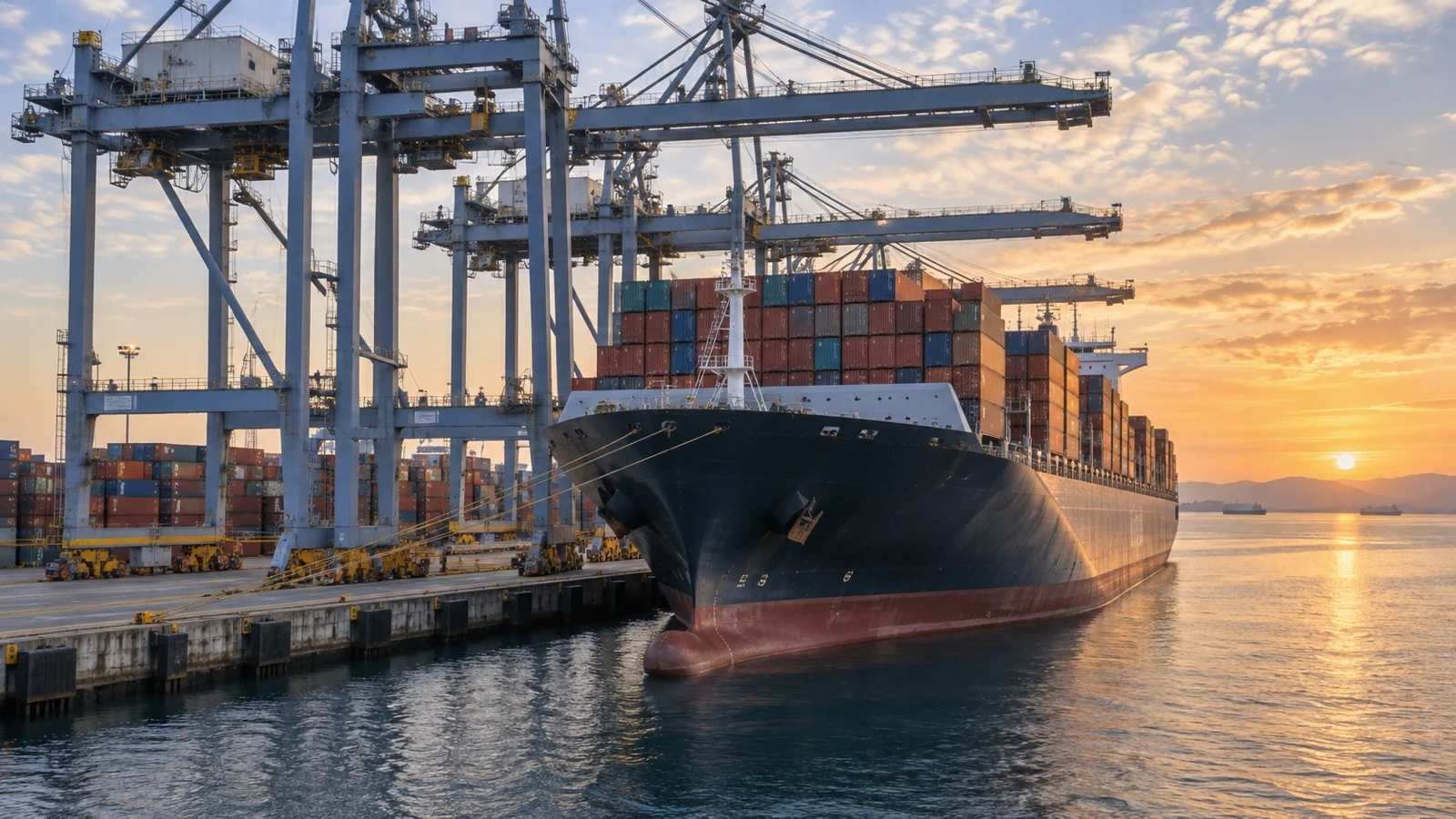
Many passenger programs paused during the pandemic and did not return. Current public booking options remain limited, and several practical factors help explain why.
Passenger carriage adds safety familiarization, muster and emergency-care duties to a working cargo operation. Operators must account for those responsibilities alongside the ship’s normal crewing and schedule.
Insurance and medical-response planning also become more complicated when fare-paying passengers are aboard. Ask the operator what coverage applies and what the passenger must arrange independently.
Terminal security is another constraint. Container terminals are controlled areas, and passenger transfers may require escorts, identification checks and advance arrangements.
What actually still exists
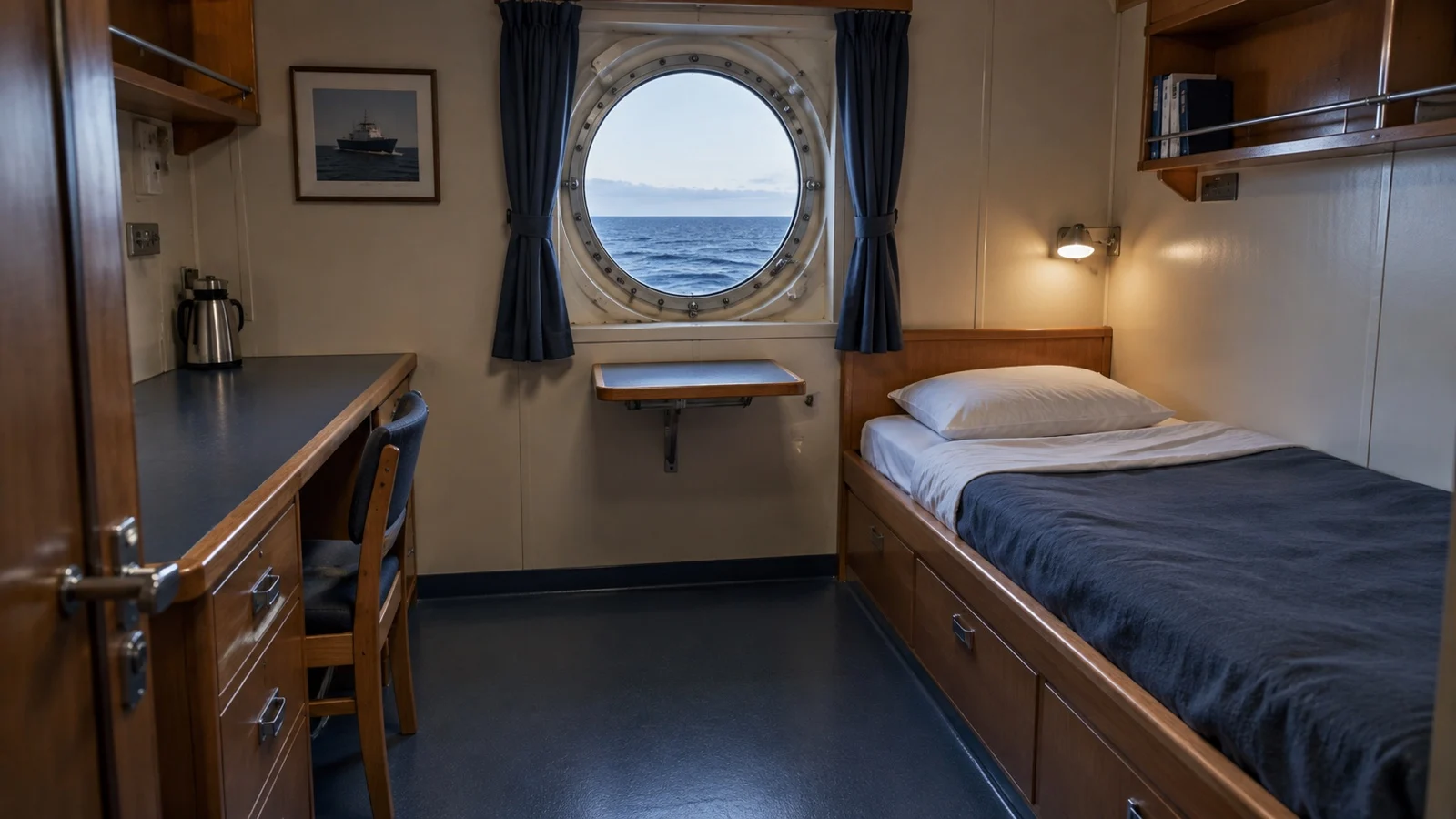
The category that survived is the passenger-cargo ship on a route where the cargo is the point. These are ships that exist because an island needs flour, fuel and building materials, and the passengers ride along in the space left over.
French Polynesia has the best-known example. The Aranui is a roughly 413-foot ship under the French flag, carrying about 230 passengers in 103 cabins alongside roughly 1,226 tons of freight, which makes it a certified passenger ship rather than a freighter with spare bunks.
The second surviving category is the coastal and short-sea run. Quebec’s Lower North Shore is served by the Bella Desgagnes, which Relais Nordik describes as the official transporter of vehicles and merchandise for Anticosti Island and the coast, running Rimouski to Blanc-Sablon with twelve possible stopovers.
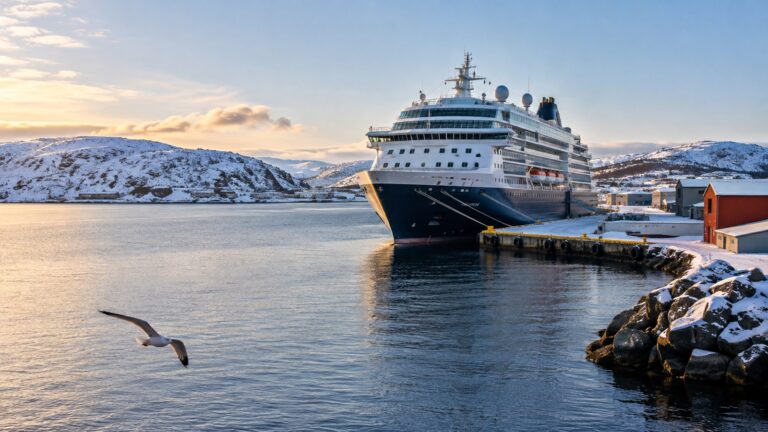
Norway’s coastal route is the same idea at a larger scale. The Norwegian Coastal Express has served the coast since 1893 and offers a 12-day Bergen to Kirkenes round-trip with 34 stops, plus shorter port-to-port bookings.
The rules that never went away
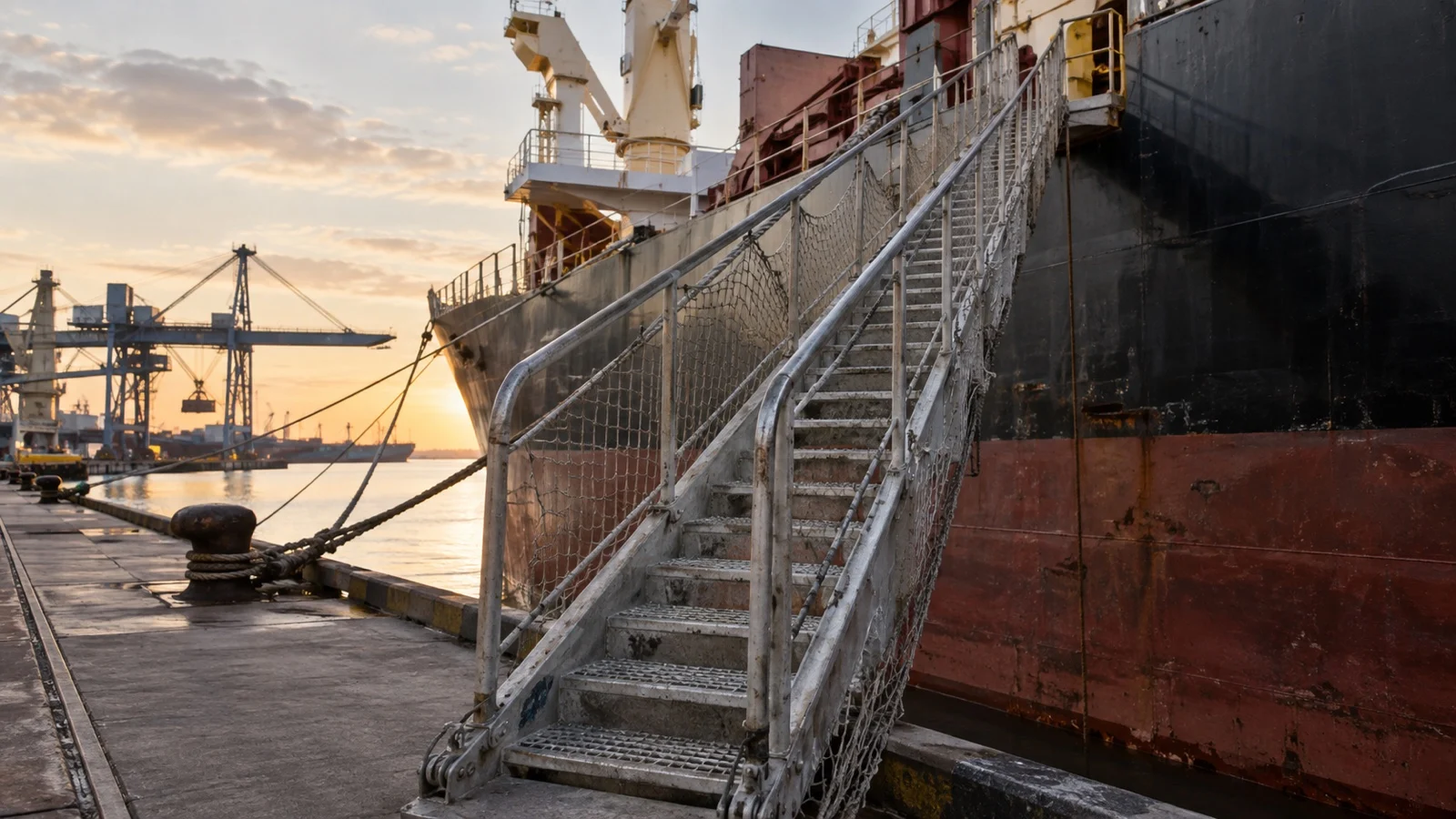
Expect a doctor-signed fitness certificate on the remaining bookable routes, because a small cargo vessel may have no doctor or hospital-level facility. In a serious case, the master’s options may be a diversion, an evacuation if one is available, or prolonged first aid with advice by radio.
Insurance is the requirement people underestimate, and deviation cover is the half that standard travel policies do not touch. Pitcairn Islands Tourism makes medical insurance compulsory and requires evacuation cover of at least US$500,000, which tells you what a serious diversion costs.
Age and medical eligibility rules vary by operator, ship and insurer. Confirm them before paying because a doctor’s certificate may not override a published cutoff.
Meal arrangements on a genuine cargo ship are usually structured around crew operations. Ask about meal times, seating and dietary limits before booking.
Passenger-cargo routes to consider
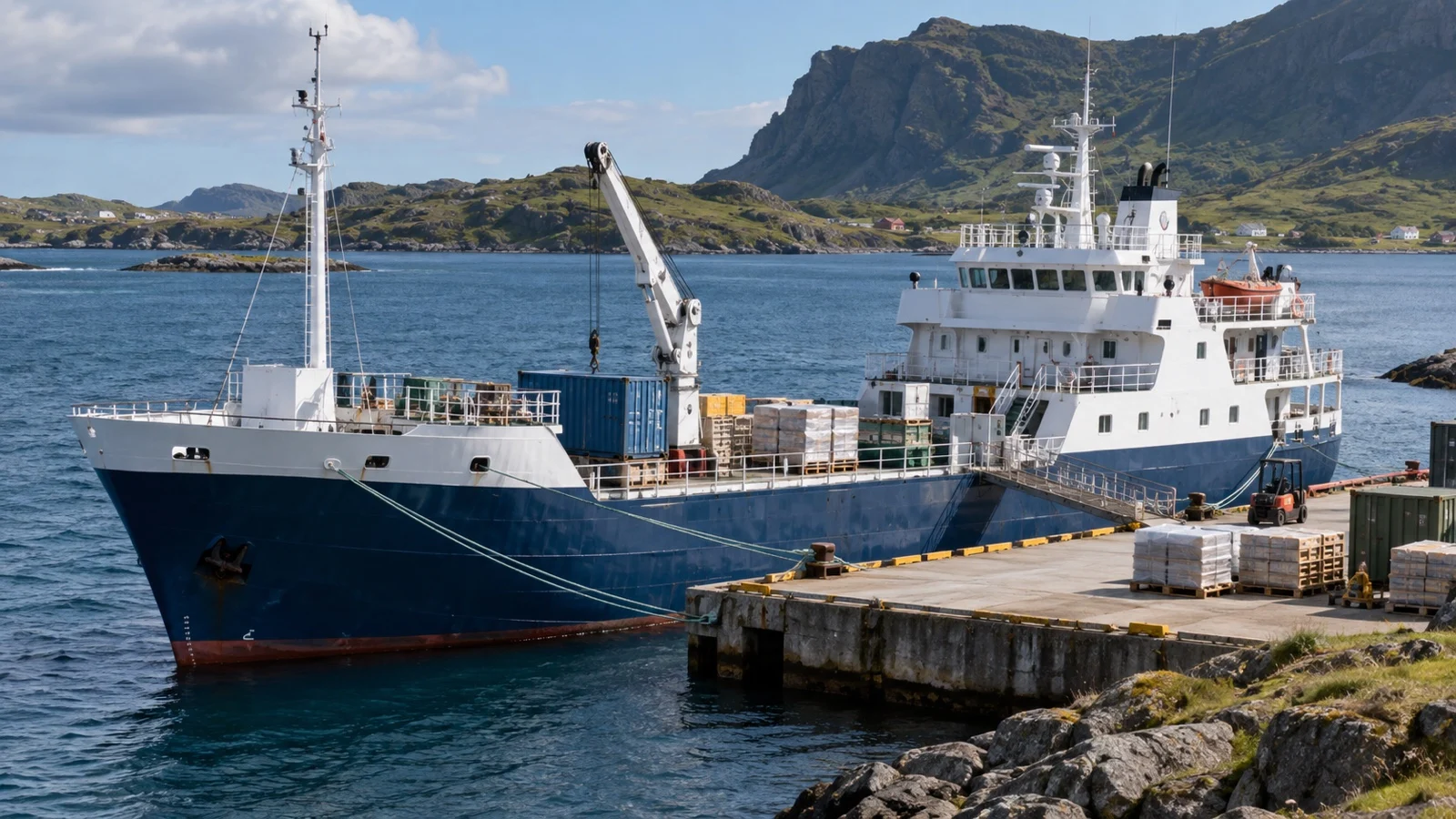
These are the routes where the cargo is genuine and the passenger side is real enough to book. Roughly in order of how close each gets to the old freighter experience.
- Pitcairn on the Silver Supporter: Pitcairn Islands Tourism lists bookable passenger-supply-ship departures through 2027 from Mangareva. Check the official booking page for current fares, landing fees and stay lengths.
- The Marquesas on the Aranui: twelve-day round-trips out of Tahiti, with cargo worked at every island and passengers landed by boat. It is the most comfortable version of this idea and the easiest to book from abroad.
- Quebec’s Lower North Shore: Rimouski to Blanc-Sablon on the Bella Desgagnes, calling at communities the road does not reach. Cabins are limited and the winter version is a very different trip from the summer one.
- The Norwegian coast, port to port: a single leg shares the same working route used by local passengers and freight. Compare the port-to-port fare with the packaged voyage before booking.
- Chilean Patagonia by cargo ferry: the Puerto Montt to Puerto Natales run through the fjords is a working freight service that sells passenger space. Expect functional accommodation and a schedule that answers to weather in the Golfo de Penas.
- Greenland’s west coast: the coastal ship between settlements carries locals, luggage and tourists in the same lounges. It is transport first, which is exactly the point.
- Short-sea ro-ro in the Mediterranean and the Atlantic: car and freight carriers have historically sold a small number of cabins. I could not verify current passenger availability from an operator’s own site while writing this, so treat any listing you find as a quote request rather than a schedule.
Fun fact: the most famous passenger-carrying working ship of all, the Royal Mail Ship St Helena, was made redundant by an airport, and the St Helena Government records that commercial flights from Johannesburg began on 14 October 2017. The island’s own travel guidance now lists sea arrivals as cruise ships and yachts only, with no scheduled passenger sailing at all.
How to choose
Start by deciding whether the goal is a long ocean crossing or a working cargo route. A repositioning cruise can provide several sea days with conventional passenger facilities, but compare the specific itinerary and onboard medical services.
If cargo operations and remote islands are the draw, focus on a passenger-cargo ship rather than a container line. It is a different trip from a simple ocean crossing.
For a cargo ship carrying 12 or fewer passengers, get written confirmation for a named ship and sailing before booking flights. Ask a doctor about the fitness certificate and ask the insurer to confirm evacuation and repatriation coverage from a ship at sea.
A realistic word on accessibility
Genuine cargo ships can present major barriers for travelers with limited mobility. Request a ship-specific accessibility assessment before paying.
Steep internal stairs, raised doorway coamings, limited elevators and changing gangway angles are common concerns on working ships. Ask the operator to describe the exact route from the cabin to dining areas, muster stations and the gangway.
Passenger-cargo ships may offer more passenger facilities, but small-island landings can still involve boats, barges or uneven quays. Confirm whether travelers must climb steps or transfer between moving vessels.
Coastal services that use established quays may be easier, but vehicle ramps do not guarantee step-free passenger access. Confirm the specific ship, berth and assistance available at each planned stop.
When to go, and the weather
Weather matters more here than on a cruise, because a working ship will sit and wait for a berth or a swell in a way a cruise itinerary cannot. Your schedule risk peaks exactly when the seas are worst.
Aranui publishes sailings across the year, but tropical heat, rain and cyclone risk vary by month and island group. Check the seasonal route and travel-insurance terms for the exact departure.
On the Quebec North Shore and in Greenland, daylight, ice and operating schedules change sharply by season. Check the operator’s current timetable and local weather outlook rather than relying on regional averages.
Northern Norway’s coastal route operates year-round, but winter conditions can affect comfort and time ashore. If motion is a concern, compare seasons and cabin locations before booking.
Quick answers
Can you still travel by container ship as a passenger?
Very rarely, and only with direct confirmation from an operator or established specialist.
Publicly bookable berths on major container lines remain difficult to verify.
Why do freighters only take twelve passengers?
Under SOLAS, carrying more than twelve passengers moves a vessel into the passenger-ship category, with a different safety and survey regime.
National implementation still depends on flag and voyage, but the international threshold explains the familiar cap.
Is there a doctor on a freighter?
Usually not on a small cargo vessel that accepts a few passengers.
The legal threshold varies by flag and route, so confirm the named ship’s medical staff and evacuation plan before paying.
Is freighter travel cheaper than cruising?
Not necessarily, especially after adding positioning flights and flexible onward travel.
Compare the complete trip cost rather than the berth’s daily rate.
What happens if the ship changes its schedule?
The contract controls refunds, rerouting and other remedies.
Build extra time around connections and read the operator’s schedule-change terms before paying.
The last word
Freighter travel did not die so much as get quietly reclassified. The voyages that mattered are still sailing, but they are sold as island supply runs and coastal services rather than as cargo-ship adventures.
If the Pacific version is what you are after, our guide to the Aranui and the Marquesas run is the place to start, and the wider French Polynesia cruise ports overview explains how the islands connect. Both are more useful than another decade-old freighter listing.
If what you actually want is the long empty crossing, read our comparison of a transatlantic crossing against a repositioning cruise first. And if you want the working-ship feeling at the cheapest possible price, the Navimag run through the Chilean fjords offers a working-ship alternative.
The last true mail ship passage, to Jamestown on St Helena, ended because the island got an airport and the world got faster. That is the whole story of freighter travel in one sentence, and the ships that are left survive because there is still something in the hold that has to get there.
How this guide was researched: Unless a first-hand visit is explicitly identified above, this guide is based on independent research using official port, tourism, transit, government, and attraction sources where available. Ship-category and security rules were checked against the IMO’s SOLAS and ISPS material, with EU medical-carriage rules checked on EUR-Lex, and route details against Pitcairn Islands Tourism, the St Helena Government, Aranui, Relais Nordik and Hurtigruten.
Logistics and time-sensitive details were reviewed on September 12, 2026. See our Editorial Policy.
More on this topic: browse every guide on expedition and alternative cruises.