Vis Cruise Port: Blue Cave, WWII Tunnels and Croatia’s Farthest Island
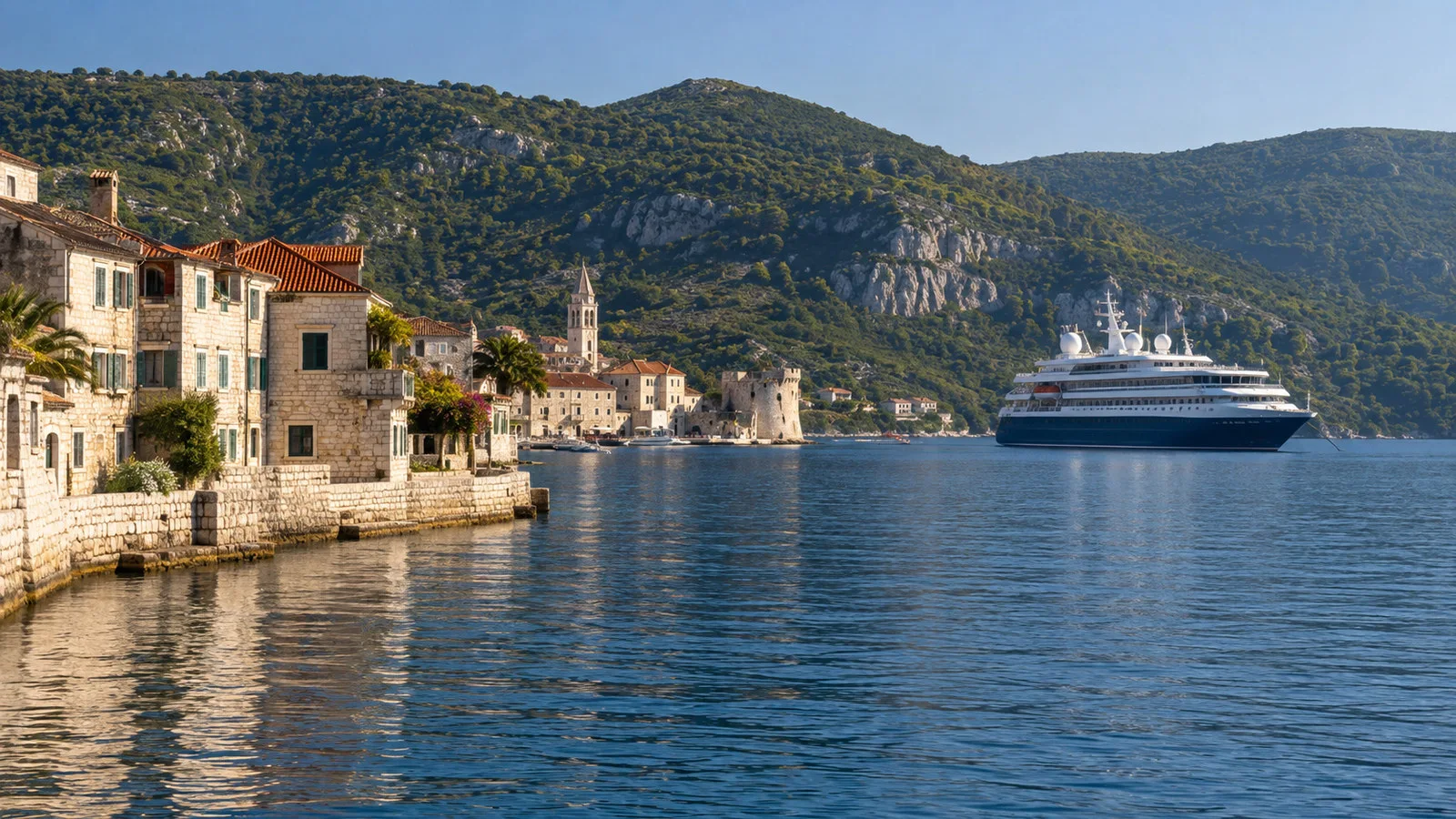
Vis is a remote inhabited island off Croatia’s Dalmatian coast, with a sheltered harbor town, clear water, layered history, and easy access to boat excursions when the Adriatic cooperates. Most cruise passengers arrive by tender or small ship, so the day’s first priority is the return boat rather than the Blue Cave.
Vis Town makes a satisfying independent visit, while the Blue Cave, Stiniva, Komiža, and former military sites require more transportation and planning. Choose one larger excursion instead of treating the island like a list you can finish in a few hours.
My quick take
Stay in Vis Town for a relaxed day of waterfront walking, history, swimming, and lunch. Book a ship excursion or a reputable operator for the Blue Cave, Stiniva, or the military tunnels because weather and transfer timing can unravel an improvised plan.
The Blue Cave is beautiful when access is open, but it should not become the only measure of a successful call. Wind, swell, crowding, and local restrictions can cancel the cave while Vis Town remains calm and worthwhile.
Vis quick facts
- Country: Croatia
- Region: Dalmatia
- Typical cruise access: Tender or direct small-ship berth, depending on the vessel
- Main town: Vis Town
- Other major settlement: Komiža
- Popular excursions: Blue Cave on Biševo, Stiniva Cove, island drives, and guided military history
- Currency: Euro
- Independent transport: Walking in town, plus taxi, local bus, rental vehicle, or organized boat for farther sights
- Best first check: Tender landing, last return time, and excursion cancellation plan
Anchoring off Vis Town
Many cruise calls anchor in the bay and use tender boats to reach Vis Town. Smaller vessels may use a berth, so follow your ship’s instructions rather than assuming every arrival works the same way.
Tendering depends on sea conditions, harbor traffic, and the captain’s safety assessment. A calm-looking waterfront does not guarantee an easy transfer at the ship’s platform farther out.
Attend the tender briefing for tickets, priority groups, landing location, and final return time. Keep both hands free while boarding and secure phones, hats, and loose bags.
Photograph the landing area as soon as you arrive because the long harbor frontage can be confusing after a tour. Save the ship’s contact number and note any pier name or meeting point.
Getting around Vis Town
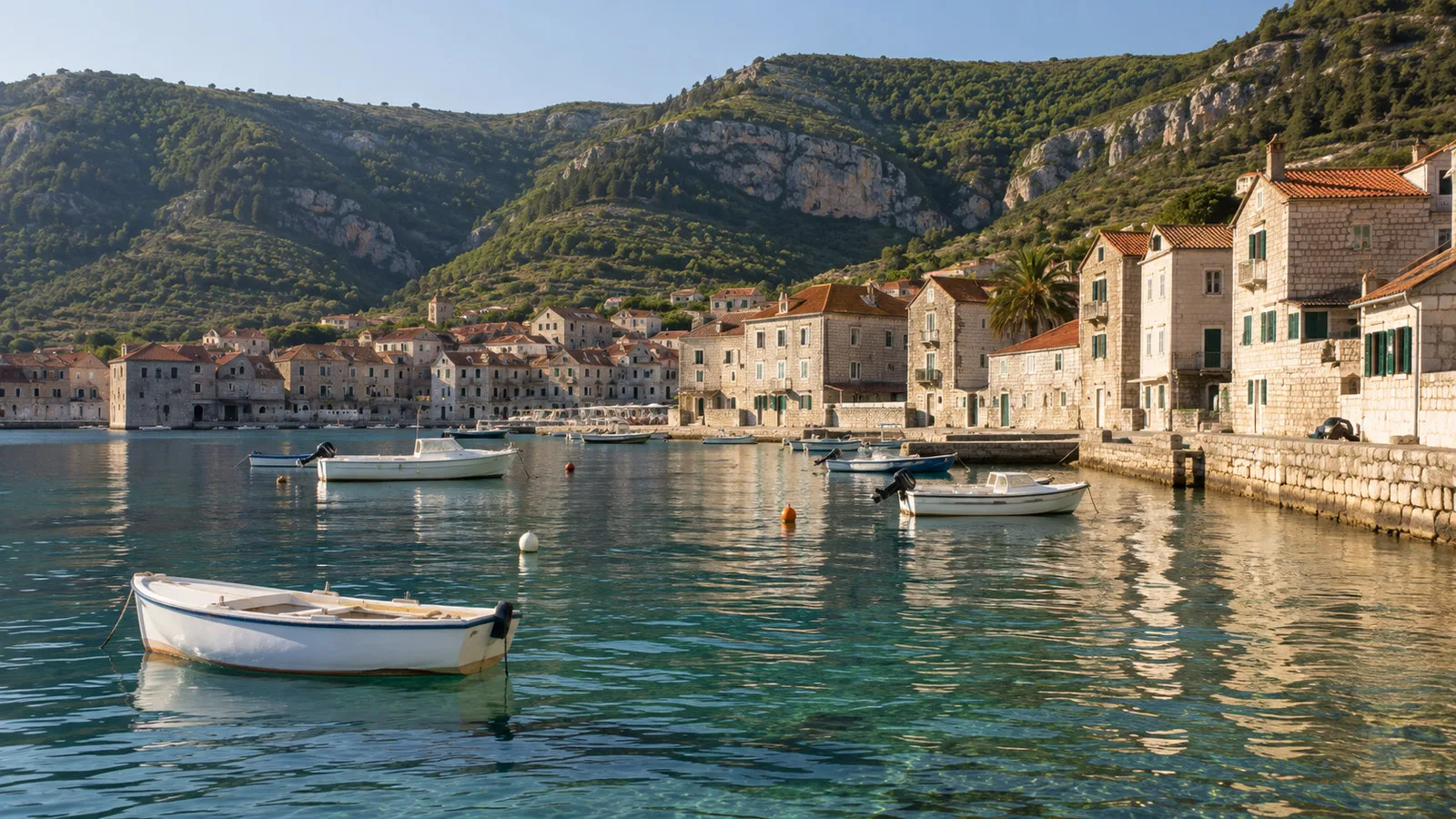
Vis Town stretches around a broad natural harbor and includes the older areas of Luka and Kut. The waterfront walk is straightforward, but completing the full curve can take longer than it appears from the tender.
Choose a direction based on what you want to see rather than walking until time runs short. Kut has stone streets and historic atmosphere, while the central harbor area keeps you close to transport and the tender return.
The regional official Dalmatia tourism guide is a useful starting point for current destination information. Verify museum, church, restaurant, and local-transport hours for your call date.
Taxis and local buses connect parts of the island, but service frequency may be limited and tied to ferry movements. Confirm both directions before leaving town.

A simple independent day in Vis Town
Begin with the harbor and the historic lanes toward Kut, stopping at sites that are genuinely open. Turn back through the waterfront with enough time for lunch, a swim at an approved spot, or a coffee near the tender.
Ancient Issa, later Greek and Roman history, Venetian influence, and more recent military layers all appear around Vis. A local guide can connect the fragments better than a rushed self-guided checklist.
Look for churches, stone houses, archaeological traces, and views across the harbor rather than expecting one monumental old town. Vis rewards attention to setting and detail.
Leave the final hour uncommitted. That buffer gives you room for slow restaurant service, a tender queue, or a change in the landing point.
The Blue Cave is on Biševo, not Vis
The famous Blue Cave lies on the small island of Biševo near Komiža. Reaching it requires a boat transfer and conditions suitable for entering through the narrow opening.
Sun angle helps create the blue light effect, but no operator can control cloud, swell, visibility, or access restrictions. Treat the excursion as weather-dependent from the beginning.
Some routes travel from Vis Town by speedboat, while others combine road transport to Komiža with a local boat arrangement. Ask exactly how many transfers are involved and whether waiting time at the cave is included in the advertised duration.
Swimming inside the cave should not be assumed or demanded. Follow current local rules and boat-crew instructions because the entrance and confined water require tight traffic control.
A ship excursion offers the strongest return protection when the Blue Cave is your priority. An independent operator should know your vessel, last tender, and the backup plan if the cave closes.
Stiniva Cove requires realistic expectations
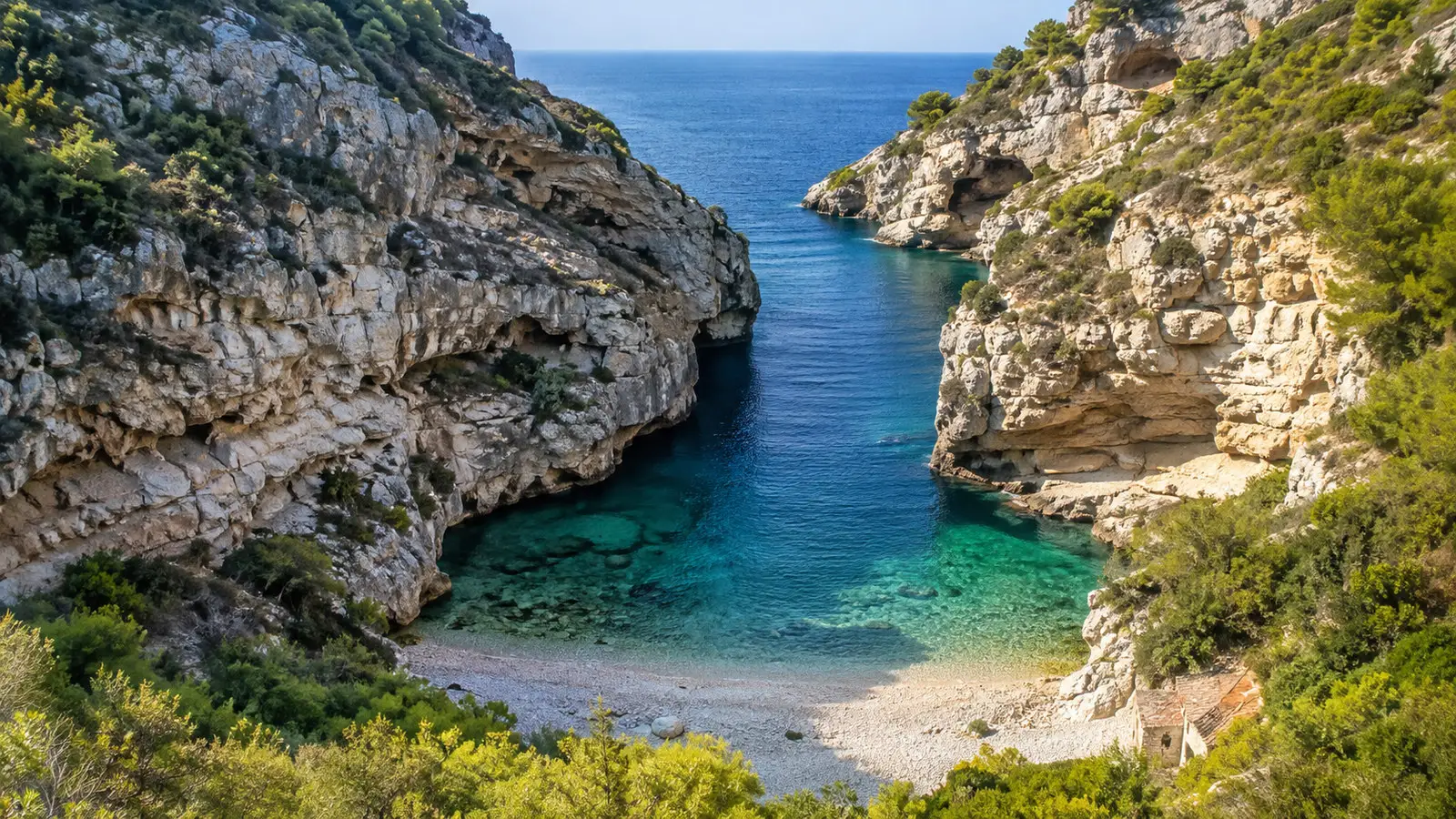
Stiniva is a dramatic cove on the island’s southern coast with a narrow sea entrance. It is much farther from the cruise landing than photographs make it feel.
Boat access may still involve swimming or transferring to a smaller craft because traffic and anchoring rules protect the cove. Ask whether your tour lands, anchors outside, or only pauses for a view.
The overland path is steep, rough, and unsuitable for a casual cruise-day shortcut. Use it only with proper footwear, enough time, and current local guidance.
Summer crowding can change the character of the visit. A quieter cove or coastal swim selected by an experienced skipper may provide a better day than waiting for one famous photo.
Komiža and an island drive
Komiža sits on the western side of Vis and has its own waterfront, fishing heritage, beaches, and excursion-boat activity. It deserves time rather than being treated only as a transfer point for Biševo.
A taxi, organized minibus, or rental vehicle can connect Vis Town and Komiža. Road travel crosses the island, so confirm the duration and reserve enough margin for traffic or a delayed stop.
An island drive may include inland villages, vineyards, viewpoints, and military-history sites. Ask which admissions are included and how much walking each stop requires.
Do not rent a scooter unless you are experienced, licensed, insured, and comfortable with local roads. A cruise call is a poor time to learn on hills, bends, or unfamiliar surfaces.
WWII and military tunnels
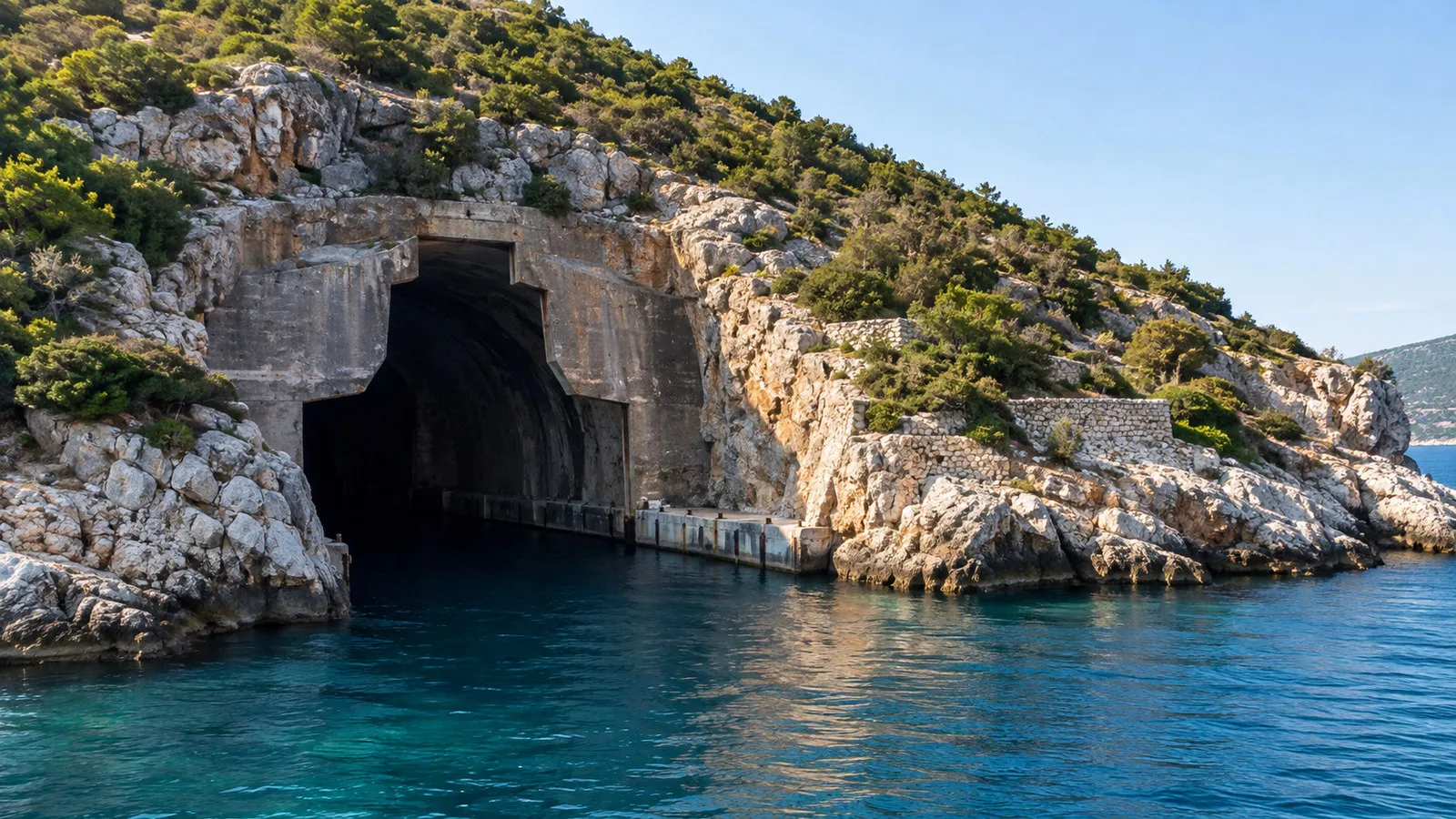
Vis has an unusually dense twentieth-century military history. The island served strategic roles during World War II and later housed Yugoslav military installations that kept it restricted to foreign visitors for decades.
Former tunnels, shelters, and facilities are not interchangeable public museums. Visit with an established guide who has permission, understands current access, and provides safe lighting and transportation.
Do not enter an open-looking tunnel alone. Unstable surfaces, darkness, drops, poor ventilation, and unexploded or abandoned material can create hazards that are not obvious at the entrance.
A good history tour explains both wartime and postwar context rather than using bunkers as a dramatic photo set. Ask whether the tour includes interpretation or simply drives between locations.
Swimming and beach time
Vis offers clear water and several places to swim, but access ranges from town beaches to boat-only coves. Choose a location that fits the time and does not require a fragile transport connection.
Wear water shoes where the shore is pebble or rock, and enter only where local conditions permit. Boat traffic can be significant around harbors and popular coves.
Sea urchins, slippery rock, sun exposure, and sudden depth changes deserve more attention than the color of the water suggests. Keep children close and do not dive into unfamiliar coves.
Leave enough time to dry, change, and walk back to the tender. Swimming during the final minutes of a port call creates avoidable risk.
Ship excursion or do it yourself?
Explore independently for Vis Town, a nearby swim, and lunch. The town’s harbor shape makes a simple local day easy to understand once you know the tender point.
Choose the ship excursion for the Blue Cave, Stiniva, a military-history route, or several island stops. It reduces the risk created by boat changes, road travel, and weather-dependent access.
Read the excursion description closely because a “Blue Cave” tour may include a long speedboat ride and only a short cave visit. A “Stiniva” tour may view the entrance without putting passengers on the beach.
Ask about shade, restrooms, swimming requirements, and motion exposure. Small fast boats can be physically demanding even when the activity is advertised as sightseeing.
Accessibility and mobility
The tender transfer is the first major barrier. Ask the cruise line whether your wheelchair, scooter, walker, or other device can be carried and what step or weight-bearing ability is required.
Vis Town’s waterfront has easier stretches, but old lanes introduce cobbles, steps, curbs, and grades. A shorter harbor route can preserve the atmosphere without forcing a full walk to Kut.
Speedboat excursions may require climbing down, bracing through waves, and transferring between craft. Request the exact boarding method rather than relying on a generic “easy” label.
Military sites and Stiniva’s land path are generally poor choices for travelers who need smooth, step-free access. A panoramic vehicle tour with carefully selected stops can be a better alternative.
Weather and safety on Vis
Wind controls many boat plans in the Adriatic. A calm harbor can coexist with rougher water around Biševo or the exposed south coast.
Use sun protection and carry water because shade is limited on boats, at coves, and around exposed historic sites. A light layer helps during a fast ride even on a hot day.
Wear shoes with grip for polished stone, boat decks, and uneven paths. Secure hats and phones before the boat accelerates.
Check wildfire and access notices during dry periods. Never enter a closed road, trail, tunnel, or natural area because another visitor appears to be doing it.
Return timing
The last tender normally leaves before the ship’s scheduled departure. Photograph the posted time and confirm whether you must be in line or already aboard the boat.
I would use an earlier tender when returning independently from Komiža or a boat excursion. Sea conditions, road traffic, and refueling can all turn a small delay into a missed connection.
Public ferries connect Vis with Split, and the official Jadrolinija website publishes schedules and traffic notices. Those services are not designed as a fallback for catching your cruise ship after it sails.
Return to the exact cruise landing rather than joining a regular ferry line. The harbor serves different vessels, and a familiar-looking queue may be going somewhere else.
How Vis fits a Croatia cruise
Vis feels more remote and less polished than many Croatian cruise ports. Its strongest qualities are open water, island history, and a harbor town that still feels connected to ordinary life.
Compared with Hvar, Vis usually offers a quieter rhythm and fewer monumental sights. Korčula, Zadar, and Šibenik provide different mixes of old-town architecture and regional excursions.
The official Croatian tourism portal can help with broader island planning. For a cruise call, the ship’s tender and excursion instructions remain the final authority.
Quick answers
Is Vis always a tender port?
Many cruise ships anchor and tender into Vis Town, while some smaller vessels may berth. Follow the arrangement published for your specific ship.
Can I visit the Blue Cave independently?
You can book a local operator, but the excursion is weather-dependent and involves additional boat logistics. A ship excursion provides the strongest protection for the cruise return.
Is the Blue Cave guaranteed?
No. Swell, wind, visibility, traffic, or local restrictions can prevent entry even after a tour has departed.
Can I swim at Stiniva?
Swimming depends on the tour, current access rules, boat traffic, and sea conditions. Some visits only view the cove or stop outside the narrow entrance.
Can I enter the military tunnels alone?
No. Use a reputable guided tour because access, stability, lighting, and safety conditions vary among former military sites.
What is the best short plan?
Walk the Vis Town waterfront toward Kut, explore the historic lanes, and return for lunch or a nearby swim. This plan keeps you close to the tender and avoids a fragile island transfer.
The last word
Vis rewards travelers who resist trying to see every famous cove. Choose Vis Town or one well-planned excursion, keep the weather backup simple, and return before the final tender.
If a landing or access rule changes after your call, our editorial policy explains how to send a correction. Current instructions from the ship, harbor, and Croatian authorities always take priority.