Miyako Cruise Port: Jodogahama’s White Cliffs and a Tsunami Recovery Story
Miyako is a small cruise call on the Sanriku coast of Iwate Prefecture, not the tropical Miyakojima in Okinawa. Its headline sight is Jodogahama, where pale volcanic rock formations, pine trees, and clear water create one of northern Japan’s most recognizable coastal scenes.
The city also carries the history of the 2011 Great East Japan Earthquake and tsunami. A good visit makes room for that story without reducing a living community to a disaster site.
My quick take
Prioritize Jodogahama unless weather or transport makes it impractical. Add central Miyako, a local market, or a carefully timed Sanriku Railway ride only after the route back to the ship is clear.
A ship excursion is the easiest choice for Jodogahama and a wider coast itinerary. Independent exploration can work, but the commercial berth and limited service frequency make improvisation less comfortable than in a major Japanese port.
Miyako quick facts
- Country: Japan
- Prefecture: Iwate
- Region: Tohoku and the Sanriku coast
- Port style: Working commercial and fishing harbor with cruise arrangements that vary by call
- Main sight: Jodogahama in Sanriku Fukko National Park
- Other possibilities: Central Miyako, Sanriku Railway, coastal viewpoints, and respectfully presented tsunami history
- Currency: Japanese yen
- Independent transport: Shuttle, local bus, taxi, or rail depending on the call and destination
- Best first check: Exact berth, shuttle plan, and final return time
Getting ashore at a working port
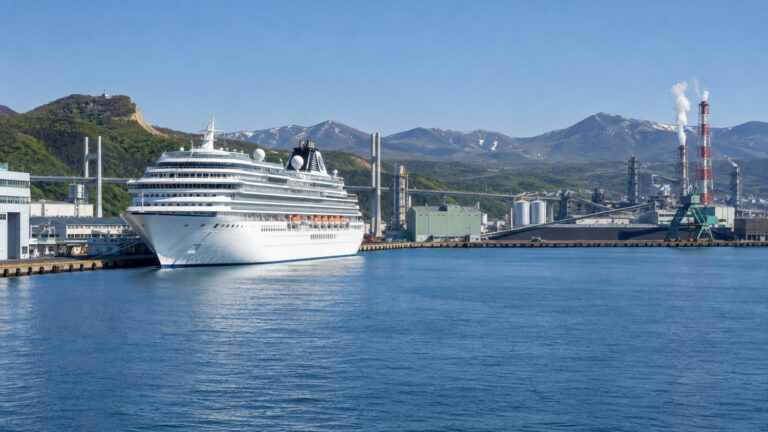
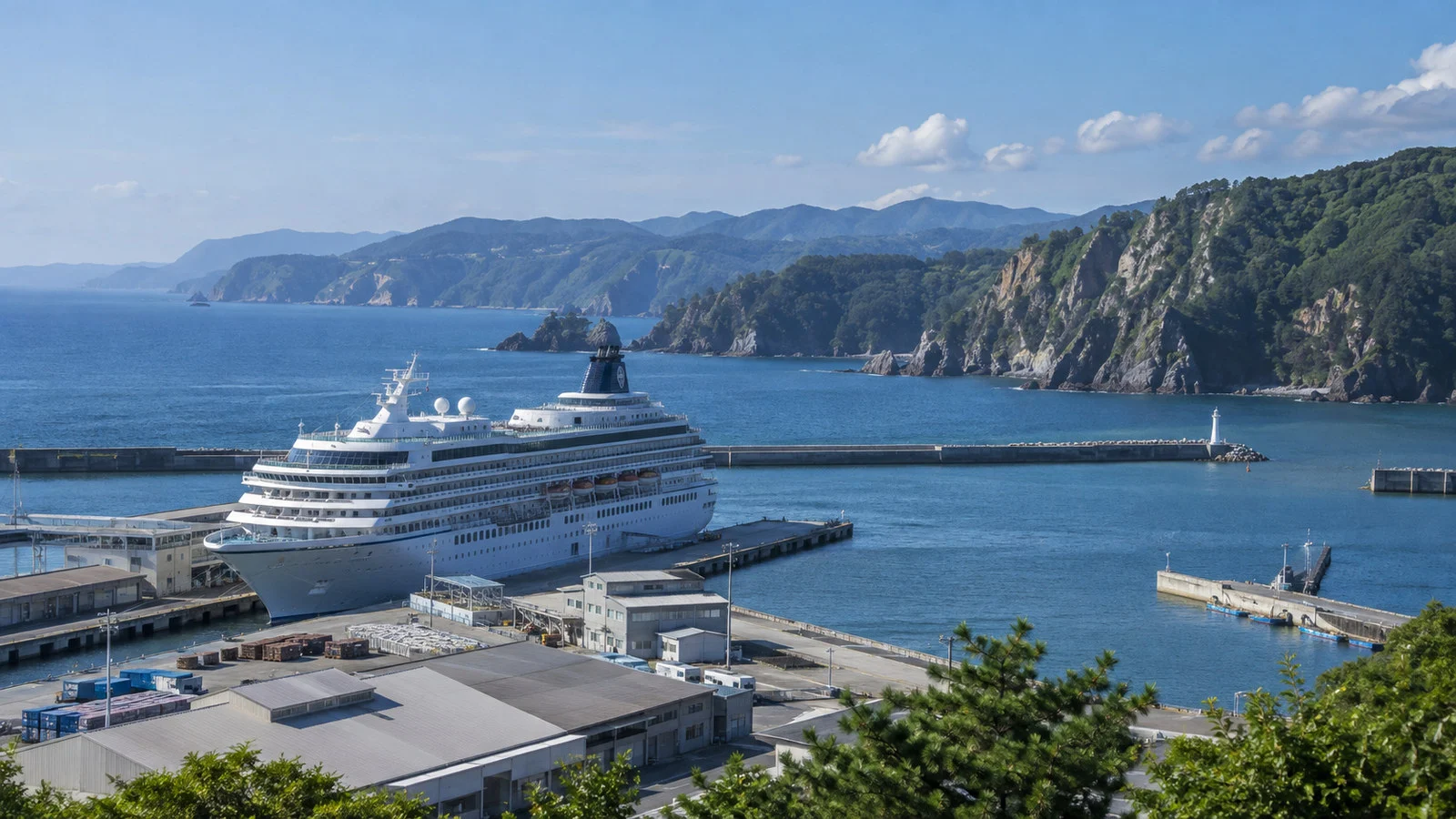
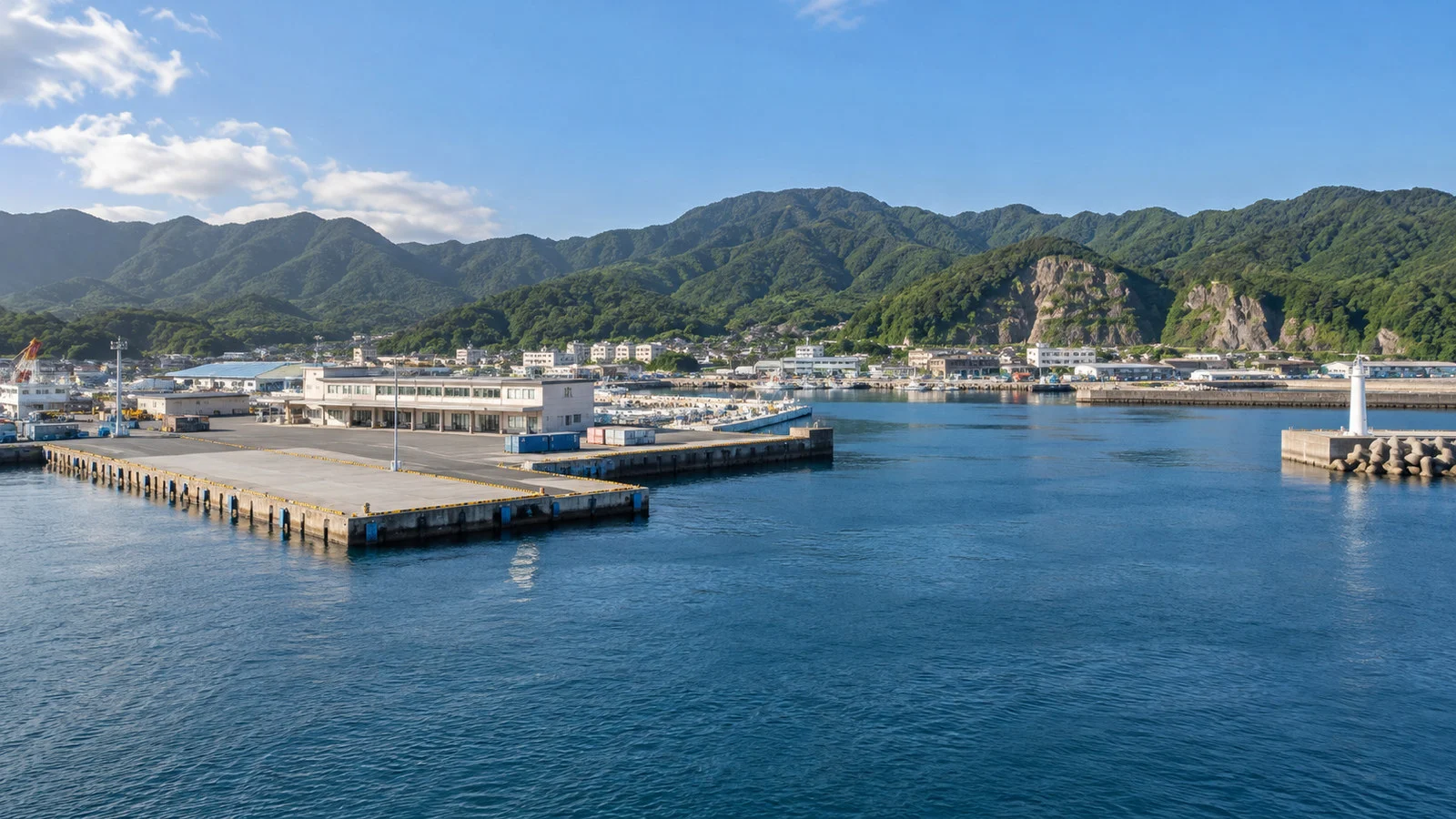
Miyako is a working harbor rather than a purpose-built downtown cruise terminal. Cruise ships may berth within the port, but the assigned wharf, security route, and passenger facilities depend on the vessel and that day’s operations.
Do not assume you can walk through the industrial area simply because the ship is alongside. Follow crew and port instructions for shuttles, pedestrian routes, taxis, and the gate passengers are permitted to use.
Local welcome events may be arranged for a cruise call, but they are not permanent terminal services. Treat transportation, tourist information, and shopping at the pier as call-specific rather than guaranteed.
Photograph the berth information, save the ship’s contact number, and note any shuttle stop name in Japanese. A translated map pin can be especially useful if you return by taxi.
Getting into central Miyako
A cruise shuttle is usually the simplest transfer when offered. Ask where it stops, how often it runs, and whether the final departure leaves before the published all-aboard time.
A taxi gives more flexibility for a small group, especially when connecting directly to Jodogahama. Availability near the ship cannot be assumed, so arrange the return or keep a Japanese-language destination card.
Public buses can be practical when their timetable fits the port window. Confirm the correct stop outside the secure area, payment method, and return service rather than relying on an online route that ignores cruise access restrictions.
Miyako Station is useful for rail and bus connections but may not be beside the assigned cruise berth. Account for the full journey between the gangway and station in both directions.
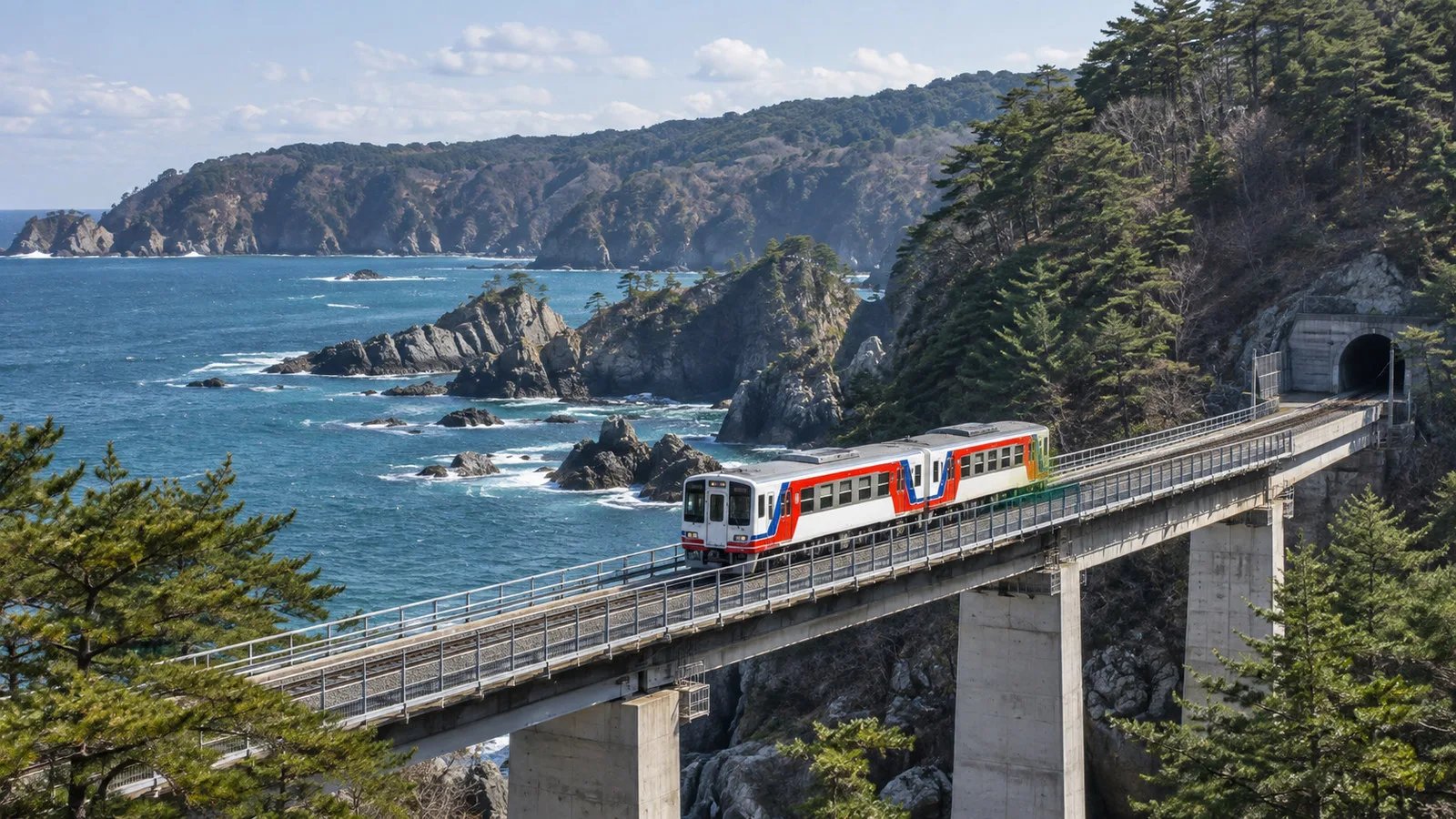
Jodogahama is the standout sight
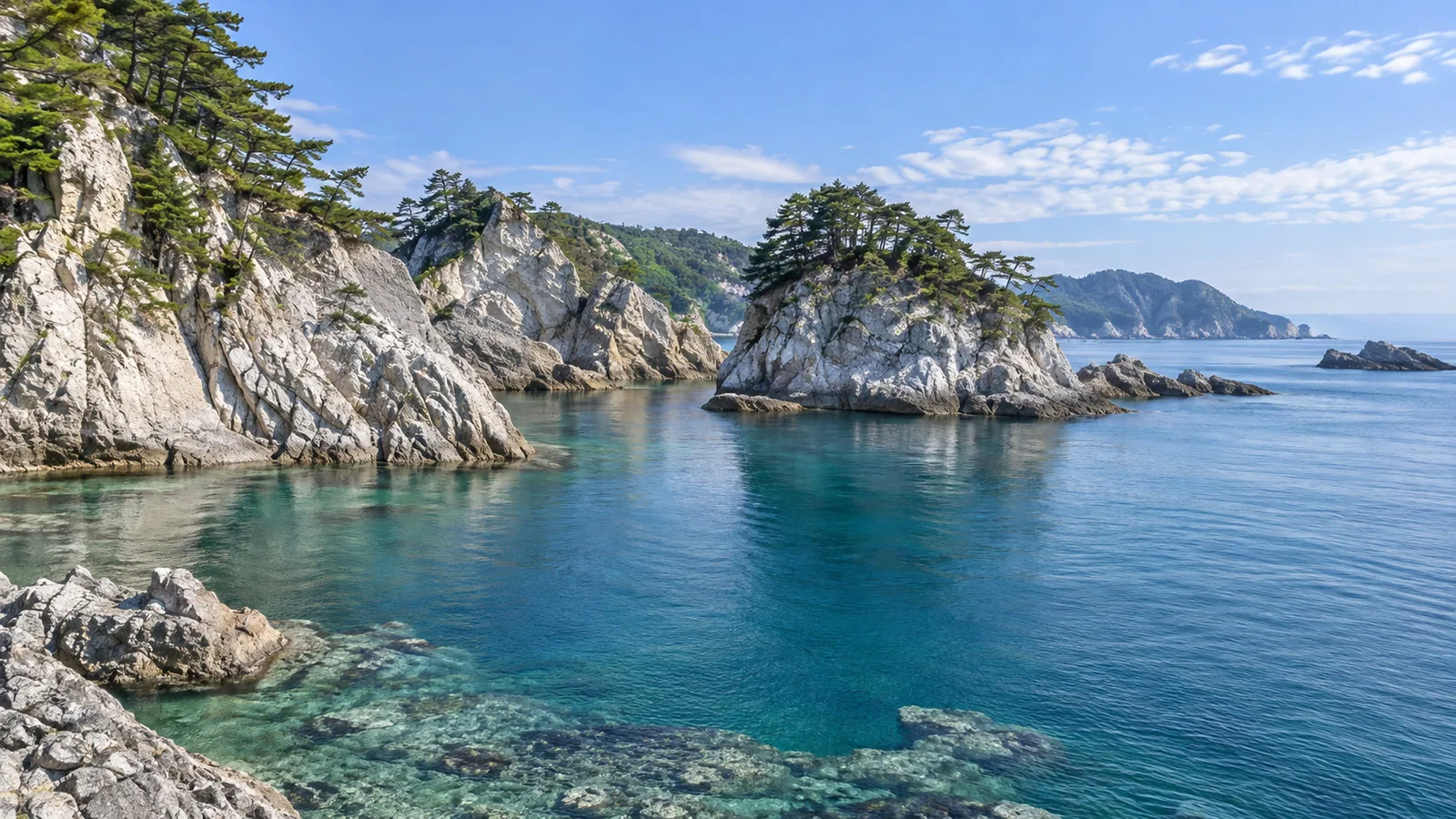
Jodogahama belongs to Sanriku Fukko National Park and is known for pale rock formations set against pine and sea. The Japanese Ministry of the Environment describes the wider park as a place shaped by both the bounty and dangers of nature.
The official national park visitor guide lists the Jodogahama Visitor Center as a source for current safety advice, maps, weather, and local information. Check it before choosing trails or water activities independently.
Jodogahama is not a comfortable walk from most cruise-berth scenarios. Use the ship’s excursion, an organized shuttle, a bus with a verified schedule, or a taxi.
Once there, choose a route that matches your time and mobility. The shore, viewpoints, visitor center, and seasonal boat activities can create a satisfying visit without completing a long hike.
The white formations are rock, not coral cliffs or permanent snow. Light and weather can shift their appearance from bright white to gray, which is part of the coastal character.
Walking and boat options at Jodogahama
Short waterfront paths and viewing areas provide the simplest experience. Some routes involve steps, grades, or natural surfaces, so use the visitor center’s current map rather than assuming every viewpoint is on one flat promenade.
Seasonal sightseeing boats or small craft may operate in the area, subject to weather and local schedules. Confirm the departure point, duration, and return plan before buying a ticket during a cruise call.
Water conditions on the Sanriku coast can change quickly. Follow local closures and staff instructions, and never enter a restricted cove or climb onto exposed rocks for a photograph.
Pack a light waterproof layer even when the sky is clear at the ship. Wind and spray can make the coast feel much cooler than central Miyako.
The 2011 tsunami and Miyako’s recovery
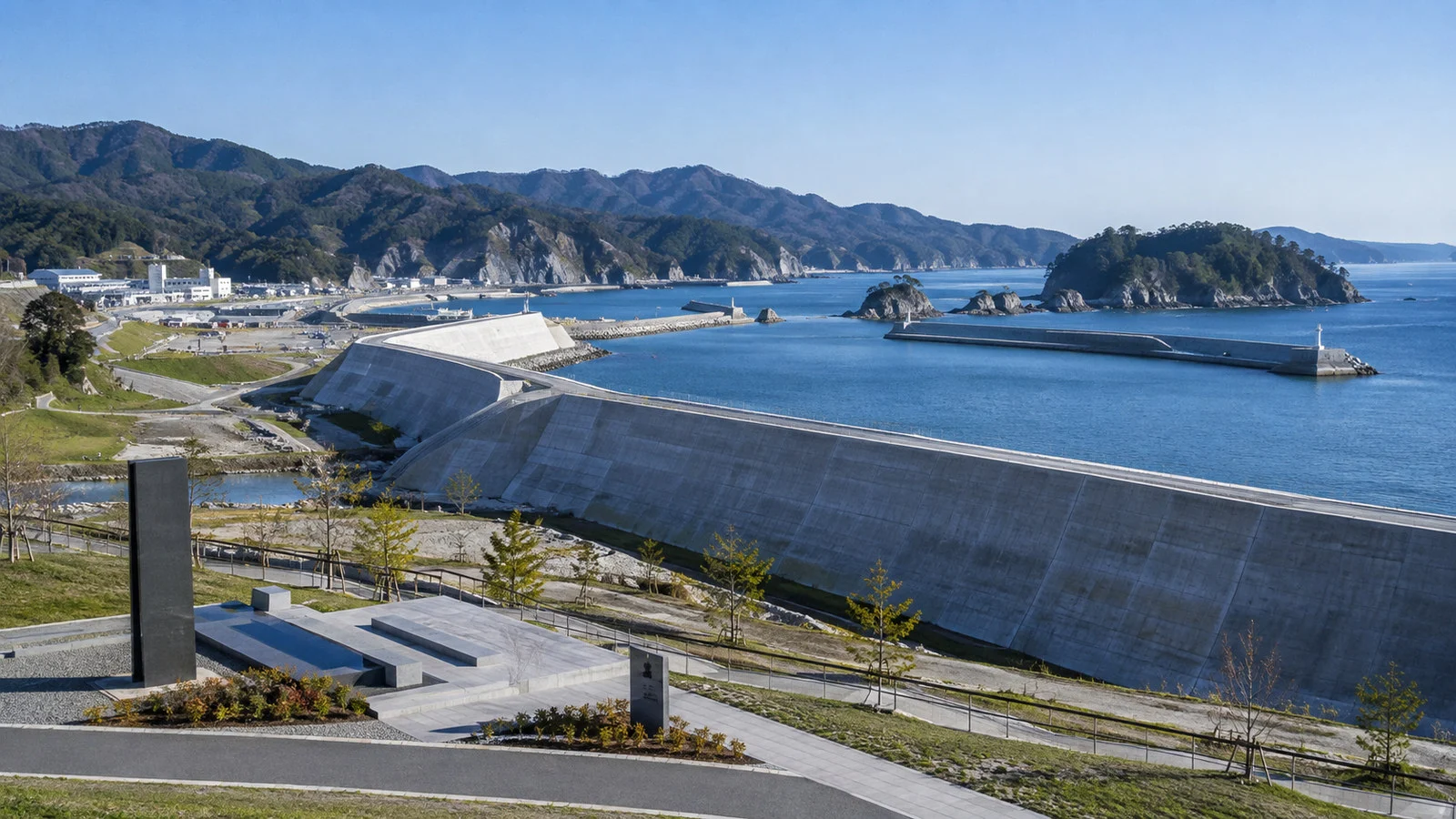
Miyako was severely affected by the 2011 earthquake and tsunami, and the event remains part of the city’s landscape and memory. Approach memorials, preserved structures, and survivor stories with the same respect you would bring to any place of loss.
Sanriku Fukko is commonly translated as Sanriku Reconstruction or Recovery National Park. The park was reorganized and expanded after the disaster as part of a broader effort to support recovery and connect the region’s nature, culture, and communities.
Do not photograph residents, private damaged property, or ceremonies without permission. Use established museums, memorial sites, and guided interpretation when you want to understand what happened.
Local businesses, fisheries, schools, and neighborhoods are not exhibits. Spending locally and following community guidance is a better response than treating recovery as a dramatic backdrop.
Sanriku Railway possibilities
The Sanriku Railway’s Rias Line runs through Miyako and links communities along the coast. It can add a meaningful regional perspective, but it is not a hop-on sightseeing loop designed around a cruise ship’s departure.
Use the official Sanriku Railway website for current timetables, fares, station information, and riding instructions. Check whether the train you want actually returns with enough time to reach the port gate and gangway.
Some small stations have limited staffing or facilities, and service interruptions can occur. Carry the route and destination in Japanese, understand the payment method, and identify a backup before leaving Miyako.
A short rail segment is safer than an ambitious independent journey down the coast. If the ship offers a rail-focused excursion, its coordinated return can be worth the reduced flexibility.
Central Miyako and local food
Central Miyako offers a quieter alternative when weather or time makes Jodogahama difficult. Look for local shopping, ordinary streets, and seafood tied to the Sanriku fishing coast rather than expecting a dense tourist district.
Markets and restaurants may keep hours that do not align perfectly with a cruise arrival. Check opening information before building the day around a specific lunch or shopping stop.
Menus may have limited English, but photographs, translation apps, and polite pointing usually help. Ask about shellfish, fish broth, soy, and other ingredients if you have an allergy.
Carry some yen because small businesses, buses, and ticket machines may not accept every foreign card. Do not rely on an ATM inside the port area.
Ship excursion or go it alone?
Choose the ship excursion when Jodogahama is the main goal and the berth is far from public transportation. It also makes sense for a multi-stop coastal route or a memorial-focused visit where interpretation matters.
Explore independently when the shuttle plan is clear and you are content with one major destination. A direct taxi or verified bus to Jodogahama can work better than trying to combine the beach, railway, and several coastal towns.
Read the excursion description for walking grades, boat components, and free time. A panoramic coach stop may provide views but little time on the shore, while a nature walk can involve more steps than the title suggests.
Keep a central Miyako backup for rain, wind, or transport changes. The port call remains worthwhile even if the most exposed coastal activity is canceled.
Accessibility notes
Accessibility begins with the route from the gangway through the working port. Ask whether the shuttle has a lift, whether a mobility device can be stored, and how far the boarding point is from the ship.
Jodogahama has visitor facilities and easier viewing areas, but not every trail or shoreline section is step-free. Contact the visitor center for current accessible parking, entrances, restrooms, surfaces, and viewpoint routes.
A taxi may reduce walking but cannot remove every curb, slope, or step. Show the driver the specific visitor center or accessible entrance rather than only saying Jodogahama.
Rail platforms and small stations can vary in access. Check the Sanriku Railway’s current assistance procedures before making a train ride the center of the day.
Weather and safety on the Sanriku coast
Miyako can be cool, wet, windy, or foggy even when another Japanese port is warm. Layer clothing and carry rain protection that will not flap dangerously near the water.
Follow posted tsunami evacuation routes and local emergency instructions. Coastal communities take alerts seriously, and visitors should move promptly without waiting for a translation from the ship.
An earthquake that feels strong or lasts a long time can be a reason to move away from the coast and toward higher ground under local guidance. Do not return to the harbor until authorities say it is safe.
Rock surfaces and wooded paths can become slippery after rain. Wear shoes with grip and stay on open public routes.
Return timing
Photograph the shuttle stop and final departure time when you reach town or Jodogahama. Ask whether the last shuttle leaves at the posted time or closes boarding several minutes earlier.
I would return on an earlier service when using public transportation. A missed bus or train matters more in Miyako than in a large city with constant alternatives.
If returning by taxi, carry the berth name, ship name, and permitted gate in Japanese. The phrase “Miyako Port” may not identify the exact access point inside a working harbor.
Allow time for port security and internal transportation after reaching the gate. Arriving at the industrial perimeter is not always the same as standing beside the gangway.
How Miyako fits a Japan cruise
Miyako offers a smaller and more landscape-focused day than many Japanese cruise ports. Its value lies in the Sanriku coast, local resilience, and the chance to see a region that fewer international itineraries reach.
It contrasts with Akita, Kushiro, and Muroran, which each serve different northern landscapes and regional excursions. Do not confuse Miyako in Iwate with Miyako Island in Okinawa.
A successful call does not require covering the whole coast. One well-planned visit to Jodogahama can be more memorable than several rushed transfers.
Quick answers
Do cruise ships dock in Miyako?
Ships may berth within the working port, but the exact wharf and passenger arrangement vary. Follow the information issued for your specific call.
Can I walk to Jodogahama?
It is not a practical walk from most cruise-berth scenarios. Use an excursion, cruise shuttle, verified local bus, or taxi.
Is Jodogahama a swimming beach?
Water activities depend on season, weather, posted rules, and local supervision. Treat the scenery and visitor center as the reliable core rather than assuming swimming will be appropriate during your call.
Can I ride the Sanriku Railway?
Yes, when the current timetable leaves a generous return margin. Include the transfers between the berth, station, and ship rather than timing only the train ride.
How should I approach tsunami history?
Use established memorials, museums, or guided interpretation and behave respectfully. Remember that Miyako is a living community whose identity extends far beyond the disaster.
Do I need cash?
Carry some Japanese yen for small businesses, local transport, and machines that may not accept foreign cards. Larger stores may accept cards, but the port itself is not the place to assume an ATM will be available.
The last word
Miyako rewards a focused plan and a little logistical care. Confirm the berth transfer, give Jodogahama enough time, and approach the coast’s recovery story with respect.
If local transport or access changes after your call, our editorial policy explains how to send a correction. Current instructions from the ship, port, and Japanese authorities always take priority.