Cruise Visas: The Ports Where Your Passport Alone Is Not Enough
Your passport is valid, your cruise is paid for, and you are still not cleared to go ashore. Some ports want a visa arranged weeks before you sail, and a few want one even if you never leave the ship.
My quick take
Check visas by traveler and itinerary, not just by country. Nationality, passport type, arrival port, number of entries, time ashore, and the cruise line’s clearance arrangement can all change the answer.
Start at least 90 days out, including ports where you plan to stay onboard, then check again before final payment and departure. Apply only within the official application window because some electronic visas begin or expire based on the issue date.
The quick facts
- Check every port: Including ones where you plan to stay onboard.
- Sea arrivals differ: An electronic visa or waiver may be accepted only at named airports or seaports.
- Some lines handle it: A line may arrange group or blanket clearance for a specific call, but only written confirmation for your sailing counts.
- Timing: Start checking 90 days out, then follow each government’s application window. Some consulates keep the physical passport during processing.
- The consequence: Missing paperwork can mean denied boarding on embarkation day, not just a skipped port.
Why cruise visas confuse everyone
Most visa advice online is written for travelers arriving by air. Cruise passengers arrive through a seaport, may visit several countries in quick succession, and may be processed individually or through a ship-wide arrangement.
Countries handle that in wildly different ways. Some waive requirements entirely for cruise passengers, some issue a group clearance to the whole ship, and some want the exact same visa a flying tourist would need.
The result is that two travelers can give you contradictory advice about the same port and both be right, because their sailings were handled differently. This is why I check the current requirement for my specific itinerary rather than trusting a forum post from two years ago.
The rule that catches people out
You may need a visa for a country even if you have no intention of getting off the ship. That sounds absurd until you remember that the ship is clearing customs and immigration on behalf of everyone aboard.
The State Department says it plainly: have the right foreign visas for all stops on your cruise if required, even if you do not plan to disembark at those locations. That single sentence has saved a lot of people a very bad conversation at the gangway.
Staying onboard avoids a visa only when the destination and cruise line explicitly allow it for your sailing. Do not use that as a fallback unless the line confirms it in writing.
India: the port-specific trap
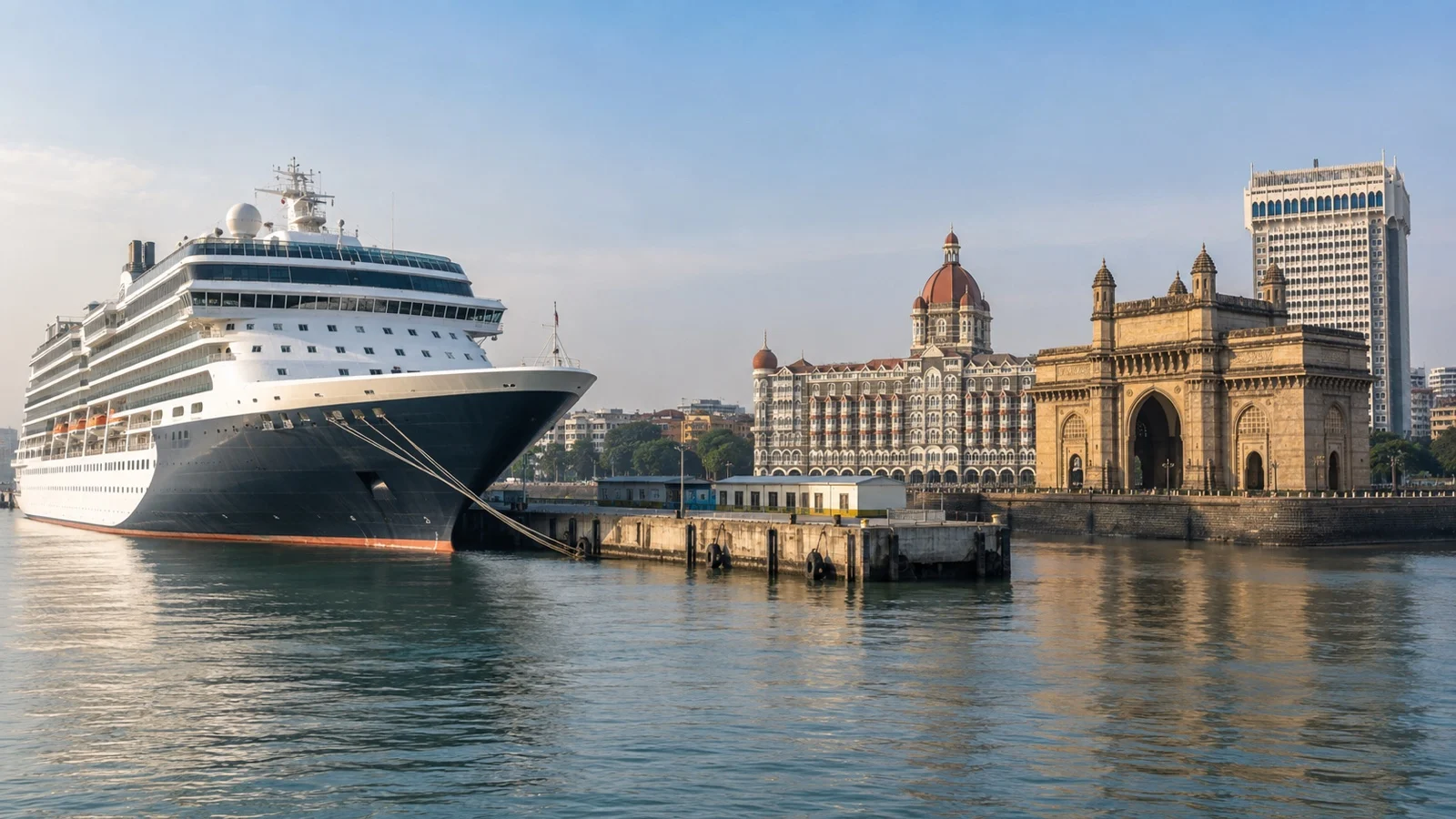
India shows how precise these rules can be. Its e-Visa is accepted for cruise entry only through seaports named by the Indian government.
The official Indian visa portal now lists a wider set of authorized seaports than the five cruise ports commonly quoted in older advice. Check the live list for the exact port and terminal name, because approval for entry through one seaport does not cover every Indian call.
Apply only through the government portal, because fraudulent lookalike visa sites are a genuine problem. If you are adding a land portion, my guide to the New Delhi cruise extension covers whether that detour earns its cost.
When the cruise line handles it for you
On some itineraries, the ship arranges a group or blanket clearance for eligible passengers. The process may involve collecting passports, submitting the manifest, issuing landing cards, or limiting how guests go ashore.
That convenience frequently comes with a condition: you must be on a ship-organized tour, or at least go ashore through the ship’s process. Independent wandering can be exactly what the group clearance does not cover.
If the clearance applies only to ship excursions, booking through the line may be the practical way to visit even when it costs more. My breakdown of ship excursion versus local tour versus DIY helps weigh that tradeoff.
Where to actually look it up
Start with your cruise line’s travel documents page, because it lists requirements by itinerary and nationality. Norwegian publishes a detailed breakdown of which nationalities need what for individual countries, and other major lines maintain something similar.
Then verify against the destination country’s own government portal, never a third-party site that appears at the top of a search. Visa middlemen charge substantial markups for filling in a form you can complete yourself.
For US citizens, the State Department’s country information pages are a useful cross-check and link to foreign authorities. The destination government decides admission, so its immigration or embassy site remains the primary source.
Check the embarkation country, disembarkation country, pre- and post-cruise stays, and any airport transit in addition to ports of call. An authorization that is unnecessary for a sea arrival may still be required when you fly in to meet the ship.
Search under the passport you will actually use, including any dual nationality, residency permit, or prior travel that changes eligibility. A rule for US passport holders does not answer the question for a permanent resident traveling on another country’s passport.
The passport rules underneath the visa rules
Passport-validity and blank-page rules vary by country. The State Department recommends at least six months of validity beyond travel and two blank pages for cruise passengers, but you still need to check the exact rule for each destination.
Customs and Border Protection notes that a destination country on your itinerary can require a passport even where US reentry rules would not, and in those cases the cruise line will require it too. The strictest rule on your itinerary is the rule that governs your whole trip.
Long itineraries stack stamps quickly. If you are sailing a segment of something enormous, my guide to world cruise turnaround ports is worth reading alongside your passport page count.
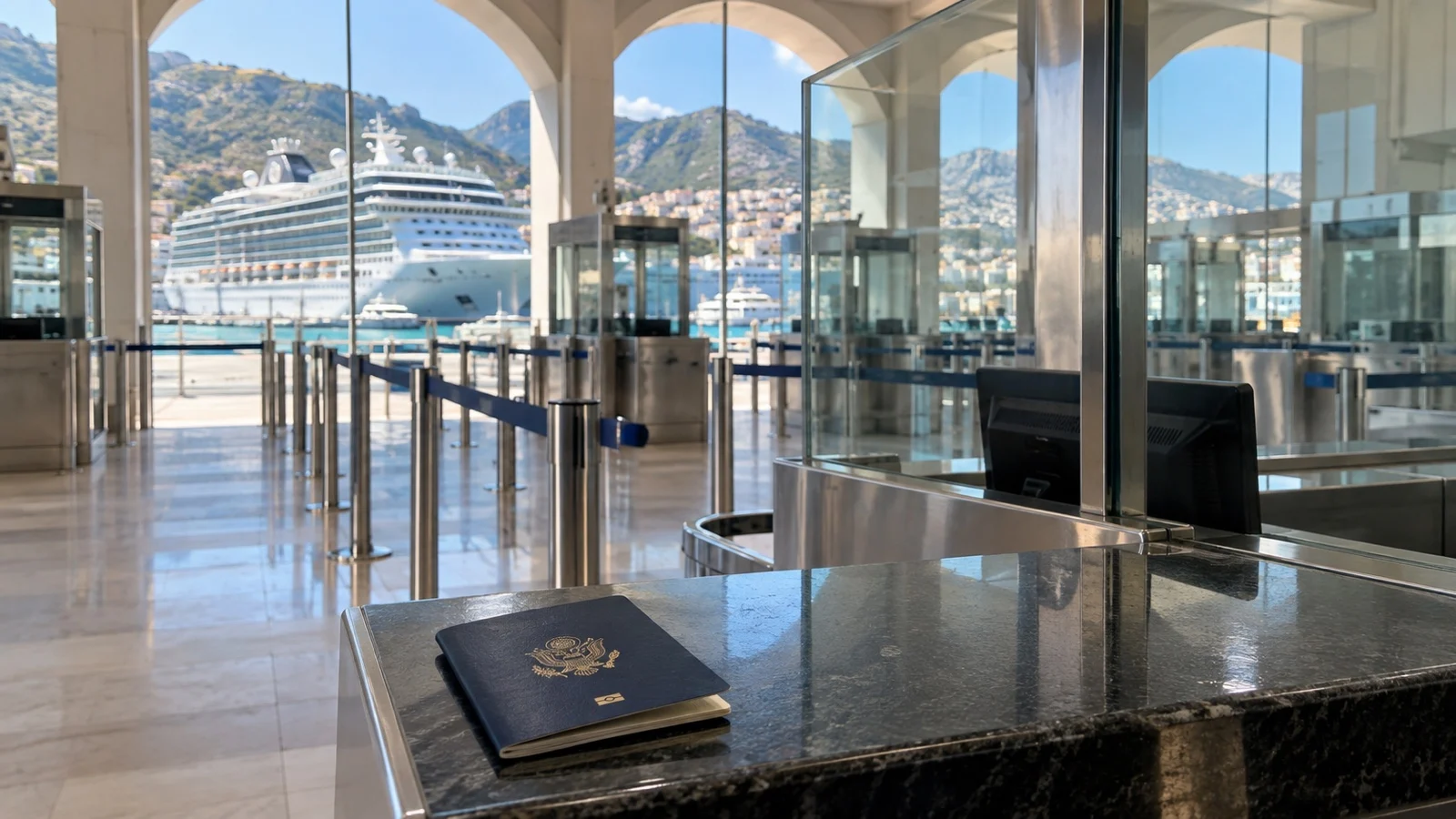
Multi-entry matters more than you think
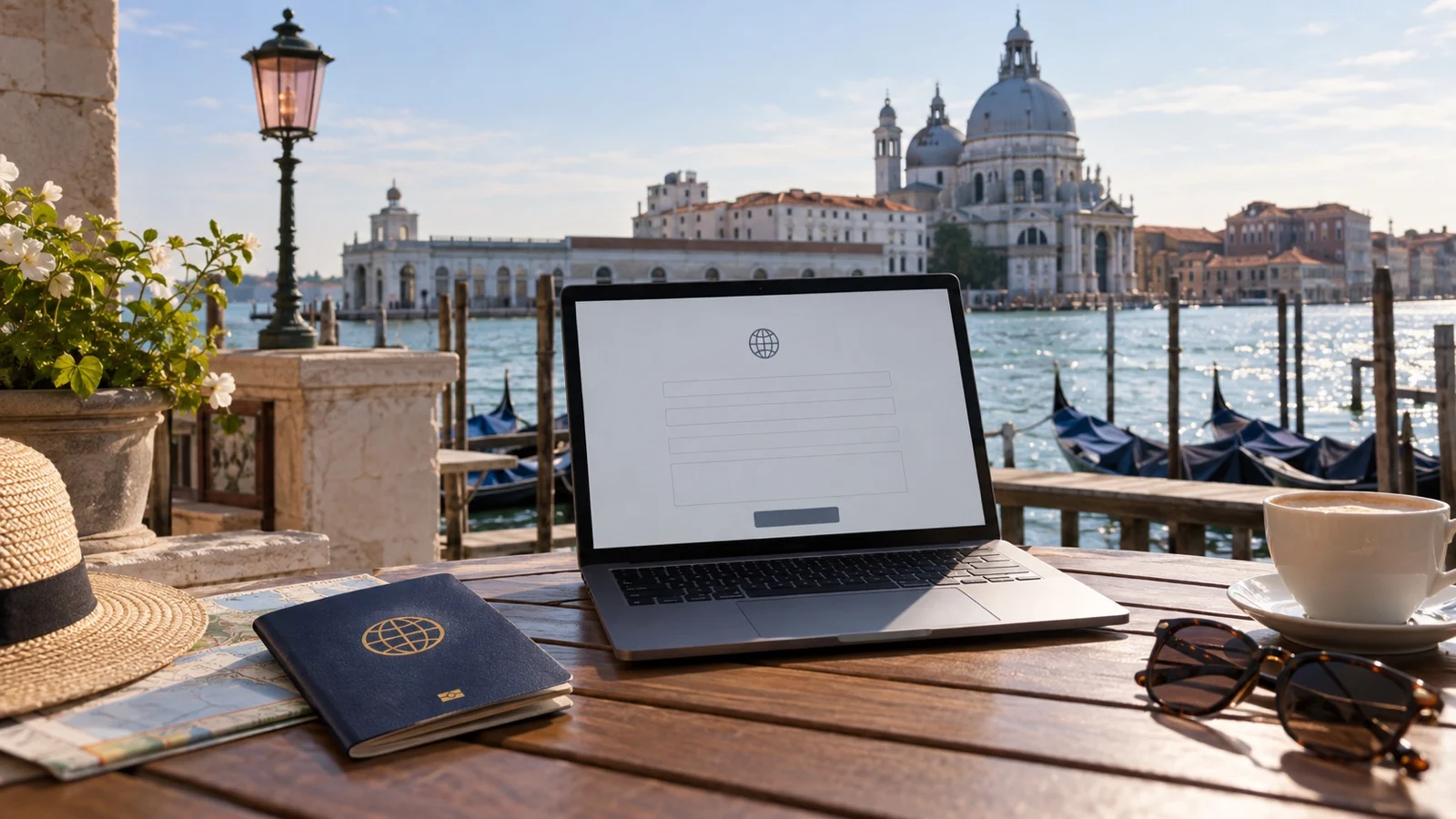
Cruise itineraries love to leave a country and come back. You might clear into a country on Tuesday, sail to a neighboring island, and return on Thursday.
A single-entry visa is normally used when border authorities record your first entry. If the itinerary later leaves and reenters that country, you may need a double-entry or multiple-entry visa, unless a cruise-specific arrangement says otherwise.
Read your itinerary as a customs officer would rather than as a vacation brochure. Count the number of times you enter each country, not the number of ports.
The 90-day timeline I use
- 90 days out: List every port and identify which need visas for your nationality.
- 75 days out: Confirm passport validity and blank pages, and check current passport-renewal timing if either is tight.
- 60 days out: Follow each consulate’s stated timeline for applications requiring a physical passport.
- 30 days out: Apply for e-visas and electronic authorizations only if their official application windows are open.
- 7 days out: Print everything, including approvals you also have on your phone.
The physical passport step is the one that ruins trips. If a consulate holds your passport for three weeks, you cannot also be applying somewhere else.
What happens if you show up without one
If it is caught at embarkation, you may be denied boarding with no refund. Cruise lines face fines for landing improperly documented passengers, so they enforce this strictly.
If a problem is found mid-cruise, authorities may require you to stay onboard, deny the ship’s clearance for you, or require another remedy. The outcome is country-specific, so guest services cannot promise a simple skipped port.
The genuinely bad version is being ashore without proper documents when something goes wrong. That is the situation my guide to missing the ship at a port of call deals with, and a missing visa makes rejoining at the next port dramatically harder.
Electronic authorizations are not visas, but treat them like one
More countries are moving to electronic travel authorizations, which are cheaper and faster than visas but still mandatory. They are easy to forget precisely because they feel minor.
Apply through official government portals only. The unofficial sites are legal, but they charge you extra to type your name into a form.
Approval is usually quick, though it is not instant and it is not guaranteed. Leave a buffer rather than applying the night before your flight.
Quick answers
Do I need a visa if I stay on the ship?
Sometimes yes. The State Department advises carrying required visas for all stops even if you do not plan to disembark, so confirm with your cruise line for your specific itinerary.
Does the cruise line arrange visas for me?
For some destinations and sailings, yes, through group clearance. It may require a ship-organized tour or another specific process, so get the terms in writing.
Can I use an e-visa to arrive in India by cruise ship?
Only through a seaport currently designated for e-Visa entry, so match the exact call against the live Indian government list rather than relying on the older five-port summaries.
How far ahead should I apply?
Start checking at least 90 days out, then follow each authority’s application window and processing estimate. Build extra time when an application requires your physical passport.
What if my passport expires four months after my cruise?
Check every destination and your cruise line, then renew if any requires more than four months. The rule is not universally six months, but the strictest applicable requirement governs your sailing.
Final word
Visas are the least glamorous part of cruise planning and the one with the least forgiving deadline. Everything else on a cruise has a workaround, but immigration does not negotiate at the gangway.
Go port by port, check your nationality specifically, use official government portals, and start 90 days out. Then forget about it and go enjoy the trip you paid for.
How this guide was researched: This guide was checked in September 2026 against current US Department of State cruise guidance, US Customs and Border Protection document information, India’s official e-Visa portal, and Norwegian’s published travel-document guidance. Visa rules change frequently, so confirm each destination’s official portal and your cruise line before sailing; see our Editorial Policy.
More on this topic: browse every guide on port logistics and timing.