Incheon Cruise Port: Terminal, Seoul Transfers and Local Days
Incheon is often sold as Seoul’s cruise port, which is true in the same way an airport can be sold as a city gateway. The terminal is modern and efficient, but Seoul requires a substantial transfer, while Incheon offers a rewarding port-city day of its own.
Use the correct Incheon terminal
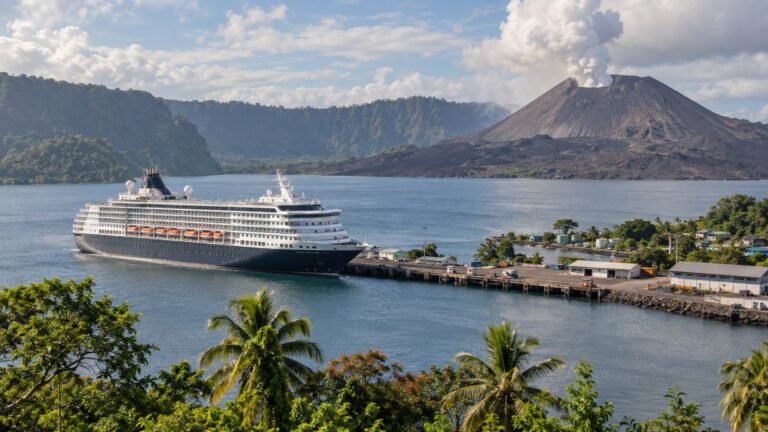
Large cruise ships normally berth at Incheon Port Cruise Terminal, 438 Gukjehangman-daero, Yeonsu-gu, Incheon. Opened in April 2019, the two-story building places arrivals on the first floor and departures on the second.
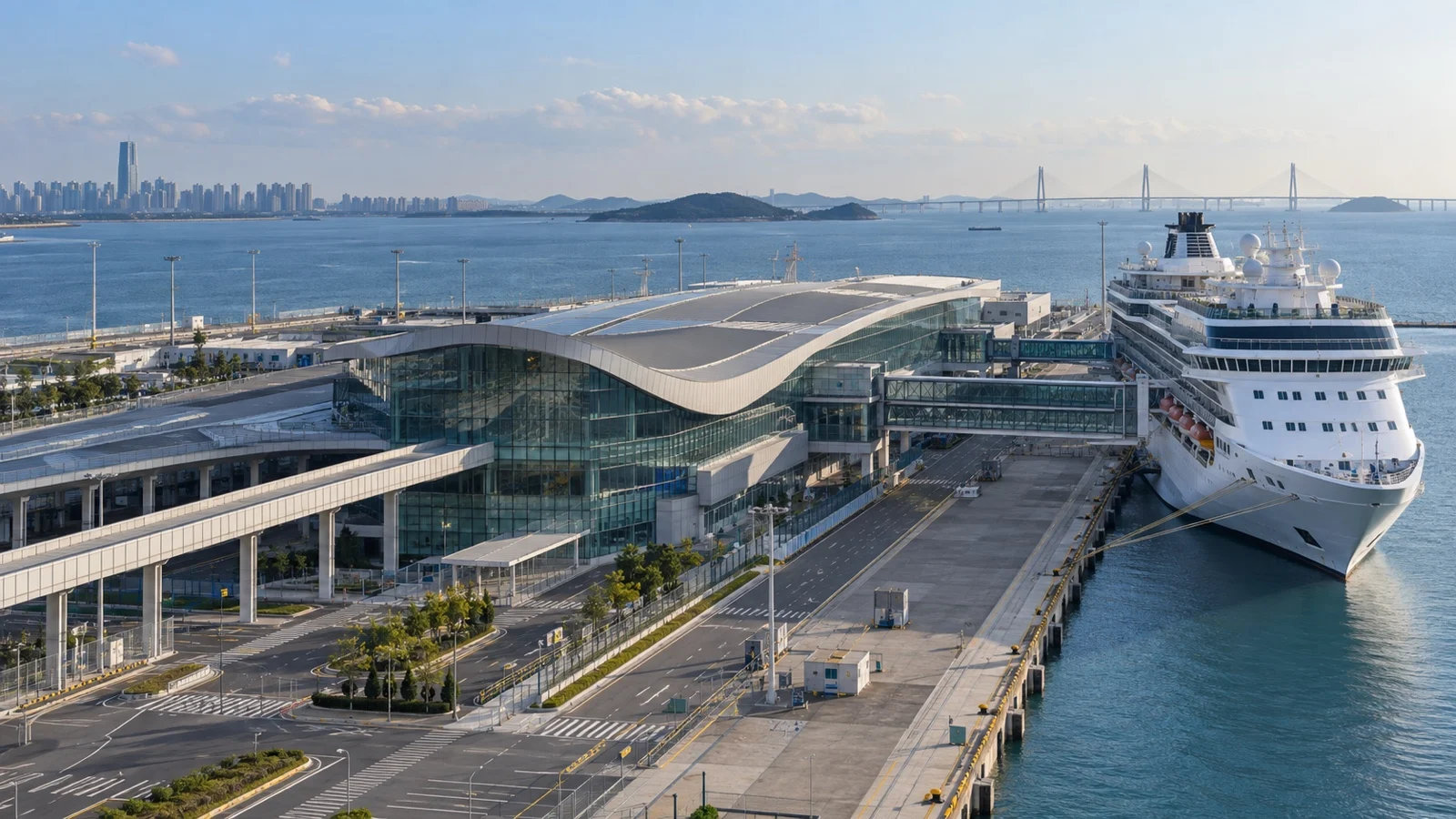
The official VISITKOREA cruise page for Incheon lists an approximately 1,410-foot cruise dock with capacity for ships up to 225,000 tons, plus fixed and mobile gangways designed around the port’s large tidal range.
Do not confuse this building with Incheon Port International Passenger Terminal at 57 Gukjehangman-daero 326beon-gil, which primarily handles international ferry passengers. The names are unhelpfully similar, so copy the cruise-terminal address into any taxi or meeting instructions.
Incheon Port Authority publishes a current 2026 cruise timetable with estimated arrivals and departures. Immigration, customs, tides, and operations can delay shore access, so never treat scheduled arrival as the moment you will be sitting in a Seoul-bound vehicle.
There is a full rundown of where to stay in our hotels near Incheon cruise port guide.
The quick facts
- Where you land: Incheon Port Cruise Terminal, 438 Gukjehangman-daero, Yeonsu-gu, on reclaimed land beside Songdo. VISITKOREA lists an approximately 1,410-foot cruise dock for ships up to 225,000 tons. It is not the similarly named International Passenger Terminal.
- Dock or tender: Ships berth alongside at the purpose-built cruise quay, using fixed and mobile gangways designed around Incheon’s very large tidal range.
- Into town: Nothing is walkable.
- Currency and language: The Korean won (KRW) and Korean, with English signage at the terminal and in central Seoul but less elsewhere.
- Time zone: Korea Standard Time (KST, UTC+9).
- How often the call is missed: Low (roughly 1 to 2%): dense fog or tropical storms can disrupt pilotage.
What is immediately outside?
The cruise terminal stands on reclaimed waterfront land associated with Songdo, but it is not beside Songdo Central Park or a useful subway entrance. Port roads and large blocks make spontaneous walking a poor first transport plan.
Taxis, tour motorcoaches, and call-specific shuttles normally collect passengers from designated areas. The Korea Tourism Organization says complimentary sightseeing shuttles may operate for arriving cruises, but routes, frequency, accessibility, and destinations vary by call.
A free shuttle should never be assumed to go to Seoul. Ask the onboard destination desk where it terminates, whether return seating is guaranteed, and how its last departure relates to all aboard.
Seoul transfer math without wishful thinking
Central Seoul is roughly 31 to 37 miles from the cruise terminal, depending on the destination. A direct motorcoach or car commonly needs around 75 to 100 minutes each way in ordinary conditions, and congestion can push that well beyond two hours.
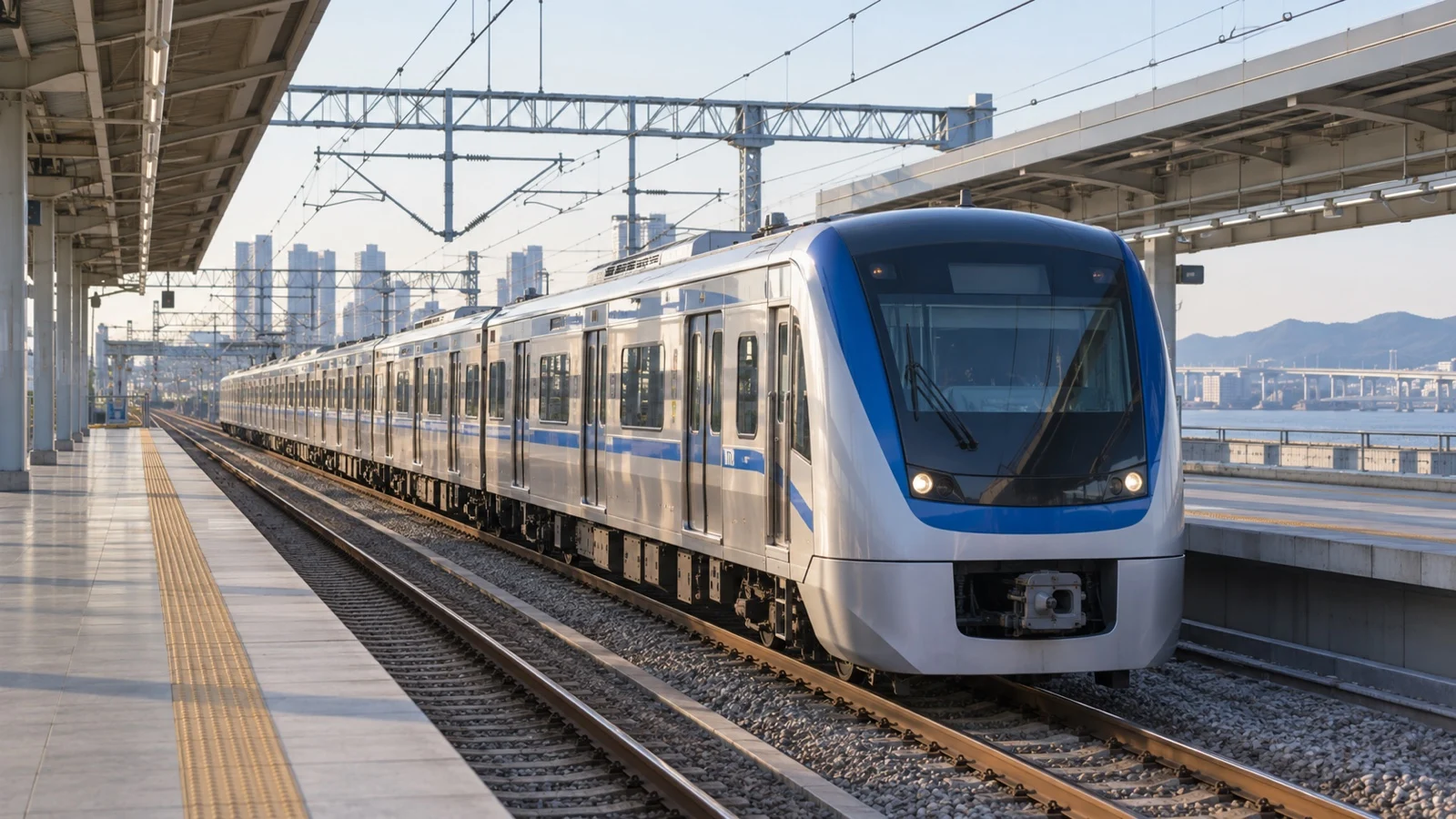
A ship excursion is the simplest choice because the operator manages terminal pickup and monitors the vessel. Even then, expect a meaningful share of the day to be spent on expressways rather than palace courtyards.
Independent public transport requires a taxi or shuttle from the terminal to a station, followed by subway or rail connections into Seoul. Realistic door-to-sightseeing time can reach two hours or more each way after waiting, ticketing, navigation, and the final urban transfer.
Do not choose the train merely because one segment looks fast in an app. The missing pieces between gangway, terminal exit, station platform, and the first Seoul attraction are where port days quietly disappear.
If you go to Seoul, choose one district cluster
The most practical first-time plan groups Gyeongbokgung Palace, Gwanghwamun, Insadong, and selected lanes around Bukchon or the nearby traditional district. Palace closure days, timed programs, demonstrations, and traffic can change the sequence.
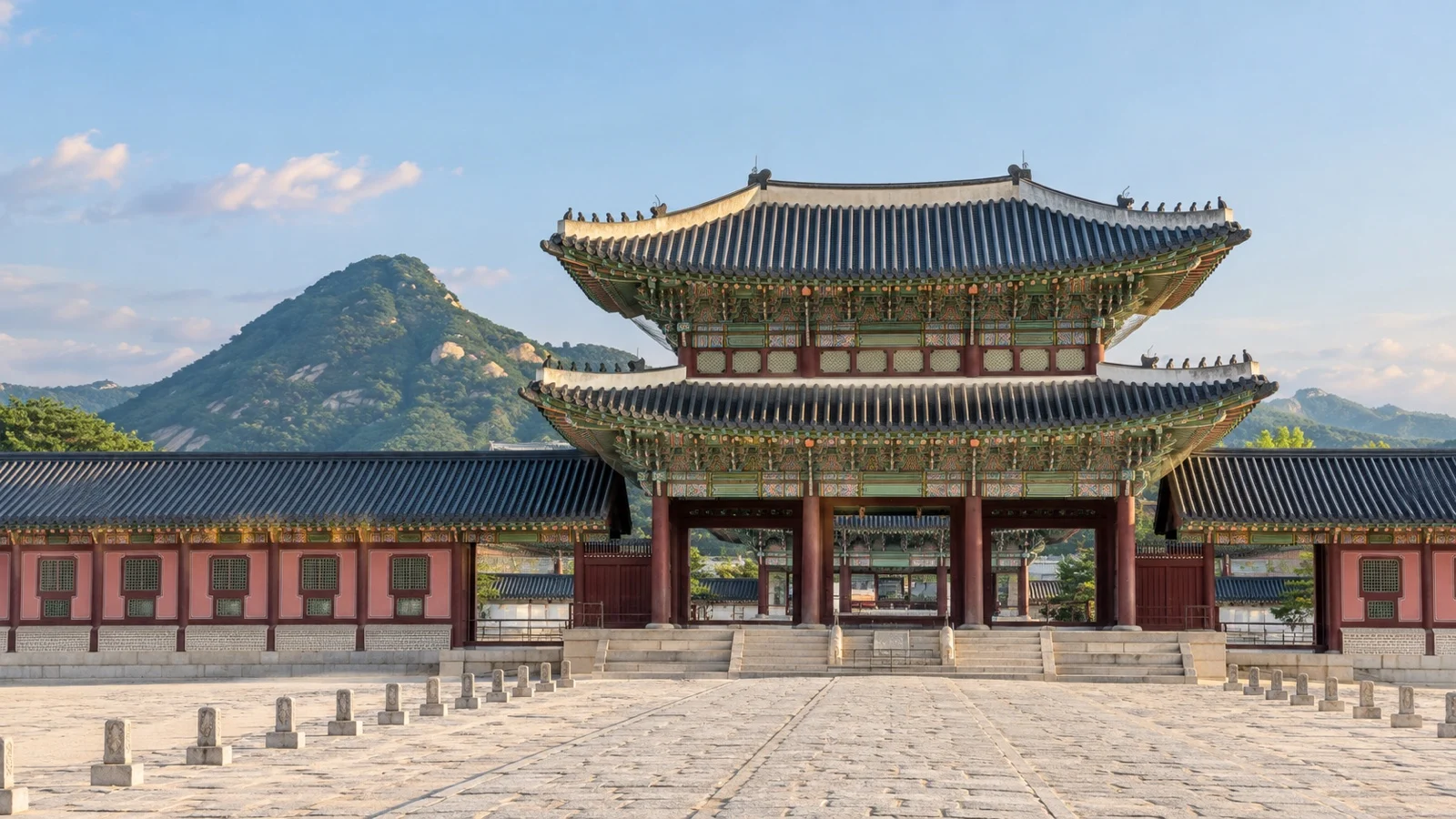
Check the official Visit Seoul website for current attraction access and city notices. Avoid combining a palace cluster with Gangnam, N Seoul Tower, a market across town, and a shopping district simply because they all fit on one screenshot.
A second workable theme centers on Myeongdong, Namdaemun Market, and nearby central sights. Choose according to opening hours and interests, then set a hard departure from Seoul at least three hours before the ship’s all-aboard deadline.
Songdo is the low-stress modern option
Songdo Central Park, canals, contemporary architecture, and nearby commercial areas create a modern Korean city visit much closer to the terminal. A taxi is usually the most efficient first step because the cruise berth is separated from the park by broad port development.
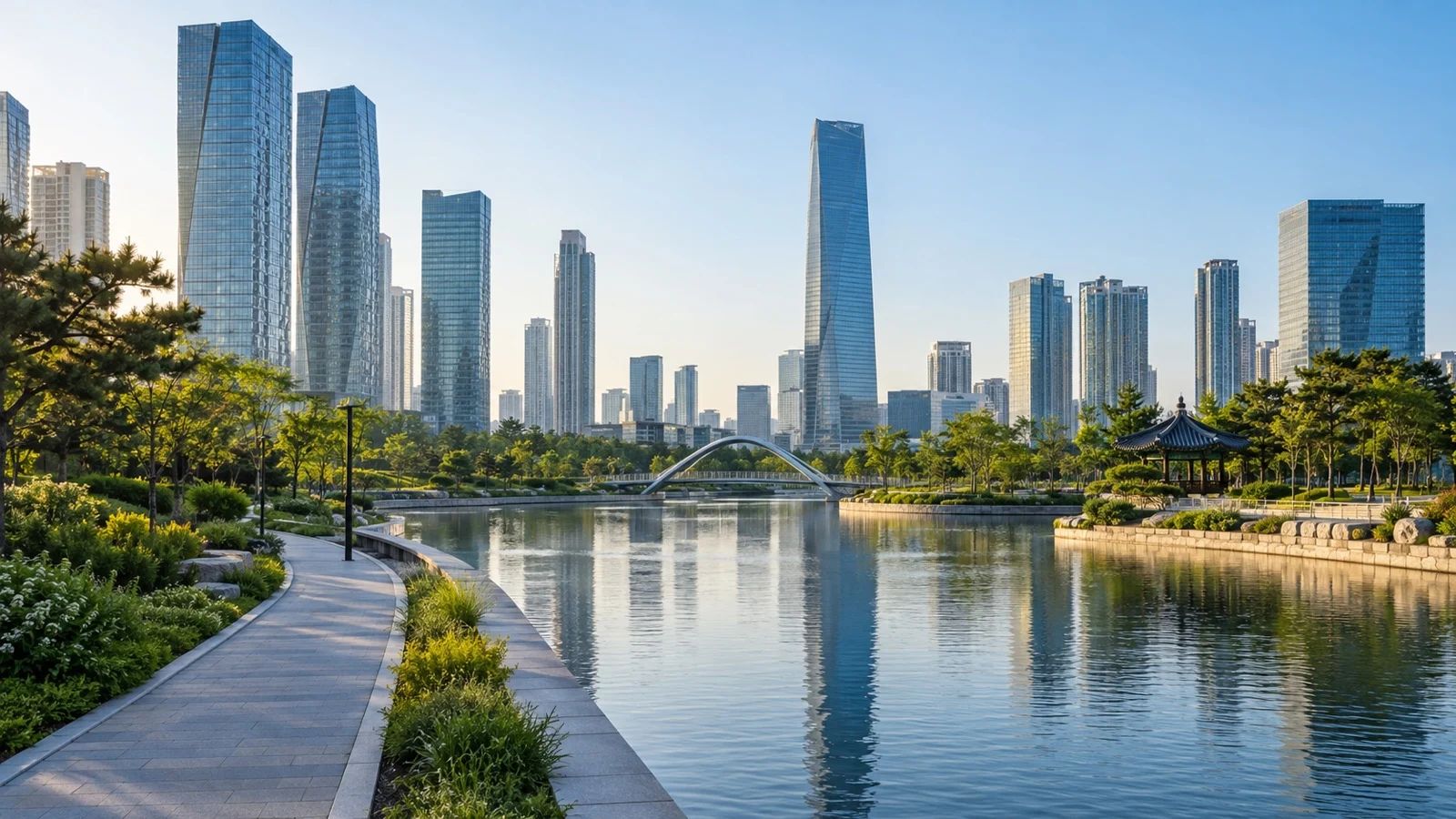
Once in central Songdo, walking and local transit become easier, with parks, cafés, restaurants, and skyline views. This plan suits a short call, late clearance, limited appetite for motorcoach travel, or anyone who has already seen Seoul.
Historic Incheon has more character than the gateway label
Incheon Chinatown, the Open Port cultural district, Jayu Park, Sinpo Market, and Wolmido form a richer historic-day option across town. They are not next to the cruise terminal, so use a tour, taxi, or a shuttle whose exact destination is confirmed.
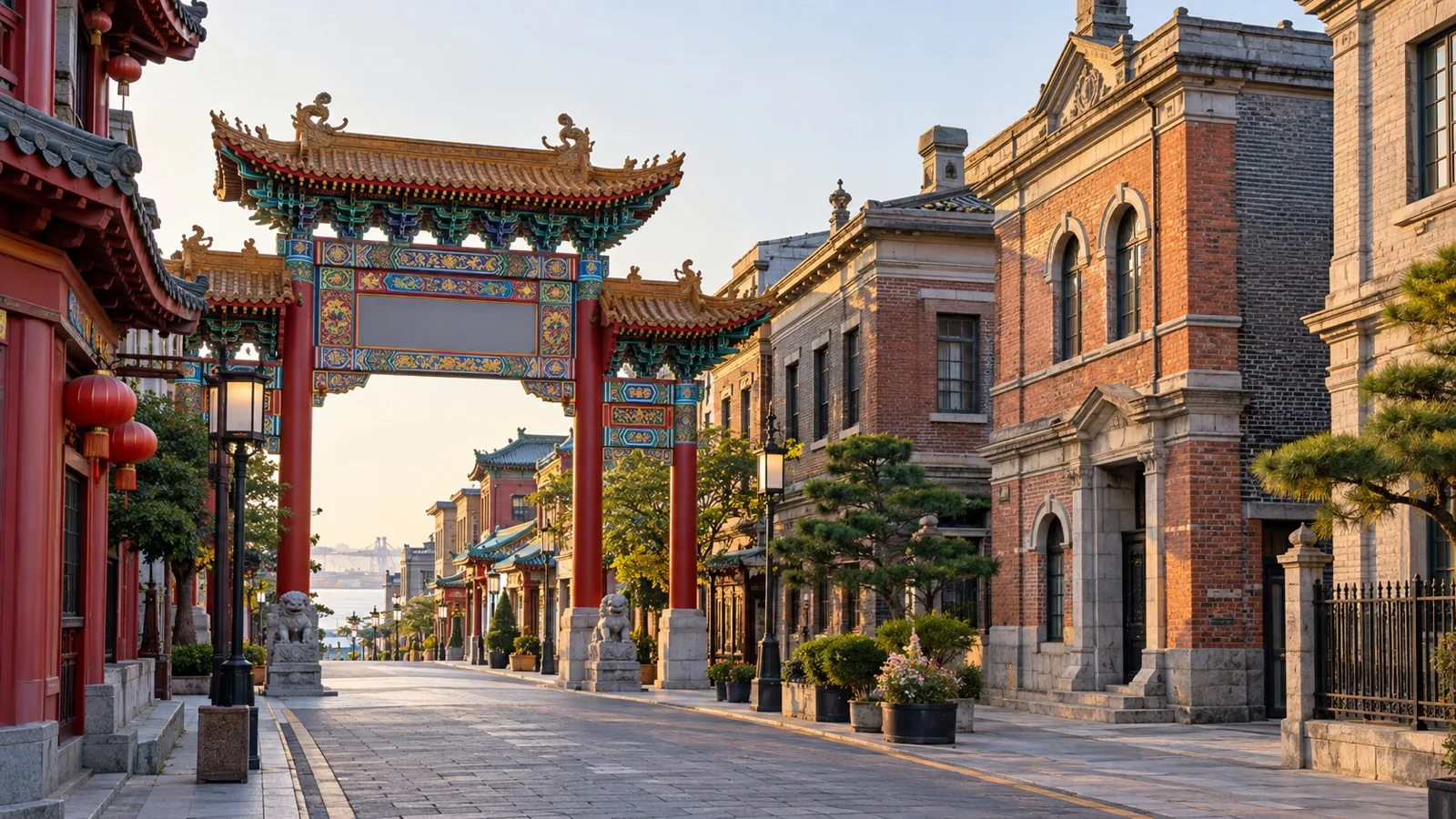
The official Open Port Area guide describes former consulates, early bank buildings, Incheon Art Platform, and other architecture from the port’s international history. The district is best explored slowly rather than as a motorcoach-window prelude to Seoul.
Chinatown begins near the historic port area with restaurants, gates, murals, and steep streets around Jayu Park. Wolmido adds waterfront promenades and entertainment, but combining every Incheon district still requires transport and a firm return plan.
Choose the day by usable hours ashore
Under seven usable hours: stay in Incheon, choosing Songdo or the Chinatown and Open Port cluster. Seoul would leave too little margin after clearance and transfers.
Eight to ten usable hours: Seoul can work with a direct ship excursion or reliable private vehicle, but select one central cluster. Independent rail remains a navigation-heavy choice.
Long or overnight call: Seoul becomes much more comfortable and may support an evening experience, subject to ship access and immigration rules. Confirm the overnight gangway schedule before booking anything nonrefundable.
For a different Korean port with sights much closer to the ship, compare our Busan cruise port guide. Our Jeju Island guide covers another distinct call rather than an excursion from Incheon.
Eating well without losing the bus
Incheon Chinatown is associated with Korean-style jajangmyeon, while Sinpo Market offers dakgangjeong fried chicken and quick snacks. Songdo and Seoul provide every level of Korean dining, from soups and barbecue to market food and contemporary cafés.
Order only what fits the clock, and ask whether a barbecue restaurant requires a minimum group or lengthy cooking. Cards are widely accepted, but keep some Korean won for markets, transit, or a small shop.
Connectivity, language, and payment
Download an offline map and a Korean-friendly navigation or translation tool before arriving. Street addresses written in Korean can help taxi drivers, especially when returning to the very specifically named cruise terminal.
Transit cards may simplify subway and bus travel, but obtaining, loading, and refunding one also takes time. Do not make a complicated public-transport experiment the foundation of a short call.
Accessibility from gangway to Seoul
The modern terminal uses fixed and mobile gangways, but the actual slope and distance depend on berth and tide. Request ship assistance in advance and ask whether the call’s free or paid shuttle can carry your mobility device.
Songdo has broad modern spaces, while historic Incheon and palace districts include slopes, thresholds, uneven paving, and long distances. Seoul’s subway has extensive elevators, but transfers can be crowded and elevators may require detours.
A prearranged accessible vehicle often provides the most reliable full-day option. Our guide to limited-mobility port activities helps identify the necessary vehicle and walking questions.
Weather, safety, and return margins
Summers are hot, humid, and rainy, while winters can be bitterly cold and windy at the waterfront. Spring and autumn remain variable, so check the hourly forecast and carry a useful layer rather than dressing for Seoul’s average.
South Korea is generally safe for visitors, with normal care needed in crowds and at crossings. Metropolitan traffic is the larger port-day hazard because a delayed expressway cannot be solved by walking faster.
From Songdo, start back at least 90 minutes before all aboard, and from historic Incheon allow closer to two hours. Leave central Seoul at least three hours before all aboard, extending that margin for peak traffic, public transport, or uncertain clearance.
Our guide to returning to the ship on time explains why transfer ports need a personal cutoff earlier than the published deadline.
Clear entry and terminal transport before choosing Seoul
South Korea’s visa, K-ETA, and arrival-card requirements depend on nationality, exemption status, itinerary, and how the cruise line completes group clearance. Use the official Korea Immigration and K-ETA services, then follow the ship’s document instructions instead of applying an airport rule automatically to a cruise call.
A free call-specific shuttle can make Songdo or historic Incheon easy, but its destination should decide the day rather than become the first leg of an improvised trip to Seoul. For Seoul, a direct cruise excursion or prearranged vehicle costs more but removes the uncertain terminal-to-station connection and protects more sightseeing time.
Choose one palace or market cluster and leave central Seoul at least three hours before all aboard, earlier in peak traffic or bad weather. If clearance begins late, stay in Incheon because shortening the attraction list cannot shorten the expressway.
Incheon cruise port FAQs
Does the ship dock in Seoul?
No, ships dock at Incheon Port Cruise Terminal, roughly 31 to 37 miles from central Seoul destinations. Road travel often takes 75 to 100 minutes each way and can take longer.
Is there a free shuttle?
Call-specific free sightseeing shuttles may operate, usually to destinations in Incheon. Confirm route, frequency, last return, and accessibility onboard.
Can I take the subway to Seoul?
It is possible after first reaching a station by shuttle or taxi, but the full journey is multi-step and may take two hours or more each way. It suits long calls and confident independent travelers.
Is Incheon worth a full day?
Yes, especially for Songdo’s modern waterfront or the Chinatown and Open Port historic cluster. Staying local sharply reduces return risk.
Which terminal name should I show a driver?
Use Incheon Port Cruise Terminal at 438 Gukjehangman-daero, Yeonsu-gu. Do not use the similarly named International Passenger Terminal address unless your cruise line specifically instructs it.
Gateway is a choice, not an obligation
Incheon can deliver Seoul, but only after honest transfer math and a disciplined central itinerary. A local Incheon day offers more sightseeing per hour, less time on expressways, and a much calmer return to the correct terminal.
Accuracy note: Berths, shuttles, clearance, traffic, transit, and opening hours change. Our Editorial Policy explains our sources, while the ship, port, and current local operators provide the final instructions.
How this guide was researched: Terminal, tender, transit, entry, attraction, booking, safety, and accessibility details were checked against current official sources on September 10, 2026, including Incheon Port Authority, Korea Immigration, K-ETA, VISITKOREA, and Seoul Metropolitan Government. Sailing assignments, border requirements, schedules, access, and operating conditions can change, so confirm the ship-specific details before travel; see our Editorial Policy.