European Cruise Ports: How to Choose, Region by Region
Europe’s cruise ports each serve a different city, and some drop you right at the pier while others still tender you ashore. Here is how I would choose, grouped by region, with an honest snapshot of each and a link to my full port guide.
My quick take: pick your ports by the city you actually want, not just the dot on a map. Most European piers are walk-off docks, but a handful, like Santorini, still make you tender.
How I would choose fast
Two things decide most of your day: how far the port is from the city it is named for, and whether you dock or tender. Watch the port-identity traps in particular, since a “Rome” cruise really calls at Civitavecchia and an “Athens” cruise calls at Piraeus.
If tendering worries you, favor dock ports and plan a firm return buffer at the tender ones. The snapshots below are grouped by region so you can compare like with like.
Western Mediterranean: Spain, Italy, Portugal
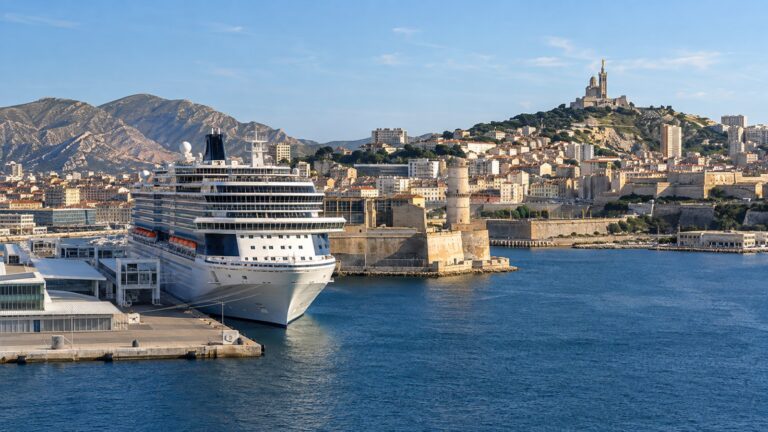
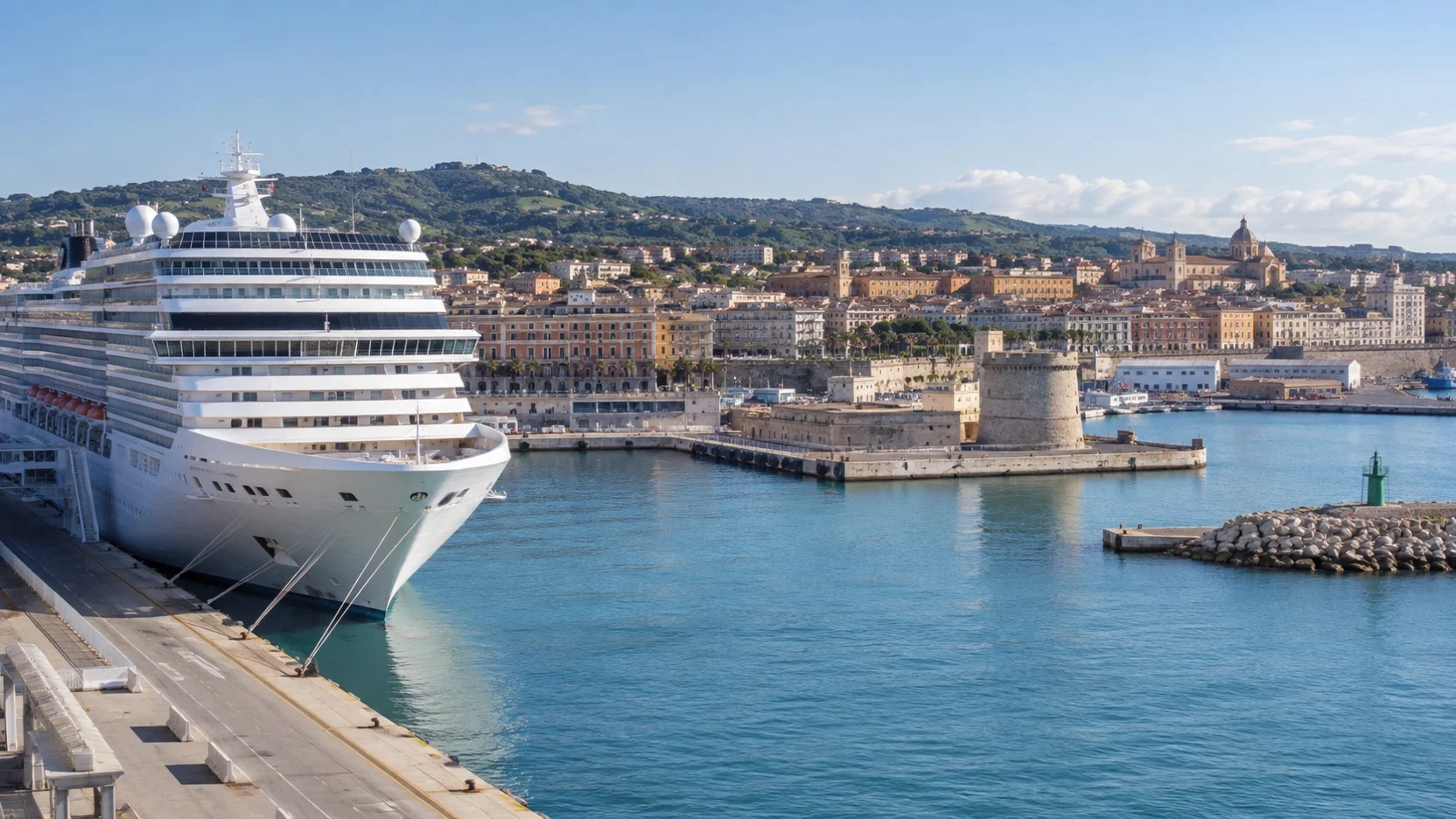
This is the classic first-timer region, and most of its marquee ports are walk-off docks. The one big exception to watch is the Rome port, which is nowhere near Rome.
Barcelona, Spain: most cruise ships use Moll Adossat, which is too far and too industrial for a sensible walk into town. Use the port shuttle or a taxi toward the World Trade Center and La Rambla, then follow my Barcelona cruise port guide for the return chain.
Civitavecchia, Italy (for Rome): ships dock here, but Rome itself sits about 50 miles inland, and the practical rail link is Trenitalia’s FL5 regional route between Civitavecchia and Rome. My Rome cruise port guide covers getting in and back with time to spare.
Naples, Italy: ships dock at the central Stazione Marittima, so you can walk straight into the city, and it is the classic launch point for Pompeii and the Amalfi Coast. Leave a firm buffer if you head down the coast.
Lisbon, Portugal: the Lisbon Cruise Terminal sits at Santa Apolonia, an easy walk from the Alfama district and the historic center. It is one of the more walkable Atlantic-gateway ports.
Adriatic and Greece
This region mixes dramatic dock arrivals with the continent’s best-known tender port. For a wider island roundup, see my Greek cruise ports overview.
Piraeus, Greece (for Athens): ships dock at the busy port of Piraeus, roughly 6 miles from the Acropolis, with a metro line running straight into the center. Start with my Athens cruise port guide.
Santorini, Greece: this is the classic tender port, with ships anchoring in the caldera and tendering you to the Old Port below Fira, where a cable car lifts you up the cliff. Expect lines on busy days, so build in extra time.
Dubrovnik, Croatia: ships dock at Gruz, the Port of Dubrovnik, about 2 miles from the walled Old Town by bus or taxi. It is a dock port, not a tender port.
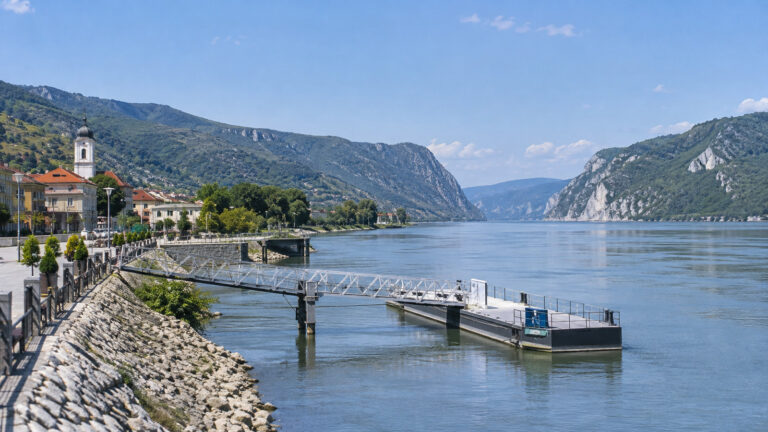
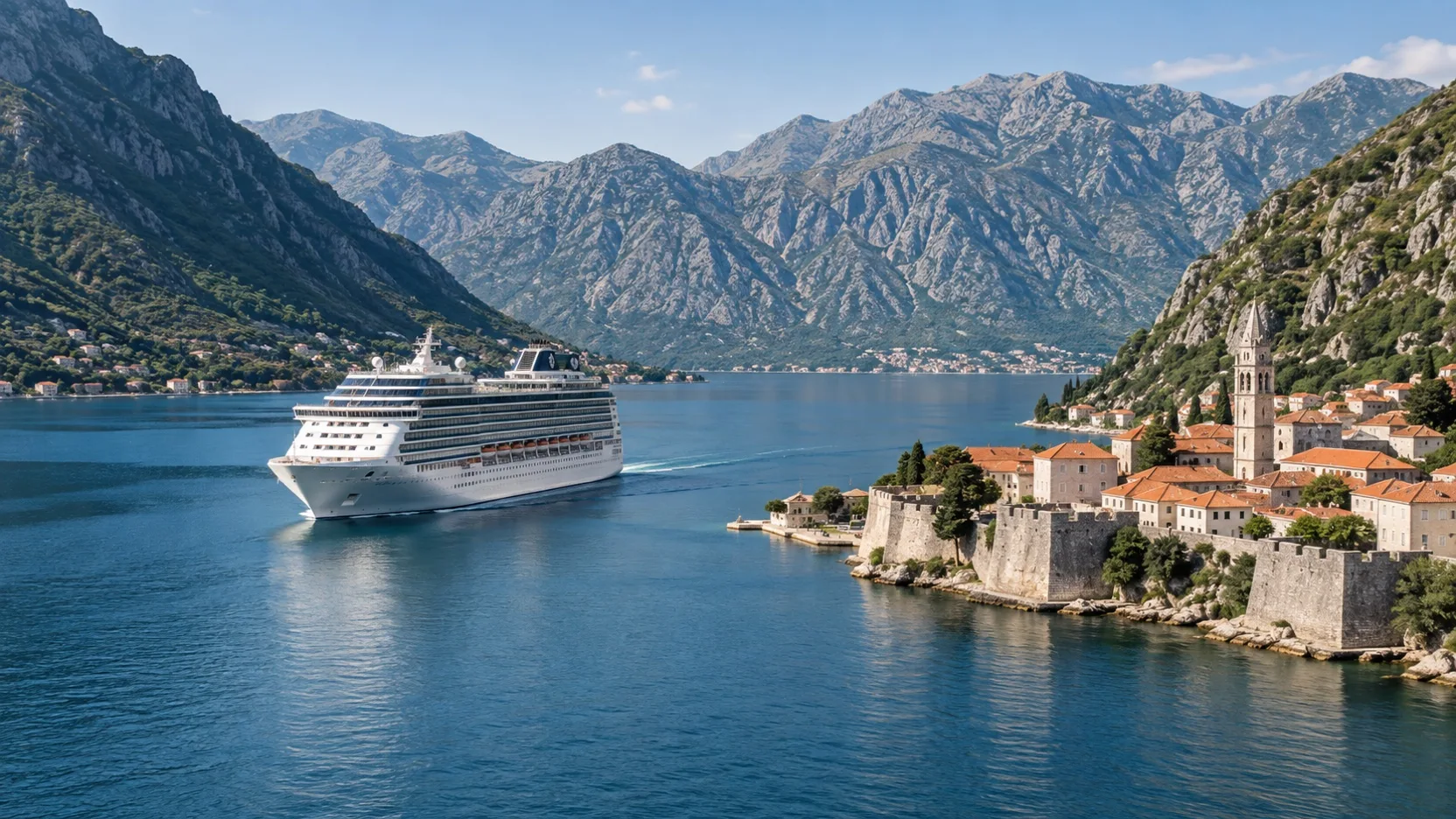
Kotor, Montenegro: ships either berth at the small town quay or anchor and tender, depending on the vessel and berth schedule. Both arrivals put you close to the Old Town, but a tender call needs more return time.
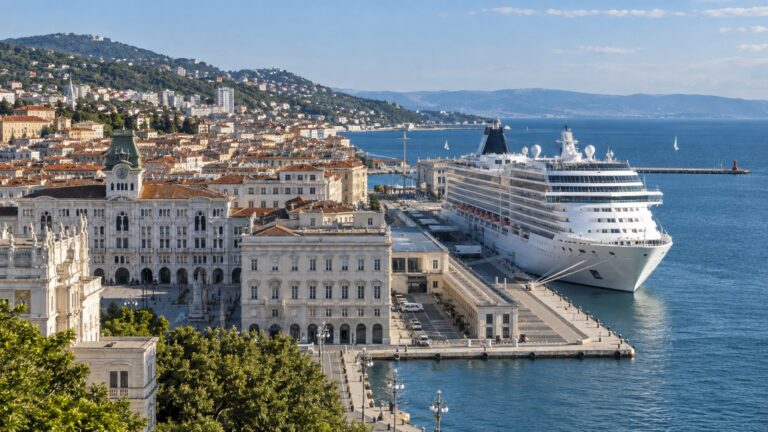
Venice, Italy: the historic-center label can mean Marghera or Fusina, and some lines use Ravenna or Trieste as a separate gateway. Read the terminal name, not just “Venice,” because the transfer can range from a port shuttle to a journey of well over an hour.
Northern Europe and the Baltic
This region ranges from Baltic capitals with urban docks to exposed North Atlantic anchorages and Norwegian fjord villages. A country name alone tells you very little about the arrival, so check the berth for each call.
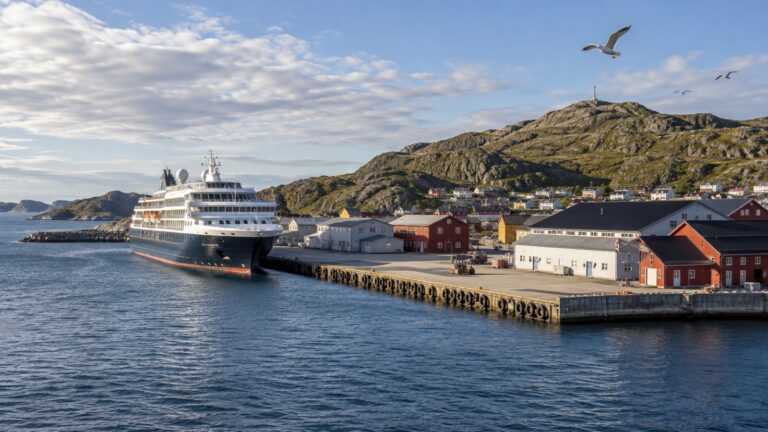
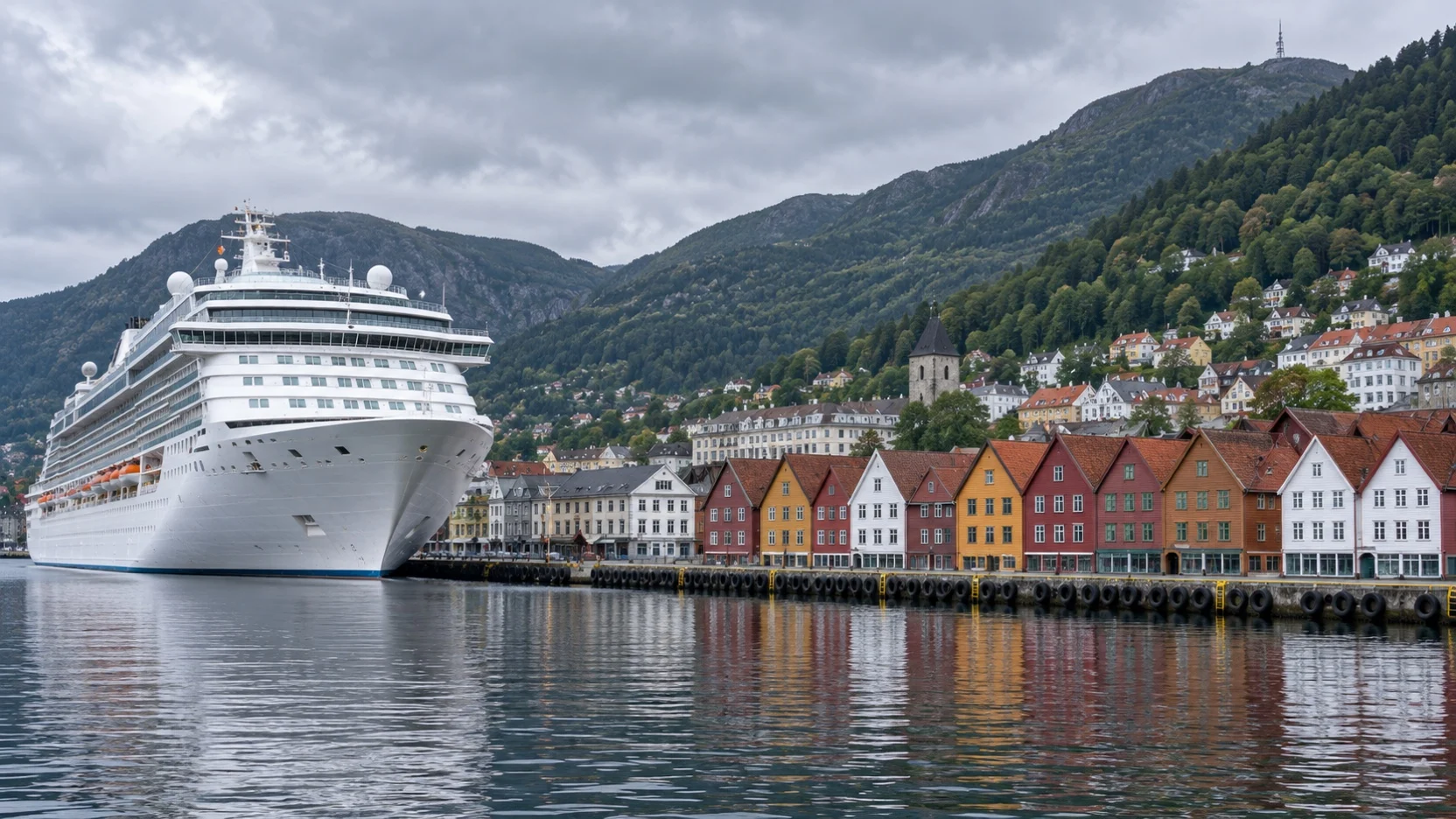
Norwegian fjords: Bergen has several central berths, while places such as Geiranger may use a sea walk or tender depending on the call. Choose this region for scenery and short local transfers, but expect wind, low cloud, and berth assignments to change the practical day.
Copenhagen, Denmark: large ships dock at Oceankaj, about 2.5 miles north of the center, while smaller ships use Langelinie near the Little Mermaid. My Copenhagen cruise port guide sorts out the transport.
Tallinn, Estonia: ships dock at the Old City Harbour, a walkable 15 minutes from one of Europe’s best-preserved medieval Old Towns. It is a dock port with an easy stroll in.
Bergen, Norway: ships dock at central quays within walking distance of the Bryggen wharf, and the city is the main gateway to the Norwegian fjords. It is a dock port right in the heart of town.
Reykjavik, Iceland: larger ships normally use Skarfabakki, about 3 miles from the center, while smaller vessels may use the more central Old Harbor. Iceland is best for a prebooked countryside loop, but road weather and long driving distances make a ship tour or flexible local operator worth the premium.
British Isles
Southampton, England: this is a major homeport with four cruise terminals, and ships dock rather than tender. London is about 80 miles away, roughly 90 minutes by train, so see my Southampton cruise port guide.
British Isles itineraries mix city docks such as Liverpool with gateway ports such as Southampton and Dover, plus occasional tenders at smaller islands. Pick them for history and scenery rather than guaranteed sunshine, and keep a rain layer handy even in summer.
How I would plan the timing
For a four- to six-hour call, stay in the port city unless the main sight is very close. With eight to ten hours, choose one inland objective and book every link in the transport chain before adding a second attraction.
For an independent rail day to Rome or another distant city, aim to be back in the port area at least 90 minutes before all aboard and leave room for a canceled train. At a tender port, join the return line earlier because the published all-aboard time is not the time to reach the pier.
Accessibility and weather
An alongside berth does not guarantee an accessible route because terminals, shuttle buses, cobblestones, and steep old towns can add barriers. Ask the line for the exact berth and whether any mandatory shuttle takes your wheelchair or mobility scooter.
Mediterranean heat and crowds peak in July and August, while wind can disrupt Greek tenders and North Atlantic weather can alter Iceland or British Isles calls. Spring and fall are cooler, but shorter daylight and seasonal attraction hours need checking.
Quick answers
- Which European ports still tender?
Santorini is the classic tender port, and some smaller Greek isles do too. Most major ports on this page are walk-off docks. - Does a “Rome” or “Athens” cruise stop in the city?
No. Rome is served by Civitavecchia about 50 miles away, and Athens is served by Piraeus about 6 miles from the center. - When is the best time to cruise Europe?
Late spring to early autumn brings the warmest, longest days. Shoulder months trade a little weather for thinner crowds.


How this guide was researched: Berths, transport links, and regional logistics were checked in September 2026 against official port and transit sources linked above. Schedules and assignments change, so verify the terminal and daily program and see our Editorial Policy.