Salaverry Cruise Port Guide: Trujillo, Chan Chan and Huanchaco
Salaverry is the cruise gateway to Trujillo, Chan Chan, the Moche temples, and Huanchaco on Peru’s northern coast. The port itself is not the destination, so a good day begins with reliable transportation and a deliberate choice between archaeology, colonial Trujillo, and the ocean.
My quick take on Salaverry
This is an archaeology port with a beach-town finish. I would spend the morning at Chan Chan or the Moche temple complex, then use Huanchaco for lunch and the visual connection between ancient reed boats and living coastal traditions.
Salaverry fits naturally into a longer Pacific itinerary. My South America cruise ports guide helps compare its desert archaeology with the urban and mountain gateways farther down the coast.
Why Chan Chan and Huanchaco pair well
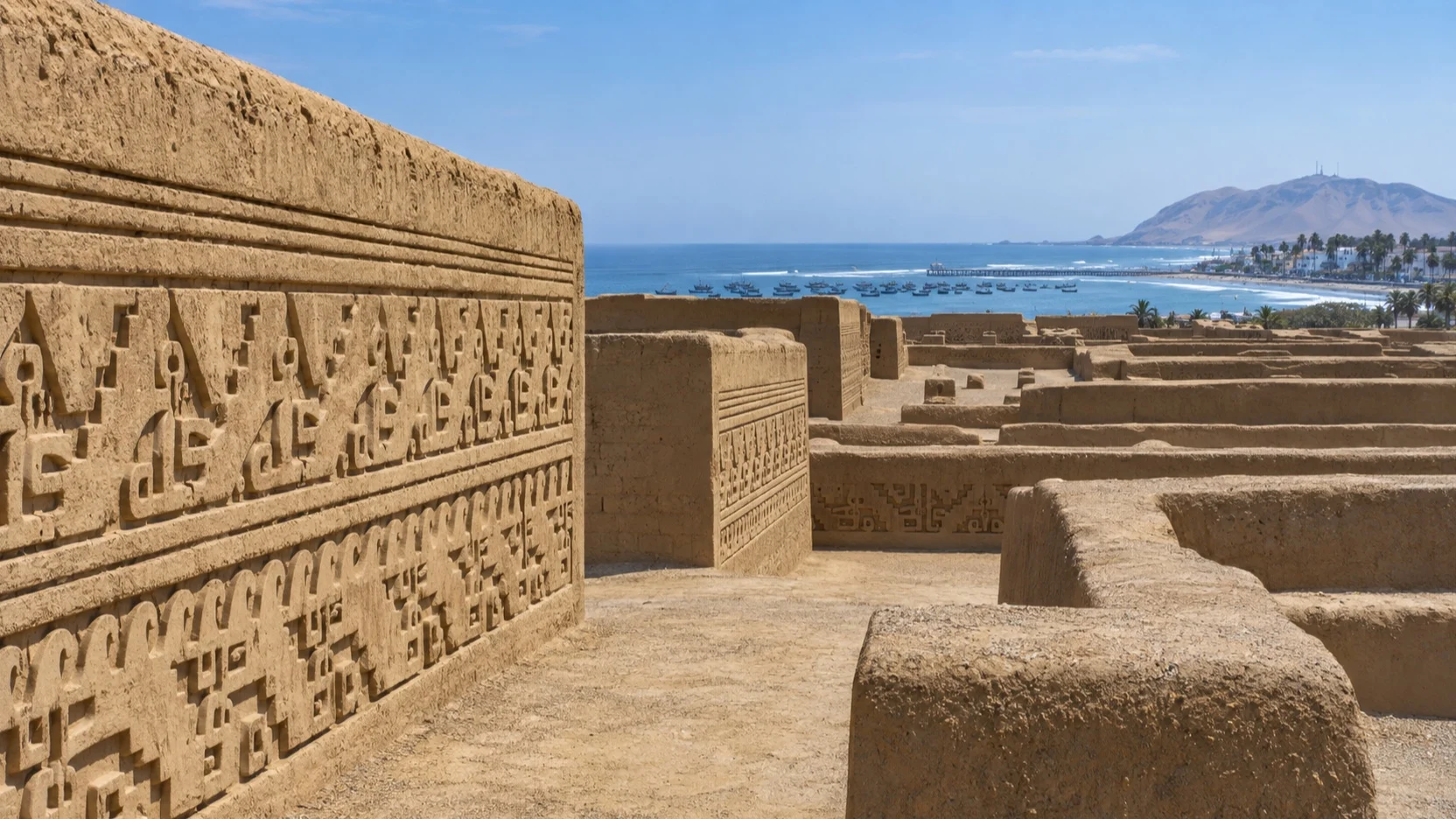
Chan Chan explains the scale and organization of the Chimú capital, while Huanchaco shows how reed-watercraft traditions remain visible on the same coast. Pairing them creates a coherent day and keeps the route tighter than adding every major site around Trujillo.
The archaeological compounds are exposed, dusty, and sensitive to rain and conservation work. Verify the open circuit and ticket conditions with Peru’s Ministry of Culture, then bring sun protection and follow every closed-area sign.
Caballitos de totora are working and cultural craft, not casual rental equipment. Photograph respectfully, use a licensed activity provider for anything on the water, and save Huanchaco for lunch and atmosphere if the Pacific is rough.
Quick Facts
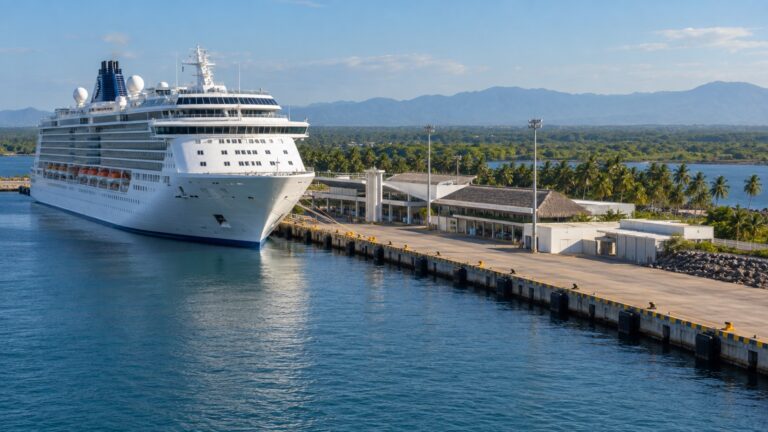
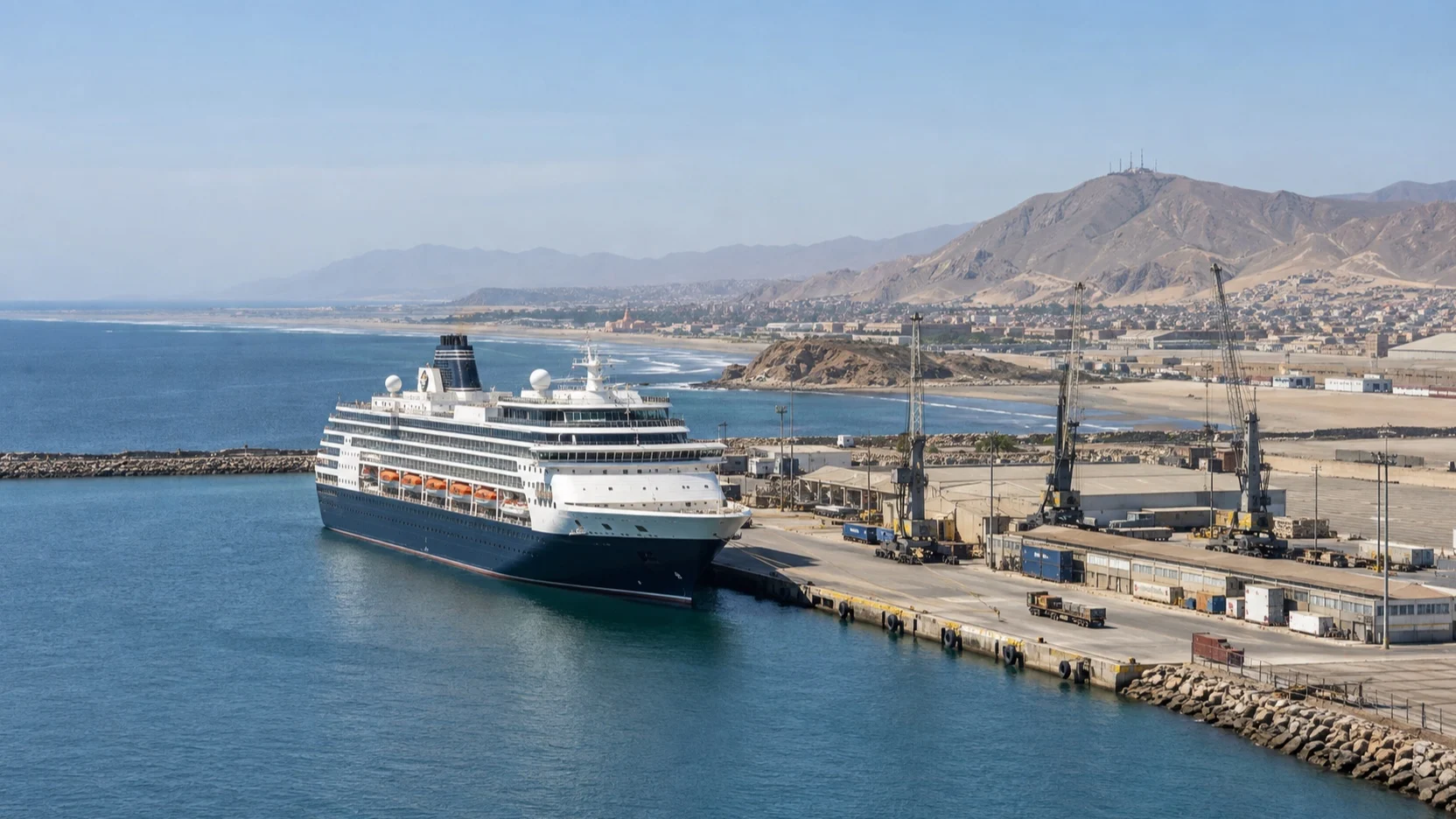
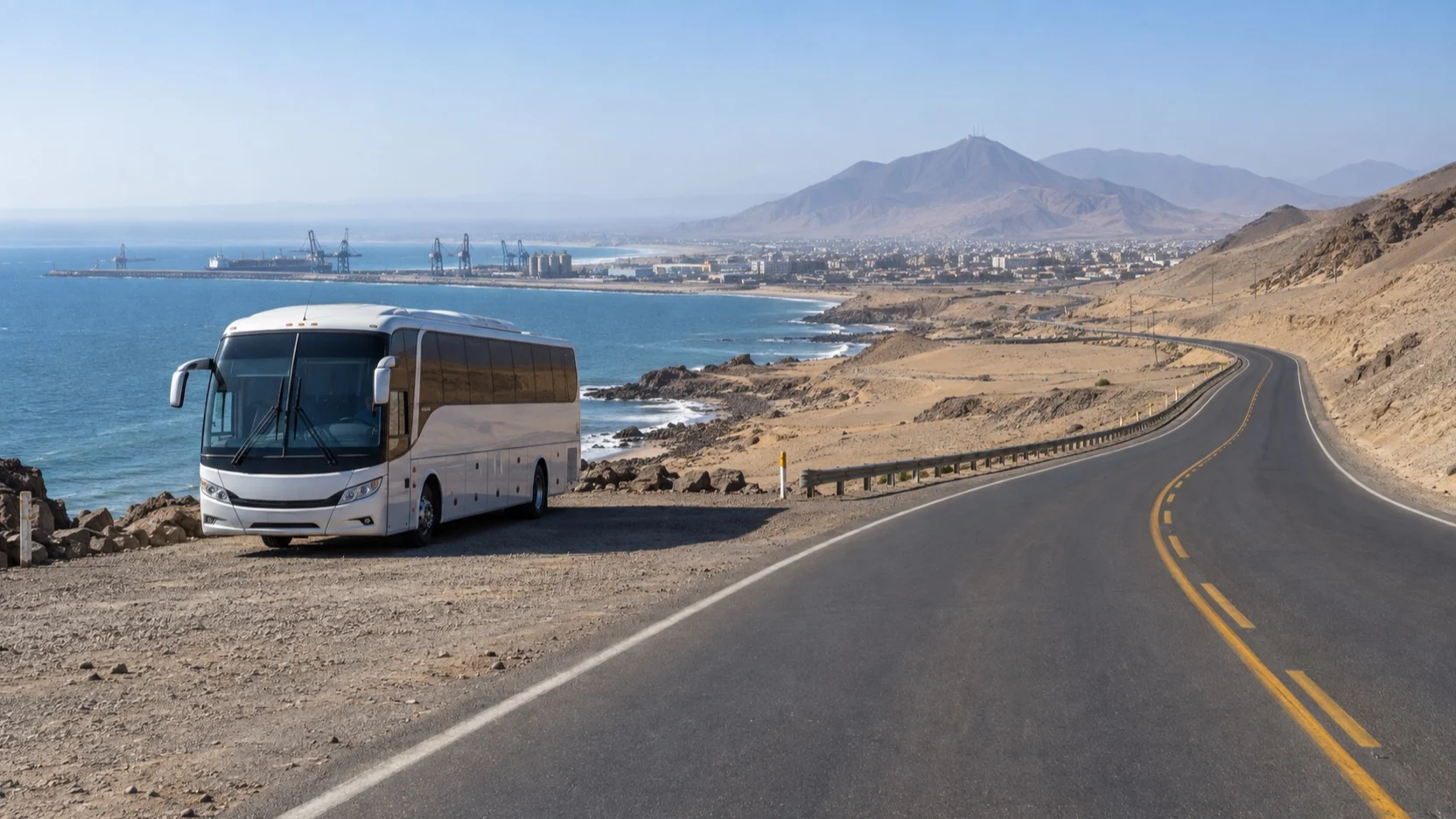
- Where you land: the multipurpose berth inside Salaverry’s breakwater, an industrial cargo port about 10.5 miles, roughly 30 minutes, from central Trujillo. There is no cruise terminal in any meaningful sense, and the port town itself is not the destination. Peru’s official Trujillo tourism page is the useful reference for the region.
- Dock or tender: Ships berth alongside behind the breakwater, sharing the port with cargo operations.
- Into town: You will need a vehicle.
- Currency and language: The Peruvian sol (PEN, S/) and Spanish.
- Time zone: Peru Time (PET, UTC−5).
- Operational caution: Swell or rough seas can affect port access, so follow the ship’s current notices.
Leaving the port
Salaverry handles cargo as well as cruise calls, so the walk from berth to gate may be restricted. Follow the ship’s instructions for shuttles, excursion buses, independent pickup points, and the exact location where you must return.
Trujillo and the major sites require a drive, which means a comfortable buffer matters more than squeezing in one extra stop. I would photograph the port contact information and all-aboard time before boarding any vehicle.
Getting around
The easiest approach is one vehicle for the entire day. A driver or organized excursion can connect the port, Chan Chan, central Trujillo, and Huanchaco without repeated fare negotiations or uncertainty about finding a return taxi.
Distances appear manageable, but traffic, entrance procedures, and guided-site pacing consume time. Confirm whether admission and a licensed guide are included because an archaeological visit without context can become a hot walk past walls you do not understand.
If Peru is followed by northern Chile, my Arica cruise port guide shows how another desert port combines archaeology, coastal scenery, and an unusually walkable center.
The stops I’d actually spend time on
Chan Chan Archaeological Zone
Chan Chan was the capital of the Chimú Kingdom and the largest earthen city in pre-Columbian America. The UNESCO World Heritage Centre explains its nine palace-like compounds, water systems, decorated walls, and ongoing vulnerability to climate and erosion.
Go with a guide who can explain why marine imagery appears in a desert city and how the spaces controlled movement. Bring water, sun protection, and patience, since the visual power comes from scale and repeated details rather than one towering monument.
Huaca de la Luna and Huaca del Sol
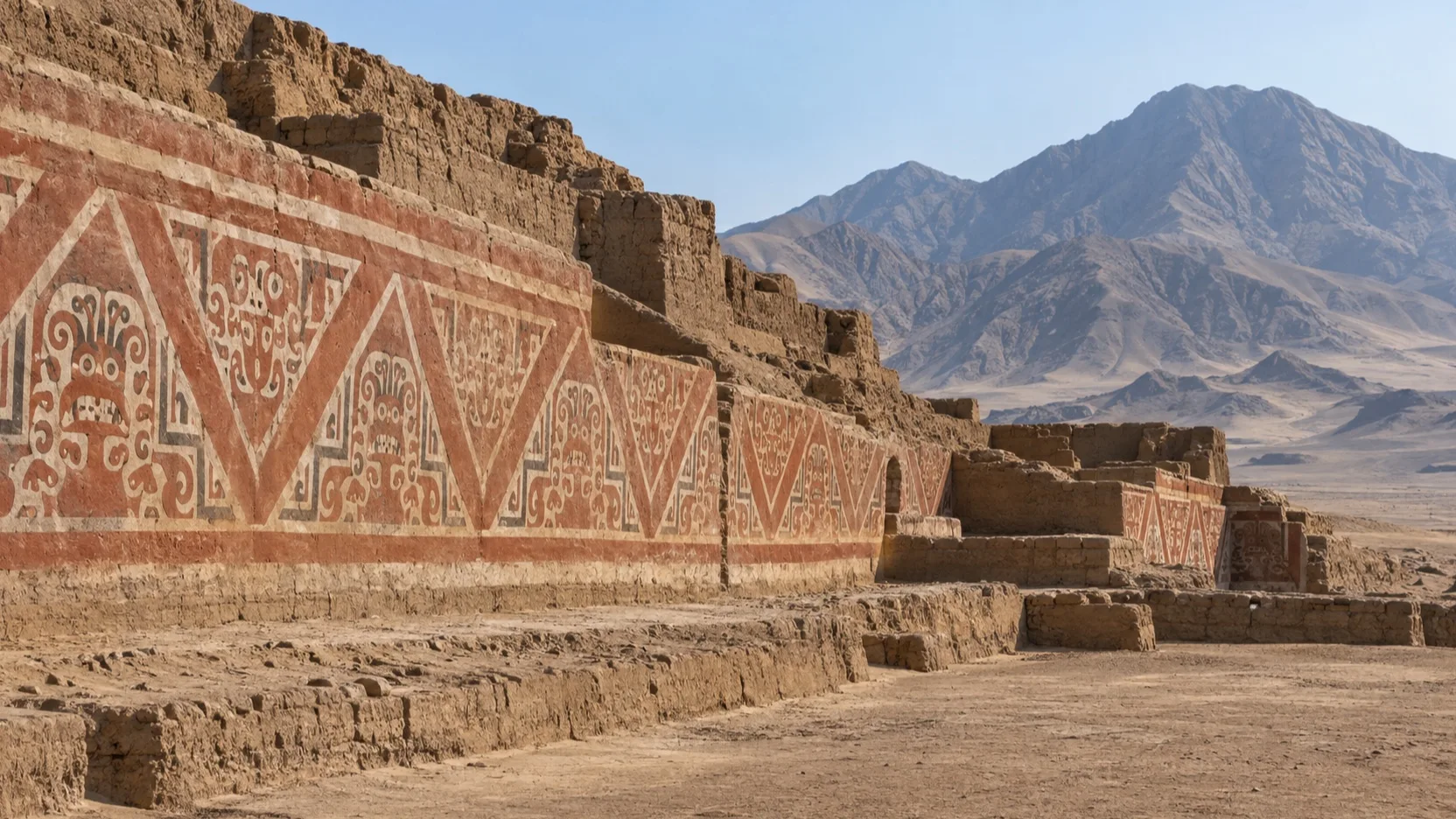
The Moche temple complex lies near Cerro Blanco outside Trujillo. Huaca de la Luna is known for layered ceremonial architecture and surviving painted reliefs, while the much larger Huaca del Sol remains less fully excavated.
This site feels different from Chan Chan because color and ritual imagery play a larger role. If archaeology is your main interest, combining both creates a stronger day than trying to add every colonial and beach attraction.
Trujillo historic center
Trujillo’s central plaza is framed by colorful colonial buildings, churches, and civic architecture. It is the best place to add a comfortable city walk, a café break, and a view of modern northern Peru after several hours in exposed ruins.
Keep the visit focused around the central streets unless your driver recommends a wider route. City traffic can become the least memorable part of the day if you cross town repeatedly.
Huanchaco
Huanchaco is a coastal town known for surfing, seafood, and caballitos de totora lined along the shore. These reed craft are not decorative inventions for cruise passengers, but part of a coastal tradition with deep archaeological roots.
The beach can be busy and Pacific water can be cool, so come for lunch and atmosphere before treating Huanchaco as a tropical swim stop. Use current lifeguard and local advice before entering the water.
El Brujo and the Lady of Cao
The El Brujo archaeological complex is farther from the port and requires a more dedicated excursion. The Museo Cao presents the discovery and interpretation of the Lady of Cao, an elite Moche woman whose burial transformed assumptions about power and gender.
Choose El Brujo when it is the headline, not an extra stop. The drive and museum deserve enough time that rushing through the complex would defeat the point.
Museums and regional context
Trujillo’s museums help connect objects, ceramics, textiles, and political history to the landscapes visited outside the city. Peru’s official tourism information for Trujillo is a useful starting point for current attractions and destination planning.
Museum schedules and names can change, so verify the exact institution before arrival. I would choose one museum only if it directly supports the archaeological site already in the plan.
How I’d plan the day
The classic archaeology day: Travel directly to Chan Chan with a guide, continue to Huanchaco for ceviche and the reed boats, then finish with a short Trujillo center walk. This matches the region’s strongest combination of history, living culture, and food.
The Moche-focused day: Visit Huaca de la Luna in the morning, add a museum or central Trujillo stop, and use the afternoon for Huanchaco. Do not force Chan Chan into the same plan unless the port call is long and transport is private.
The El Brujo day: Book a dedicated excursion to the Lady of Cao site, then add one brief stop on the return route. Protect the return buffer because this option takes you farther from the ship.
For another port where transport choices shape the entire day, my Cartagena cruise port guide explains how I prioritize a historic core without wasting hours moving between distant attractions.
Food I would seek out
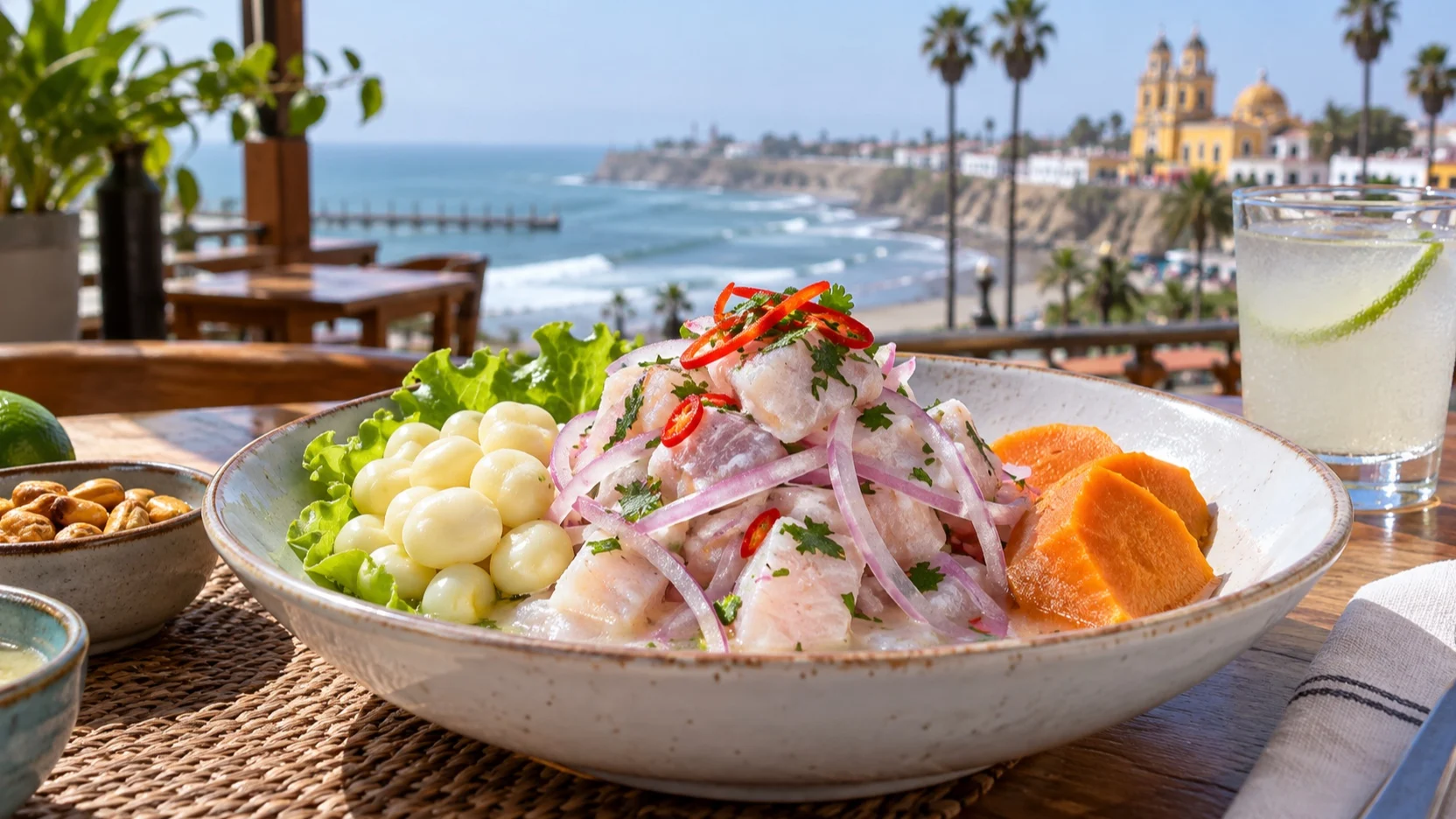
Ceviche is the obvious choice near Huanchaco, where freshness and turnover matter more than elaborate décor. Ask what fish was prepared that day, choose a busy restaurant, and expect lime, chile, onion, sweet potato, corn, and regional variations rather than one universal recipe.
Other northern dishes may include shambar, cabrito, seafood soups, and rice dishes. I would ask the driver or guide where they would take family, then confirm hygiene, timing, and the distance back to the planned route.
What I would book ahead
Book a licensed guide and vehicle before arrival if Chan Chan or the Moche temples matter to you. Request the exact site sequence, entrance inclusions, walking requirements, meal timing, and return commitment in writing.
Independent travelers should download offline maps and save the driver’s contact details. The port is not a place where I would rely on finding a last-minute rideshare after a long lunch by the water.
A realistic word on safety
Use the ship’s approved meeting areas and reputable transportation, especially outside central Trujillo. Keep phones and jewelry discreet, avoid isolated streets, and listen when local guides recommend changing a route.
Do not carry archaeological fragments, remove material, or climb restricted structures. Fragile earthen sites survive only when visitors stay within marked paths and respect conservation barriers.
Accessibility
The industrial port, bus steps, exposed archaeological paths, sand, and uneven surfaces create challenges for mobility devices. Ask the operator about vehicle lifts, walking distances, accessible restrooms, shade, and whether the guide can adapt the route.
Chan Chan includes broad, relatively level areas, but surfaces may be compacted earth rather than smooth pavement. Huanchaco adds curbs and sand, while smaller archaeological complexes may have steps with limited alternatives.
Weather and what to pack
Northern Peru’s coast is dry, and clouds can disguise the strength of the sun. Carry water, sunscreen, a hat with a secure brim, comfortable closed shoes, and a light layer for a cool Pacific breeze.
Dust and glare are part of the landscape, so sunglasses and a small lens cloth are surprisingly useful. Protect food and electronics from fine sand when the afternoon wind rises.
Tickets, closures, and a realistic route
Chan Chan and the Huacas de Moche operate under official archaeological-site rules, with circuits, hours, and closures subject to conservation needs. Check Peru’s Ministry of Culture listings shortly before arrival and do not rely on a tour reseller’s cached schedule.
Chan Chan plus Huanchaco is the cleanest first route; Huaca de la Luna can replace Chan Chan for travelers more interested in Moche murals and excavation context. El Brujo is farther away, so it belongs on a dedicated excursion with a written return time rather than as an extra stop.
Adobe sites are vulnerable to unusual rain and El Niño events, and exposed paths offer limited shade. Bring water and sun protection, and ask about ramps, rest areas, and the open visitor circuit if mobility is limited.
Quick answers
Can I walk from Salaverry port to the attractions?
No practical sightseeing plan begins on foot from the industrial port. Use the cruise shuttle, organized excursion, approved taxi, or a prearranged driver.
Should I choose Chan Chan or Huaca de la Luna?
Choose Chan Chan for enormous urban scale and Chimú design, or Huaca de la Luna for Moche ritual art and surviving color. A long private tour may combine both, but one site with a strong guide is better than two rushed visits.
Is Huanchaco worth adding?
Yes, particularly for seafood, surfing atmosphere, and the caballitos de totora. It creates a relaxed finish after the heat and concentration of an archaeological morning.
How much time should I keep for the return?
Use the operator’s local recommendation and add a conservative buffer for traffic and port security. My San Antonio cruise port guide applies the same rule to another working Pacific port.
What is the one thing not to miss?
For a first visit, I would choose Chan Chan with a knowledgeable guide. The scale, marine reliefs, and earthen architecture are what make Salaverry different from every other stop on the itinerary.
How this guide was researched: Port access, transportation, attraction rules, safety guidance, and accessibility notes were checked against current official sources on September 10, 2026, including Peru’s Ministry of Culture, port guidance, and official tourism information. Details can change by sailing and operating day, so confirm reservations and ship instructions before leaving the gangway; see our Editorial Policy.