When a Transit Day Pass Beats the Ship Shuttle
The excursion desk sells you a shuttle to one drop point and back. The city’s own transit system sells a day pass that goes everywhere, usually for less, and nobody on the ship is going to mention it.
My quick take
A ship shuttle is a bus with a markup and a very short route map. You pay per person, often in each direction, and it puts you at one spot that somebody else chose.
A local day pass usually costs about what one shuttle seat costs and buys you the entire network until midnight. I sort out which pass I want before I sail, and I only pay for the shuttle when the terminal is a place you genuinely cannot walk out of.

The quick facts
- The usual math: One city day pass tends to cost less than one round trip on the ship shuttle.
- What you get: The pass moves you all day, while the shuttle runs between two fixed points.
- The catch: Plenty of cruise terminals sell no transit tickets at all, so buying in advance matters.
- Validation: In much of Europe a paper ticket is worthless until you stamp it, and inspectors do not accept excuses.
- When to skip it: Secured industrial berths with no stop outside the gate are shuttle territory, full stop.
What the shuttle is actually selling you
Ship shuttles price one of two ways. Either a flat fee per person in each direction, or a single all day price that lets you ride back and forth as often as you like.
Either version sells you a route, not a city. The bus goes to one square, waits, and comes back to the pier.
That is worth real money when the alternative is a mile of container yard. It is worth nothing the moment there is a station a few hundred yards (a few hundred meters) outside the gate, which is why my roundup of ports you can reach a real city from by train doubles as a list of places where the shuttle is optional.
Barcelona is where the math stops being subtle
Barcelona puts most big ships at the far end of a long working mole. A port shuttle runs from those terminals down to the bottom of La Rambla, priced per person, and it exists because walking out is not a realistic option.
What matters is what you do once it drops you. The city sells a travel card that runs for a set number of hours from your first validation and covers the metro, city buses, trams and the central zone of the commuter rail.
So the honest comparison is not shuttle versus transit. It is the port shuttle plus one single ride ticket versus the port shuttle plus a pass, and my Barcelona cruise port guide covers which berth you are likely to get.
Validate your ticket or pay a fine you will remember
In a lot of European systems the ticket you bought is not yet a ticket. It becomes one when you feed it into a small machine at the platform entrance or just inside the door of the bus, which stamps it with the time.
Inspectors are not interested in your reasoning. An unstamped ticket counts as no ticket, and the on the spot penalty runs many times the fare.
Italy, Greece, Portugal, Poland and much of central Europe all work some version of this. If there is a little box by the door with an arrow on it, assume it is for you.
The tap and go ports where the ticket machine is optional
A growing set of cities let you tap a contactless credit card or a phone straight onto the reader with no ticket, no app and no account. The system works out what you owe once the day closes and charges you a single time.
Sydney, Singapore, Vancouver and Seattle all run a version of this, and it makes for the lowest stress port day going. You never stand in a line and you never guess which ticket you need.
One rule carries the whole thing. Tap the same card every time, because the daily cap only counts trips on one card, and using your phone in the morning and the plastic card after lunch can split a capped day into two full fares.
Buying before you dock is most of the trick
This is the part that catches people out. A large number of cruise terminals sell no transit tickets, have no machine, and have nobody at the desk who knows how the local system works.
If the terminal is a shed on a working quay, assume you get nothing there. That leaves buying online before you sail, loading the app while you still have decent internet, or paying for a taxi to the first real station.
The fourth option is a contactless bank card, which needs no purchase at all. That is why the tap and go cities are the easy ones.
Lisbon and Athens both want you to buy a card first
Lisbon runs on a thin reloadable card that you buy once, for a small fee, and then top up. Onto it you load either a stored value balance or a 24 hour pass that covers the metro along with the city buses and the famous trams.
The river ferries and the regional trains are a separate question, so check what your version covers. The card itself is sold at metro stations, not on the cruise quay.
Athens works the same way from Piraeus. The oldest metro line starts at the port and runs into the middle of the city, and the timed and day tickets come from machines inside that station rather than from anyone at the cruise berth.
In both cities the pier and the ticket machine are simply not in the same place. That gap is where a shuttle wins by default, not on merit.
Sometimes the transit system is a boat
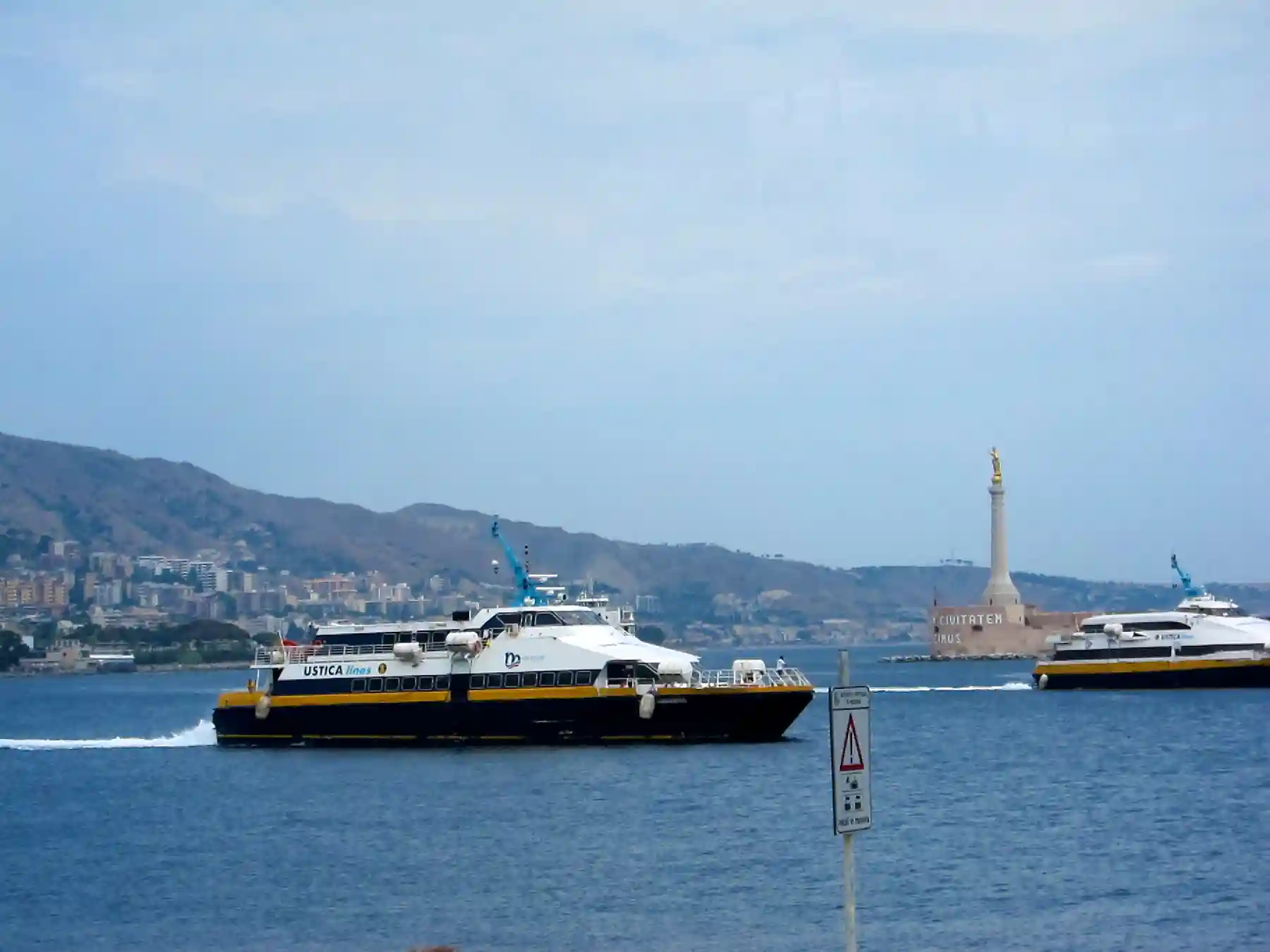
In several ports the best ride of the day costs the same as a bus and floats. Lisbon, Amsterdam, Stockholm, Copenhagen, Sydney and Vancouver all fold passenger boats into the ordinary fare system.
Sydney’s harbor ferries sit on the same card as the trains and buses, so a crossing with the Opera House sliding past the window costs what a bus ride costs. Vancouver’s harbor crossing is priced as a normal trip, and Seattle’s transit card reaches a water taxi as well as the light rail and the streetcar.
Amsterdam’s short ferries across the water behind the main station are free to walk onto. If a port day includes a public boat, take the boat.
Zones are the thing everybody gets wrong
A day pass is almost never a pass for the whole region. It covers a set of zones, and the airport, the beach town and the famous ruins an hour out are often in a different one.
Naples is the clean example of the trap. A city day ticket moves you around Naples perfectly well, but the suburban line that runs out toward the ruins is a different operator with its own tickets, so the pass in your pocket will not carry you there.
Vancouver has the friendlier version. Weekday fares are priced by how many zones you cross, but an all zone day pass exists and evening and weekend trips all drop to the single zone price, which quietly makes a Sunday call cheaper than a Tuesday one.
If the sights you want are scattered across zones, a pass is worth it. If they sit in one compact ring, a sightseeing bus may cover the same ground, and my guide to the best cruise ports for hop on hop off buses sorts out which ports those are.
Apps are wonderful until the data is not
A lot of the world’s transit is now sold through an app, which is fine at home and much less fine when you have just stepped off a ship into a country where your phone plan does nothing. Buying a mobile ticket usually needs a live connection, and some systems want one again when you board.
Terminal Wi-Fi is not a plan. Ship Wi-Fi stops at the gangway, and the terminal network is shared with two thousand people who all want it at once.
So I buy before I lose signal. Load the app the night before, buy the actual ticket rather than just installing the software, and carry enough local cash to buy a paper ticket if the whole thing falls over.
Sydney, Vancouver and Seattle make this almost too easy
Sydney’s main cruise terminal sits on the harbor with a train station and a ferry wharf right beside it. One card covers trains, buses, the metro, light rail and ferries, and the system applies daily and weekly caps so a heavy day of riding stops costing more once you hit the ceiling.
Sydney’s second berth is across the water in an old industrial basin with far less at the gate, so check which one you get before you decide anything. Vancouver’s downtown terminal is more or less built on top of a transit station, which is close to cheating.
Seattle is the split case, with one pier a short walk from downtown and another a long way out with nothing useful nearby. In all three cities you can tap a contactless bank card, which removes the buying problem entirely.

Singapore, Tokyo and the Yokohama split
Singapore stopped selling single trip tickets years ago. You tap a contactless bank card, a phone or a local stored value card at the gate, and the fare is worked out by the distance you travel.
One Singapore cruise terminal sits directly beside a rail station and a large mall, and the other has no station at all and needs a short ride to reach one. That single difference decides the whole day.
Tokyo and Yokohama run on the same tap card logic, and the subway also sells a flat 24 hour ticket with 48 and 72 hour versions, though it covers the two subway operators rather than the separate rail network above ground. Yokohama’s central terminal is a walk from a station, while the big outer pier sits inside a working industrial zone where the shuttle is the only sane answer.
The ports where the shuttle genuinely wins
There is a real category here and it is not small. If the berth sits inside a secured industrial area, you are not allowed to walk out, and there is no transit stop on the safe side of the gate.
Container terminals, oil berths, naval quays and a few remote outer piers all land in this bucket. My roundup of the ports where the shuttle is not optional lists the repeat offenders.
In those places the shuttle is not a rip off, it is infrastructure. Pay for it, ride it to the drop point, and start your transit day from there if the city has a system worth using.
Accessibility, briefly and honestly
Transit is not automatically step free. Older European subway stations have stairs and nothing else, historic trams have a high step at the door, and the one elevator you were counting on is often the one under repair.
Buses tend to be the better bet, because low floor buses with ramps are now standard across most of these cities. A ship shuttle with a wheelchair ramp, where the line offers one, can be the more reliable choice on a day with a tight all aboard time.
My guide to planning a port day for someone who cannot walk far goes into this properly. The short version is to check the specific stations you plan to use, by name, rather than trusting a city’s reputation.
Quick answers
Is a transit day pass cheaper than the cruise ship shuttle?
For one person in a city with a real network, almost always, because the shuttle is priced per head and the pass is priced per day. The gap narrows for a family of four, but the pass still goes more places.
Can I buy a metro day pass at the cruise terminal?
At a lot of terminals you cannot, and that is the honest answer nobody gives you. Buy online, load the app before you lose signal, or plan to buy at the first station you reach.
Do I really have to validate my ticket in Europe?
Yes, in most countries that still sell paper tickets, and a fine is the standard result of forgetting. Stamp it at the platform or just inside the door before you sit down.
Does a transit day pass cover the airport?
Sometimes, and sometimes only with a surcharge or a bigger zone version of the same pass. Check the airport specifically before you buy, because it is the most common exception in any system.
Can I just tap my credit card on the bus?
In a growing list of cities yes, including Sydney, Singapore, Vancouver and Seattle, but it is still far from universal. Where it works, tap the same card for every trip so the daily cap actually applies.
Final word
The excursion desk is not lying to you about the shuttle. It is answering a narrower question than the one you have, which is how to spend eight hours in a city rather than how to reach one square.
Ten minutes on the local transit site before you sail is the highest return research you can do for a port day. Work out what the pass is called, what it covers, where you buy it and whether you have to stamp it, then stop thinking about transport.
How this guide was researched: Fare structures, pass durations, payment methods and terminal locations were checked against official transit and port information in September 2026. Fares, pass names, zone boundaries and contactless rollouts change every year, so confirm the current details for your own sailing date before you rely on them. See our Editorial Policy.
More on this topic: browse every guide on port logistics and timing.