You Missed the Cruise Ship. Now What? The Port Agent Playbook
If the gangway is up and your cruise ship has left, stop chasing guesses and start making verified calls. Find terminal security or the local port agent, contact the cruise line’s emergency number, and do not buy onward travel until the line confirms whether and where you may rejoin.
If anyone is injured, unsafe, detained, or missing, call local emergency services first. The port-agent playbook comes after immediate safety.
This will probably be expensive, but panic makes it worse. A calm first 15 minutes protects your documents, money, travel options, and chance of rejoining.

The quick facts
- First contact: ask terminal security for the ship’s local port agent and call the cruise line’s day-of-travel or emergency number.
- Do not self-route: the next scheduled port may not permit mid-cruise boarding, so obtain the cruise line’s approval before buying tickets.
- Passport: a passport book is needed for international air travel; a passport card is not enough to fly back to the United States.
- Belongings: crew may be able to leave essential items with the port agent, but this is not guaranteed and must be confirmed.
- Costs and insurance: assume you must pay an independent miss unless the cruise line or your policy administrator confirms assistance or coverage.
The first 15 minutes: do this in order
- Move to a safe place inside the terminal or near official port security.
- Ask for the local port agent representing your cruise line.
- Call the cruise line’s emergency or day-of-travel number from the daily program, app, cruise card, or final documents.
- Give your full name, ship, cabin, booking number, phone number, location, and the names of anyone still on board.
- Ask whether the vessel has departed, whether essential belongings were landed, and whether rejoining is legally and operationally possible.
- Write down the contact’s name, time, instructions, approved port, and any case number.
- Call the travel insurer’s assistance line before making expensive arrangements when safety allows.
Use official port staff, the cruise line, or the port agent rather than a stranger offering to solve the problem. Keep your phone charged and stay where the agent can find you.
All aboard is the deadline that matters
All aboard comes before the published sailing time, and the exact gap varies. Royal Caribbean currently says its all-aboard time is generally about 30 minutes before sailing and must be verified on board.
That same Royal Caribbean guidance says the ship will not wait for guests exploring independently. Other lines and ports set their own times, so photograph the gangway sign and check the ship’s app or daily program.
At a tender port, the last tender time may control when you must be at the landing. Our guide to how tendering changes time ashore explains why the shore deadline can feel much earlier than departure.
Find the port agent without wandering away
Cruise lines use local port representatives to coordinate vessel calls, and the agent can often connect terminal staff with the ship and line. Contact details may appear in the daily program, app, cruise card, or port-day handout.
If you do not have the number, ask terminal security, the port authority desk, or police to identify the agent for your specific ship. Confirm the company and ship name before sharing personal or payment information.
The agent may help relay instructions, locate belongings, translate, or identify transportation and hotels. The agent is not automatically responsible for paying your bills or guaranteeing entry at another port.
Call the cruise line before booking anything
The line must confirm whether you may rejoin, which port is approved, and what documents are required. A convenient flight to tomorrow’s stop is useless if authorities will not permit mid-cruise embarkation.
Norwegian Cruise Line’s published guidance says joining outside the scheduled embarkation port is generally not permitted, with emergency approval possible in limited cases. It also warns that cabotage rules such as the Passenger Vessel Services Act may affect some itineraries.
Ask for approval in writing by email or in the app when possible. Confirm the next port, terminal, arrival deadline, port-agent contact, immigration requirements, and what happens if the itinerary changes again.
What happens to passports, medication, and luggage
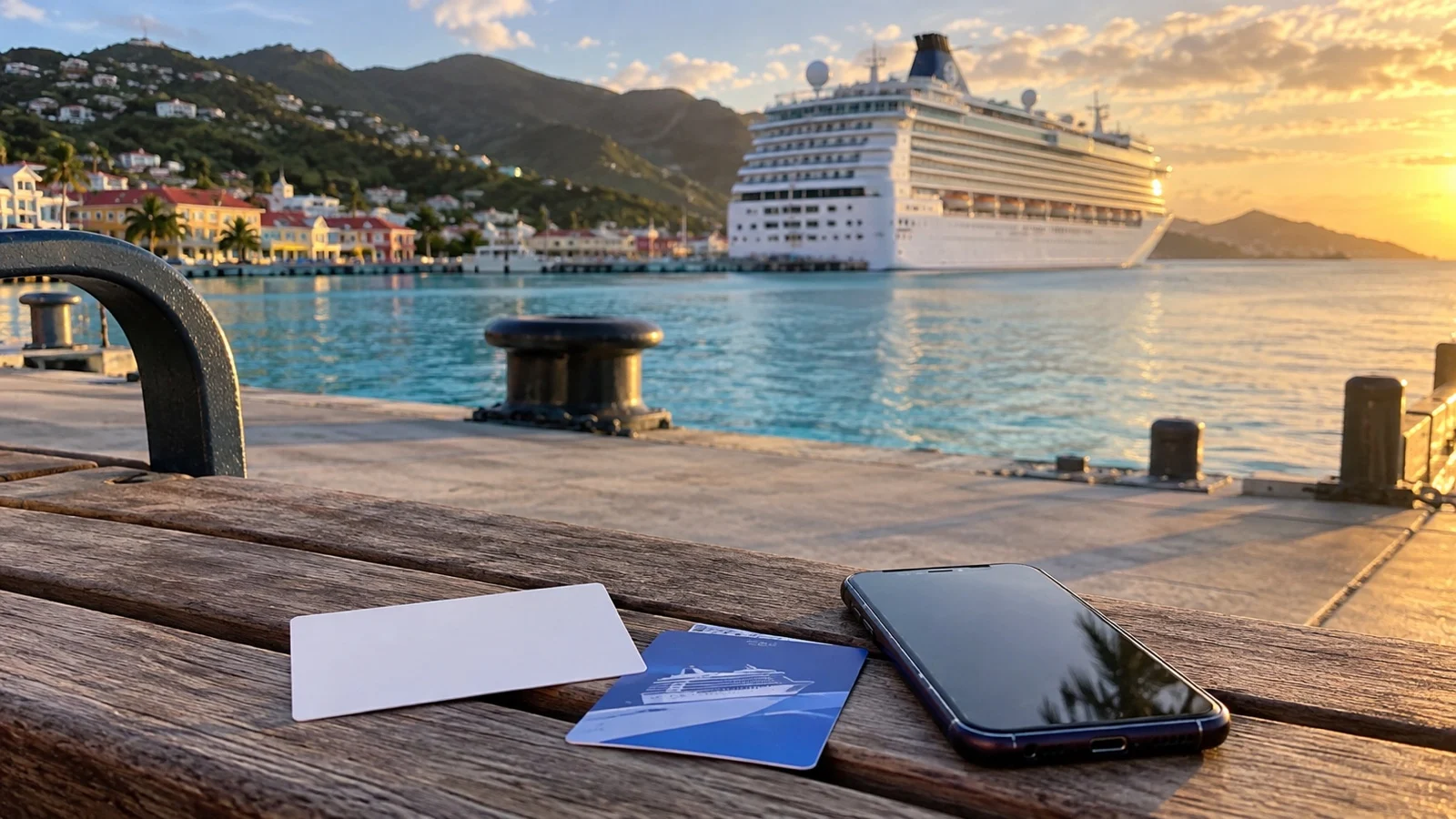
The ship may try to place essential items ashore with the port agent if staff have time, access, and authorization. Do not assume your passport, wallet, medication, or phone was removed from the cabin.
Ask the cruise line and agent to inventory anything left for you before traveling away from the terminal. Record the name of the person holding it and the exact collection location.
If belongings remain on board, ask how they will be handled if you rejoin or return home. Shipping, customs, storage, and courier costs depend on the line and country, so get the plan in writing.
A companion still on the ship should contact Guest Services rather than opening safes or packing medication without crew direction. The line may need to document custody and comply with security rules.
Passport book versus passport card
The United States Department of State strongly recommends that cruise passengers travel with a passport book and carry it in case they must fly home. A United States passport card can be used for certain sea entries, but it cannot be used for international air travel.
The same guidance recommends having the correct visas for every stop and writing down the nearest embassy or consulate contact. A photo or photocopy helps with replacement, but it is not a travel document.
Travelers of other nationalities should contact their own embassy or consulate and follow their passport authority’s rules. The cruise line cannot waive a country’s entry requirements.
If the passport is missing or stolen
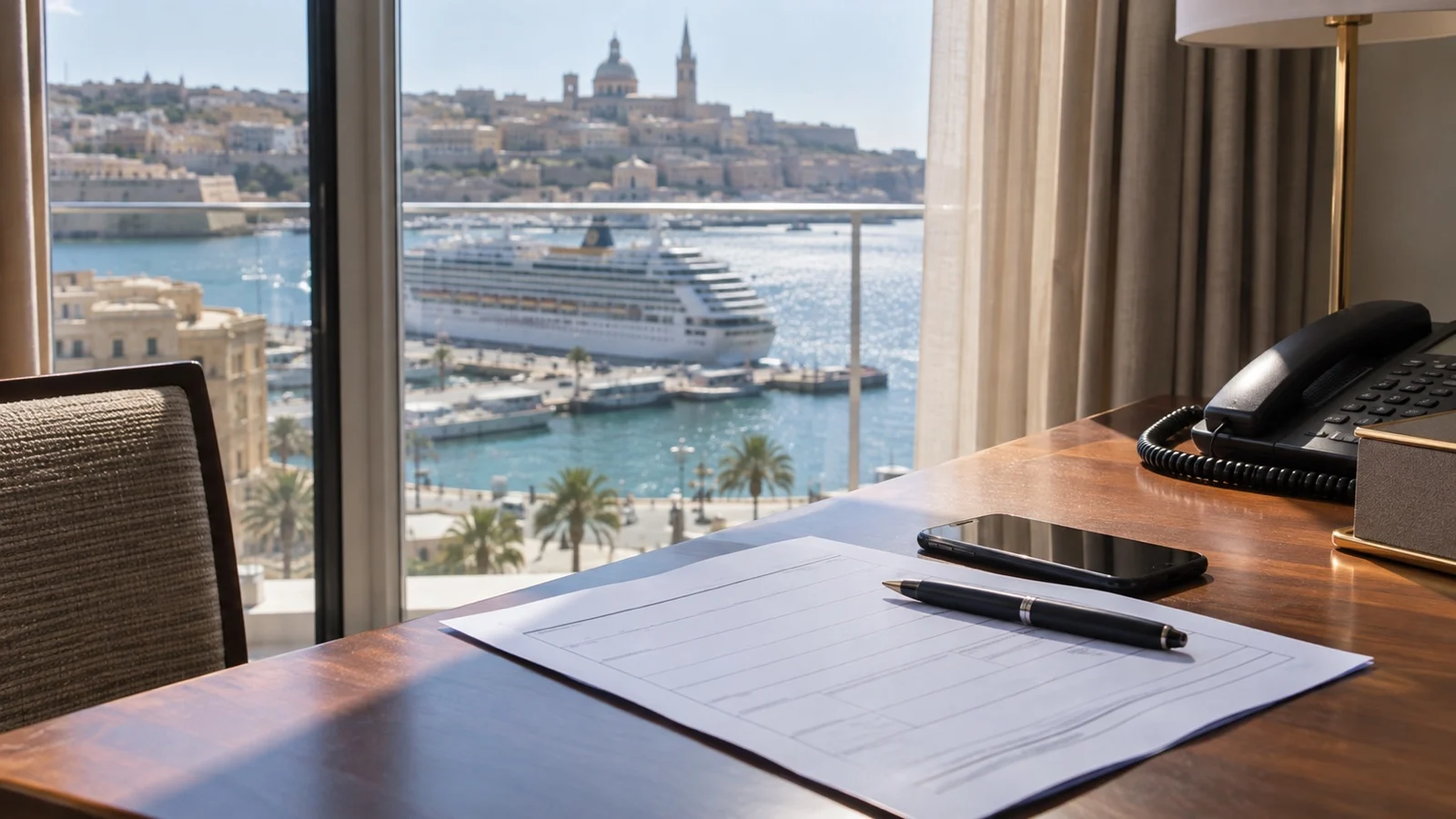
First confirm that the passport is not with the port agent or secured on the ship. If it is genuinely lost or stolen, report it promptly and contact the appropriate embassy or consulate.
The State Department’s replacement guidance says a United States citizen must appear at an embassy or consulate for a new passport. A limited-validity emergency passport may be available when there is not enough time for a regular passport, but timing is not guaranteed.
Most United States embassies and consulates do not issue passports on weekends or holidays, though after-hours duty officers handle life-or-death emergencies. A missed cruise by itself may not qualify for after-hours passport issuance.
For United States citizens who cannot reach the nearest post during an emergency, State Department emergency help lists 888-407-4747 from the United States or Canada and 202-501-4444 from elsewhere. Check the official page in case numbers change.
Can you rejoin at the next port?
Maybe, but only after the cruise line approves the plan. Immigration rules, visa status, cabotage laws, security clearance, the ship’s itinerary, and the next port’s facilities can all block mid-cruise boarding.
A sea day, a canceled call, or a distant island can make the next scheduled port impractical. Ask the line for a second option in case the first connection fails.
Do not travel to the next port merely because it appears in the original itinerary. The ship can change course while you are in transit.
If rejoining is approved
- Confirm the exact port, terminal, date, local time, and boarding deadline.
- Confirm every passport, visa, transit, health, and minor-travel document required for the route.
- Ask whether the port agent will meet you and save that person’s current phone number.
- Book a flexible route with enough time for immigration, baggage, and ground transport.
- Send the itinerary to the cruise line, port agent, travel insurer, and a trusted person at home.
- Keep every receipt and screenshot every written instruction.
- Recheck the ship’s itinerary before leaving for the airport or station.
Book directly with an airline or reputable provider when practical, and be wary of anyone demanding cash for a guaranteed reunion. No local fixer can override border or cruise-line permission.

Who pays?
For a port-of-call miss while traveling independently, plan to pay for hotels, meals, transportation, documents, and rejoining costs. NCL explicitly states that a guest who misses the ship is responsible for expenses incurred to rejoin it.
Other lines have their own contracts, and the facts matter. Do not promise a vendor, hotel, or airline that the cruise line will reimburse you unless the line confirms that in writing.
A delayed ship-sponsored excursion is handled differently from an independent day ashore, but the remedy depends on the line’s excursion terms and circumstances. Contact the ship’s emergency team and tour operator rather than arranging a costly chase on your own.
The guide to ship excursion, local tour, or DIY explains when the added coordination of a ship-run tour may justify the price.
Travel insurance may help, but do not assume
A policy may cover some rejoining or interruption costs only when the cause is listed as a covered reason. Losing track of time, ignoring all aboard, or taking an unapproved route may not qualify.
Call the insurer’s 24-hour assistance line before paying for new flights or hotels when it is safe to wait. Ask whether the policy requires the assistance team to arrange travel, preauthorize costs, or receive a report from the cruise line.
State Department insurance guidance notes that policies differ and recommends checking travel and lodging expenses, emergency cash, covered countries, and the availability of a 24-hour help line. The policy wording, exclusions, and benefits administrator control your claim.
Keep receipts, cancellation notices, call logs, new tickets, hotel invoices, and written cruise-line instructions. Document the cause of the delay because a receipt proves the cost, not why it happened.
If you have no money or safe place to stay
Tell the port agent and cruise line clearly that you need help locating safe lodging or transportation. They may identify reputable options even when they cannot pay.
Contact your bank or card issuer about emergency access to funds, and ask a trusted person at home to stay available. Do not hand over a passport as collateral to an unverified driver or hotel.
United States embassies can explain ways family or friends may send money and may offer limited emergency financial assistance in qualifying cases. Start with the official Help Abroad page rather than a number from an unsolicited message.
If someone in your party is still on the ship
Tell the cruise line exactly who is ashore and who remains aboard. Do not ask a child, dependent adult, or traveler needing assistance to disembark without an agreed safety plan.
The person aboard should go to Guest Services, keep their phone available, and follow crew instructions about the cabin and belongings. Both sides should use one lead contact to avoid conflicting arrangements.
If everyone is ashore, keep the group together unless official instructions require otherwise. Share the hotel and travel plan with the line before moving.
Missing the ship on day one is different
If the original embarkation ship has not sailed, call the cruise line immediately and follow its late-arrival instructions. Do not assume staff can hold check-in past the final boarding cutoff.
If it has sailed, the same permission problem applies: the line must approve any later embarkation. Your fare rules, airline arrangements, visas, and cruise contract will affect the available options and costs.
Contact the airline and insurer as well, but do not book a flight to a later port until the cruise line authorizes it. Mid-cruise boarding may be prohibited even when seats are available.
Tender ports and ship time
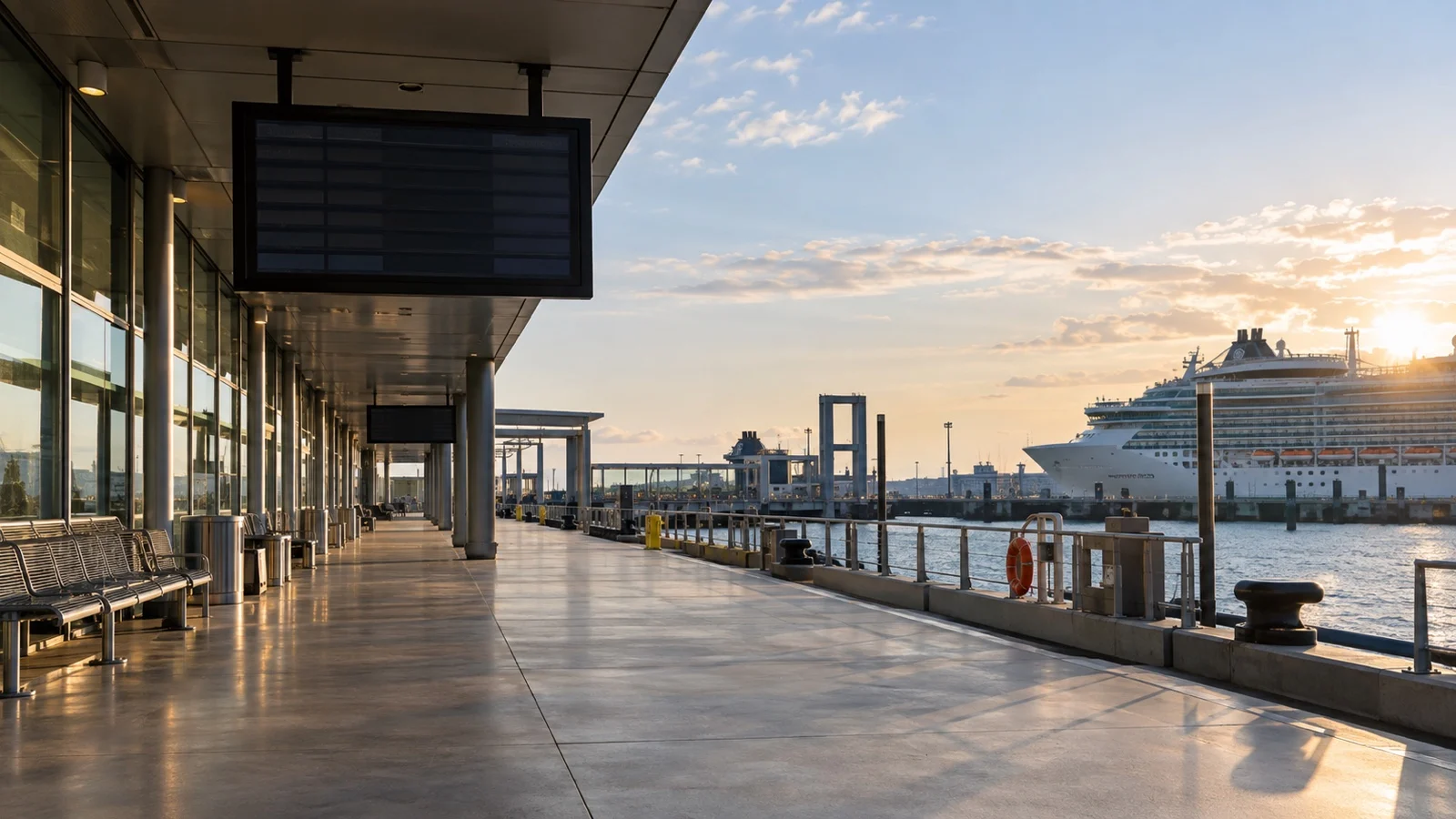
A tender day adds a boat ride between shore and ship, so the last tender time is the deadline to watch. Rough conditions, loading limits, and crowds can slow the return even when the distance looks tiny.
Ship time may differ from local time, and phones can change automatically when they find a network. Our guide to ship time versus local time explains how to set a reliable watch or alarm.
Use the time announced on board and displayed at the gangway. The guide to how early to return to the ship helps build a buffer for tenders, traffic, trains, and long tours.
A prevention kit that fits in one screenshot
- Photograph the all-aboard or last-tender sign every port day.
- Save the port-agent and cruise-line emergency contacts offline.
- Carry the passport book when required or advised, plus a separate copy.
- Carry one payment card, medication, and a small backup battery.
- Save the ship name, cabin, booking number, next ports, and port-agent address.
- Set a turnaround alarm using ship time, then leave extra room for the trip back.
- Keep the insurer’s assistance number and policy number available offline.
The State Department advises United States travelers to enroll in the Smart Traveler Enrollment Program for alerts and easier embassy contact during an emergency. Enrollment does not replace the cruise line, port agent, or insurance assistance team.
Common mistakes after the ship leaves
- Booking the first flight: rejoining may not be permitted at the destination.
- Leaving the port immediately: the agent may have documents or instructions for you.
- Assuming the passport is ashore: confirm custody before traveling.
- Calling only the insurer: the cruise line must authorize any reunion with the vessel.
- Trusting the original itinerary: the next port can change.
- Ignoring visa and transit rules: a connection can require documents even if you stay airside.
- Expecting automatic coverage: expenses must fit the policy’s covered reasons and procedures.
Quick answers
Will the cruise ship wait for me?
Do not expect it to wait if you are ashore independently. Use the official all-aboard time, not the visible departure time.
Who should I contact first?
Ask official terminal staff for the local port agent and call the cruise line’s emergency number. Call local emergency services first if anyone is unsafe or injured.
Can I fly to the next port?
Only after the cruise line confirms that mid-cruise boarding is allowed there. Visa, immigration, cabotage, and itinerary issues can make the apparent next port unusable.
Will crew leave my passport with the port agent?
They may be able to land essential items, but it is not guaranteed. Confirm exactly what was removed, who holds it, and where it can be collected.
Will travel insurance pay?
Only if the event, expense, and procedure meet the policy terms. Call the assistance line before making arrangements when safety permits.
Is a passport card enough?
Not for international air travel to the United States. A passport book is the practical document if missing the ship forces a flight.
What if my passport is lost?
Contact the nearest embassy or consulate for your nationality and follow its replacement process. United States citizens may qualify for a limited-validity emergency passport, but issuance and timing depend on the circumstances.
What if I cannot rejoin?
Ask the cruise line how your belongings will be returned and whether the remaining cruise booking changes. Then coordinate a safe route home with the airline, insurer, and appropriate consular officials.
Final word
A missed ship is a logistics emergency, not a scavenger hunt. Stay at the official port area, reach the agent and cruise line, protect your documents, and get written approval before chasing the itinerary.
The best rescue plan is the one you never need: photograph all aboard, carry the right documents, and turn back early enough for one thing to go wrong. Your future self would much rather spend that buffer on the ship with a cold drink.
How this guide was researched: This guide was checked in September 2026 against Royal Caribbean and Norwegian Cruise Line return and reboarding guidance, plus current United States Department of State cruise, passport, consular-help, and insurance resources. Sailing instructions, immigration rules, and policy wording control each case; see our Editorial Policy.
More on this topic: browse every guide on port logistics and timing.