Bar Cruise Port Guide: Stari Bar, Transport, and a Smart Port Day
Bar gives you a different side of Montenegro from Kotor. This is a working Adriatic port with an easy modern waterfront, a remarkable ruined town inland, and enough flexibility for a relaxed independent day.
The best use of a short call is usually Old Bar, known locally as Stari Bar. Add the Old Olive Tree if time and mobility allow, then return to the waterfront with a generous buffer.
My quick take
Bar is not a miniature Kotor, and that is a useful distinction. The port area feels modern and practical, while the strongest historic sight sits about 4 kilometers inland rather than beside the ship.
I would choose Stari Bar over a long panoramic coach ride unless this is your only chance to see Lake Skadar. The ruins have real atmosphere, and the short transfer leaves more control over your day.
If you have limited mobility, stay around central Bar or arrange a vehicle-based outing. Old Bar has slopes, stones, steps, and irregular surfaces that can turn a charming visit into hard work.
Bar quick facts
- Port type: A commercial harbor with passenger facilities, so follow the ship’s instructions for your assigned berth and exit.
- Main sight: Old Bar, about 4 kilometers from the sea according to the local tourism organization.
- Best transport: Taxi for Old Bar, with the fare and return plan agreed before departure.
- Currency: Euro. Carry some cash for small purchases, admission, or a taxi.
- Time zone: Central European Time in winter and Central European Summer Time during daylight saving time.
- Accessibility: Central Bar is easier than Old Bar, whose historic surfaces and slopes can be challenging.
Where cruise ships arrive
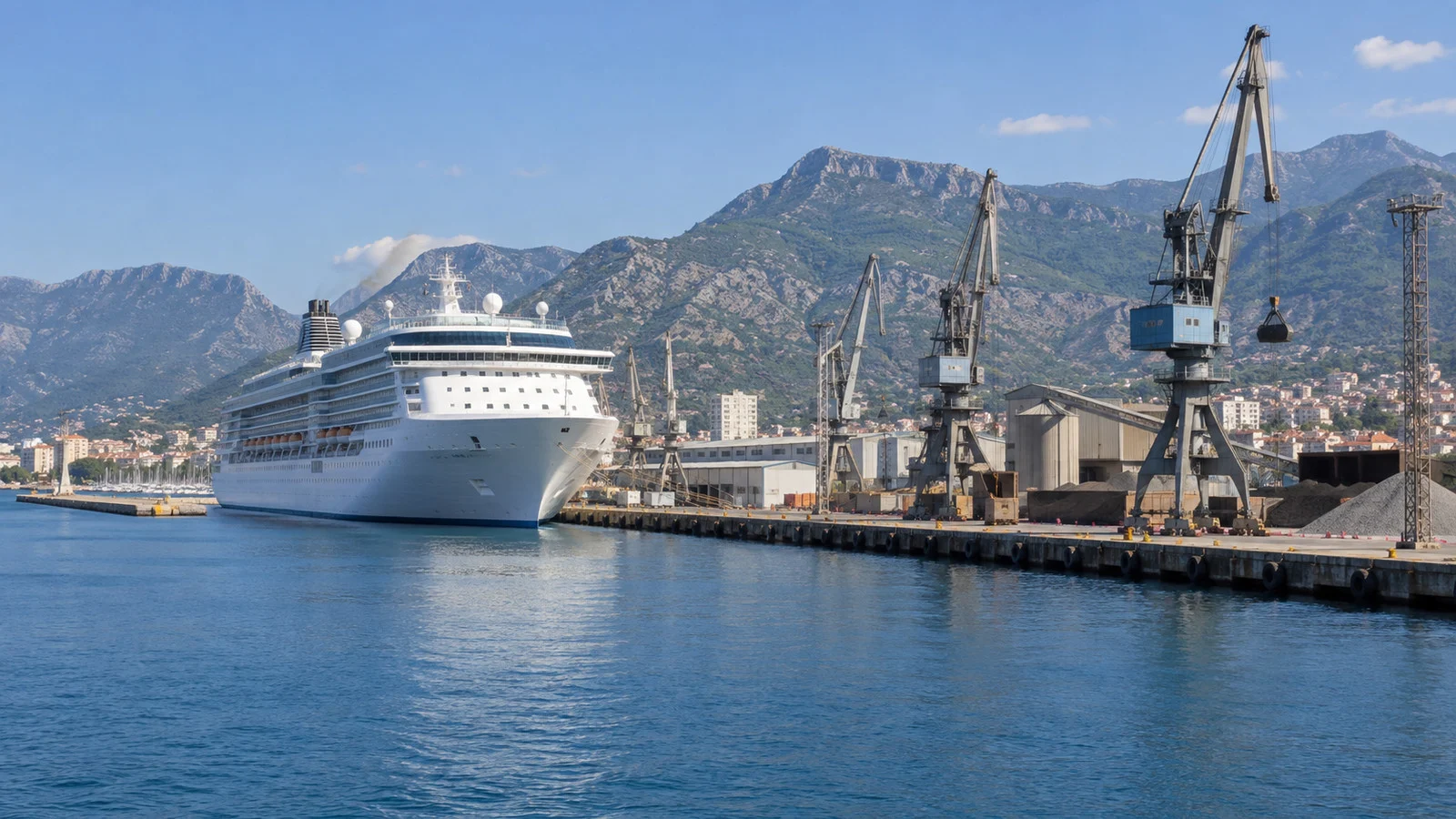
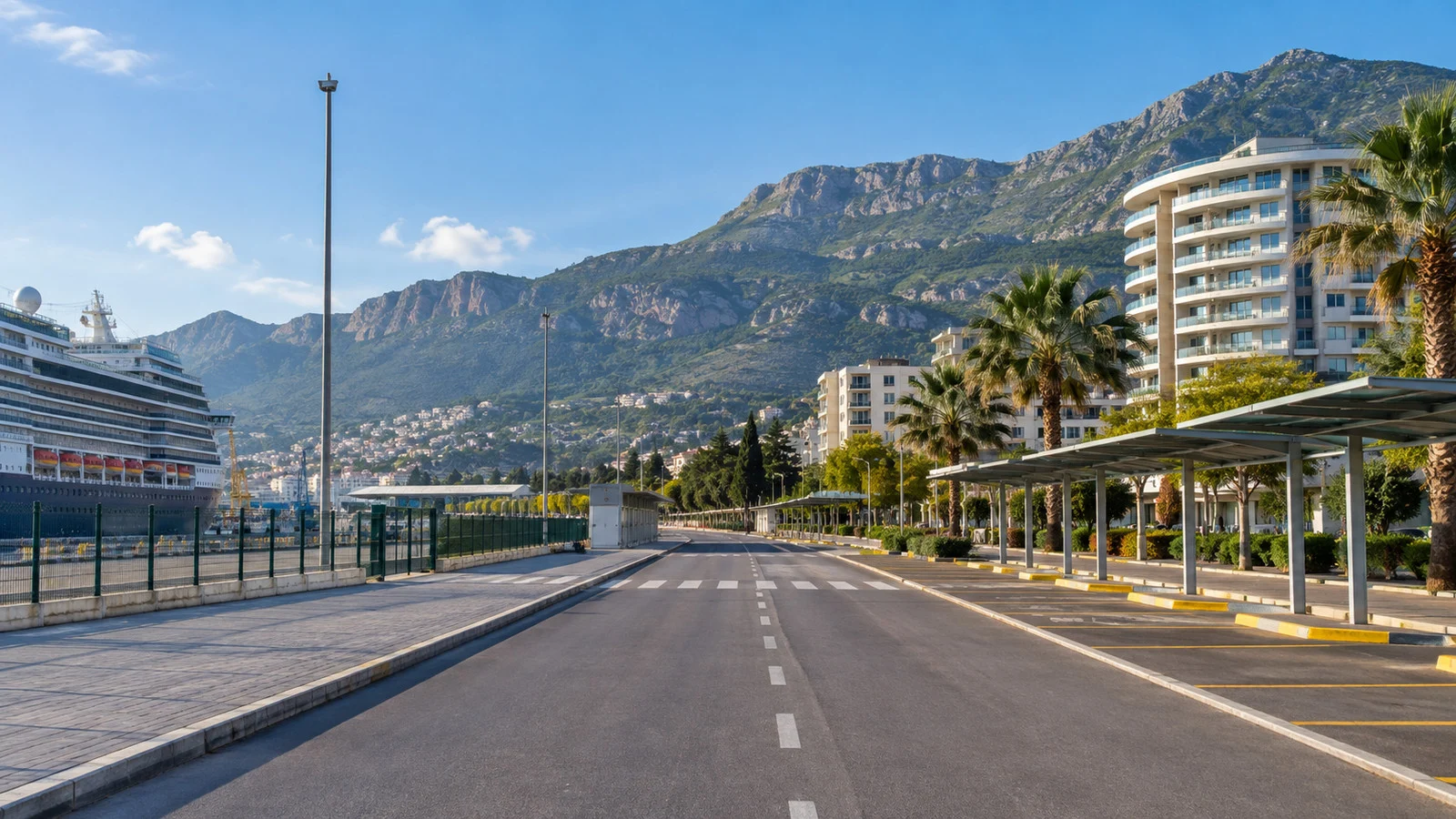
The Port of Bar is Montenegro’s principal commercial seaport, not a purpose-built cruise resort. Expect security-controlled port infrastructure and follow the route marked for passengers rather than assuming every quay has the same walking exit.
Your berth, shuttle arrangement, and pedestrian access can vary by ship and operating conditions. Treat the cruise line’s daily program as the final authority for where transport meets you.
The local tourism organization lists both the Port of Bar and Port of Adria in its maritime transport information. That split is another reason to verify your exact pickup point before arranging an independent driver.
Getting from the port into Bar
Modern Bar spreads along the coast beside the harbor and marina. The central area has cafes, shops, banks, museums, and services, but the walking distance depends on the berth and authorized port exit.
A taxi is the simplest choice when time matters. Ask the driver to confirm the total fare, whether waiting time is included, and where you will meet for the return.
Bar also has a bus station and a railway station, and the local tourism office publishes contact details for both. Public transport can work for a longer land stay, but a cruise call is usually easier with a taxi because schedules and stops may not align with all-aboard time.
Do not build a plan around an assumed free shuttle unless your cruise line confirms one. Port arrangements are operational details and can change from one call to the next.
Old Bar is the essential visit

Old Bar is a large fortified archaeological site on a rock mass inland from the modern waterfront. Its walls, lanes, religious buildings, and mountain backdrop make it the most rewarding historic stop near the port.
The local tourism organization currently lists admission at 3 euros for adults and 1 euro for children up to age 12. It also lists seasonal hours of 8 a.m. to 9 p.m. and off-season hours of 8 a.m. to 5 p.m., but confirm locally because prices and hours can change.
Allow roughly 60 to 90 minutes inside if you enjoy ruins and viewpoints. Add extra time for the uphill approach, photos, heat breaks, and the slower pace required on uneven ground.
The entrance area has places to pause for a drink or food, which can make the outing feel less rushed. Still, keep the return vehicle under your control rather than assuming a taxi will be waiting when you finish.
The Old Olive Tree
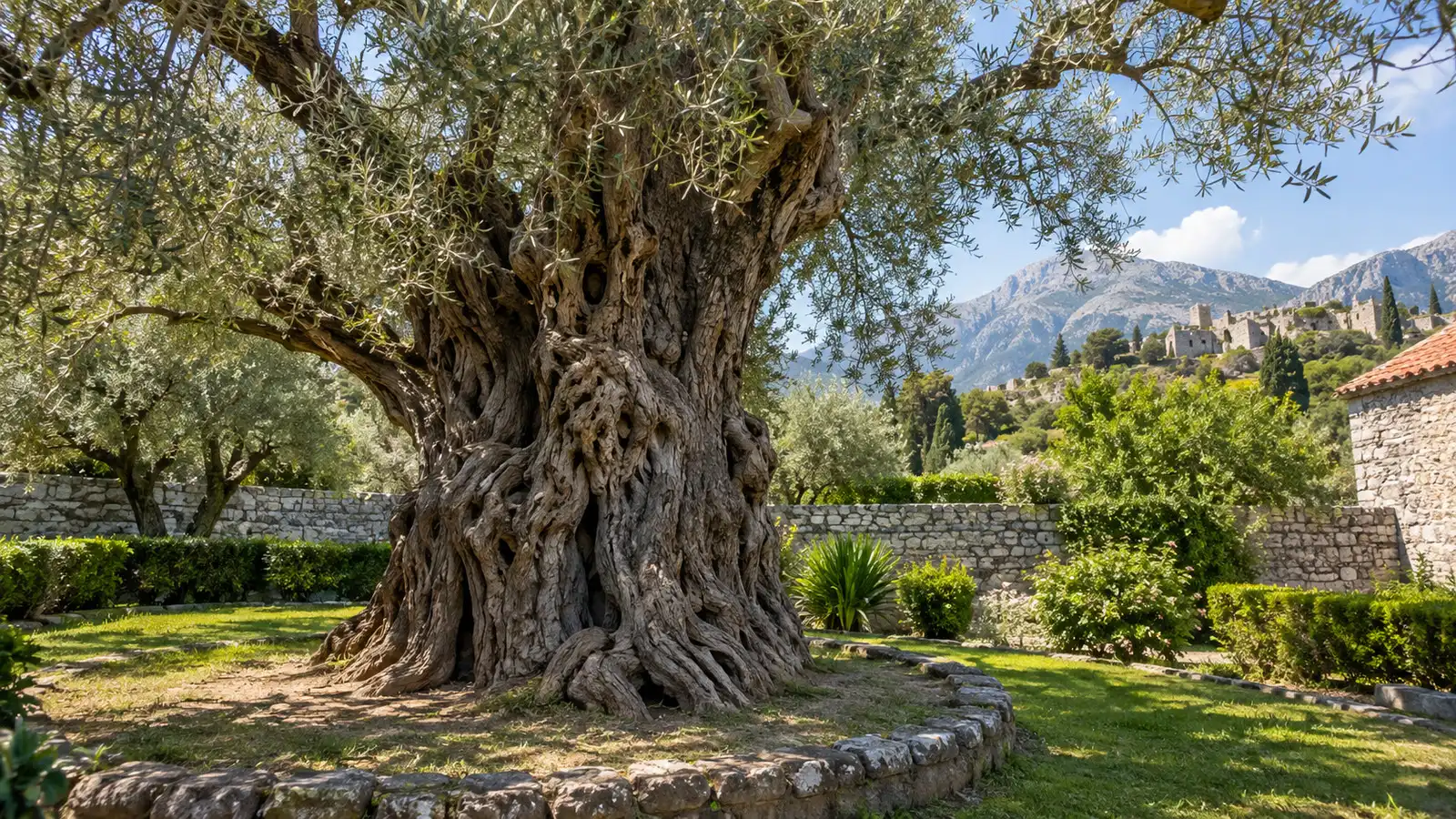
The Old Olive Tree, or Stara Maslina, stands in the Tomba area near Old Bar. Bar’s tourism organization promotes it as a symbol of the region and gives its age as 2,240 years, though any age assigned to an ancient living tree should be understood as an estimate.
This is a compact stop rather than a long attraction. It pairs naturally with Old Bar if your driver waits or you have agreed on a round-trip route.
Ask locally about current access before committing to a rigid sequence. Conservation work, special events, or operating changes can affect what visitors see.
King Nikola’s Palace and the waterfront
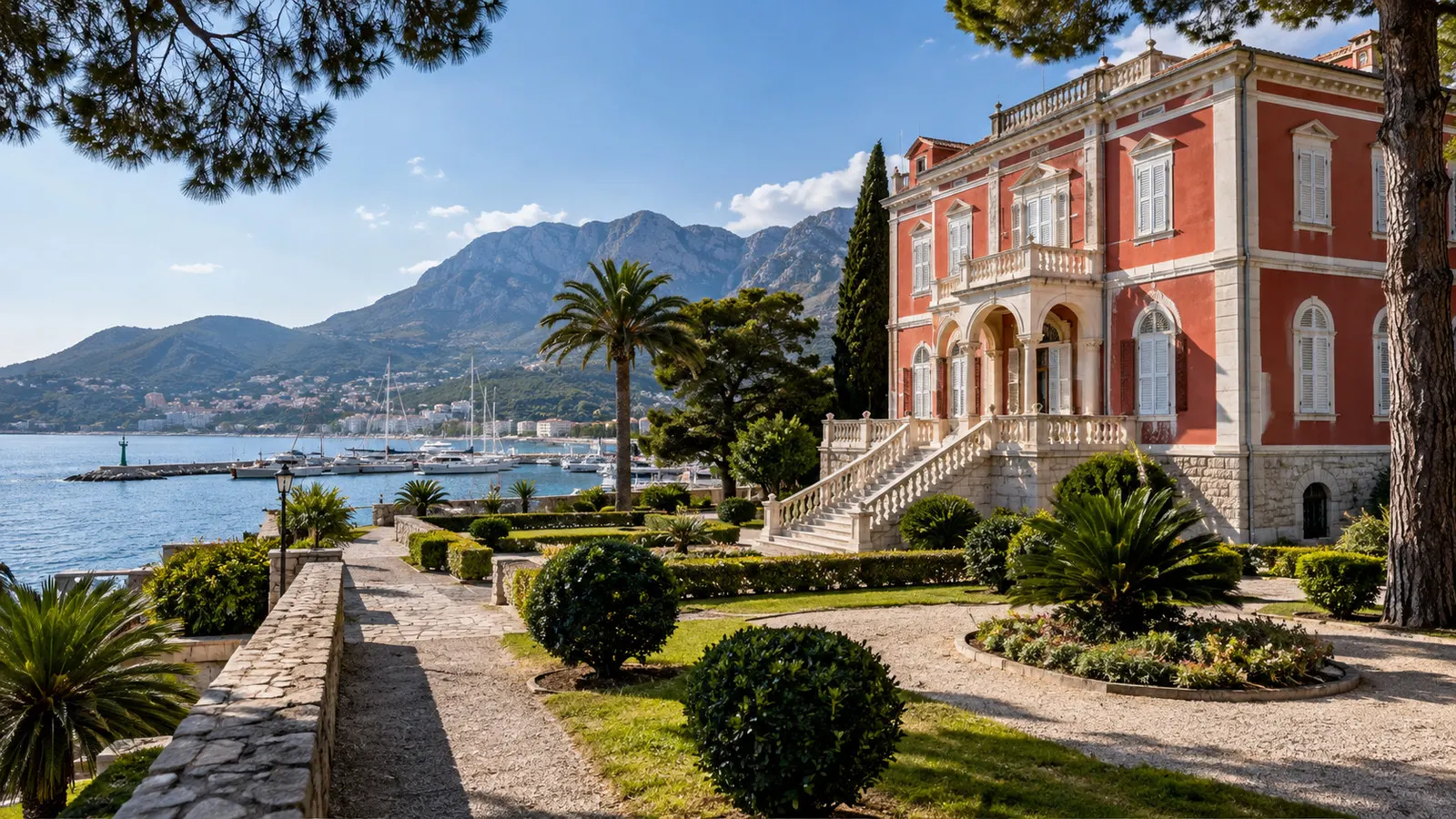
If you prefer an easier day, focus on the waterfront and the palace complex associated with King Nikola. The building now serves a cultural role and offers a more manageable alternative to climbing through archaeological ruins.
The marina sits in the city center and is surrounded by everyday services, restaurants, and cafes. This part of Bar works well for travelers who want a low-stress stroll without a long transfer.
Confirm opening hours for museums before walking over, especially on Mondays, holidays, or outside the summer season. A cafe and promenade plan is the safest fallback if a specific interior is closed.
Should you visit Lake Skadar?
Bar municipality reaches both the Adriatic coast and Lake Skadar, so the lake is a natural excursion theme. Virpazar is a common gateway for boat trips, scenery, and nearby heritage.
The lake makes more sense on a longer call or a ship-sponsored excursion with protected return timing. Independent travelers should account for road conditions, possible traffic, boat duration, and the need to return through port security.
Choose the lake when landscapes and birdlife matter more to you than ruins. Choose Old Bar when you want the strongest experience with the least transfer risk.
Ship excursion or independent visit?
A ship excursion is most valuable for Lake Skadar, Budva, or a multi-stop route. The protected return and coordinated transport remove the most important timing risk.
Old Bar is well suited to an independent taxi outing because it is close to the port and compact enough to explore without a complicated itinerary. The key is arranging the return before the driver leaves.
If you hire a taxi for several hours, write down the ship name, berth instructions, and all-aboard time. Use the ship’s time, which may not always match a phone that has changed zones automatically.
Mobility and accessibility
Central Bar and the marina area are the better choices for wheelchairs, walkers, and travelers who need predictable surfaces. Even there, confirm the distance from your berth because access through a working port can add walking.
Old Bar is steep and uneven, with historic stone surfaces and steps. A taxi can reduce the approach, but it cannot make the interior fully accessible.
Travelers with limited stamina can still enjoy views and the settlement near the entrance without covering the whole archaeological site. Tell your driver exactly how close you need to get and allow extra time for boarding and security.
Weather and what to bring
Summer days can be hot, bright, and dry, especially among Old Bar’s exposed stone walls. Bring water, sun protection, and shoes with reliable grip.
Spring and fall can be excellent for walking, but showers and wind remain possible. A light waterproof layer is more useful than an umbrella on uneven ground.
Carry a small amount of euro cash even if you normally rely on cards. Admission points, small cafes, and individual drivers may not offer the same payment options as larger businesses.
Safety and timing
Use normal travel precautions around transport hubs and busy public areas. Keep valuables secure, use an established taxi, and avoid accepting a vague price for an open-ended tour.
The larger practical risk is missing the ship because a relaxed outing became too ambitious. Plan to reach the port entrance well before the cruise line’s stated deadline, then allow time for security and the walk or shuttle back to the gangway.
A 60-minute cushion is sensible for an independent visit close to Bar, and a longer one is prudent for the lake or another coastal town. Follow the ship’s own requirement whenever it asks for more time.
A realistic half-day plan
Leave the ship promptly and take a pre-agreed taxi to Old Bar. Arrange either a waiting period or a firm pickup time before you enter.
Spend about an hour exploring the archaeological site, then add the Old Olive Tree if it fits comfortably. Return to central Bar for a waterfront drink or short walk only after you are confident about the clock.
If your ship arrives late or the weather is poor, skip the second stop. One unrushed highlight is better than three hurried photo stops.
How Bar compares with Kotor
Kotor delivers a famous walled city directly beside a dramatic bay and attracts far more cruise traffic. Bar offers a quieter working-city experience with its headline ruins inland.
Do not spend the whole call trying to recreate Kotor from Bar unless the cruise line has organized the trip. Bar’s own combination of archaeology, olives, mountains, and waterfront makes a complete port day.
The call also fits naturally with Croatian ports and southern Adriatic stops such as Sarande. Its lower-key rhythm can be welcome between busier old towns.
Quick answers
Can I walk from the ship to Old Bar?
It is not a sensible cruise-day walk for most visitors. Old Bar is about 4 kilometers from the sea and sits uphill, so a taxi preserves time and energy.
Does Bar use the euro?
Yes. Montenegro uses the euro even though it is not yet an EU member.
Do cruise ships always dock in the same place?
Do not assume they do. Bar is a working port, so use the berth and exit information provided by your ship on the day.
Is Old Bar wheelchair accessible?
The archaeological site is not fully accessible because of slopes, stones, steps, and irregular surfaces. Central Bar and the marina are generally more practical alternatives.
Do I need a visa for Montenegro?
Rules depend on nationality and can change. Check Montenegro’s official visa information for your passport before sailing.
What is the best single thing to do?
Visit Old Bar by taxi and arrange the return in advance. It gives you the clearest sense of the destination without committing to a long road excursion.
The last word
Bar rewards a focused plan more than an ambitious one. Give Old Bar the time it deserves, keep transport simple, and leave room for an easy waterfront finish.
How this guide was researched: Unless a first-hand visit is explicitly identified above, this guide is based on independent research using official port, tourism, transit, government, and attraction sources where available. Logistics and time-sensitive details were reviewed in September 2026. See our Editorial Policy.