Cairo River Cruise Port: Pyramids, Museum and Landing Guide
Cairo is best understood as a cruise gateway, not one predictable berth with a gangway into town. Your itinerary may use it for a hotel extension, an airport connection to a Nile sailing farther south, an operator-specific Cairo-area embarkation, or a long excursion from an ocean ship.
That distinction matters because the right plan depends on where you must return: a hotel, Cairo International Airport, a local landing, or an ocean ship in Alexandria or Ain Sokhna. Confirm those details before booking any independent sightseeing.
My quick take
Give Cairo at least two well-planned days if your itinerary allows it. Giza and the Grand Egyptian Museum can fill one substantial day, while central Cairo deserves another rather than being squeezed into whatever time traffic leaves behind.
A licensed guide and private vehicle can be worth the money here because distances, security checks, heat, and traffic complicate an otherwise simple-looking map. The smartest independent day is built around one area, not a heroic cross-city checklist.
Quick Facts
- What “Cairo cruise” can mean: A hotel-based extension, an air gateway to Luxor or Aswan, an operator-specific Cairo-area Nile arrangement, or an excursion from an ocean port.
- Where you arrive: Often Cairo International Airport, but your exact hotel, landing, domestic flight, and transfer plan come from the cruise operator.
- Dock or tender: There is no single Cairo cruise terminal that applies to every itinerary. Use the landing name and transfer instructions in your final documents.
- Currency and language: Egyptian pound (EGP) and Arabic, with English commonly used by tourism professionals.
- Best first-day pairing: Giza Plateau and the Grand Egyptian Museum, subject to timed tickets and traffic.
- Accessibility reality: The museum is the easier environment; sand, slopes, heat, crowds, and vehicle transfers make the plateau more demanding.
- Most important safeguard: Work backward from the operator’s all-aboard time, pickup, or airport check-in and protect a large traffic buffer.
Getting there and finding your real “port”
Many Nile cruise packages place guests in a Cairo hotel before or after a sailing between Luxor and Aswan. Other products may advertise Cairo in the itinerary name while using a specific nearby landing, and ocean-cruise visitors usually reach the city by road from Alexandria or Ain Sokhna.
Do not assume the hotel name, airport, or word “Cairo” identifies your embarkation point. Look for a vessel name, landing address, flight number, transfer meeting point, and emergency contact in the final travel documents.
From Cairo International Airport
Cruise-line transfers are usually the simplest option when they are included because the representative is coordinating both your arrival and the rest of the group. If you travel independently, use a prearranged hotel car or a reputable app-based or licensed taxi option, then confirm the pickup zone before leaving the terminal.
Cairo drive times are not reliable enough for a tight same-day plan. Flight arrival, immigration, baggage, security, and traffic all need room, especially when a domestic connection or fixed group departure follows.
Hotels and Cairo-area landings
Garden City and Zamalek suit central-Cairo sightseeing, while a Giza-side hotel can reduce the first drive to the pyramids and GEM. Neither location is automatically best, so choose around the first fixed event on your itinerary.
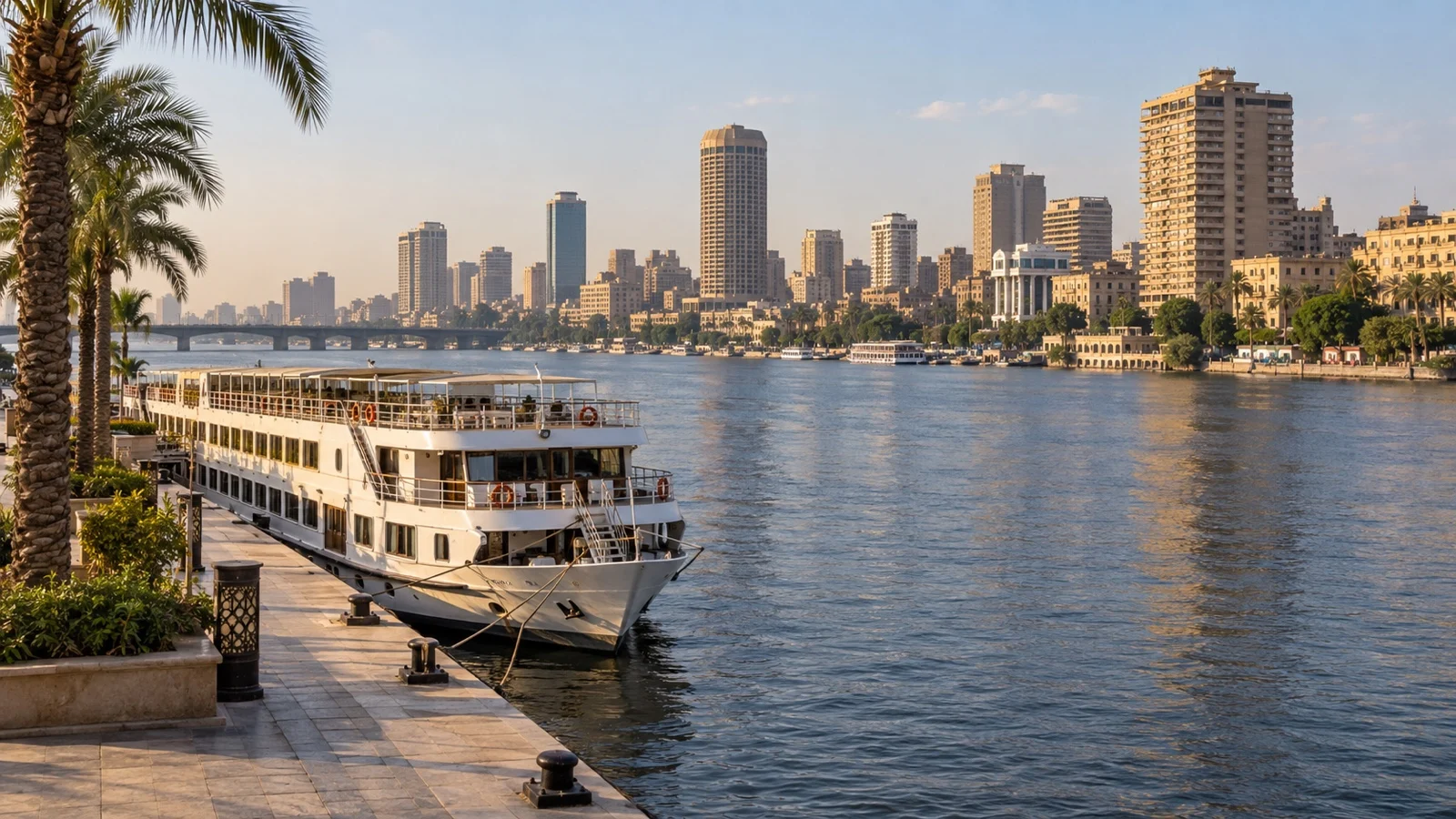
If your vessel or local excursion boat uses a Cairo-area landing, ask for the pin or street address rather than relying on the boat name alone. Landing assignments and transfer arrangements can be operator-specific, and a hotel concierge cannot safely guess where your group boards.
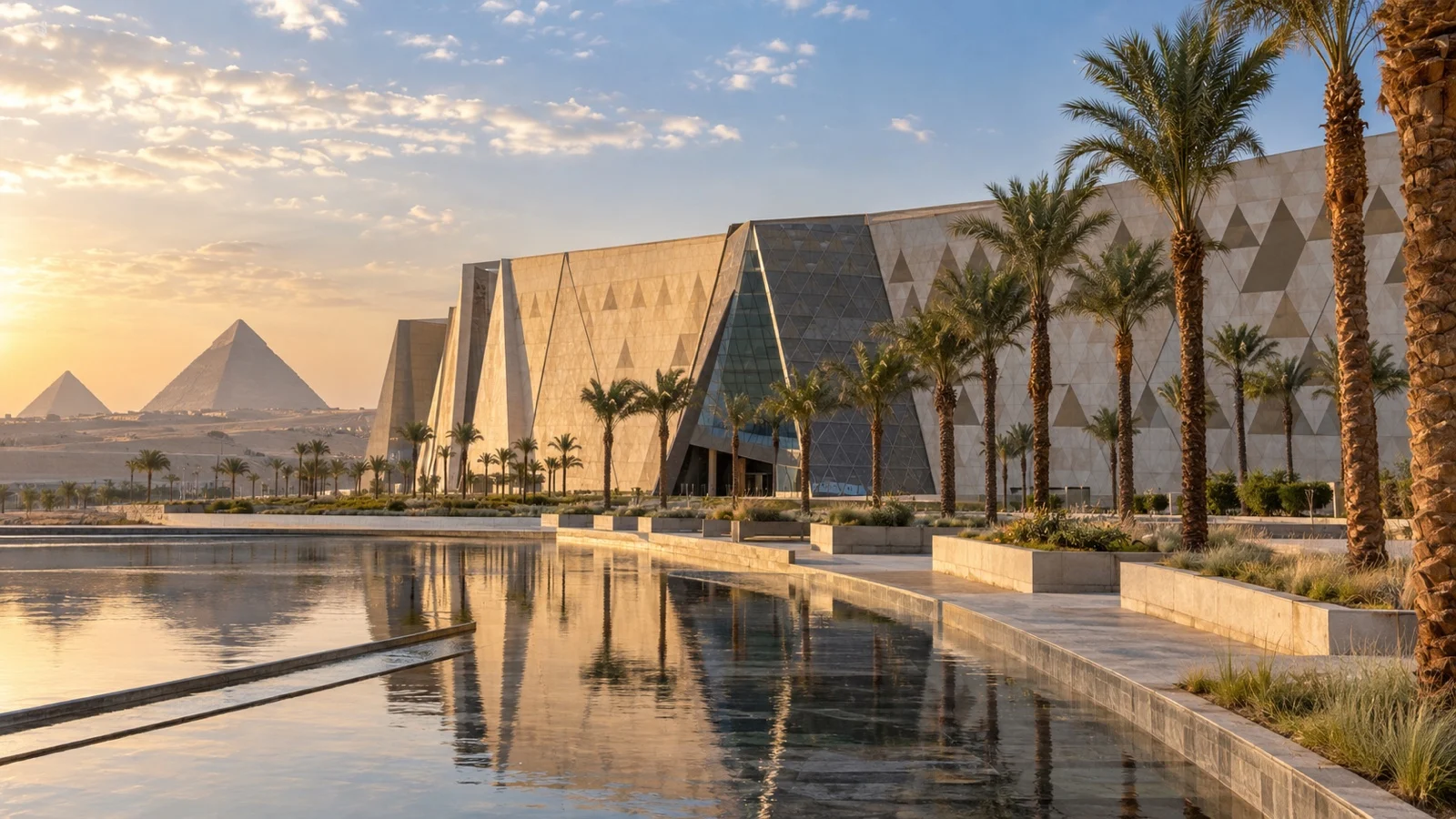
Giza Plateau and the Grand Egyptian Museum
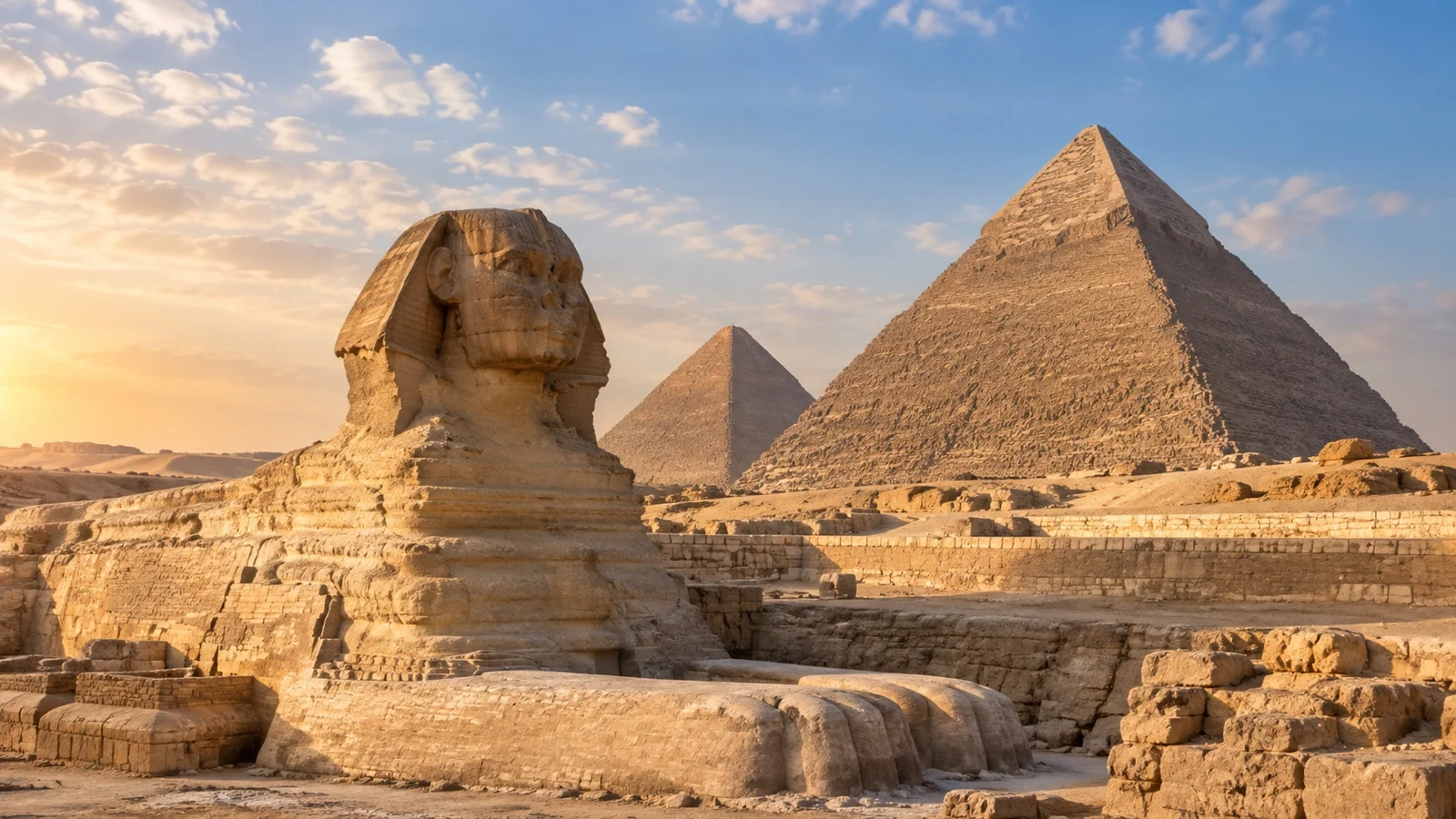
The Giza pyramid complex is part of the UNESCO-listed Memphis and its Necropolis property. The plateau is close to the modern city, but security entry, internal movement, heat, and crowds can make the visit take longer than the distance suggests.
Pyramids and Sphinx
Start early when your ticket and transfer plan allow it, and agree with your guide which viewpoints and interiors matter most. Entry to a pyramid interior may require a separate ticket, and the narrow, steep passage is a poor fit for claustrophobia, back trouble, or limited mobility.
Treat camel or horse offers as optional commercial transactions, not part of general admission. Confirm the total price and duration before accepting anything, and use the official entrance and your guide for help if a sales approach becomes uncomfortable.
Grand Egyptian Museum
GEM’s official ticket site says standard gallery hours are 9:00 AM to 6:00 PM on Sunday, Monday, Tuesday, Thursday, and Friday, with later gallery hours on Wednesday and Saturday. It also says admission includes the Tutankhamun Galleries, Main Galleries, Grand Hall, Grand Stairs, Khufu’s Boats Museum, commercial area, and exterior gardens.
Hours, ticket inventory, and entry arrangements can change, so reserve through the official GEM ticket site and recheck shortly before your visit. Pairing GEM with the plateau is logical, but it is still a full day once traffic, security, lunch, and museum time are included.
Downtown Cairo and the Egyptian Museum
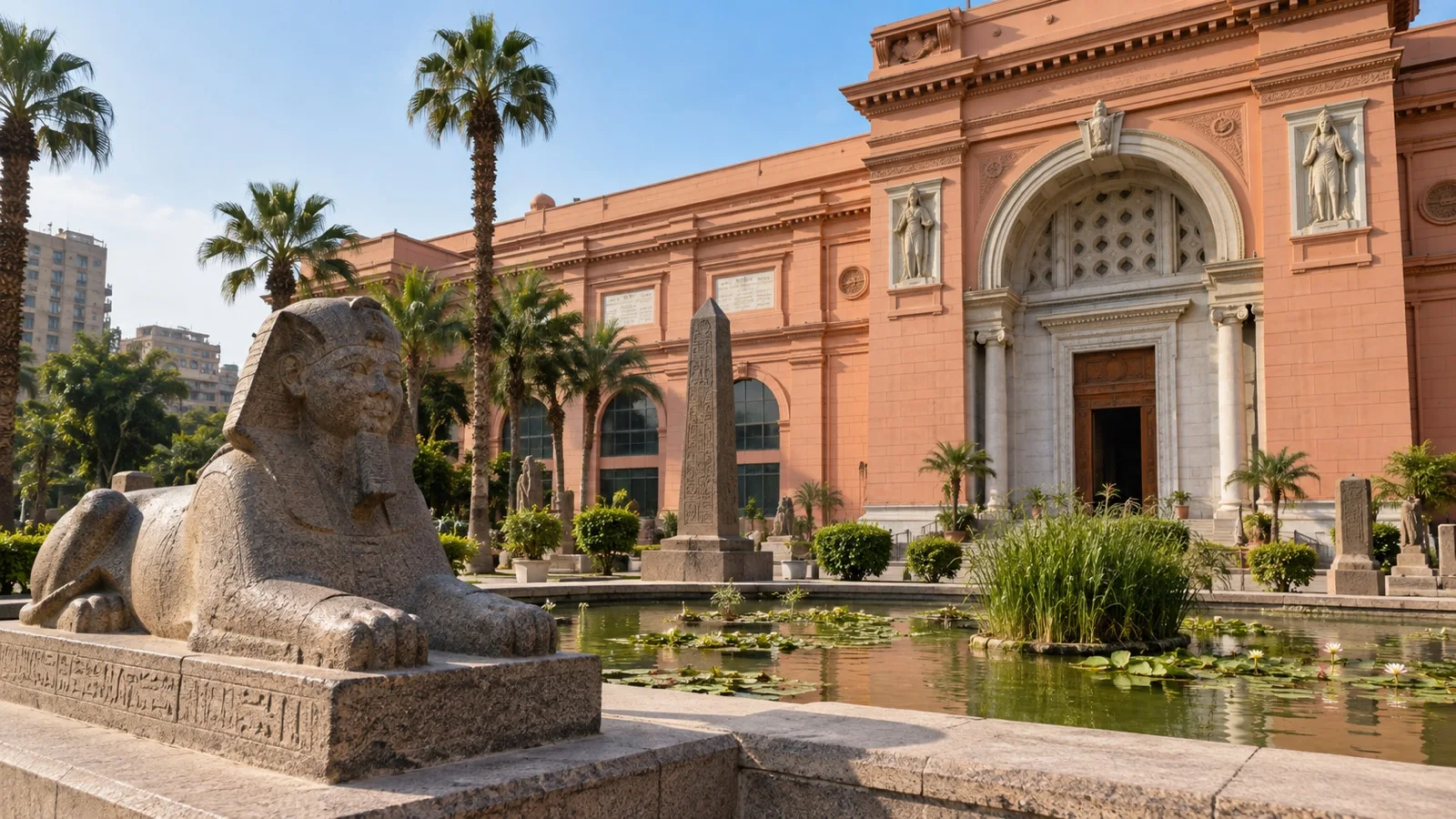
The Egyptian Museum in Tahrir Square remains a separate major collection, not a redundant stop that simply disappeared when GEM opened. Its official page highlights the burials of Yuya and Thuya, the Tanis treasures, the Narmer Palette, and royal statues connected with the Giza pyramids.
The ministry currently lists daily hours of 9:00 AM to 5:00 PM, with the ticket window closing at 4:00 PM; Ramadan hours may differ. Recheck the official museum page because hours, prices, and displayed collections can change.
Visitors who have another day can add selected parts of Islamic or Coptic Cairo rather than racing through both. Khan el-Khalili can fit with an Islamic Cairo plan, but shopping time and traffic should not steal the return buffer.
Ship program or independent guide?
A cruise extension is attractive when it bundles airport handling, hotels, domestic flights, admission, and a guide who manages group timing. Read the inclusion list carefully because a package name does not tell you whether meals, interior pyramid tickets, gratuities, or every transfer are covered.
Independent planning gives you more control over pacing and museum time. It also makes you responsible for ticket dates, pickup locations, security delays, and every connection back to the ship, group, hotel, or airport.
A practical two-day plan
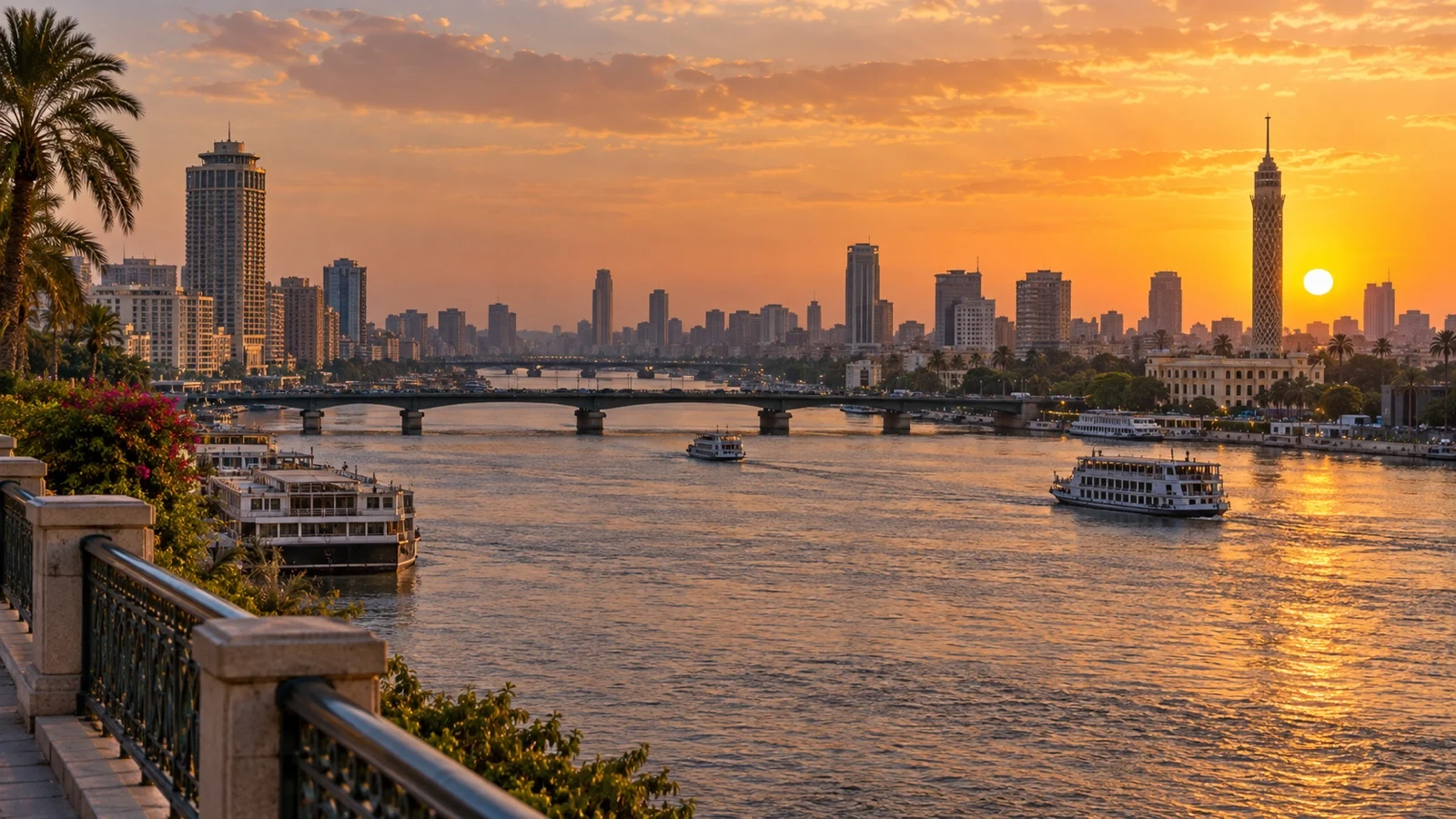
Day one: Focus on the Giza Plateau and GEM, with a reserved entry time and one driver for the whole day. Drop a minor viewpoint before compressing the museum or risking a fixed evening commitment.
Day two: Choose the Egyptian Museum plus one nearby cultural area that matches your interests. Keep the route compact and leave optional shopping until the essential visits are complete.
If Cairo is only an ocean-port excursion
A day trip from Alexandria or Ain Sokhna has a different risk profile from a hotel extension because the ship’s all-aboard time cannot move for Cairo traffic. The ship excursion buys useful transport coordination, while an independent tour needs a conservative turnaround point and a driver who understands the port return.
Do not use the hotel-extension plan as a template for an ocean-port day. Pick one main Cairo zone, carry the ship’s port-agent details, and leave the city earlier than a map estimate suggests.
Accessibility: plan the transfer, not only the attraction
Giza combines vehicle transfers with sand, uneven surfaces, slopes, heat, and crowded viewpoints. Ask whether the tour can keep the vehicle close, minimize walking, provide a suitable step or ramp, and skip any interior that creates a safety problem.
GEM is a modern museum and is generally the easier major stop, but “accessible” should not be treated as a promise that every transfer will work for every device. Give the operator the dimensions and weight of a wheelchair or scooter and confirm vehicle storage, entrances, elevators, restrooms, seating, and companion arrangements in writing.
The Egyptian Museum lists a ramped entrance and elevator among its services, although the historic building and busy galleries still merit advance planning. Downtown sidewalks and road crossings can be difficult, so door-to-door transport may matter more than the walking distance shown on a map.
Weather, clothing, and day-of comfort
Cairo is dry and often hot, with little shade across much of the Giza Plateau. Carry water, sun protection, and breathable clothing, and schedule outdoor time earlier when possible.
Winter can be milder, but mornings and evenings may feel cool compared with the afternoon. Comfortable closed shoes help on dusty and uneven ground, and modest clothing is useful if the day includes a mosque or church.
Safety and current travel advice
At the time of this review, the State Department rates Egypt Level 2, meaning travelers should exercise increased caution, and identifies some parts of the country as Level 4 no-travel areas. Its guidance also flags terrorism, crime, health concerns, demonstrations, scams, pickpocketing, and harassment, so read the current Egypt travel advisory rather than relying on a static summary.
Avoid demonstrations, stay alert at tourist and transport sites, and follow instructions from local security staff. Keep copies of travel documents, save your cruise operator and hotel contacts, and make sure insurance covers the itinerary you actually booked.
Overcharging and persistent sales approaches are common practical complaints in visitor areas. Use agreed prices, avoid handing over your phone or camera to strangers, and let a licensed guide or tourist police assist when needed.
Timing your return
There is no single safe “return to ship” rule for Cairo because the deadline may be a hotel pickup, domestic flight, Cairo-area landing, or distant ocean port. Write down the fixed deadline, the operator’s required meeting time, the realistic drive range, and a separate contingency margin.
If you are flying to Luxor or Aswan, do not plan a major attraction immediately before airport check-in. If you are returning to Alexandria or Ain Sokhna, follow the ship’s all-aboard time and port-agent instructions rather than a tour provider’s optimistic drive estimate.
How Cairo fits an Egypt cruise
Cairo can be the cultural gateway to a Nile itinerary even when the ship-based portion starts elsewhere. The Nile cruise ports guide explains how Luxor, Esna, Edfu, Kom Ombo, and Aswan usually fit together, while the Egypt cruise ports guide connects the river and sea gateways.
Check the exact route instead of assuming every operator follows the same pattern. Some products use flights and hotels around Cairo, while others may include different waterways, landings, or overland segments.
Quick answers
Does a Nile cruise ship dock at one central Cairo terminal?
No single terminal applies to every itinerary marketed with Cairo. Confirm whether Cairo is a hotel extension, airport gateway, local landing, or excursion destination, then use the address in the operator’s final documents.
Can I visit Giza and GEM in one day?
Yes, they are a sensible pairing if you reserve the museum and keep the rest of the day focused. Allow time for traffic, security, meals, and movement around the plateau rather than treating the two entrances as a quick stop.
Should I visit GEM or the Egyptian Museum?
Choose GEM for its vast modern complex and included Tutankhamun Galleries, and choose the Egyptian Museum for important collections that remain in its historic Tahrir building. With two sightseeing days, visiting both gives a broader view without pretending one has made the other irrelevant.
Can I go inside the Great Pyramid?
Interior access depends on the ticket available that day and normally costs more than general plateau admission. The passage is confined and physically demanding, so it is completely reasonable to enjoy the exterior instead.
Is Cairo safe for cruise travelers?
Many visitors complete organized Cairo stays without incident, but the destination requires informed precautions. Check official travel advice, avoid demonstrations, use reputable transport and guides, watch for scams and pickpocketing, and keep a contingency plan.
The last word
Cairo works beautifully when you plan it as a gateway with several possible logistics, not as a conventional walk-off river port. Verify the real meeting point, protect the return buffer, and give Giza and the museums enough time to be memorable for the right reasons.
Continue with the Luxor river cruise port guide and Aswan cruise port guide once your Cairo plan is settled.
How this guide was researched: Unless a first-hand visit is explicitly identified above, this guide is based on independent research using official museum, heritage, government, and itinerary sources where available. Logistics and time-sensitive details were reviewed on September 12, 2026, under our Editorial Policy.