Small-Ship Cruising: The Small Ship Cruise Ports Big Ships Cannot Reach
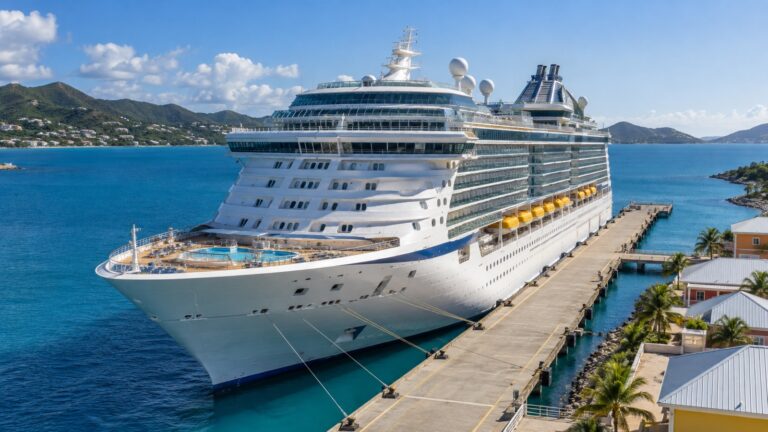
The itinerary is not written by the marketing department, it is written by the hull. Small ship cruise ports exist because a 100-guest yacht can tie up where a 5,000-guest ship physically cannot, and no amount of brochure enthusiasm changes that arithmetic.
This is the single most useful thing to understand before you book a small ship, because it explains both the appeal and the price. You are paying for access, and access is a function of beam, draft and local rules.
My quick take
Small ships make the strongest case when their size changes the itinerary or when time on the water is central to the trip. A quieter onboard experience alone may not justify the fare difference for every traveler.
If your itinerary is Barcelona, Naples and Palma, a small ship buys you a nicer version of a day you could have had anyway. If it is the Cyclades backwaters, the Corinth Canal, the Kimberley coast or the smaller Grenadines, it buys you a day that is otherwise unavailable at any price.
Do not assume a smaller ship means a smaller price. Compare the total fare, inclusions, cabin, itinerary, and facilities because pricing varies widely by line and sailing.
The quick facts
- What counts as small: There is no universal industry cutoff, so compare passenger capacity, gross tonnage, dimensions, and draft. Windstar lists Wind Surf for 342 guests, an example near the larger end of yacht-style cruising.
- The marina platform: a hinged deck on some yacht-style ships that folds down toward the waterline for swimming, kayaking, or tender access. It is a useful feature rather than a requirement of small-ship cruising, and it operates only when local rules and conditions allow.
- Where you berth: Depending on the port, a small ship may use a town quay, commercial pier, marina, anchorage, or tender landing. A smaller hull can improve access, but it does not guarantee an alongside berth or short walk.
- How you get ashore: By gangway when the ship is alongside, or by tender or Zodiac when it anchors. The plan depends on berth availability, local rules, sea state, and the vessel.
- Draft: One important access limit, alongside length, beam, air draft, berth strength, and local rules. Check the specific ship and port rather than relying on a typical range.
- What it costs: Often a higher headline fare than a mainstream cruise, though inclusions vary. Compare the same dates, cabin type, drinks, gratuities, excursions, and transfers.
- Sea days: The number and length depend on the itinerary, while motion depends on hull design, loading, course, speed, and conditions. Review the ship’s indoor spaces and stabilization details if sea days matter to you.
- Who runs them: Windstar, SeaDream Yacht Club, Star Clippers, Emerald Cruises, Ponant, Seabourn and Lindblad Expeditions are the recognizable names. Fleets change, so check the specific ship rather than the brand.
The marina platform, and what it actually does
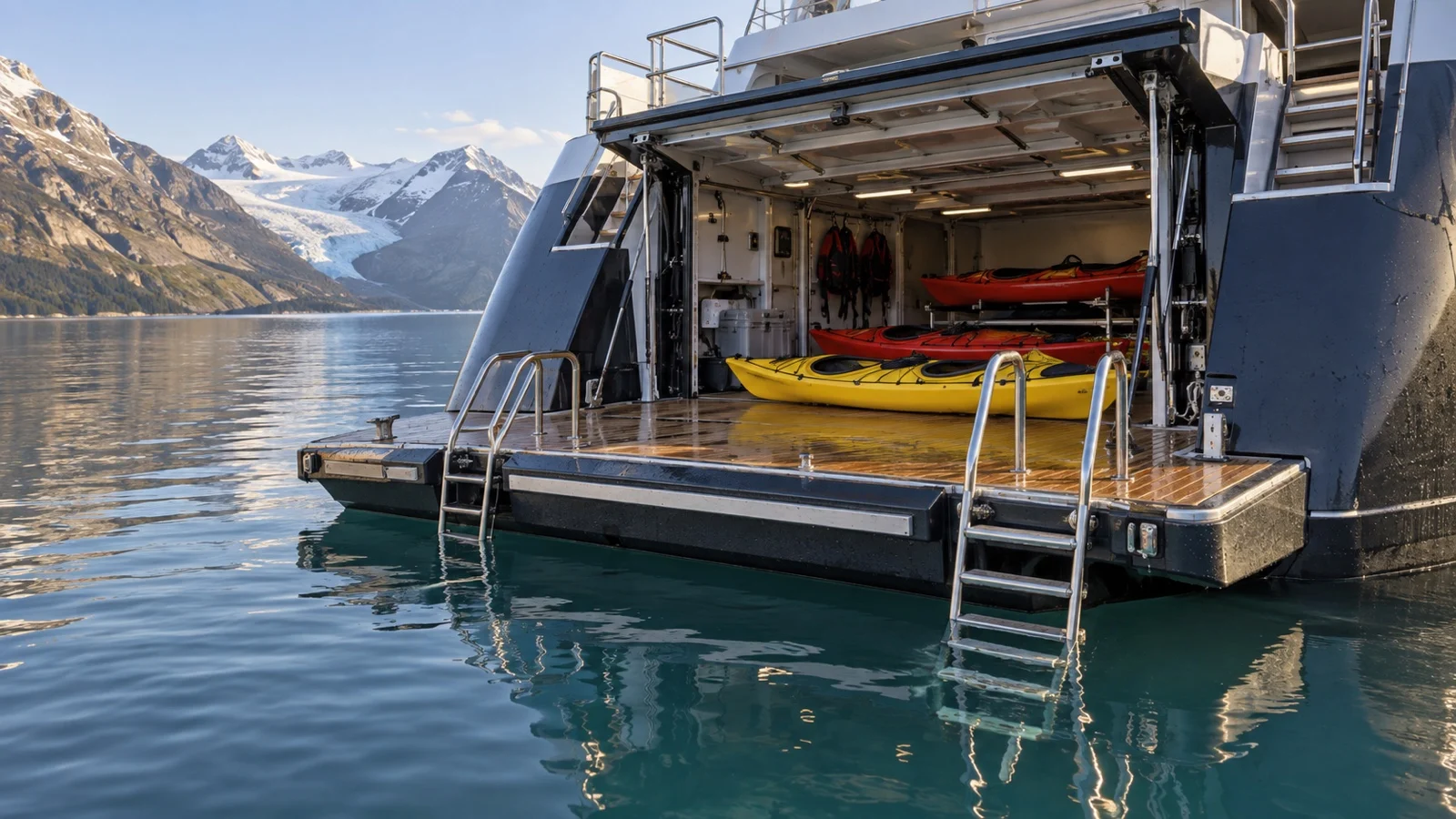
Marina platforms feature prominently in yacht-style cruise marketing, but not every small ship has one. Treat the platform as one onboard feature rather than the definition of small-ship cruising.
The platform is typically a section at the stern that lowers toward the water for access and activities. SeaDream Yacht Club currently lists swimming, snorkeling, kayaks, paddleboards, jet skis, and other equipment through its marina program.
The sailing lines do the same thing. Star Clippers describes a marina platform that lowers from the stern of Royal Clipper for watersports, on a 227-guest ship of 4,425 gross tons carrying 42 sails.
The platform opens only when the captain and crew consider local rules, water quality, weather, sea state, and operations suitable. Availability varies by day and itinerary, so do not treat a session as guaranteed.
Why hull size decides the small ship cruise ports you can reach
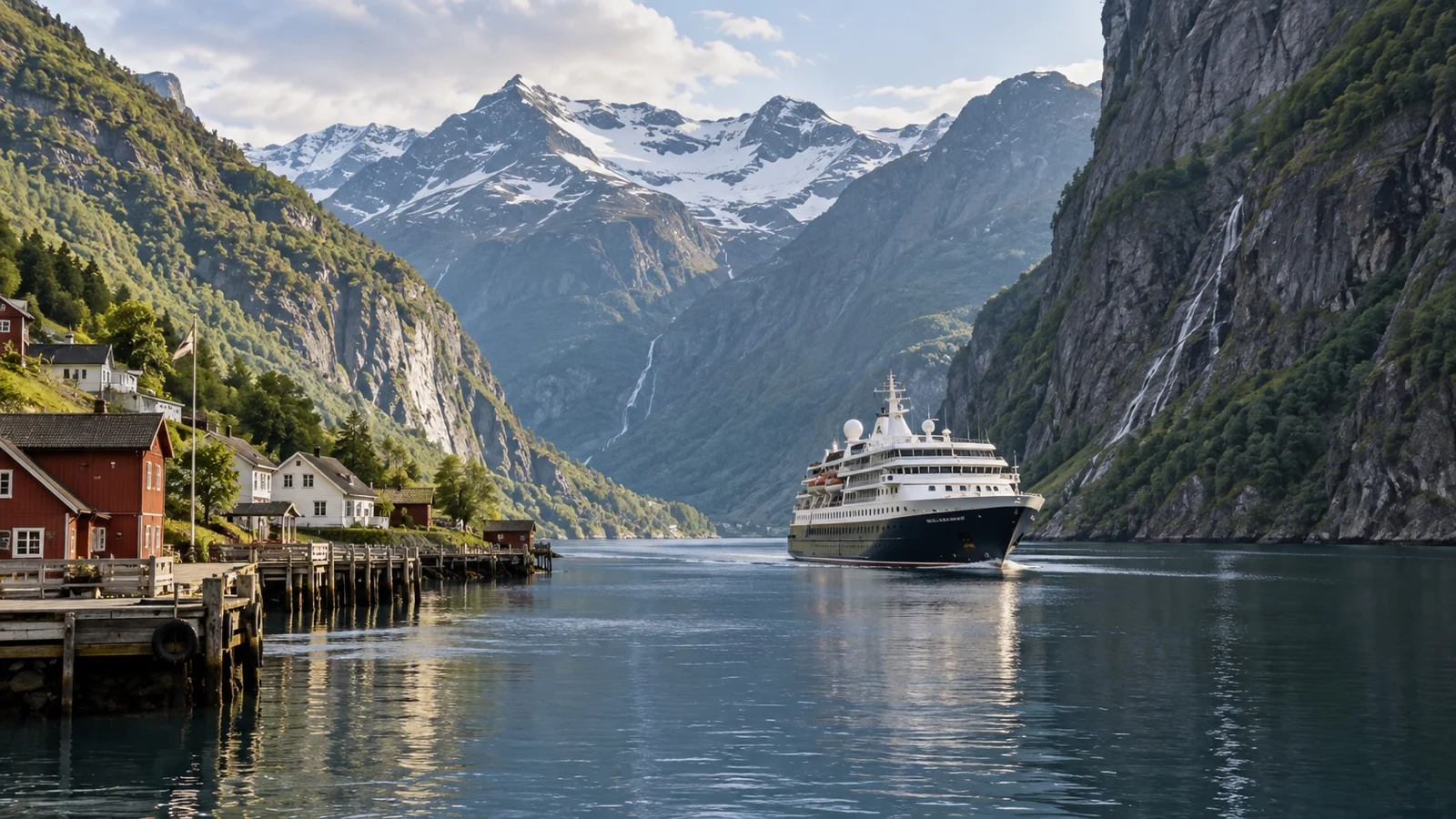
Three constraints keep large ships out, and they behave differently. Depth, beam and local rule are not interchangeable, and knowing which applies tells you whether the restriction is permanent.
Depth can exclude a vessel when the approach, turning area, or berth does not provide the required under-keel clearance. Dredging or tidal windows may change access, so use the port and cruise line’s current plan.
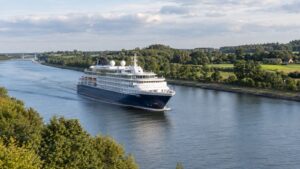
Beam is the brutal one, because it fails absolutely rather than gradually. The Corinth Canal Company gives the canal a safe navigable width of about 81 feet at sea level, narrowing to about 69 feet at the bottom, and no negotiation widens that.
For comparison, Windstar gives Wind Surf a beam of 66 feet. That is the difference between an itinerary that includes a canal transit and one that goes the long way round the Peloponnese.
Local rules can also control access through passenger caps, daily ship limits, environmental requirements, or vessel restrictions. These policies can change, so check the destination authority’s current rules.
The practical instruction is to check the constraint before you get attached to a port. Physical limits and local policies can both change over time, and my roundup of the most crowded cruise ports covers where those fights are happening.
Town quays instead of industrial terminals
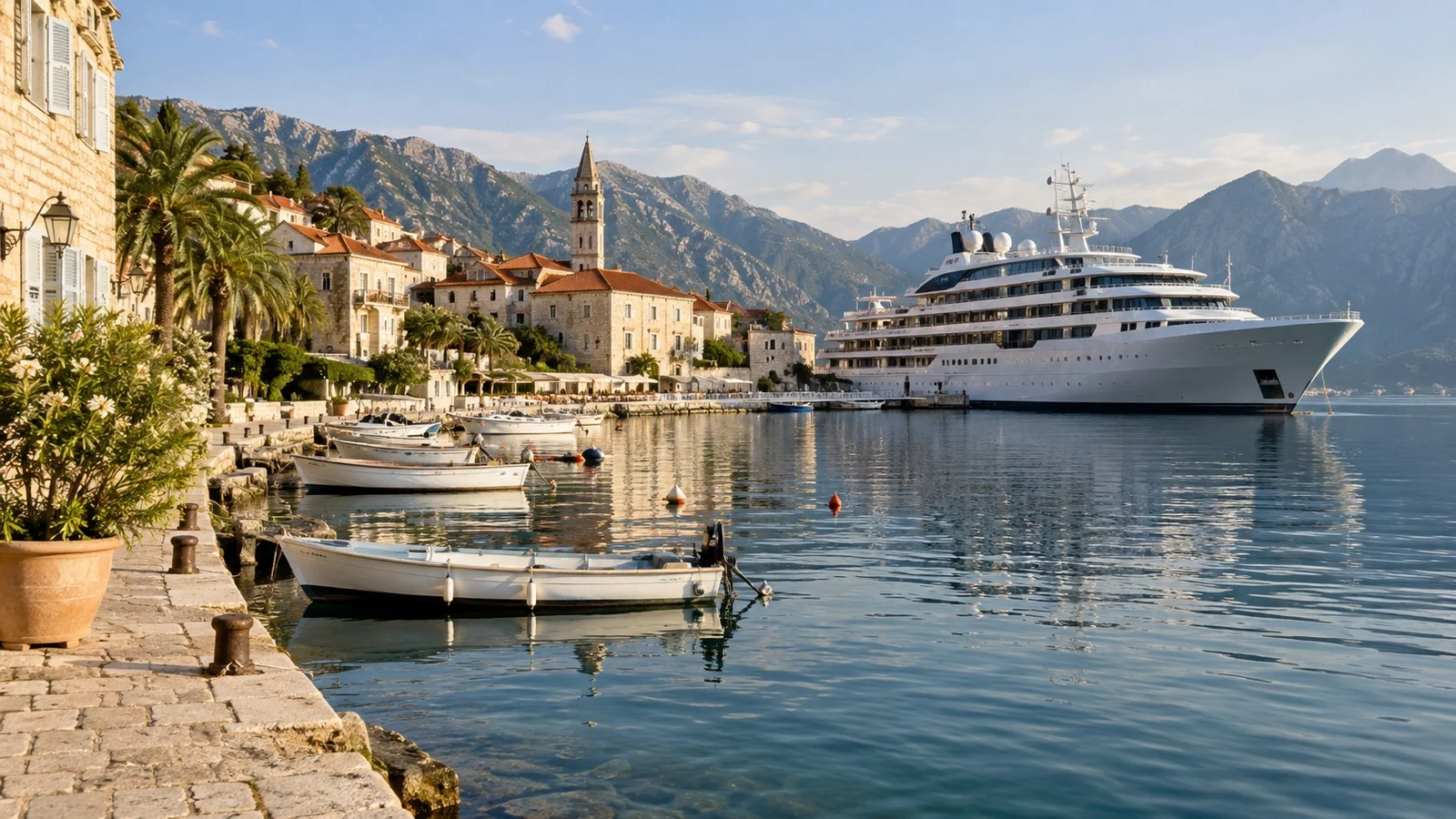
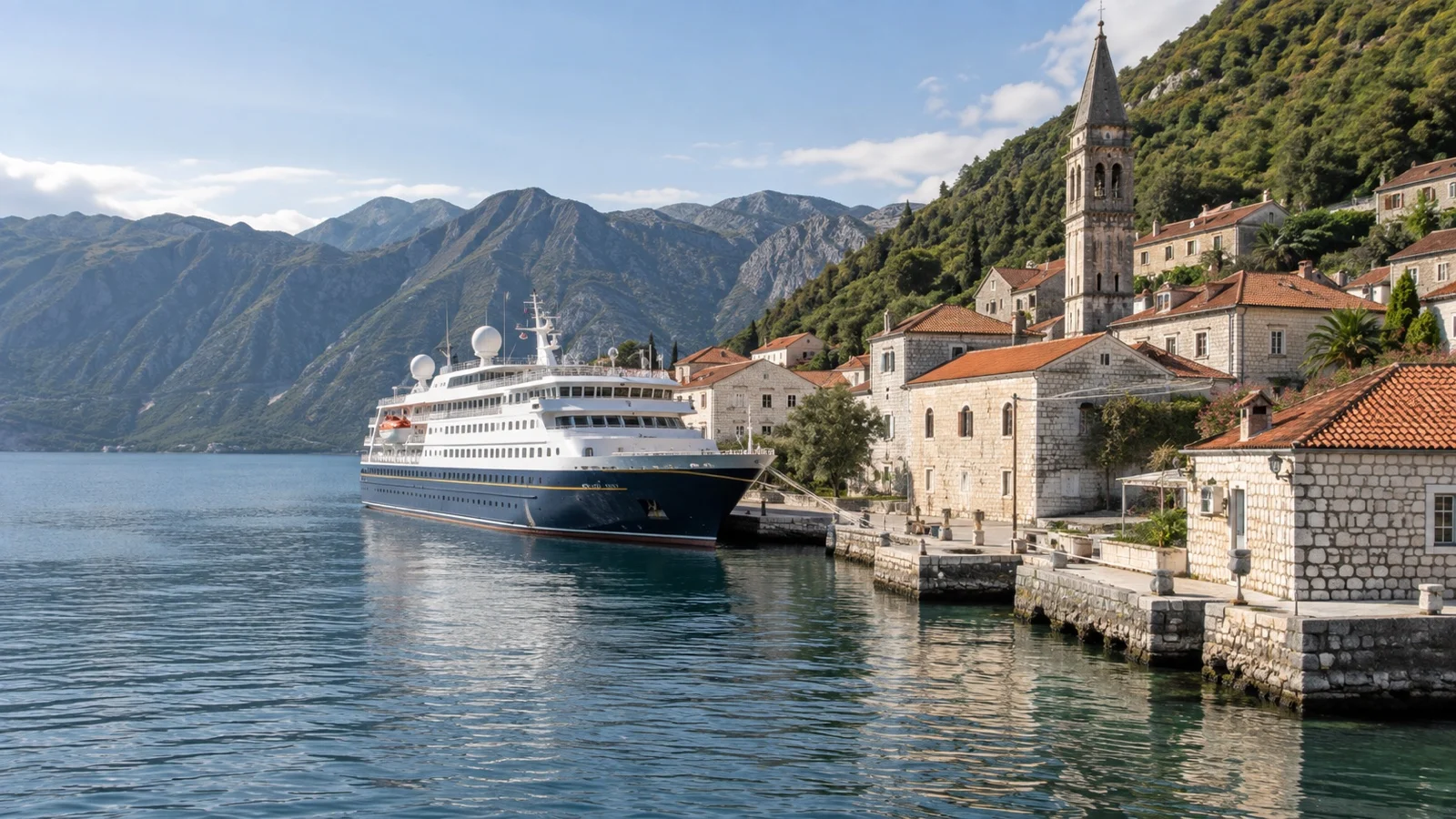
This is the part that changes your day, and it is undersold because it sounds boring. A large ship may need a purpose-built or commercial berth, while a smaller ship may have more quay and anchorage options.
When a small ship secures a central berth, you may step off close to town and avoid a long transfer. That benefit depends on the day’s assigned berth.
A central berth can make it practical to return aboard during the day. Check the gangway schedule and all-aboard time before planning around that convenience.
The downside is space. Town quays are short, and if a mid-size ship has taken the one good berth, your yacht anchors off and tenders in, which is the same experience I describe in my explainer on what a tender port actually means.
The trade-offs nobody leads with
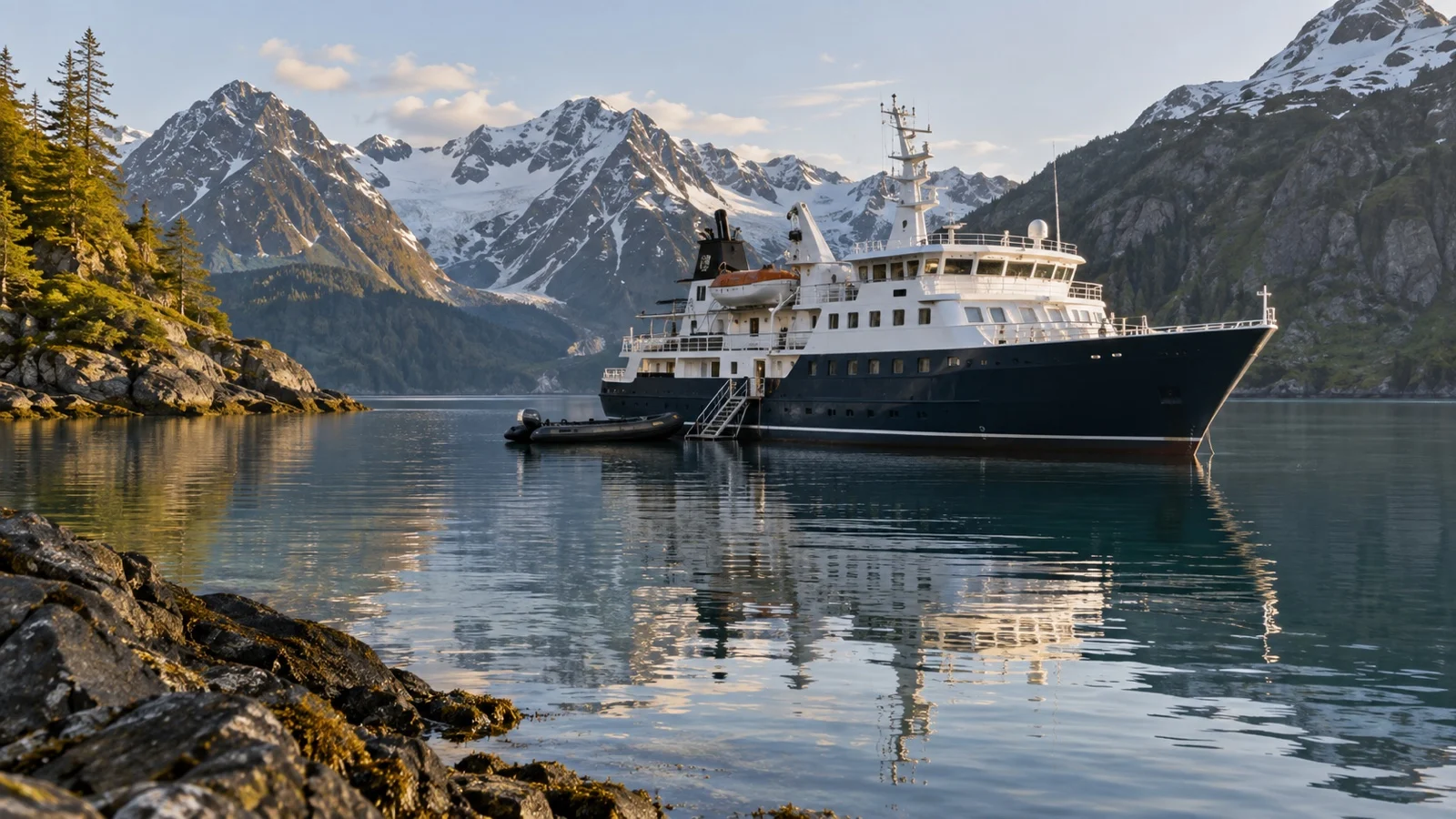
A smaller vessel usually offers fewer venues and less redundancy than a large resort ship. Motion and comfort still depend on the hull, stabilization, course, and sea conditions.
Entertainment varies widely, but small ships generally offer fewer large venues and productions. Review a recent daily program if nightlife or shows are important to you.
Sea days deserve a close look before booking. Check the specific ship’s dimensions, stabilization, indoor space, and recent itinerary because size alone does not predict how it will feel in a particular swell.
The total can be higher than a mainstream cruise, even when some drinks, gratuities, or excursions are included. Compare complete costs rather than relying on the word “inclusive.”
The operators I would actually look at
Fleets move around in this segment more than any other, with ships sold, stretched and renamed. Verify the specific vessel before you book, because the brand tells you less than you think.
- Windstar Cruises: three sail-assisted yachts and a growing group of motor yachts, ranging from 148 to 342 guests. Wind Surf carries seven computer-operated sails on five masts, and every ship has the marina platform.
- SeaDream Yacht Club: An intimate yacht operator with a prominent marina and watersports program. Verify the exact yacht, capacity, and included activities for your sailing because the fleet is changing.
- Star Clippers: genuine square-rigged sailing ships, with Royal Clipper at 227 guests and the two smaller sisters at 166 each. You can climb the mast, which is not a metaphor.
- Emerald Cruises: yachts carrying around 100 guests, with the newer builds pushing to about 128. The line lists a marina platform on the yachts, and the itineraries lean Mediterranean and Adriatic.
- Ponant: A French operator with expedition-capable ships and itineraries in polar and remote tropical waters. Compare the specific vessel, language mix, landing plan, and inclusions.
- Lindblad Expeditions: naturalist-led and destination-first, with a fleet built around Zodiac operations rather than swimming platforms. Choose this one if you want lectures rather than jet skis.
Fun fact: The Corinth Canal is roughly 4 miles long, and its narrow channel illustrates why beam and draft matter. A planned transit still depends on the canal operator, vessel dimensions, and current operating conditions.
How I would actually decide
Start with the port list and mark the calls where the smaller vessel changes the berth, landing, or destination access. Those differences show what the fare is buying.
Next, look at the sea day count and the ship’s indoor spaces. Consecutive sea days can be enjoyable, but they deserve extra attention on a compact vessel.
Finally, be honest about what you enjoy. If you like a big ship’s choice and anonymity, a small ship feels like a long dinner party.
A realistic word on accessibility
Small-ship accessibility varies sharply by vessel and itinerary. Fewer decks do not automatically mean easier movement.
Some vessels have elevators that do not serve every deck, while others may have no elevator. Ask the line for the exact accessible-cabin inventory and deck access on the assigned ship.
Tender transfers, floating pontoons, and unimproved town quays can involve steps and movement. The captain or crew may restrict a transfer when conditions make it unsafe.
Declare your requirements at booking and again at check-in, and ask specifically about tender policy rather than cabin fittings. My guide to port activities with limited mobility covers what still works once you are ashore.
When to go, and the weather
Weather and sea state can determine whether a marina platform opens or a tender runs. Shoulder-season pricing and conditions vary by destination and sailing.
Mediterranean water and air temperatures vary substantially by month and location. Check official forecasts near departure and treat platform swimming as conditional.
Caribbean conditions are often warm in winter, while Atlantic hurricane season can affect late-summer and fall itineraries. Ships of any size may reroute for safety, so monitor the line’s notices.
In northern Europe and Alaska, cold water and changeable weather can limit platform activities. Pack for exposed tender rides and decks, and follow the operator’s safety guidance.
Buy the access, then check how it really works
A small ship can use a port that excludes a larger vessel, but it may still tender or anchor when the town quay is occupied, too shallow, or weather-exposed. Read the day-by-day berth notes, then ask which calls are planned alongside and which depend on tenders or Zodiac landings.
Marina platforms are a welcome feature on some yacht-style ships, not a defining requirement of every small vessel. Swimming and watersports depend on local rules, water quality, temperature, sea state, staffing, and the captain, so treat a platform session as a bonus rather than a promised port day.
The Corinth Canal is a good example of access that needs same-week confirmation because operating windows, maintenance, wind, and ship dimensions can intervene. Use the canal operator and cruise line for the current plan, and do not buy a separate excursion solely around an advertised transit.
Smaller does not automatically mean easier for limited mobility because steep gangways, tenders, stairs, and historic quays can replace a modern terminal. Ask for the actual doorway width, elevator stops, tender-transfer policy, and walking surface at the ports that matter most to you.
Quick answers
What size ship counts as a small ship?
There is no universal cutoff. Compare capacity, dimensions, draft, and the ports the specific vessel can actually use.
Can small ships really dock where big ships cannot?
Sometimes, because a smaller vessel may draw less water or fit a shorter quay. It may still use a commercial berth, anchor, tender, or Zodiac landing.
Is the marina platform open every day?
No. It depends on local rules, staffing, water quality, weather, sea state, and the captain’s approval, so treat each session as a bonus.
Are small ships rougher in bad weather?
A smaller ship can feel more movement, but hull design, stabilization, speed, heading, and conditions all matter. Ask the operator about the specific vessel if motion sensitivity is a concern.
Do small ships cost more than big ones?
Often, but not always. Compare the full trip cost, cabin, inclusions, itinerary, and dates rather than relying on a per-night rule.
The last word
Small ships can be especially valuable when their dimensions change the itinerary or landing experience. Their value is more subjective when the same ports and berths are available on a larger ship.
The test I keep coming back to is whether the itinerary would collapse on a bigger hull. If half the calls are places a mainstream ship visits perfectly well, you have bought a nicer version of an ordinary trip, and my list of the most walkable cruise ports shows how many of those you can reach on foot anyway.
If the sailing itself is the point, the square-riggers are a different proposition again, and worth reading up on separately in my guide to tall ship cruise ports. Climbing a mast is not something the mainstream fleet offers.
Buy the ports, not the ship. The yacht is very pleasant, but it is the harbor it can squeeze into that you will still be talking about a decade later.
How this guide was researched: This guide was desk-researched on September 12, 2026 using current operator and waterway sources, including SeaDream Yacht Club, Star Clippers, Windstar Cruises, and the Corinth Canal operator. It does not claim a personal sailing, marina-platform session, canal transit, tender ride, or port visit.
Confirm the assigned vessel, berth, tender or Zodiac plan, marina-platform program, accessibility, weather limits, and cancellation terms before booking. See our Editorial Policy.
More on this topic: browse every guide on choosing a cruise.