Svalbard Cruise Rules: Passenger Limits, Landing Sites and Polar Bear Distances
Svalbard’s environmental rules changed significantly on January 1, 2025. They affect ship size in protected areas, tourist landings, drones, sea ice, and how people and vessels behave around wildlife.
Those rules shape an expedition, but they do not create one fixed itinerary. Weather, sea ice, wildlife, permits, and each site’s capacity still give expedition leaders plenty of day-to-day decisions.
The practical take
Start with the ship’s passenger capacity and the places it is legally able to visit. Then compare planned landings, guides, alternatives, and accessibility instead of judging the trip from polar bear photos.
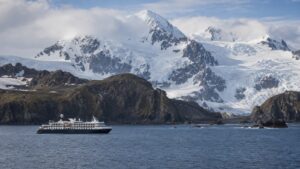
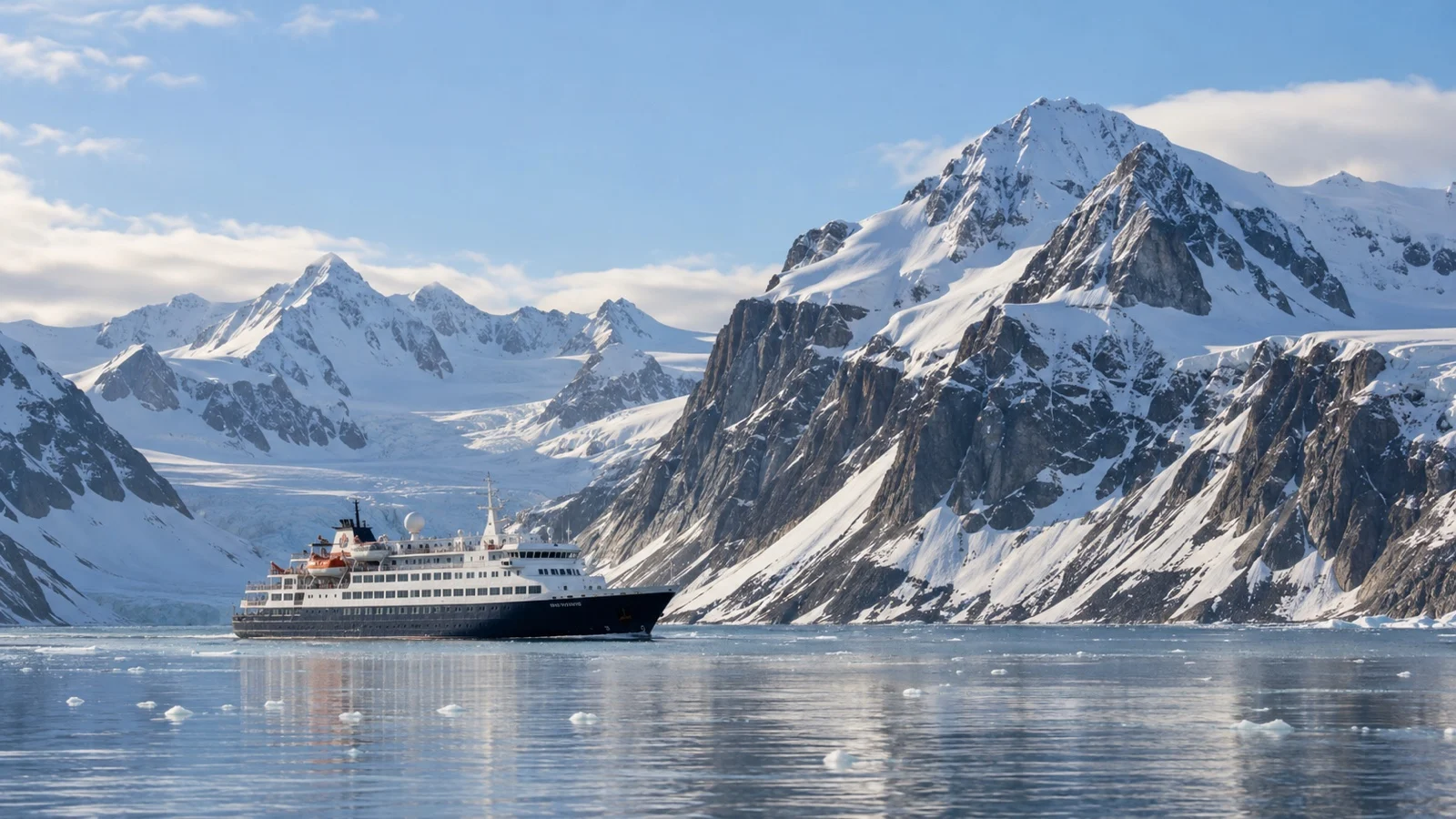
Tourist vessels carrying more than 200 passengers cannot enter Svalbard’s protected areas, which cover much of the archipelago. A smaller expedition ship opens more route options, although no company can guarantee a particular landing or wildlife sighting.
Treat polar bear viewing as a possible long-distance sighting, not a promised close encounter. Norwegian law puts the responsibility on people and operators to avoid disturbance and keep or restore the required distance.
The quick facts
- What changed and when: amendments to Norway’s Svalbard environmental rules took effect on 1 January 2025, covering landings, wildlife distances and sea ice. Separate field safety regulations applied from 1 January 2026.
- Passenger ceiling: tourist ships carrying more than 200 passengers cannot enter Svalbard’s protected areas. The Governor of Svalbard’s summary applies that limit across the protected-area system, not only the eastern reserves.
- How you get ashore: expedition ships usually use inflatable boats at remote sites, and the landing may be wet or dry. Quays exist in settlements and at some developed locations, so ask your operator what each planned call involves.
- Where you can land: organized tourist landings in protected areas are limited to mapped sites, with exceptions for Nordre Isfjorden and Sassen-Bünsow Land national parks and places where traffic was already prohibited. Visitors must land and stay with a guide, and individual sites have their own group limits.
- Polar bear distance: people must stay at least 300 meters, about 328 yards, from a polar bear. From March 1 through June 30 the minimum is 500 meters, about 547 yards, and anyone who discovers a bear closer must retreat, subject to narrow safety exceptions in the regulation.
- Drones: banned in protected areas, and aviation rules generally prohibit flying within 5 kilometers, about 3.1 miles, of Longyearbyen and Ny-Ålesund airports without permission. From April 1 through August 31, drones are also prohibited within 500 meters, about 547 yards, of bird cliffs.
- Fuel: since January 1, 2022, ships calling in Svalbard’s territorial waters may not use or carry petroleum fuel with viscosity, density, or solidification points above the marine-gas-oil definition.
The Svalbard cruise rules that actually change your itinerary
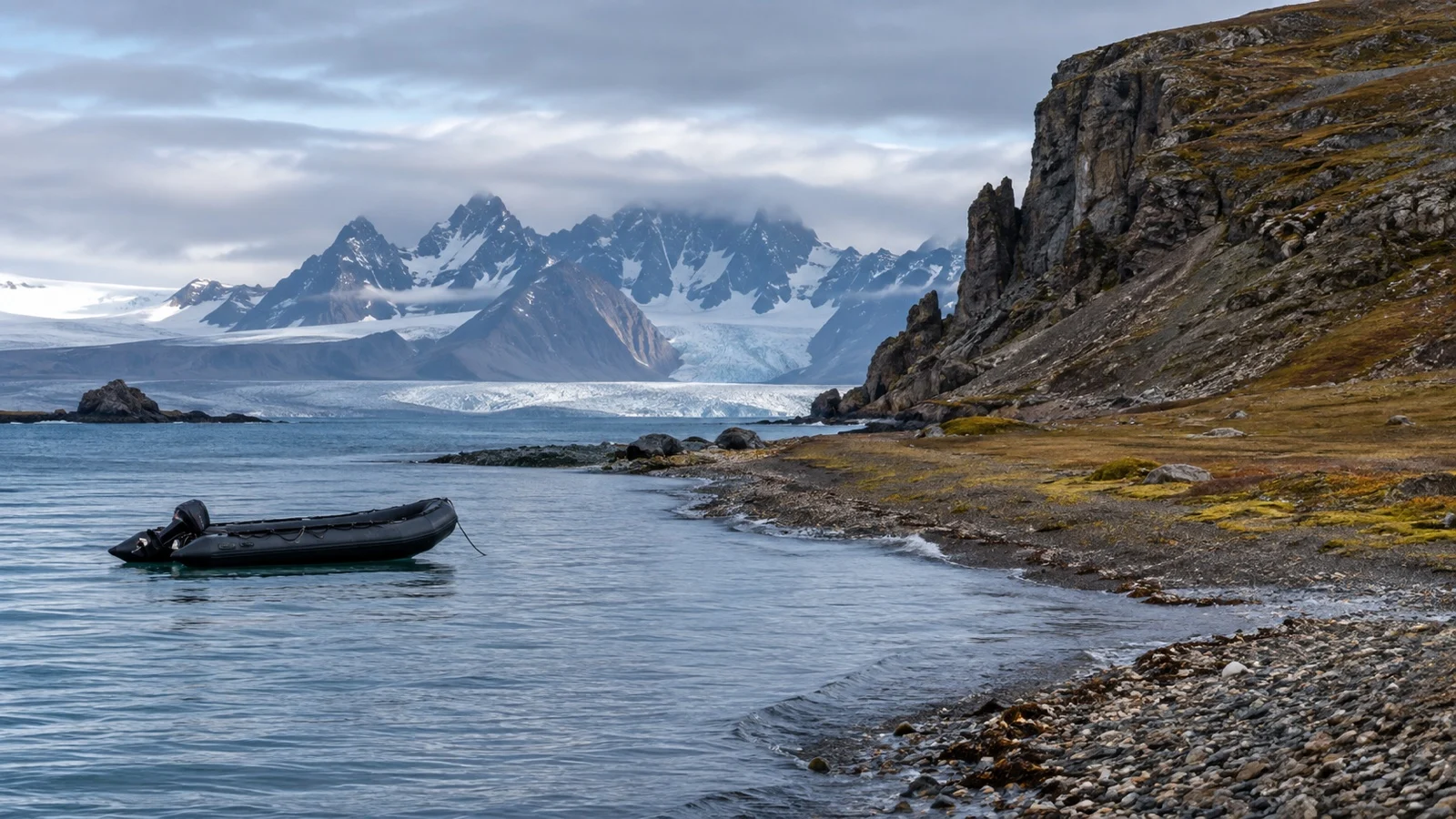
Start with the geography, because it explains everything else. The Governor of Svalbard counts seven national parks, 21 nature reserves, and one geotope protected area, covering roughly 65 percent of the land and 84 percent of the territorial waters.
The 200-passenger cap directly affects which protected areas a tourist ship may enter. A tourist ship carrying more than 200 passengers cannot enter protected areas, including the large national parks and nature reserves that cover much of the archipelago.
Organized tourist landings in protected areas are now limited to mapped locations, subject to the exceptions noted above. Each site can also have a maximum party size, a limit on visitors ashore, and rules about where groups may go.
The landing-site restriction described by the Governor applies to tourist activity rather than individual travelers or permanent residents. A local resident’s route therefore may not show what an organized ship excursion is allowed to do.
Polar bears, walrus and the distance rules
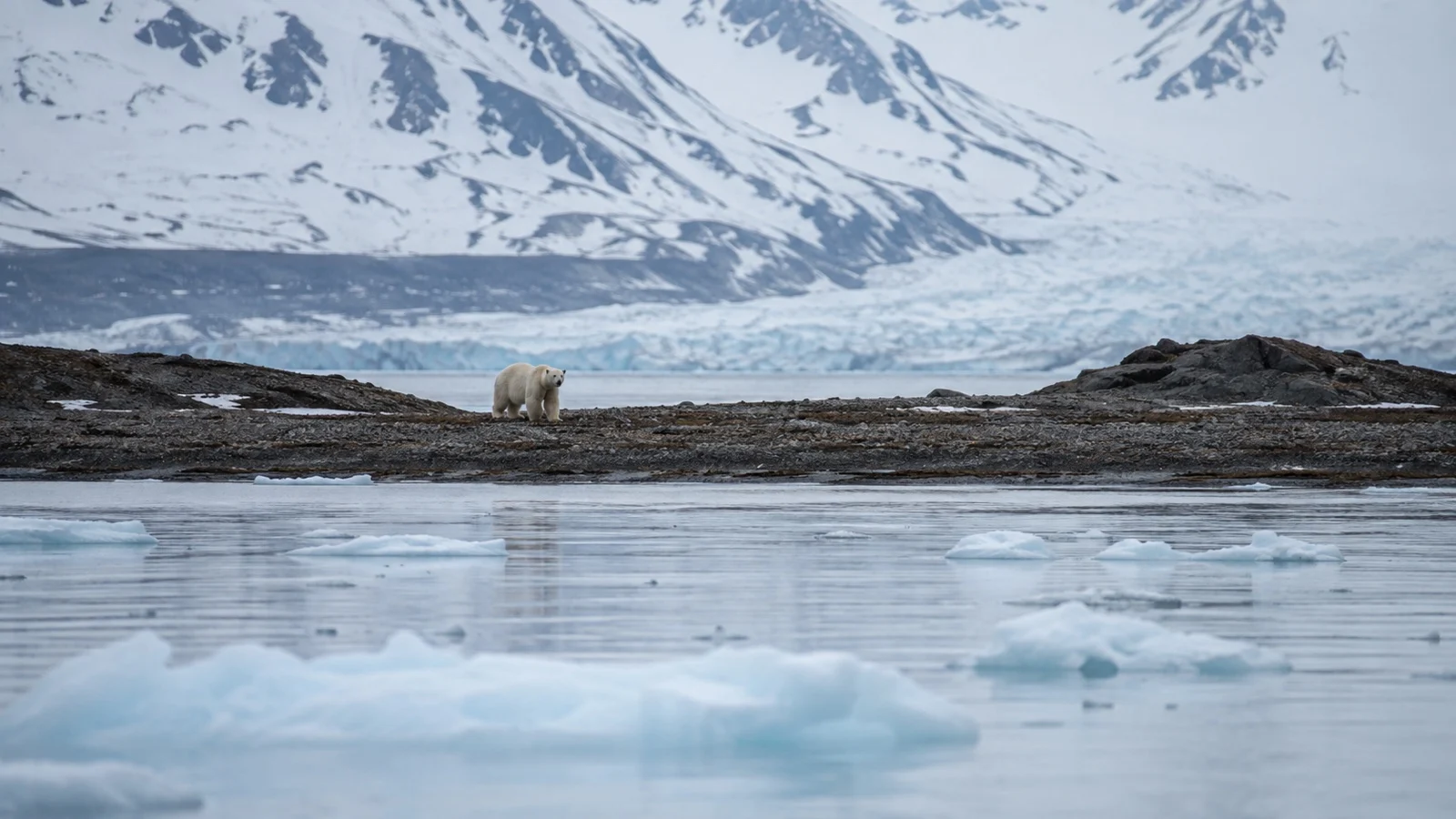
Norwegian law sets minimum distances for approaching polar bears. Operators may keep farther away when conditions or animal behavior require it.
The limit sits at about 330 yards for most of the year. From 1 March to 30 June, through the denning and early spring period, it widens to roughly 550 yards.
If a bear is discovered inside the minimum distance, the people or vessel involved must retreat and restore it. The regulation has narrow exceptions around inhabited places, research stations, cabins, and tents where withdrawing could conflict with safety.
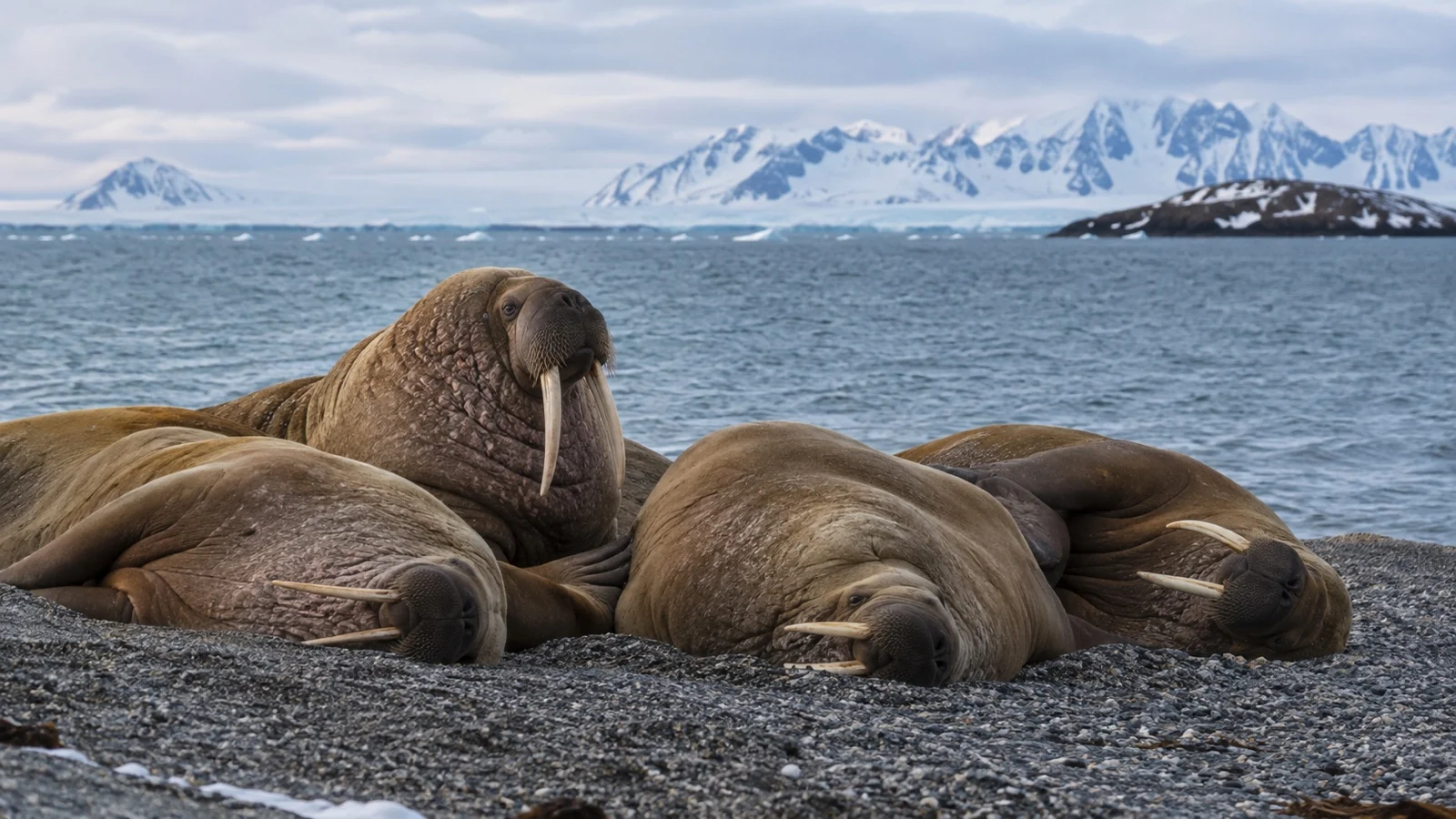
Motor vessels must stay at least 150 meters, about 164 yards, from walrus haul-outs. When they are within 300 meters, about 328 yards, they may not exceed 5 knots.
Fuel, sea ice and the drone ban
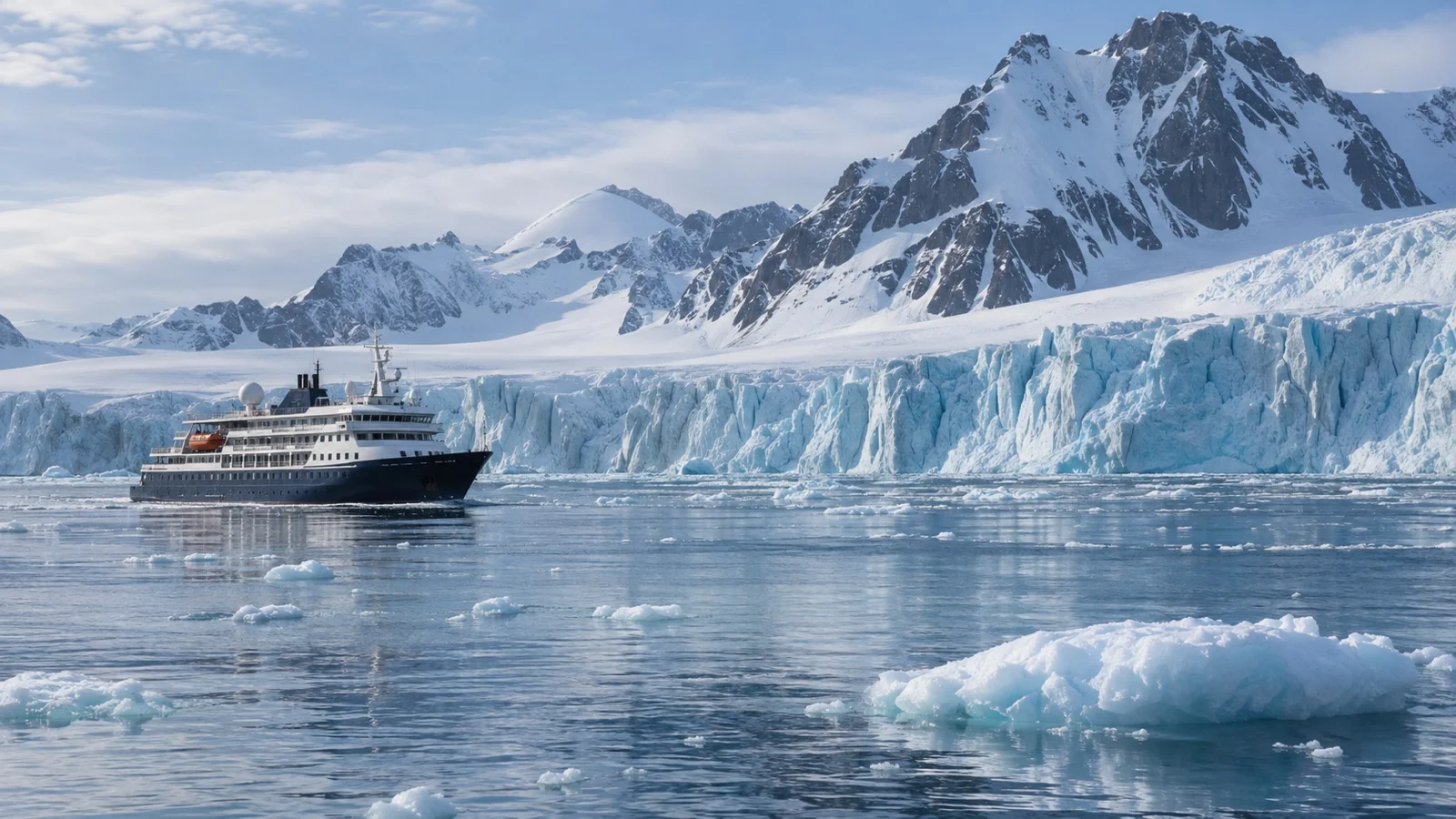
The heavy fuel oil ban applies throughout Svalbard’s territorial waters. Since 1 January 2022, ships in Svalbard’s territorial waters have been barred from using or carrying fuel heavier than marine gas oil, a prohibition the Governor of Svalbard sets out under section 82 a of the Svalbard Environmental Protection Act.
Breaking fast ice with a ship is generally prohibited, with limited exceptions set out in the regulations. That can remove a route or landing from the plan even when a vessel could physically push through.
Drone restrictions apply directly to individual passengers as well as operators. Flying is prohibited in protected areas and within 500 meters of bird cliffs from April 1 through August 31, while airport restrictions generally cover a 5-kilometer, or 3.1-mile, radius without permission.
Ny-Ålesund also protects scientific radio measurements, and local restrictions can go beyond the general aviation rules. Leave the drone at home unless you have checked the exact location, protected-area status, airport zone, seasonal wildlife rules, and any required permission.
The rules worth remembering
The operator manages route permits and vessel compliance, but passengers still need to follow wildlife, landing and drone rules. These are the limits most likely to affect a day ashore.
- 200 passengers: the maximum a tourist ship may carry when entering protected areas. Ask the operator which planned calls sit inside protected areas and what the alternatives are.
- 330 and 550 yards: the polar bear approach limits, the wider one applying from 1 March to 30 June. Use a suitable long lens because guides cannot reduce the legal distance for a photograph.
- 164 yards: the minimum distance for a motor vessel from a walrus haul-out. Within about 328 yards, the vessel must stay at or below 5 knots.
- Leave the drone at home: it is illegal across the protected areas, near both airports and near bird cliffs in the breeding season. There is almost nowhere in Svalbard you can legally fly it from a ship.
- No landing without a guide: going ashore under the tourism rules requires a guide with knowledge of the natural and cultural environment. Wandering off from the group is not an eccentric choice, it is a breach.
- Cultural heritage: human traces dating from 1945 or earlier are automatically protected, and fixed monuments have a 100-meter, about 328-foot, security zone. Do not move or take newer objects either, because age and ownership may not be obvious and other rules can still apply.
Worth knowing: the polar bear rule prohibits unnecessary disturbance, attraction, and pursuit in addition to setting distance limits. A sighting is not permission to change the animal’s behavior for a photograph.
How to decide
Start with the protected areas on the advertised route because the 200-passenger limit makes ship capacity a practical booking factor. Then compare intended sites, alternatives, the expedition team and the operator’s approach to changing conditions.
A vessel carrying no more than 200 passengers has more access options inside protected areas than a larger tourist ship. Compare that access with price, comfort and the itinerary before paying a deposit.
Ask which landing sites the operator intends to use, which are protected, and what it normally substitutes if conditions close them. The answer should explain possibilities and constraints without pretending an expedition itinerary is guaranteed.
If you are already booked, read the operator’s current Svalbard briefing and compare it with the Governor’s guidance. Ask the expedition team about anything unclear before packing a drone, planning a landing, or choosing wildlife equipment.
A realistic word on accessibility
Remote Svalbard landings can be difficult for travelers with limited mobility. They commonly involve an inflatable-boat transfer and an unimproved shore, but the equipment and assistance vary by ship.
Ask the operator’s expedition or accessibility team about steps, standing, balance, transfer assistance, and walking surfaces. A captain or expedition leader may still decline a transfer when conditions make it unsafe.
The mapped-site rules limit the available alternatives, although an operator may still switch to another lawful site or offer a boat cruise when conditions allow. Read how Zodiac landings actually work, then discuss your specific needs before booking.
Longyearbyen has developed port facilities and road access, but berth locations and local transportation vary by call. Travelers with mobility requirements should confirm the assigned berth, shuttle, vessel access and excursion details before booking.
When to go, and the weather
Expedition schedules generally concentrate in the brighter, more navigable part of the year. Ice, daylight and route access vary by month, so compare the operator’s seasonal notes rather than assuming a fixed experience.
Sunshine can feel misleading in wind and spray. Monthly averages recorded at Longyearbyen and published by Yr, the service run by the Norwegian Meteorological Institute and NRK, have recently sat around 43 to 48°F in June, July and August.
September is cooler than midsummer, and conditions can change quickly. On deck, wind and spray can make the air feel much colder.
One rule is season dependent and worth planning around. The wider 550-yard polar bear limit applies from 1 March to 30 June, so an early June sailing is legally held farther back from bears than a late August one.
Quick answers
How many passengers can a cruise ship have in Svalbard’s protected areas?
A tourist ship may carry no more than 200 passengers when entering protected areas, so compare the vessel’s capacity with the advertised route.
Can my ship land anywhere it likes?
No, organized tourist landings in protected areas are generally limited to mapped sites, with stated exceptions, site limits, and a requirement to stay with a guide.
How close can we get to a polar bear?
The legal minimum is 300 meters, about 328 yards, or 500 meters, about 547 yards, from March 1 through June 30, and the people or vessel must retreat if a bear is discovered closer.
Can I fly a drone from the ship?
Only where every applicable rule allows it, excluding protected areas, seasonal bird-cliff zones, and the general 5-kilometer, or 3.1-mile, airport zones without permission.
Are big cruise ships banned from Svalbard altogether?
No, but tourist ships carrying more than 200 passengers cannot enter protected areas, and all ships must follow applicable fuel, wildlife, navigation, and landing rules.
The last word
Svalbard’s newer rules place tighter legal limits on vessel access, landing sites and wildlife approaches. They also make ship capacity and protected-area routing more important when comparing itineraries.
The Norwegian Polar Institute’s MOSJ monitoring program recorded expedition cruises going ashore at 224 different sites in 2019, up from 120 in 2001. The mapped landing-site system and site-specific limits are the current response to managing that growth.
What it means for you is a calmer, more constrained trip with fewer surprises and better odds that the place survives your visit. For arrival planning, the guide to the port at Longyearbyen covers the quay and town, while the wider Svalbard cruise ports overview explains common itinerary patterns.
Antarctica also uses visitor and landing controls, but it is a different legal system with different limits. The guide to Antarctica’s landing rules covers that destination separately.
How this guide was researched: This guide is based on independent research, not a first-hand Svalbard sailing or landing. Rules were checked on September 12, 2026, against the Governor of Svalbard’s current guidance, the protected-area regulations on Lovdata, Norwegian aviation restrictions, and AECO guidance. Requirements can change, so confirm the operator’s current briefing and see our Editorial Policy.
More on this topic: browse every guide on expedition and alternative cruises.