IJmuiden Cruise Port: Your Sea Gateway to Amsterdam
IJmuiden is a North Sea cruise port west of Amsterdam, not another name for the passenger terminal beside Amsterdam Central. Ships berth near the sea entrance to the North Sea Canal, which saves them the inland canal and lock transit but leaves passengers needing road transport for an Amsterdam day.
That tradeoff is the key to planning. Amsterdam is realistic with a cruise-line transfer or carefully timed independent ride, while IJmuiden itself offers a beach, dunes, harbor scenery, and a lower-stress coastal alternative.
My quick take
Choose Amsterdam if it is your first visit and the ship provides a well-timed transfer. Choose IJmuiden and the coast if your call is shorter, traffic looks poor, or you would rather trade museums and canal crowds for sea air and a forgiving return.
Do not start walking toward “town” until you know which terminal you are using. IJmuiden’s cruise and ferry facilities are separate, the port is industrial, and the attractions are spread across different parts of the waterfront.
IJmuiden quick facts
- Port identity: IJmuiden is the seaward gateway to Amsterdam, but it is a separate cruise port and municipality.
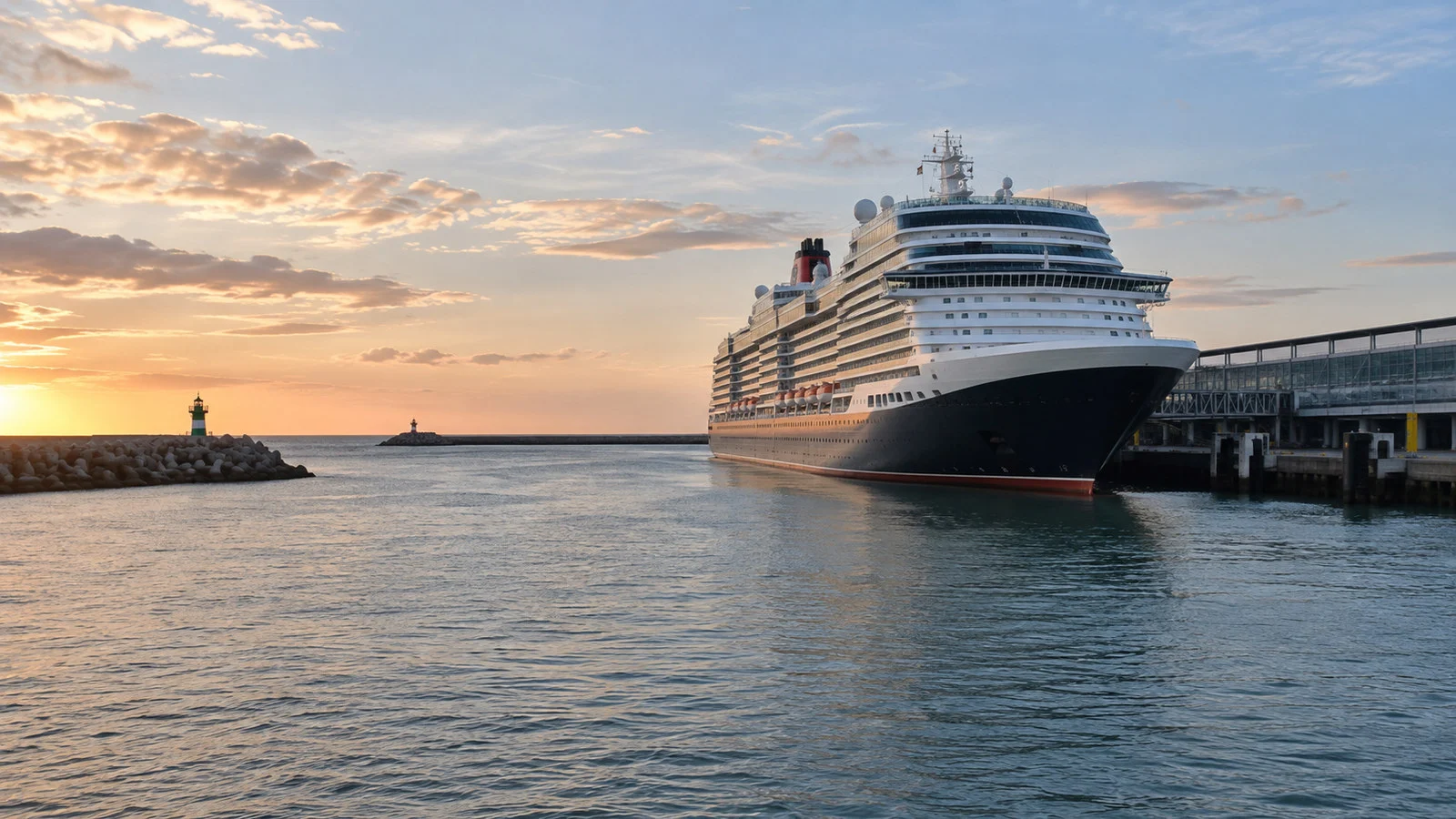
- Typical arrival: Alongside at an outer-harbor cruise berth managed through Felison operations.
- Tender: Not the normal setup at the purpose-built cruise terminal, though the ship’s daily instructions always control.
- Amsterdam transfer: Usually easiest by cruise coach, private transfer, or taxi; road time varies sharply with traffic.
- Public transport: Possible by local bus and onward connections, but there is no rail station at the cruise terminal.
- Local alternative: IJmuiden aan Zee beach, marina area, dunes, and selected maritime or wartime sites.
- Currency: Euro; contactless payment is common, but every traveler needs a separate valid transit payment method.
Where your ship actually docks
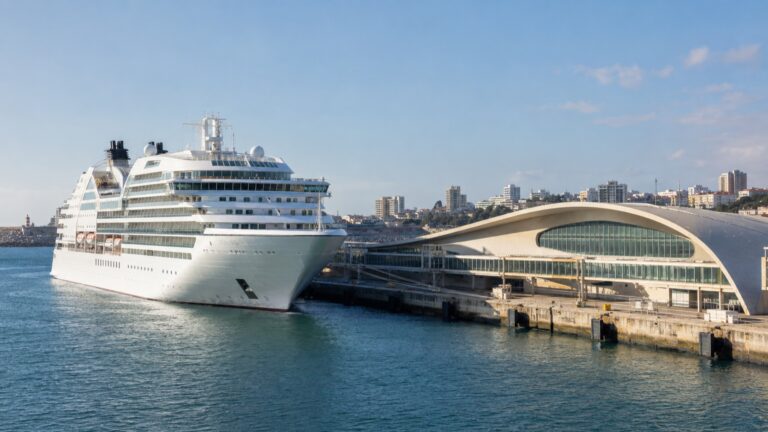
Felison operates the IJmuiden cruise terminal in the outer harbor, where ships can move from the North Sea to berth without first navigating the locks and long canal approach to Amsterdam. The company describes a purpose-built passenger operation with landside connections to Amsterdam, Schiphol Airport, and the wider region.
The separate ferry terminal serves the Newcastle route and should not be used as your default cruise pickup address. Confirm the terminal name, berth, and meeting point in the cruise documents before ordering a taxi or telling a driver where to return.
Getting through the terminal
IJmuiden is generally an alongside port, but gangway slope, stairs, and walking distance still depend on tide, berth, and vessel. Ask the ship about mobility assistance and any shuttle between the secure area and public pickup point.
The surrounding harbor is active and industrial. Use signed passenger routes and do not walk through restricted roads, gates, or cargo areas because a map appears to show a shortcut.
Getting to Amsterdam
A cruise-line coach is usually the simplest choice because it coordinates terminal access, a central drop-off, and the ship’s schedule. Read whether the product is a guided tour, an escorted transfer, or transportation only, and note the exact Amsterdam return point.
A taxi or prebooked car offers door-to-door flexibility, especially for a family or small group. Reserve the return as well as the outbound ride, confirm the terminal name in writing, and leave room for highway congestion.
Public transport
Public transport can work, but it normally begins with a local bus because IJmuiden has no passenger rail station. Use a live door-to-door planner for the terminal, not merely “IJmuiden,” and check the final connection back before leaving.
Dutch public transport accepts many contactless debit and credit cards through OVpay, with one payment method per traveler and the same card or device used to check in and out. Review current rules through NS and the local bus operator because routes, stops, fares, and service intervals change.
Protecting the return from Amsterdam
Amsterdam’s center is compact once you arrive, but museum reservations, canal crossings, crowds, and construction can consume the margin. Pick one anchor attraction and one nearby neighborhood rather than collecting distant pins.
Set a departure time from Amsterdam that survives a missed bus, traffic delay, or pickup problem. The ship’s all-aboard time applies in IJmuiden, not when you reach the outskirts of the port.
A practical Amsterdam day
First-time visitors can combine a reserved museum or canal cruise with a focused walk through the historic center. Avoid booking two timed attractions so tightly that one security line ruins the other.
If the Rijksmuseum, Anne Frank House, or another high-demand attraction is essential, use its official ticket site and confirm the date, entry window, bag rules, and accessibility. Do not rely on finding same-day tickets after the transfer arrives.
The separate Amsterdam cruise port guide explains the city itself, but replace its walk-from-terminal assumptions with your IJmuiden transfer. Your port day begins and ends with a substantial road or transit leg.
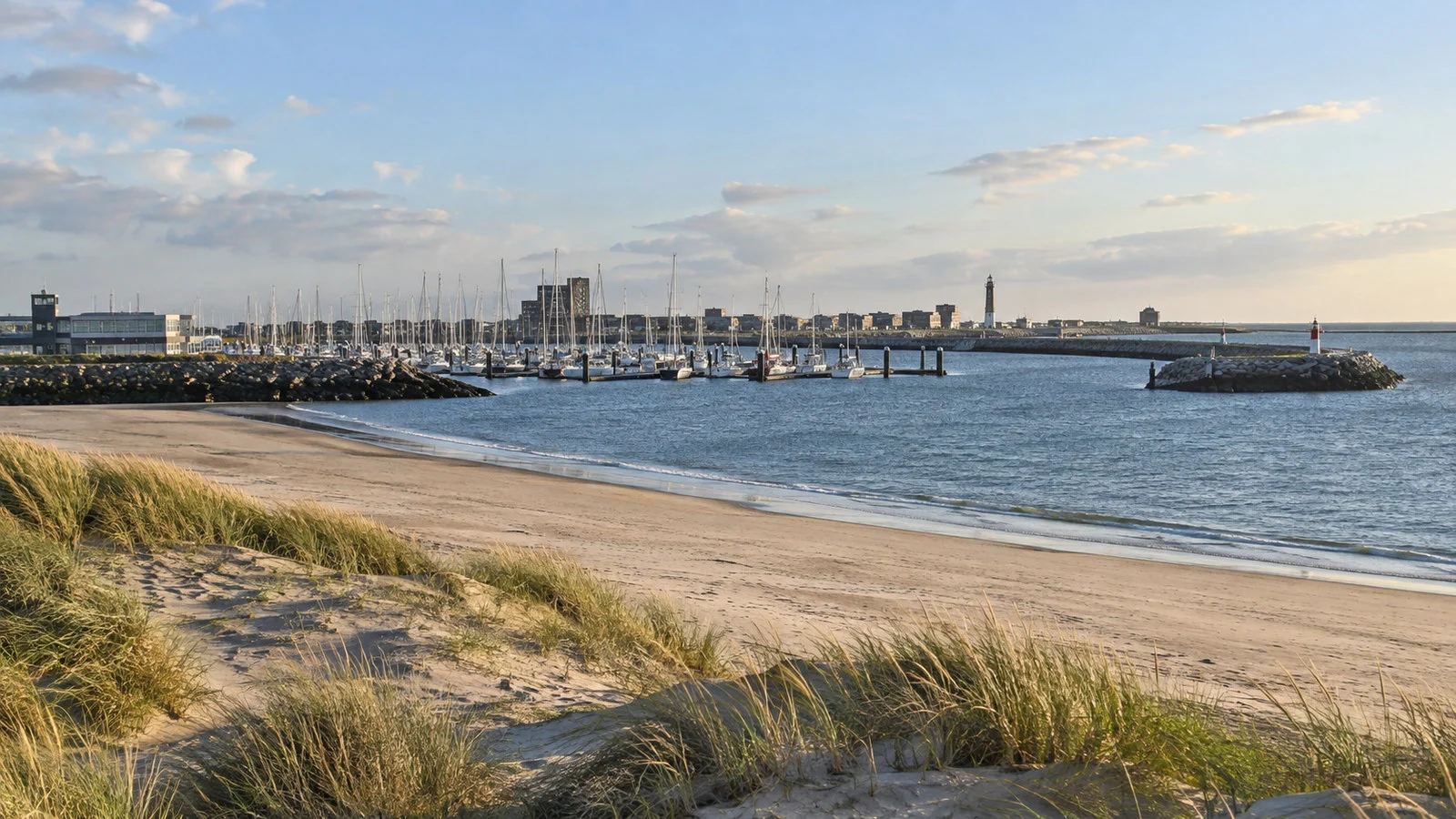
Staying local in IJmuiden
A local day is not a consolation prize when the weather cooperates. IJmuiden’s North Sea beach and dune landscape feel completely different from Amsterdam, and they remove the largest traffic risk from the call.
Beach and marina
IJmuiden aan Zee has a broad beach and a marina district, but neither should be assumed to sit directly outside every cruise gangway. Confirm whether the ship offers a shuttle or use a taxi based on the day’s terminal exit.
The North Sea can be cold, windy, and rough even on a bright day. Swim only where conditions and local flags permit, and treat a beach walk as the dependable activity rather than promising swimming.
Sea locks and harbor infrastructure
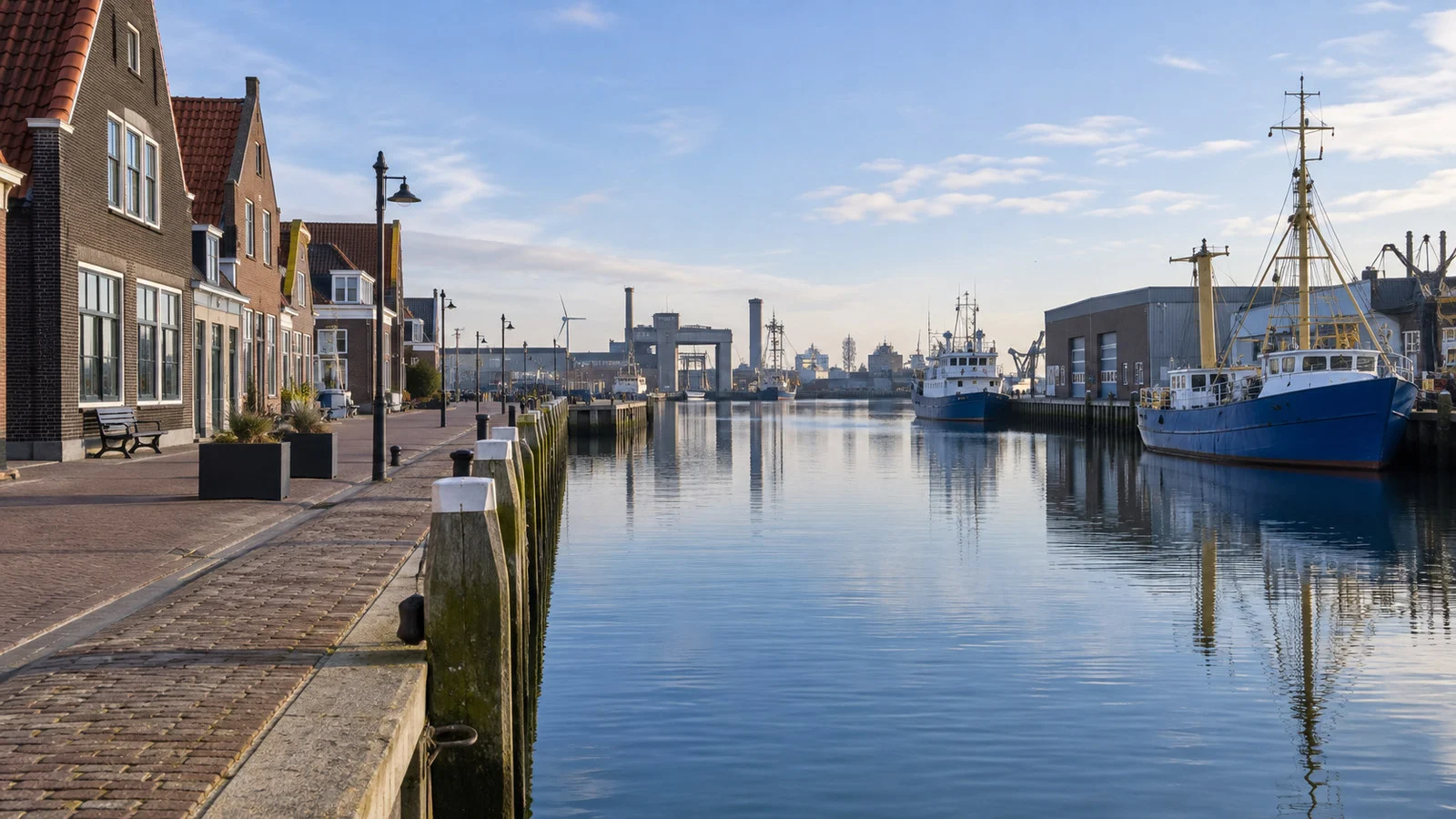
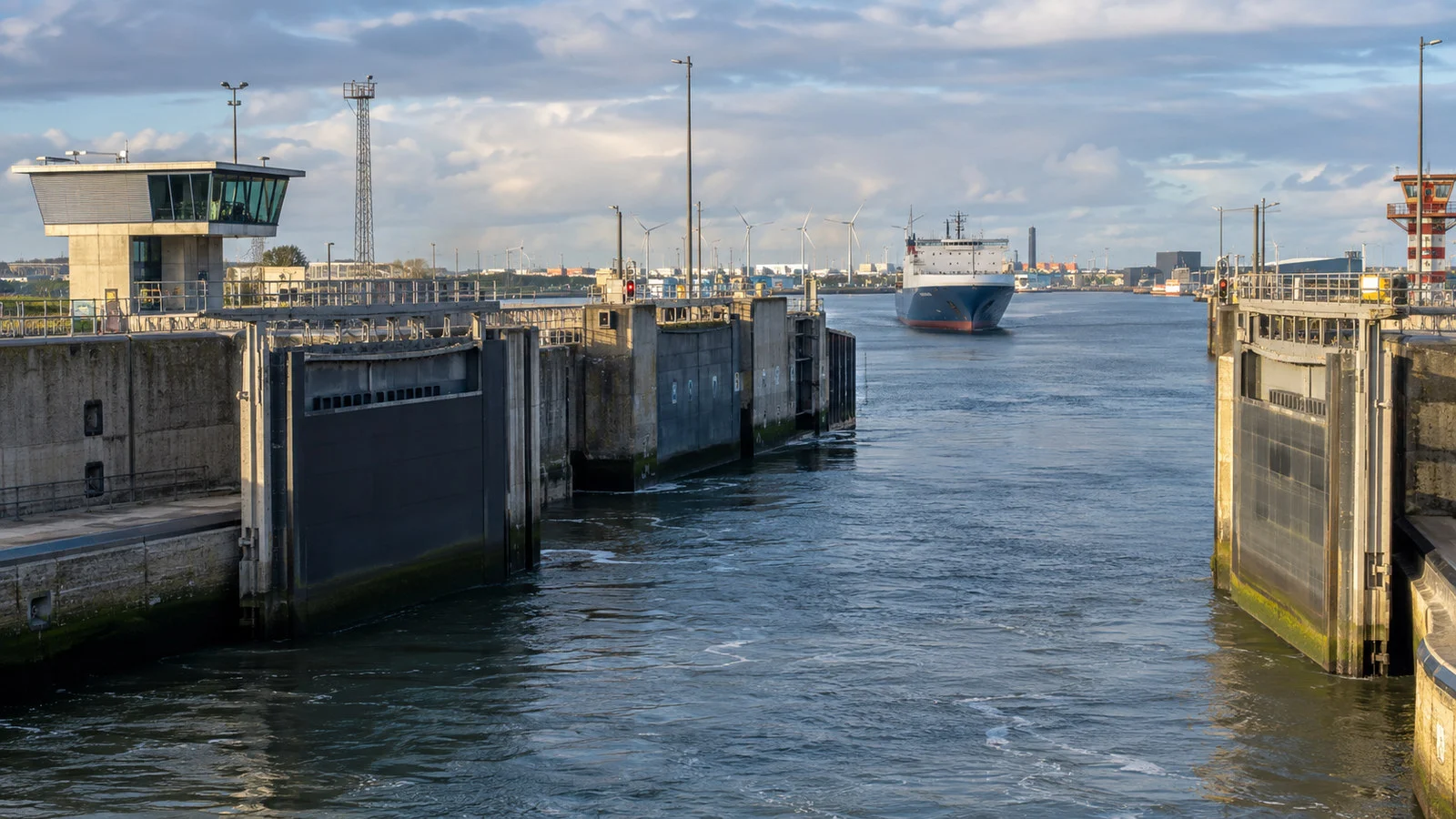
IJmuiden’s lock complex connects the North Sea with the North Sea Canal and is central to the region’s maritime identity. It is working infrastructure with controlled roads and viewpoints, not an attraction where visitors can wander wherever they like.
Use current visitor information and a planned route if the locks are your priority. Construction, security, ship movements, and cycling routes can all affect access.
Bunkers, dunes, and nature
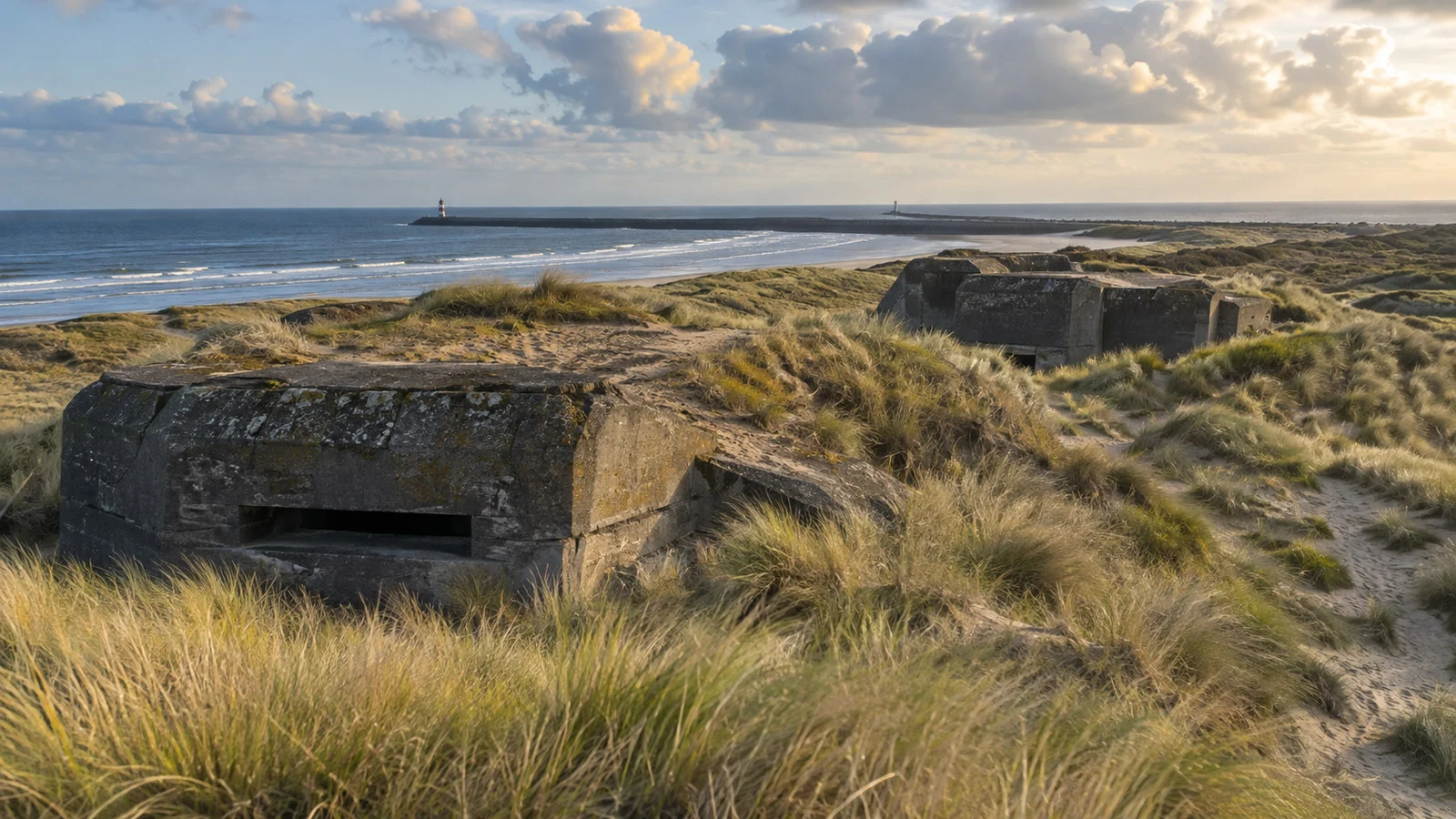
The coastal dunes contain Second World War remains and protected landscapes, with museums or guided sites operating on limited schedules. Check the specific attraction’s opening day before leaving the terminal, because a bunker site visible on a map may be closed or accessible only by tour.
Stay on marked paths in the dunes and keep clear of unstable structures. Wind, sand, and cycling traffic make sturdy shoes and a close-fitting layer more useful than dressy city clothes.
Ship excursion or go independently?
A ship excursion earns its price when Amsterdam traffic and a fixed museum reservation need to be coordinated. It is also the safer choice for travelers who want minimal uncertainty between the secure terminal and city center.
Independent travel gives you more freedom and can work well with a prebooked driver or a robust public-transit plan. It becomes a poor bargain when the schedule depends on one last bus or an on-demand taxi appearing at the right moment.
Three realistic plans
Short call: Stay in IJmuiden for the beach, marina, or a confirmed local attraction. Keep the final portion of the day close to the terminal.
Full Amsterdam day: Take the earliest practical transfer, reserve one essential activity, and return with a substantial traffic margin. Save the cruise terminal name and pickup pin offline.
Repeat Amsterdam visitor: Choose Haarlem or the IJmuiden coast only with direct, verified transport. Do not add Kinderdijk or another distant Dutch icon simply because it appears on a national map.
Accessibility
Felison describes a purpose-built cruise terminal, but the actual route includes the ship’s gangway, terminal floor, pickup area, vehicle, and destination. Confirm each part separately with the cruise line and transfer provider.
For an Amsterdam coach, ask about steps, lift availability, wheelchair storage, mobility-device dimensions, accessible toilets, and walking distance from the drop-off. A central coach stop may still be several blocks from the attraction.
Public transport can be accessible, but assistance and step-free routing depend on the specific bus, stop, station, and disruption. Use the accessible journey-planning features and avoid a connection that leaves no alternative.
Weather and safety
IJmuiden is exposed to North Sea wind and fast-changing showers. Carry a waterproof layer and secure loose hats, bags, and papers before stepping onto the gangway.
Cyclists and scooters move quickly on Dutch paths, often with less noise than visitors expect. Use pedestrian areas, look both ways before crossing a red cycle lane, and avoid standing in the path while checking directions.
For emergencies in the Netherlands, call 112. Keep the ship’s contact and exact terminal address with you, especially when returning from Amsterdam or Haarlem.
Timing your return
Work backward from all-aboard and include the city exit, road or transit travel, terminal security, and gangway. A transfer that reaches IJmuiden at sailing time is already too late.
Cruise-line transportation provides schedule coordination but does not make traffic disappear. Follow the guide’s meeting time, and if you travel independently, build enough margin to switch from bus to taxi or from one road route to another.
How IJmuiden fits a Netherlands cruise
IJmuiden is useful because it lets a ship reach a North Sea berth quickly while still marketing Amsterdam as the principal destination. For passengers, the same geography creates a choice between a transfer-heavy city day and a relaxed coast day.
It is not a practical starting point for Kinderdijk during an ordinary call, and it should not be confused with Rotterdam. Use the Netherlands cruise ports guide to separate the country’s sea gateways, river berths, and inland day-trip destinations.
Quick answers
Is IJmuiden the same as Amsterdam cruise port?
No, IJmuiden is a separate North Sea port west of Amsterdam. You need road or public transport to reach central Amsterdam from the cruise terminal.
Do ships tender in IJmuiden?
Cruise ships normally use an outer-harbor berth and passenger terminal rather than routine tendering. The ship’s daily instructions still control because berth and operational plans can change.
Can I walk from the terminal into central IJmuiden?
Do not assume a simple city-center walk from every berth. The port is spread out and industrial, so use the terminal’s signed exit, shuttle, taxi, or a verified pedestrian route.
Should I take the ship transfer to Amsterdam?
It is usually the easiest option for a first visit or a tight call. Independent transport can work, but it needs a return plan that accounts for traffic and missed connections.
Can I stay near the port?
Yes, the beach, dunes, marina area, and selected local sites can make a satisfying coastal day. Check distance and opening hours from your exact terminal before setting out.
Can I tap a bank card on transit?
Many Dutch public-transport services accept contactless cards and devices, but each traveler needs a separate method and must check in and out with the same one. Confirm the current rules and local route before travel.
The last word
IJmuiden becomes much easier once you stop treating it as a walk-off Amsterdam berth. Decide between the city and the coast, reserve the transport that decision requires, and protect a return buffer large enough for the North Holland road network to have a bad afternoon.
If you are staying before or after the sailing, the IJmuiden hotel guide can help separate terminal convenience from an Amsterdam sightseeing base.
How this guide was researched: Unless a first-hand visit is explicitly identified above, this guide is based on independent research using official terminal, transport, government, tourism, and attraction sources where available. Logistics and time-sensitive details were reviewed in September 2026; see our Editorial Policy.