Floreana Island Cruise Guide: Landings, Village, and Snorkeling
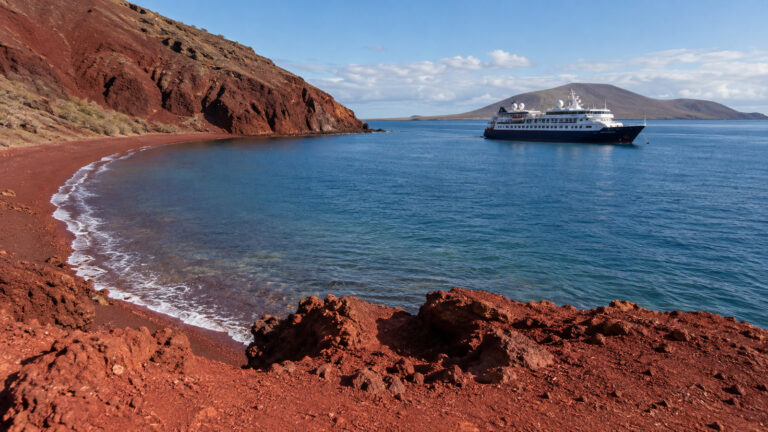
Floreana is not one simple cruise port. A ship’s schedule may mean a wet landing at Post Office Bay, a nature walk at Punta Cormorant, a village visit in Puerto Velasco Ibarra, or a water-only outing at Devil’s Crown or Champion Islet.
Those experiences are not interchangeable, so read the exact place names before imagining your day. The best plan matches the assigned site, your mobility, and your comfort in open water.
My quick take
Floreana is one of the most interesting Galapagos stops because human history and ecological restoration sit right beside the wildlife. It feels less polished than a conventional port, and that is part of its appeal.
I would prioritize a guided landing for Post Office Bay’s maritime story or Punta Cormorant’s contrasting beaches. Add snorkeling only when the guide says conditions fit your actual ability, especially around current-prone Devil’s Crown.
The village is a separate kind of visit, not the automatic destination for every ship near Floreana. If your program does not name Puerto Velasco Ibarra, do not assume you can leave a remote visitor site and arrange your own ride into town.
Quick Facts
- Common cruise sites: Post Office Bay, Punta Cormorant, Devil’s Crown, Champion Islet, and occasionally Puerto Velasco Ibarra.
- Landing method: Remote beach sites normally use pangas, while the village has a public pier and offshore sites may involve no landing.
- Independent access: Possible in the inhabited village with advance planning, but protected visitor sites follow authorized routes and guiding rules.
- Services: Expect none at remote landings, while the small village has limited lodging, food, transport, and local services.
- Currency: Ecuador uses the United States dollar, but you will have nowhere to spend money at most expedition sites.
- Time: Follow ship time and the expedition team’s return instructions.
- Mobility: Panga transfers, wet landings, sand, rock, and natural trails can be challenging even when walking distances look short.
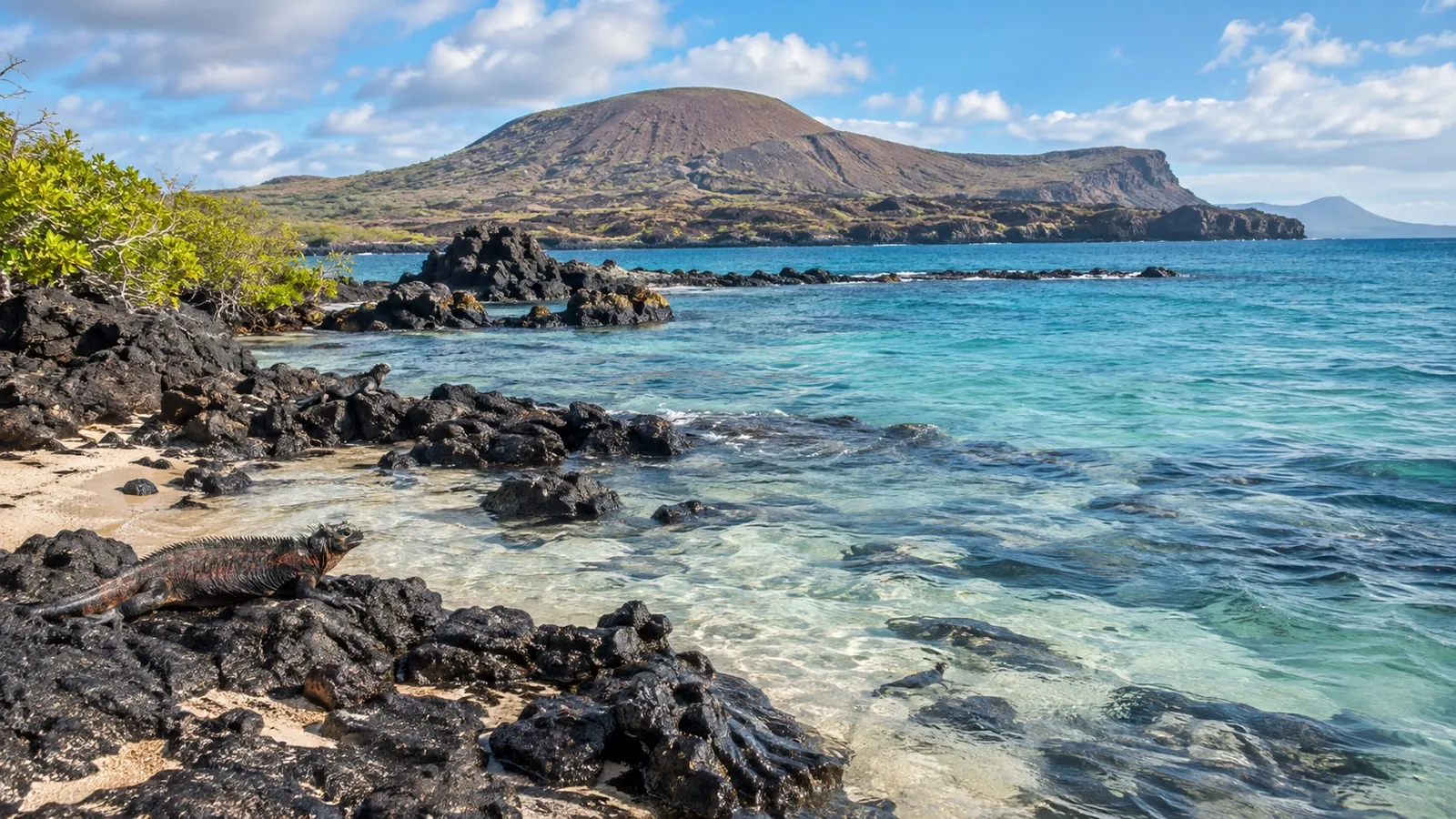
- Wildlife: Sightings vary, with possible flamingos, sea lions, sea turtles, rays, reef fish, penguins, seabirds, and marine iguanas.
First identify your Floreana stop
The name Floreana on a marketing map tells you very little about access. The detailed itinerary should identify a visitor site, village, islet, or marine activity, and that label determines what you can realistically do.
Expedition ships usually anchor offshore and move guests in small inflatable boats known locally as pangas. A landing may be wet on a beach, dry at a pier, or omitted entirely when the day’s activity stays in the water.
UNESCO describes the Galapagos World Heritage site as a volcanic archipelago with exceptional evolutionary and marine value. Its uninhabited areas are carefully managed through planned itineraries, permits, quotas, and visitor controls.
That framework is why you cannot improvise a private excursion from a protected beach. The island is welcoming, but access is structured around conservation rather than the freedom of an ordinary port day.
Puerto Velasco Ibarra
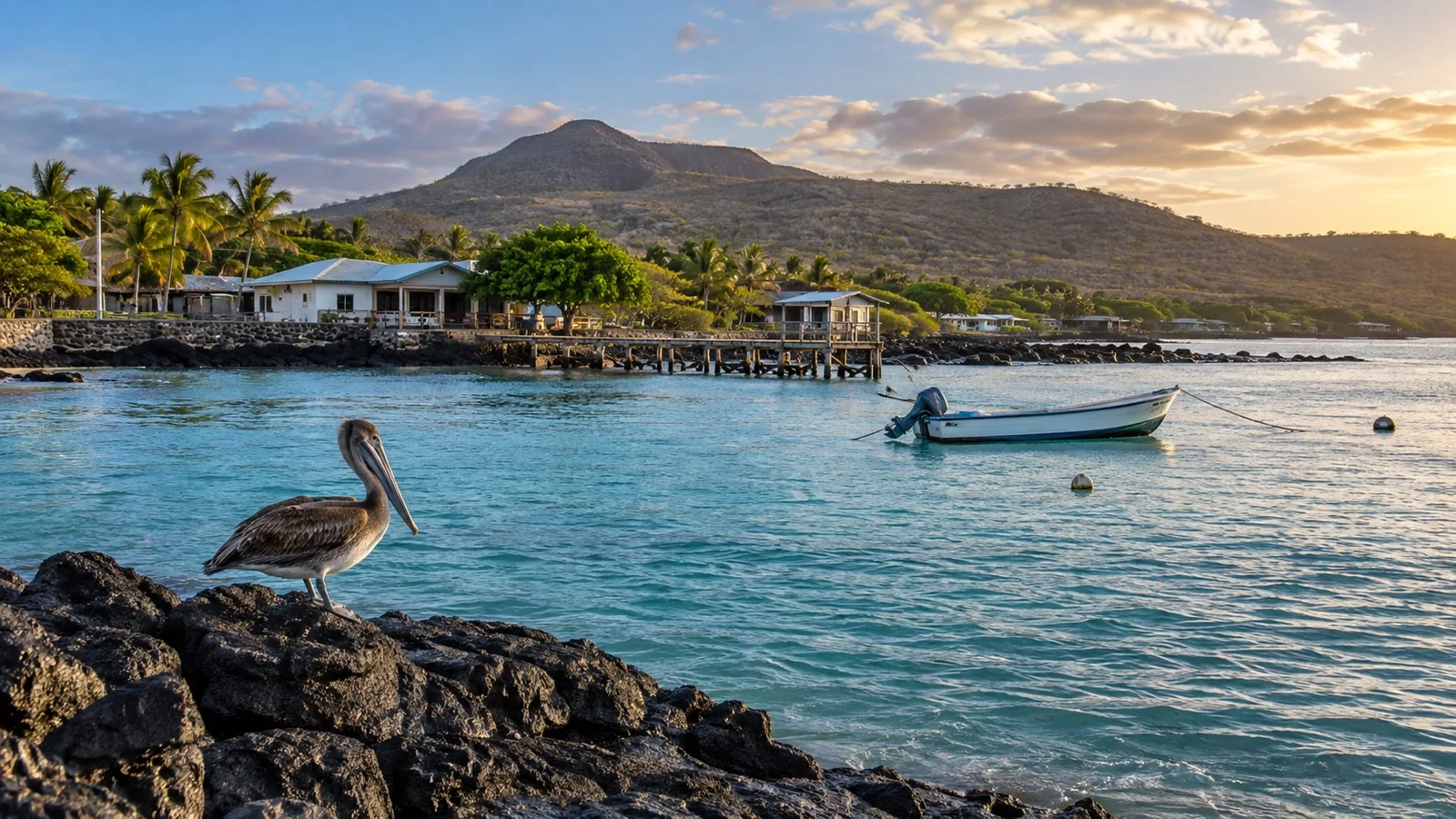
Puerto Velasco Ibarra is Floreana’s small inhabited settlement and the island’s only village. It has a public pier, modest local services, and a completely different rhythm from the remote visitor sites used by many expedition cruises.
A village call may allow time around the waterfront or include arranged transport toward the highlands. Confirm the precise program because local vehicles, guides, food service, and opening hours are limited.
Do not expect a cruise terminal, broad promenade, ATM district, taxi rank, or steady stream of tours for walk-up visitors. Bring the payment method your operator recommends and arrange anything important ahead.
Asilo de la Paz is a highland site associated with the island’s freshwater source and settlement history. It requires transport from the village and should not be treated as a quick walk between other cruise activities.
If visiting independently, reserve island transport, lodging, meals, and guiding before you arrive. Weather, conservation work, and limited capacity can affect schedules more noticeably here than on the larger inhabited islands.
Post Office Bay
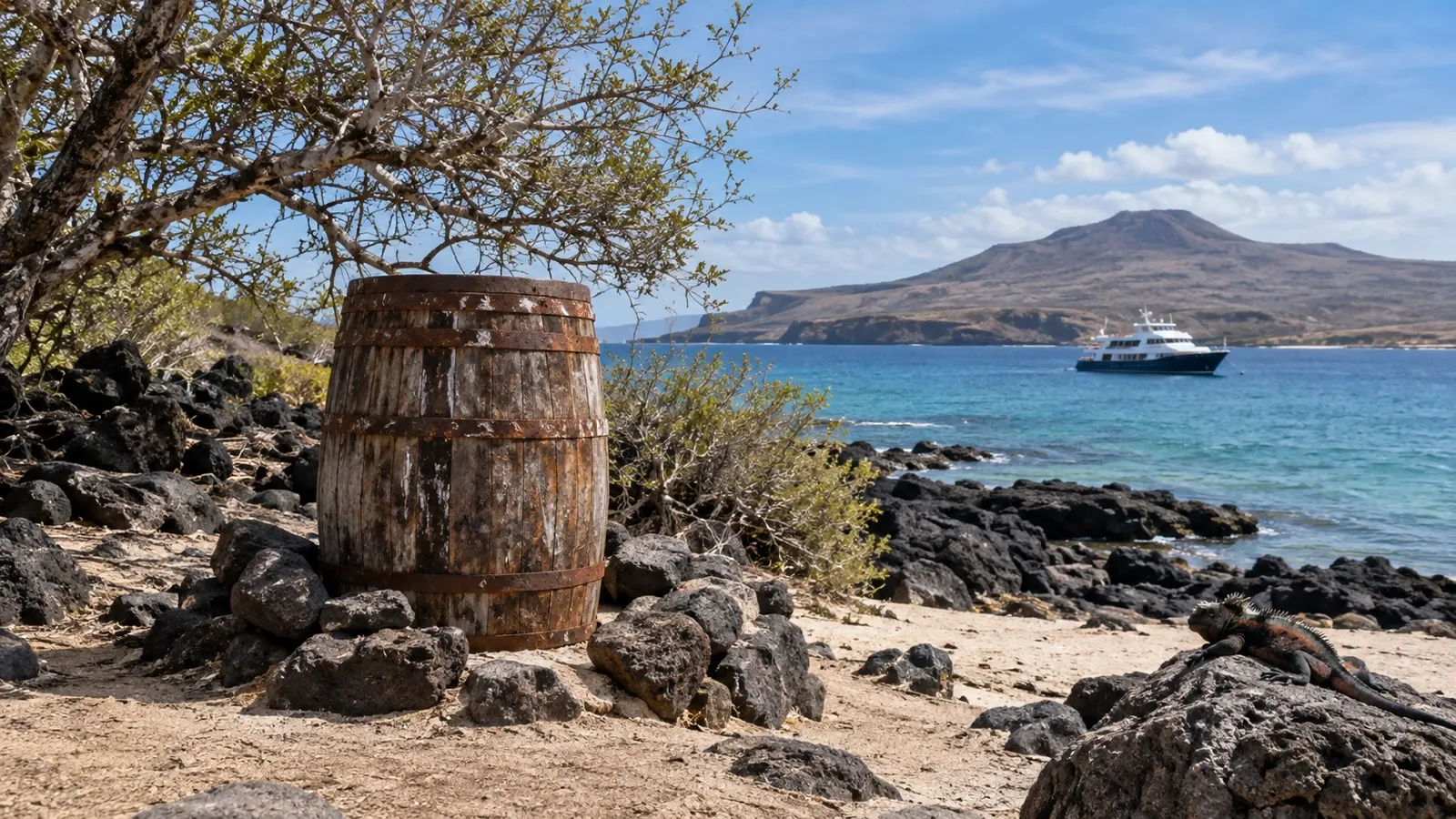
Post Office Bay is known for a barrel-mail tradition commonly traced to eighteenth-century sailors. Visitors leave unstamped cards and may take one addressed near home with the intention of delivering it personally.
Choose a card only if you can make a sincere delivery attempt. The tradition is a human relay, not a normal postal service with tracking or a promised arrival date.
The landing is normally wet, so expect to step from the panga into shallow water before walking onto sand. Secure footwear, quick-drying clothing, and a compact dry bag make the transfer more comfortable.
Some itineraries add a short walk or another activity near the bay, but offerings vary. Listen to the naturalist’s briefing instead of relying on a generic description from a different ship or year.
There are no ordinary port services at the landing. Use the ship’s restroom first, carry the recommended water, and leave unnecessary belongings in your cabin.
Punta Cormorant
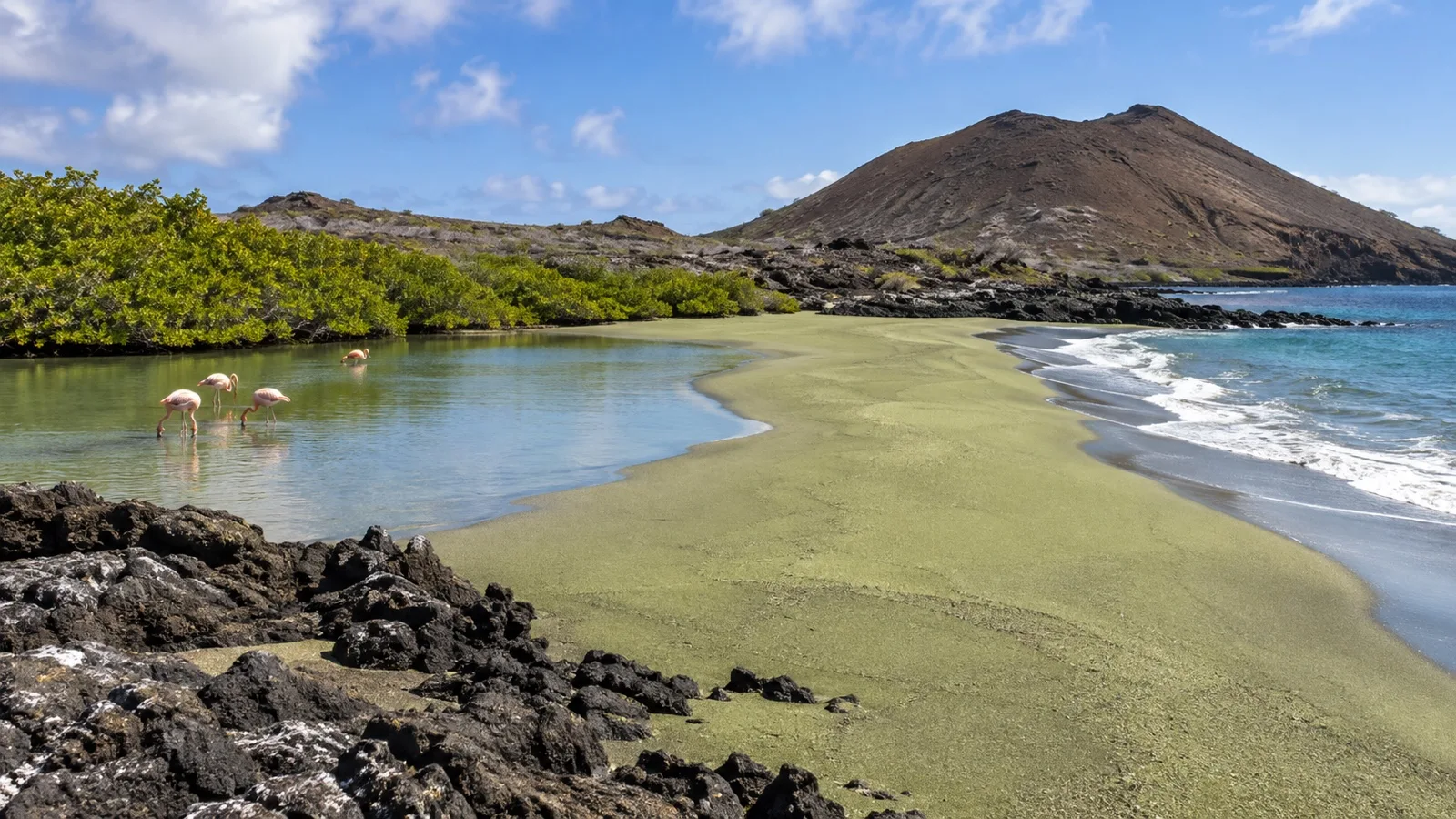
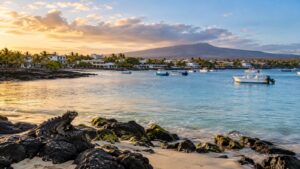
Punta Cormorant is a guided nature landing with two visually different shorelines. One beach has a greenish cast from olivine, while the other is formed from pale, finely broken coral material.
The walking route passes a brackish lagoon where American flamingos may feed. Their presence changes, so enjoy the landscape and other birdlife rather than treating flamingos as guaranteed.
The pale beach can be important for sea turtles and may also attract rays in the shallows. Access near nesting or resting wildlife depends on current park instructions, and your guide may limit where the group stops.
This is generally a natural trail, not a surfaced path. Expect sand, loose material, sun exposure, and places where careful footing matters.
Keep the group route open for wildlife and never step closer just because an animal appears unconcerned. The absence of visible fear is not permission to surround, touch, or block it.
Devil’s Crown
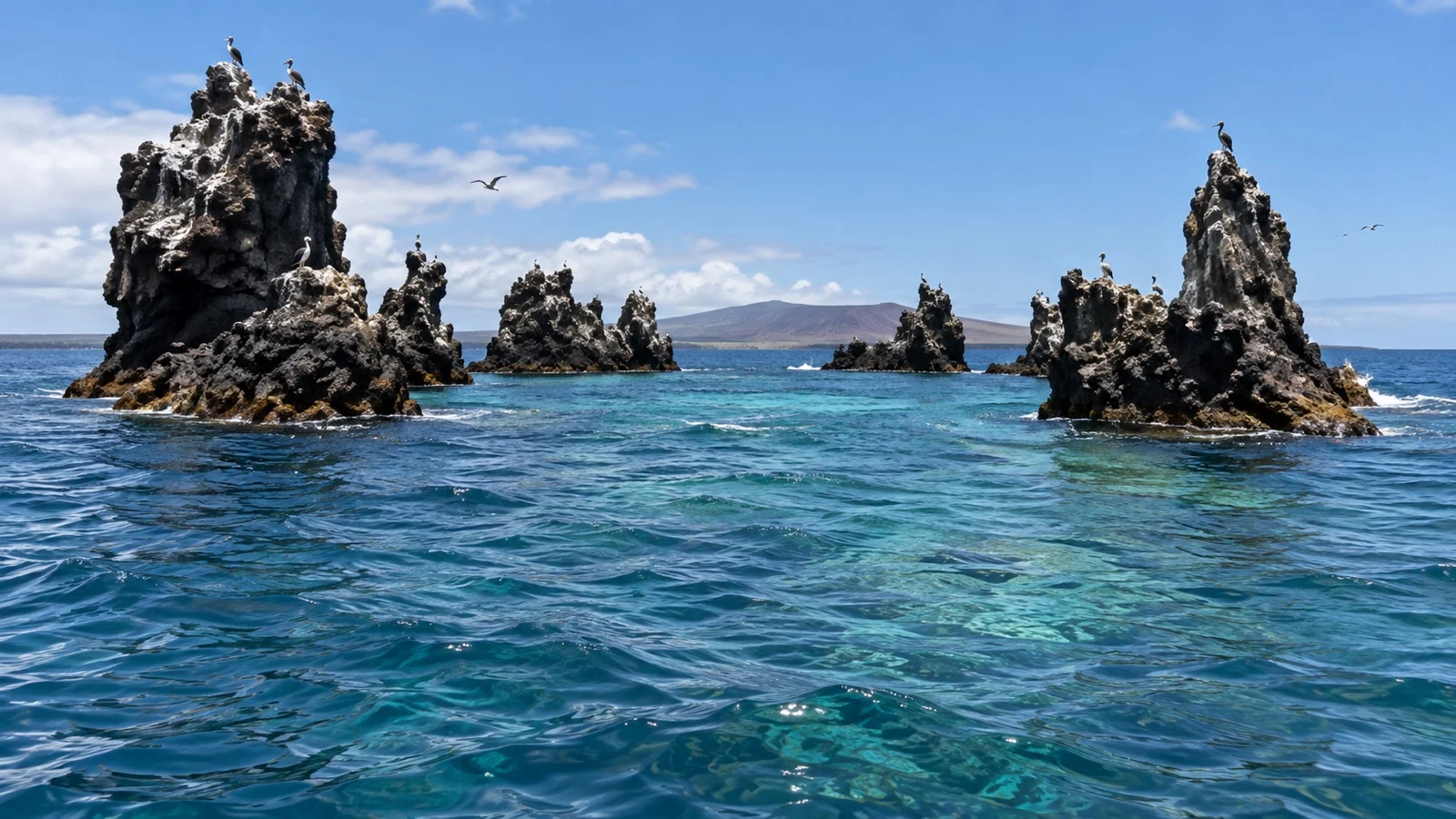
Devil’s Crown is the partly eroded rim of a volcanic formation rising from the sea near Floreana. It is primarily a snorkeling and panga site, not a place where cruise guests step ashore.
The marine life can be excellent, with possibilities including reef fish, rays, sea turtles, sharks, and sea lions. Visibility, wildlife, and water movement vary, so no sighting list should be read as a promise.
Currents can make this a serious outing for inexperienced swimmers. Ask about the entry and exit, current strength, flotation support, panga coverage, water temperature, and the guide’s ability rating before deciding.
There is no prize for pushing through fear in open water. A panga observation or a skipped swim is the correct choice when conditions exceed your comfort or the team advises against participation.
Follow the assigned route because rocks, waves, and current can make apparently short gaps hazardous. Stay close to your group and signal immediately if you need assistance.
Champion Islet
Champion Islet is another water-focused site where ships may offer snorkeling or a panga ride. Guests generally observe from the water rather than landing on the protected islet.
The islet is an important refuge for the critically endangered Floreana mockingbird. A naturalist may search for the bird from the panga, but distance, light, sea state, and the bird’s own behavior affect any view.
Keep noise low and camera movement controlled when the guide spots wildlife. A longer lens or binoculars will serve you better than pressing the boat toward a sensitive shoreline.
Snorkeling may reveal sea lions, turtles, rays, and schools of fish, though conditions can change quickly. Confirm whether the water session suits beginners before you suit up.
The 2026 tortoise return
Floreana’s ecological story changed in February 2026 when conservation teams released 158 juvenile giant tortoises of Floreana lineage. It was the first return of these tortoises to their ancestral island in more than 180 years.
The Charles Darwin Foundation describes the release as the first of planned native-species reintroductions under the Floreana Ecological Restoration Project. The program joins national park, biosecurity, science, conservation, and community partners.
This is restoration work, not a new walk-up tortoise attraction. The animals are monitored within a broader recovery program, and cruise visitors should not expect an encounter.
The project makes biosecurity more important than ever. Soil, seeds, insects, food, or other material carried between islands can undermine years of careful restoration.
Complete every footwear and bag inspection without rushing. Cleaning procedures may feel repetitive, but they protect the very wildlife and habitats that make Floreana worth visiting.
Wildlife etiquette and park rules
The Galapagos National Park Directorate manages the protected visitor environment. Follow the naturalist’s route, group timing, wildlife distance, and photography instructions throughout the outing.
Never feed, touch, chase, or call to an animal. If wildlife approaches or crosses the trail, stop and let the guide manage the group’s position.
Do not remove shells, rocks, feathers, plants, bones, or artifacts. Nothing found at a visitor site becomes a souvenir, even if it appears loose or abandoned.
Keep food ashore only when your operator specifically allows it, and pack out every small item. Bottle caps, wrappers, lens covers, and tissues are easy to lose in wind or sand.
Personal drone use is not a casual option in a protected archipelago. Leave the drone at home unless you hold every required authorization and the operator has expressly approved the equipment.
Independent visit or ship excursion
Floreana is inhabited, so independent overnight travel to Puerto Velasco Ibarra is possible with careful arrangements. That does not make protected cruise visitor sites available for unscheduled exploration.
Cruise guests should assume that the ship’s naturalist-led program is the practical way to experience the assigned site. Post Office Bay, Punta Cormorant, Devil’s Crown, and Champion Islet are not connected by a convenient public transport network.
If your ship calls at the village, ask whether you have free time or a fully escorted plan. Confirm transport, pier procedures, return time, and whether local purchases require cash.
If you are staying independently, check current Galapagos entry requirements and island transport before departure. Rules, documents, health controls, and schedules can change.
Do not build a tight onward connection around a small-island boat schedule. Weather and sea conditions can delay travel, and alternatives may be limited.
Mobility and accessibility
Accessibility depends on the exact site, and none of the remote expedition landings should be assumed wheelchair accessible. Panga boarding alone may involve stairs, a moving platform, narrow seating, and a crew-assisted step.
Puerto Velasco Ibarra’s pier avoids a wet beach arrival, but it does not guarantee step-free movement through the village or into local vehicles. Request ship-specific and excursion-specific details before booking.
At a wet landing, you step into moving shallow water and then cross natural sand. Punta Cormorant may add loose surfaces and sun exposure, while Post Office Bay can still challenge balance during the transfer.
Ask precise questions about gangway stairs, panga entry, water depth, walking distance, pace, surfaces, shade, and rest opportunities. Also ask whether a panga-only alternative is sometimes available.
Tell the operator about mobility, hearing, vision, or swimming needs well before travel. Crew assistance has practical limits and cannot transform a remote landing into a conventional accessible attraction.
Weather and sea conditions
The warmer, wetter part of the year generally brings warmer water, stronger sun, and periodic rain. The cooler garua period can bring mist, wind, cooler water, and rougher-feeling panga rides.
Seasonal patterns are useful for packing but cannot predict your specific landing. The ship’s same-day forecast and the expedition team’s assessment matter more than a broad monthly average.
Sun exposure can be intense even when cloud softens the light. Use protective clothing, a secure hat, sunglasses, sunscreen, and the water quantity your team recommends.
Bring a light rain layer that packs down easily and does not flap around wildlife. A small dry bag protects medication and electronics from spray and wet landings.
Travelers prone to motion sickness should plan for both the ship and panga. Discuss medication with a medical professional and follow its timing instructions before the water becomes uncomfortable.
What to wear and carry
Use secure footwear suited to the assigned landing rather than choosing one pair for every Galapagos day. Water-friendly shoes may suit a wet transfer, while a natural trail can require firmer soles and better support.
Some ships allow a shoe change after landing and others use a single approved pair. Follow the operator’s system because it may combine safety with biosecurity controls.
Carry binoculars if birds matter to you. They are useful for flamingos, mockingbirds, seabirds, and shoreline wildlife that should not be approached.
Keep both hands free for boarding by using a compact backpack or dry bag. Secure glasses, hats, phones, cameras, straps, and any object that could fall into the sea.
Bring essential personal medication with you instead of leaving it in the cabin. Remote sites have no pharmacy, clinic, restroom, food counter, or public shelter.
Safety and snorkeling decisions
Swimming confidence in a pool does not automatically translate to comfort in current, swell, or an open-water entry. Listen carefully when the guide describes the site’s difficulty on your actual visit.
Confirm the equipment included, such as a wetsuit, flotation device, mask, snorkel, and fins. A poor fit can turn an otherwise suitable outing into an exhausting one.
Stay with the assigned buddy and group, and know the signal for assistance. If you are tired, cold, anxious, or fighting current, alert the guide early rather than trying to prove you can finish.
Your ship is the first source of medical care at remote sites. Serious cases may require complex evacuation, so insurance should meet operator requirements and cover remote medical transport.
Heat, dehydration, slips, and panga transfers are everyday risks worth taking seriously. Move slowly, use the crew’s offered grip, and keep attention on footing instead of a camera screen.
Returning to the ship
The naturalist will set the group’s route and panga return time. Stay close because wildlife, surf, and park instructions can change the timing after you go ashore.
There is no taxi, public tender, or alternate dock waiting at a remote beach. Missing the assigned panga is not a manageable independent-travel mistake.
Before leaving, scan the ground for personal items and trash. Back aboard, complete every cleaning step before entering the next stage of the ship’s program.
For a village visit, use the same discipline even when the pier feels informal. Return when instructed and do not assume a local boat can catch the ship later.
How Floreana fits a Galapagos itinerary
Floreana balances natural history, marine life, human settlement, and ambitious restoration in a way few islands can match. It is an especially good itinerary choice for travelers who want more than a simple wildlife checklist.
Compare day-by-day routes because similar cruise lengths can visit different sites. A program naming Floreana may still omit the village, Devil’s Crown, or the particular landing you care about most.
Choose Post Office Bay for maritime history, Punta Cormorant for a guided nature walk, and a marine site for water time. When the itinerary combines two, check the physical demands of the entire day rather than each activity in isolation.
Most travelers reach the archipelago by air from mainland Ecuador, then join a vessel near Baltra or San Cristobal. Build buffer time around flights and complete all required entry documents before embarkation.
The best Floreana day is the one that matches the site actually assigned. Let the island’s conditions and conservation rules lead, and you will understand far more than a rushed attempt to see everything.
Quick answers
Does Floreana have a cruise terminal?
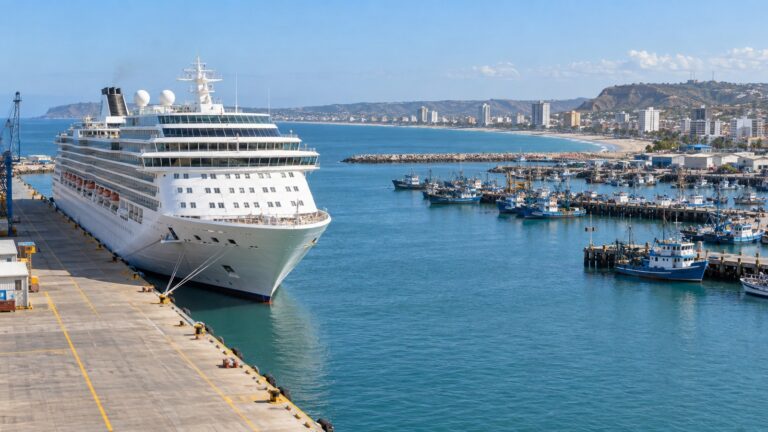
No. Expedition ships anchor offshore and use pangas, while Puerto Velasco Ibarra has a modest public pier.
Can cruise passengers walk into town?
Only if the itinerary specifically lands at or transfers to Puerto Velasco Ibarra. Remote visitor sites are not ordinary gateways to the village.
Is Devil’s Crown suitable for beginners?
It may not be because currents and open-water conditions can be demanding. Follow the naturalist’s same-day assessment and skip the swim if it exceeds your ability.
Will I see the reintroduced tortoises?
Do not expect a sighting. The 2026 release is part of a monitored ecological restoration program, not a standard visitor attraction.
Can I mail a postcard at Post Office Bay?
You can join the barrel tradition by leaving an unstamped card for another traveler to hand-deliver. It is informal and has no guaranteed schedule.
Are there restrooms at the remote sites?
No visitor facilities should be expected. Use the ship’s restroom before boarding the panga.
The last word
Floreana makes sense when you stop treating it as a single port and start reading it as a set of distinct protected experiences. Check the exact site, match the activity to your mobility and swimming confidence, and keep the village separate from remote landings in your plan.
Come for the barrel, beaches, birds, marine life, and restoration story, but let the day’s conditions set the pace. A flexible, careful visit is the right way to enjoy an island working hard to recover its native ecology.
How this guide was researched: Unless a first-hand visit is explicitly identified above, this guide is based on independent research using official park, government, conservation, and tourism sources where available. Logistics and time-sensitive details were reviewed on September 12, 2026, under our Editorial Policy.
More on this topic: browse every guide on expedition and alternative cruises.