Sweden Cruise Ports: The Complete Guide to Every Stop
Sweden’s two headline Baltic cruise stops deliver very different days. Stockholm is a many-island capital where the berth can reshape your route, while Visby is a compact medieval town whose walls and lanes are the main attraction.
Both are excellent for independent travelers, but neither should be planned from the destination name alone. The terminal, shuttle, tender, weather, and walking surface all matter before you reserve a museum or promise yourself a long list of sights.
Quick Facts
- Main ports in this guide: Stockholm and Visby
- Currency: Swedish krona
- Language: Swedish, with English widely spoken in visitor settings
- Stockholm arrival: Several city berths are possible, and some itineraries may use Nynäshamn
- Visby arrival: A cruise pier or tender arrangement, depending on the ship and call
- Best for museums: Stockholm
- Best for a compact walking day: Visby
- Weather source: Swedish Meteorological and Hydrological Institute
Confirm the Port Before Planning the City
Swedish cruise logistics are orderly, but that does not mean every ship uses the same place. In Stockholm, a call can involve different harbor districts, each with its own walking distance and transit connection.
An itinerary marketed as Stockholm may also use Nynäshamn, a separate coastal town south of the capital. That changes the day from a city-port visit into a gateway transfer, so the exact port name is essential.
Visby is simpler once you reach town, yet the ship may use a pier or tender depending on operations. Check the cruise app or daily program for the gangway, shuttle, tender cutoff, and all aboard time.
Stockholm Cruise Port
Stockholm spreads across islands where water, ferries, bridges, old streets, and modern neighborhoods fit together beautifully. The city rewards a selective plan because its museums and districts are close enough to tempt you into overbooking.
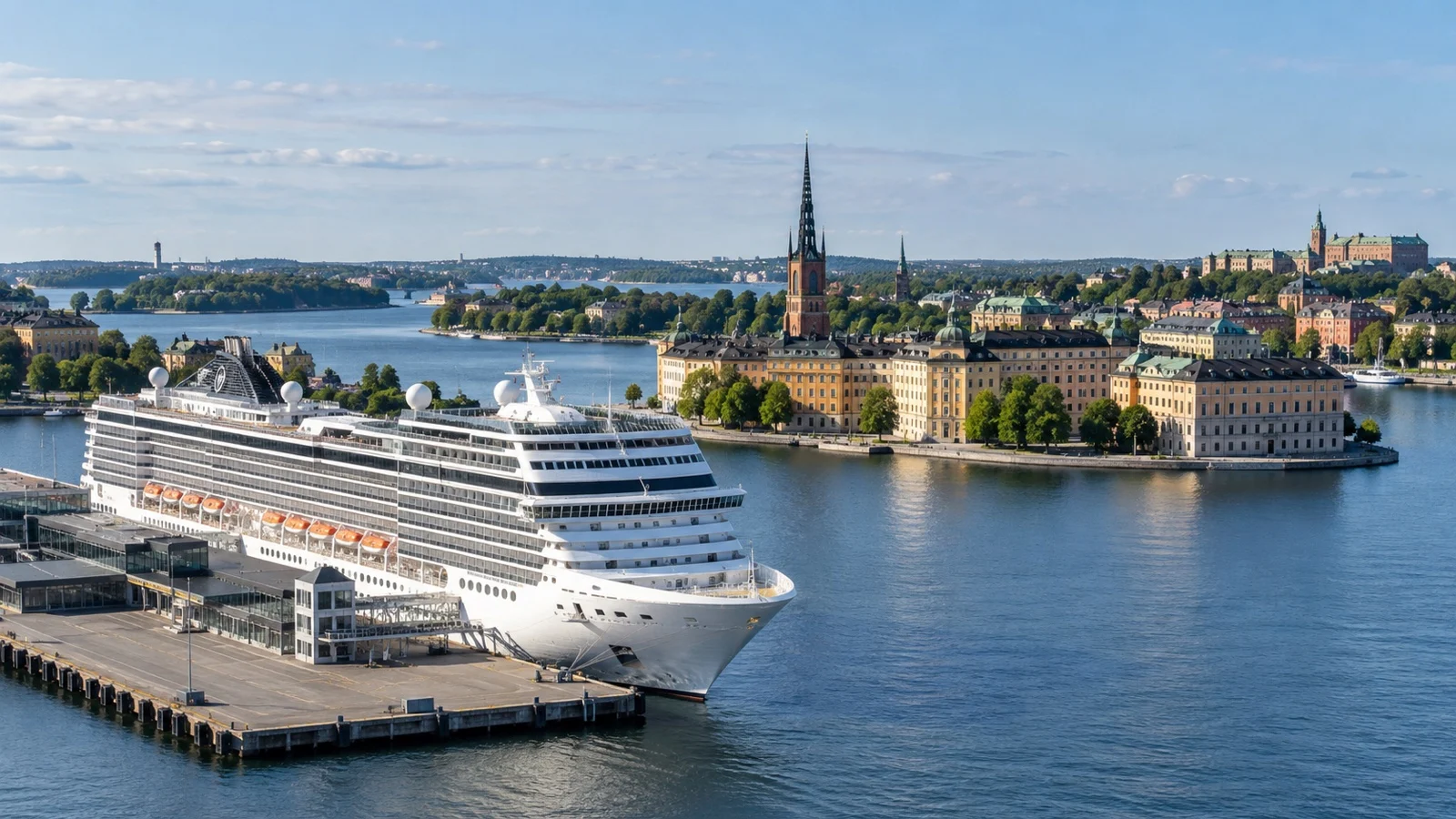
Start with our Stockholm cruise port guide for detailed orientation. Then match your route to the current berth shown by Ports of Stockholm and your cruise line.
Why the Berth Matters
Ports of Stockholm lists multiple harbor areas, including Stadsgården, Masthamnen, Frihamnen, and Värtahamnen. Cruise assignments vary, and the most convenient public-transport stop depends on the specific quay.
A berth near the inner harbor can make Gamla Stan or Djurgården feel close, while another location may require a bus, taxi, or shuttle first. Never book a private pickup using only the word Stockholm.
Take a screenshot of the terminal name and return address in Swedish. It helps if your driver, transit app, or map uses a local spelling that differs from the cruise line’s label.
Gamla Stan
Gamla Stan is Stockholm’s historic heart, with narrow lanes, public squares, churches, shops, and the Royal Palace area. It is a natural first visit, but cobbles, slopes, crowds, and construction can slow walking.

Start earlier if you want quieter streets, then move toward one reserved attraction. The district is best experienced by noticing small courtyards and side lanes instead of following only the busiest souvenir route.
Allow more time than the map suggests if mobility is limited. Short distances can include uneven surfaces, steps, and crowded crossings.
Djurgården and the Museum Choice
Djurgården concentrates some of Stockholm’s most popular museums and green spaces. It is tempting to pair several major collections, but one museum plus an outdoor walk usually produces a better cruise day.
The Vasa Museum is a common first choice because its preserved ship tells a specific Swedish maritime story. Timed entry, seasonal crowds, and opening hours deserve confirmation on the museum’s official site.
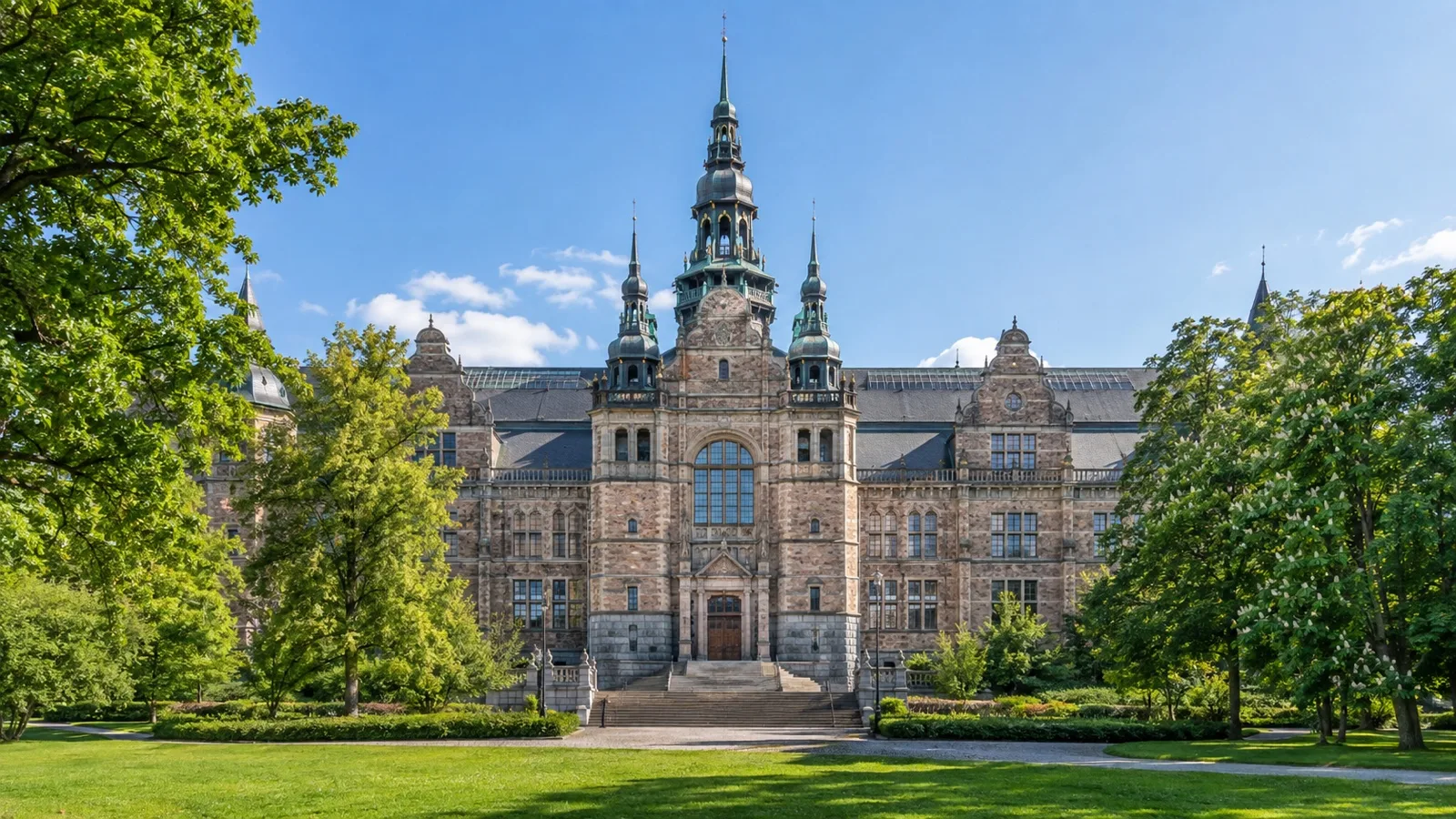
Skansen, ABBA The Museum, the Nordic Museum, and other attractions offer entirely different experiences. Pick the one that genuinely fits your interests instead of choosing by popularity alone.
A Harbor or Archipelago Experience
Stockholm’s identity is inseparable from the water, and even a short public ferry or sightseeing boat can change the perspective. Visit Stockholm emphasizes the city’s connection with a vast surrounding archipelago.

Boat schedules, boarding points, and seasonal service vary. Choose a route that returns well before the ship’s cutoff, and do not confuse an excursion boat’s final stop with your cruise berth.
If your vessel sails through the archipelago in daylight, spend time on deck. The approach can be one of the most memorable parts of the call and requires no extra transfer.
A Stockholm Day I Would Actually Plan
For a first visit, I would choose Gamla Stan plus one Djurgården museum, using a ferry or simple transit link if it fits the berth. That creates a strong mix of city history, maritime context, and waterfront scenery.
For a repeat visit, I would explore Södermalm, design, food, or one less famous museum. Stockholm is far more interesting than a race among headline attractions.
What If the Ship Uses Nynäshamn?
Nynäshamn is part of the Ports of Stockholm network but is not central Stockholm. Some cruise calls use it because of ship or operational requirements, and the transfer to the capital consumes meaningful time.
Confirm whether the ship provides a charter train, coach, shuttle, or independent transfer guidance. Service patterns can change by call, so an old trip report is not a timetable.
A Stockholm excursion can still be worthwhile on a long day, especially for a first visit. Protect a large return margin because one missed connection can be harder to solve from a distant gateway.
Travelers who dislike long transfers can consider a local Nynäshamn day with coastal scenery, cafes, and a slower pace. That is a different experience, but it may be far more pleasant than watching the capital through a coach window.
Visby Cruise Port
Visby sits on the island of Gotland and feels made for a port day. Its medieval walls, church ruins, stone buildings, roses, and sea views form a compact historic landscape that rewards walking.
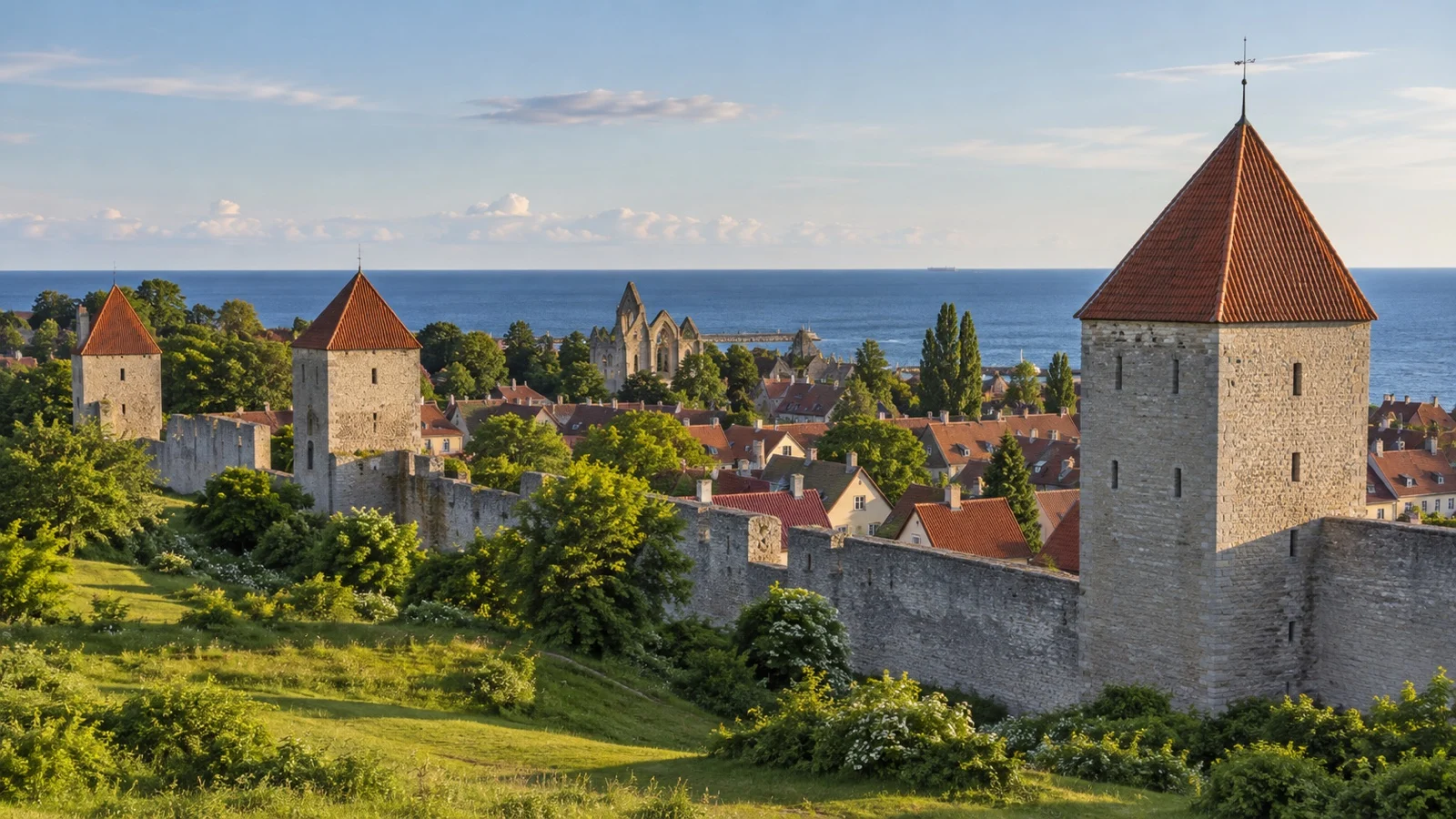
Our Visby cruise port guide explains the arrival choices and local route. UNESCO describes Visby as an exceptionally well-preserved fortified commercial town with deep Hanseatic history.
From the Ship to the Walled Town
A ship may use the cruise pier or a tender operation, and local transfers can vary. Confirm whether a shuttle is provided and where it drops passengers relative to the city wall.
The visible town can look very close across the water, yet the safe pedestrian route may follow port roads and designated exits. Use official signs instead of improvising through a restricted area.
Tender guests should note the last tender time before leaving the landing. Wind in the Baltic can affect the ride and the sequence of boats.
Inside Visby’s Walls
The joy of Visby is not one single ticketed sight. The townscape itself carries the story through gates, towers, warehouses, homes, church ruins, lanes, and changing views toward the sea.
A guided walk helps explain why the town mattered to Baltic trade and how its medieval structure survived. Independent travelers can still build a meaningful route by pairing the wall, a museum, and one quiet residential section.
The streets climb away from the waterfront, and some lanes are steep or cobbled. Start with the uphill portion while your energy is fresh, then finish closer to the harbor.
Gotland Beyond Visby
Gotland offers limestone landscapes, coastal formations, rural churches, farms, and beaches beyond the city. A private driver or organized tour can reveal that wider island character.
Leaving town makes sense for repeat visitors or a long call, but do not underestimate rural driving time. Choose one geographic area and return to Visby with enough time for a final walk.
First-time visitors should think carefully before skipping the medieval town. The UNESCO-listed core is one of the Baltic’s most distinctive places and sits much closer to the ship than most island excursions.
Stockholm or Visby: Which Is Better?
Stockholm is the better choice for museums, royal history, urban neighborhoods, design, and a sophisticated food scene. It offers more variety than a single port day can contain.
Visby is the better choice for travelers who want an atmospheric historic town without a complicated city transit plan. Its compact scale makes room for wandering, photography, and a relaxed lunch.
Stockholm generally gives mixed-age groups more indoor options in poor weather. Visby feels more immediately rewarding in sunshine, although its museum and cafes can support a rainy day.
If your itinerary includes both, let them stay different. Use Stockholm for one major museum and city life, then devote Visby to walking and medieval atmosphere.
Transportation and Ticket Planning
Stockholm has an extensive public-transport network that includes buses, rail services, metro, and some passenger ferries. The best connection begins with the exact berth and may involve a walk or cruise shuttle before the public system.
Use the official regional transit planner for current routes and ticket rules. Do not assume a credit card tap works in precisely the same way on every service or that a sightseeing ferry uses the public ticket.
Taxis should display required identification and pricing information. Ask for the estimated fare, confirm the destination, and use an established company or app rather than accepting an unrecorded offer.
Visby is naturally explored on foot after the port transfer, but a taxi or tour is useful for the wider island. Reserve accessible or larger vehicles in advance because cruise-day supply can tighten quickly.
Weather and the Baltic Season
Swedish cruise calls are concentrated in the brighter, milder part of the year, but Baltic weather remains changeable. Sun, wind, cool air, and showers can all appear during one day.
Check the Swedish Meteorological and Hydrological Institute for forecasts and warnings close to arrival. A forecast saved several days earlier may miss the wind or rain that actually shapes the port call.
Layers work better than one heavy garment. Bring a light waterproof shell, comfortable shoes with grip, and sun protection for exposed decks and waterfronts.
Wind affects more than temperature. It can change tender comfort, boat excursions, archipelago visibility, and how long an exposed pier feels.
Accessibility and Lower-Energy Plans
Stockholm’s accessible transport and modern museums can make a thoughtful low-energy day possible, but historic streets and berth transfers vary. Ask the cruise line where accessible shuttles load and whether the full route is step-free.
Gamla Stan includes cobbles, slopes, curbs, and occasional steps. A route around the edges, a vehicle transfer, or a selected museum can be easier than crossing every lane.
Visby presents similar historic-surface challenges on a smaller scale. The climb from the waterfront and uneven streets deserve specific discussion with a guide or transport provider.
Tender transfers depend on the ship, equipment, and actual sea state, so the crew makes the final safety decision. A pier call may still involve a long gangway or shuttle step.
Ask attraction staff about elevators, accessible entrances, seating, restrooms, and companion policies before buying timed tickets. A website’s general accessibility label may not describe the exact historic doorway you plan to use.
Money, Cards, and Connectivity
Sweden uses the Swedish krona, not the euro. Card and mobile payments are extremely common, and some businesses may prefer or require cashless payment.
A chip card with a working PIN is useful, as is a backup payment method stored separately. Tell your bank about travel if it still uses location-based fraud controls.
Public Wi-Fi and mobile service are widely available in urban areas, but never assume connectivity at a tender landing or inside a stone building. Download tickets, maps, berth details, and the ship’s local contact.
Watch the currency shown on card terminals and decline unnecessary dynamic conversion if your own card provides a better rate. Review the amount before tapping.
Entry Rules and Border Checks
Sweden participates in the Schengen Area, but the exact document process for a cruise depends on nationality, itinerary, and where the voyage previously cleared immigration. Rules and border systems can change.
Use official Swedish police, migration, or European Union guidance and follow the cruise line’s instructions. Do not assume that remaining on the ship removes every entry requirement.
Carry the document the ship tells you to take ashore and secure unnecessary valuables. Keep digital copies protected rather than relying on an open photo gallery.
Museums, Churches, and Respectful Travel
Popular museums can sell timed entry during busy calls, so reserve only the attraction that anchors your day. Leave enough flexibility for berth delays and transit.
Churches remain places of worship even when they are major historic sights. Speak quietly, follow photography rules, and avoid interrupting services.
Visby’s ruins and wall are protected heritage, not a climbing playground. Respect barriers, avoid touching fragile masonry, and keep to open routes.
Swedish cities prize orderly shared space. Stand clear of bicycle lanes, wait for passengers to exit public transport, and keep noise low in residential streets.
Food and Fika
Stockholm offers traditional Swedish cooking, contemporary Nordic restaurants, international food, bakeries, and excellent coffee. A serious meal can consume much of a short call, so check service times before sitting down.
Fika, the habit of pausing for coffee and something sweet, fits a cruise day beautifully. It creates a natural break between walking sections without turning lunch into a race.
Visby is especially pleasant for a cafe stop inside the walls. Seasonal opening hours vary, and a busy summer day can fill popular terraces quickly.
Travelers with allergies should ask clearly about dairy, nuts, seafood, gluten, and preparation. English is widely understood, but a translated allergy note still adds certainty.
Planning With Children or a Mixed-Age Group
Stockholm works well for families when one interactive or highly visual museum anchors the day. Add a ferry ride, park, or simple old-town walk instead of stacking several indoor collections.
Visby’s walls, towers, and ruins can make history tangible for children. The uneven ground and limited shade still call for sturdy shoes, water, and frequent breaks.
Set one meeting point before anyone separates, and make sure every traveler knows the ship time. A screenshot of the berth name prevents confusion if phones lose service.
Give the group permission to skip the final attraction. A relaxed waterfront snack often becomes a better memory than a last sprint across town.
Frequently Asked Questions
Do ships dock in central Stockholm?
Many ships use berths in Stockholm’s harbor districts, but the exact location varies. Some itineraries may use Nynäshamn, which is a separate gateway.
Can I walk from the Stockholm cruise port?
That depends on the assigned quay and your destination. A shuttle, bus, ferry, or taxi may be the practical first step.
Is Visby a tender port?
Visby can use a cruise pier or tender arrangement, depending on the ship and call. Confirm the current plan in the daily program.
Can I explore Visby independently?
Yes. The walled town is well suited to independent walking once you reach the proper starting point, although cobbles and slopes require care.
Does Sweden use the euro?
No. The currency is the Swedish krona, and card payments are widely used.
Which port is best for a first visit?
Stockholm offers the broadest range of major sights, while Visby delivers the most compact and atmospheric day. The better choice depends on whether you value variety or ease.
My Final Take
Stockholm and Visby show Sweden at two compelling scales. One is a capital of islands, museums, and neighborhoods, while the other turns a medieval trading town into a remarkably complete walking experience.
Confirm the terminal, choose one anchor experience, and save time for the waterfront. That simple framework gives each Swedish port enough space to feel like itself.
I checked current planning information from Ports of Stockholm, the official Visit Stockholm guide, UNESCO’s Hanseatic Town of Visby listing, and the Swedish Meteorological and Hydrological Institute. Berths, tenders, transit, museum hours, weather, and entry procedures can change, so verify them for your sailing.
I hope this guide helps you build a Swedish port day with more discovery and less clock watching. Leave room for a ferry view, a cobbled lane, or an unhurried fika along the way.