Madagascar Cruise Ports: A Planner’s Guide to Every Stop
Madagascar feels made for cruising because each coast reveals a different island, yet the same geography that makes it extraordinary also makes port days complicated. Nosy Be brings warm water and wildlife, Antsiranana opens onto dramatic northern landscapes, Toamasina leads toward eastern rainforest, and Taolagnaro feels beautifully remote.
I would choose one defining experience per call and protect it with a generous return margin. Road conditions, tenders, tropical weather, limited vehicles, and park logistics can quietly turn a short distance into the day’s main event.
Quick Facts
- Main cruise calls: Nosy Be, Antsiranana, Toamasina, and Taolagnaro
- Occasional calls: Mahajanga, Toliara, and expedition landing sites
- Best beach and wildlife mix: Nosy Be
- Best landscape range: Antsiranana
- Most important planning step: Confirm tender or berth details with the ship
- Entry rule: Use Madagascar’s official eVisa service or the consular process specified for your nationality
Visa and arrival planning
Madagascar’s official eVisa service supports tourist applications online and warns that travelers should use only the government-authorized platform. The portal currently says all nationalities can apply, but cruise handling, eligibility, passport validity, and arrival procedures still need confirmation for your exact itinerary.
A ship manifest is not a universal substitute for a visa. Follow the cruise line’s written instructions, print or save the authorization as directed, and carry a copy of the passport data page and travel insurance details.
Some nationalities or itineraries may use visa-on-arrival or consular arrangements, while a remote landing can add local permission. If the cruise line’s instructions conflict with an old blog or forum post, use the official and sailing-specific guidance.
Immigration clearance may happen aboard, in a terminal, or after tendering, and timing can vary even at the same port. Do not promise an independent guide an exact meeting minute until the ship explains where cleared passengers exit.
Nosy Be
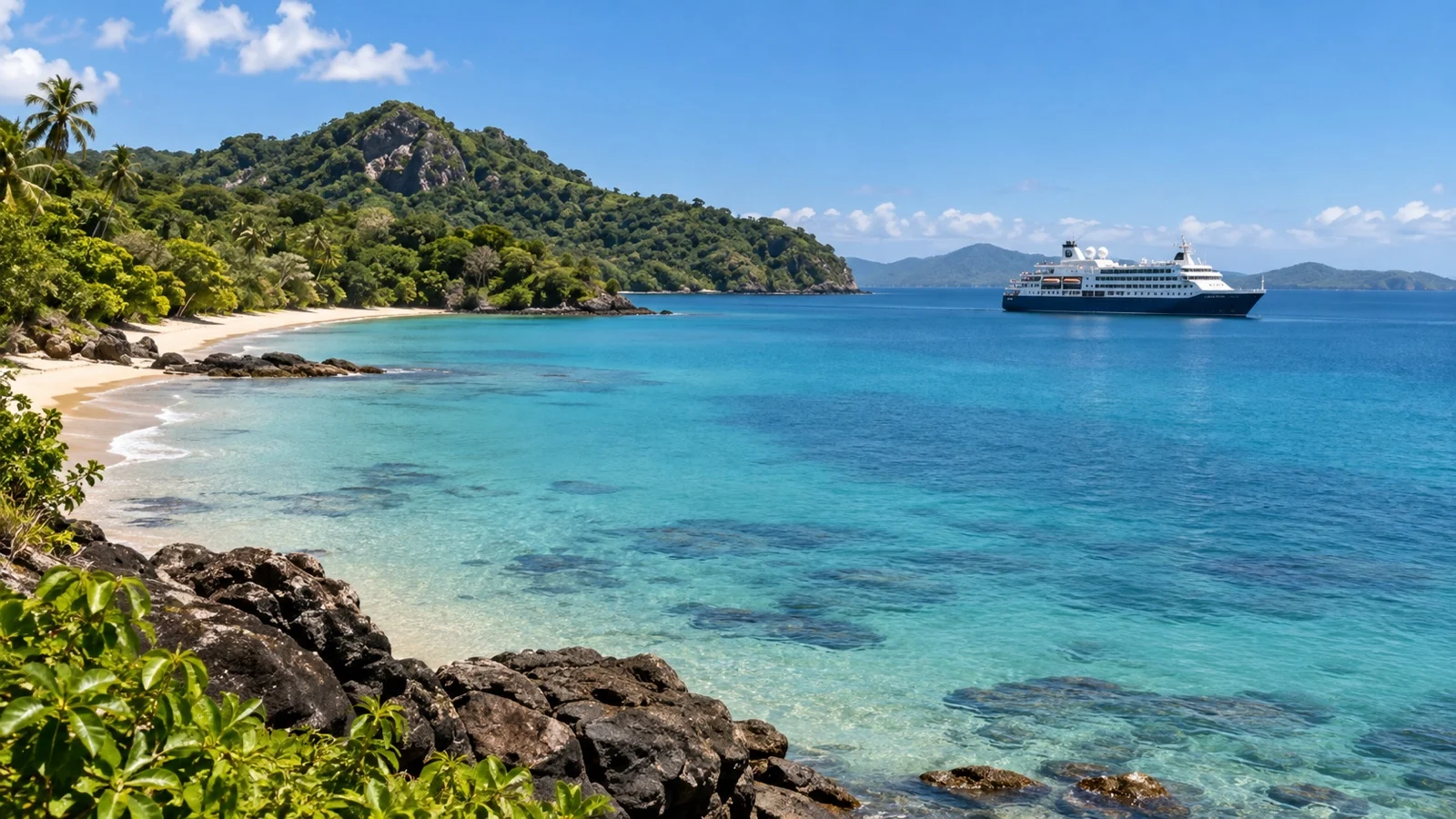
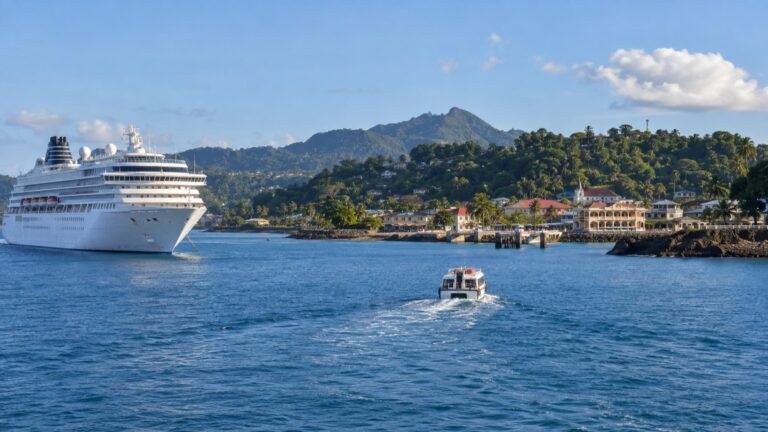
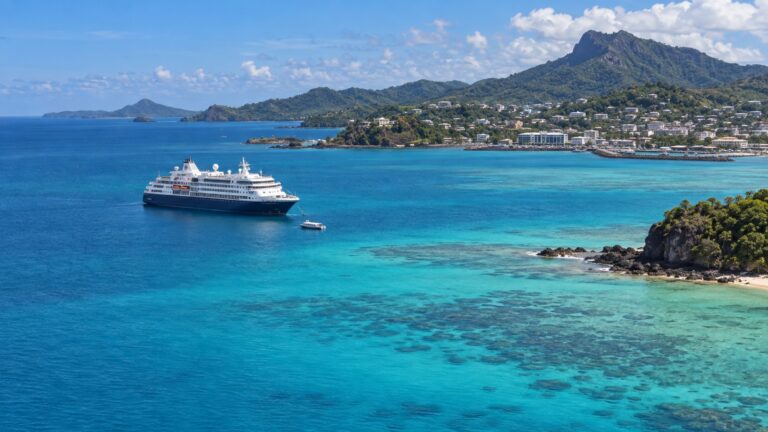
Nosy Be is the easiest first taste of Madagascar for many cruise travelers, with beaches, snorkeling, smaller islands, markets, and access to distinctive wildlife. Ships commonly tender, so sea state and the order of tender tickets shape the real usable day.
Hell-Ville, also known as Andoany, is the local hub and a practical place for a market, waterfront, and island-orientation stop. It can feel busy and informal, which is part of the experience, but valuables and the ship’s return instructions need sensible attention.
Lokobe is the major nature draw on Nosy Be, with rainforest habitat and endemic species. Access can involve road, boat, or walking sections depending on the operator, so ask for the exact route, footwear, restroom plan, and physical demands.
Nosy Komba and Nosy Tanikely are popular marine or wildlife outings, yet every extra boat creates another timing and weather dependency. I would choose one island excursion rather than stack a marine trip with a full inland circuit.
A relaxed beach day can be the smartest option after several intensive ports. Confirm whether chairs, shade, changing facilities, food, and return transportation are included instead of assuming a named beach has resort services.
Antsiranana, also called Diego Suarez
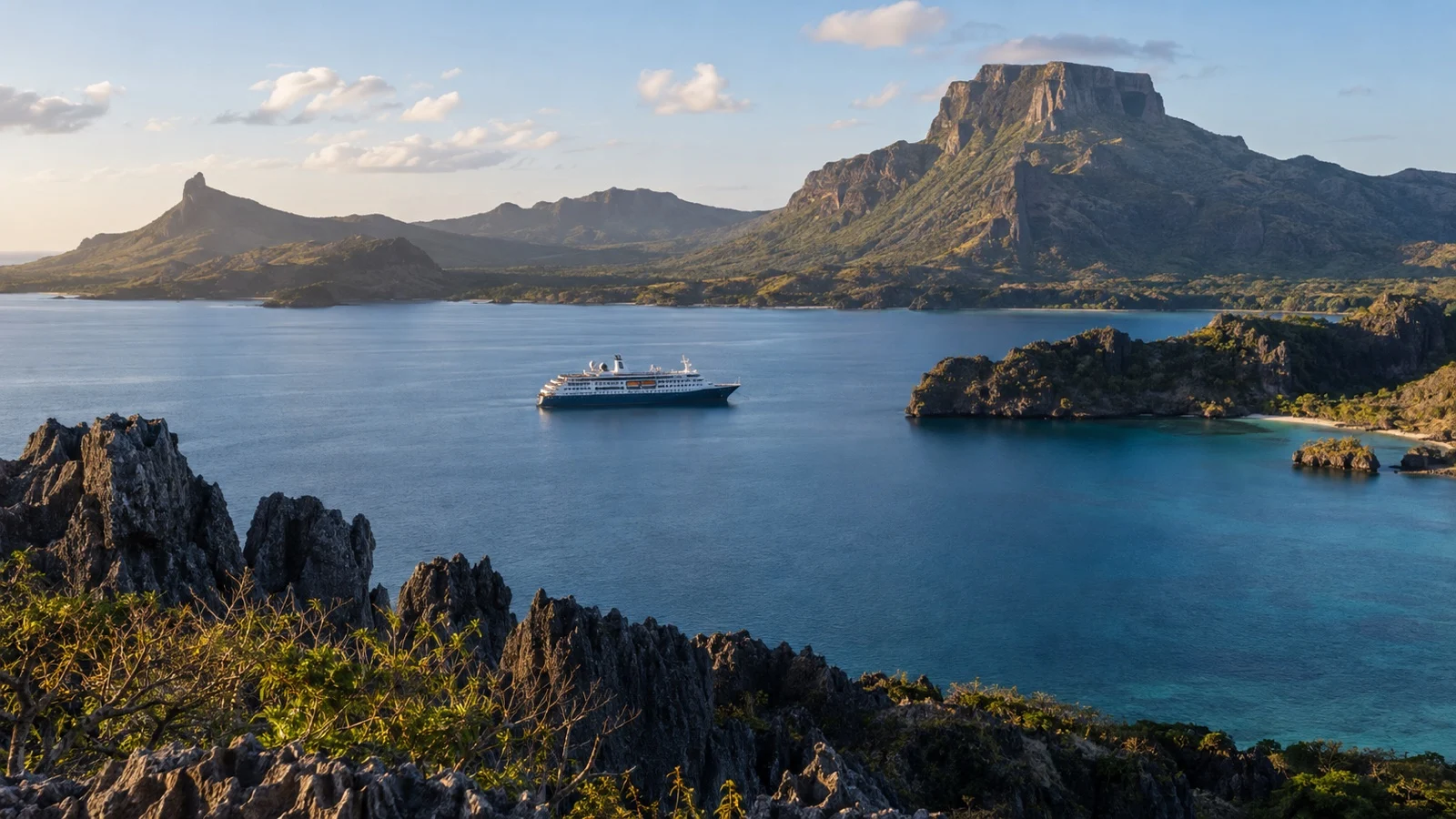
Antsiranana sits beside one of the world’s great natural bays and offers the broadest scenery of Madagascar’s main calls. Colonial-era streets, bay viewpoints, beaches, Amber Mountain, and red-rock formations all compete for limited port hours.
A city-and-bay day keeps driving manageable and leaves room for lunch or a market. The local streets are more rewarding with a guide who can connect the architecture, naval history, and modern life rather than treating the town as a photo stop.
Amber Mountain National Park brings rainforest, waterfalls, and wildlife in a cooler upland setting. Road time, trail conditions, park-guide requirements, mist, and rain make it a full excursion rather than an add-on.
Tsingy Rouge is visually dramatic but lies in a different direction and creates its own long transfer. I would choose Amber Mountain or the red formations, never promise both on a normal cruise call without a ship-operated itinerary.
Northern weather can be windy even when the day looks tropical. Carry a light layer and rain protection, especially when the plan climbs away from the coast.
Toamasina, also called Tamatave
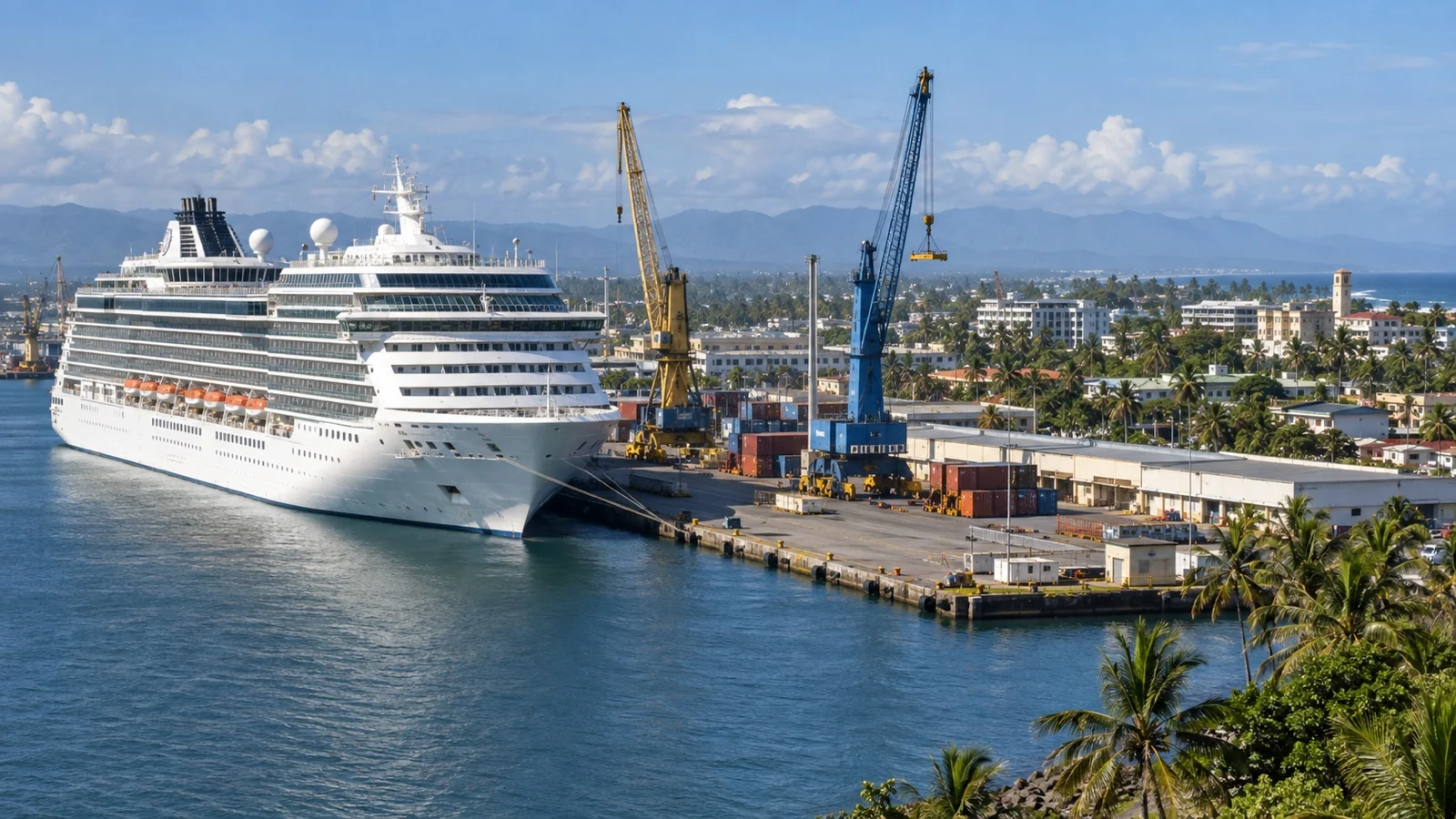
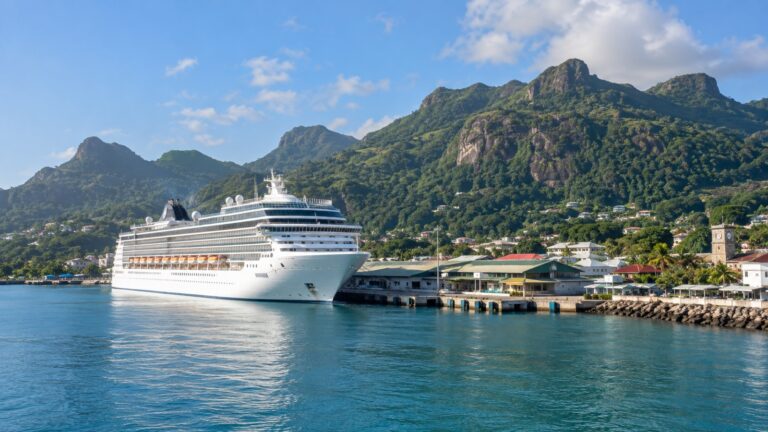
Toamasina is Madagascar’s principal eastern commercial port and a gateway to humid lowland landscapes. The port environment is industrial, so follow the ship’s shuttle or approved pickup instructions before starting an independent day.
A local plan can include palm-lined avenues, markets, waterfront areas, and a meal that introduces the east coast’s flavors. It is the lower-risk choice when port hours are short or recent rain has made rural roads uncertain.
Nature excursions toward reserves outside the city can offer lemurs, reptiles, and dense vegetation. Ask how much time is spent driving, whether a park guide is included, and what happens if road conditions slow the return.
The Pangalanes Canal region appears in longer touring ideas, but boat and road timing need a careful reality check. I would favor a ship excursion when a day combines multiple transport modes far from the berth.
Eastern Madagascar is wet, green, and capable of sudden showers. Waterproof protection for phones and documents matters as much as a light rain jacket.
Taolagnaro, also called Fort Dauphin
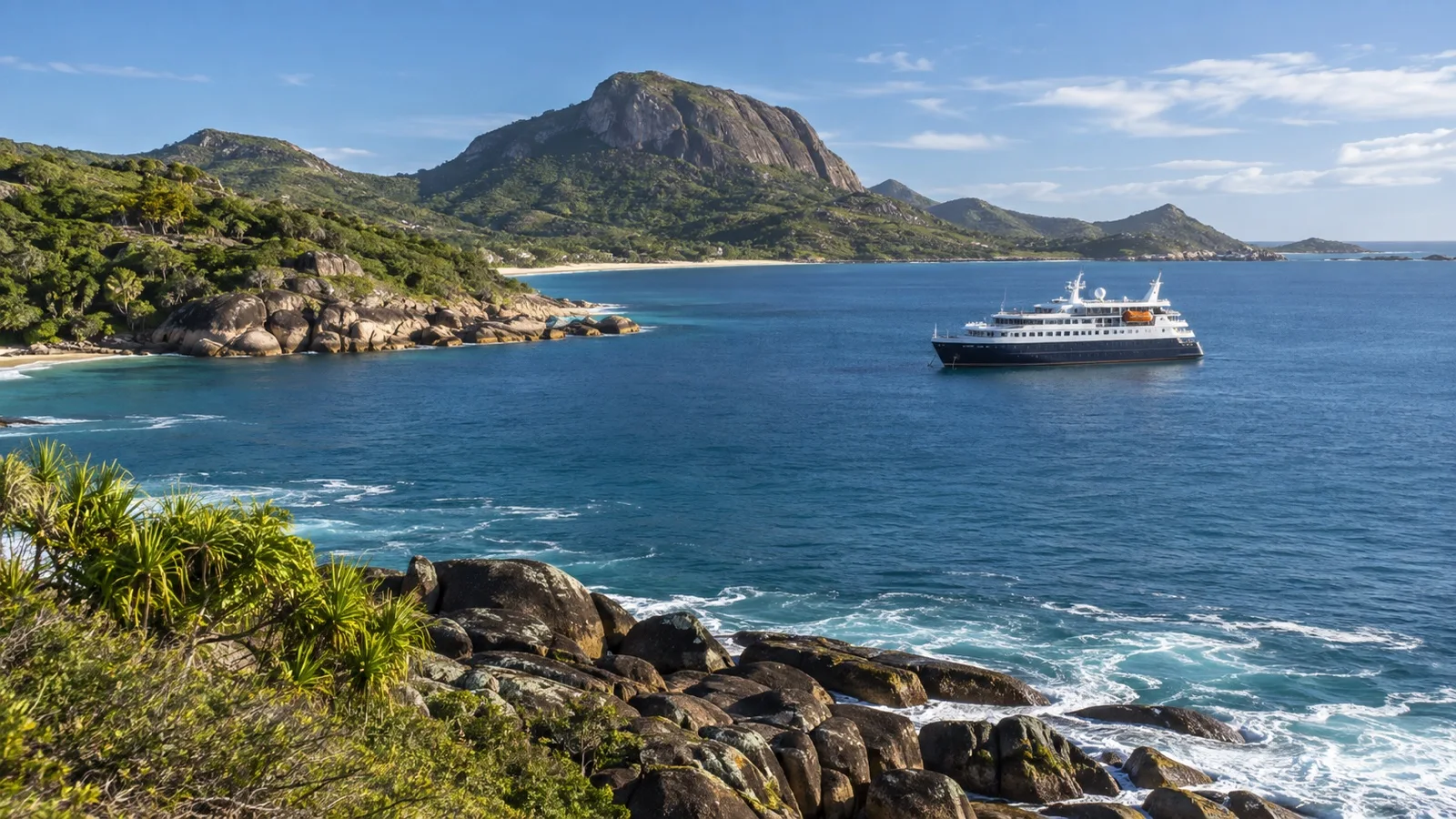
Taolagnaro is the most remote-feeling major call, set between mountains, beaches, spiny habitat, and the far south’s distinctive culture. Ehoala Port provides modern infrastructure, but most meaningful sightseeing still needs arranged transportation.
A town-and-coast circuit can combine viewpoints, beaches, markets, and local history without an extreme drive. It is my choice when I want to understand the place rather than spend the whole call reaching one distant reserve.
Nahampoana Reserve and other nature-focused sites may offer easier wildlife viewing than a full national-park journey, but conditions and management can change. Confirm animal-welfare standards, guide arrangements, terrain, and the current visitor setup before booking.
Andohahela National Park protects an exceptional transition between humid and dry ecosystems, yet reaching an appropriate visitor area can be complicated. A cruise day needs a specialist operator and long hours, not an improvised taxi plan.
Wind and fast-changing southern weather can affect small boats, exposed beaches, and road comfort. Keep one local alternative ready if the headline trip is canceled.
Mahajanga, Toliara, and expedition calls
Mahajanga can appear on smaller-ship itineraries along the northwest coast, with broad avenues, markets, a waterfront, and access to dry western landscapes. Confirm the actual landing point and excursion offering because leisure-cruise infrastructure is less predictable than at Nosy Be.
Toliara, also written Tuléar, opens onto Madagascar’s southwest, where reefs, spiny forest, and communities adapted to a dry climate create a completely different call. The most interesting sites can be spread out, and road quality matters more than the mileage suggests.
Expedition ships may use beaches, islands, or small settlements that are not conventional ports at all. These are controlled ship operations where landing permission, surf, wildlife rules, and the expedition leader’s decision take priority over independent plans.
A place appearing on a map or an authorized-entry list does not guarantee a regular cruise call. Berthing capability, immigration handling, excursion capacity, and an actual scheduled visit are separate facts.
Tendering, berths, and walkability
Nosy Be is strongly associated with tendering, while other calls may berth at commercial facilities or use arrangements that vary by vessel. The final daily program is the only dependable source for the landing place, last tender, and shuttle process.
A docked ship is not automatically walkable because secure port areas can require internal transportation. Never walk through an industrial zone unless the port and cruise line explicitly permit it.
Tenders add queues, steps, moving platforms, and sea conditions that matter for travelers with limited mobility. Ask the cruise line early whether assistance is available and whether your mobility device can be carried in the expected conditions.
Photograph the pier sign or tender landing after arrival and save the location offline. Place names can have French, Malagasy, and older colonial versions, so a visual reference helps a driver return to the correct point.
Wildlife without doing harm

Madagascar’s biodiversity is the reason many people come, and it is also the reason visitors need restraint. Use authorized guides, stay on designated routes, and follow Madagascar National Parks rules at protected areas.
Never touch, feed, chase, or bait lemurs and other wildlife for a photograph. An operator that guarantees close contact or stages animal handling is not offering the respectful encounter the destination deserves.
Keep distance from nests and resting animals, silence unnecessary audio, and avoid flash when guides prohibit it. A quiet sighting that does not change the animal’s behavior is the better memory.
Do not remove plants, seeds, shells, coral, fossils, rocks, or cultural material. Souvenirs made from tortoiseshell, rosewood, protected wildlife, or undocumented natural products can cause both conservation harm and customs trouble.
Health, weather, and what to pack
Health preparation depends on your medical history, route, and countries visited before Madagascar. Speak with a travel-health professional early about malaria prevention, routine vaccines, yellow-fever certificate rules, food, water, and the limits of medical care outside major centers.
A yellow-fever certificate requirement can depend on recent travel through a risk country rather than your nationality alone. Carry the original document when it applies and do not rely on a photograph as the only copy.
Cyclone risk and heavy rain affect parts of the warmer season, while conditions vary sharply by coast and elevation. A calm forecast in one port says little about a call several hundred miles away.
Pack sun protection, insect repellent, breathable clothing, a light rain layer, secure walking shoes, water, and any essential medication in your day bag. A small dry pouch protects documents during a wet tender or sudden downpour.
Food is part of the joy, but choose busy reputable venues and drink safely treated water. Travelers with allergies should carry a French or Malagasy translation card and explain cross-contact, not only the ingredient name.
Transportation and return buffers
Private vehicles vary widely, so ask about seat belts, air conditioning, luggage space, accessibility, and a breakdown plan. A named driver and a working contact number matter more than a polished website.
Mobile coverage, card acceptance, and cash access can be uneven outside town centers. Carry a modest amount of local currency, keep valuables discreet, and save all essential details offline.
For a long reserve, park, or rural drive, I want a two-hour port margin after returning to the urban area. At a tender port, I aim for a return that leaves at least one full tender cycle before the published cutoff.
Ship excursions are the safer choice for routes with boats, rough roads, multiple checkpoints, or distant parks. Independent touring works best for a compact local circuit with a reputable operator and a clear backup.
Accessibility and multigenerational planning
Accessibility is a chain that includes the gangway, tender, pier, vehicle, restroom, trail, and return route. A reserve described as accessible may still require a high vehicle step or an unstable boat landing.
Give the operator exact wheelchair or scooter dimensions, weight, folding method, and transfer needs. Ask whether the same suitable vehicle remains with the group for the entire excursion.
Families and mixed-stamina groups should choose one anchor activity and build shade, water, and restrooms into the day. A shorter wildlife walk with a good guide can be more memorable than an exhausting attempt to reach every habitat.
Splitting up can work when interests differ, but every adult should carry the ship contact and know whether all aboard follows local time or ship time. Agree on an unmistakable reunion point rather than relying on phone service.
How I would choose the itinerary
For beaches and an easy wildlife introduction, I would choose Nosy Be. For maximum landscape variety, Antsiranana wins, while Toamasina suits rainforest interest and Taolagnaro delivers the strongest sense of remoteness.
Mahajanga and Toliara reward repeat visitors and adventurous travelers who accept less polished logistics. Expedition landings are compelling when the ship’s naturalists and local partners are central to the experience.
Compare the order of calls as carefully as the names. Two long rural excursions on consecutive days can make a beautiful voyage feel punishing, while a beach or town day between them restores the rhythm.
Before booking, note port hours, tender or berth expectations, visa process, physical demands, medical limits, road time, and latest safe return. Those facts reveal more than a long attraction list.
My final advice
Madagascar rewards travelers who slow down enough to notice it. Choose one habitat, coastline, or community per call, then let a knowledgeable local guide make that smaller plan feel rich.
Protect the ship return without treating the day like a race. The best souvenir is not a crowded checklist but a respectful encounter that left the place exactly as you found it.
Visa, port, park, wildlife, health, customs, and transportation guidance was reviewed against current Madagascar government, official eVisa, tourism, protected-area, and cruise-line information in September 2026, but entry rules and operations can change. Confirm your visa, terminal or tender landing, park access, health requirements, accessibility needs, and all-aboard time directly before travel, then see our Editorial Policy.