Turkey Cruise Ports: The Complete Guide to Every Stop
Turkey’s cruise ports can give you a grand city, a Roman archaeological site, a beach day, a yacht-filled harbor, or a quiet Black Sea town, sometimes on the same itinerary. The mistake is treating them as interchangeable stops where every highlight sits beside the gangway.
Istanbul and Kuşadası are the essential first-timer calls, but the smaller ports often create the most relaxed days. Choose one anchor experience, confirm whether the ship docks or tenders, and give heat, traffic, and archaeological walking more respect than the map seems to demand.
Quick Facts
- Best first visit: Istanbul for history, the Bosphorus, markets, food, and a true city stay
- Best ancient site: Kuşadası for the road journey to Ephesus
- Best resort atmosphere: Bodrum or Marmaris
- Best Mediterranean base: Antalya for beaches, old-town streets, and regional ruins
- Best quieter call: Amasra for Black Sea scenery and a compact historic center
- Most demanding day: Anzac Cove, where distances, site rules, and transport shape the visit
- Currency: Turkish lira, with cards common in larger visitor businesses but cash still useful
- Entry planning: Check the Turkish government’s official e-Visa portal and your cruise line for rules tied to your citizenship and itinerary
How Turkey’s cruise regions fit together
Istanbul sits at the meeting point of Europe and Asia and deserves at least an overnight when the itinerary allows. The Aegean ports of Kuşadası, Çeşme, Dikili, and Bodrum lead toward ancient sites, beaches, and elegant coastal towns.
Farther south, Marmaris, Fethiye, Antalya, and Alanya emphasize the Mediterranean coast, with longer road trips often needed for the biggest archaeological sites. Amasra brings a very different Black Sea mood, while Anzac Cove is a history-focused call where respectful logistics matter more than casual sightseeing.
The official tourism site GoTürkiye presents Istanbul as a city of the Historic Peninsula, Beyoğlu, the Bosphorus, the Golden Horn, and the Asian side. That scale is a useful warning: even when the terminal is central, you cannot experience the whole city in a single port day.
Every Turkey cruise port, compared
Istanbul cruise port
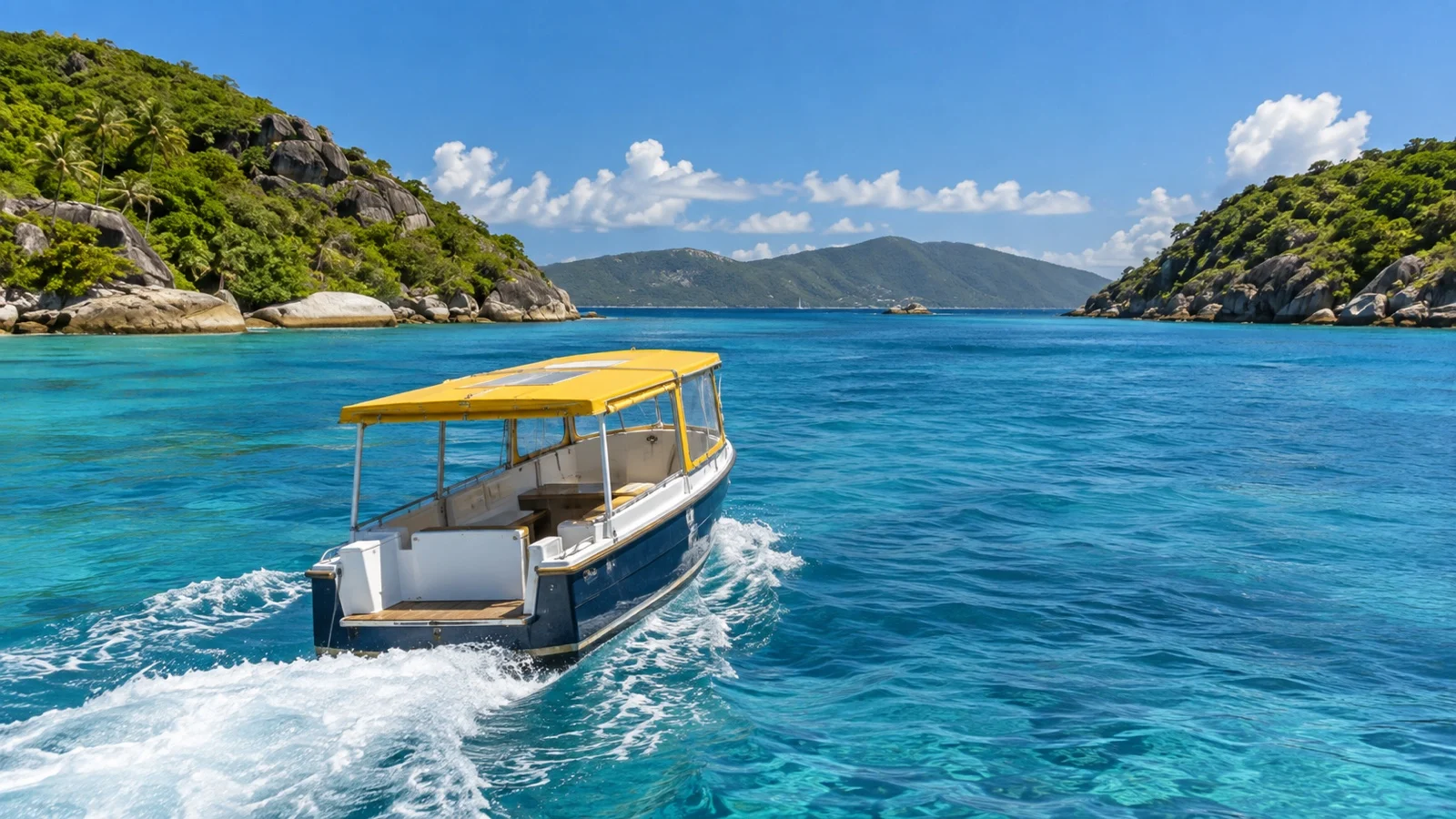
Istanbul is the country’s most exciting cruise gateway and the one place I would actively seek as an overnight call. Galataport puts many travelers near Karaköy and public transportation, but the historic sights across the Golden Horn still require a real route and time plan.
For one day, choose either the Historic Peninsula or a more contemporary Bosphorus and Beyoğlu experience rather than racing between both. Hagia Sophia, the Blue Mosque, Topkapı Palace, bazaars, ferries, and food can easily fill several days.
Traffic, security, prayer times, ticket procedures, and crowds can change the order of the day. Use a transit card or a well-planned driver, keep shoulders and knees covered for mosque visits, and leave a generous buffer for returning through the terminal.
Kuşadası cruise port
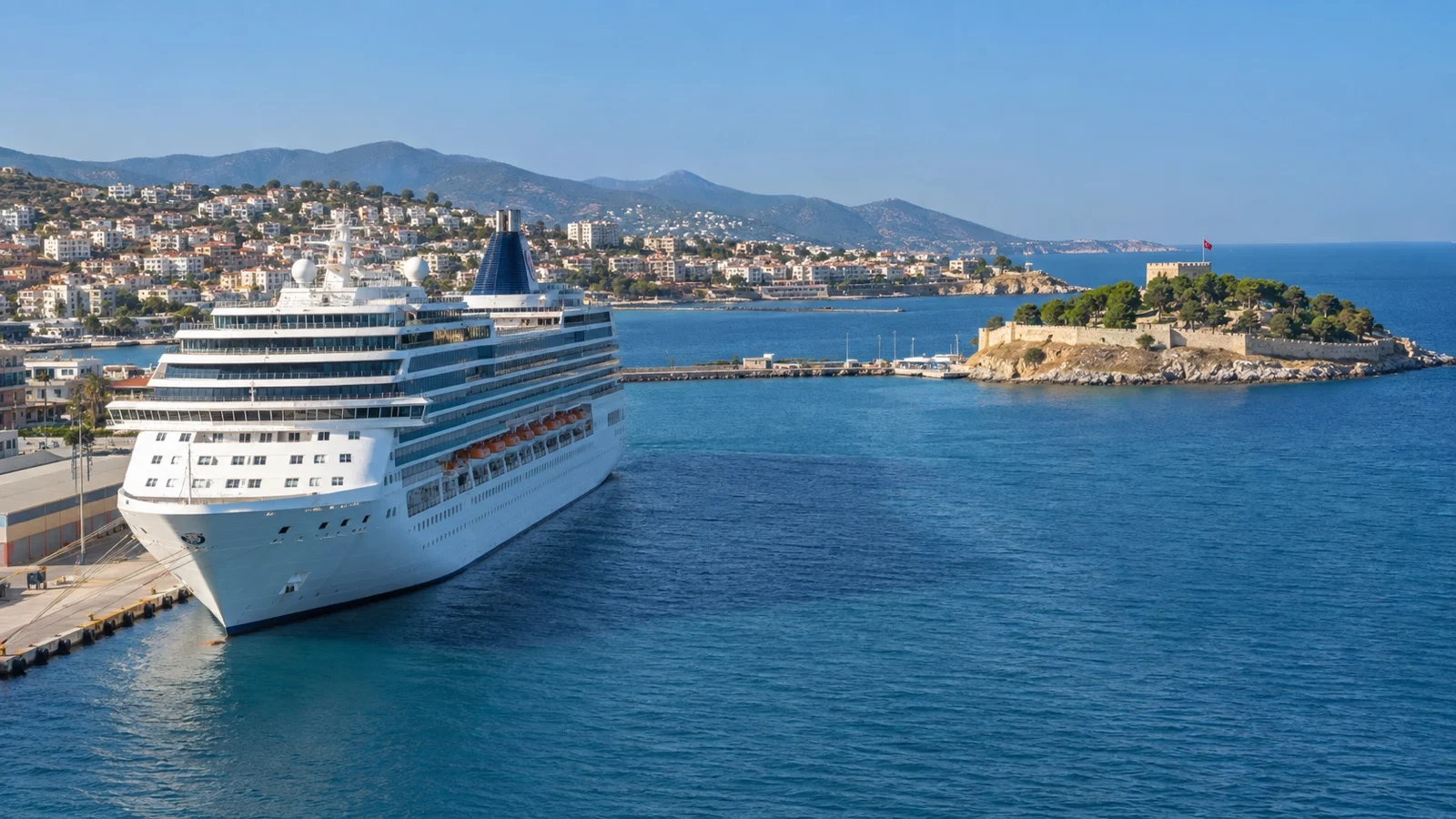
Kuşadası is the classic gateway to Ephesus, with a lively waterfront and Pigeon Island available for a simpler local day. The port is easy to understand, but Ephesus is an inland excursion and should never be treated as a walk from the ship.
UNESCO describes Ephesus as an exceptional Roman port city with the Library of Celsus, Great Theatre, and layers of Hellenistic, Roman, and early Christian history. The archaeological surface can be uneven, exposed, hot, and crowded, so footwear, water, sun protection, and entry timing matter.
A guide adds real value by turning a large field of stone into a coherent city. If mobility or heat makes Ephesus unsuitable, Kuşadası itself offers an enjoyable waterfront, shopping, food, and sea views without the long archaeological walk.
Bodrum cruise port
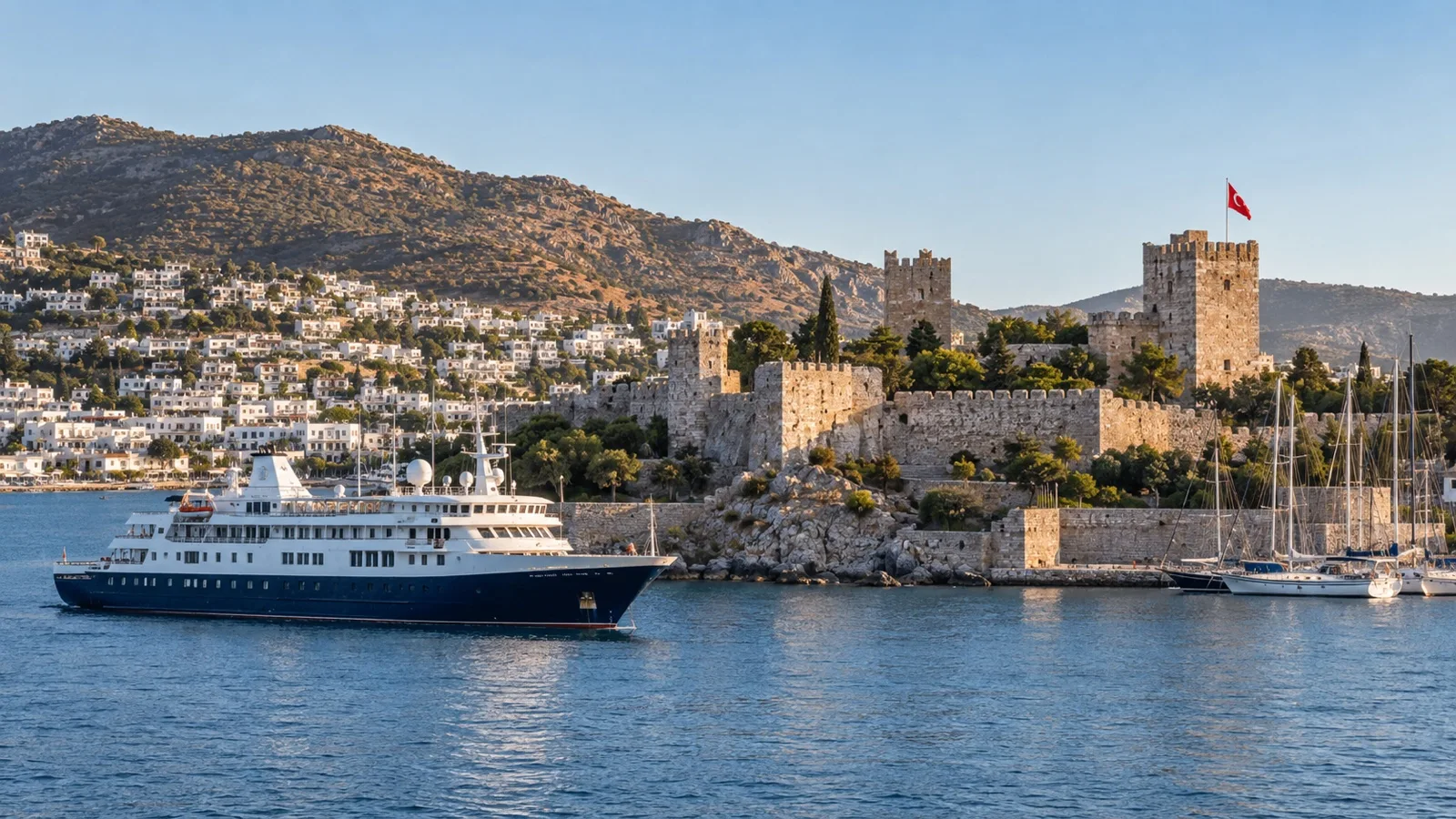
Bodrum mixes whitewashed streets, marina life, beaches, nightlife, and the imposing Castle of Saint Peter. It works beautifully as a relaxed independent call when the ship’s landing point and weather make the waterfront accessible.
The Museum of Underwater Archaeology, castle stairs, harbor restaurants, and local swimming can fill a day without a long road trip. Travelers seeking ancient history can look toward the Mausoleum site, but expectations should match what survives.
Bodrum traffic can tighten in summer, and tendering can add uncertainty for some calls. Build the day around the old town and one major attraction unless a ship tour protects the timing of a farther excursion.
Çeşme cruise port
Çeşme is an Aegean resort call known for its castle, marina, beaches, and breezy coastal atmosphere. It is a good choice when you want a low-pressure day rather than another major archaeological transfer.
Alaçatı attracts travelers with stone houses, dining, shops, and a polished village feel, but it requires local transportation from the port. Summer crowds and traffic make a return buffer important even though the distance looks modest.
Choose between the castle and waterfront, a beach, or Alaçatı instead of squeezing all three into a short call. Wind is part of the region’s appeal, but it can also alter small-boat and beach plans.
Dikili cruise port
Dikili is a quieter Aegean gateway where the inland prize is often Pergamon. The ancient acropolis and Asklepion create a rewarding history day, but transport and walking demands are much greater than a casual beach stop.
A guided excursion simplifies the drive, site sequence, and return time. Travelers staying near the port can enjoy a gentler waterfront day, which is a sensible alternative in extreme heat or with limited mobility.
Check which archaeological components the tour includes because “Pergamon” can describe more than one area. Shade is limited at many ruins, and uneven surfaces deserve honest assessment before booking.
Marmaris cruise port
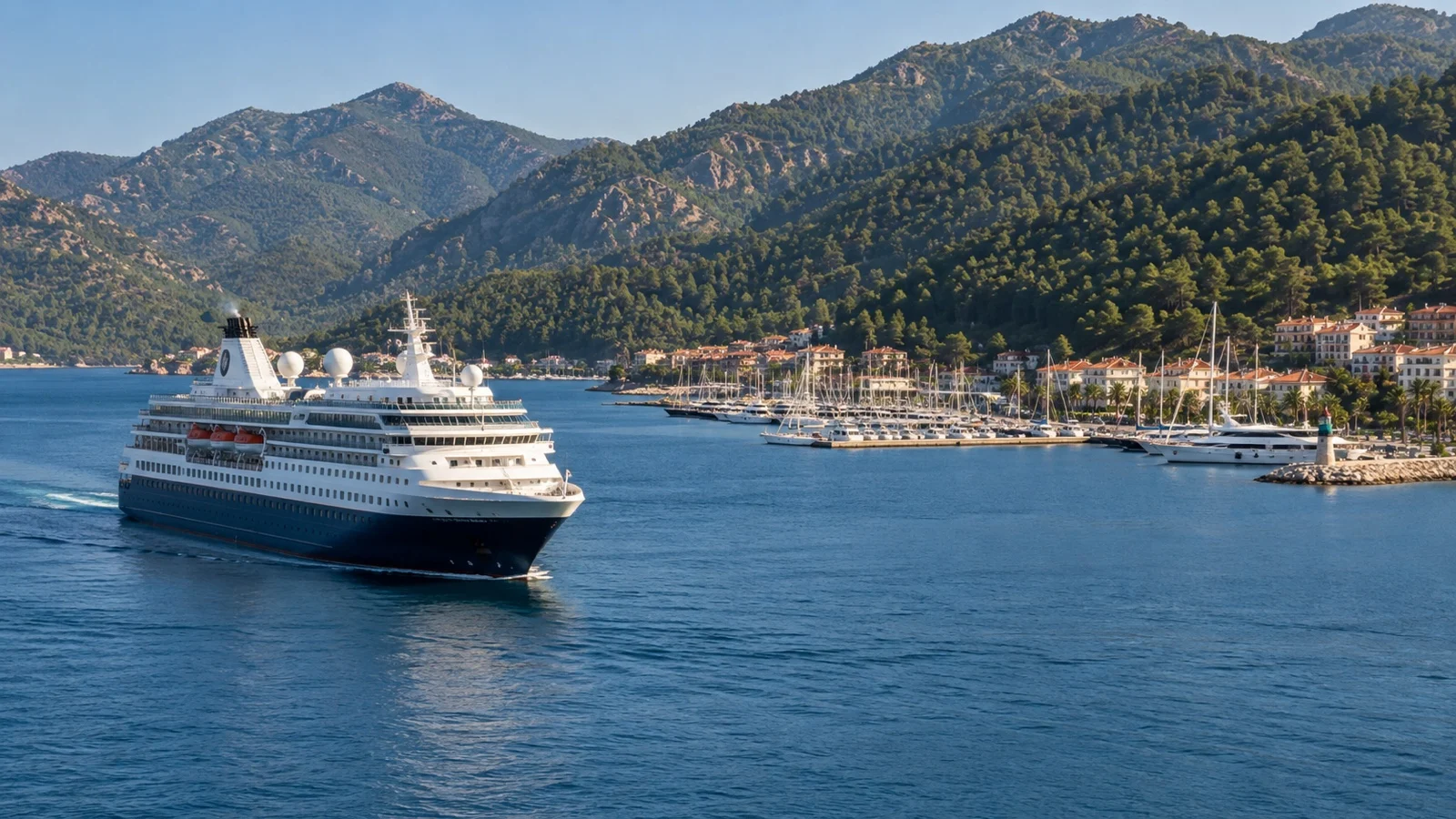
Marmaris sits around a protected bay filled with yachts, resort energy, and green hills. The old town, castle area, marina, boat trips, and beaches make it one of Turkey’s easiest ports to enjoy without chasing a distant landmark.
Summer heat favors an early walk followed by shade, a boat outing, or a slower lunch. Confirm whether a beach package includes transport, chairs, and a dependable return rather than assuming every waterfront strip offers the same setup.
Day trips to farther ancient sites can consume much of a short call. Marmaris is at its best when you let the harbor and surrounding coast be the attraction.
Fethiye cruise port
Fethiye is a base for turquoise water, boat trips, Lycian history, and dramatic landscapes. The harbor itself is pleasant, while places such as Kayaköy, Ölüdeniz, and the surrounding bays need transportation or a boat.
Choose land or water for the day’s main direction instead of switching repeatedly between them. Boat itineraries depend on sea and wind conditions, while road travel can slow in high summer.
Ancient rock-cut tombs and hillside viewpoints can involve steep approaches and uneven surfaces. A driver or guided tour helps travelers who want more control over walking intensity.
Antalya cruise port
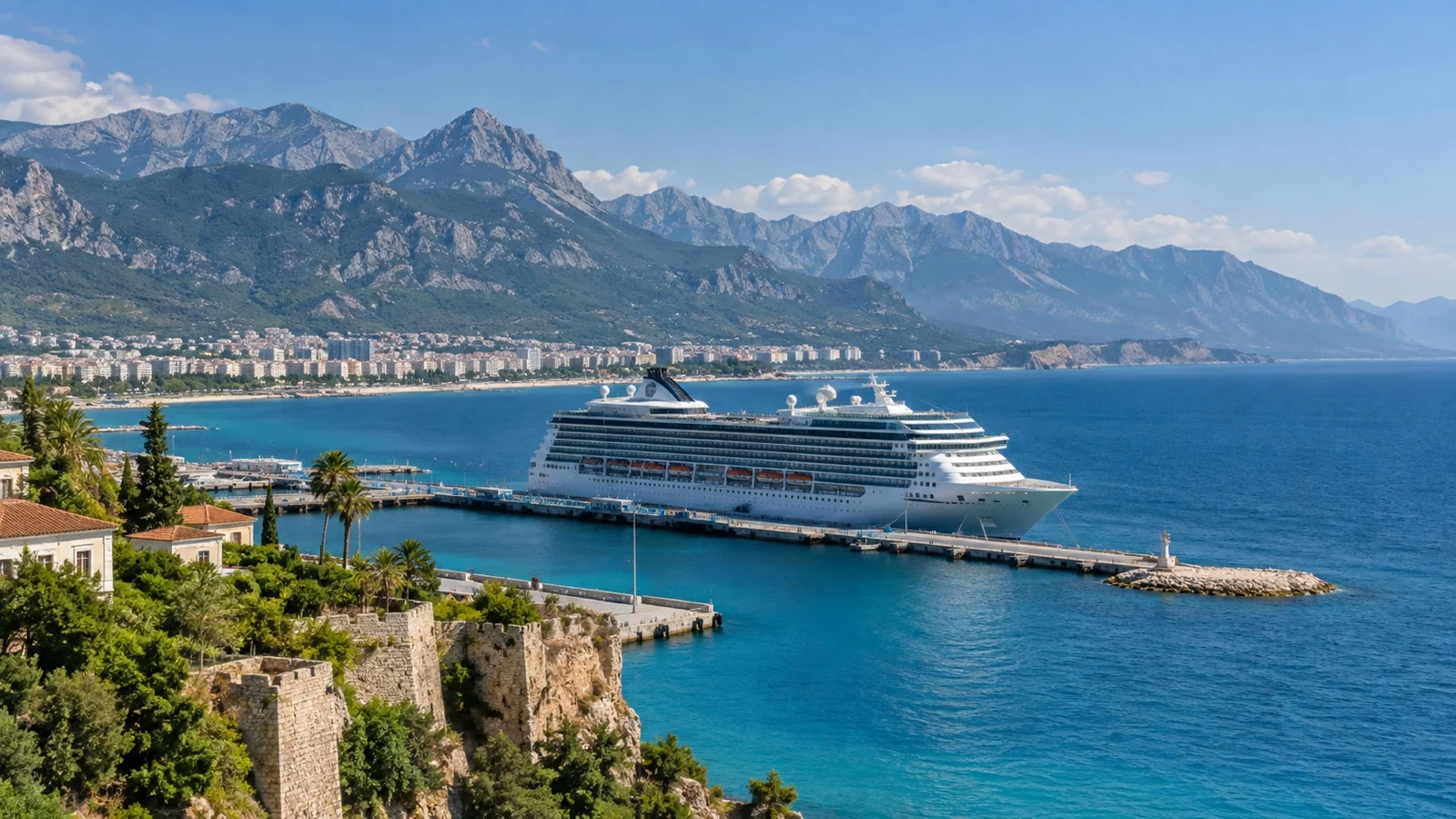
Antalya combines a major Mediterranean city, beaches, and the atmospheric Kaleiçi old town with access to important regional ruins. The cruise facility, airport, old town, and resort coast are separate places, so transportation must be planned around the actual berth.
Perge, Aspendos, and other archaeological attractions can anchor a superb guided day, but visiting several creates significant driving and walking. A shorter call is better spent in Kaleiçi, at a museum, or on one carefully chosen nearby outing.
July and August heat can make exposed ruins exhausting long before the scheduled return. Start early, carry water, and confirm air-conditioning and step-free access when those details matter.
Alanya cruise port
Alanya is defined by its hilltop castle, beaches, caves, and a long resort shoreline. It can be an attractive independent day when the ship docks conveniently, but the castle elevation makes transportation more practical than walking for many travelers.
Choose the castle and views, a beach, or a coastal boat trip as the anchor. Trying to combine all three can leave the best hours trapped in traffic or queues.
Sun exposure is substantial, and stone surfaces can become slippery or hot. Confirm the return point for any boat or beach transfer before separating from the organized group.
Amasra cruise port
Amasra brings a quieter Black Sea experience with headlands, small harbors, historic structures, and a compact center. It is the kind of port where a relaxed walk and seafood lunch can be more satisfying than a long bus excursion.
Steep streets and old surfaces may challenge travelers who need a level route. Weather on the Black Sea can also shift quickly, so wear layers and keep boat-dependent plans flexible.
Smaller calls may have less tourist infrastructure than Istanbul or Kuşadası. Carry some lira, confirm opening hours, and respect local pace rather than expecting every service to follow a large-ship schedule.
Anzac Cove cruise port
Anzac Cove and the Gallipoli Peninsula demand a thoughtful history-focused visit rather than a casual beach day. Memorials, cemeteries, battlefield geography, site regulations, and road distances make an organized itinerary the safer choice.
Follow local rules and treat cemeteries and memorials with quiet respect. A knowledgeable guide helps explain terrain that can look peaceful today but is essential to understanding the 1915 campaign.
Walking can involve slopes, uneven ground, exposure, and long periods away from services. Confirm restroom stops, water, accessibility, and the exact ship transfer before departure.
Docking, tendering, and getting around
Turkey includes modern cruise terminals, commercial harbors, small yacht ports, and calls where tendering or another transfer may be required. The scheduled arrangement can change, so the cruise line’s daily information is more authoritative than a general map.
Istanbul has useful public transportation, while many coastal ports are easier with a driver, taxi, or excursion once you leave the immediate waterfront. Agree on the destination and payment method before a taxi ride, and keep enough time for port security on return.
Long archaeological days benefit from a licensed guide and a vehicle that stays with the group. Ask exactly which entrance, ruins, museums, meal stops, and shopping stops are included, since two tours with similar names can spend the day very differently.
When to cruise and what weather changes
Spring and fall usually create the best balance for archaeological walking, city sightseeing, and coastal comfort. Summer offers reliable beach energy but can bring intense heat, large crowds, and slower traffic in resort areas.
Winter itineraries are less common and require more attention to rain, wind, daylight, and seasonal opening hours. Black Sea weather and Aegean wind can also affect tendering and boat trips outside the hottest months.
Always check the local forecast close to the call and adjust the order of outdoor sites. Shade, water, a hat, grippy shoes, and a modest layer for religious sites are useful far beyond midsummer.
Entry rules, money, and connectivity
Entry and visa requirements depend on citizenship, passport, itinerary, and how you enter Turkey. Use the Turkish government’s official e-Visa information and your cruise line instead of a travel forum or third-party visa seller.
Turkish lira is the national currency, and cards are widely used in major visitor businesses. Cash remains helpful for small vendors, local transportation, tips, and places where a connection fails.
Mobile service and public Wi-Fi can be useful, but downloaded maps and screenshots reduce stress. Save the ship’s contact details, terminal name, and all-aboard time offline before leaving the secure area.
Accessibility and lower-energy days
Ancient sites frequently include worn stone, ramps with steep grades, steps, heat, and limited shade. Ask about the accessible entrance, actual distance, restroom availability, vehicle step, and whether the guide can shorten the route.
Istanbul’s sidewalks and historic areas can also be crowded and uneven, while old coastal towns often have hills or cobbles. A private vehicle does not automatically solve the final distance between the drop-off point and attraction entrance.
Gentler alternatives are available in nearly every port: a Bosphorus cruise, a waterfront meal, a museum, a short old-town route, or a scenic drive. The best port day is the one that leaves enough energy for the ship’s gangway at the end.
How I would choose the itinerary
For a first Turkey cruise, I would prioritize an overnight in Istanbul and a full Kuşadası call, then add Bodrum or Marmaris for contrast. That combination gives you a great city, a world-class ancient site, and a relaxed Aegean harbor.
History specialists can look for Dikili, Antalya, or Anzac Cove, while beach and sailing travelers will prefer Fethiye, Çeşme, Alanya, and Marmaris. Amasra is the wildcard for travelers who enjoy smaller towns and the Black Sea.
Do not choose only by the number of Turkish ports. Compare the time in each call, overnight stays, berth or tender plan, and how many days require long bus travel.
Frequently asked questions
Which Turkey cruise port is best for a first visit?
Istanbul is the best introduction because its history, food, ferries, architecture, and neighborhoods could support several trips. Kuşadası is the essential partner if Ephesus is a priority.
Can I explore Turkey’s cruise ports independently?
Yes in many central waterfronts, especially for a relaxed town or beach day. A guide or organized transfer is more useful for Ephesus, Pergamon, Gallipoli, and multi-site archaeological routes.
Do I need Turkish lira?
Cards are common in larger hotels, restaurants, shops, and tour businesses, but some lira remains useful. Use reputable bank machines and decline casual offers to convert the purchase into your home currency without checking the rate.
Should I book Ephesus through the ship?
A ship excursion provides straightforward timing protection, while a well-reviewed private tour can offer a smaller group and a customized route. Whichever you choose, verify included admissions, walking demands, shopping stops, and the return plan.
What should I wear in Turkey?
Wear light layers, supportive shoes, sun protection, and clothing suitable for the weather. Carry a modest layer for religious sites and follow posted dress requirements rather than relying on a generic checklist.
This guide was researched with Turkey’s official e-Visa portal, GoTürkiye destination information, UNESCO’s Ephesus record, port resources, and the linked CruisePorts guides. Berths, tendering, entry rules, site access, opening hours, and transport can change, so verify time-sensitive details with the cruise line and see our Editorial Policy.