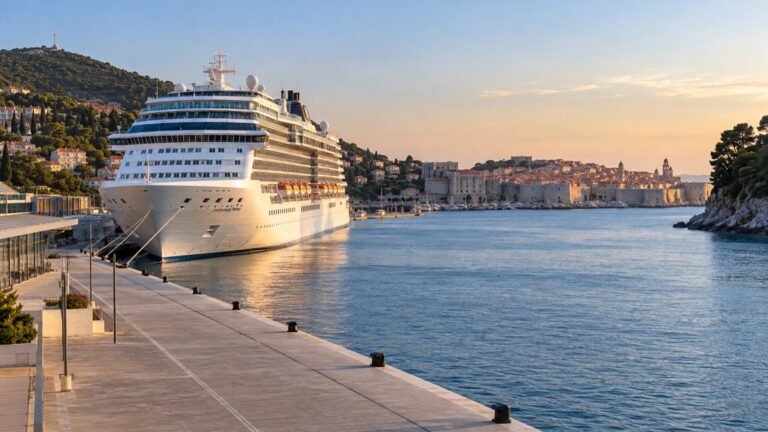
What Happens When Rough Seas Delay or Cancel Tendering?
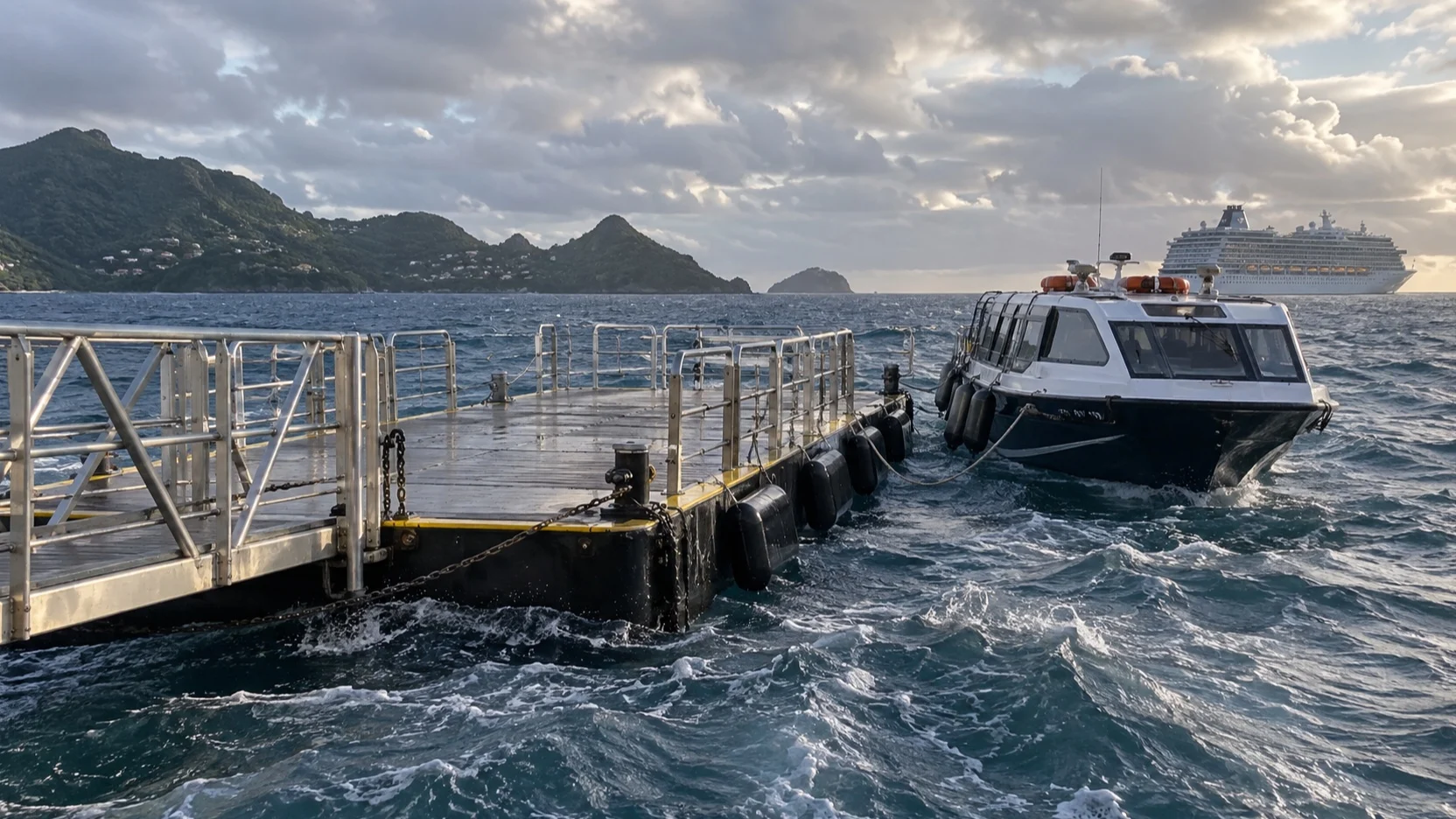
A tender port begins with the sea deciding whether the itinerary is a suggestion. Protect the first hour, keep independent bookings flexible, and review what a tender port means before relying on the shore schedule.
My quick take
Do not book a tight independent meeting at a tender port, especially when wind or swell is forecast. Wait for official instructions, keep the operator updated, carry the missed-port terms, and save an onboard plan that feels worthwhile if nobody goes ashore.
The water can look calm from a balcony while conditions at the tender platform or shore landing remain unsuitable. Visual guesses are not a substitute for the captain’s decision.
Quick Facts: how cruise tendering normally works
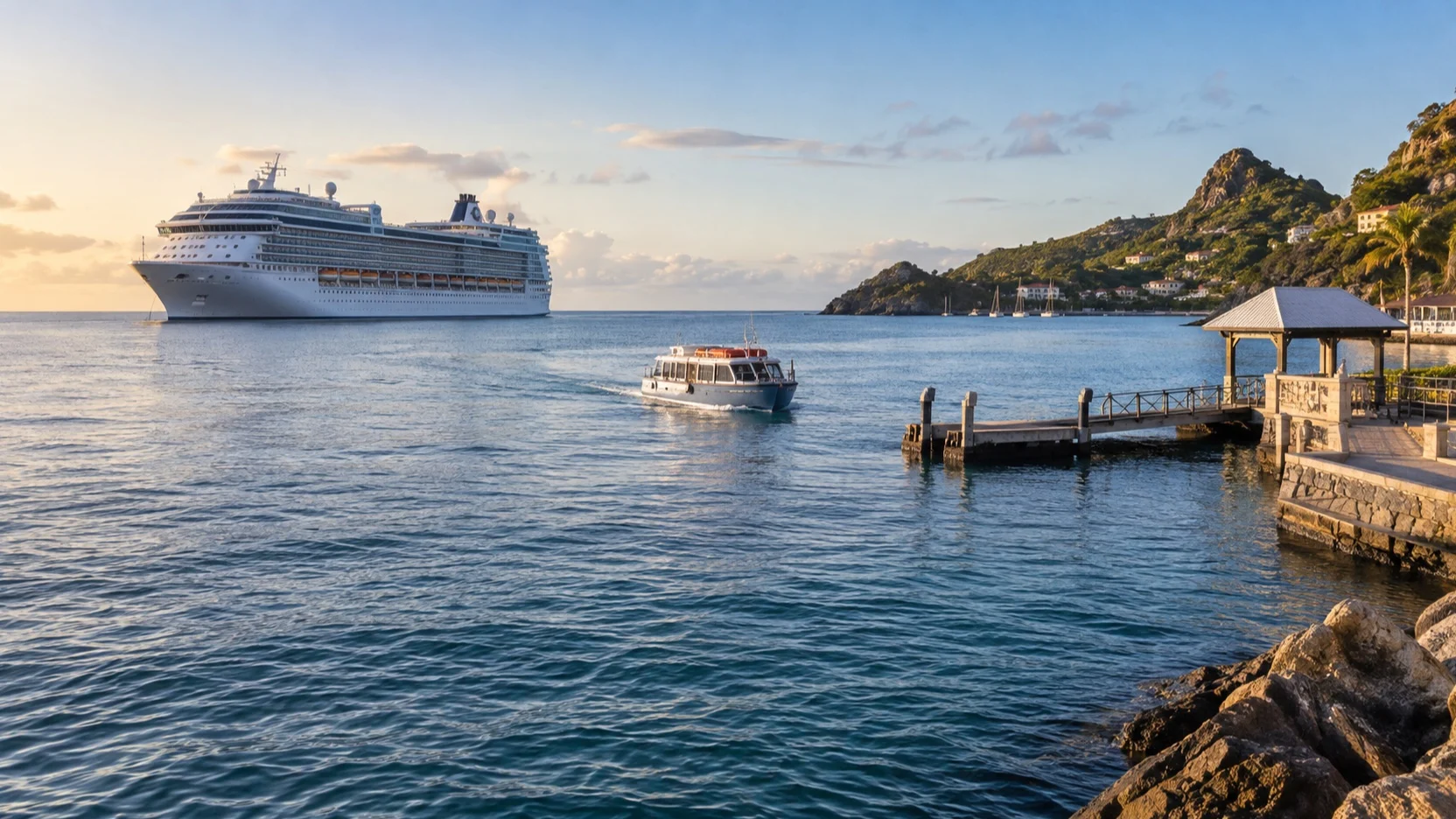
At an anchor port, smaller vessels carry passengers between ship and shore. The cruise line may call them tenders, water shuttles, or ship-to-shore boats.
Guests often receive a group, ticket, or assembly time. Ship excursions and travelers with operational priority may depart before independent passengers.
The process adds:
- Assembly and line time
- Boarding at a moving platform
- Transit across open or protected water
- Disembarkation at a pier
- The same sequence in reverse
The printed port arrival is not the moment an independent traveler reaches land. Plan from a realistic shore time.
What rough seas change
Boarding movement
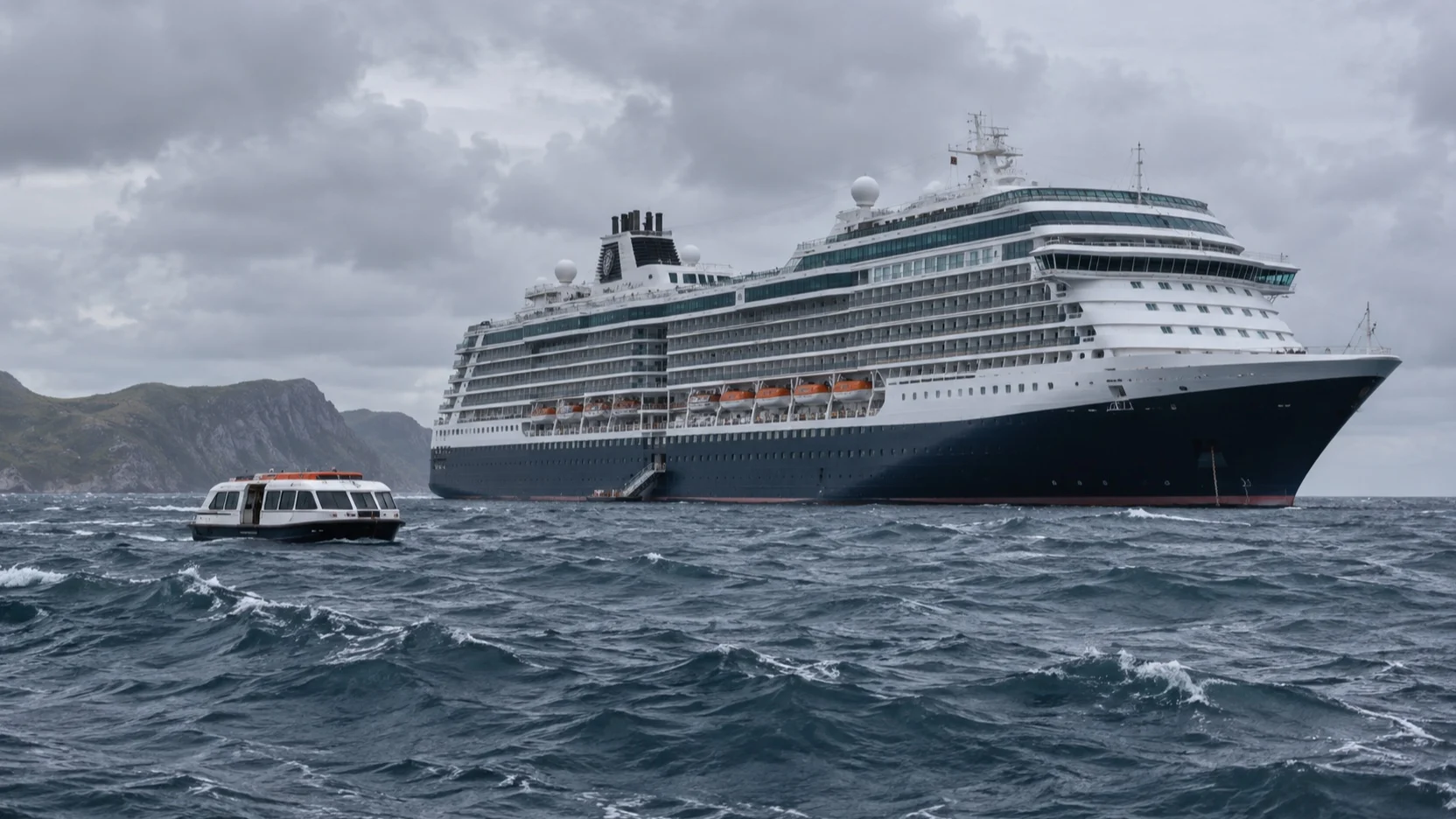
The tender and ship can rise at different rates. Crew time each step and may pause boarding when the movement becomes unsuitable.
Follow instructions and keep both hands available. Do not jump, rush, or board while filming.
Tender speed and capacity
The operator may reduce speed, change the route, or carry fewer passengers. A crossing that normally takes 15 minutes can take longer.
These operational choices create later tour departures and shorter usable time ashore. Do not respond by cutting the return buffer.
Shore landing
The destination dock may be more exposed than the ship. Waves, tides, wind, or harbor traffic can make disembarkation difficult even after the crossing.
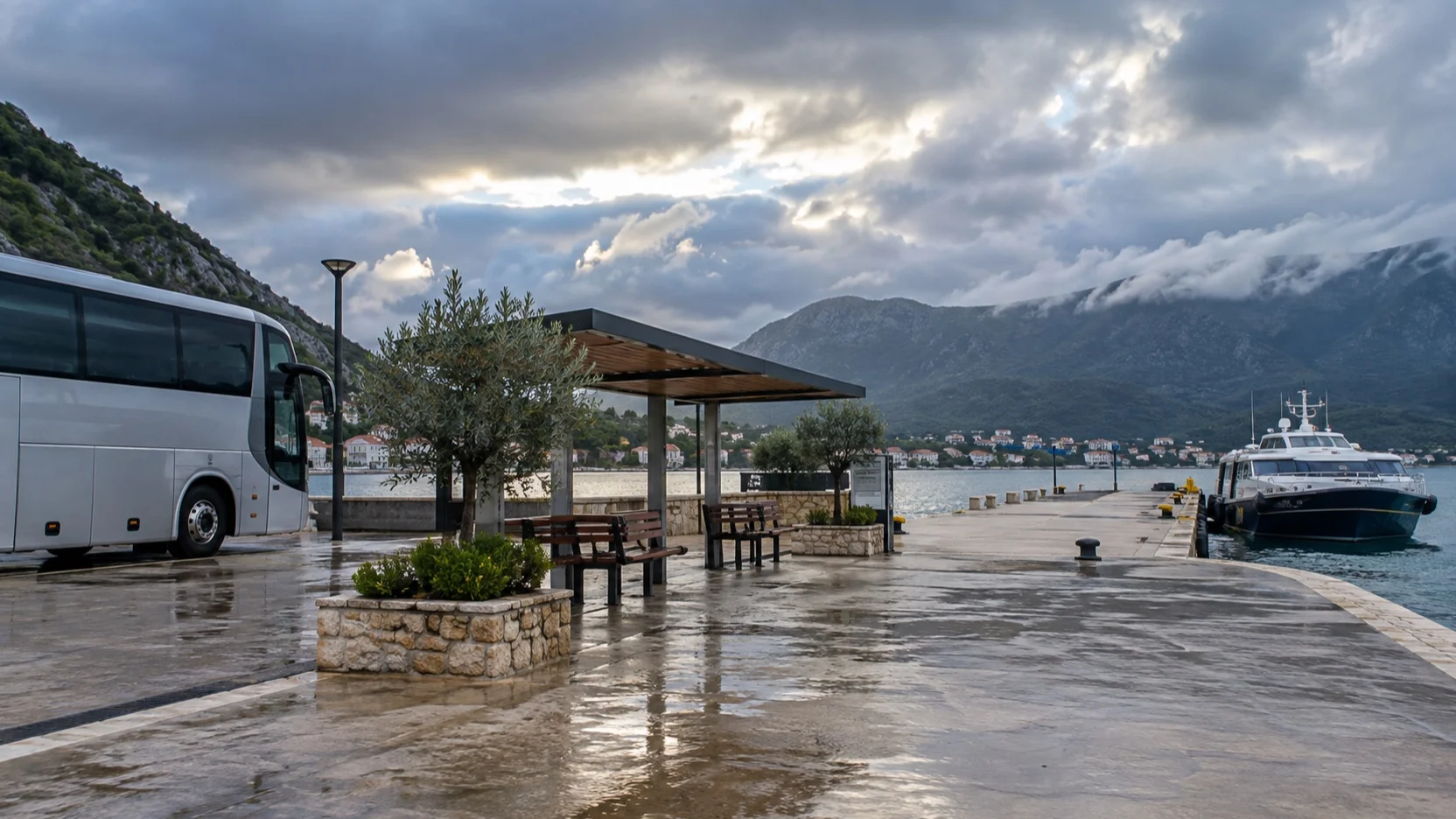
Some ports have more than one landing. A change can alter the distance to your guide, bus, or attraction.
Mobility access
Rough conditions can prevent a traveler from using the water shuttle even when access was possible in calm weather. The decision may consider device weight, transfer ability, steps, and safe assistance limits.
Princess explains that water-shuttle access can be affected by shore facilities and conditions, and that the captain makes the final decision based on safety and welfare. Review the specific cruise line’s policy before sailing.
The whole port call
The captain may delay tendering, suspend it temporarily, shorten the call, or skip the port. A destination can be canceled even on a sunny day when swell or wind makes transfer unsafe.
This is a normal itinerary risk, not proof that the crew did not try hard enough. The same system must bring everyone back safely later.
The most common tender-day outcomes
Operations begin late
The ship waits for improvement or repositions. Tours may receive new times and independent plans lose part of the day.
Stay near announcements until the procedure is clear. Do not crowd the gangway or stairwell.
Ship tours depart, independent guests wait
The line may protect excursions it coordinates before releasing general water-shuttle groups. This can make an early independent ticket unrealistic.
Tell the operator that the ship is delayed and document messages. A flexible guide will understand tender risk, but the refund policy controls the financial result.
Tendering pauses after guests go ashore
Conditions can change during the day. The ship and port coordinate the return and communicate instructions.
Stay reachable, monitor ship messages, and follow local staff. Do not hire an unauthorized boat to improvise a return.
I do not count a tender seat until I am sitting in it.
The landing changes
A protected alternate pier may be used. Tours and shuttles may relocate, creating confusion.
Save the operator’s phone number and identify the cruise-line representative ashore. A screenshot of the original meeting point is not enough when operations change.
The port is canceled
The ship may add activities, adjust the itinerary, or create an unexpected sea day. Cruise-line excursions are normally handled under the line’s cancellation policy.
Independent bookings follow their own missed-port terms. Confirm whether refunds, credits, or rescheduling apply.
Tender ports needing more time
Ko Samui
Ko Samui often requires water-shuttle operations, and the island’s attractions are spread out. The Ko Samui cruise port guide explains why tender time reduces the practical sightseeing window.
Choose fewer stops and a guide familiar with ship operations. A private island circuit cannot recover an hour lost at sea without removing something.
Bay of Islands
This New Zealand call combines tendering with choices around Waitangi, Paihia, and Russell. The Bay of Islands cruise port guide helps separate the landing logistics from regional touring.
Ferry or boat connections ashore create another weather-dependent layer. Keep the final return direct and conservative.
Phuket
Phuket’s arrival arrangements can vary by season and itinerary. The Phuket cruise port guide should be checked against the ship’s current landing notice.
Traffic adds risk after the water crossing. Do not attempt a distant route with no tolerance for late tendering.
Private islands
Some private destinations use tenders or landing craft. Wind and waves can cancel the stop even though the island sits close to the ship.
Beach purchases and line-sold activities follow the cruise line’s terms. Listen for automatic refunds or changed reservations.
How to plan an independent tour
Before paying, ask:
Planning question 1: Does the operator monitor ship arrivals?
Planning question 2: How long will the guide wait?
Planning question 3: Where is the meeting point if the landing changes?
Planning question 4: What happens when tendering begins late?
Planning question 5: What happens when the port is canceled?
Planning question 6: Is the refund cash, card reversal, or future credit?
Planning question 7: Can the itinerary be shortened?
Planning question 8: What is the latest safe departure back?
Choose an operator that answers in writing and works with cruise calls regularly. “We have never missed a ship” does not replace contract terms.
Do not pay by a method that removes ordinary consumer protections unless you understand the risk. Keep confirmation and contact details offline.
How to plan a cruise-line excursion
The line coordinates the meeting and adjusts its excursion when the ship’s operation changes. That can reduce worry in a tender port.
It does not guarantee the port will open or that every activity will run. Royal Caribbean states that missed-port cancellations trigger refunds for its shore excursions.
Review physical requirements too. A line-sold excursion may still require steps into the tender and a vehicle.
Mobility and tendering
Ask the cruise line:
Access check 1: Whether the port is scheduled as a tender
Access check 2: Whether the water shuttle accepts the device
Access check 3: Weight or lifting limits
Access check 4: Step and transfer requirements
Access check 5: Shore landing access
Access check 6: How weather changes the decision
Access check 7: Whether advance assistance is available
Princess notes that some ports may not provide wheelchair access and that guests may be unable to board or disembark depending on conditions. Royal Caribbean publishes accessible cruising information and a tender-port list, but final operations remain sailing-specific.
Never assume crew will physically lift a traveler or heavy device. Assistance rules protect both guests and staff.
What to pack for a rough tender crossing
Keep hands free and bring only what can be controlled:
Packing item 1: Small zipped bag or backpack
Packing item 2: Waterproof phone pouch
Packing item 3: Secure hat or no hat
Packing item 4: Shoes with traction
Packing item 5: Necessary medication protected from spray
Packing item 6: Motion-sickness plan approved for you
Packing item 7: Tour contacts and ship information offline
Do not wear loose scarves or carry open drinks while boarding. Store cameras until seated.
If the boats start late, I shorten the plan immediately rather than borrowing time from the return.
If you are prone to motion sickness, discuss prevention with a clinician or pharmacist before travel. Some medications cause drowsiness or interact with other conditions.
How to build the return buffer
Return earlier than you would at a docked port. The afternoon line may be long, and tenders can slow as conditions change.
Follow the ship’s stated last water-shuttle time. Do not substitute a blog’s generic “one hour before all-aboard” rule for the actual instruction.
If the independent tour ends far from the landing, add traffic and walking time before the line. The safety buffer begins at the attraction, not the tender pier.
What to do if the port is canceled
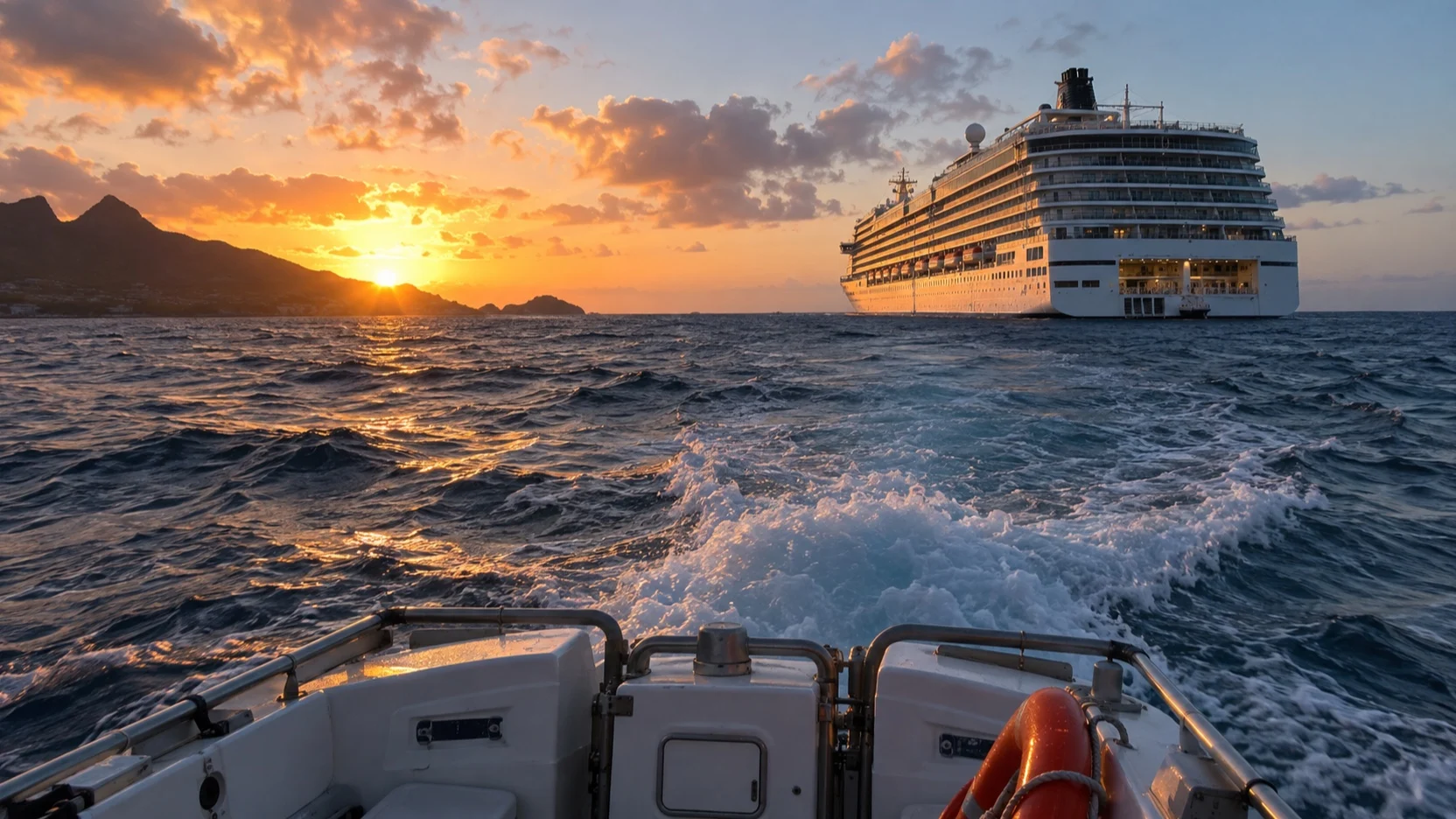
Read the updated daily program and excursion messages. Confirm refunds rather than assuming they have posted instantly.
Choose one or two onboard priorities before the cruise:
Onboard option 1: Specialty lunch or relaxed main dining
Onboard option 2: Spa appointment if available
Onboard option 3: Pool or thermal area when open
Onboard option 4: Trivia, lecture, movie, or class
Onboard option 5: Quiet reading and scenic time
Onboard option 6: A personal project or photo organization
Avoid spending the day angrily watching the island. The captain cannot make the landing safe through enthusiasm.
Know what is controlled by the ship and what is not
The captain and operating team decide whether water-shuttle service starts, pauses, changes landing, or ends, while the announced group order is ship-specific. Do not assume every line gives the same priority to excursions, loyalty tiers, independent guests, or mobility requests.
If service pauses after passengers go ashore, follow the ship’s local instructions and remain reachable rather than arranging an unauthorized boat to the vessel. The ship coordinates its official tender operation, but an independent traveler who misses the announced last shuttle has created a different problem.
Cruise-line excursions, independent tours, and admission tickets have separate missed-port and weather terms. Keep each policy offline, document schedule messages, and ask the seller how a delayed start, shortened tour, substituted landing, or canceled call is handled.
Quick answers
Can rough seas trap passengers ashore?
The ship and local team monitor conditions and coordinate return operations. A pause or alternate landing can delay the process.
Follow official instructions and remain reachable. Do not arrange an unauthorized transfer.
Will the ship wait for late tenders?
Official tender operations are coordinated with the ship, so the vessel does not simply depart while its own transfer is returning passengers. Travelers still must meet the announced last-shuttle deadline.
Missing the last official tender because of an independent delay is a different problem. Return conservatively.
What happens to refunds?
Cruise-line excursions generally follow the line’s missed-port policy, while independent operators follow their contract. Taxes or port charges are handled according to the cruise ticket terms and applicable rules.
Read the relevant documents and ask the seller. Refund timing can vary.
Can I refuse the tender if it looks rough?
You can choose to stay aboard. A voluntary decision not to go may not trigger an excursion refund if the port and tour operate.
Discuss concerns with the shore-excursion desk before the cancellation deadline when possible.
How this guide was researched: This guide was checked on September 11, 2026 against current official tender-accessibility guidance from Princess Cruises and marine forecast information from the National Weather Service. Weather, water-shuttle operations, landing points, mobility access, excursions, and the captain’s safety decision remain specific to the sailing and the day, so reconfirm details onboard; see our Editorial Policy.
More on this topic: browse every guide on weather, crowds and conditions.