Which Cruise Ports Have the Most to Do With Teenagers?
Teenagers are rarely impressed by an itinerary labeled “fun for the whole family,” especially before breakfast. I favor ports with real choices, good food, active options, visual culture, and enough independence to make the day feel partly theirs.
Quick Facts: strongest all-around shortlist
Singapore and Barcelona provide the widest urban variety, while Cozumel and Juneau excel when the teenager wants to do something physical. Reykjavik suits nature-loving teens, and Vancouver, Copenhagen, and Tokyo or Yokohama reward food, design, technology, and self-directed exploring.
No destination wins for every teenager. A 13-year-old who loves marine life, a 16-year-old photographer, and an 18-year-old history fan can react to the same port as if they visited three different cities.
- Adventure and movement: Start with Juneau, Cozumel, or Reykjavik and build the day around one guided outdoor activity.
- Food and city energy: Start with Singapore, Barcelona, or Tokyo and choose one neighborhood plus a food mission.
- Photography and design: Start with Copenhagen, Barcelona, or Vancouver and combine a viewpoint with architecture or a street route.
- Wildlife and nature: Start with Juneau, Reykjavik, or Cozumel and choose an ethical wildlife or landscape outing.
- Shopping and pop culture: Start with Singapore, Tokyo, or Barcelona and choose one district with an agreed spending plan.
What teenagers actually need
Teenagers usually engage more when the day has a clear purpose they helped choose. “Explore the old town” is vague, while “find the best local pastry and photograph three unusual buildings” gives the outing a mission.
Good teen ports also allow different energy levels within one area. One person can climb to a viewpoint, another can browse a market, and the family can reunite for food without arranging another long transfer.
Choice should be real but bounded. Let the teen select between two vetted activities, manage a small budget, navigate one transit segment with adult oversight, or choose the lunch stop, while adults retain control of safety and the ship return.
The destination needs a credible rainy-day or low-energy option too. A port with only one expensive outdoor excursion is less flexible than a city where the family can switch from a viewpoint to food, a museum, or a neighborhood walk.
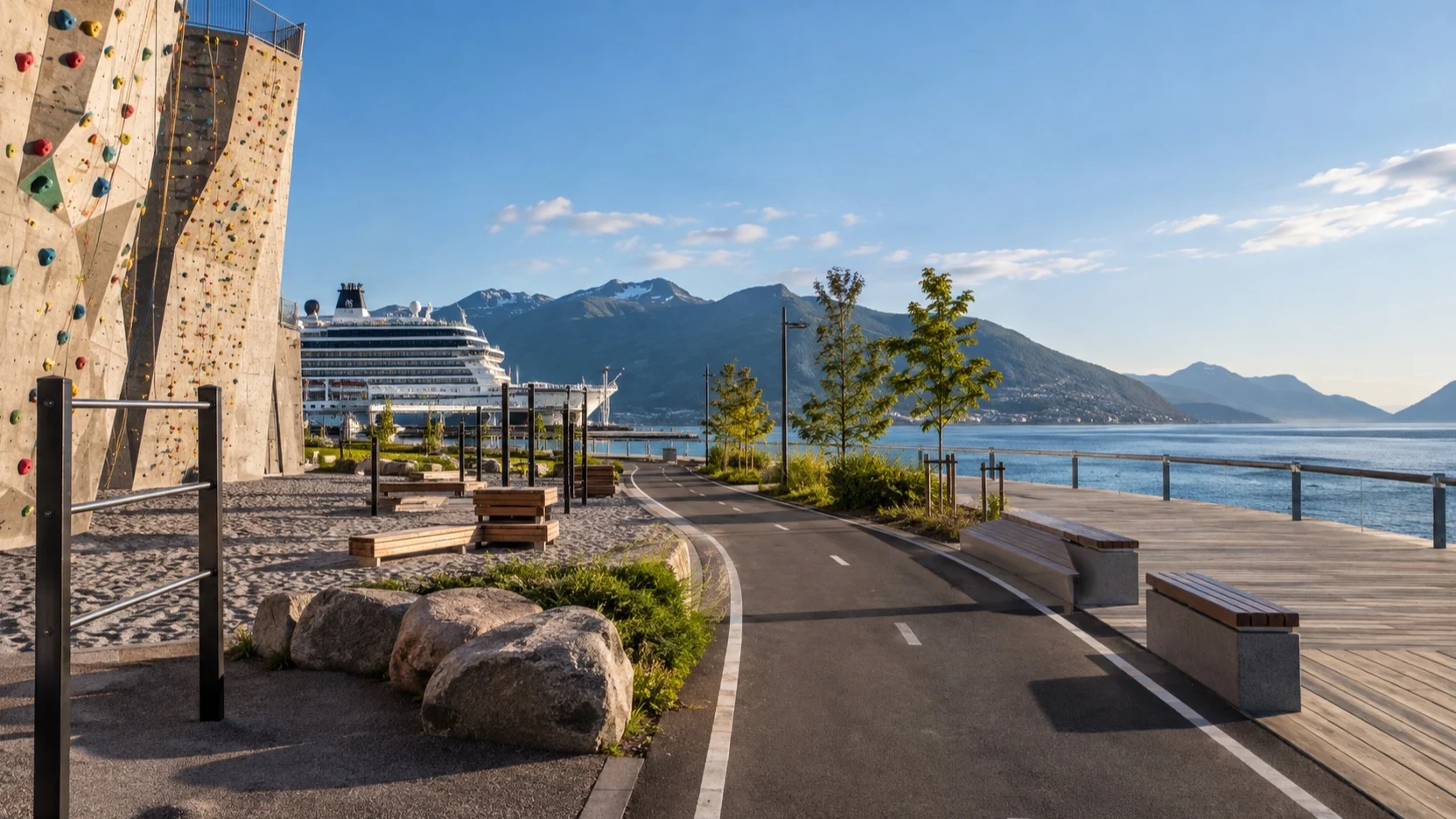
Singapore: Maximum variety
Singapore works for teenagers because futuristic architecture, hawker food, gardens, shopping, viewpoints, wildlife attractions, and Sentosa activities can all support different interests. The public transport network also makes a one-zone plan easier than in many sprawling ports.
A Marina Bay day can combine visual landmarks, food, air-conditioned breaks, and a nighttime-style atmosphere even during daylight. The Singapore Tourism Board’s Gardens by the Bay guide describes free general access with separately ticketed attractions, which gives families control over cost and commitment.
Sentosa suits a teen who prefers rides, beaches, active attractions, or an entertainment-centered day. Choose one major ticketed anchor because trying to combine a theme park, beach, aquarium-style attraction, and central Singapore can turn the call into transportation.
Food-focused teens can receive a small budget and a short list of dishes to compare in one hawker center, with adults nearby. That creates participation without asking a young traveler to navigate the whole city independently.
Barcelona: Culture and energy
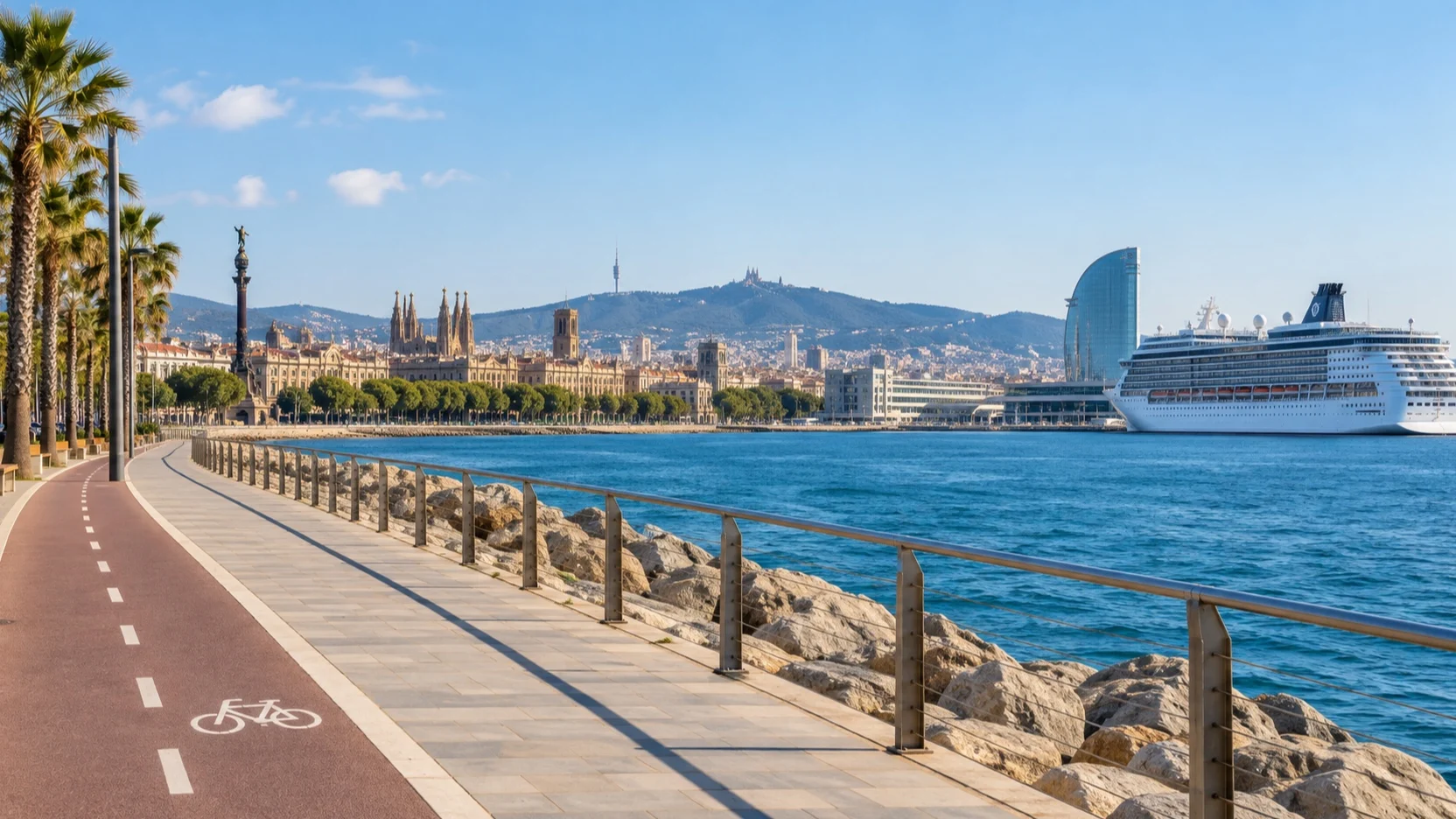
Barcelona offers bold architecture, beaches, markets, viewpoints, museums, shopping, and active attractions within one metropolitan day. It works especially well for a teenager who finds traditional sightseeing dull but enjoys design, photography, food, or urban energy.
Build the outing around one timed anchor, then explore its surrounding district. A Gaudí site plus a neighborhood meal is more satisfying than crossing the city to collect exterior photographs of every famous building.
The official Barcelona tourism organization highlights varied family options, including aquarium visits, viewpoints, Tibidabo, and the Barcelona Bosc Urbà adventure park. Current age, height, opening, and ticket details should be checked with the attraction chosen for the actual day.
I ask what the teenager wants to do, not which adult plan they are least likely to reject.
Keep the port transfer and city transport visible in the plan because Barcelona terminals differ. Our Barcelona cruise port guide helps families avoid promising an activity before they understand the berth.
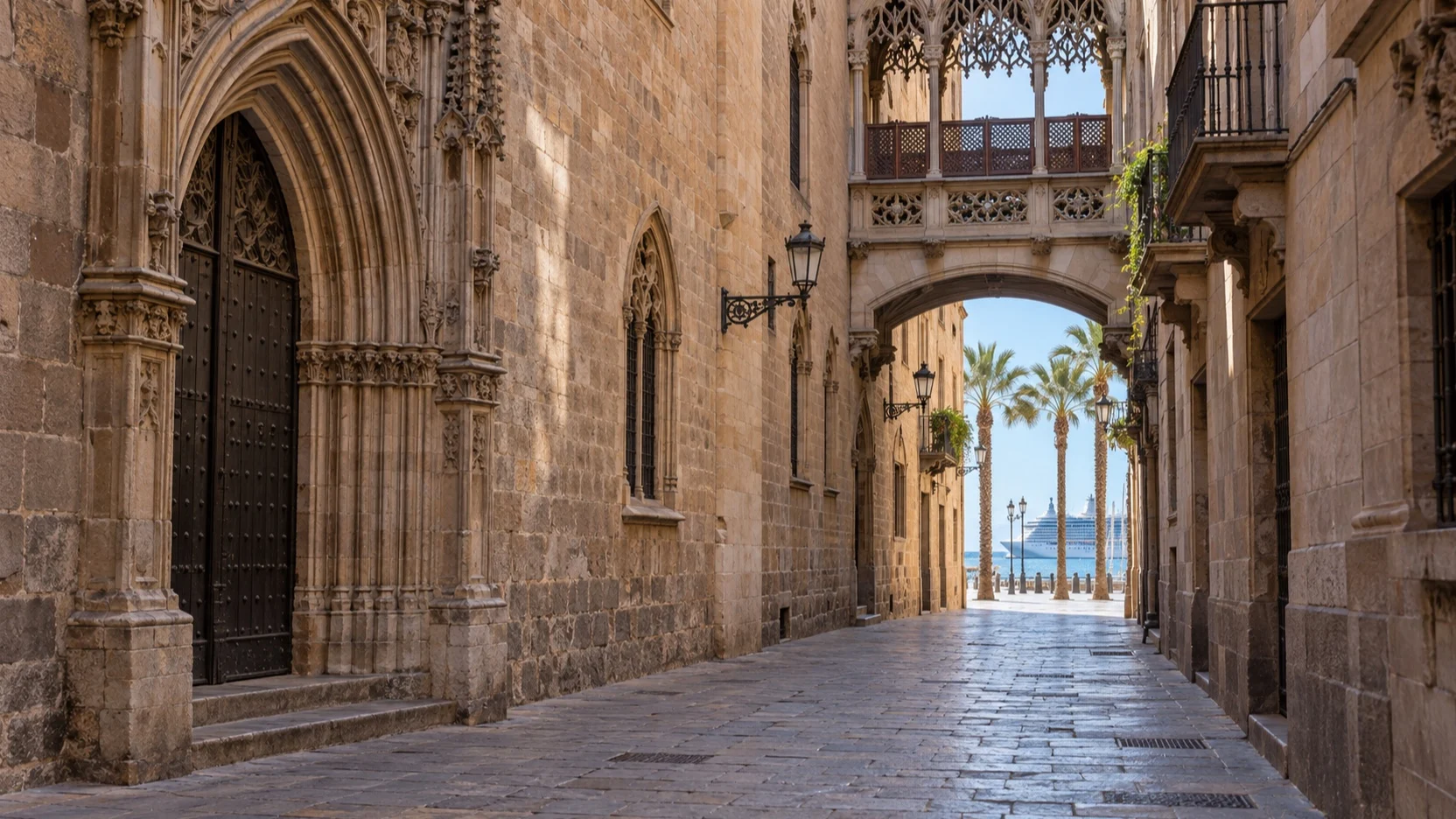
Cozumel: Easy active days
Cozumel is a strong teen port when the main goal is snorkeling, a beach base, a park, or another water-centered activity. The island can turn a passive sightseeing day into something the teenager physically does.
The limitation is that many packages look different in marketing but deliver a similar beach-day rhythm. Ask the teen whether the real priority is reef time, speed, animals, food, photography, or simply relaxing with reliable Wi-Fi and shade.
Read every age, height, weight, swimming, and supervision rule before paying. A package can be sold as family-friendly while its most exciting equipment is unavailable to the youngest teenager or unsuitable for a nervous swimmer.
Stay on Cozumel unless a mainland site is truly the point of the day, because the ferry removes flexibility. The Cozumel cruise port guide is useful for comparing island choices and understanding that ships use different piers.
Juneau: Wildlife and adventure
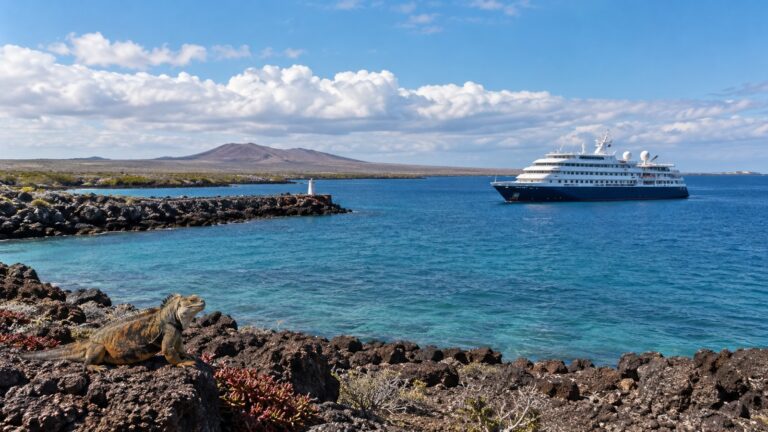
Juneau can combine whale watching, glacier landscapes, trails, aerial views, kayaking, local history, and food in one port. It is particularly good for a teenager who wants a story to tell rather than another pretty town walk.
Outdoor experiences are not interchangeable, so ask whether the teen wants wildlife, physical challenge, scenery, or speed. A whale-watching boat and a strenuous trail can both be “Alaska,” yet they demand completely different clothing, stamina, and attention.
Travel Juneau’s family activity guide includes nature, wildlife, history, and hands-on possibilities, illustrating the port’s breadth beyond one famous excursion. Verify season, operator requirements, weather policy, and transportation for the chosen activity.
Juneau also offers a workable low-energy backup through downtown, museums, food, and shorter waterfront time. Read our Juneau cruise port guide before stacking a distant excursion with another fixed reservation.
Reykjavik: Nature with distance
Reykjavik appeals to teens through geothermal culture, dramatic landscapes, pools, street art, food, whale watching, and excursions that feel unlike everyday life. A nature-focused teenager may rank it above every city on this list.
The famous day trips can involve substantial motorcoach time, so choose the landscape experience the teen actually cares about. A shorter geothermal or city-and-pool day may produce more participation than a long sightseeing circuit.
Weather can change the comfort and operation of outdoor activities, and geothermal venues have specific behavior and hygiene rules. Confirm current entry, age policies, swim expectations, and the exact cruise-terminal transfer before booking.
Our Reykjavik cruise port guide helps separate city time from regional excursions. Keep one indoor or ship-based fallback so poor conditions do not force an unhappy version of the original plan.
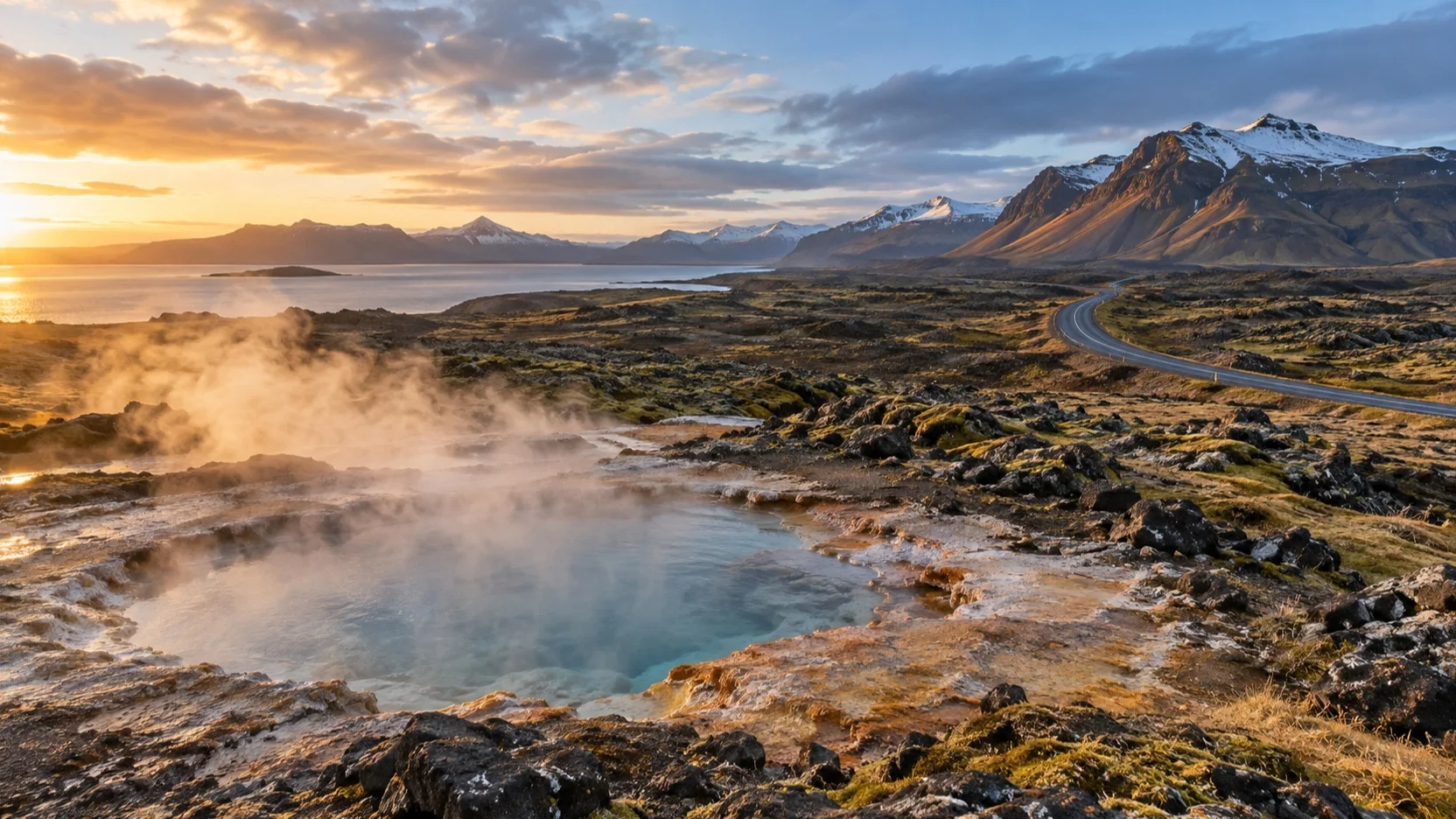
Vancouver, Copenhagen, and Japanese cities
Vancouver offers bikes, waterfront scenery, markets, mountain views, food, and active attractions around a visually engaging city. It suits mixed-interest families because a nature-loving teen and a shopping-focused sibling can find a compromise without leaving the region.
Copenhagen combines design, harbor life, cycling culture, food, palaces, and amusement options. The city is strongest when the family chooses one coherent district instead of turning teen interest into another all-day landmark march.
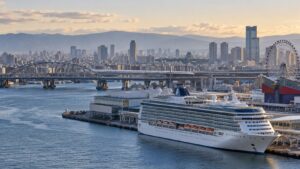
Tokyo, Yokohama, Osaka, and Kobe can delight teens who love games, animation, fashion, technology, trains, unusual food, or photography. The challenge is scale, so one neighborhood mission beats a list of famous districts separated by repeated rail journeys.
These cities also reward respectful observation of everyday life. Give the teenager responsibility for learning one transit convention, ordering one meal politely, or finding a specific shop, which turns the city from background scenery into a skill-building experience.
Let the teenager help design the day
Offer two or three realistic choices after the adults have screened transport, cost, restrictions, and return risk. A teen is more likely to engage with an option selected from a good shortlist than an itinerary presented as a finished command.
If I can offer two genuinely different options, enthusiasm usually has a better chance than obligation.
Ask for one “must,” one “nice,” and one “absolutely not.” The answers can reveal that the teenager wants local food but not a cooking class, a beach but not a group snorkel, or history without a two-hour guided lecture.
Build in a small amount of phone time without making the whole outing about content creation. Ten minutes to photograph, message friends, or research lunch can restore goodwill, while constant pressure to pose can make a beautiful port feel like work.
Discuss spending and freedom before leaving the ship. A defined shopping budget, meetup point, communication method, and geographic boundary give older teens room to practice independence without sacrificing family safety.
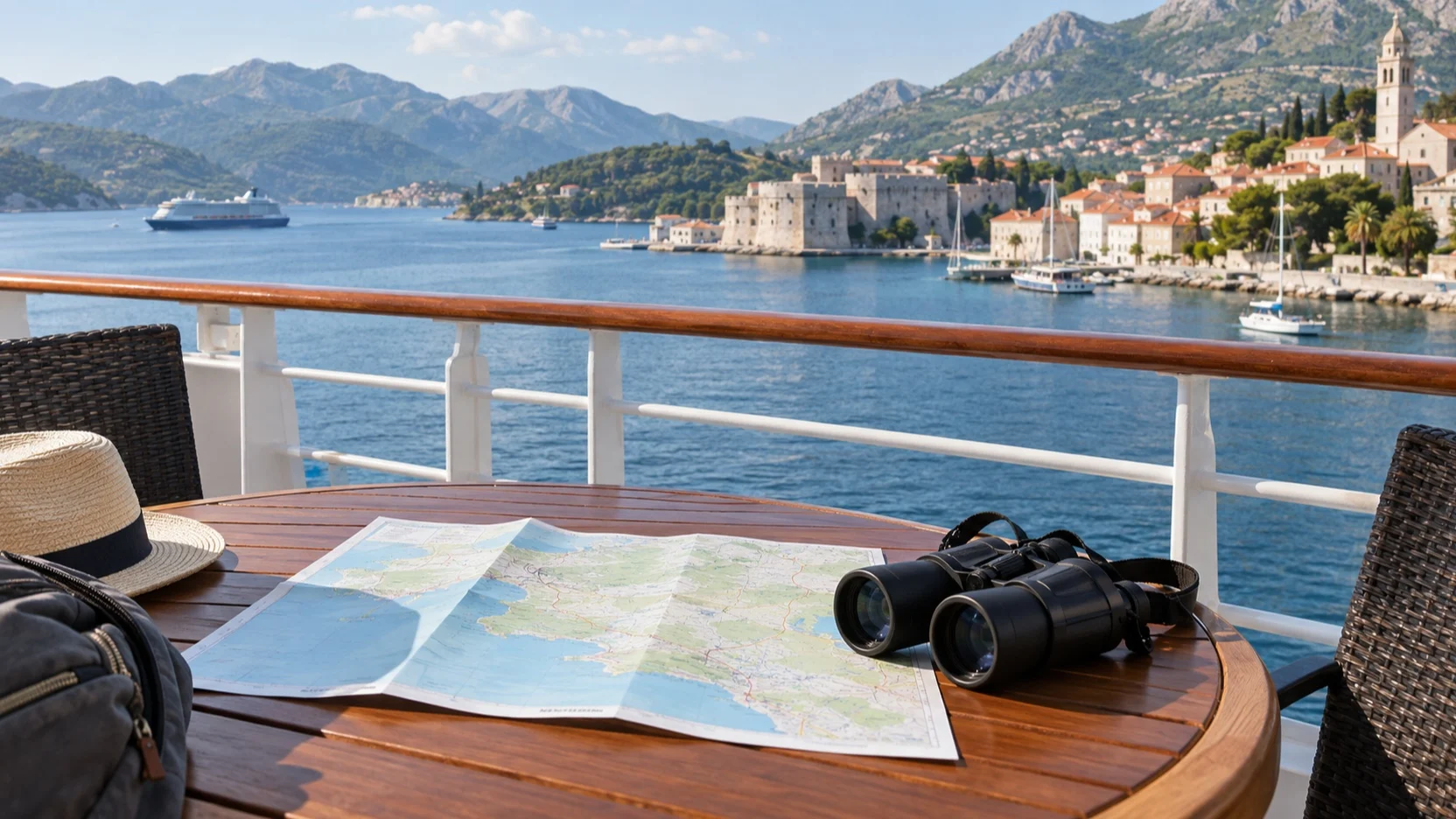
Avoid the three classic teen-port mistakes
The first mistake is booking an activity because adults think a teenager should love it. Ask about swimming confidence, heights, enclosed spaces, speed, wildlife ethics, and group tours before paying for adventure.
The second is filling every minute to prevent boredom. Teenagers often respond better to one strong activity, food, and unscripted time than three attractions connected by instructions and transportation.
The third is confusing age with physical or emotional readiness. Operator minimums are only eligibility thresholds, not proof that a specific young person will enjoy the activity.
Always leave a clean exit. A teenager who feels sick, overwhelmed, cold, embarrassed, or simply finished should be able to return without turning the whole day into a family argument.
Quick answers
Which port is best for teens?
Singapore offers one of the broadest mixes of food, modern sights, nature, shopping, and active attractions. Barcelona is equally strong for teens who prefer architecture, street life, and European city energy.
Which port is best for an adventurous teen?
Juneau, Cozumel, and Reykjavik offer excellent active possibilities, but the best choice depends on wildlife interest, swimming confidence, weather tolerance, and the operator’s rules.
Should teens choose the excursion?
Yes, from a vetted shortlist. Adults should screen safety and logistics first, then let the teenager influence the final choice.
How much freedom should an older teen have?
That depends on maturity, local conditions, laws, communication, and family rules. Use clear boundaries, a meetup plan, and an adult-controlled ship-return schedule.
What if a teen stays aboard?
Discuss why before forcing the issue, then offer a shorter or teen-chosen port plan. Any onboard independence must follow the cruise line’s age rules and the family’s supervision expectations.
How this guide was researched: This guide was checked on September 11, 2026 against current official destination information from the Singapore Tourism Board, Barcelona tourism organization, and Travel Juneau, plus primary port and attraction sources used throughout Cruise Ports. Attraction and transport rules change, so families should verify age, height, weight, supervision, weather, ticket, accessibility, and ship-return requirements before booking; see our Editorial Policy.
More on this topic: browse every guide on accessible and family cruise planning.