Laem Chabang Cruise Port: Bangkok & Pattaya Transfers
Laem Chabang is not somewhere you visit. It is a working container port that you leave as quickly as the motorcoach can manage, and Bangkok sits roughly two hours up the road.
That drive is the entire shape of your day here, and there is no clever way around it. Get the transportation decision right and Thailand is wonderful; get it wrong and you spend eight hours looking at highway.
My quick take
The honest split is simple. Bangkok if you have never been and will accept four hours in a motorcoach seat, Pattaya and the Chonburi coast if you would rather have an actual afternoon.
I would take the ship’s tour to Bangkok, and I say that as someone who almost never takes ship’s tours. The road is the reason, because if traffic breaks the schedule, the cruise line’s stated late-return help applies to its own motorcoach and not to your taxi.
If you have already done the Grand Palace on a land trip, skip Bangkok entirely and stay local. A garden, a beach, and a long lunch beats a third hour on the highway by a distance.
This is also a port where the wider itinerary matters, since most Laem Chabang calls sit on a Southeast Asia loop. My Singapore cruise port guide covers the other end of that run, where walking off the ship actually gets you somewhere.
Our Laem Chabang cruise port hotel guide sorts the options by how easy the morning transfer is.
Quick Facts
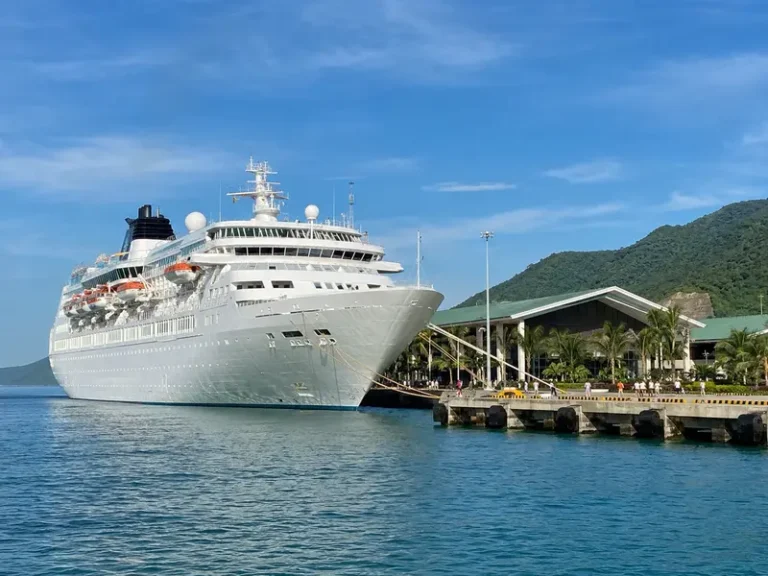
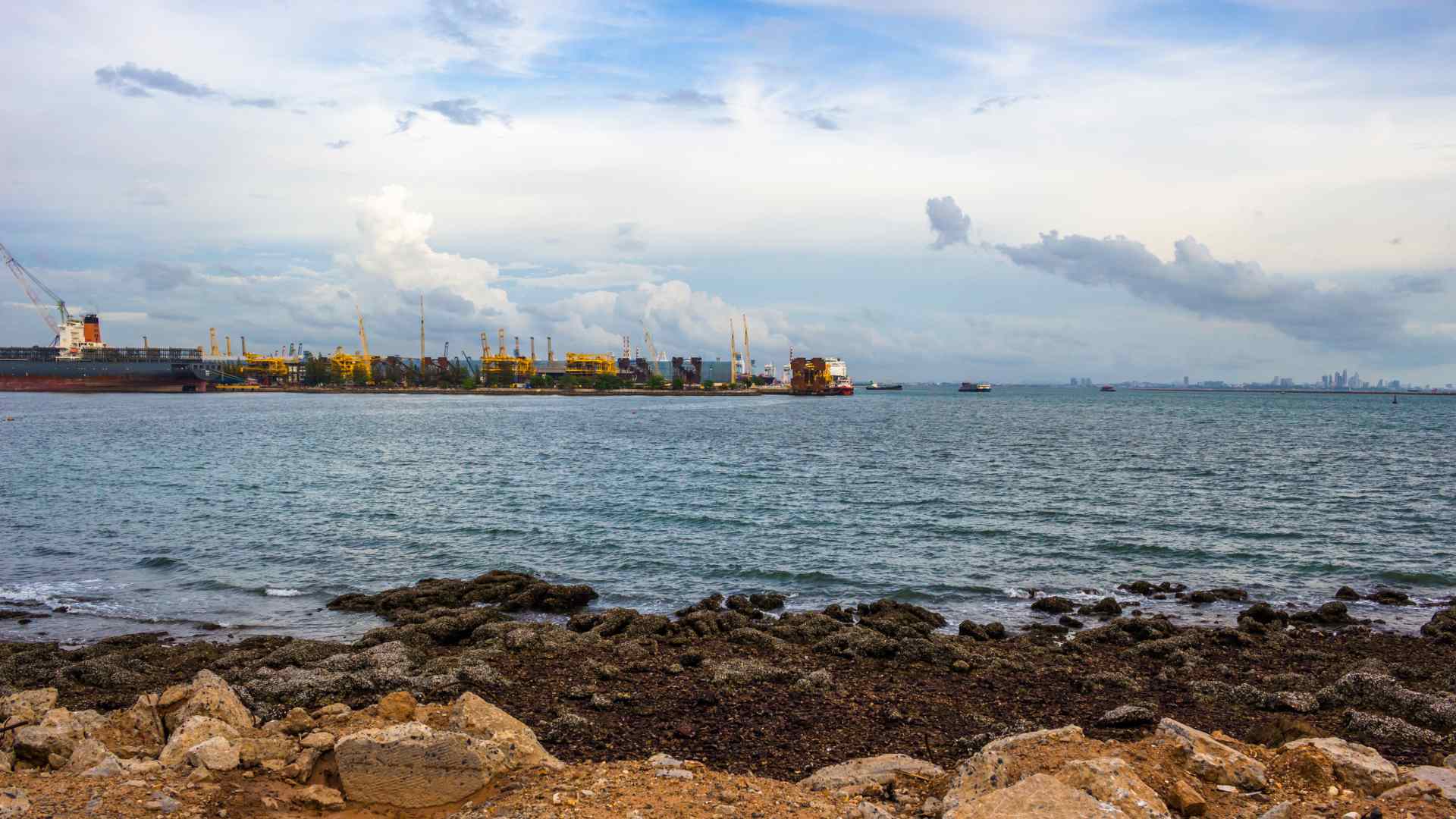
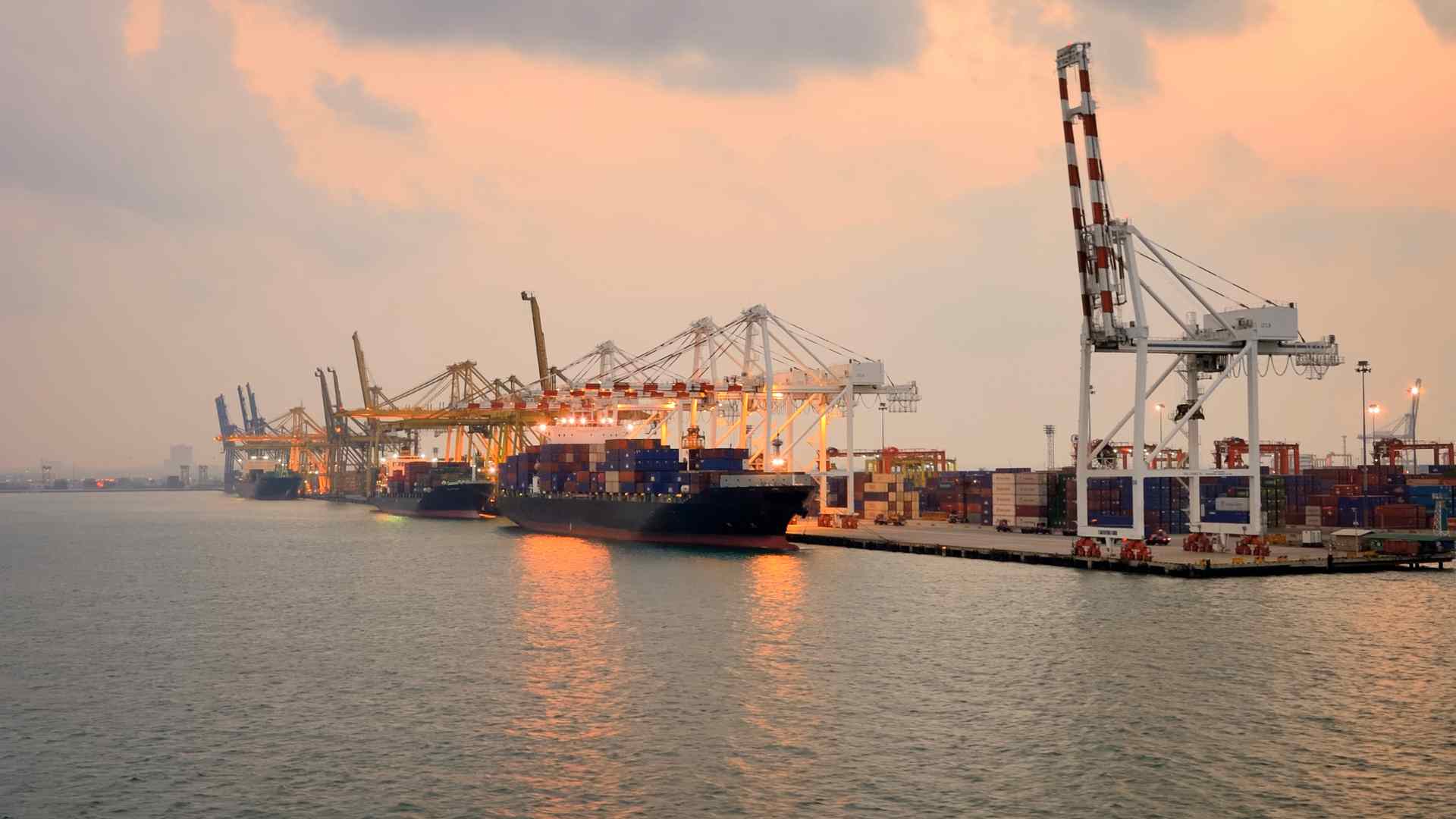
- Where you land: the passenger berth in Basin 1 at Laem Chabang, in Thungsukhla, Sriracha district, Chonburi province, about 80 miles south of Bangkok. It is Thailand’s largest cargo port and it looks exactly like that: cranes, stacked boxes, and no terminal built for people.
- Dock or tender: You come alongside inside a working container terminal.
- Into town: There is no town, and nothing at all is walkable from the gate.
- Currency and language: Thai baht (THB) and Thai, with English common in tourist areas.
- Time zone: Indochina Time (ICT, UTC+7).
- Schedule risk: No official public cancellation rate is available. Weather, berth availability, port operations, and the ship’s schedule can still change the call.
Berthing, shuttles, and the long road out
Laem Chabang has been running since 1991 and is the largest port in Thailand, handling containers, cars, and general cargo across two basins. Cruise ships slot into that as guests rather than as the main event, which is why the arrival feels borrowed.
Basin 1 holds the passenger berth alongside seven container terminals, and the terminal operator’s own Laem Chabang port page lays out the layout if you like that sort of thing. It also confirms the number that shapes your whole day, which is about 80 miles to Bangkok.
You should not plan to walk through this restricted working port. Follow the ship’s instructions for the approved shuttle, motorcoach meeting point, or vehicle pickup because the arrangement can vary by berth and sailing.
Build the internal port transfer into every plan rather than treating gangway time as highway departure time. Queues can form when several tours return together, so keep a margin before all aboard.
Suvarnabhumi is the main international airport most travelers use, but U-Tapao is geographically closer and serves a much smaller route network. If you are joining or leaving the ship here, book a transfer around your actual airport and terminal rather than assuming every “Bangkok” flight uses the same one.
Getting around
Independent taxis and minibuses may be available through the ship’s designated pickup arrangement, but supply and access vary by call. Reserve ahead when possible, then confirm the total fare, route, waiting time, and return point before you leave.
For Pattaya a taxi is genuinely sensible, because 45 minutes each way leaves you real time on the ground. For Bangkok it is a bet on traffic that you personally will lose.
There is no train from the port and no useful public bus for a visitor on a clock. Thailand has rail, but none of it starts at a container berth.
If your ship sells a transfer to Pattaya, compare its exact drop-off and return time with a reserved car. The useful part is a confirmed ride back on the ship’s schedule, not a blanket promise that one option is always cheaper.
The stops I would actually spend time on
Laem Chabang itself has nothing for you, so this list is really about two very different day trips. Pick one direction and stop looking wistfully at the other.
The Grand Palace and Wat Phra Kaew: The royal compound in Bangkok’s Rattanakosin district, home of the Emerald Buddha and the most photographed thing in Thailand. Ticket sales stop an hour before closing, which makes a late motorcoach a genuine problem.
Wat Pho: The reclining Buddha, and a temple compound noticeably calmer than the palace next door. It is a short walk away, which makes it the obvious pairing.
Wat Arun and a Chao Phraya boat: Crossing the river on a public boat is the cheapest good thing in Bangkok. The porcelain covered spire looks better up close than it does in photographs, which is rare.
Nong Nooch Tropical Garden: A huge landscaped garden south of Pattaya that the Tourism Authority of Thailand lists among Chonburi’s headline attractions. It is close, it is easy, and it fills a half day without a highway.
Ko Lan: The island off Pattaya, reached by ferry or speedboat, with much better water than the mainland beaches. Boat schedules make it tight on a short call.
Pattaya Beach: Loud, busy, and entirely unpretentious, with a long curve of sand and a lot of strong opinions attached. Jomtien, just south, is the calmer version of the same idea.
Nong Mon Market: Chonburi’s local market for regional food and souvenirs, and the least touristy stop on this list. Excellent for sticky rice and terrible for shade.
Mini Siam: Thailand’s landmarks shrunk to model scale, which is either delightful or extremely silly depending on your mood. It is a decent plan B with children and a short call.
Khao Sam Muk: A hilltop above the coast at Bang Saen with a Chinese shrine and cactus gardens. Worth it for the view rather than the site itself.
Fun fact: The Grand Palace stops selling tickets at 3:30 PM and closes at 4:30 PM, which is brutal if your motorcoach leaves Laem Chabang late. Entry is 500 baht per person, and the official Grand Palace site is the only place I would trust for current hours.
How I would plan the day
Check your in port hours before you decide anything, because Bangkok only works on a long call. Four hours of driving out of an eight hour port day leaves you almost nothing at the other end.
If Bangkok is on, I would book the ship’s tour and treat the premium as insurance. The alternative is watching your own funnel from a stationary taxi somewhere on Sukhumvit.
If Bangkok is off, I would still leave early and head south instead. Nong Nooch in the morning, lunch somewhere with air conditioning, and a beach hour before the shuttle back.
Even an alongside call can change because of weather, berth availability, port operations, or the ship’s wider schedule. Keep a shorter Chonburi plan in reserve if a delayed arrival makes Bangkok unrealistic.
Whatever you choose, get back to the gate early. The shuttle bottlenecks at the end of the day, and the last motorcoach in is not a relaxing place to be.
A realistic word on accessibility
Getting off the ship is flat and easy, and the port shuttle is a short ride on level ground. That is where the easy part ends.
Bangkok is not a friendly city for wheels, with high curbs, broken pavement, and temple compounds full of steps and raised thresholds. The Grand Palace in particular involves a lot of walking on uneven stone.
Motorcoaches with wheelchair lifts are rare on Thai shore excursions, so ask the line directly rather than hoping. My roundup of wheelchair-friendly cruise ports covers the calls where this goes considerably better.
When to go, and the weather
The cruise season here runs roughly November to April, which lines up with the drier northeast monsoon. That is also when the heat is merely serious rather than punishing.
Highs sit in the upper 80s to low 90s Fahrenheit for most of the year. Humidity does the rest, and shade is not guaranteed at any of these stops.
The wet season runs roughly May to October, with heavy afternoon downpours rather than all-day drizzle. Rain will not stop a motorcoach, but it floods Bangkok streets and adds time to everything.
For anything more precise, the Thai Meteorological Department publishes daily, seasonal, and marine forecasts. Pack light cotton, a hat, and something that covers shoulders and knees for temple days.
Quick answers
Can I get to Bangkok independently from Laem Chabang?
You can, by reserved taxi or private car, and plenty of travelers manage it. You are also responsible for the return margin if traffic goes wrong.
Is there anything to do at the port itself?
No, and I mean that literally. It is a working cargo port, and the nearest useful stop requires an approved vehicle transfer.
How long is the drive to Pattaya?
Roughly 45 minutes each way in normal traffic, though congestion can change that quickly. Pattaya is still the more realistic choice on a short call.
Do I need Thai baht?
Carry some baht for markets, street food, and small purchases. Larger attractions and established operators may take cards, but payment acceptance can vary.
The last word
Laem Chabang is a means to an end, and there is no point pretending otherwise. What saves it is that the ends are genuinely good, whether that is a royal temple compound or a plate of grilled squid by the sea.
If your itinerary carries on down the peninsula, my Phuket and Ko Samui guides cover two very different Thai days. They are the beach half of the country to this port’s city half.
And for another Southeast Asian call with the same long transfer problem, see my Kuala Lumpur cruise port guide. Between them you can work out where to spend your energy and where to save it.
How this guide was researched: This guide uses current information from Hutchison Ports Thailand, the Port Authority framework described by the terminal operator, the Grand Palace, the Tourism Authority of Thailand, and the Thai Meteorological Department. Port access, transfer assumptions, attraction hours, weather guidance, and timing were reviewed on September 11, 2026; see our Editorial Policy.